

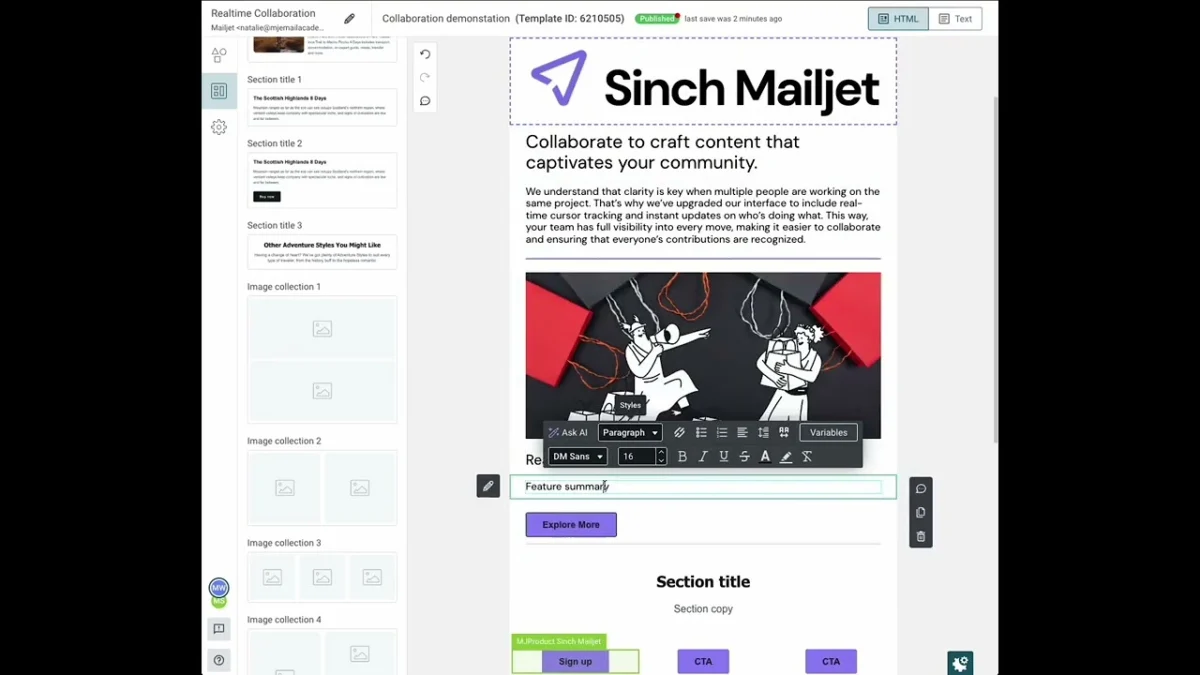
January 20, 2026 – The pervasive debate concerning transactional versus marketing email strategies has become a daily fixture in the Slack channels and meeting rooms of the world’s fastest-growing technology companies. This ongoing discussion pits distinct operational philosophies against each other, often to the detriment of overarching business objectives. On one side stands the marketing team, typically celebrating the success of sophisticated campaigns designed to drive engagement with feature-rich platforms, leveraging tools built for crafting beautiful newsletters and executing complex email automation sequences. Their focus is on brand building, lead nurturing, and conversion through compelling content and strategic timing.
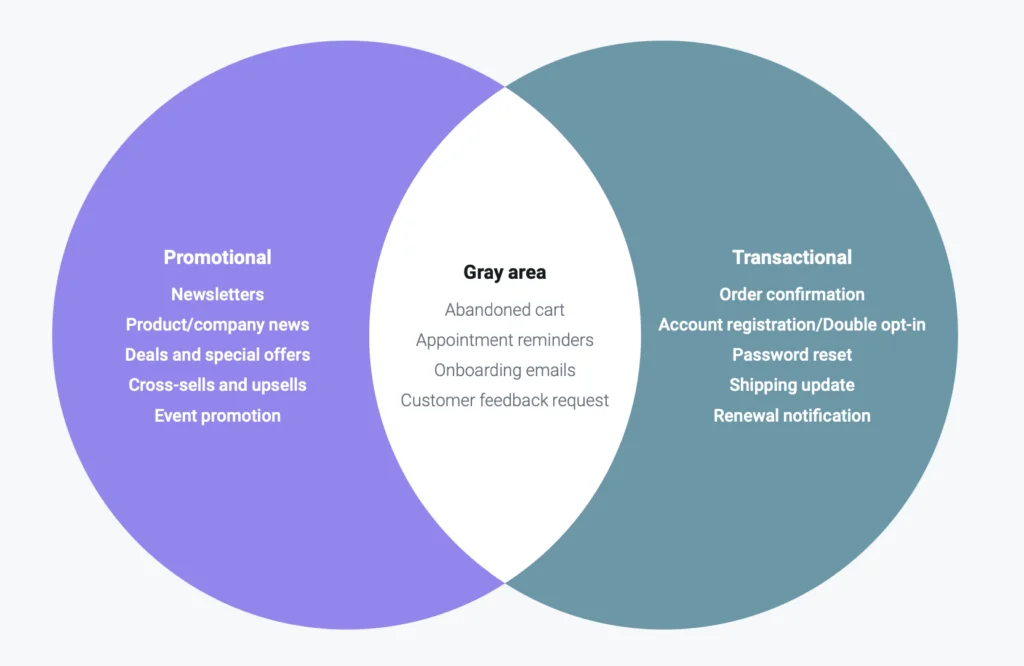
In the opposing corner, the development team meticulously maintains the application’s core infrastructure, including the critical pathways for transactional emails. These vital communications – ranging from password resets and account verifications to welcome messages and order confirmations – are typically sent using powerful, yet often separate, email APIs specifically designed for high deliverability and reliability, independent of marketing efforts. This bifurcation, where two essential functions operate almost in parallel universes, has resulted in a significant and costly strategic liability. While both teams ultimately serve the same customer base, their tools, workflows, and data remain largely disconnected, introducing systemic inefficiencies and risks that hinder growth.
For far too long, businesses have been compelled to make an unenviable choice: invest in a platform that empowers marketers to create rich, engaging experiences, or prioritize the robust power and reliability developers need for critical system-triggered messages. This false dichotomy, implying a zero-sum game between transactional and marketing email, is increasingly being recognized as an outdated paradigm. The emerging consensus, particularly among product-led growth (PLG) teams, is that this choice is no longer necessary. Instead, the strategic imperative is to seek out an all-in-one email platform capable of serving both needs holistically, fostering a unified communication ecosystem.
The Historical Divide: How Email Silos Emerged
The roots of the transactional and marketing email divide can be traced back to the early days of digital communication. In the nascent internet era of the 1990s, email primarily served as a functional tool. Developers integrated simple SMTP servers or basic APIs into applications to send essential, system-generated notifications – password resets, error messages, and basic account confirmations. These transactional emails were utilitarian, focused purely on functionality and reliability, with little to no emphasis on branding or design. They were necessities for system operation rather than customer engagement.
As the internet matured and businesses recognized the immense potential of email for customer acquisition and retention, specialized email marketing platforms began to emerge in the late 1990s and early 2000s. Companies like Constant Contact and Mailchimp pioneered user-friendly interfaces, template builders, segmentation tools, and analytics dashboards, catering specifically to marketers. The primary objective shifted from simple notification to engagement, brand building, and sales. These tools were distinct from the infrastructure used for transactional sends, often due to differing technical requirements, deliverability priorities (transactional emails often need higher priority for inbox placement), and the specialized skill sets of the teams managing them.

This chronological separation led to the development of distinct ecosystems. Marketers became adept at leveraging their dedicated platforms for newsletters, promotional campaigns, and drip sequences, while developers continued to manage transactional sends through robust, code-driven APIs. The rapid acceleration of the Software-as-a-Service (SaaS) model and product-led growth strategies in the 2010s further highlighted this divide. As products became the primary driver of customer acquisition and retention, the lines between "marketing" and "product" communications blurred, yet the underlying email infrastructure remained stubbornly siloed. The need for a cohesive, branded experience across all touchpoints became paramount, making the limitations of fragmented systems increasingly apparent by the mid-2020s. The industry is now at a pivotal moment, demanding a unified approach to overcome these entrenched divisions.
The Hidden Costs of Fragmented Email Strategies
While a dual-system approach might appear manageable on the surface, the hidden costs quietly accumulate, silently sabotaging growth, diluting brand equity, and eroding operational efficiency. These pains are felt most acutely by the very teams tasked with propelling the business forward, creating friction where seamless flow is essential.
Pain Point #1: The Siloed and Inconsistent Customer Experience
Customers do not perceive departmental boundaries; they interact with a singular brand entity. Whether an email is categorized internally as "marketing" or "transactional" holds no relevance for them. To the customer, every email represents a direct conversation with the company, and when this conversation is fragmented, the entire experience rapidly deteriorates.
Consider a potential user, initially captivated by a sophisticated marketing email showcasing a product’s elegant user interface and innovative features. Intrigued, they proceed to sign up for a trial. However, a minor slip – a mistyped password on their second login attempt – leads them to click the "Forgot Password" link. Instead of a consistent, branded experience, they are greeted by a stark, plain-text email that appears to have originated from a server predating modern web design. The trust and excitement meticulously cultivated by the marketing team instantly dissipate, replaced by confusion and a subtle, yet profound, sense of disappointment.
This is precisely where brand trust begins to erode. Each inconsistent touchpoint – be it a bare-bones payment receipt, a generic shipping notification, or an unhelpful error message – widens the cracks in the meticulously planned customer journey. Achieving a truly consistent brand experience across all email communications becomes an impossible feat. In the customer’s mind, if a company struggles to maintain a cohesive visual and tonal identity across its own emails, can they truly be trusted to deliver a seamless and reliable product or service? The fundamental step of unifying transactional and marketing emails under a single brand identity is rendered impossible by siloed systems.
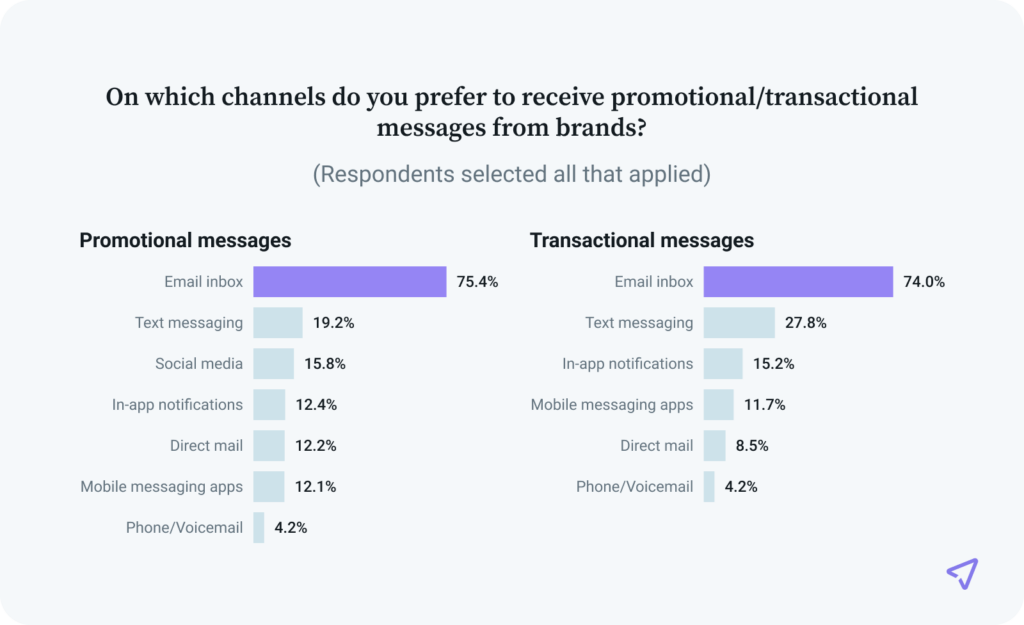
Supporting data underscores this critical point. Research, such as Mailjet’s own email engagement report, consistently demonstrates that when a brand maintains a distinct and unified look and voice across all customer interactions, recipients are significantly more likely to recognize, trust, and subsequently open and engage with those emails. A staggering 71% of respondents in one such report indicated they would check their spam or junk folder for a transactional email, highlighting the critical nature of these communications. However, this necessity is not an ideal scenario; it’s akin to a mail carrier delivering essential correspondence to a trash can and expecting the recipient to sift through waste to retrieve it. This inconvenient reality underscores the urgent need for a unified strategy that ensures all emails reach the inbox with consistent branding and a clear sender reputation. The implications of inconsistency extend beyond mere aesthetics; they directly impact open rates, click-through rates, and ultimately, customer retention and loyalty. A 2023 study by Lucidpress found that consistent brand presentation across all platforms can increase revenue by up to 23%, a figure that should resonate deeply with businesses grappling with email silos.
Pain Point #2: Developer Bottlenecks that Stifle Innovation
In today’s hyper-competitive, product-led growth landscape, speed of iteration and agility are paramount. The product’s communication strategy serves as a crucial lever for guiding users towards activation, deeper engagement, and ultimately, long-term retention. However, for Product or Growth Leads, a fragmented email strategy frequently becomes a source of debilitating friction, epitomized by the dreaded "developer bottleneck."
Imagine a Growth Manager, after meticulous analysis of user behavior data, conceptualizing a sophisticated five-part automated email sequence designed to onboard new users effectively. The objective is to guide these users through critical activation steps within their initial week. The proposed copy is compelling, the email designs are modern and engaging, but the entire project grinds to a halt. The initial welcome emails, which form the bedrock of this sequence, are hard-coded into the application’s backend and dispatched via a basic transactional service that the marketing or growth team has no direct access to.
The request for modifications or new implementations enters the development backlog, where it languishes for weeks, competing for prioritization against urgent bug fixes, security patches, and the development of new core features. When the request is finally addressed, it often results in a significantly watered-down version of the original vision, stripped of dynamic content or personalization capabilities due to technical constraints or time limitations. The crucial opportunity to rapidly A/B test email subject lines, experiment with different calls-to-action, or dynamically alter content based on real-time user actions is lost. The very SaaS email platform that should function as a growth accelerator instead becomes a significant impediment, stifling the experimentation and rapid iteration essential for dramatically improving activation rates and reducing churn. Industry data from agile development surveys frequently highlights that developer backlogs can extend for weeks or even months, translating directly into delayed product enhancements and missed market opportunities. A 2023 report by McKinsey emphasized that companies with faster release cycles and iterative product development demonstrate significantly higher revenue growth and market share, a stark contrast to organizations hindered by such bottlenecks.
Pain Point #3: Governance Nightmares and Compliance Risks
For any leader overseeing operations, security, or finance, email governance and regulatory compliance represent non-negotiable, top-tier priorities. A fragmented email strategy, characterized by duplicate data stores, disparate user permissions, and the absence of a central command center, is a ticking time bomb of operational and legal risk.
With stringent data privacy regulations such as GDPR (General Data Protection Regulation) in Europe and CCPA (California Consumer Privacy Act) in the United States carrying severe financial penalties – potentially millions in fines or a percentage of global revenue – a lack of centralized email management is a risk no business can afford. When a user in the EU exercises their "right to be forgotten," can an organization confidently ensure their personal data has been completely purged from both its marketing platform and its transactional service logs? When a customer explicitly unsubscribes from a marketing newsletter, is there absolute certainty they will not inadvertently receive another promotional email triggered from the "transactional" system, leading to a compliance violation, potential legal action, and irreparable damage to the company’s sender reputation? The risk of inadvertently sending marketing content through a transactional channel, which often has less stringent unsubscribe requirements, is a constant threat.
Furthermore, this division profoundly impacts core email deliverability. If, for instance, the transactional system maintains poor list hygiene by continuously sending emails to invalid or inactive addresses, it can severely harm the domain’s overall sender reputation. Crucially, because both marketing and transactional systems often send from the same primary domain, the marketing team’s carefully crafted campaigns – irrespective of their quality – may begin landing directly in spam folders through no fault of their own. This phenomenon, known as "reputation bleed," is a direct consequence of a fragmented approach. The Mailjet email engagement report illustrates that while customers might seek out transactional emails in spam, consistent spam folder delivery for any email type from a domain erodes trust and diminishes the effectiveness of all email communications. This directly impacts critical business metrics like customer support load, conversion rates, and overall brand perception, posing a significant threat to business continuity.
Industry Perspectives: Voices on the Unification Imperative
A Head of Marketing at a leading SaaS firm, speaking anonymously due to company policy, expressed: "It’s incredibly frustrating. We invest heavily in branding, design, and user experience for our marketing campaigns, only to have our users encounter a jarringly different, unbranded experience with crucial transactional emails like password resets or billing notifications. It undermines everything we’re trying to build in terms of trust and professionalism. We need to maintain a consistent brand voice, but our current setup makes it a constant uphill battle."
A Lead Developer at a mid-sized tech company, who wished not to be named, observed: "Our development team’s primary focus should be on building and enhancing our core product, not on HTML templating for marketing-driven user flows. Every request to modify an onboarding email or integrate a new notification sequence means diverting critical engineering resources from strategic feature development. It creates bottlenecks and slows down our ability to innovate, making it harder to respond quickly to market needs or user feedback."
**The Chief Product Officer of an enterprise software provider recently commented in








