Businesses, regardless of size, hinge on their ability to connect with customers. In a landscape teeming with over 36 million small businesses in the U.S., as identified by the SBA’s Office of Advocacy, the competition for consumer attention is fierce. This article delves into 30 effective promotion tactics, offering guidance for businesses operating with no budget, a limited budget, or more substantial financial flexibility. The key to success lies not in attempting every strategy, but in consistently executing a focused selection of 5-8 tactics.
Strategic Selection: Choosing the Right Promotion Tactics
The overwhelming array of promotional options can paralyze even the most determined entrepreneur. However, a strategic approach, grounded in budget, available time, business type, and the urgency of results, is paramount. Committing to a chosen set of 5 to 8 tactics for a minimum of 90 days is far more effective than spreading resources thinly across numerous initiatives.

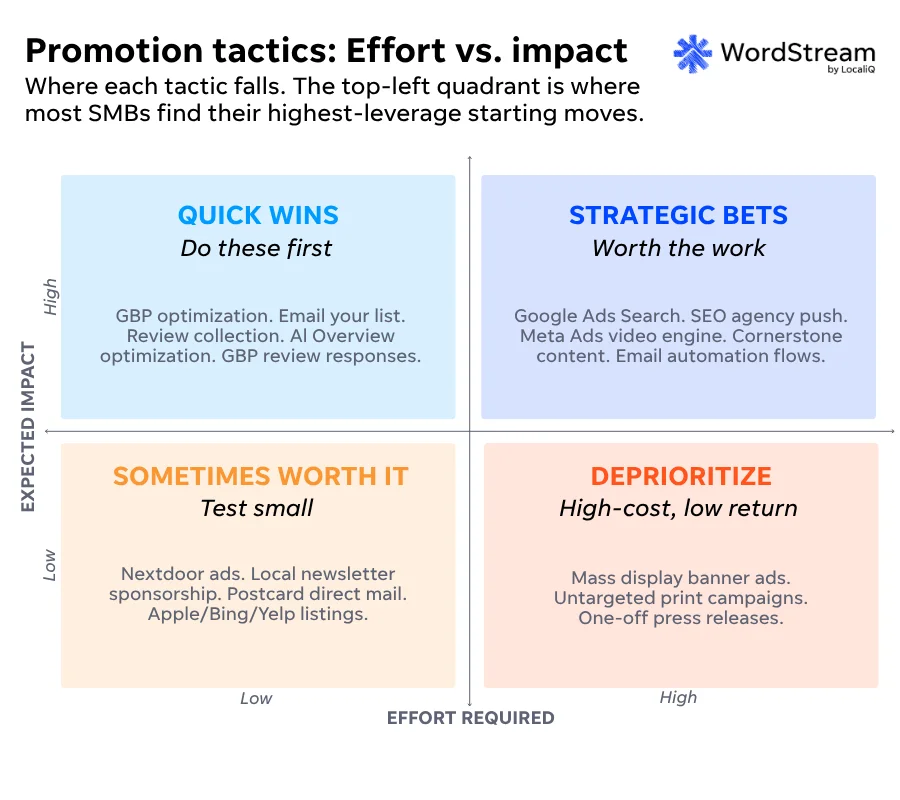
A valuable framework for selection is the "effort versus expected impact" matrix. High-impact, low-effort strategies, such as optimizing a Google Business Profile, engaging with an existing email list, and actively soliciting customer reviews, should form the bedrock of most small business promotion efforts. The high-impact, high-effort quadrant, encompassing tactics like Google Ads and comprehensive SEO, requires significant commitment but offers substantial rewards.
To assist in this crucial decision-making process, a tailored approach can be employed. By answering four key questions about your business and its objectives, a prioritized list of suitable tactics can be generated. It is essential, however, to treat these recommendations as a starting point, a curated shortlist rather than absolute dictates, as an intimate understanding of one’s own market often surpasses algorithmic insights.
Leveraging Google’s Ecosystem for Business Visibility
With Google commanding approximately 90% of the global search market share, its platforms are indispensable for reaching potential customers actively seeking solutions. A business’s presence on Google is no longer optional; it’s a fundamental requirement for visibility.
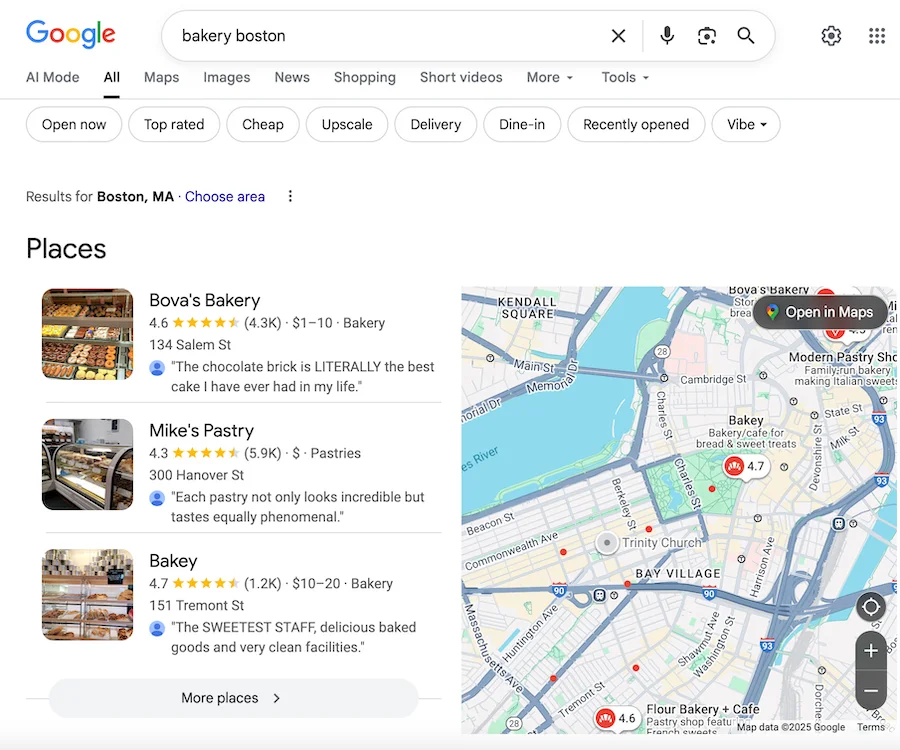
1. The Power of a Verified Google Business Profile
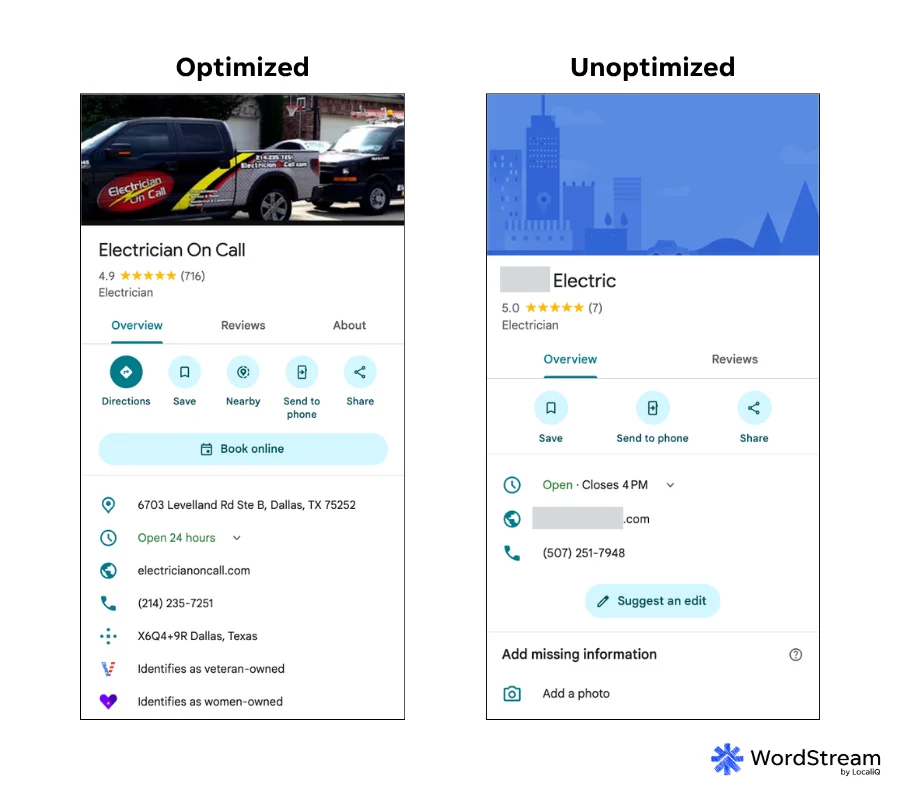
The Google Business Profile (GBP), formerly Google My Business, is a cornerstone of local online presence. It dictates a business’s appearance in Google Maps, the local search results section, and the informative Knowledge Panel that appears in search results when a specific business is queried. As Google increasingly prioritizes location-based results, a well-maintained GBP is a free, 24/7 promotional tool.
The critical step is to verify ownership of the listing through a free Google Business account. This verification unlocks the ability to optimize the profile, ensuring it ranks higher for relevant searches and displays accurate, up-to-date information. Furthermore, the GBP allows businesses to publish posts directly to their listing, showcasing attractive promotions to an audience demonstrating high intent. Optimizing a GBP is a foundational step, offering significant return on investment for minimal financial outlay.
2. Establishing a Digital Home: The Business Website
A professional website is an indispensable marketing asset, serving as the central hub for both current and prospective customers. Even if a business is discovered through social media or search engines, consumers will invariably seek out its website for comprehensive information. Like a GBP, a website functions as a continuous promotional tool.
A well-designed website effectively communicates a business’s story: its offerings, contact details, and unique selling propositions. Crucially, it acts as a measurement nexus for all marketing activities. Landing pages for ad campaigns, links from social media posts, and all other promotional channels should direct traffic back to the website, where analytics can reveal the efficacy of various strategies. While free website builders exist, a professionally managed website with a custom domain, a modern aesthetic, and scalability offers a more robust foundation for long-term growth.
3. Search Engine Optimization (SEO): Earning Organic Visibility
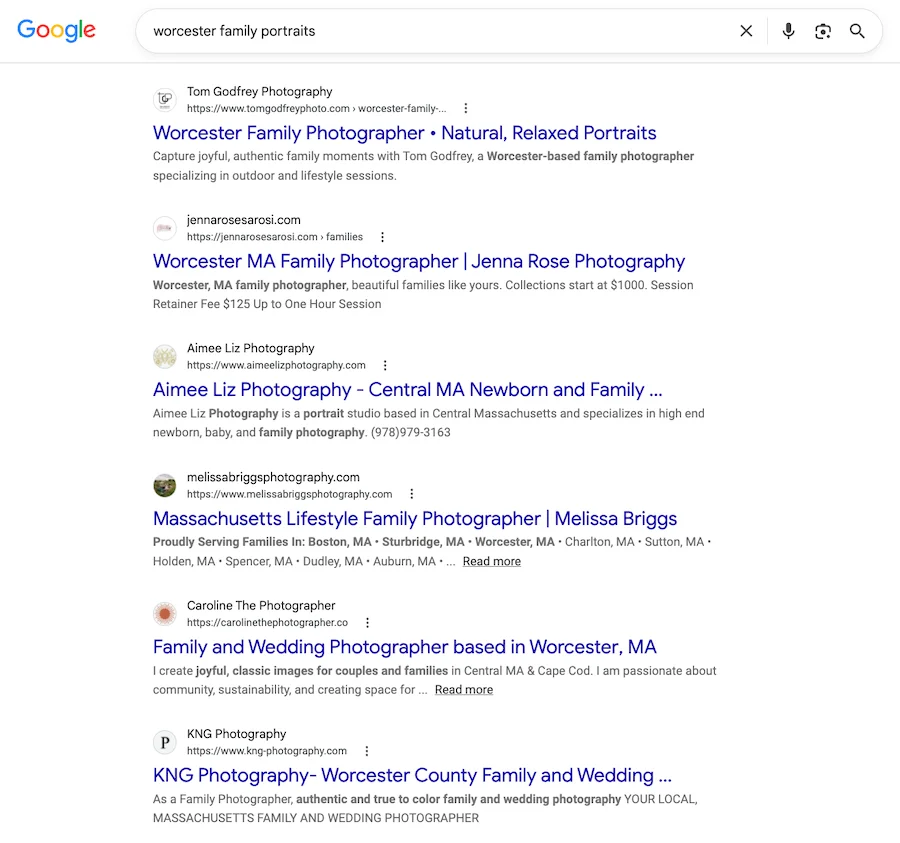
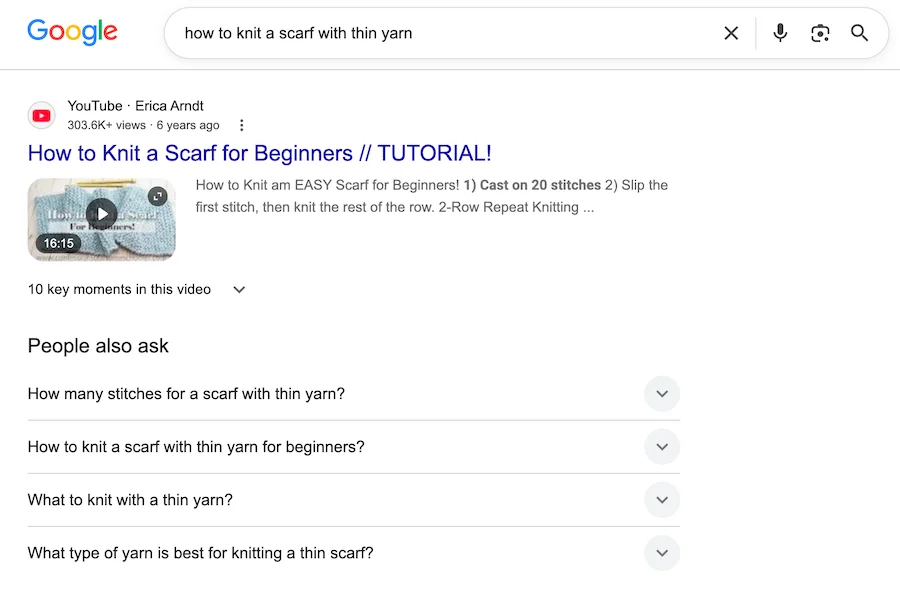
Search Engine Optimization (SEO) is the practice of aligning a website with how search engines, particularly Google, rank results. Modern SEO focuses on user experience, rewarding content that is valuable and relevant to searchers. For local businesses, achieving page one rankings is often attainable without significant advertising spend, relying instead on strategic optimization.
SEO is a multifaceted discipline incorporating various tactics:

- Keyword Research: Identifying the terms and phrases potential customers use to search for products or services.
- On-Page Optimization: Optimizing website content, meta descriptions, and title tags for targeted keywords.
- Off-Page Optimization: Building high-quality backlinks from reputable websites.
- Technical SEO: Ensuring a website is technically sound, loads quickly, and is easily crawlable by search engines.
- Local SEO: Optimizing for location-based searches, including GBP optimization and local citations.
By ranking high in search results, businesses benefit from Google essentially promoting them to individuals actively seeking their offerings, representing a highly effective and cost-efficient promotional strategy.
4. The Content Engine: Creating a Business Blog
Content marketing, particularly through a blog, is a powerful driver of SEO and a direct method of engaging potential customers. A business blog should transcend casual updates; it should provide educational content, answer customer questions, and address the search terms that ideal customers are typing into search engines.
High-quality blog posts can take various forms:
- How-to guides and tutorials: Demonstrating expertise and providing practical solutions.
- Informative listicles: Offering curated information in an easily digestible format.
- Industry trend analyses: Positioning the business as a thought leader.
- Customer success stories: Showcasing the tangible benefits of products or services.
- Answers to frequently asked questions: Directly addressing customer pain points.
By consistently producing valuable content targeted at relevant keywords, businesses increase their chances of appearing in search results, including emerging AI-powered search interfaces.
5. Amplifying Reach: Content Distribution
The creation of compelling content is only the first step. Effective promotion requires actively sharing this content across various channels. Social media platforms, email newsletters, and downloadable guides serve as excellent vehicles for distributing blog posts and other valuable content. Designing content with shareability in mind can also encourage other credible websites to link to it, further expanding a business’s reach and credibility. For websites experiencing significant traffic, utilizing a Content Delivery Network (CDN) can ensure fast loading times, which is crucial for user experience and search engine rankings.
6. Immediate Visibility: Running Google Ads
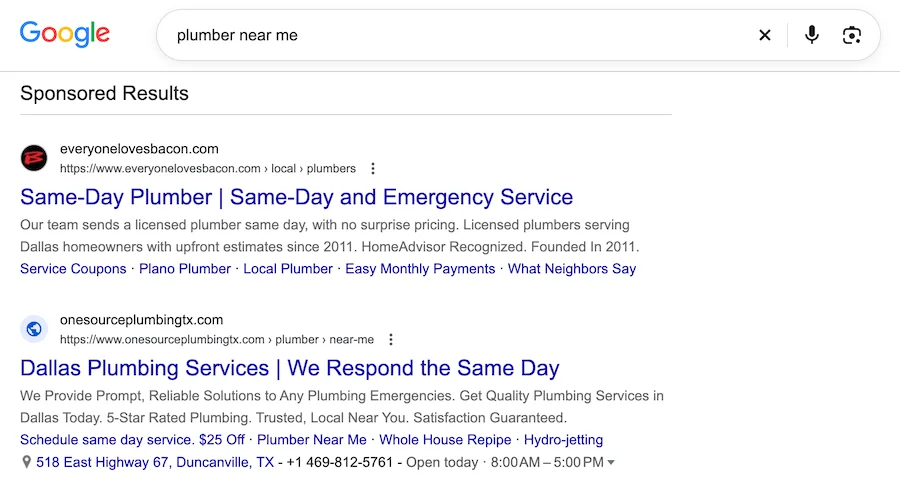
While SEO is a long-term strategy, Google Ads offers immediate visibility by placing businesses at the top of search results pages. For businesses with a dedicated budget, Google Ads provides a powerful way to capture high-intent search traffic. The platform’s flexibility, advanced ad-building features, and detailed performance reporting make it a robust tool for driving immediate leads. Advertisers can opt for text ads on the Search Network or visually engaging banner ads on the Display Network. Mastering Google Ads requires a learning curve, but an optimized campaign can yield significant returns.

Harnessing the Power of Online Directories
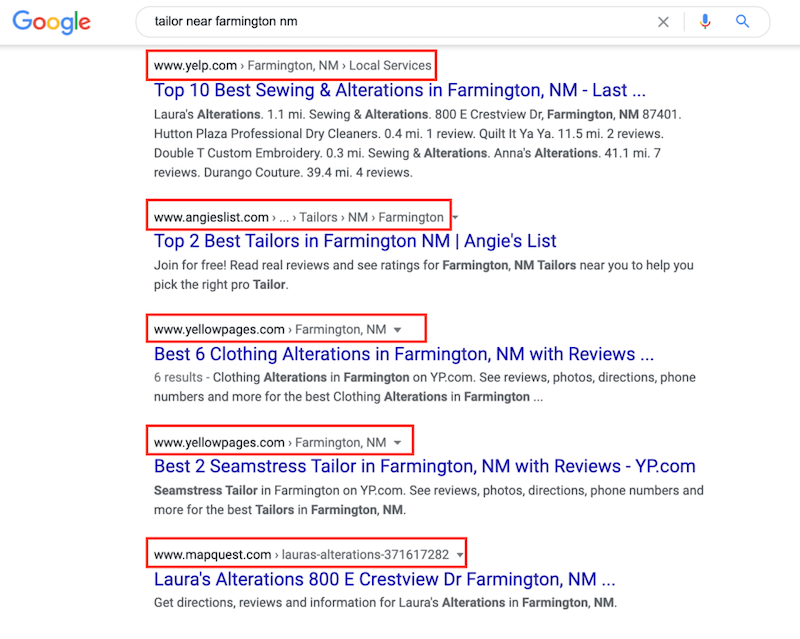
Online directories are essential resources for consumers seeking businesses and verifying their credibility. These platforms often boast high traffic volumes and established domain authority, meaning a well-crafted business listing can rank on the first page of Google searches. Creating listings is typically quick and promotes a business to local, high-intent customers.
7. Establishing a Presence on Major Directories
Creating listings on prominent directory sites is crucial, as smaller directories often aggregate data from these larger platforms. Key directories include:
- Google Business Profile
- Yelp
- Facebook Business Page
- Bing Places for Business
- Apple Maps Business Connect
- Better Business Bureau (BBB)
- Angi (formerly Angie’s List)
- HomeAdvisor
- Yellow Pages
This foundational step ensures a baseline visibility across the digital landscape.
8. Optimizing Directory Listings
Beyond mere creation, optimizing these listings is paramount. This involves meticulously filling out every field, uploading high-quality photos, and actively encouraging customer reviews. Consistency in information across all listings and the business website is vital, as discrepancies can erode trust and negatively impact search rankings. Regular monitoring and updating of listings are necessary to correct any inaccuracies that may arise.
9. The Influence of Online Customer Reviews
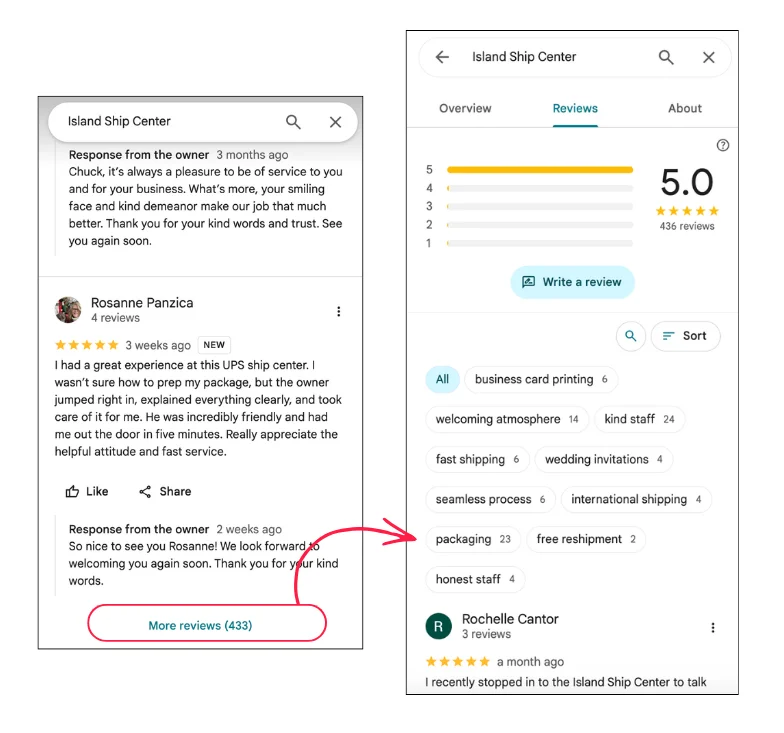
Word-of-mouth remains a potent promotional force, and online reviews amplify this effect significantly. Testimonials on a business’s own website are valuable, but reviews on third-party platforms like Google, Facebook, and Yelp carry greater weight due to their perceived impartiality. These platforms enhance exposure, and their review systems often prevent fake or spam entries, fostering greater consumer trust. Reviews are also a critical ranking factor in local search results. Actively soliciting reviews and making it easy for customers to leave feedback is essential for building a strong online reputation.
10. Managing Your Online Reputation: Responding to Reviews
Many directories allow public listings without direct business oversight. Claiming these listings is the first step in managing online reputation. Monitoring and responding to reviews, both positive and negative, is a proactive promotional tactic. Addressing negative feedback constructively can mitigate damage and even convert dissatisfied customers. The manner in which a business responds to all reviews offers potential customers a glimpse into their customer service standards and overall business ethos.
Engaging Audiences on Social Media
Social media platforms offer a vast and largely free avenue for businesses to connect with their target audiences. While the most common platforms include Facebook, Instagram, LinkedIn, and X (formerly Twitter), niche platforms like Pinterest, Reddit, and TikTok can be equally or more impactful depending on the specific audience.
11. Prioritizing Facebook for Broad Reach
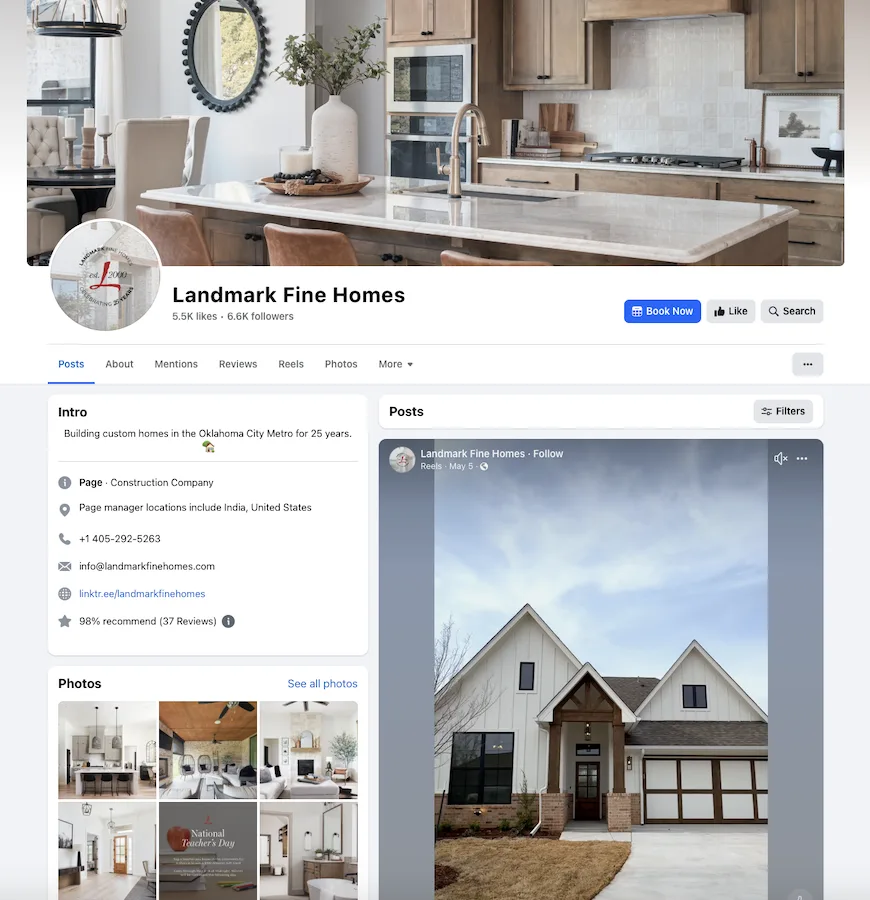
Facebook continues to be one of the most widely used social platforms globally. It serves as an effective channel for maintaining relationships with existing customers and reaching new ones. Key elements of a strong Facebook presence include:
- A well-optimized Business Page: Featuring complete information, high-quality visuals, and regular updates.
- Engaging Content: Posting a mix of informative, entertaining, and promotional content.
- Community Interaction: Responding to comments and messages promptly and participating in relevant groups.
- Facebook Ads: Leveraging targeted advertising to reach specific demographics and interest groups.
12. Professional Networking on LinkedIn
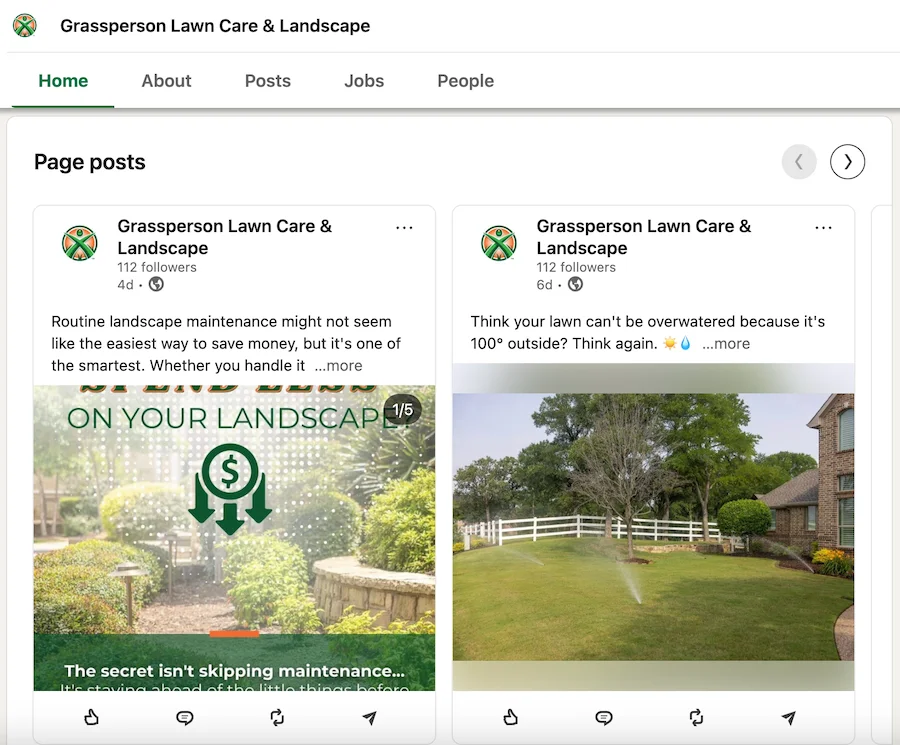
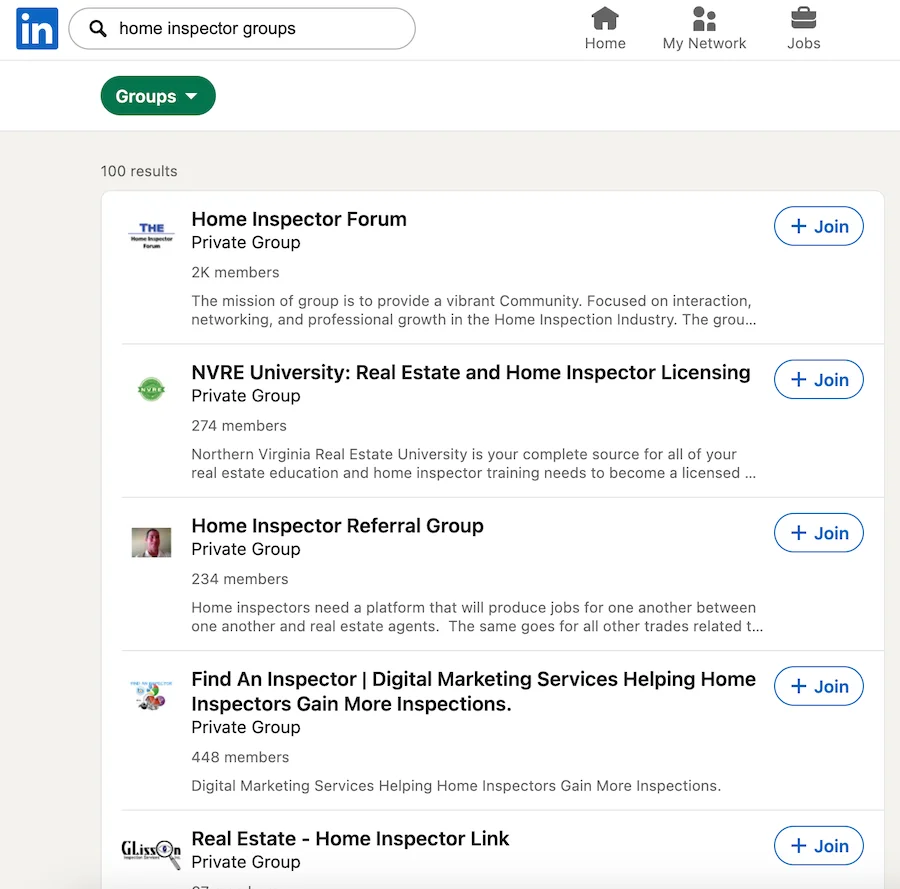
LinkedIn has evolved beyond a job-seeking platform into a robust professional networking and business development tool. Participating in group discussions, connecting with potential clients and partners, and sharing industry insights can significantly enhance a business’s visibility and credibility. The 80/20 rule—80% value, 20% promotion—is a useful guideline for content strategy on LinkedIn.
13. The Visual Power of YouTube
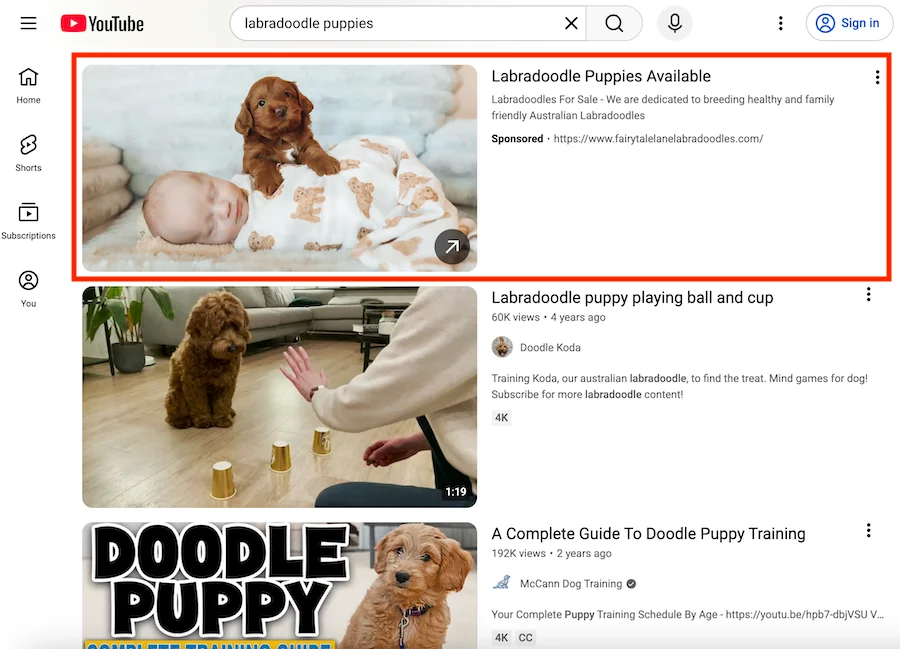
Video marketing is a highly effective way to promote a business, and YouTube provides a free platform for this. A concise overview video can serve as a valuable sales tool, while educational videos, tutorials, and "how-to" content can attract organic traffic from individuals searching for specific solutions. Videos frequently rank prominently in search results for niche queries, offering significant discovery potential.
14. Advertising on YouTube
Beyond organic content, YouTube advertising allows businesses to reach a targeted audience through video ads that play before other videos or appear in search results. This platform offers a dynamic way to showcase products and services to a highly engaged audience.
15. Capturing Attention on Instagram
Instagram, a visually driven platform, offers multiple formats for audience engagement, including feed posts, Reels, Stories, and live sessions. Businesses can leverage these features to showcase products, share behind-the-scenes glimpses, run promotions, and interact with followers through polls and Q&A sessions.
16. Real-time Engagement on X (formerly Twitter)
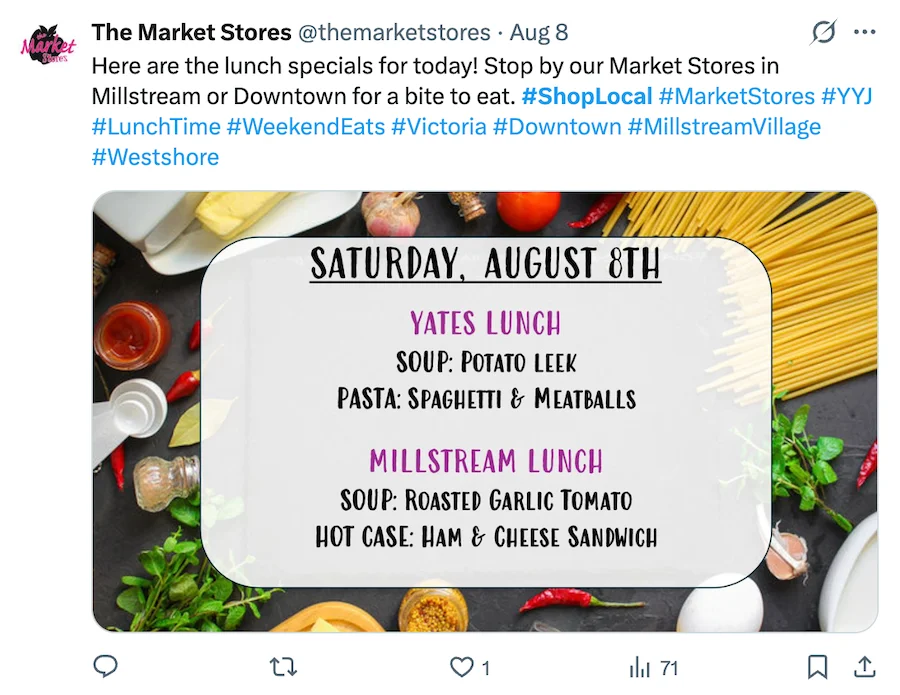
X remains a valuable platform for real-time updates, customer service, and engaging with niche audiences, particularly in sectors like media, tech, and finance. Consistent activity and participation in relevant conversations can help build a following and drive local traffic.
17. Visual Discovery on Pinterest
Pinterest is a powerful visual search engine, particularly effective for e-commerce businesses targeting a predominantly female audience. Images on Pinterest link directly back to a business’s website, making it a significant traffic driver.
18. Creative Expression on TikTok
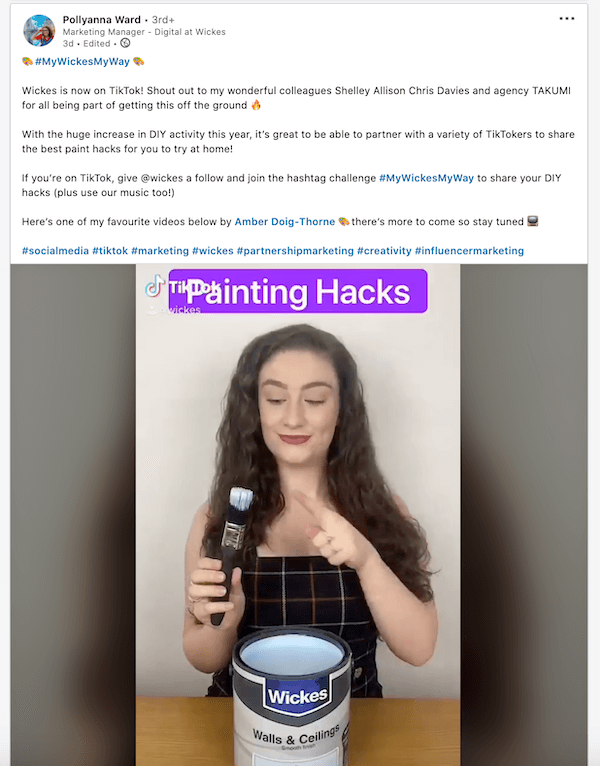
TikTok’s user-friendly editing tools and massive reach make it an attractive platform for businesses of all sizes. Short-form videos, tutorials, and behind-the-scenes content can resonate with a broad audience, and cross-promotion on other networks amplifies its impact.
19. Building Community in Online Forums
Engaging in online communities on platforms like Reddit and Facebook groups allows businesses to offer valuable advice and build genuine relationships. By providing helpful solutions to user queries, businesses can establish themselves as trusted authorities, with their profiles subtly directing interested individuals to their services.
20. Strategic Influencer Collaborations
Partnering with influencers who have a strong following within a specific niche can expose a business to a highly relevant and engaged audience. A well-executed collaboration, involving genuine engagement with the influencer’s content prior to outreach, can yield significant brand awareness and customer acquisition.
21. Targeted Social Media Advertising
Paid social media advertising offers precise audience targeting capabilities, allowing businesses to reach specific demographics, interests, and behaviors. This targeted approach can be highly effective in driving qualified leads and conversions.
Connecting with the Local Community
For local businesses, community engagement is not just beneficial; it’s often essential for sustained success.
22. Securing Local Press Coverage
Pitching compelling stories to local newspapers, blogs, and online publications can generate valuable publicity. Offering expertise through thought leadership pieces or announcing newsworthy business updates can attract media attention, leading to earned media coverage that builds credibility and brand awareness.
23. Forging Strategic Partnerships
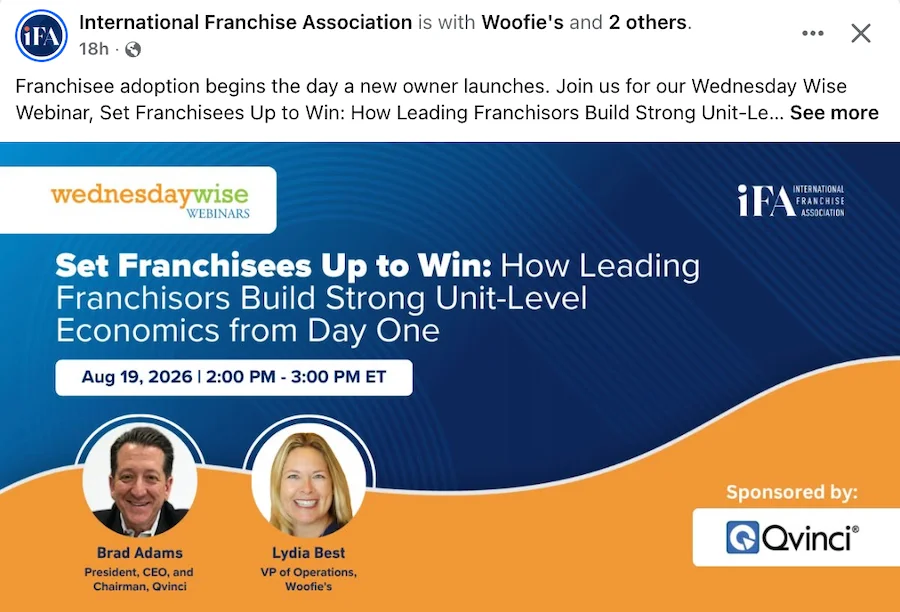
Collaborating with non-competitive businesses that share a similar clientele can create mutually beneficial promotional opportunities. Cross-promotion through email lists, in-store flyers, or social media channels can expand reach and tap into new customer bases.
24. The Power of Local Networking
Attending local networking events is crucial for building relationships within the community. For businesses that serve other local businesses or directly engage with consumers, networking can yield rapid returns. Even for businesses with a broader market, these events offer opportunities for idea exchange and partnership building.
25. Engaging Through Local Events
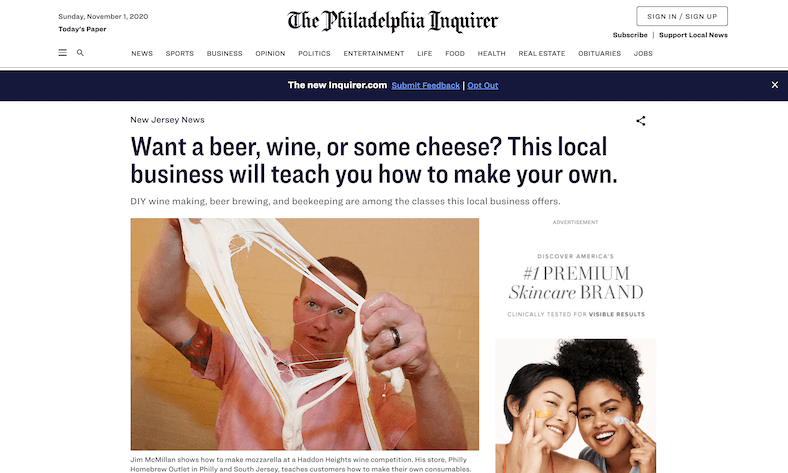
Participating in, hosting, or sponsoring local events provides a direct avenue for community engagement. This can range from teaching classes at local institutions to hosting seasonal events, offering opportunities to connect with customers and build brand loyalty. Content captured at these events can also be repurposed for online promotion.
26. Direct Mail’s Enduring Appeal
Despite the digital shift, direct mail campaigns, such as postcards and flyers, can still be effective for reaching local customers. While targeting can be less precise than digital advertising, the tangible nature of mail can foster engagement, and consistent campaigns can build recognition over time. Small gift packages for loyal customers during the holidays can also foster goodwill and encourage repeat business.
27. Traditional Local Advertising
Local newspapers, magazines, radio, and television still offer traditional advertising channels. The key to success with these mediums lies in robust tracking, using dedicated phone numbers or URLs to measure the return on investment for each placement.
Additional Effective Promotional Strategies
Beyond the core categories, several other strategies offer significant promotional value.
28. Participating in Trade Shows
For businesses targeting a national audience or selling to retailers, attending industry trade shows can be invaluable. These events offer opportunities to showcase products, network with industry professionals, and gain exposure to potential clients and partners. Visiting shows as an attendee first can provide insights before committing to exhibiting.
29. The Workhorse of Email Marketing
Email marketing consistently delivers a high return on investment, with studies indicating an average ROI of $36 for every $1 spent. Its effectiveness stems from direct communication with an engaged audience, the ability to personalize messages, and its role in nurturing leads and driving repeat purchases.
Key benefits of email marketing include:
- Direct Communication: Reaching customers directly in their inboxes.
- Personalization: Tailoring messages based on customer data and behavior.
- Nurturing Leads: Guiding potential customers through the sales funnel.
- Customer Retention: Encouraging repeat business and loyalty.
- Cost-Effectiveness: Offering a high ROI compared to many other channels.
30. Empowering Employee Advocates
Employees who feel valued and engaged are natural brand advocates. Encouraging employee participation in content creation, involvement in community events, and fostering a positive work environment can transform them into powerful promoters of the business. Equipping them with company news and promotional materials enables them to effortlessly spread the word.
Navigating the Landscape of AI Search Results
The advent of AI-powered search presents a new frontier for business promotion. To appear in these results, businesses must focus on publishing content that directly answers specific customer questions, maintaining current and accurate Google Business Profiles and reviews, and implementing FAQ content with structured data. AI tools like Google’s AI Overviews and ChatGPT assemble answers from retrievable passages and trusted business data, making clear, factual content and robust online profiles essential.
Key strategies for AI search visibility include:
- Answering Specific Questions: Creating content that directly addresses user queries.
- Maintaining GBP and Reviews: Ensuring accurate and up-to-date business information.
- Utilizing FAQ Content with Structured Data: Making information easily digestible for AI.
- Demonstrating Expertise: Attributing content to named authors to build credibility.
AI search results are probabilistic, making this a long-term strategy focused on content durability and authoritative presence.
Measuring Success: Tracking Promotion Tactics
Effective promotion hinges on the ability to track which strategies are yielding results. This requires setting up conversion tracking before launching campaigns, tagging all campaign links with UTM parameters for granular analysis, and consistently asking new customers how they heard about the business. Without this data, scaling successful tactics becomes a matter of guesswork.
A foundational tracking stack for most small businesses includes:
- Google Analytics: For website traffic and user behavior analysis.
- Google Business Profile Insights: To monitor local search performance.
- UTM Parameters: To track the source and medium of traffic from specific campaigns.
- Conversion Tracking: To measure desired actions (e.g., form submissions, purchases).
- Customer Surveys: To gather qualitative data on customer acquisition channels.
Establishing benchmarks for expected outcomes allows businesses to assess performance against goals. Monthly review of these metrics is crucial for identifying top performers, areas for improvement, and opportunities to reallocate resources.
The Timeline of Promotional Impact
The time it takes for promotional strategies to yield results varies significantly. Quick wins, such as Google Business Profile optimization and email campaigns to existing lists, can show results within 0-2 weeks. Compounders, like short-form video and email automation, typically take 2 weeks to 3 months to gain traction. Long-term investments, such as SEO and cornerstone content creation, require a commitment of 3 to 12+ months to deliver substantial returns. Building a promotional mix that encompasses all three time horizons is essential for sustained growth.
A common regret among small businesses is abandoning long-term strategies prematurely due to slow initial results. Understanding the typical payoff window for each tactic is critical for maintaining the necessary patience and commitment.
Your First 30 Days: A Strategic Starting Point
A structured 4-week starter plan can provide a clear path for businesses new to promotion.

- Week 1: Focus on foundational elements, such as claiming and optimizing the Google Business Profile and setting up basic tracking.
- Week 2: Activate existing demand by engaging with the current customer base through email or social media.
- Week 3: Test one new channel or tactic, carefully chosen based on the initial assessment.
- Week 4: Measure the results of the initial efforts, analyze what worked, and make informed decisions for the next 30 days.
This phased approach front-loads free, high-impact activities, minimizing initial financial risk while building momentum.
Common Pitfalls to Avoid in Business Promotion
Several common mistakes can hinder promotional effectiveness:
- Trying Every Tactic at Once: Spreading resources too thin.
- Skipping Foundational Steps: Neglecting essential elements like GBP optimization.
- Quitting Too Soon: Abandoning tactics before they have time to yield results.
- Running Without Tracking: Lacking data to measure effectiveness.
- Blindly Copying Competitors: Failing to tailor strategies to one’s own business.
- Treating Promotion as a One-Time Effort: Lacking consistent execution.
- Burying a Vague Offer: Failing to clearly articulate value proposition.
- Ignoring Existing Customers: Overlooking a valuable source of repeat business and referrals.
The most critical mistake to rectify is the absence of tracking, as it prevents businesses from identifying and rectifying other errors.
Conclusion: A Focused Approach to Business Growth
The journey of promoting a business is a marathon, not a sprint. By strategically selecting 5 to 8 effective tactics that align with budget, time, and business type, and executing them consistently for at least 90 days with robust tracking in place, businesses can achieve sustainable growth. Understanding competitive landscapes and the evolving dynamics of AI search further enhances the potential for success. Ultimately, a disciplined, data-driven approach to promotion is the most reliable path to connecting with customers and achieving long-term business objectives.