

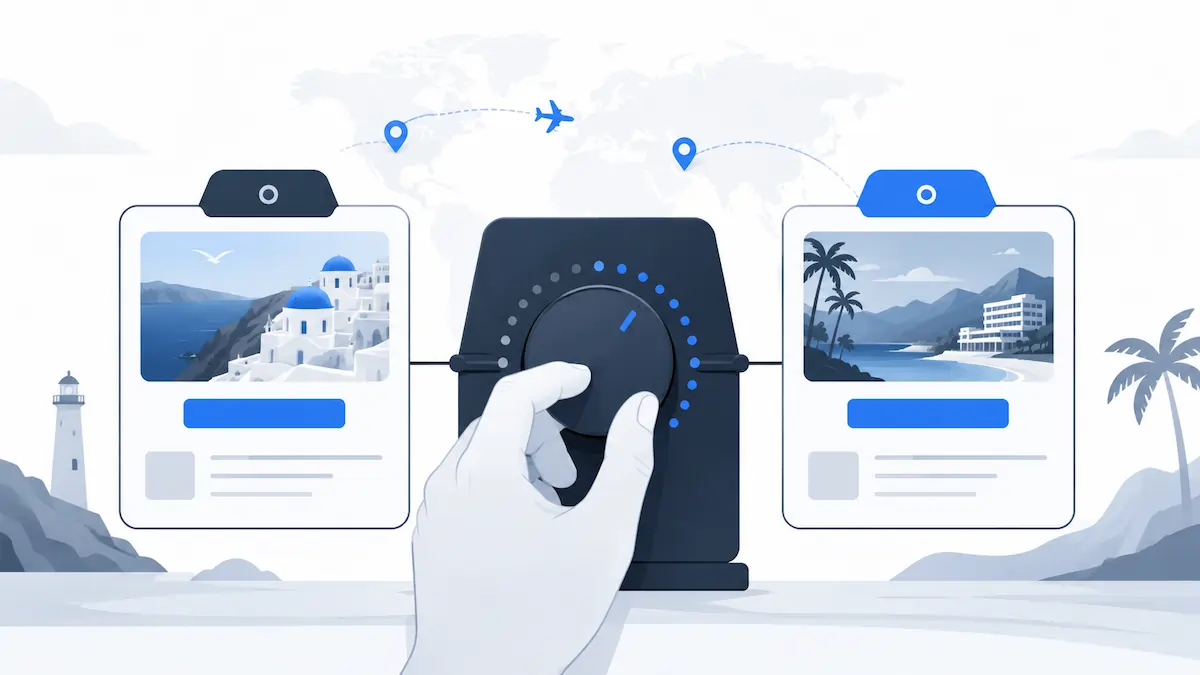
The global tourism sector currently exists in a state of digital bifurcation, where a handful of multi-billion-dollar entities utilize sophisticated data experimentation while the vast majority of the industry relies on antiquated observational methods. While industry leaders such as Booking.com, Expedia, and Airbnb conduct thousands of controlled experiments annually—with Booking.com alone maintaining over 1,000 concurrent tests—smaller operators, who comprise the bulk of the global market, rarely engage in formal A/B testing. This disparity has created a significant data vacuum, hindering the ability of smaller enterprises to optimize for direct bookings and adapt to the rapidly evolving preferences of the 2026 traveler.
The Methodological Crisis in Tourism Research
Academic and industry experts have identified a systemic over-reliance on self-reported data within the hospitality and travel sectors. A pivotal 2020 review, "A review of experiments in tourism and hospitality," argued that the industry has historically leaned too heavily on surveys and correlational data. The primary flaw in this approach is the "intention-behavior gap," a psychological phenomenon where the stated preferences of a tourist do not align with their actual purchasing actions.
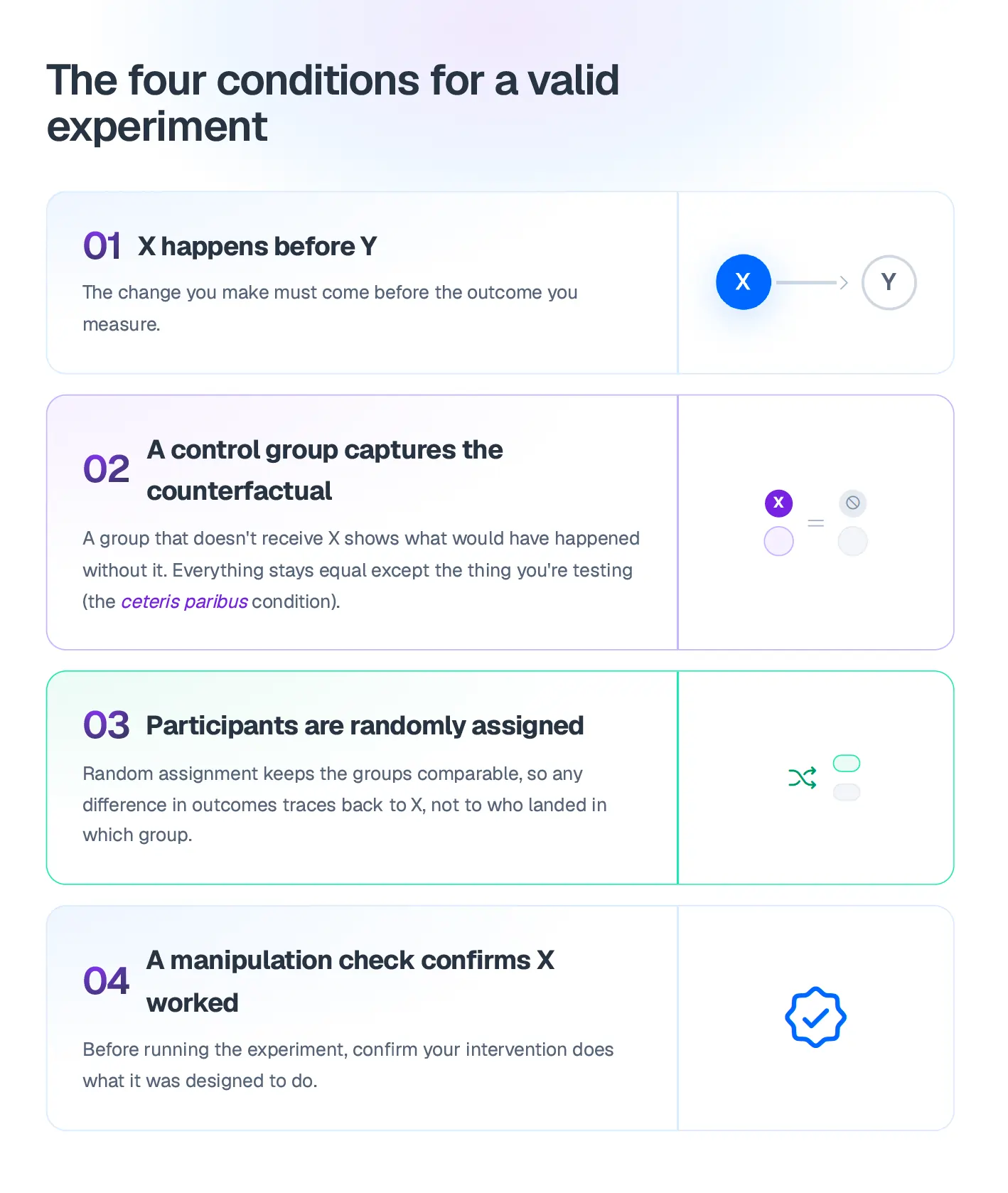
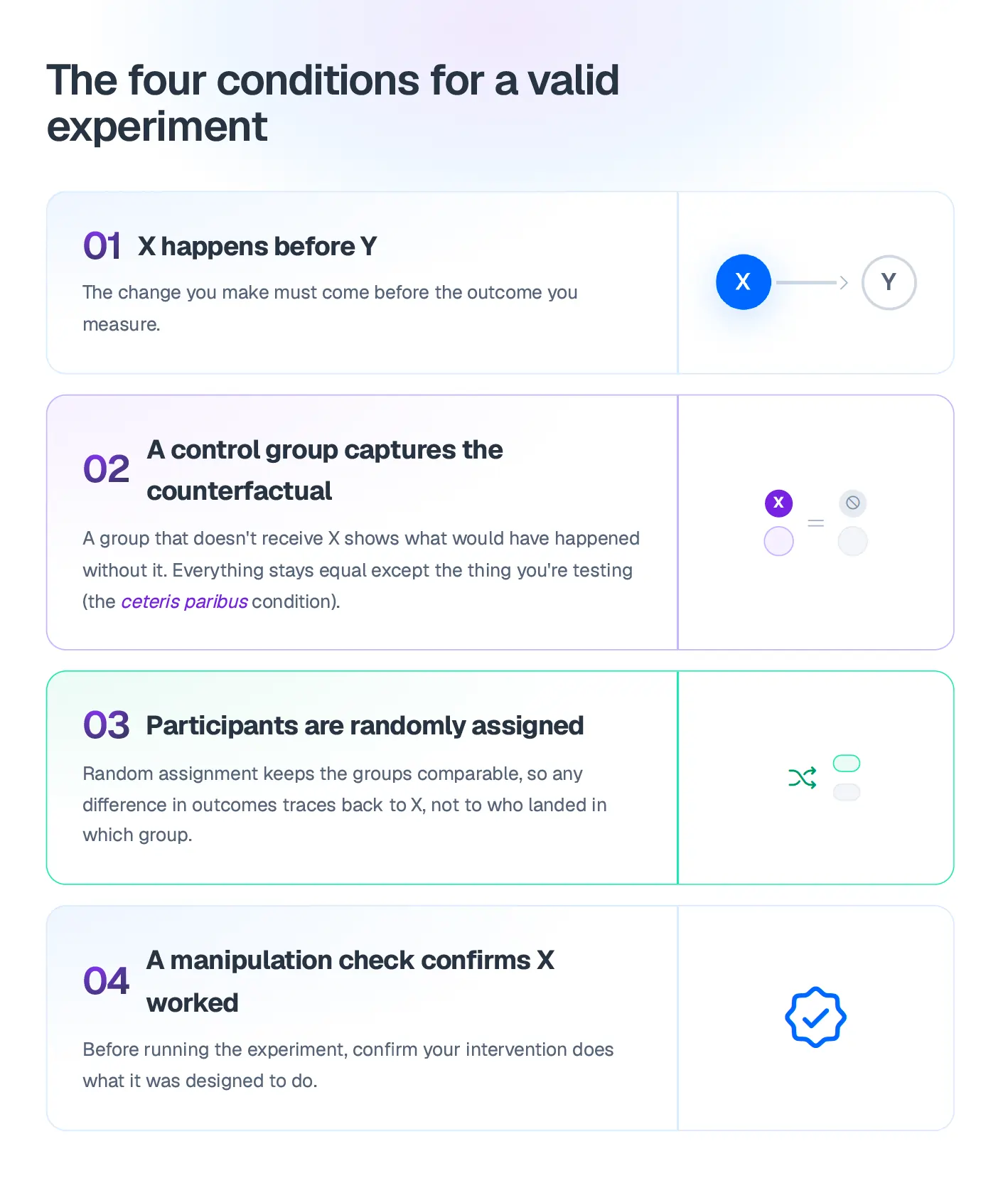
To establish true causality—proving that a specific intervention (X) leads to a specific outcome (Y)—researchers assert that four rigorous conditions must be met: temporal precedence, covariation between the cause and effect, the elimination of alternative explanations, and a sound theoretical basis for the relationship. Without these conditions, tourism businesses often misattribute success to the wrong variables, such as ignoring the impact of weather or local events on booking surges.
To bridge this gap, the industry is seeing a slow but necessary shift toward four primary experimental types:
- Laboratory Experiments: Highly controlled environments that prioritize internal validity but may lack real-world realism.
- Quasi-Experiments: Tests conducted in real-world settings where random assignment is not possible, balancing control with practicality.
- Natural Experiments: Leveraging naturally occurring events to observe changes in behavior.
- Field Experiments: The "gold standard" for tourism, involving random assignment in real-life settings, such as hotels or attractions, providing high external validity.
Chronology of Shifting Consumer Behavior: 2024–2026
The evolution of the tourism market over the last 24 months has been defined by economic volatility and a fundamental shift in generational priorities. Following the post-pandemic "revenge travel" era, the market has stabilized into a more cautious but resilient pattern.
In mid-2024, the industry began noticing a divergence in spending. By 2026, the EY-Parthenon Consumer Sentiment Survey revealed that nearly two-thirds of U.S. consumers anticipated a recession, leading to a contraction in discretionary leisure spending. However, the KPMG "Summer of Experiences" report for 2026 indicated that while 60% of consumers still planned to travel, they had pivoted to shorter durations and more cost-effective accommodations.
Simultaneously, a generational "non-negotiable" stance on travel emerged. Data from the 2026 American Express Global Travel Trends Report highlighted that 74% of Millennials and Gen Z view travel as an essential expense, with 64% willing to trade employment benefits for increased travel flexibility. This demographic shift has moved the focus from material souvenirs to "hands-on" cultural experiences, such as artisan workshops and unconventional stays in historical or converted spaces.
Supporting Data: The 2026 Traveler Profile
Current market data suggests five distinct pillars of consumer behavior that are currently driving the need for more rigorous experimentation:

- Economic Caution vs. Experience Prioritization: Despite 40% of global travelers planning to spend more in 2026 than in the previous year, the focus has shifted toward "value-driven" luxury.
- The Multi-Destination Pattern: According to the 2026 Klook Travel Pulse study, two-thirds of travelers now visit multiple destinations per trip, moving away from the traditional "one-stop" vacation. This requires operators to optimize for "hub-and-spoke" travel patterns.
- The Wellness Shift: Alcohol consumption among travelers is declining. KPMG reports that 54% of Gen Z and 49% of Millennials have cut back on alcohol, giving rise to "dry tripping"—a trend where operators must now offer sober-centric activities and recovery spaces.
- The Intentionality Gap: A 2016 study by Karlsson and Dolnicar remains a cornerstone of tourism theory; it found that while 60% of passengers claimed to prioritize eco-certification in boat tours, only 14% could actually identify if their chosen vessel was certified. This highlights the danger of relying on "green" surveys rather than behavioral data.
Barriers to Experimentation in Small and Medium Enterprises (SMEs)
While the benefits of data-driven experimentation are clear, the "State of Experimentation" remains dismal for smaller operators. Experts such as Jono Matla of Impact Conversion and Olivia Bedford, a hospitality specialist in the African market, note that many operators are trapped by a legacy reliance on trade partners.
Historically, hotels and tour operators have sold up to 70% of their inventory to travel agents and inbound tour operators at a discount. Because these "guaranteed" bookings provided a comfortable revenue stream, the motivation to optimize websites for direct bookings—which offer higher margins—remained low. Furthermore, the industry suffers from a "tech-expertise gap." Many operators are owned by industry veterans who prioritize the physical experience of the trip over the digital infrastructure of the booking process.
In contrast, billion-dollar entities like Disneyland Paris and Club Med have integrated qualitative research and A/B testing into their core operations. Laura Duhommet, a Conversion Rate Optimization (CRO) expert, notes that these organizations treat the digital storefront with the same rigor as the physical guest experience, utilizing UX analytics and dedicated qualitative data departments to minimize friction.

Expert Analysis: Integrating Voice of Customer (VoC) and A/B Testing
For the tourism industry to evolve, experts suggest a hybrid approach that combines qualitative "Voice of Customer" (VoC) research with quantitative A/B testing. VoC provides the "why" behind traveler motivations, while A/B testing validates the "what" of traveler actions.
The Case for VoC:
Leadership in the travel industry often views the website as a functional tool rather than a growth engine. To secure buy-in for research, specialists recommend using VoC to highlight competitor weaknesses. By analyzing 2- and 3-star reviews of competitors, operators can identify specific friction points—such as slow airport shuttles or confusing pricing—and use that data to justify marketing shifts.
The Case for A/B Testing:
To move beyond surveys, A/B testing must be framed as a "revenue-recovery mechanism." For an attraction site with 100,000 monthly visitors, a mere 0.3% lift in conversion rates can result in hundreds of thousands of dollars in additional annual revenue. Experts suggest that A/B testing in tourism must account for three unique industry factors:

- Productive Friction: Unlike standard e-commerce, where speed is the goal, tourism often requires "educational friction." Ryan Thomas of Koalative found that for complex products like home-exchange platforms, users required a guided sign-up process to understand the value proposition before they were ready to book.
- Aspiration-Conversion Synergy: The online experience must mirror the "dream" of the offline reality. High-quality video and microcopy tests are essential to turn a browser into a paying customer by building an emotional connection.
- Regional Localization: Travel is global, but booking behavior is regional. A test that wins in the United States, where consumers may prioritize aspirational luxury, may fail in the United Kingdom, where travelers often prioritize health, safety, and clear pricing frameworks.
Broader Impact and Industry Implications
The transition toward a more experimental culture in tourism is no longer optional. As third-party cookies disappear and the cost of customer acquisition via Online Travel Agencies (OTAs) continues to rise, direct booking optimization becomes a matter of survival.
The broader impact of this shift is twofold. First, it democratizes the tools of growth. Modern experimentation platforms now allow smaller operators to run tests without massive engineering teams, potentially leveling the playing field against giants like Booking.com. Second, it leads to a more personalized traveler experience. When operators understand the actual behavior of their guests—rather than just their stated preferences—they can tailor physical experiences, from check-in procedures to tour opening remarks, to meet real-world expectations.
In conclusion, the tourism industry in 2026 stands at a crossroads. The "intention-behavior gap" remains the greatest hurdle to profitability. While qualitative research provides a compass for direction, quantitative A/B testing provides the GPS for exact execution. For the global tourism sector to remain resilient in the face of economic pressure, it must move away from "guessing" at guest needs and embrace a rigorous culture of experimentation that spans every touchpoint of the traveler’s journey.







