
The persistent challenge of generating fresh, engaging content for blogs is a ubiquitous hurdle for writers, marketers, and businesses striving to maintain a vibrant digital presence. In an increasingly competitive online landscape, where consistent, high-quality content is paramount for search engine visibility, audience engagement, and brand authority, the specter of writer’s block or a simple dearth of ideas can derail even the most meticulously planned publishing schedules. While the digital age offers a plethora of advanced tools, including sophisticated AI models and specialized content planners, the art of continuous inspiration remains a blend of strategic resource utilization and creative methodologies. This article delves into a comprehensive array of strategies designed to combat content fatigue, ensuring a steady flow of relevant and impactful blog posts.
The Content Conundrum: A Digital Landscape Imperative
In today’s digital ecosystem, content is not merely king; it is the entire kingdom. Businesses and individuals alike rely on consistent content creation to establish expertise, foster community, and drive organic traffic. According to recent industry reports, companies that blog regularly generate 67% more leads than those that don’t, underscoring the commercial imperative of content. However, this demand creates pressure, and the average content creator can spend up to 40% of their time simply brainstorming topics. This background context highlights why overcoming ideation paralysis is not just a creative challenge but a strategic business necessity. The evolution of content creation has moved from sporadic personal journaling to a highly professionalized discipline, requiring structured approaches to ideation and execution.
Harnessing Internal Resources: Audience and Analytics as Idea Mines
One of the most potent, yet often underutilized, sources of inspiration lies within a blog’s existing ecosystem: its audience and its analytical data.
Audience Engagement: The Voice of Your Readers
A blog’s comment section, contact forms, or direct messages are invaluable repositories of authentic audience queries and interests. While many interactions might be expressions of sentiment, a significant portion will be direct questions, requests for clarification, or suggestions for future topics. These are not merely points of interaction but clear signals of what your audience genuinely wants to know. For instance, if a parenting blog frequently receives questions about "screen time alternatives for toddlers," this explicitly flags a gap in existing content that a dedicated post could fill. Similarly, conducting periodic surveys or polls among subscribers can yield structured feedback, revealing popular topics or areas of confusion that warrant further exploration. Maintaining a dedicated list or digital repository for these audience-generated questions ensures that no valuable query is lost, providing a ready-made bank of relevant topics for future articles. This approach also strengthens audience loyalty by demonstrating responsiveness to their needs.
Google Search Console (GSC): The Data-Driven Compass
Google Search Console remains an indispensable, free tool for content creators seeking data-backed blog ideas. It offers a direct window into the search queries users employ to find a specific website, revealing genuine search intent and content gaps. The Performance Report within GSC is particularly insightful, listing search queries alongside key metrics such as clicks, impressions, and average ranking positions. By analyzing these queries, content strategists can identify topics where their site appears in search results but perhaps doesn’t offer a comprehensive answer, indicating an opportunity for a dedicated, in-depth article. For example, if a website ranks for "best ergonomic desk setup" but only has a general office furniture guide, a specific post detailing ergonomic principles, product recommendations, and setup guides would be a clear win. This is a crucial element of a strong SEO strategy, as aligning content with actual search queries directly improves organic visibility and user satisfaction. Integrating GSC data, often available directly within WordPress dashboards via plugins like Yoast SEO with Google Site Kit, streamlines this analysis, allowing creators to pivot quickly from insight to action without toggling between multiple platforms. While commercial tools like Ahrefs and Semrush offer broader competitive intelligence, GSC provides direct, authoritative data from Google itself, making it a foundational element for informed content ideation.
Leveraging Advanced Tools for Strategic Content Generation
Beyond traditional methods, modern content creation is increasingly augmented by intelligent tools designed to streamline the ideation process.
The Yoast AI Content Planner: Bridging Gaps with Intelligence
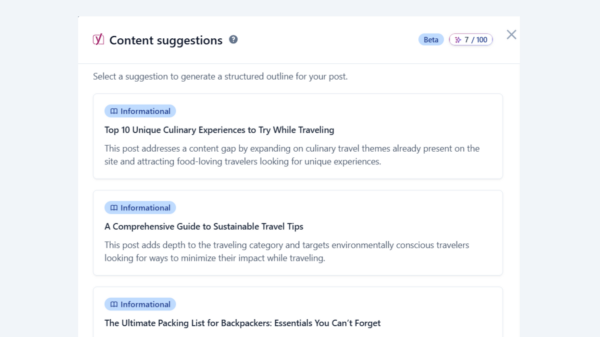
Recognizing the perpetual challenge of content ideation, tools like the Yoast AI Content Planner offer a sophisticated solution. This feature, integrated into Yoast SEO Premium products, scans a website’s existing content, intelligently identifies thematic gaps, and suggests five highly relevant blog ideas. Unlike generic AI prompts, these suggestions are tailored to the site’s specific niche and audience, based on what readers are already engaging with and what information might be missing. For instance, a food blog with extensive content on meal prep but limited vegetarian options might receive suggestions for "quick plant-based lunch ideas." This targeted approach ensures that new content complements existing material, building topical authority. Once an idea is selected, the planner goes further by generating a structured draft, complete with a suggested title, hierarchical headings, and even a meta description. This comprehensive outline significantly reduces the initial blank-page paralysis, enabling writers to commence drafting immediately. The ability to generate new batches of ideas with a single click ensures a continuous stream of inspiration, making it an invaluable asset for content teams aiming for consistent, high-quality output that fills genuine audience needs.
Deepening Keyword Research: Unlocking Niche Opportunities

While keyword research is a cornerstone of SEO, its potential for content ideation often goes beyond simply identifying popular search terms. The real power lies in understanding the search intent behind keywords. Is the user seeking information (e.g., "how to fix a leaky faucet"), navigation (e.g., "Amazon login"), commercial investigation (e.g., "best budget laptops 2024"), or transactional action (e.g., "buy running shoes online")? Tools like Yoast SEO’s Semrush integration, along with Google’s autocomplete suggestions and "People Also Ask" sections, are crucial for deciphering this intent. Furthermore, analyzing Google’s AI Overviews or AI Mode answers for specific keywords can reveal the current top-level information provided by AI, helping creators identify angles for more comprehensive or unique content.
Consider the keyword "best running shoes for flat feet." A deeper dive reveals numerous sub-questions that could each become a dedicated blog post:
- What are the specific features to look for in running shoes for flat feet?
- How do different brands cater to flat feet (e.g., stability shoes vs. motion control)?
- What are common injuries associated with flat feet and how do shoes help prevent them?
- Are there specific exercises or stretches that complement supportive footwear for flat feet?
- Reviews of the top 5 running shoes for flat feet in [current year].
- A guide to understanding your foot arch and choosing the right support.
- Comparisons: "Stability vs. Motion Control: Which is right for your flat feet?"
This method transforms a single keyword into a rich content cluster, ensuring that every piece directly addresses a specific user query. Integrating rank tracking tools like Wincher with Yoast SEO allows creators to monitor the performance of these keyword-targeted posts over time, refining their strategy based on actual search visibility.
External Sources of Creative Spark
Inspiration isn’t solely confined to internal data; the vast expanse of the internet offers numerous external wellsprings for new content ideas.
Pinterest: Visual Trends and Niche Discovery
Pinterest, often perceived as a purely visual platform, is a powerful tool for trend spotting and content ideation, especially for visually-driven niches like fashion, food, DIY, travel, and home decor. Beyond its aesthetic appeal, Pinterest functions as a search engine where users actively seek solutions and inspiration. Searching for broad terms like "[niche] blog post ideas" or "[niche] content inspiration" can yield a plethora of popular pins and boards. The key is to analyze the top-pinned content not just for its visual appeal but for the underlying topics and questions it addresses. For instance, a search for "sustainable living tips" might reveal popular pins about "zero-waste kitchen hacks" or "DIY cleaning products," indicating high-interest sub-topics. While Pinterest can be a "clickbait heaven," careful discernment allows creators to extract genuine topic ideas that resonate with current user interests, transforming trending visuals into substantive blog posts.
Content Idea Generators and Brainstorming Catalysts
Online content idea generators, such as Portent’s Title Maker, serve less as providers of ready-to-publish titles and more as catalysts for creative thinking. By entering a broad keyword, these tools generate often whimsical or unconventional titles, designed to break mental blocks and provoke new angles. For example, entering "house plant" might yield "The 15 Biggest House Plant Blunders," or "wine" could become "17 Unexpected Uses for Wine." While these suggestions might not be directly publishable, they spark tangential thinking. "The 15 Biggest House Plant Blunders" could evolve into "Common House Plant Care Mistakes and How to Avoid Them" or "Beginner’s Guide: Troubleshooting Your Fickle Ficus." Similarly, "17 Unexpected Uses for Wine" could inspire "Beyond the Glass: Creative Culinary Uses for Leftover Wine" or "Sustainable Living: Upcycling Wine Bottles and Corks." These generators are excellent for injecting humor and spontaneity into the ideation process, often leading to genuinely unique and engaging content concepts.
AI and Chatbots: The Intelligent Brainstorming Partners
The advent of advanced AI tools and chatbots like ChatGPT, Claude, and Gemini has revolutionized the brainstorming process. However, their effectiveness hinges on the quality and specificity of the prompts. Generic requests yield generic results. To maximize their potential, content creators must provide context about their blog, target audience, and desired tone.
- Specific Angles: Instead of "Give me blog ideas about parenting," try, "As a blog for millennial parents focusing on conscious living, generate five unique blog post ideas about balancing career and family, with a focus on practical, actionable tips."
- Refining Vague Ideas: If a broad topic like "health and wellness" is on the table, ask AI to narrow it down: "Generate five specific blog post ideas under the ‘health and wellness’ umbrella, specifically targeting busy professionals interested in mental health and stress reduction, avoiding generic diet advice."
- Reverse-Engineering Competitors: Feeding AI a competitor’s blog URL and asking, "Analyze this blog’s recent posts and suggest five unique topics they haven’t covered but would align with their audience and niche," can reveal strategic content gaps.
Crucially, AI output should be viewed as a starting point, not a final product. AI often suggests "commodity content" that lacks originality. The human element—injecting personal perspective, unique experiences, proprietary data, or a distinctive voice—is what truly makes content stand out. For example, if AI suggests "10 tips for better sleep," a human writer might transform it into "My 3-Month Experiment: How Tracking Sleep Data Revolutionized My Rest (and How You Can Do It Too)," adding a personal narrative and empirical data. This hybrid approach leverages AI for efficiency while preserving the unique value of human creativity. The increasing adoption of AI in content creation, with some estimates suggesting a significant portion of content will be AI-assisted in the coming years, underscores the importance of mastering these tools strategically.
Days Of The Year: Calendar-Based Content Opportunities
Websites like "Days Of The Year" offer a unique and often humorous avenue for content inspiration by cataloging a vast array of official and unofficial holidays. This resource allows bloggers to tap into timely, often lighthearted, content opportunities that can be creatively linked to almost any niche. For a travel blogger, "Towel Day" (May 25th) might inspire "The Ultimate Guide to Travel Towels: Lightweight, Absorbent, and Quick-Drying" or "Beyond the Beach: Creative Uses for Towels on Your Next Adventure." A lifestyle blogger could explore "How to Keep Your Towels Soft and Fluffy: A Guide to Laundry Care." For a niche focused on mythical creatures, "Unicorn Day" (April 9th) or "Leprechaun Day" could spark imaginative posts. This approach leverages existing cultural touchstones to create engaging, shareable content that can also be planned well in advance, providing a structured approach to topical content.
Other Blogs and Fellow Bloggers: Community and Competitive Analysis
The broader blogging community itself is a rich source of inspiration. Following influential bloggers in one’s niche, participating in professional Facebook groups, or attending industry forums can spark new ideas through discussion and observation. While direct copying is unethical, understanding what topics resonate with others’ audiences, identifying different perspectives on common themes, or noticing underserved sub-niches can be highly productive. This form of competitive analysis, combined with community engagement, fosters a dynamic environment where creative juices are constantly flowing, provided proper credit is given when building upon shared concepts.
Drawing Inspiration from Life and the World
Sometimes, the most compelling content emerges from the seemingly mundane or significant events of daily life and the broader world.
Current Events: Timeliness and Relevance
Connecting current events to a blog’s niche offers a powerful way to create timely, relevant content that resonates with readers. The key is to move beyond simply reporting the news and instead, analyze its implications for the target audience. For instance, a personal finance blog could turn a new tax law change into "Three Ways the New Tax Rules Affect Your Savings (and What You Need to Do Now)." A sustainable living blog could address a new recycling policy with "How to Adjust Your Recycling Habits Under the New City Guidelines." Setting up Google Alerts for industry-specific keywords ensures timely awareness of relevant developments. When approaching sensitive topics, it is crucial to maintain an objective, helpful tone, focusing on providing value and actionable advice rather than exploiting trends. This strategy not only keeps content fresh but also positions the blog as a trusted source of information.
Your Daily Life: Authentic Narratives
Personal and professional experiences offer a wellspring of authentic content. Sharing real-life situations, challenges encountered, and solutions devised in one’s work or daily routine can be incredibly relatable. A therapist’s blog offering mental health tips might draw inspiration from common client struggles, anonymizing details to protect privacy while illustrating universal challenges. An IT consultant might blog about a recurring tech issue faced by clients, providing a comprehensive troubleshooting guide. This approach builds trust and authority by demonstrating practical expertise. However, ethical considerations, particularly regarding client or colleague privacy, are paramount. Always seek permission and rigorously anonymize any identifying details to maintain confidentiality and professional integrity.
Mindset and Methodology: Clearing the Mental Clutter
Beyond specific techniques, the state of mind plays a crucial role in ideation. Prolonged periods of intense focus can lead to mental fatigue and creative blocks.
- Physical Breaks: Stepping away from the screen for a short walk, engaging in a mundane task like washing dishes, or simply looking out a window can reset the mind, allowing subconscious connections to form. The best ideas often emerge when the mind is relaxed and not actively forcing a solution.
- Structured Brainstorming Sprints: For a more active break, a timed brainstorming session can be highly effective. Setting a timer for 10 minutes and challenging oneself to generate "twenty blog ideas about [your topic] – make five weird, five practical, and ten in between" encourages divergent thinking. The emphasis is on quantity over quality during this phase, suspending judgment. Following this, picking the most intriguing idea and freewriting about it for five minutes can further develop the concept. This structured approach helps bypass creative inhibitions and often leads to unexpected, innovative angles.
The Evergreen Idea Bank: A Strategic Asset
The simplest yet most powerful strategy is to maintain an ongoing list of blog post ideas. Inspiration often strikes at inconvenient times—during a commute, in a conversation, or while reading. Having a dedicated place, whether a digital note-taking app or a physical notebook, to capture these fleeting thoughts ensures that no good idea is ever lost. This "idea bank" becomes an invaluable resource on days when inspiration is low, providing a ready-made menu of topics to choose from, thus safeguarding the publishing schedule against creative lulls.
Implications for Sustainable Content Strategy
The ability to consistently generate fresh, high-quality content has profound implications for a blog’s long-term success. A steady publishing schedule, fueled by a diverse range of ideation strategies, directly contributes to improved SEO rankings by signaling to search engines that the site is active and authoritative. It fosters audience loyalty by regularly providing value and addressing evolving interests. Furthermore, it reinforces brand identity and expertise, positioning the blog as a go-to resource in its niche. The blend of data-driven insights from analytics, the strategic application of AI tools, and the cultivation of human creativity ensures a robust and sustainable content pipeline.
Conclusion: Sustaining the Creative Flow
Overcoming the challenge of content ideation is not a matter of waiting for inspiration to strike but of proactively employing a multifaceted strategy. From deeply listening to audience feedback and meticulously analyzing search data to leveraging advanced AI tools and drawing from the rich tapestry of daily life, numerous pathways lead to fresh blog post ideas. The most effective approach integrates structured methodologies with creative freedom, ensuring that content remains relevant, engaging, and impactful. By embracing a combination of these strategies, content creators can confidently navigate the demands of the digital age, transforming potential creative blocks into opportunities for continuous growth and connection with their audience.