


The digital landscape for e-commerce and SaaS enterprises has shifted from a focus on mere traffic acquisition to the sophisticated science of Conversion Rate Optimization (CRO). As customer acquisition costs (CAC) continue to climb across platforms like Meta and Google, the ability to convert existing visitors into paying customers has become the primary differentiator for profitable online businesses. In this competitive arena, two platforms have emerged as dominant forces: Crazy Egg and Lucky Orange. While both offer a suite of behavioral analytics tools, including heatmaps and session recordings, they cater to distinct operational philosophies and business needs.
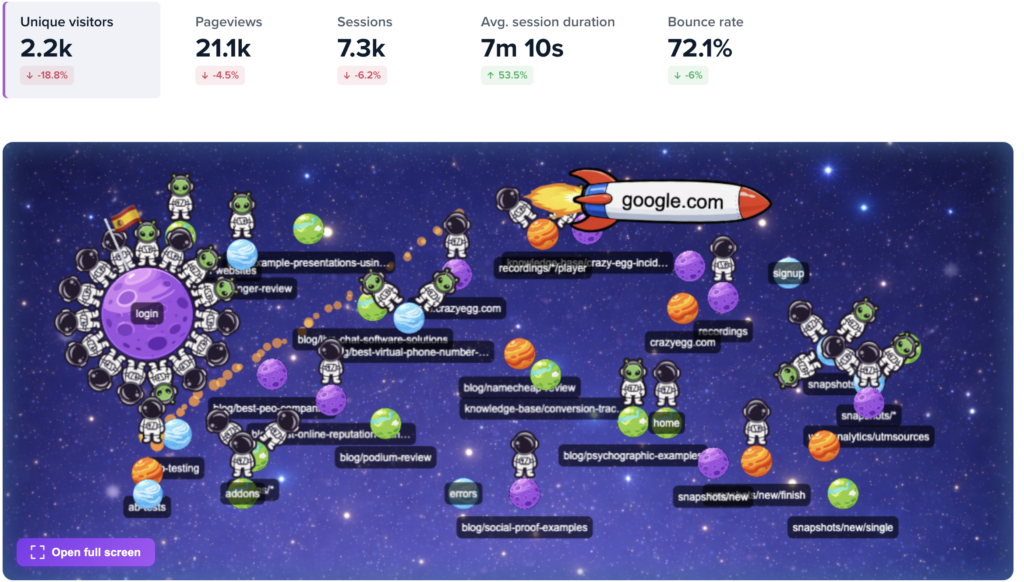
The Evolution of Behavioral Analytics: A Brief Chronology
The origins of these platforms trace back to a pivotal era in web development when static analytics—such as those provided by early versions of Google Analytics—could tell site owners what was happening, but not why. Crazy Egg, co-founded in 2006 by Hiten Shah and Neil Patel, was a pioneer in the industry. It introduced the "Confetti" heatmap, a revolutionary tool that allowed marketers to see exactly where individual segments of traffic were clicking. By 2010, the market saw the entry of Lucky Orange, which sought to differentiate itself by integrating real-time communication tools, such as live chat, directly into the behavioral data suite.
Over the last decade, both tools have evolved from simple visualization plugins into comprehensive optimization ecosystems. Crazy Egg has expanded its reach into A/B testing and error tracking, positioning itself as an all-in-one experimentation engine. Meanwhile, Lucky Orange has doubled down on real-time visitor interaction and specialized form analytics, making it a favorite for lead-generation sites and customer support teams.
Technical Comparison of Visual Analytics and Heatmapping
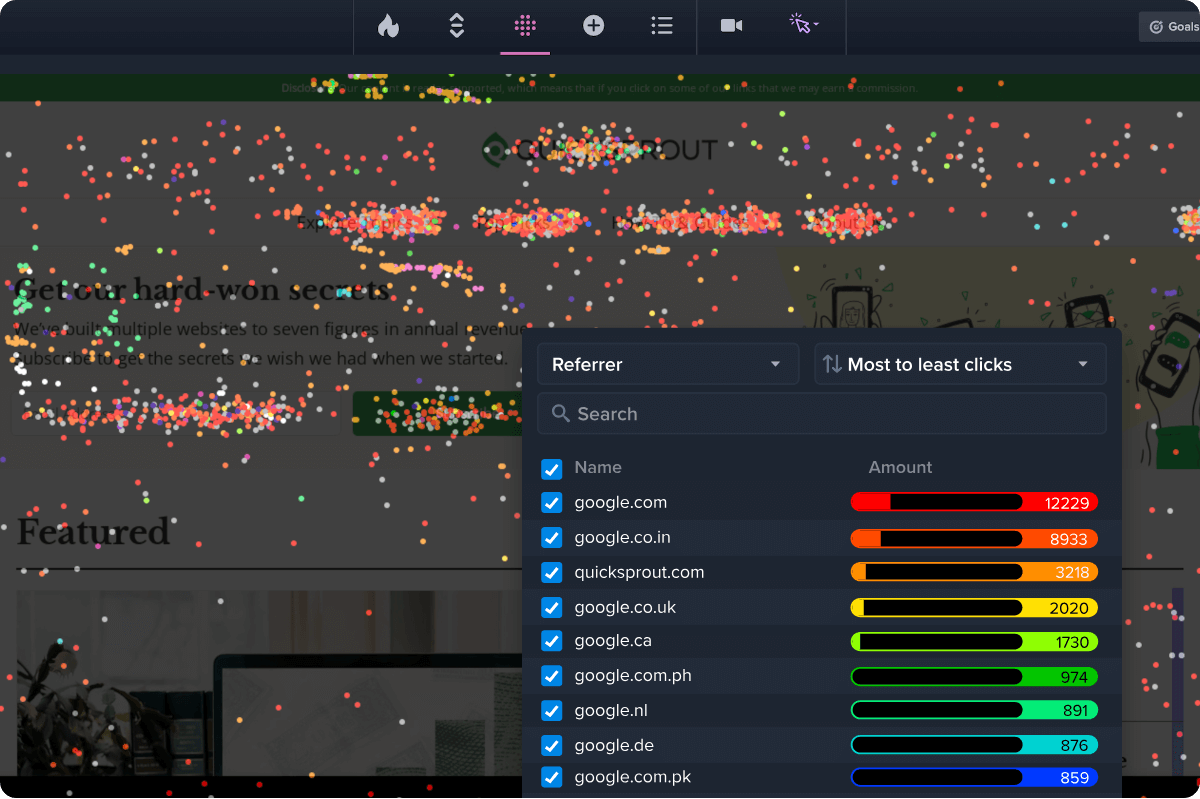
Heatmaps remain the cornerstone of CRO. They provide a visual representation of user engagement, highlighting "hot" areas where users click or scroll most frequently. However, the technical execution of these maps differs significantly between the two providers.
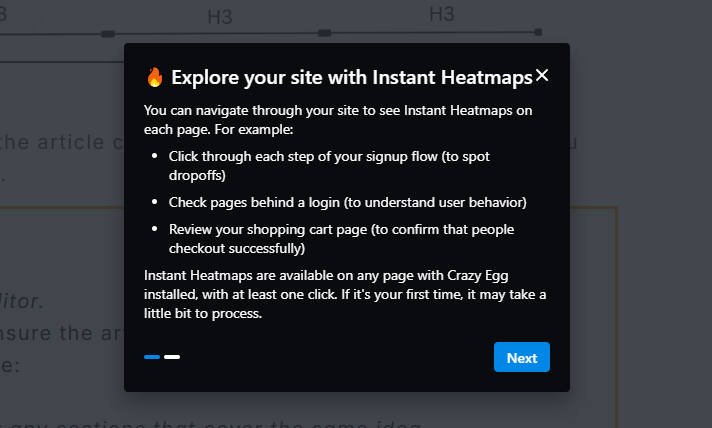
Crazy Egg offers a more diverse array of visualization styles. It provides five distinct map types: Click, Scroll, Confetti, Overlay, and List. The Confetti map remains its most potent asset, allowing users to segment clicks by over 17 different attributes, such as referral source, search terms, or even time of day. This level of granularity is essential for high-traffic sites looking to identify which marketing channels produce the most engaged visitors. Furthermore, Crazy Egg’s "Instant Heatmaps" feature allows for immediate visualization without the need to wait for data to accumulate, a critical advantage for fast-moving campaigns.
Lucky Orange, by contrast, focuses on the "Move" map and dynamic elements. While it offers fewer map types—specifically click, scroll, and move—it excels in rendering data on single-page applications (SPAs) and dynamic site elements like popups, sliders, and dropdown menus. For websites built on modern frameworks like React or AJAX, Lucky Orange’s ability to overlay click data on interactive elements in real-time provides a more accurate reflection of the user experience. However, it lacks the side-by-side comparison capabilities and deep per-click segmentation found in Crazy Egg.
Session Recording and the Psychology of Friction
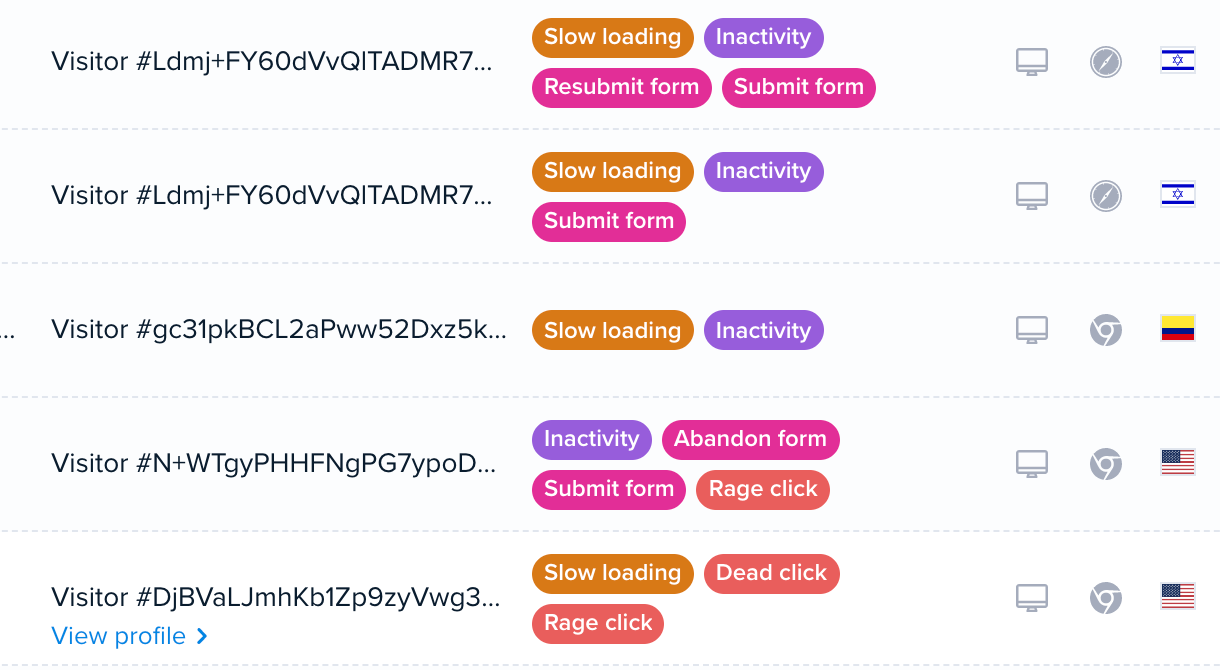
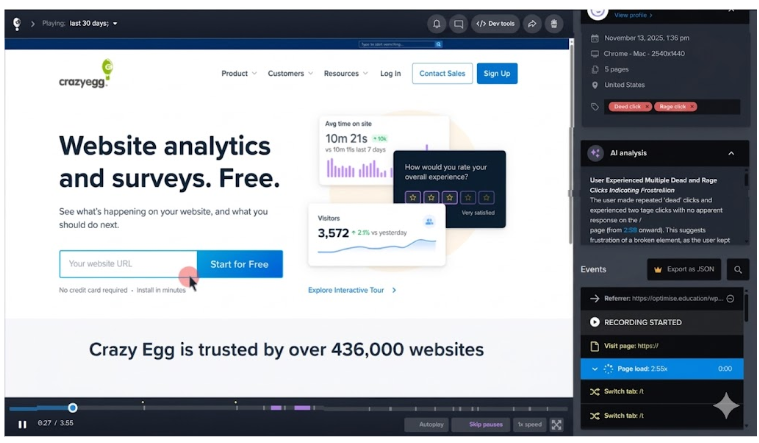
Session recordings, or "session replays," allow site owners to watch a video-like playback of a visitor’s journey. This technology is vital for identifying friction points, such as "rage clicks" (where a user clicks repeatedly in frustration) or "dead clicks" (clicks on non-interactive elements).

Crazy Egg’s recording suite is designed for long-term analysis. Depending on the subscription tier, it retains recordings for between 6 and 24 months. This is particularly useful for seasonal businesses that need to compare user behavior during a Black Friday event to the previous year’s data. Crazy Egg also features a robust auto-tagging system that identifies u-turns, errors, and specific e-commerce milestones like "Add to Cart" or "Checkout Complete" without manual configuration.
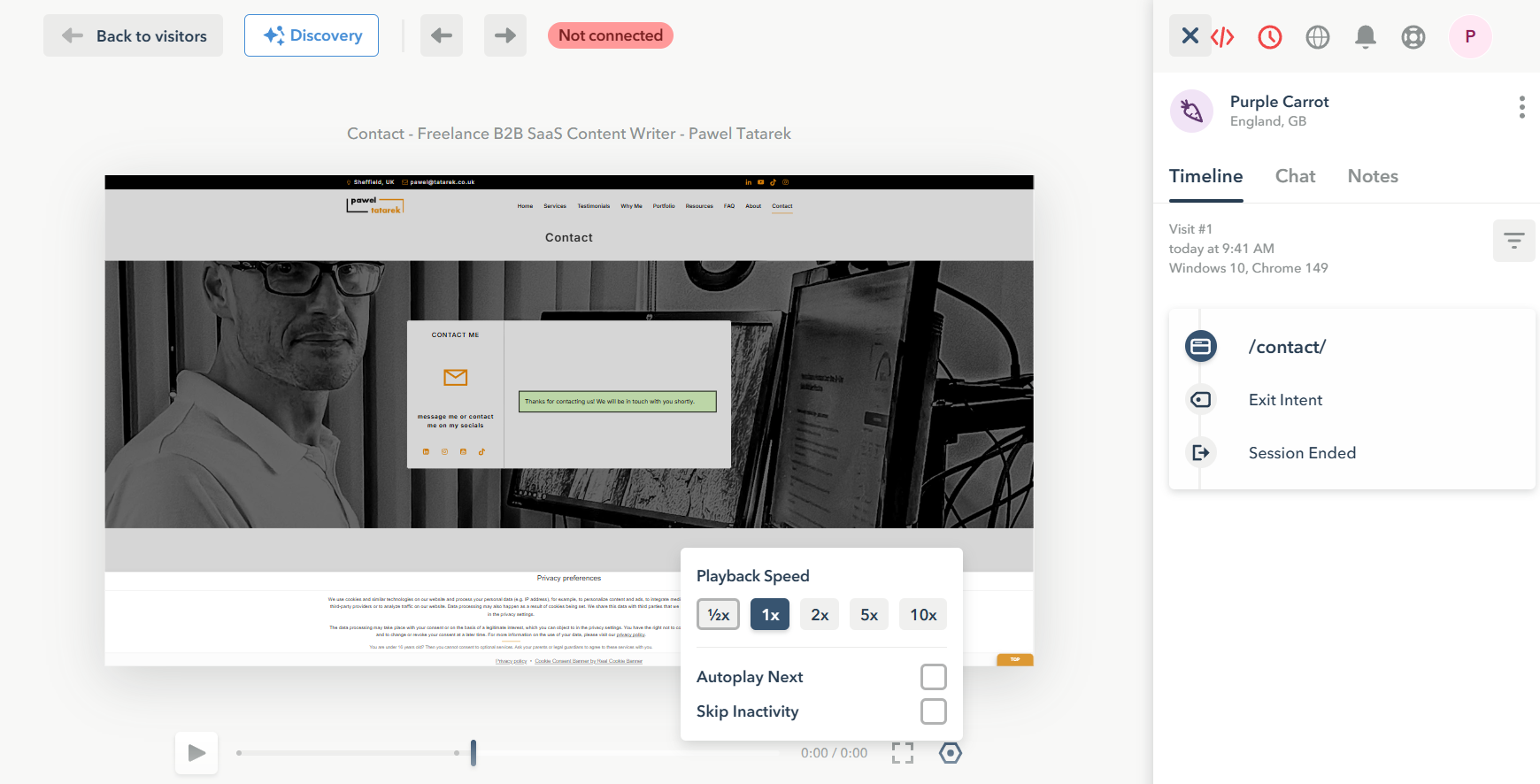
Lucky Orange takes a more immediate approach. Its base storage is significantly shorter, typically 60 days, though it can be extended to 12 months for an additional fee. Its primary strength lies in its "Live Visitor View." This feature allows administrators to watch a visitor navigate the site in real-time. When paired with Lucky Orange’s built-in live chat, a support agent can intervene the moment a user appears confused, effectively "co-browsing" to resolve issues before the visitor abandons the site.

Conversion Funnels and Data Retroactivity
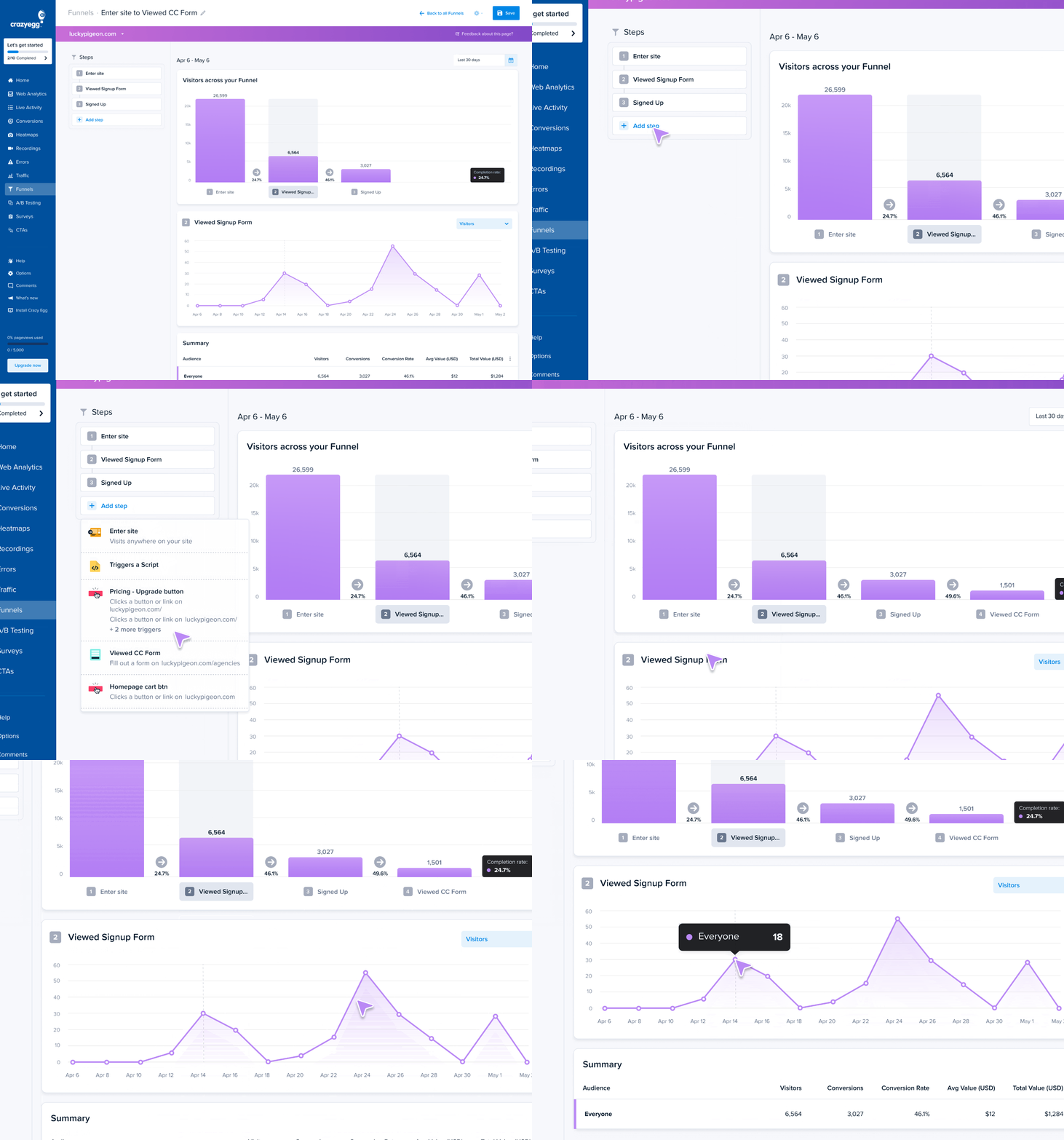
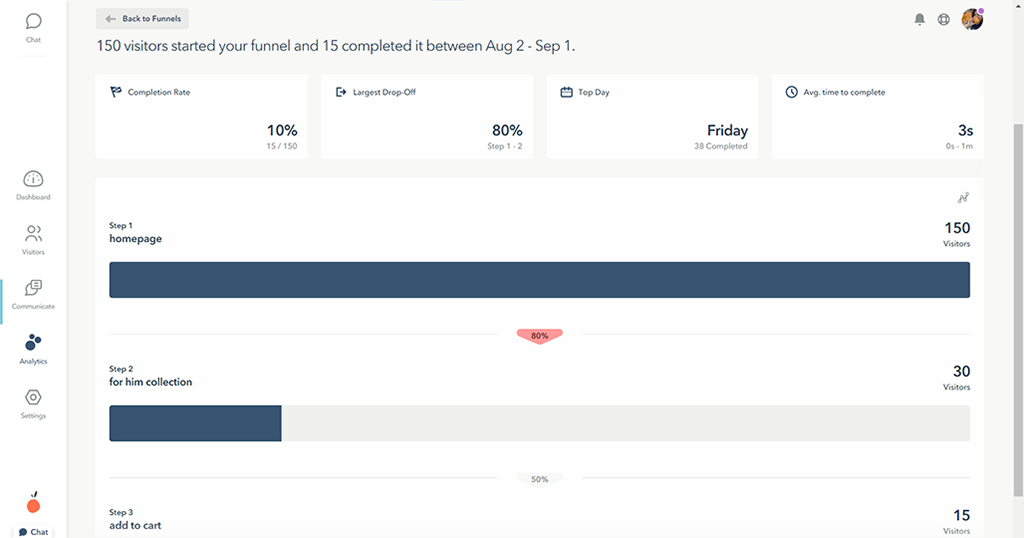
Understanding where users drop off in the conversion process is the difference between a successful checkout and a lost lead. Both platforms offer funnel analytics, but their handling of historical data varies.
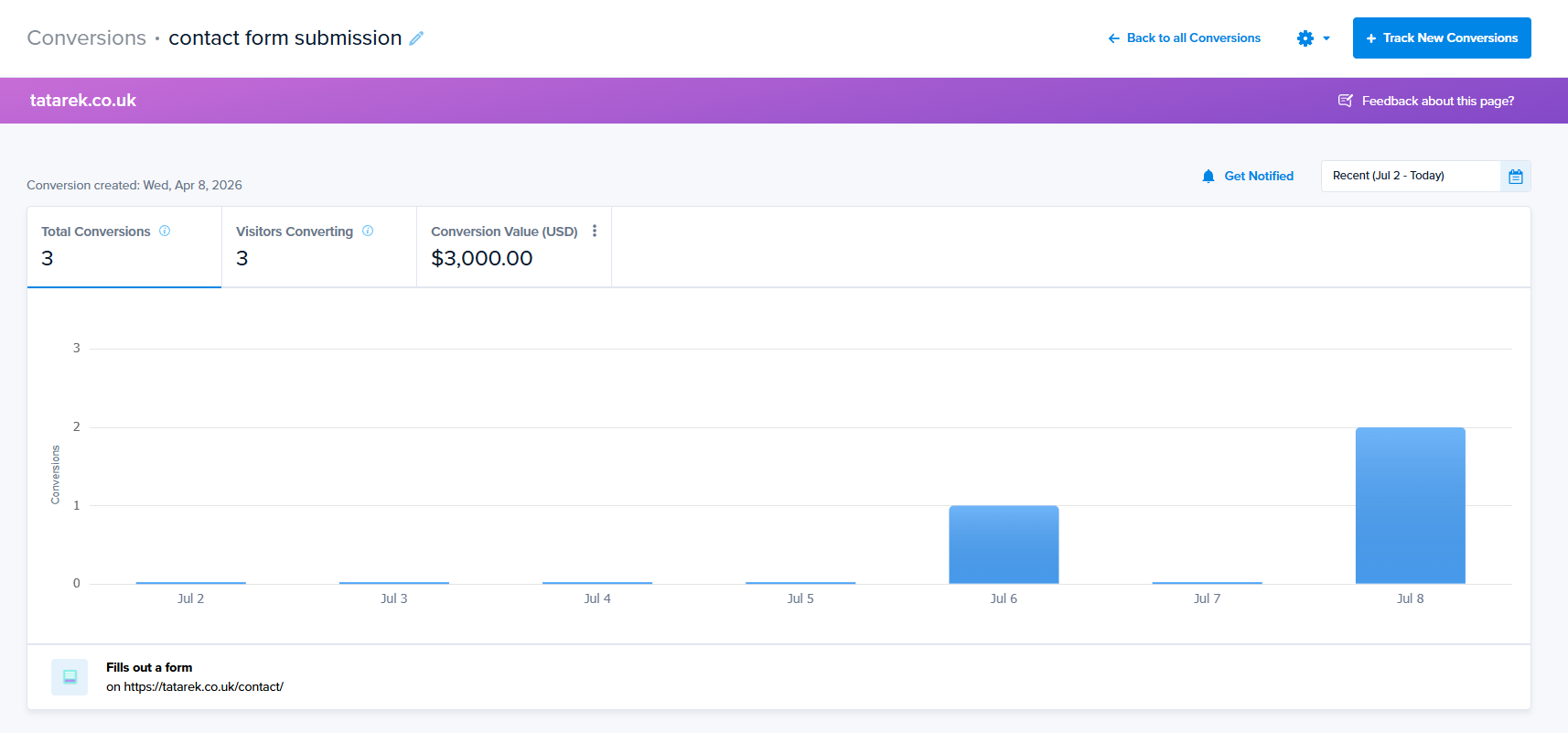
Crazy Egg’s funnels are fully retroactive. If a marketer decides to track a new step in the checkout process today, Crazy Egg can look back through its stored data to populate that funnel with historical information, provided the events were already being tracked. This allows for rapid hypothesis testing without waiting weeks for new data to accumulate. Additionally, Crazy Egg allows users to assign monetary values to specific events, providing a direct link between behavioral changes and revenue impact.
Lucky Orange also offers retroactive funnels, but they are strictly capped by the account’s data retention window (60 to 365 days). For Shopify users, however, Lucky Orange offers a significant "out-of-the-box" advantage: it automatically builds standard e-commerce funnels (Product > Cart > Order) upon installation. This reduces the technical barrier for small business owners who may not have the expertise to set up custom event tracking.
Feedback Loops: Surveys and On-Site Messaging
Quantitative data from heatmaps is often most effective when paired with qualitative data from users. Both platforms facilitate this through on-site surveys and popups.
Crazy Egg provides a more sophisticated survey engine, supporting nine different question types, including Net Promoter Score (NPS), star ratings, and emoji-based feedback. It also supports conditional branching—the ability to ask a follow-up question based on a user’s previous answer. This is essential for deep customer research. Its popup CTA (Call to Action) tool is equally robust, allowing for highly targeted messages based on scroll depth, referral source, or time on page, with built-in conversion tracking for every message.
Lucky Orange’s survey tool is more streamlined, offering four basic question types. While it lacks the branching logic of Crazy Egg, it compensates with integration. Every survey response in Lucky Orange is automatically linked to a session recording of that specific user. This allows a researcher to see exactly what a user was doing on the page just before they left a negative comment, providing context that a standalone survey cannot.
The Impact of Artificial Intelligence on CRO
As with most sectors of the tech industry, AI has become a central pillar of behavioral analytics. Crazy Egg integrates AI directly into its reporting suite. It automatically generates "Top Insights" for every page, highlighting anomalies in traffic or engagement without requiring the user to dig through reports. Furthermore, Crazy Egg allows users to export data in JSON format, making it compatible with external LLMs (Large Language Models) like ChatGPT or Claude for custom analysis.
Lucky Orange has introduced "Discovery AI," a conversational assistant. Instead of navigating menus, a user can ask the AI, "Why is my checkout conversion down today?" The AI then crawls the site’s behavioral data and code to provide an answer, often linking directly to the specific recordings or heatmaps that illustrate the problem. While powerful, this feature is currently offered as a paid add-on, whereas Crazy Egg’s AI insights are bundled into its standard paid plans.
Financial Considerations and Scalability
The pricing models of these two platforms reflect their target audiences. Crazy Egg bills based on "Tracked Pageviews." This is a significant advantage for large sites that only want to optimize specific high-value pages (like landing pages or checkout flows) while ignoring low-value traffic (like blog posts or help articles). By only tracking what matters, enterprise clients can often reduce their monthly spend.
Lucky Orange bills based on "Total Sessions." This means every visitor to the site is tracked and counted toward the monthly limit. While this ensures no data is missed, it can lead to rapidly escalating costs for high-traffic sites with low conversion intent. However, Lucky Orange includes all its features—including live chat and form analytics—in its lower-tier plans, making it a highly cost-effective "starter kit" for small businesses and startups.
Market Implications and Broader Impact
The choice between Crazy Egg and Lucky Orange often comes down to the organizational structure of the business using them. Crazy Egg is built for the "Growth Marketer" or the "Optimization Specialist." Its inclusion of native A/B testing and multi-arm bandit testing means that a marketer can identify a problem and launch a solution (a test) within the same interface. This creates a closed-loop system for experimentation that is vital for agile marketing teams.
Lucky Orange is increasingly viewed as a tool for the "Customer Experience (CX) Team." By combining behavioral data with live chat and field-level form analytics, it empowers support and sales teams to understand the customer’s struggle in real-time. In an era where "customer success" is a primary driver of retention, the ability to see a user struggling with a form field and immediately offer chat assistance is a powerful competitive advantage.
Final Verdict: Strategic Alignment
In conclusion, the decision between these two industry leaders should be dictated by a company’s primary objective. If the goal is rigorous experimentation, long-term data trend analysis, and maximizing the conversion of specific marketing funnels, Crazy Egg’s deep segmentation and built-in A/B testing suite make it the superior choice.
Conversely, for businesses that prioritize real-time customer interaction, Shopify-specific automation, and detailed insights into form completion, Lucky Orange provides a unique value proposition. As the digital economy continues to mature, the use of such tools is no longer optional; it is the baseline requirement for any organization seeking to understand the complex, often unpredictable behavior of the modern online consumer.







