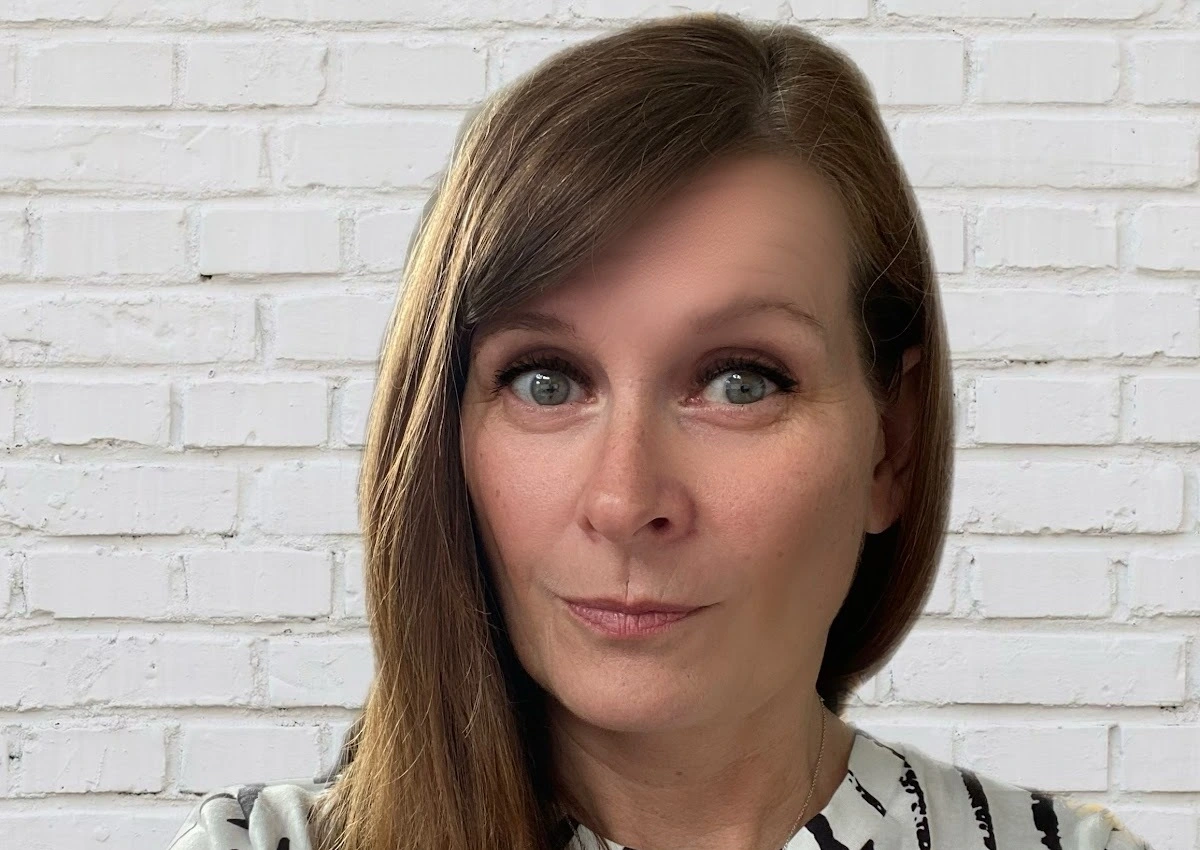
The strategic landscape of public relations and digital marketing is undergoing a fundamental shift as Gini Dietrich, the creator of the PESO Model®, announced a comprehensive "down-to-the-studs" rebuild of the PESO Model® Certification. Moving away from its origins as a conceptual framework designed for understanding, the 2026 iteration of the program has been redesigned as a functional operating system (OS) intended to drive measurable business outcomes in an increasingly complex media environment. This overhaul follows a decade of the model being utilized by more than 1,400 professionals across 15 countries and its integration into the curricula of over 100 universities worldwide.
The decision to dismantle and reconstruct the certification stems from a recognized gap between professional knowledge and operational execution. While the original certification provided a robust academic understanding of the four media types—Paid, Earned, Shared, and Owned—the 2026 version addresses the modern demand for integrated systems that function autonomously and compound over time. The transition marks a pivot from teaching "the parts of the engine" to "driving the vehicle," reflecting a broader industry trend toward automation, AI integration, and rigorous financial accountability.
The Evolution of the PESO Model: From 2014 Framework to 2026 Operating System
The PESO Model was originally introduced to provide structure to the burgeoning digital communication field, helping professionals categorize various media efforts into four distinct buckets. However, in the decade since its inception, the siloing of these categories has become an impediment to growth. In the 2026 landscape, the model is no longer viewed as a set of four independent pillars but as a singular, self-feeding ecosystem.
In this updated systemic approach, Owned media (content created and controlled by the organization) serves as the foundation that generates Earned media (third-party validation and citations). This validation is then amplified through Shared media (social engagement and community interaction), while Paid media is utilized strategically to boost high-performing segments of the cycle. This integrated loop is governed by advanced measurement protocols that inform future strategy, creating a compounding effect that continues to build brand equity even during periods of lower active input.
The rebuild of the certification was a months-long process, reportedly involving intensive development during the late 2025 holiday season. The impetus for this change was the realization that "understanding the four media types" has become a baseline skill—one that Dietrich characterizes as a "2014 skill set"—whereas the current market demands the ability to operate a complex, integrated machine.
Structural Innovations: The Workbook and AI Integration
The 2026 PESO Model® Certification introduces two primary structural changes designed to eliminate the "implementation gap" that often plagues professional development programs. The first is a shift from passive learning to active production through a new workbook-centric curriculum.
Developed in collaboration with Shelly Verkamp, the Chief Learning Officer for Spin Sucks, the program now mandates that the course is the work. Rather than learning a concept and attempting to apply it later, participants build their organization’s specific strategy within the modules. For example, the Owned media module alone contains 11 structured, timed worksheets. By the conclusion of the program, participants do not merely possess a certificate; they possess a fully drafted, ready-to-implement PESO plan tailored to their specific organizational goals and buyer personas.
The second major innovation is the inclusion of the licensed PESO OS AI. This tool is not a generic chatbot but a specialized AI engine trained specifically on the PESO Model® protocols. Valued at approximately $1,000 per year as a standalone tool, it is now bundled into the certification at no additional cost. The AI is embedded throughout the curriculum, providing participants with specific prompts to pressure-test their strategies and accelerate the planning process. This integration reflects the growing necessity for communicators to leverage artificial intelligence not just for content generation, but for systemic operational management.
Academic Credentialing and the S.I. Newhouse School of Public Communications
Despite the radical changes to the curriculum and delivery methods, the certification maintains its long-standing partnership with the S.I. Newhouse School of Public Communications at Syracuse University. This academic backing remains the cornerstone of the program’s legitimacy, distinguishing it from standard industry "badges" or "micro-credentials."
The Newhouse School is widely regarded as one of the premier communications institutions in the United States. Its endorsement signifies that the PESO Model® Certification meets rigorous academic and professional standards. For practitioners, this credential provides the necessary "air cover" when presenting strategies to executive leadership or Chief Financial Officers (CFOs). In an era where marketing and PR budgets are under constant scrutiny, the weight of a Newhouse-credentialed system allows communicators to argue for investment based on proven methodology rather than vanity metrics such as "impressions."
The PESO Model Maturity Ladder and Diagnostic Scoring
The 2026 certification is specifically designed to move organizations up what Dietrich calls the "PESO Model Maturity Ladder." This ladder consists of five rungs, ranging from "Foundation" (basic content and social presence) to "Integrated Operating System" (full compounding media synchronization).
To facilitate this growth, the program utilizes the PESO Model® Diagnostic, a free scoring tool that assesses an organization’s current standing. Many professionals find themselves stalled at the "Foundation" or "Pilot" stages, unable to bridge the gap to full integration. The 2026 rebuild focuses on these specific pain points, providing the "keys" to the machine for those who have mastered the theory but struggle with the mechanics of scaling their efforts.
Who the Certification Is For (and Who It Is Not)
In an unusual move for a professional service provider, the program explicitly outlines who should not enroll. This transparency is intended to ensure that only those with the capacity to implement the system participate.
- Ideal Candidates: Professionals who have moved past the "why" of integration and are focused on the "how." It is designed for team leaders who need a unified system for their staff and for individuals responsible for defending budgets to senior leadership.
- Non-Ideal Candidates: Those seeking a quick "resume padder" or a simple video-based course. The program is self-paced but requires significant time and labor. Furthermore, it is not recommended for those without the organizational authority to change processes, as the resulting strategy would likely remain unexecuted.
Chronology of the PESO Model Overhaul
The timeline of the PESO Model’s evolution reflects the broader changes in the digital economy:
- 2014: The PESO Model is officially introduced in Gini Dietrich’s book, Spin Sucks, providing a framework for the modern communicator.
- 2014–2023: The certification is launched and becomes a standard credential, with over 1,400 professionals certified and widespread adoption in higher education.
- 2024: The "Operating System" series of articles begins, signaling a shift in how the model is conceptualized—moving from a static graphic to a dynamic system.
- Late 2025: The "down-to-the-studs" rebuild takes place, involving the integration of AI and the development of the workbook-based output system.
- 2026: The new PESO Model® Certification officially launches, emphasizing "driving" over "understanding."
Analysis of Implications for the Communications Industry
The shift from a framework to an operating system has significant implications for the future of PR and marketing. First, it signals the end of the "tactic-first" era. Professionals can no longer rely on disparate "hacks" or isolated media hits to drive growth; instead, they must build sustainable machines.
Second, the heavy emphasis on AI integration within the certification suggests that the industry has reached a tipping point. AI is no longer an "optional extra" but a core component of operational efficiency. By embedding AI into the planning process, the PESO Model® is setting a precedent for how professional development must evolve to remain relevant.
Finally, the focus on "CFO-ready" metrics highlights the increasing pressure on communications departments to prove their ROI. By providing a structured measurement approach and a credentialed methodology, the PESO Model® Certification aims to elevate the role of the communicator from a tactical executor to a strategic business partner.
Conclusion and Future Outlook
As the 2026 communications environment continues to be shaped by AI, platform fragmentation, and economic scrutiny, the need for standardized, robust operating systems becomes paramount. Gini Dietrich’s decision to rebuild her flagship certification reflects a commitment to staying ahead of these trends.
The new program consists of eight self-paced modules and a final evaluation. While most participants are expected to complete the work in eight to ten weeks, the output—a fully realized PESO operating system—is intended to serve the organization indefinitely. With a requirement for continuing education every two years, the system is designed to remain current as the digital landscape continues to shift. For the modern communicator, the 2026 PESO Model® Certification represents a move away from "impressions and a prayer" toward a disciplined, systemic, and technologically advanced approach to brand building and revenue generation.