

The digital marketplace has evolved from a secondary sales channel into the primary touchpoint for global retail, making the architectural design of e-commerce category pages a critical factor in business viability. Often referred to as the "aisles" of a digital storefront, category pages serve as the bridge between a consumer’s initial landing and the final product selection. Industry data suggests that a significant percentage of site abandonment occurs at the category level, often due to "choice paralysis" or poor navigational infrastructure. When a user encounters an overwhelming number of options without helpful filters or experiences slow loading times, the likelihood of a bounce increases exponentially. Conversely, a well-optimized category page—characterized by intuitive filtering, clear imagery, and strategic layout—can significantly compress the sales funnel and improve the bottom line for retailers.

The Evolution of Digital Merchandising: A Chronology of Navigation
The strategy behind category page design has undergone several distinct phases since the inception of online shopping. In the late 1990s and early 2000s, category pages were little more than static HTML lists of product names. By the mid-2010s, the "Amazon effect" introduced faceted search, allowing users to filter by attributes like size, color, and price.
In the current era, the focus has shifted toward "discovery-based" shopping. Modern consumers expect category pages to function as curated galleries. By 2025, mobile commerce is projected to account for nearly 79% of all e-commerce sales, necessitating a transition from desktop-centric grids to thumb-friendly, responsive designs. This chronological shift highlights a move from mere utility to a sophisticated blend of psychology, data science, and aesthetic branding.
Strategic Framework: Defining Clear Performance Objectives
The foundation of a high-converting category page lies in the establishment of measurable objectives. Retailers must move beyond general traffic goals and focus on specific Key Performance Indicators (KPIs) that reflect user intent and satisfaction. Professional analysts identify three primary metrics as the pillars of category success:
- Bounce Rate: High bounce rates on category pages typically indicate a mismatch between marketing promises (ads/SEO) and the page content, or a failure in technical performance.
- Click-Through Rate (CTR) to Product Detail Pages (PDP): This measures the effectiveness of product thumbnails and initial descriptions in piquing interest.
- Revenue per Visitor (RPV): A holistic metric that tracks the financial efficiency of the page, often bolstered by integrated cross-selling and upselling features.
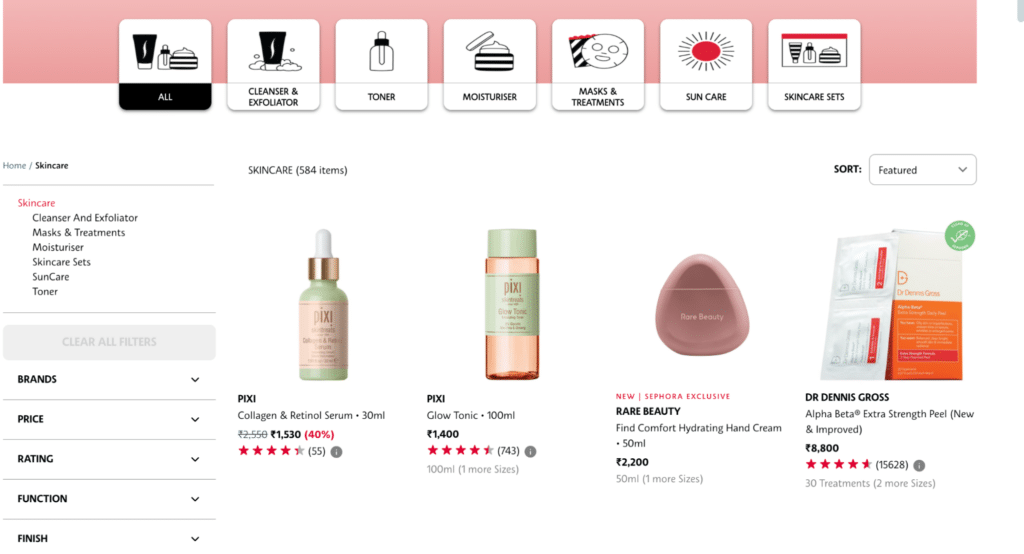
To achieve these goals, brands like Sephora have pioneered the use of "intermediary" category pages. These pages do not just list products; they offer educational content and sub-category "pathfinders" that help consumers narrow down their needs before they even see a product grid. This objective-driven approach reduces cognitive load and guides the user toward a purchase with minimal friction.
Architectural Standards for Layout and User Interface
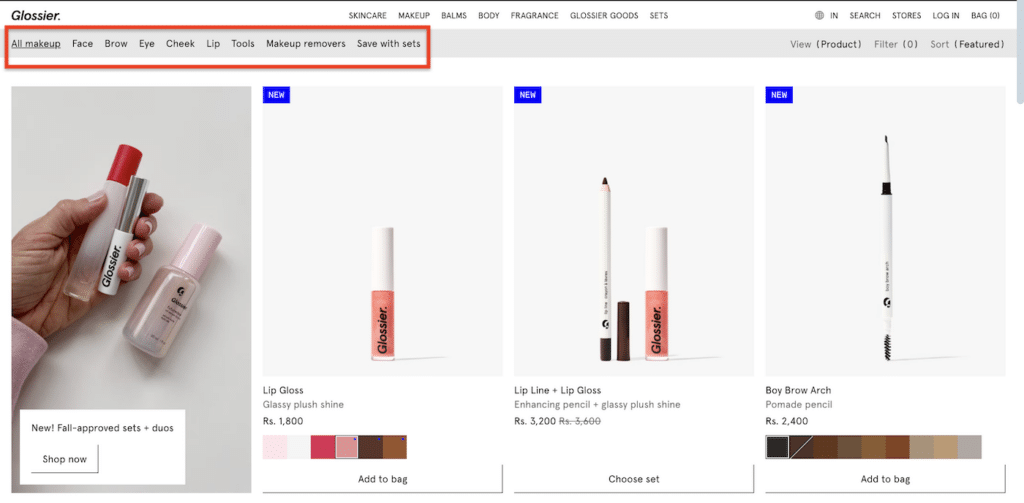
A professional e-commerce layout must balance information density with visual clarity. The header of the page serves as the primary orienting element. Experts suggest using clear, SEO-friendly titles that match common search queries. For instance, the beauty brand Glossier utilizes simplified taxonomy, such as "Face" or "Eyes," rather than technical jargon. This clarity assists both the human user and search engine crawlers in understanding the page’s relevance.
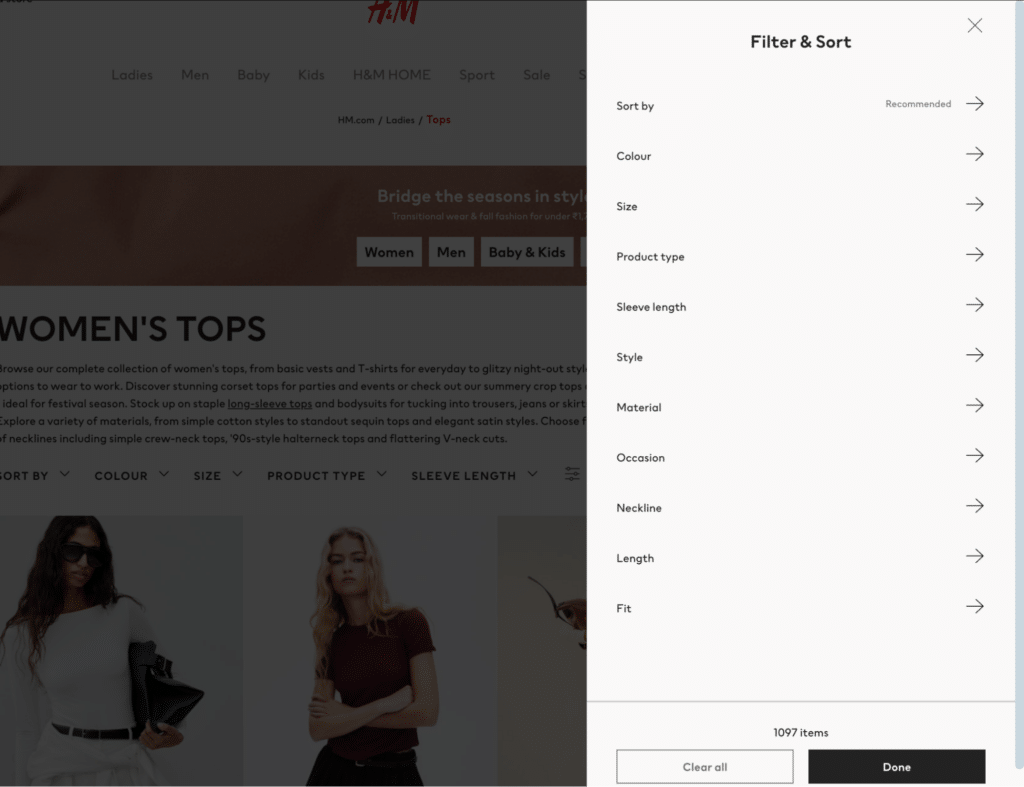
The implementation of filters and sorting options represents the most significant technical hurdle in layout design. Retailers like H&M provide an industry-standard example by offering multi-layered filters that include occasion, material, and sleeve length. From a journalistic and analytical perspective, these filters are not just tools; they are data collection points that inform the retailer about what specific attributes their customers value most.
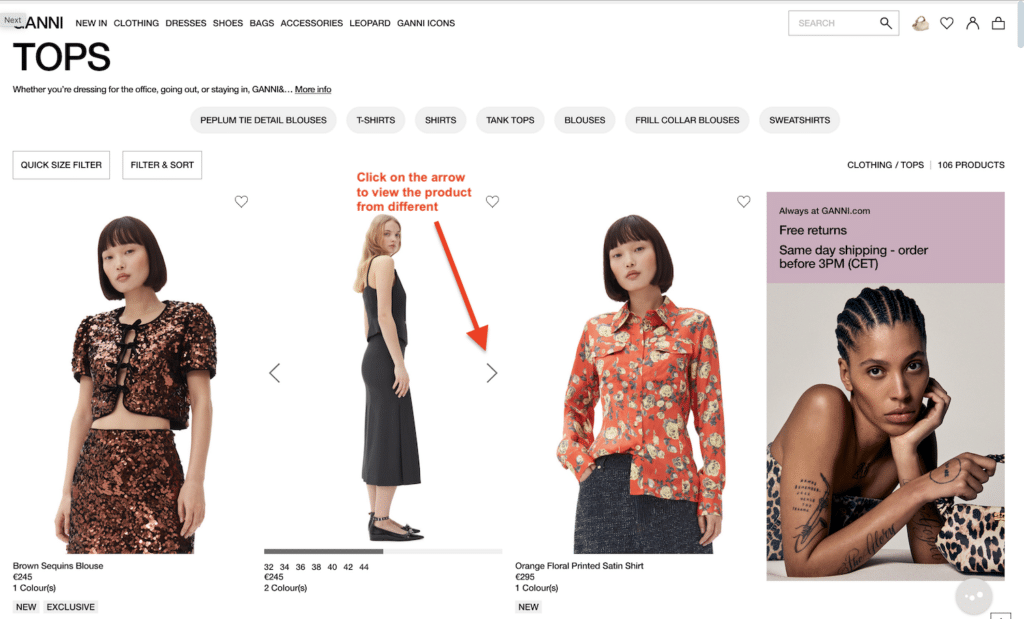
Product listings themselves must prioritize high-quality, high-resolution imagery. Brands such as Ganni have elevated this by incorporating "hover-to-zoom" features and alternative views directly on the category page. This allows the shopper to conduct a preliminary evaluation without leaving the page, thereby maintaining the flow of the browsing experience.
The Mobile-First Imperative and Technical Performance
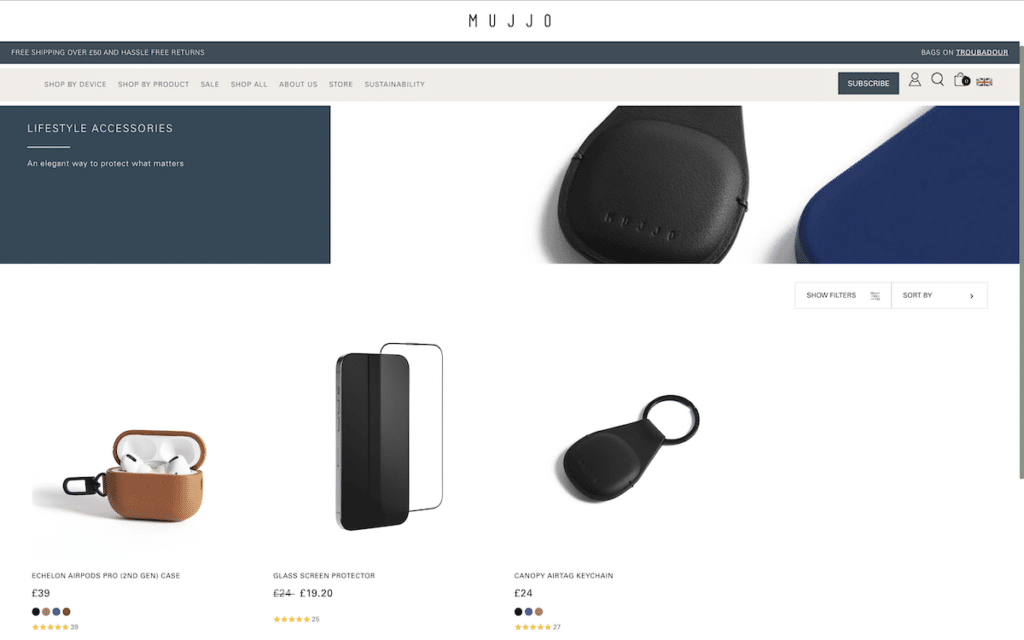
The shift toward mobile-first indexing by search engines like Google has made responsive design a non-negotiable requirement. A category page that performs well on a 27-inch monitor but fails to load correctly on a smartphone is a liability. The brand Mujjo exemplifies the minimalist approach required for mobile success, utilizing ample white space and large, touch-friendly buttons.
Technical performance, specifically page load speed, is directly correlated with conversion rates. Industry benchmarks indicate that a one-second delay in mobile load times can impact conversion rates by up to 20%. Consequently, developers are increasingly turning to "lazy loading"—a technique where images only load as the user scrolls down—to ensure that the initial view of the category page is instantaneous.
Enhancing User Experience Through Navigational Logic
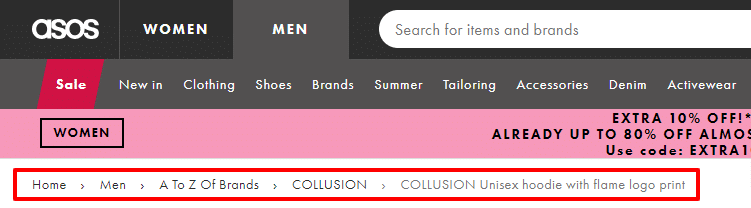
User Experience (UX) in e-commerce is often defined by how easily a customer can "undo" a navigation choice. Breadcrumb trails are an essential component of this logic. By providing a clear path (e.g., Home > Men’s Shoes > Running), retailers allow users to jump back to broader categories without using the browser’s back button, which can sometimes reset filters and cause frustration.
Furthermore, the "Back to Top" button is an increasingly vital feature as "infinite scroll" becomes the standard for category pages. While infinite scroll keeps users engaged, it can make reaching the footer or returning to the navigation menu difficult. Providing a floating "Back to Top" button solves this UX paradox, ensuring the user remains in control of their journey.
Content Strategy: Merging Information with Persuasion
Effective category pages are no longer silent galleries; they are active sales environments. This is achieved through engaging category descriptions and strategic promotions. Category descriptions serve a dual purpose: they provide context to the shopper and provide "keyword density" for search engines.
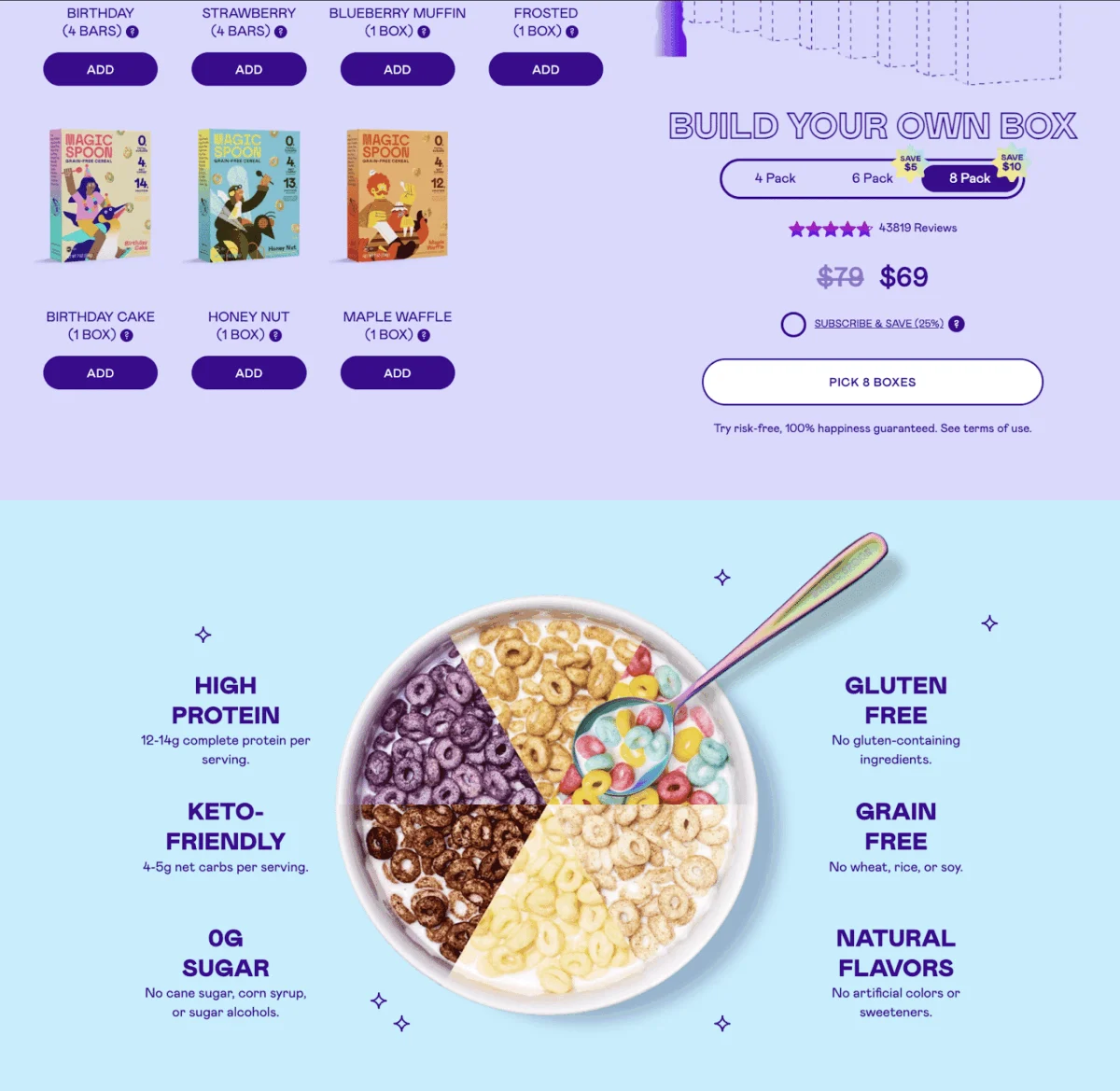
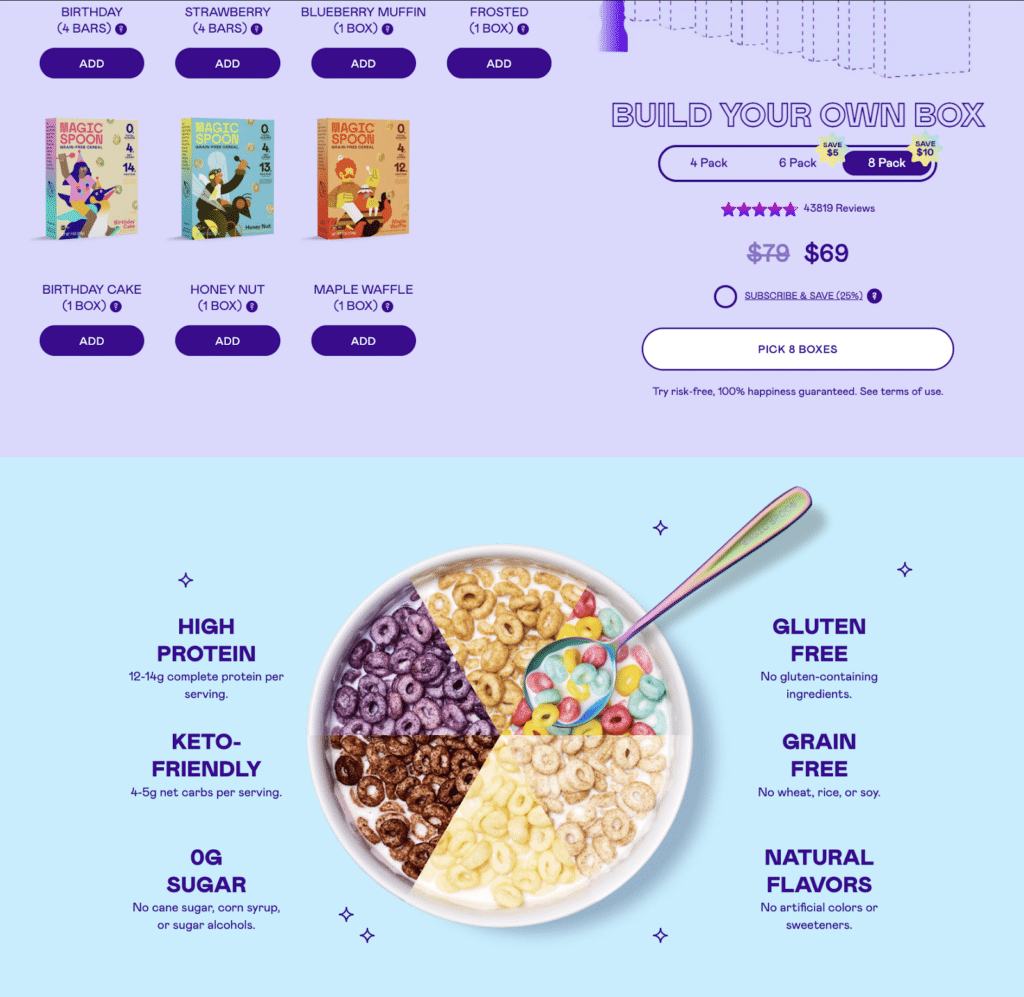
Magic Spoon, a high-protein cereal brand, utilizes category content that speaks directly to the lifestyle of their target demographic, using terms like "keto-friendly" and "grain-free" in a way that feels organic rather than forced for SEO. This builds trust and reinforces the brand’s value proposition.
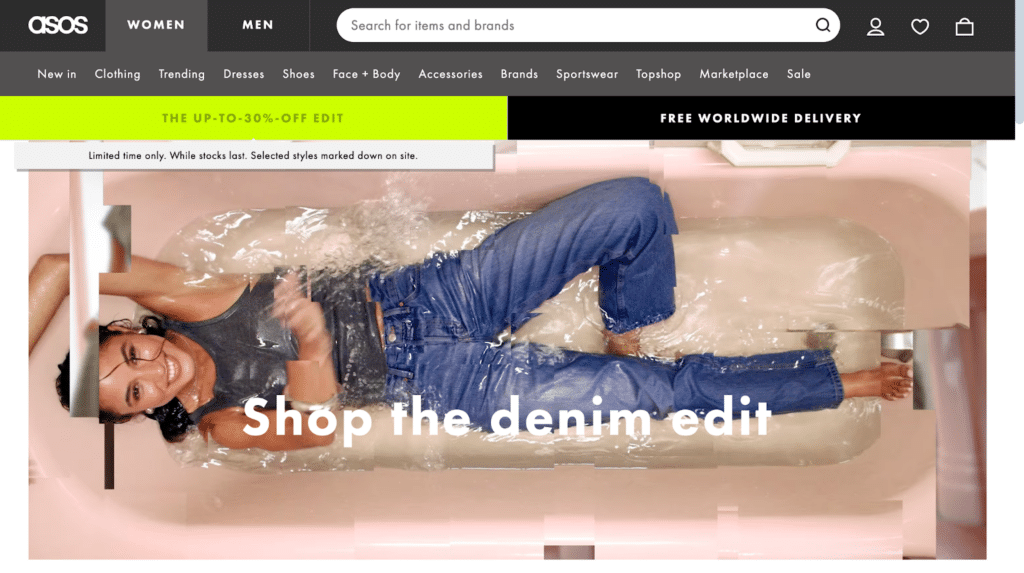
Promotional integration is another key tactic. ASOS frequently uses the top of their category pages to announce limited-time discounts or shipping offers. This creates a sense of urgency. When a shopper sees "30% off selected styles" at the moment they are browsing that specific category, the psychological barrier to purchase is significantly lowered.
Search Engine Optimization (SEO) and Discoverability
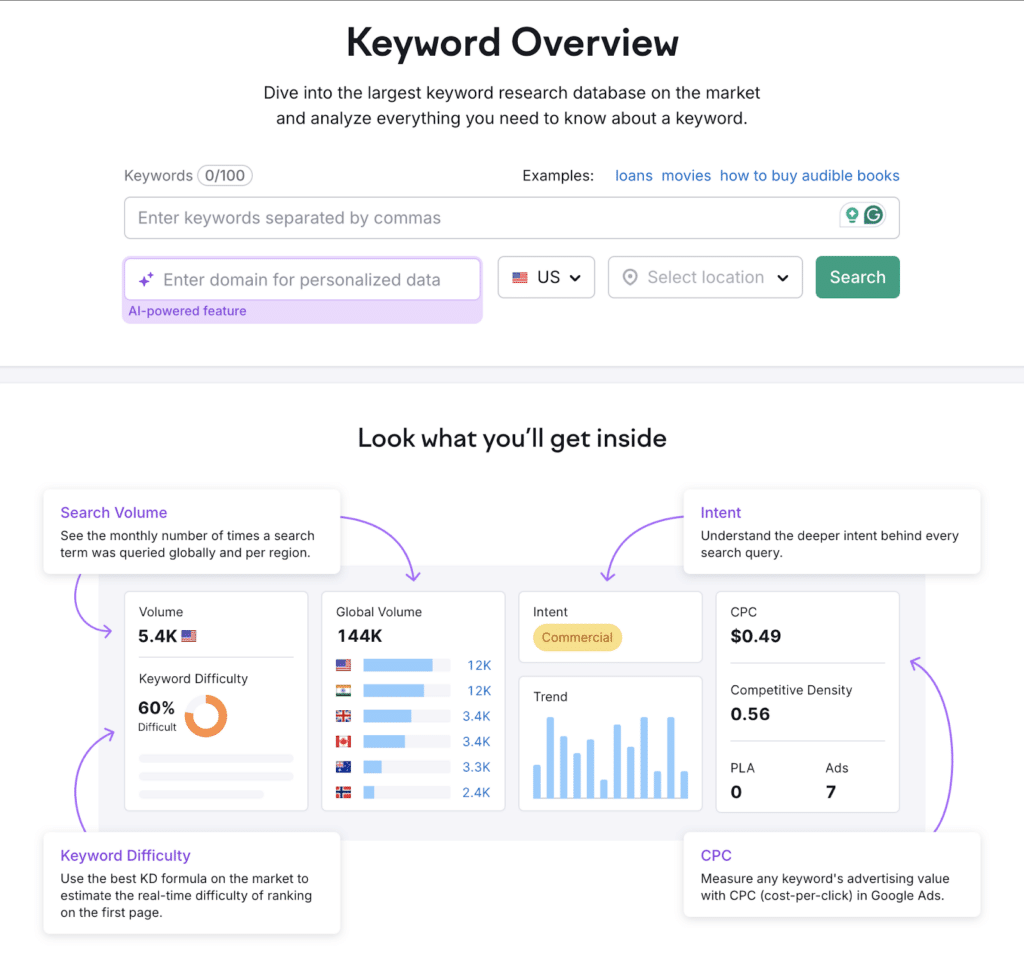
For a category page to drive revenue, it must first be discoverable. SEO best practices for e-commerce involve a combination of technical optimization and keyword strategy. Professional marketers utilize tools like SEMrush or Ahrefs to identify "long-tail" keywords—specific phrases that indicate high purchase intent. Instead of just targeting "shoes," an optimized page might target "waterproof trail running shoes for men."
Beyond keywords, technical SEO requires:
- Unique Title Tags: Each category must have a distinct title to avoid internal competition.
- Meta Descriptions: These should be persuasive "snippets" that encourage users to click from the Search Engine Results Page (SERP).
- Alt-Text for Images: This ensures that product images are "readable" by search engines and accessible to visually impaired users.
- Canonical Tags: These are essential for pages with many filters to prevent search engines from seeing filtered views as "duplicate content."
Data-Driven Iteration: The "Analyze and Adjust" Cycle
The final stage of maintaining a high-performance e-commerce site is continuous analysis. The launch of a category page is not the end of the process, but the beginning of a data-collection phase. Tools like FigPii allow retailers to view heatmaps—visual representations of where users click and how far they scroll.
By monitoring these behaviors, brands can identify "dead zones" on their pages where users lose interest. If a heatmap shows that users rarely interact with a specific filter, it can be removed to reduce clutter. A/B testing—where two versions of a page are shown to different segments of the audience—allows for scientific verification of which design elements actually drive sales. For example, a retailer might test whether a "Quick Add to Cart" button on the category page increases total revenue or if it leads to more accidental clicks and returns.
Broader Impact and Economic Implications
The optimization of e-commerce category pages has broader implications for the global economy. As customer acquisition costs (CAC) continue to rise due to increased competition in digital advertising, the efficiency of the website itself becomes the primary driver of profitability. A store that converts 3% of its visitors is twice as profitable as one that converts 1.5%, even if they spend the same amount on marketing.
In conclusion, the e-commerce category page is a sophisticated intersection of design, technology, and psychology. By defining clear objectives, prioritizing mobile responsiveness, and utilizing data to drive continuous improvement, retailers can transform these navigational hubs into powerful engines for growth. As the digital landscape becomes increasingly crowded, the brands that master these "digital aisles" will be the ones that secure long-term consumer loyalty and market dominance.







