

Paid search advertising reached a historic milestone in 2024, generating $102.9 billion in revenue within the United States alone. This figure solidifies search as the premier digital advertising format, commanding a 39.8% share of all digital ad revenue. The scale of this industry is driven by a fundamental marketing principle: the ability to place a brand in front of a consumer at the exact moment of high-intent inquiry. However, as the market matures, the complexity of maintaining profitability has increased significantly. Rising competition and shifting platform algorithms have pushed the average cost-per-lead (CPL) to approximately $70.11 in 2025, up from $66.69 the previous year. For modern marketers, success no longer hinges solely on high bidding, but on a sophisticated understanding of auction mechanics, campaign architecture, and the critical post-click experience.
The Mechanics of the Real-Time Auction
The backbone of paid search is a high-speed, automated auction that occurs in the milliseconds it takes for a search engine to return results. This process determines not only which ads are displayed but also their order and the price paid by the advertiser. The auction is triggered the moment a user enters a search query. The search engine identifies all advertisers bidding on relevant keywords whose campaign settings match the user’s profile, including location, device, and time of day.
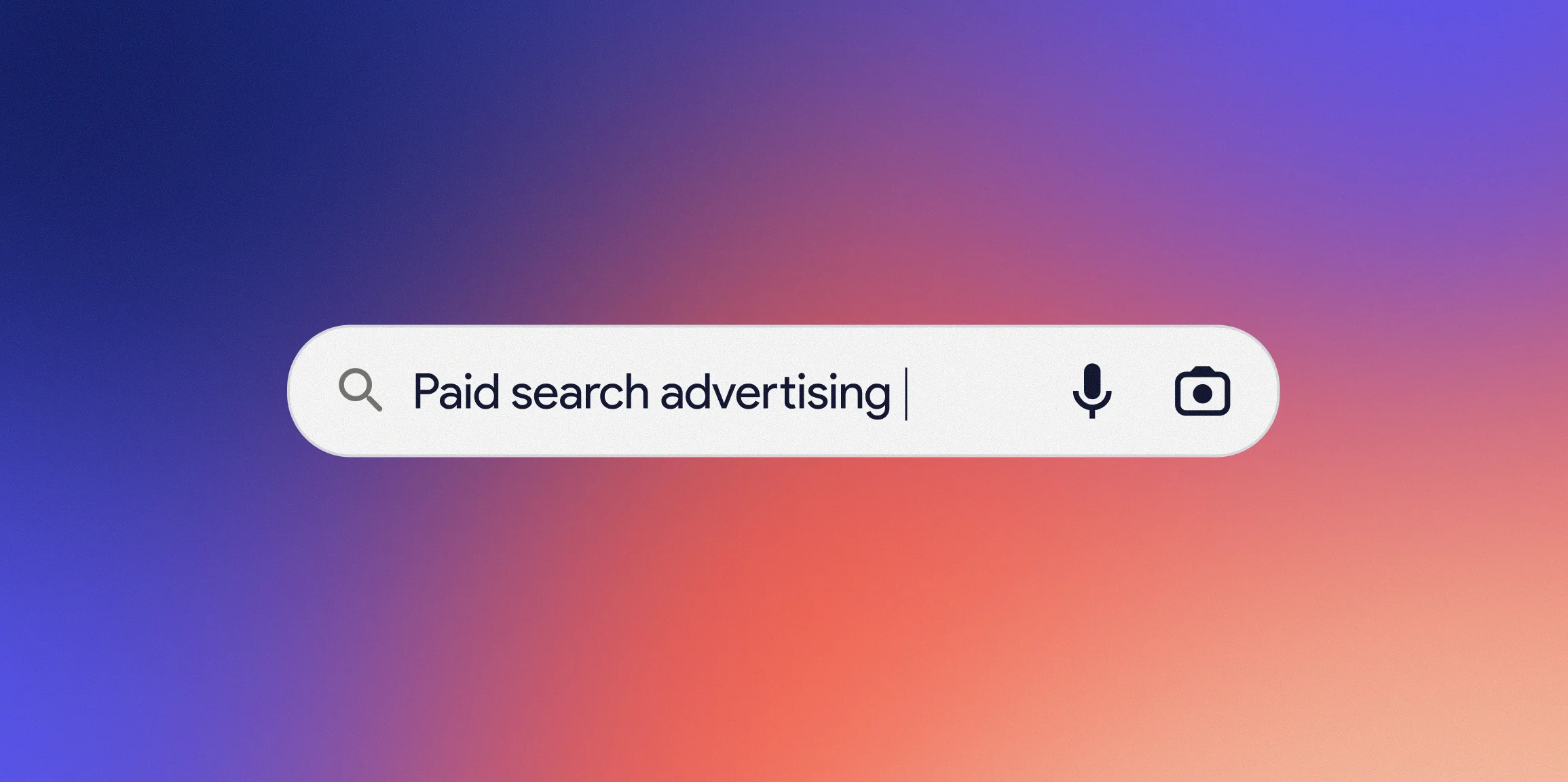
Unlike traditional auctions where the highest bidder always wins, search engines utilize a multi-factor scoring system known as Ad Rank. Ad Rank is calculated using the maximum bid, the Quality Score, and the expected impact of ad assets (formerly extensions). The Quality Score is a diagnostic tool that measures the relevance of the ad, the expected click-through rate (CTR), and the quality of the landing page experience. This system ensures that users see relevant content while allowing well-optimized, highly relevant ads to outrank competitors who may have higher budgets but lower quality standards.
When a click occurs, the advertiser is charged the "Actual CPC" (cost-per-click), which is typically lower than their maximum bid. Under the second-price auction model, the winner pays only one cent more than the Ad Rank of the advertiser immediately below them. This incentivizes advertisers to maintain high-quality ads and landing pages, as a higher Quality Score directly reduces the cost required to maintain a top position.
The Platform Ecosystem: Google, Microsoft, and Emerging Channels
The paid search landscape remains dominated by a small number of global players, each offering distinct advantages for reach and audience segmentation.

Google Ads: The Global Standard
Google continues to hold approximately 90% of the global search market share. Its advertising ecosystem extends far beyond the Search Engine Results Page (SERP), integrating YouTube, Gmail, Google Maps, and the Google Display Network. This reach allows advertisers to follow a user across the entire digital journey. For many businesses, Google Ads is the primary vehicle for capturing immediate demand due to its massive volume and advanced machine-learning capabilities.
Microsoft Advertising: The Strategic Alternative
While Bing’s market share is significantly smaller than Google’s, Microsoft Advertising provides access to a lucrative and often older or more professional demographic. The network syndicates ads across Yahoo, AOL, DuckDuckGo, and Ecosia. Furthermore, Microsoft has expanded its reach through exclusive partnerships, such as providing the infrastructure for Netflix’s ad-supported tier. For B2B marketers, Microsoft Advertising often yields a lower CPC and higher conversion rates among corporate users who utilize default Windows software.
Specialized Search Formats
Beyond traditional search engines, Apple Search Ads has emerged as a vital channel for the mobile economy. It allows app developers to bid for visibility at the top of App Store search results, capturing users at the point of download intent. Similarly, Shopping Ads, driven by product feed data in the Google Merchant Center rather than traditional keywords, have become the standard for e-commerce, offering visual product listings that include pricing and reviews directly on the SERP.
Comparative Analysis: Paid vs. Organic Search
A frequent point of debate within digital strategy is the allocation of resources between paid search and Search Engine Optimization (SEO). While both aim to drive traffic, they function on different timelines and cost structures.
| Aspect | Paid Search (PPC) | Organic Search (SEO) |
|---|---|---|
| Cost Model | Pay-per-click; direct media spend | No direct cost per visit; high labor/content cost |
| Speed | Immediate visibility | 3 to 12+ months for results |
| Control | Precise targeting of keywords and audiences | Limited control; dependent on algorithm shifts |
| Sustainability | Stops the moment budget is exhausted | Compounding value over time |
Market analysts suggest that the most resilient digital strategies employ a hybrid approach. Paid search is utilized for immediate market entry, testing new messaging, and defending brand terms. Simultaneously, SEO builds long-term authority and captures informational queries where users may be less likely to click on a sponsored link. Data from paid campaigns often informs SEO strategy by identifying which keywords actually drive revenue rather than just traffic.
Strategic Implementation: The Eight-Step Framework
Running a successful paid search campaign in a competitive environment requires a structured methodology.
- Goal Definition: Campaigns must be aligned with specific business outcomes, such as lead generation, e-commerce sales, or brand awareness. The goal dictates the bidding strategy, whether it be Manual CPC for control or automated "Smart Bidding" like Target CPA (Cost Per Acquisition).
- Keyword Research and Intent Mapping: Marketers must categorize keywords by intent. "Informational" keywords (e.g., "how to fix a leak") require different messaging than "Transactional" keywords (e.g., "emergency plumber near me").
- Match Type Calibration: Using Broad, Phrase, and Exact match types allows advertisers to control the balance between reach and relevance.
- Account Structure: Organizing campaigns into tight ad groups ensures that the ad copy is highly relevant to the search query, which improves Quality Scores.
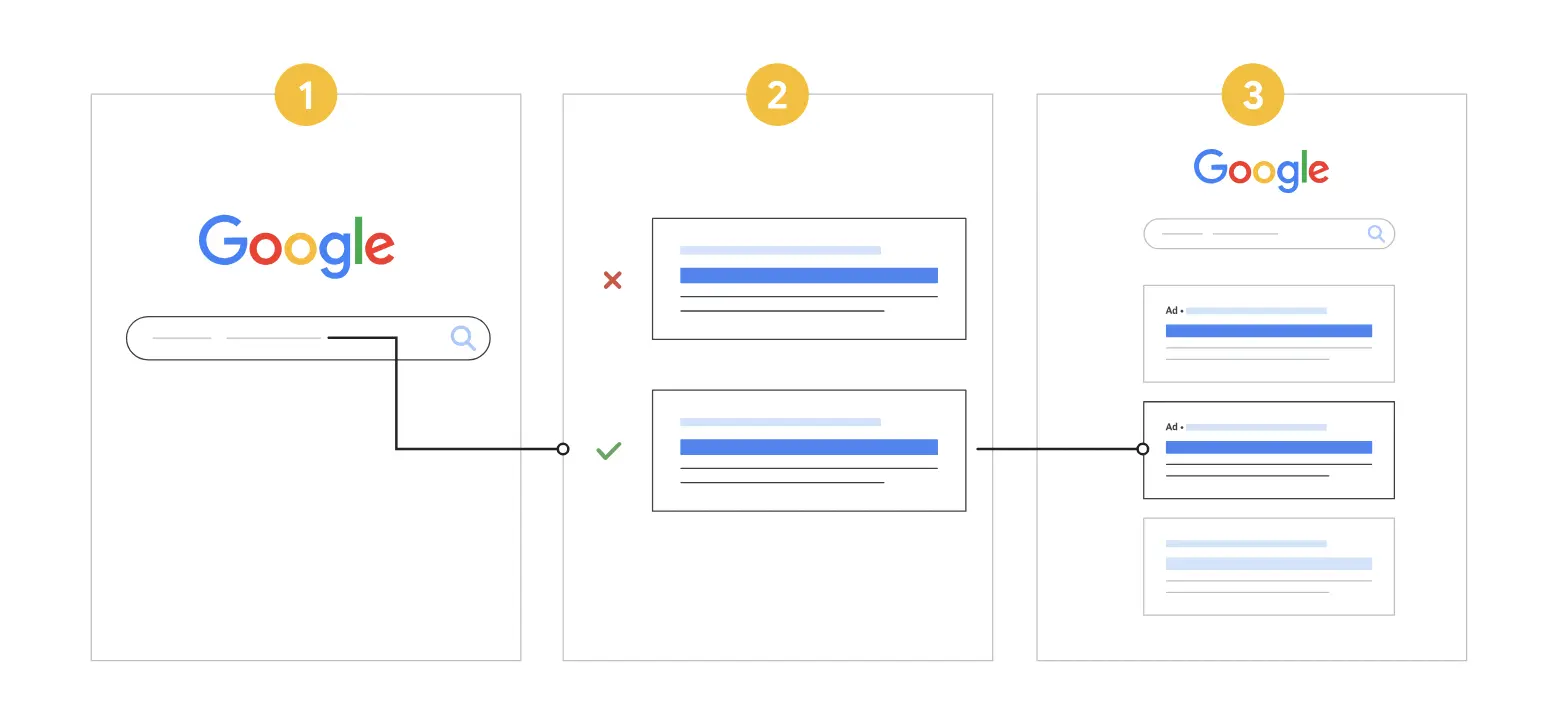
- Creative Development: Modern Responsive Search Ads (RSAs) allow Google to test up to 15 headlines and four descriptions, using AI to serve the best-performing combination for each user.
- Landing Page Alignment: This is frequently the point of failure for many campaigns. Sending high-intent traffic to a generic homepage often results in high bounce rates. Dedicated landing pages must provide "message match," ensuring the promise made in the ad is fulfilled on the page.
- Conversion Tracking: Without robust tracking—including GA4 integration and server-side tagging—advertisers cannot accurately calculate Return on Ad Spend (ROAS).
- Optimization and Refinement: Continuous management involves reviewing search term reports to add negative keywords, testing new ad variations, and adjusting bids based on performance data.
The Post-Click Experience and Economic Efficiency
The evolution of the search market has shifted the focus from the "click" to the "conversion." As CPCs rise, the most effective way to improve profitability is to increase the conversion rate of the landing page. Industry benchmarks indicate that while generic pages may convert at 2% to 4%, optimized, dedicated landing pages can achieve rates of 10% to 15%.
Several factors influence this performance:
- Message Match: The headline of the landing page should mirror the headline of the ad.
- Page Speed: A one-second delay in mobile load time can reduce conversions by up to 20%. In an era of mobile-first indexing, speed is a financial imperative.
- Friction Reduction: Removing site navigation from landing pages keeps the user focused on a single call to action (CTA).
- Personalization: Serving different content to different audience segments (e.g., small business vs. enterprise) can significantly increase relevance and trust.
Broader Impact and Future Implications
The paid search industry is currently undergoing a paradigm shift driven by Artificial Intelligence. Google’s Performance Max (PMax) and Microsoft’s automated solutions are moving the industry toward a "black box" model where the platform’s AI makes most of the bidding and placement decisions. While this simplifies management for small businesses, it requires enterprise marketers to focus more on "creative excellence" and "data inputs" rather than manual bid adjustments.

Furthermore, privacy regulations and the deprecation of third-party cookies are forcing a shift toward first-party data. Advertisers who can integrate their own customer data into search platforms will have a competitive advantage in targeting and attribution.
The global forecast for search advertising spend is expected to reach $355.10 billion by the end of 2025. This growth underscores the enduring value of search intent. However, as the barrier to entry rises, the distinction between successful and unsuccessful advertisers will be defined by their ability to optimize the entire funnel—from the initial auction bid to the final click on a landing page’s "Submit" button. In this high-stakes environment, the integration of technology, data, and psychology remains the only path to sustainable growth.







