

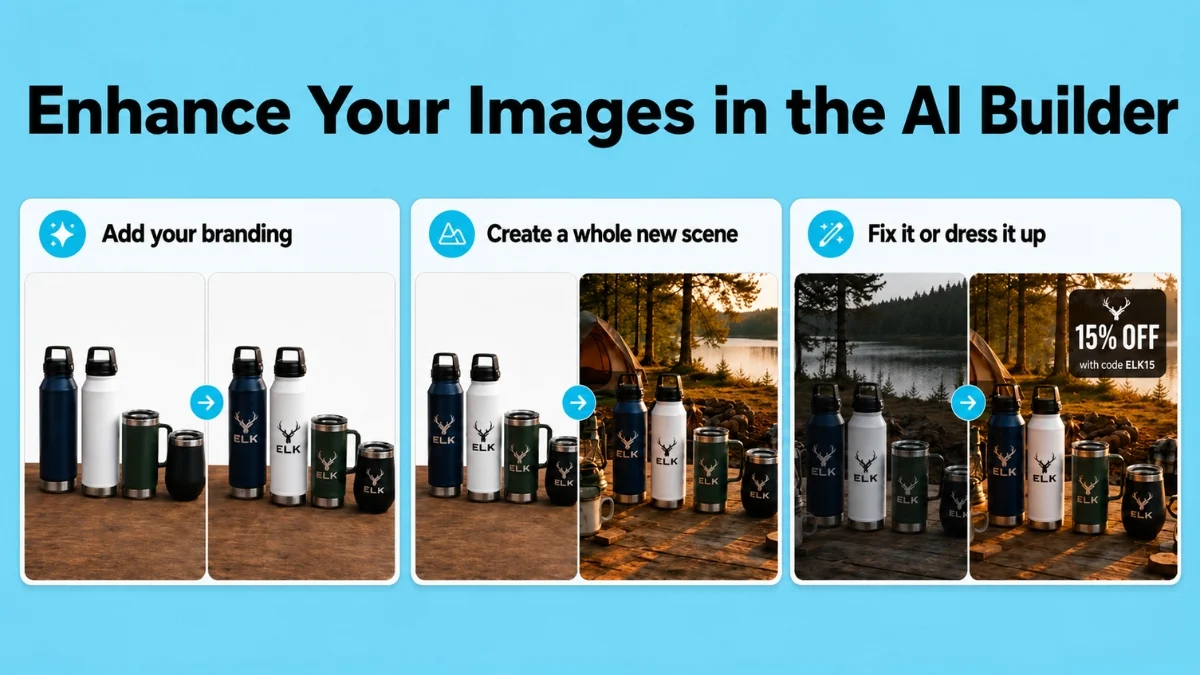
AWeber, a long-standing leader in email marketing and marketing automation, has launched advanced artificial intelligence (AI) image editing capabilities, fundamentally transforming how marketers create and customize visual content. This new functionality, initially integrated into AWeber’s AI Signup Form Builder, empowers users to modify existing product shots and other imagery through simple text prompts, adapting visuals to suit specific marketing needs and campaigns. The company has also announced plans to extend these AI-powered tools to its AI Landing Page Builder and AI Email Builder in the near future, signaling a comprehensive integration across its marketing automation suite. This strategic enhancement arrives at a pivotal time when visual content dominates digital engagement, and the demand for personalized, dynamic imagery is at an all-time high.
The core of AWeber’s new offering lies in its ability to take a single, static image and transform it into a multitude of variations tailored for different contexts, promotions, and brand narratives. This innovation directly addresses common pain points faced by businesses, particularly small and medium-sized enterprises (SMBs) and individual entrepreneurs, who often lack the resources, time, or specialized design skills to produce a wide array of high-quality visual assets. By democratizing sophisticated image editing, AWeber aims to level the playing field, enabling its users to compete more effectively in a visually saturated digital landscape.
Democratizing Design: Key AI Image Editing Features
The newly introduced AI image editing tools offer a robust suite of functionalities designed to enhance and customize visual content with unprecedented ease. These features are not merely superficial filters but intelligent modifications that understand context and intent, guided by natural language prompts.
One of the most impactful features is the ability to add branding to any image. Stock photos and generic product shots, while cost-effective, often lack immediate brand identification. Traditionally, integrating a logo or brand elements seamlessly into an image required graphic design expertise, often involving meticulous masking, color matching, and perspective adjustments. AWeber’s AI now allows users to simply describe the desired branding addition—for instance, "add my company logo to the top left corner, subtly integrated"—and the AI will generate a version of the image with the branding naturally incorporated. This ensures consistent brand presence across all marketing materials, reinforcing recognition and trust without the need for complex manual editing or expensive custom photoshoots.
Another significant capability is the power to contextualize products by placing them in new scenes. A common challenge for e-commerce businesses is showcasing products in diverse, aspirational settings that resonate with target audiences. A studio product shot, while clear, often fails to convey lifestyle or practical application. With AWeber’s AI, a plain image of a product can be effortlessly transplanted into an entirely different environment. Imagine a fitness tracker photographed against a sterile white background. With a prompt like "place the fitness tracker on a runner’s wrist during a morning jog in a park," the AI can generate a new image depicting the product in a dynamic, relevant scene. This feature dramatically expands the utility of existing image libraries, allowing marketers to create highly targeted visuals for different customer segments or promotional themes—be it a product on a bustling kitchen counter, a cozy desk setup, or an adventurous campsite. This not only saves immense costs associated with location scouting and elaborate photoshoots but also accelerates content creation cycles.
The AI also excels at fixing common photographic flaws. Imperfect lighting, distracting backgrounds, or awkward cropping can significantly detract from an image’s professional appeal. Historically, correcting these issues necessitated professional photo editing software and skilled operators, or even costly reshoots. AWeber’s AI empowers users to rectify such imperfections with text prompts. A prompt like "brighten the product, remove the cluttered background, and crop to a square aspect ratio" can instantly transform a suboptimal photograph into a polished, professional asset. This capability drastically reduces the need for expensive professional editing services and eliminates the logistical headaches of redoing photo shoots, saving both time and budget for businesses.
Furthermore, the platform facilitates the addition of designed text overlays. Marketing visuals often require overlaid text for promotional codes, calls to action, or headlines. The challenge lies in ensuring this text is not merely placed on top but is aesthetically integrated into the image, matching its style, perspective, and lighting. AWeber’s AI can generate text overlays that look inherently designed into the scene, rather than appearing as a separate, superimposed element. A prompt such as "add ‘20% Off’ in a bold, modern font, integrated into the top right corner with a subtle shadow" can produce a visually cohesive overlay that enhances the message without disrupting the image’s overall harmony. This is crucial for creating visually appealing promotional graphics that effectively capture attention and drive conversions.
A crucial aspect of this new system is its non-destructive workflow: each edited image saves as its own file, while the original remains untouched in the library. This design choice is paramount for iterative design and A/B testing, allowing marketers to experiment with various visual directions without the risk of losing their original assets. This flexibility fosters creative exploration and ensures that marketers can continuously optimize their visual content strategies based on performance data.
How the AI Works: Simplicity and Precision
The operational mechanics of AWeber’s AI image editing are remarkably straightforward, emphasizing user accessibility. The process begins by adding an image to the AI Signup Form Builder. Once the image is selected, users simply describe the desired change using a text prompt. The system then processes this natural language input and generates the modified image. The effectiveness and quality of the output are directly correlated with the specificity and clarity of the prompt. A detailed prompt—e.g., "Change the background to a minimalist white brick wall with soft, natural daylight coming from the left, highlighting the product in the center"—will yield more precise and satisfactory results than a vague instruction. This intuitive, prompt-driven interface lowers the barrier to entry for advanced image manipulation, making sophisticated design tools accessible to a wider audience.
Beyond editing existing images, AWeber’s AI also offers the capability to generate entirely new images from scratch. This "image generate" function bypasses the need for an initial photograph altogether. Users can describe a visual concept—for example, "a sleek, modern smartphone on a wooden desk with a cup of coffee and a green plant, bathed in warm morning light"—and the AI will construct an image based purely on that textual description. This opens up immense possibilities for creating unique, highly specific visual content that might not exist in stock photo libraries or be feasible to photograph. It provides a limitless canvas for marketers to bring their creative visions to life, ensuring their content stands out.
Chronology and Strategic Rollout
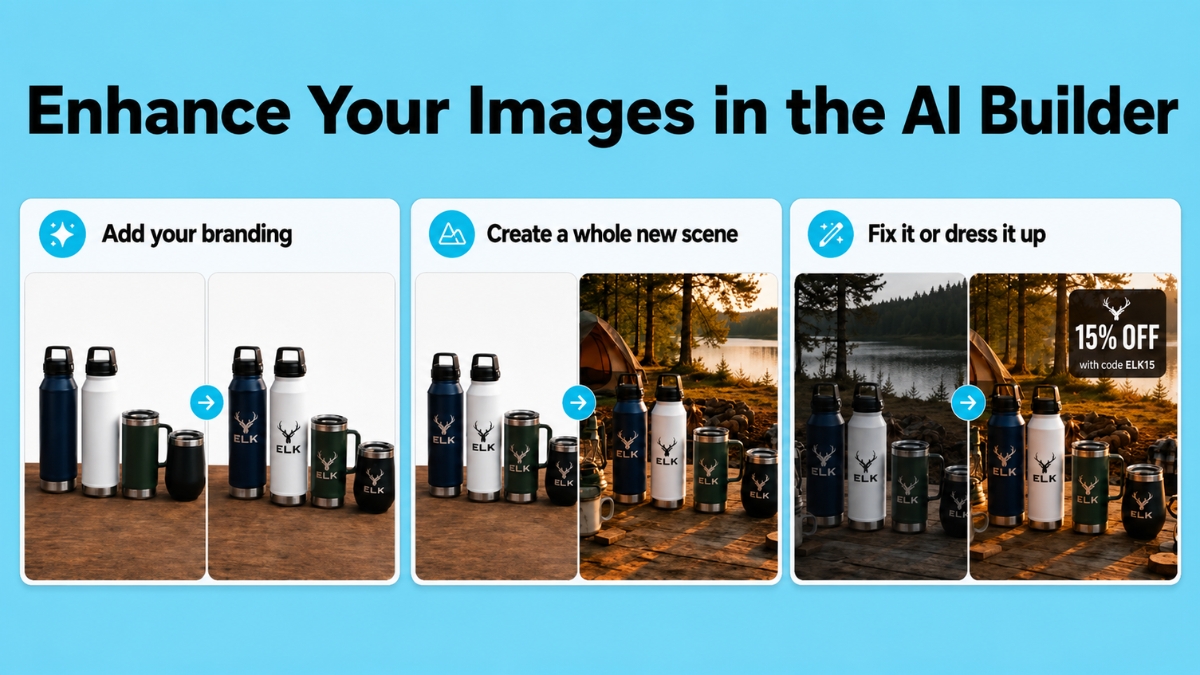
The initial rollout of AWeber’s AI image editing capabilities began with its integration into the AI Signup Form Builder. This strategic choice allows users to immediately leverage these tools for creating highly engaging and visually appealing opt-in forms, which are critical for lead generation and audience building. The company has clearly articulated a phased approach, with the imminent expansion of these features to the AI Landing Page Builder and the AI Email Builder. This progressive integration underscores AWeber’s commitment to embedding AI across its core offerings, ensuring a seamless and powerful user experience throughout the entire marketing funnel. The timeline reflects a broader industry trend where marketing automation platforms are rapidly incorporating generative AI to enhance content creation and campaign management, moving beyond traditional functionalities to offer more dynamic, intelligent solutions.
Background Context: The Ascent of AI in Marketing and Visual Content Demands
AWeber’s foray into advanced AI image editing is set against a backdrop of significant shifts in the digital marketing landscape. Founded in 1998, AWeber has been a consistent innovator in email marketing, evolving from a pioneering email service provider to a comprehensive marketing automation platform. Its continued investment in AI reflects the imperative for legacy players to adapt and lead in an increasingly AI-driven market.
The integration of AI into marketing automation platforms is not merely an optional upgrade but a strategic necessity. The global AI in marketing market size was valued at approximately USD 15.8 billion in 2023 and is projected to grow substantially, reaching over USD 100 billion by 2032, according to various market research reports. This exponential growth is driven by AI’s proven ability to enhance personalization, optimize campaigns, automate repetitive tasks, and improve overall marketing ROI. Companies like HubSpot, Mailchimp, and Constant Contact are all actively integrating AI features, making AWeber’s move crucial for maintaining its competitive edge.
The demand for high-quality, diverse visual content has simultaneously exploded. Studies consistently show that visual content significantly outperforms text-only content in terms of engagement. For instance, research indicates that articles with images get 94% more total views than those without. Social media posts with images see 2.3 times more engagement than those without. Videos and images are processed by the human brain 60,000 times faster than text. This data underscores the critical role visuals play in capturing attention, conveying messages effectively, and driving conversions in today’s fast-paced digital environment.
However, producing this volume and variety of visual content presents significant challenges for marketers. Small businesses, in particular, often grapple with limited budgets for professional photography and graphic design, lack of in-house design expertise, and the sheer time commitment required for content creation. AWeber’s AI tools directly alleviate these pressures, offering a scalable, cost-effective solution for generating diverse, high-quality visual assets on demand.
Statements and Reactions: Empowering the Modern Marketer
While specific quotes were not provided in the initial announcement, the strategic implications allow for logical inferences regarding official statements and anticipated reactions.
An AWeber executive, perhaps its CEO or Head of Product, would likely emphasize the company’s commitment to empowering its user base. A hypothetical statement might read: "This launch of our AI image editing capabilities marks a pivotal moment for AWeber and, more importantly, for our customers. We are democratizing access to high-quality visual content creation, removing significant barriers for entrepreneurs and small businesses who have historically struggled with the time and cost associated with professional design. Our vision is to provide tools that allow anyone, regardless of their design background, to compete visually at the highest level, driving engagement and growth for their ventures."
Industry analysts are likely to view this as a strategic and necessary move. "AWeber’s integration of advanced generative AI for image editing reflects a broader, accelerating trend within the marketing automation sector," commented a hypothetical industry analyst. "In an environment where visual content is king, platforms that can empower users to create dynamic, personalized imagery quickly and cost-effectively will hold a significant advantage. This positions AWeber strongly in the competitive landscape, catering to the evolving needs of its user base for efficient and impactful content creation."
User reactions are anticipated to be overwhelmingly positive, particularly from SMBs and individual marketers. The inferred feedback would center on efficiency and cost savings. "This feature is a game-changer," might be a common sentiment. "I can now create professional-looking social media graphics and website banners in minutes, without hiring a designer or spending hours learning complex software. It’s going to save me countless hours and budget dollars, allowing me to focus more on my core business."
Broader Impact and Implications
The introduction of AWeber’s AI image editing capabilities carries significant implications for the marketing industry and its users:
- Democratization of Design: The most profound impact is the leveling of the playing field. Previously, sophisticated image manipulation was the domain of professional designers and large corporations with substantial budgets. AI tools now make these capabilities accessible to solo entrepreneurs, small business owners, and non-designers, enabling them to produce visually compelling marketing materials that rival those of larger competitors.
- Unprecedented Efficiency and Cost Savings: Marketers can drastically reduce the time and financial resources traditionally allocated to image creation. The ability to generate or edit images on demand eliminates delays associated with external designers, photo shoots, or complex software training. This translates into faster campaign launches, more agile content strategies, and significant budget reallocations.
- Enhanced Content Velocity and Personalization: With the ease of image generation and editing, marketers can produce a greater volume and variety of visual content. This increased content velocity allows for more frequent updates, diversified messaging, and the ability to create highly personalized visuals tailored to specific audience segments or even individual user journeys, leading to higher engagement and conversion rates.
- Strengthened Brand Consistency: The AI’s ability to consistently apply branding elements across diverse images helps maintain a cohesive brand identity. By ensuring logos and brand aesthetics are naturally integrated into every visual, businesses can reinforce their brand image across all digital touchpoints.
- Evolution of the Designer’s Role: While AI automates many basic editing tasks, it is unlikely to fully replace human designers. Instead, it will likely shift their role towards more strategic, high-level creative direction, complex visual storytelling, and quality control. Designers can leverage AI as a powerful assistant, freeing them from mundane tasks to focus on innovation and intricate brand narratives.
- Ethical Considerations and Future Outlook: As with all generative AI, the responsible use of these tools is paramount. Concerns around image authenticity, potential for misuse, and copyright will continue to evolve. AWeber, like other leading platforms, will need to continuously address these considerations as the technology advances. The future will likely see even more sophisticated AI capabilities, including advanced video editing, 3D asset generation, and even more seamless integration with other marketing data for hyper-personalized visual campaigns.
In conclusion, AWeber’s launch of AI image editing is more than just a new feature; it represents a significant leap in empowering marketers with intelligent tools that streamline content creation, foster creativity, and ultimately drive better business outcomes. By making professional-grade visual content accessible and adaptable, AWeber is not just keeping pace with the AI revolution but actively shaping the future of marketing automation.








