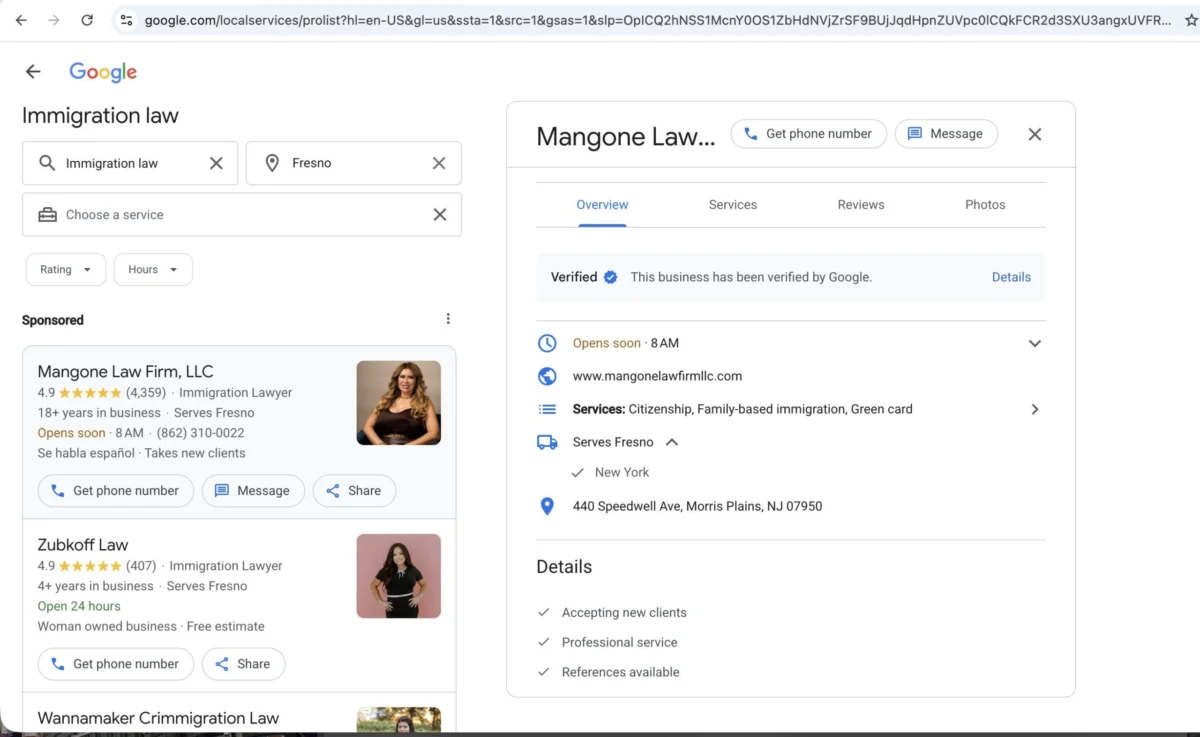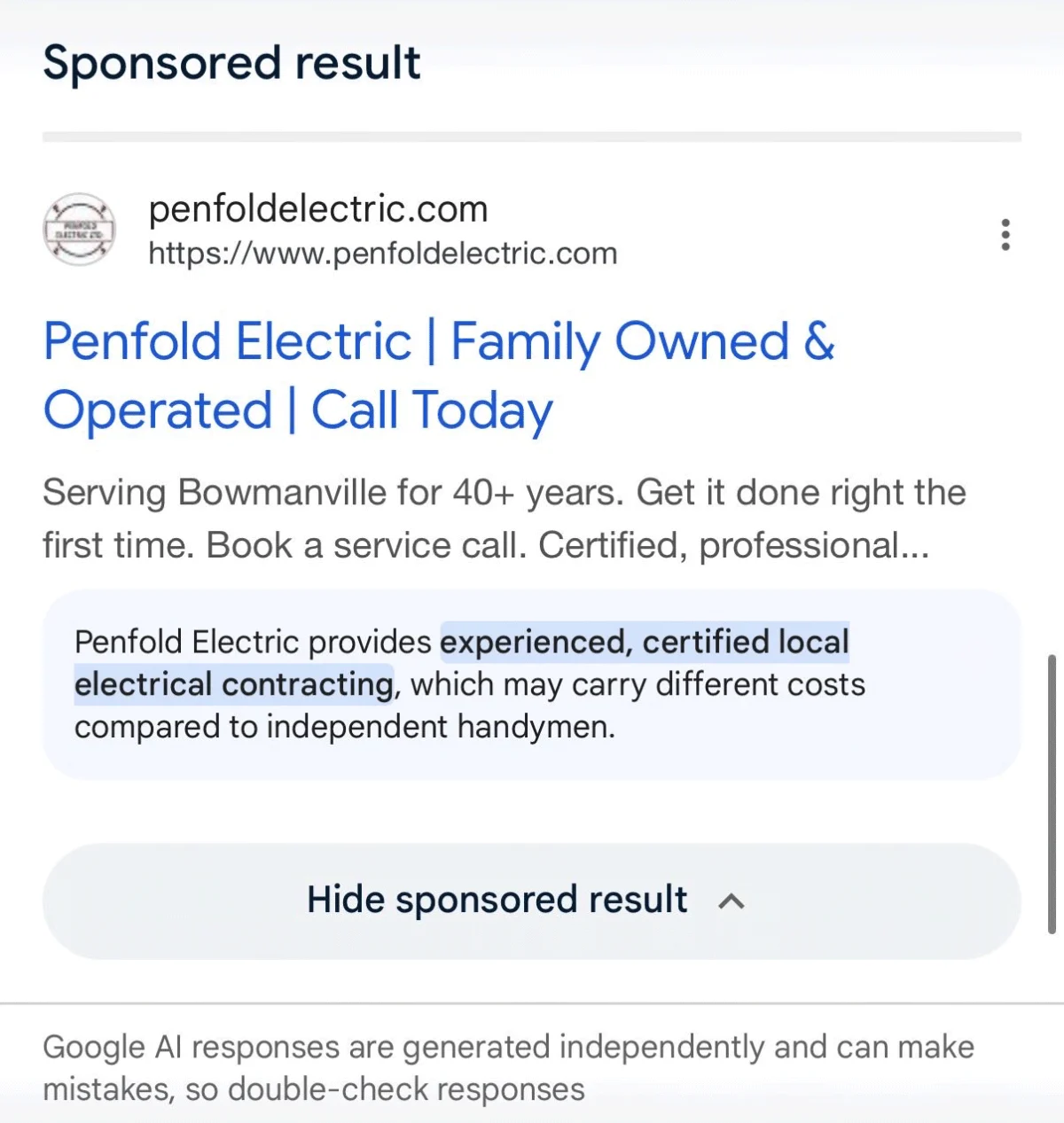
Google is actively testing the integration of AI-generated descriptions within its Shopping and product ads, marking a significant expansion of its generative AI capabilities into the lucrative e-commerce advertising sphere. This development follows a similar experimental rollout last month, where AI-powered descriptions were observed in regular sponsored text advertisements. The search giant has confirmed these tests, characterizing them as small-scale experiments designed to enhance user decision-making processes. The move signals a strategic deepening of AI’s role in Google’s core advertising business, potentially reshaping how products are presented and perceived online.
The latest observation, which surfaced on August 8, 2026, involves AI-generated content appearing directly within Shopping ad listings. This particular instance was brought to public attention by prominent SEO and digital marketing specialists Brodie Clark and SERP Alerts, who shared corroborating screenshots on the social media platform X. The visuals depict concise, AI-crafted summaries augmenting standard product information, aiming to provide immediate, contextually relevant details to potential buyers directly on the search results page. This integration is not merely an aesthetic change but represents a fundamental shift in how Google plans to leverage artificial intelligence to mediate the connection between advertisers and consumers in the highly competitive digital marketplace.
A Pattern of AI Integration: A Chronological View
The current test in Shopping ads is not an isolated event but rather the latest step in a discernible pattern of Google’s increasing reliance on generative AI across its advertising formats. The timeline of these developments paints a picture of deliberate and systematic exploration:
- June 2026: Earlier this year, Darcy Burk provided an initial glimpse into Google’s AI ambitions in advertising. Screenshots shared by Burk revealed tests of AI-generated summaries within product descriptions for sponsored ads. This early sighting indicated that Google had been exploring the concept of AI-powered descriptive content for several months, testing its efficacy across various ad formats even before the more recent wider observations.
- July 2026: A month prior to the current Shopping ad test, similar AI-generated descriptions were spotted in conventional sponsored text ads. This experiment, also confirmed by Google as a "small experiment," laid the groundwork for the broader application now seen in product-centric ad units. It demonstrated Google’s intent to apply AI beyond mere text generation, extending to understanding product attributes and consumer intent.
- August 8, 2026: The most recent confirmation arrived with the identification of AI-generated descriptions in Shopping and product ads. This expansion is particularly noteworthy given the visual and comparative nature of Shopping ads, where concise, compelling, and accurate descriptions can significantly influence purchase decisions. The swift progression from text ads to Shopping ads underscores the accelerated pace of AI integration within Google’s ecosystem.
This chronology suggests a phased rollout, beginning with less visually prominent text ads and gradually moving into more complex, image-rich formats like Shopping ads. Each phase allows Google to gather critical data on user interaction, ad performance, and potential challenges before a wider implementation.
Google’s Broader AI Strategy in Advertising
The integration of AI-generated descriptions into Google Ads is inextricably linked to the company’s overarching strategic commitment to artificial intelligence. In recent years, Google has poured immense resources into AI research and development, culminating in transformative projects like the Gemini large language model, the Bard conversational AI, and the AI Overviews feature in Search Generative Experience (SGE). The core objective across all these initiatives is to leverage AI to process information more intelligently, generate human-like content, and provide more intuitive and personalized user experiences.

In the context of advertising, AI has already played a foundational role for several years. Features such as Smart Bidding, Responsive Search Ads (RSAs), and Performance Max campaigns heavily rely on machine learning algorithms to automate bidding strategies, optimize ad copy combinations, and target audiences more effectively. These existing AI-powered tools have demonstrated the immense potential for automation to improve campaign efficiency and return on investment for advertisers. The introduction of generative AI for ad descriptions represents the next frontier, moving beyond optimization of existing content to the actual creation of new, contextually relevant ad copy.
This strategic direction is driven by several factors:
- Maintaining Competitive Edge: The digital advertising landscape is fiercely competitive, with platforms like Meta, Amazon, and TikTok constantly innovating. Integrating cutting-edge AI helps Google maintain its leadership position and offer unique value propositions to advertisers.
- Enhancing User Experience: Google’s primary mission has always revolved around organizing the world’s information and making it universally accessible and useful. By providing AI-generated, informative descriptions directly in ads, Google aims to improve the user’s journey, making product discovery more efficient and informed.
- Streamlining Advertiser Workflow: Creating compelling and varied ad copy for thousands of products can be a monumental task for advertisers. AI-generated descriptions offer a potential solution to automate this process, allowing advertisers to scale their efforts and focus on broader strategic objectives.
- Adapting to Generative Search: As generative AI becomes more prevalent in search results (e.g., SGE’s AI Overviews), ads need to evolve to remain relevant and seamlessly integrate into this new information paradigm. AI-generated ad descriptions ensure ads can speak the same "language" as the AI-powered search results.
The Mechanics of AI-Generated Descriptions
While the exact algorithms Google employs remain proprietary, the general mechanism behind AI-generated descriptions likely involves several sophisticated AI techniques. These systems would analyze vast amounts of data, including:
- Product Feeds: The primary source of information for Shopping ads is the product data feed provided by advertisers. This feed contains structured data like product titles, categories, images, prices, and existing descriptions.
- Landing Page Content: The AI would likely crawl the product landing pages to extract deeper insights, unique selling propositions, customer reviews, and specifications that might not be fully captured in the feed.
- User Search Queries and Intent: Understanding what users are searching for and the intent behind those queries allows the AI to tailor descriptions to be most relevant and persuasive. For example, if a user searches for "durable running shoes," the AI might emphasize material strength and longevity in the ad description.
- Historical Performance Data: Machine learning models would be trained on historical ad performance data (CTR, conversion rates) to identify patterns in language and phrasing that resonate most effectively with consumers for specific product categories.
- Natural Language Generation (NLG): Using large language models, the AI can then synthesize this information into concise, grammatically correct, and compelling descriptions that fit within the character limits and contextual requirements of the ad format.
The goal is not simply to summarize, but to generate "context" that helps people make "more informed decisions," as stated by Google. This suggests the AI is designed to identify key features, benefits, and use cases that are most relevant to a potential buyer at that specific moment.
Official Confirmation and Strategic Intent
A Google spokesperson formally confirmed the ongoing test, stating, "This is a small experiment to see if adding AI generated context to Search ads helps people make more informed decisions." This statement, while brief, is highly indicative of Google’s strategic rationale. The emphasis on "informed decisions" highlights a commitment to enhancing the user experience rather than solely optimizing for advertiser clicks. If users receive more relevant and comprehensive information upfront, they are theoretically more likely to click on ads that genuinely match their needs, leading to higher-quality leads for advertisers and potentially better conversion rates.
The phrasing "small experiment" is crucial. It suggests that the feature is currently limited in scope, likely being shown to a subset of users and advertisers. This allows Google to gather critical performance data, assess user feedback, and fine-tune the AI models before considering a broader rollout. Such controlled experiments are standard practice in the tech industry, minimizing potential negative impacts while maximizing learning. The confirmation also implicitly signals that this is not a transient idea but a serious exploration that could fundamentally alter the landscape of Google Ads.

Implications for Advertisers: Opportunities and Challenges
The widespread adoption of AI-generated descriptions presents a dual-edged sword for advertisers, offering both significant opportunities and notable challenges.
Opportunities:
- Enhanced Relevance and Performance: AI can dynamically generate ad copy tailored to specific search queries and user profiles, potentially increasing click-through rates (CTR) and conversion rates by presenting highly relevant product information.
- Reduced Manual Effort: Automating the creation of ad descriptions, especially for extensive product catalogs, can significantly reduce the manual workload for marketing teams, allowing them to focus on higher-level strategic planning.
- Scalability: Advertisers can more easily scale their campaigns across a vast range of products and keywords without the bottleneck of manual copy creation.
- A/B Testing Optimization: The AI can rapidly generate and test multiple variations of ad copy, quickly identifying the most effective messaging without extensive human intervention.
- Improved Product Discovery: For complex or niche products, AI can distill key selling points into easily digestible descriptions, making them more accessible to a wider audience.
Challenges:
- Loss of Creative Control and Brand Voice: Advertisers may cede some creative control over their ad copy. Maintaining a consistent brand voice and messaging, especially for brands with strong identities, could become challenging if AI generates the descriptions.
- Potential for Inaccuracy or Generic Content: While AI is powerful, it can sometimes misinterpret product details or generate generic, uninspired copy if the input data is insufficient or poorly structured.
- Dependency on Google’s AI: Advertisers will become increasingly reliant on Google’s AI capabilities, potentially reducing their ability to differentiate through unique ad copy strategies.
- Data Feed Quality: The effectiveness of AI-generated descriptions will heavily depend on the quality and richness of the product data feeds provided by advertisers. Incomplete or inaccurate data will lead to suboptimal AI output.
- Adaptation of Strategies: Advertisers will need to adapt their strategies to focus more on optimizing their product data feeds and less on manual ad copy creation, potentially requiring new skill sets within marketing teams.
Impact on Consumer Experience and Decision-Making
For consumers, the introduction of AI-generated descriptions aims to streamline the shopping experience and facilitate more informed purchase decisions.
Potential Benefits for Consumers:
- Instant Context and Information: Users will receive more detailed and relevant product information directly on the search results page, reducing the need to click through to multiple product pages to gather basic facts.
- Faster Decision-Making: By providing key product attributes and benefits upfront, AI-generated descriptions can help consumers quickly assess whether a product meets their needs, accelerating the decision-making process.
- Personalized Relevance: Theoretically, the AI could tailor descriptions based on individual user search history, preferences, and inferred intent, presenting the most relevant aspects of a product to each unique shopper.
- Reduced Information Overload: AI can condense complex product specifications into digestible summaries, combating information overload.
Potential Drawbacks for Consumers:

- Over-reliance on AI: Consumers might become overly reliant on AI-generated summaries, potentially overlooking critical details or nuances that human-crafted descriptions might convey.
- Persuasive but Potentially Biased Copy: While Google aims for "informed decisions," AI-generated content could still be inherently persuasive, potentially highlighting only positive aspects and downplaying less favorable ones, depending on its programming and data sources.
- Transparency Concerns: Without clear indicators that descriptions are AI-generated, users might not fully trust the source of the information, raising questions about transparency in advertising.
The Future Landscape of Digital Commerce
The expansion of AI-generated descriptions into Shopping ads is more than just an incremental update; it is a harbinger of a future where artificial intelligence plays a pervasive role across the entire digital commerce ecosystem. This development positions Google not just as a search engine or an ad platform, but increasingly as a sophisticated intermediary that actively shapes the presentation of products and influences consumer choice.
The broader implications extend to:
- Competition among Ad Platforms: Other major ad platforms, such as Meta (Facebook, Instagram), Amazon, and TikTok, are likely to accelerate their own generative AI integrations to remain competitive in content creation and ad optimization.
- Evolution of SEO for E-commerce: While traditional SEO focuses on optimizing product pages for organic search, the rise of AI-generated ad copy emphasizes the importance of structured product data, clear product attributes, and comprehensive landing page content as inputs for AI.
- New Metrics for Success: Advertisers might need to focus on new metrics to evaluate the success of AI-generated campaigns, beyond traditional CTR and conversion rates, potentially including metrics related to information completeness and user satisfaction with the provided context.
Ethical Considerations and Transparency
As generative AI becomes more deeply embedded in advertising, ethical considerations surrounding transparency, bias, and manipulation become paramount.
- Transparency: Should AI-generated ad descriptions be explicitly labeled as such? While Google aims to provide helpful context, the lack of disclosure could lead to a blurring of lines between objective product information and AI-crafted persuasive copy.
- Bias: AI models are trained on vast datasets, and if these datasets contain inherent biases, the AI-generated descriptions could inadvertently perpetuate them, potentially favoring certain products, brands, or even demographic groups.
- Accuracy and Misinformation: Ensuring the factual accuracy of AI-generated descriptions is critical. Any misinformation, even unintentional, could erode consumer trust and lead to negative outcomes for both users and advertisers. Google’s responsibility in verifying the output of its AI systems will be significant.
Google’s continued experimentation with AI in advertising is a clear indication of its long-term vision. The expansion into Shopping ads, a format crucial for e-commerce, underscores the profound impact this technology is expected to have. While still in its early "small experiment" phase, the trajectory suggests a future where AI not only optimizes but actively creates the narrative for millions of products across the digital storefront. Advertisers, consumers, and the broader digital advertising industry must closely monitor these developments, understanding the opportunities they present and preparing for the strategic shifts they will necessitate.