


Marketers’ time is an invaluable asset, a precious commodity frequently fragmented by repetitive, low-leverage tasks that detract from strategic, high-impact initiatives. The modern marketing landscape, while increasingly data-driven and technologically advanced, often finds professionals bogged down by the relentless cycle of content revisions, data compilation, and ad-hoc requests, particularly from sales teams. This pervasive issue, characterized by "another summary, another cleanup pass, another batch of variations," has historically consumed significant portions of a marketer’s week, leaving little room for innovation and deep strategic thinking.
However, a significant shift is underway. The advent and rapid integration of artificial intelligence (AI) and automation technologies are beginning to redefine the operational efficiency of marketing departments. Routine tasks that once demanded hours of manual effort – from initial copy drafting and consumer data analysis to basic visual creation – can now be accomplished in a matter of minutes. Industry estimates suggest that between 10-15% of a marketer’s current workload is already automatable with existing technology. This figure is poised to grow significantly, with broader economic analyses indicating that up to 60% of jobs across the U.S. economy contain at least 30% automatable work, equating to roughly a day and a half of saved time per week for many roles.

This technological evolution does not signal the obsolescence of human expertise in marketing. Instead, it represents a strategic reallocation of human capital, freeing professionals from the mundane to focus on areas requiring critical thinking, creativity, and nuanced understanding. The key lies in identifying which tasks are ripe for automation and which demand the irreplaceable touch of human oversight.
Defining the Human Element in Marketing Automation
The successful integration of AI in marketing hinges on a clear understanding of its limitations and the enduring value of human judgment. Critical strategic decisions, the articulation of a brand’s core message, and the subtle nuances of brand voice are areas that must remain firmly within human control. Similarly, ensuring factual accuracy, navigating compliance-sensitive claims, and crafting public-facing communications where even minor errors could have significant repercussions, necessitate rigorous human review.
A guiding principle for effective automation is straightforward: the more visible and impactful the output, the greater the need for human involvement. The most promising candidates for automation typically reside in the preparatory and supportive stages of marketing workflows. These include initial drafts, data sorting, the creation of summaries, preliminary clean-up passes, pattern identification, and structured drafting – essentially, the tasks that contribute to what can be colloquially termed the "marketing meh" – the necessary but often uninspiring groundwork.

The implications of this shift are profound. By offloading repetitive tasks, marketers can dedicate more energy to developing comprehensive marketing strategies, refining brand narratives, and fostering deeper connections with their target audiences. This strategic reorientation can lead to more effective campaigns, improved customer engagement, and ultimately, stronger business outcomes.
17 Tasks Ripe for Marketing Automation
The most effective candidates for automation share common characteristics: they are repetitive, follow discernible patterns, consume significant time without requiring extensive original thought, and are relatively easy to review before final deployment. Applying these criteria, a wealth of marketing activities can be streamlined, liberating valuable professional time.
1. Streamlining Weekly Campaign Summaries
The recurring task of compiling weekly campaign summaries, often following a consistent format of "what moved, what mattered, and what needs attention," can be significantly expedited. By feeding clean source data into an AI tool, a preliminary readout can be generated, allowing marketers to focus on interpreting the insights and formulating strategic recommendations. Large Language Models (LLMs) like ChatGPT excel at transforming raw performance metrics and notes into coherent first-pass summaries, saving considerable time in the initial compilation phase.
2. Efficient Meeting and Call Note Summarization
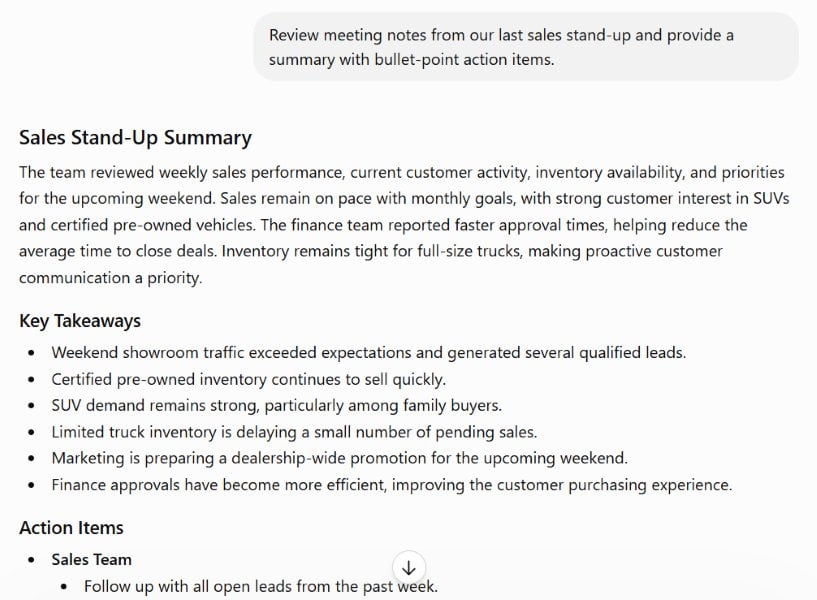
The process of summarizing meetings and call notes can quickly become unwieldy without a dedicated owner. Leveraging transcripts or detailed notes as input, AI can generate concise recaps organized by key decisions, open questions, and action items, ensuring that crucial information remains accessible and actionable while conversations are still fresh. Tools such as Notion AI Meeting Notes are specifically designed for this purpose, integrating transcription, summarization, and action item generation within collaborative workspaces.
3. Automated Search Term Thematic Clustering
Raw search term reports, while rich in data, often require extensive manual effort to identify meaningful patterns and themes. By pre-defining grouping logic based on intent, product areas, or pain points, AI can automate the process of clustering these terms. This enables marketers to more readily identify negative keyword opportunities, diagnose ad group inefficiencies, and uncover content gaps, transforming a laborious task into a strategic insight-generating activity. Google Ads’ Search Terms Insights feature is an example of a platform-integrated solution that offers automated query categorization.
4. Intelligent Customer Feedback Analysis
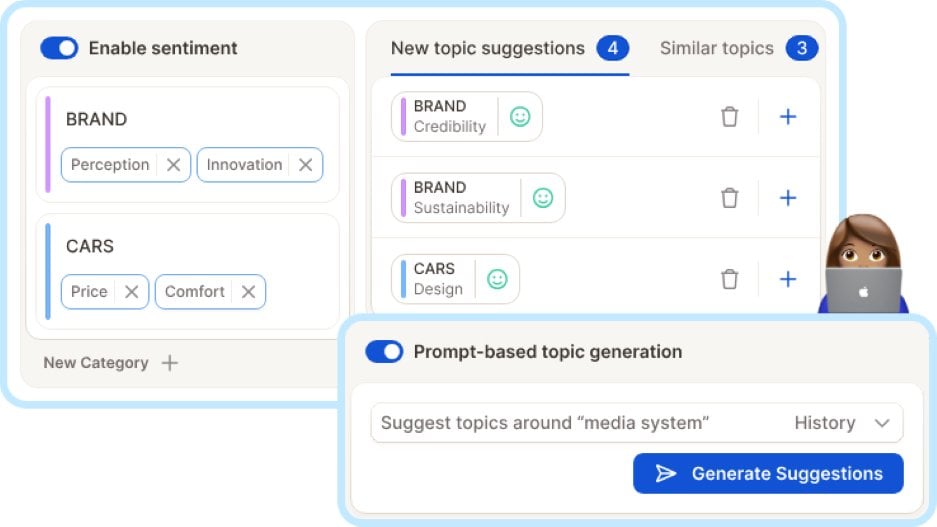
Customer feedback, whether from reviews, support chats, survey responses, or open-text fields, contains invaluable insights that are often missed due to the sheer volume and the time required for manual analysis. AI-powered tools can now aggregate this unstructured data, cluster it by recurring themes, friction points, or expressed desires, and highlight frequently used language. This allows for a more precise understanding of customer sentiment, enabling data-backed decisions on product development and customer experience improvements. Platforms like Caplena are specifically built to analyze open-ended feedback at scale, providing quantified insights.
5. Automated Lead Tagging and Routing
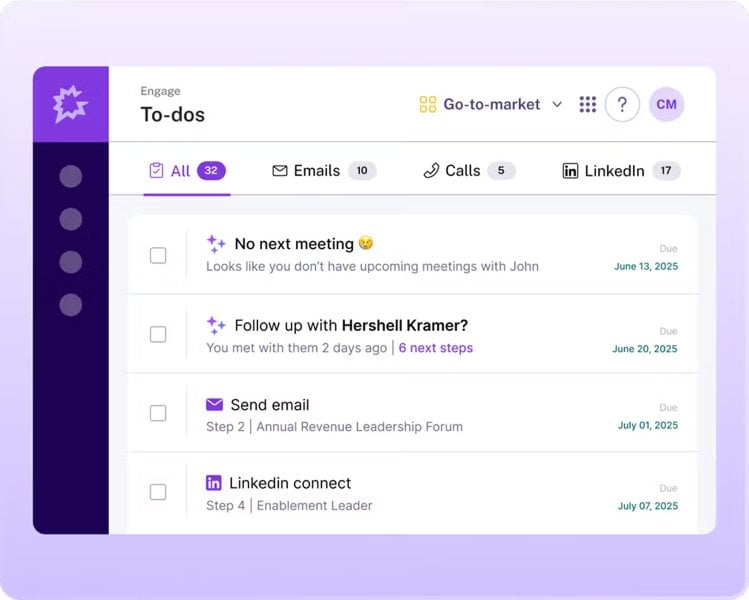
The efficient handling of inbound leads is critical for sales conversion. When lead management rules are dispersed or inconsistently applied, it can lead to missed opportunities. By defining clear categorization criteria based on source, urgency, segment, or assigned owner, AI can automate the repetitive tagging and routing of leads. This ensures that leads are directed to the appropriate team members promptly, while exceptions can be flagged for regular human review. Workflow automation tools like Zapier offer robust capabilities for rule-based lead routing.
6. Streamlined CRM Note Updates Post-Sales Calls
Maintaining accurate and up-to-date CRM notes is fundamental to effective sales operations. Inconsistent data quality can cascade into downstream inefficiencies. AI tools can now leverage call notes or transcripts to draft structured summaries, capturing key information such as customer needs, current status, objections raised, and agreed-upon next steps. This not only ensures data integrity but also frees up sales representatives from time-consuming administrative tasks. Conversation intelligence platforms like Gong are designed to automate these processes.
7. Accelerated Social Media Caption Drafting
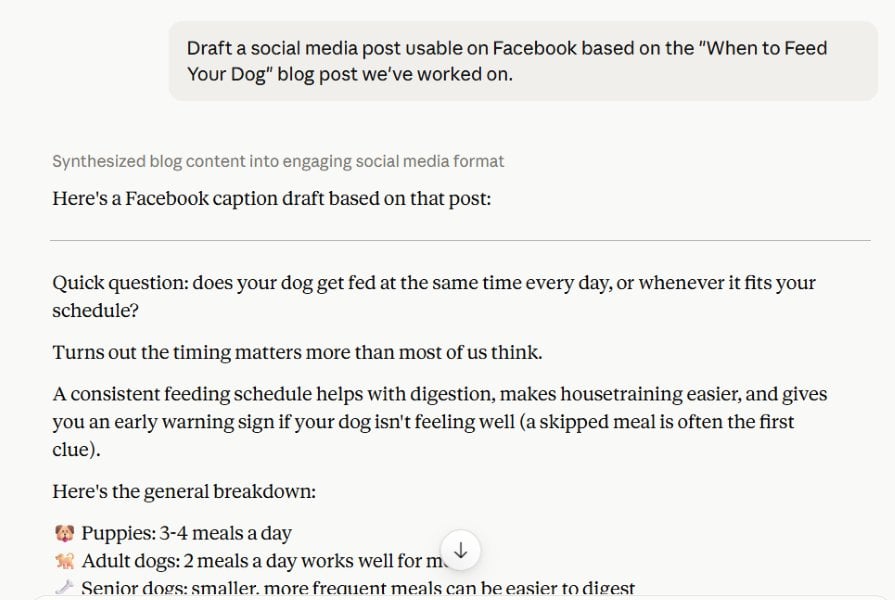
The creation of social media captions, while seemingly minor, can accumulate significant time expenditure across a team. By providing the source asset and specifying the target platform, AI can generate multiple draft captions, allowing marketers to then refine the best options with their unique brand voice and messaging. LLMs like Claude are particularly adept at creative writing tasks, providing a strong foundation for human polish.
8. Efficient Blog Post Repurposing
A well-crafted blog post can serve as a foundational asset for a multitude of other content formats. AI can process a complete blog post and generate drafts for newsletter introductions, social media posts, or sales follow-up materials. This repurposing capability extends the lifespan and impact of content, requiring only minor edits for channel-specific adaptation. Tools like Writer are built for team-based content creation at scale, facilitating such repurposing efforts.
9. Scalable Ad Copy Variation Generation
Developing multiple ad copy variations for A/B testing can be a repetitive and time-consuming process, even for experienced marketers. By inputting the target audience, offer, and core problem, AI can generate a range of ad copy angles and headlines. This provides a robust starting point for marketers to select, refine, and optimize for performance. Specialized AI tools, such as Jasper’s ad copy generator, are designed for this specific task.
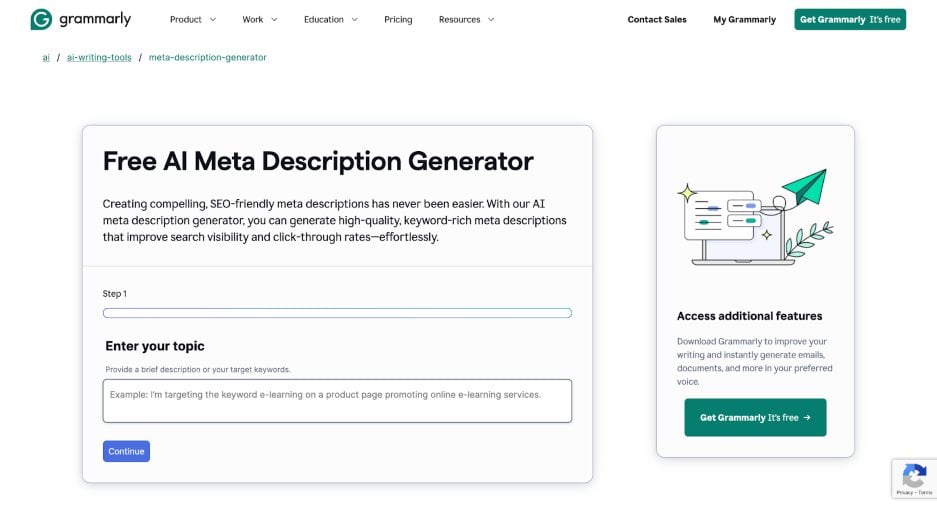
10. Automated Meta Title and Description Creation
The creation of SEO-optimized meta titles and descriptions, while crucial for search engine visibility, can often be a last-minute task. Given a target keyword and a brief page summary, AI can generate multiple meta description and title options, allowing marketers to select the most compelling and relevant choices. Grammarly’s AI writing tools include dedicated generators for these specific SEO elements, making them a practical solution for this task.
11. Accelerated Content Brief Development
A comprehensive content brief is essential for guiding the creation of high-quality marketing content. AI can leverage the topic, audience, and business objectives to generate a preliminary outline, including potential subtopics, relevant questions, and angles. This AI-generated brief then serves as a strong foundation for editorial refinement, significantly reducing the time spent on initial research and structuring. Tools like Perplexity can assist in surfacing relevant sources during the initial research phase.
12. Optimized Refreshing of Older Blog Posts
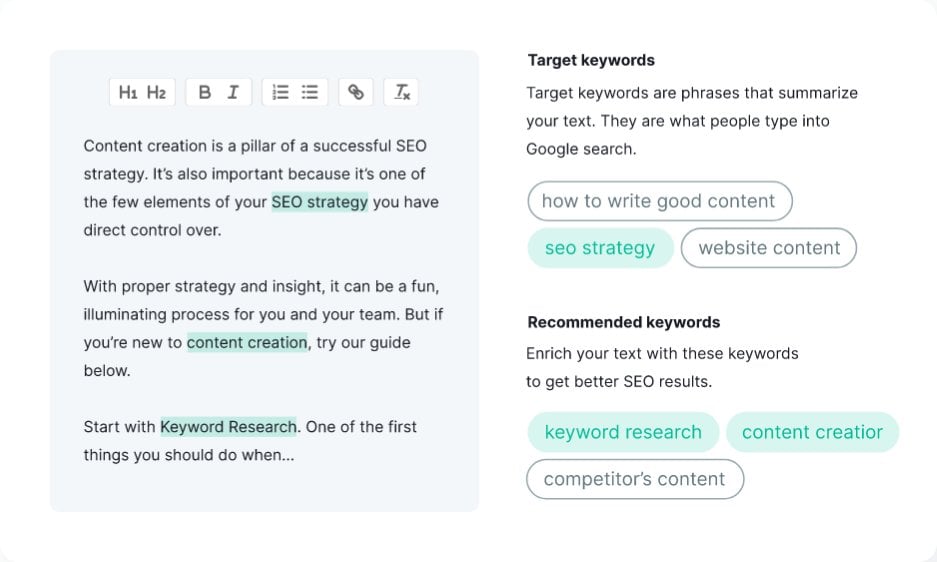
Existing blog posts often require updates to remain relevant and performant. AI can analyze current articles, identify areas for improvement such as thin sections, outdated references, weak metadata, or missed opportunities, and compile these into an actionable edit checklist. The Semrush SEO Writing Assistant can provide real-time feedback during the revision process, ensuring optimization.
13. Efficient FAQ Section Drafting
FAQ sections can sometimes feel disconnected from actual customer inquiries. By analyzing common questions posed in customer chats, sales calls, or search queries, AI can generate draft Q&A starters. These can then be refined and trimmed to create a more focused and informative FAQ section that directly addresses customer needs. LLMs like Grok can quickly transform source material into structured Q&A formats.
14. Streamlined Webinar Content Repurposing
Webinars often contain a wealth of valuable information that can be repurposed into various content assets. Working from transcripts or detailed notes, AI can extract key explanations and impactful moments, generating rough drafts for follow-up content or social media promotion. Descript, a tool built around transcript-based editing, is particularly effective for repurposing recorded content.
15. Generating Nurture Email Variants
Email nurture flows are rarely static, often requiring multiple versions to effectively engage different segments of an audience. By defining the target audience and the specific goal of an email, AI can generate rough variants, allowing marketers to then refine them for optimal pacing, voice, and clarity. HubSpot’s AI email writer integrates with its broader marketing and CRM workflows, facilitating the creation of draft emails.
16. Expedited Internal Stakeholder Recaps
Many stakeholders do not require comprehensive dashboards; rather, they seek concise, insightful updates. AI can process raw data and organize it into summaries focused on progress, issues, and decisions, adding a layer of interpretation before distribution. Microsoft Copilot, for instance, can transform various documents and communications into succinct internal summaries.
17. Automated Competitor Messaging Analysis
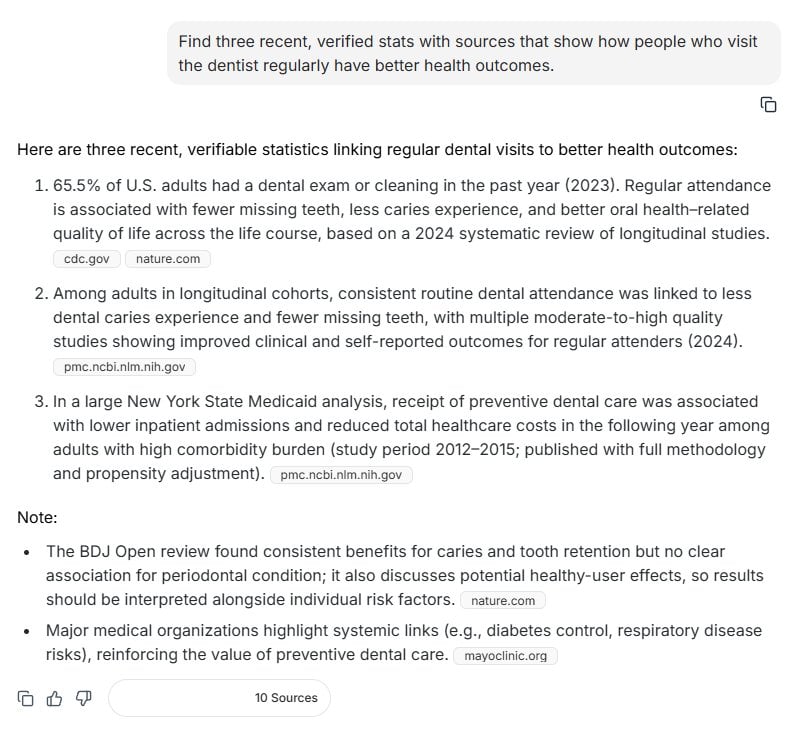
Staying abreast of competitor messaging is crucial but can be a tedious undertaking. AI can assist by applying a consistent comparison framework to competitor materials, summarizing key patterns in their headline approaches, offer framing, and call-to-action language. LLMs like Gemini are useful for this research-intensive task, often providing linked sources for verification.
The Imperative of Human Oversight
It bears repeating: not all tasks are created equal when it comes to automation. The principle that guides effective implementation is that while speeding up support work is beneficial, handing off judgment is where potential quality risks emerge.
Therefore, strategic decision-making, the final articulation of messaging, the consistent application of brand voice, rigorous factual review, and the careful crafting of compliance-sensitive claims must remain firmly within human purview. The more public and impactful the final output, the more critical that last human pass becomes, ensuring accuracy, brand integrity, and strategic alignment.
Reclaiming Time Through Targeted Automation
The most immediate and impactful gains from automation often stem from addressing tasks that recur consistently and have not been fundamentally re-evaluated. These are the operational drainers that silently consume valuable time. By systematically identifying and automating these repetitive, low-leverage activities, marketing teams can unlock significant efficiencies.
The path forward for many marketing teams does not necessitate a complete overhaul of their operational structure. Instead, it involves strategically removing the manual bottlenecks that impede the transition from insightful thinking to polished, impactful marketing execution. By embracing AI and automation for the right tasks, marketers can effectively reclaim their most valuable resource: their time, allowing them to focus on what truly drives business growth and innovation.









