

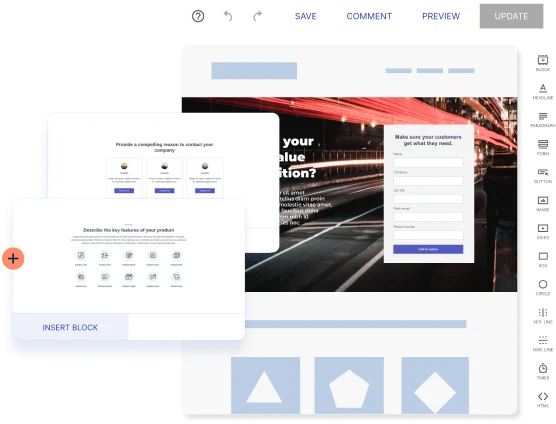
The contemporary recruitment landscape is currently facing a significant efficiency crisis as the cost of digital acquisition continues to climb. Industry data suggests that corporations are frequently spending upwards of $5.00 per click to drive potential talent toward job postings, only to witness a staggering abandonment rate. This phenomenon, often referred to as "candidate drop-off," typically occurs not because of the role’s compensation or the creative quality of the advertisement, but due to the architectural failures of the destination page. Most traditional career sites function as navigational labyrinths, overwhelming candidates with generic corporate messaging and dozens of unrelated listings, leading to immediate "bounces" and wasted marketing budgets.
To combat this, a specialized sector of recruitment marketing has emerged, focusing on the deployment of dedicated recruitment landing pages. Unlike a standard corporate "Careers" section, a recruitment landing page is a standalone entity engineered with a singular objective: converting a visitor into an applicant. By stripping away global navigation menus and secondary distractions, these pages focus exclusively on the specific role, its immediate benefits, and a frictionless application process. This shift represents a broader movement toward a "candidate-centric" digital experience, mirroring the high-conversion tactics used in traditional e-commerce.
The Mechanics of Candidate Conversion: Core Principles
The transition from a passive viewer to an active applicant is governed by several psychological and technical triggers. Experts in recruitment marketing identify "Message Match" as the primary driver of initial trust. If an advertisement promises a "Remote Software Engineering" position with a specific salary bracket, the landing page headline must immediately validate that promise. Any discrepancy in messaging creates cognitive dissonance, signaling to the candidate that the offer may be a "bait-and-switch" or simply disorganized, leading to an exit within the first three seconds of the session.
Technical performance also dictates the success of these campaigns. With over 70% of initial job searches now occurring on mobile devices, page load speed has become a non-negotiable metric. Industry benchmarks indicate that pages taking longer than three seconds to load on a mobile network see a 50% increase in abandonment. Consequently, high-performing recruitment pages utilize Content Delivery Networks (CDNs), aggressive image compression, and minimal script execution to ensure near-instantaneous access.
Strategic Case Studies: Leaders in High-Volume Recruitment
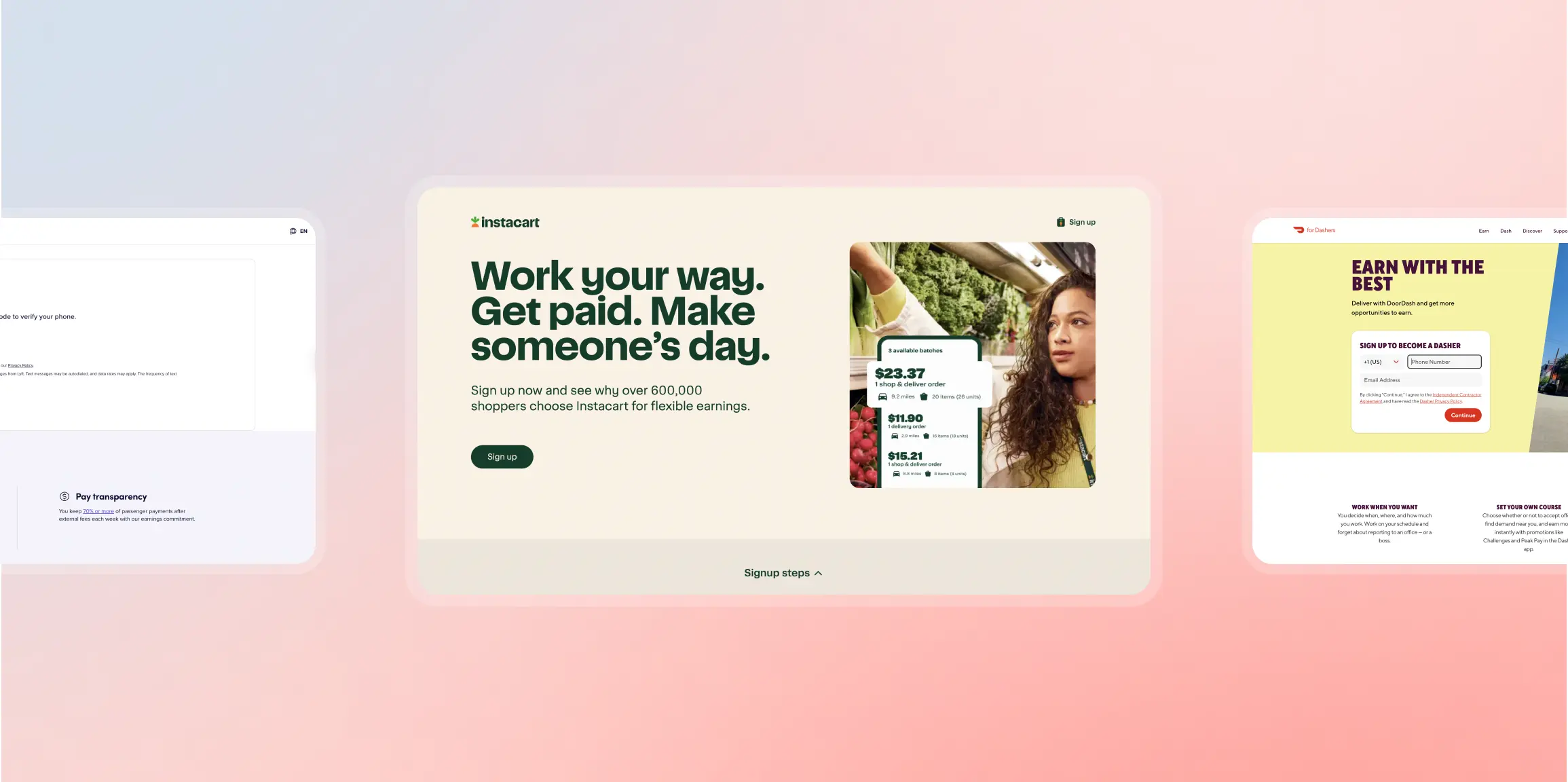
An analysis of the gig economy’s recruitment strategies provides a blueprint for high-conversion landing pages. Companies such as Uber, Lyft, and DoorDash have pioneered the use of streamlined, benefit-heavy pages to onboard thousands of contractors weekly.
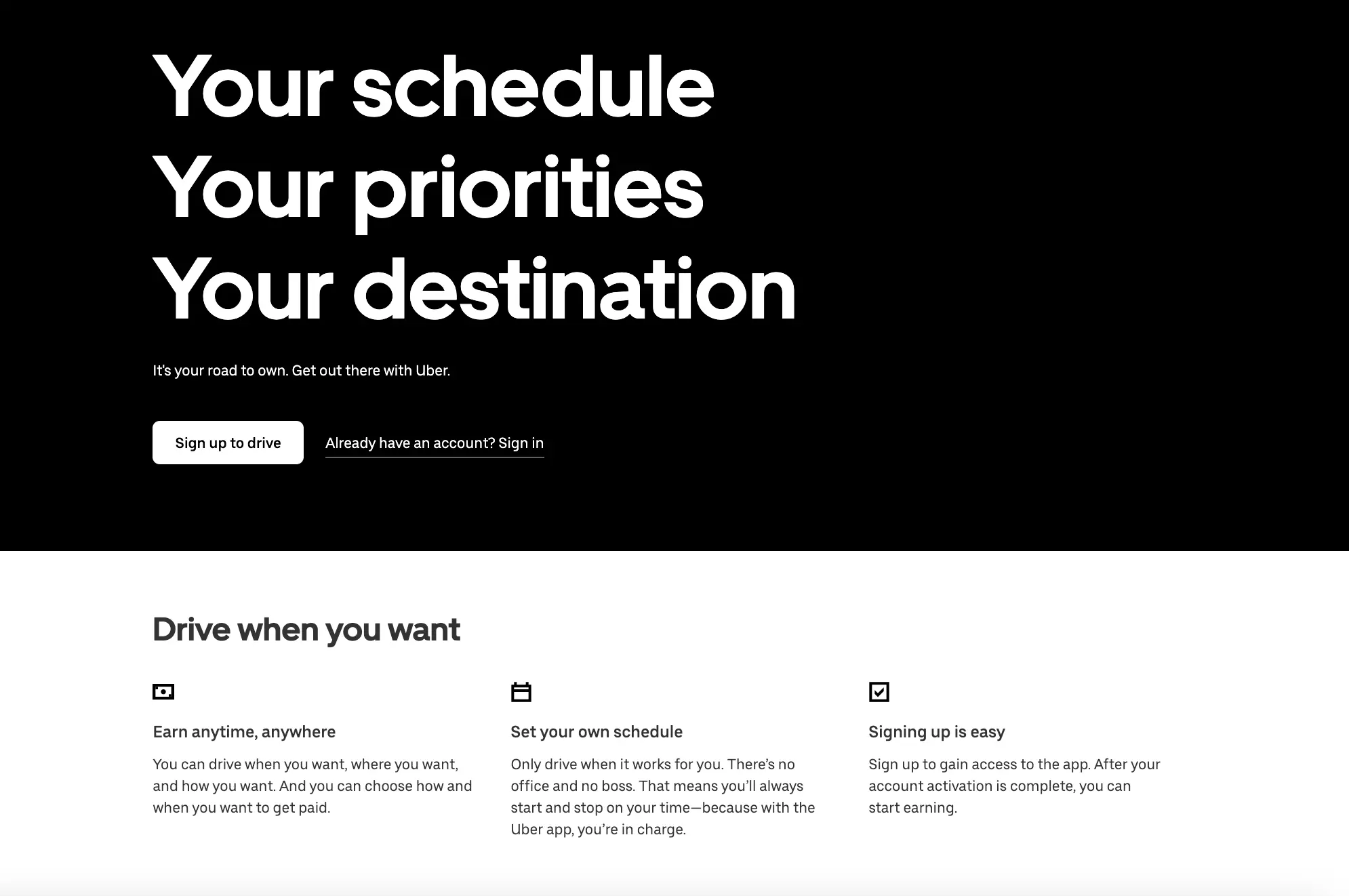
Uber’s driver and delivery recruitment page is frequently cited for its "minimalist efficiency." By placing a simplified signup form directly in the "hero" section (above the fold), Uber eliminates the need for scrolling. Their strategy focuses on immediate utility—asking for basic contact information first to "lock in" the lead before moving to more complex background check requirements.
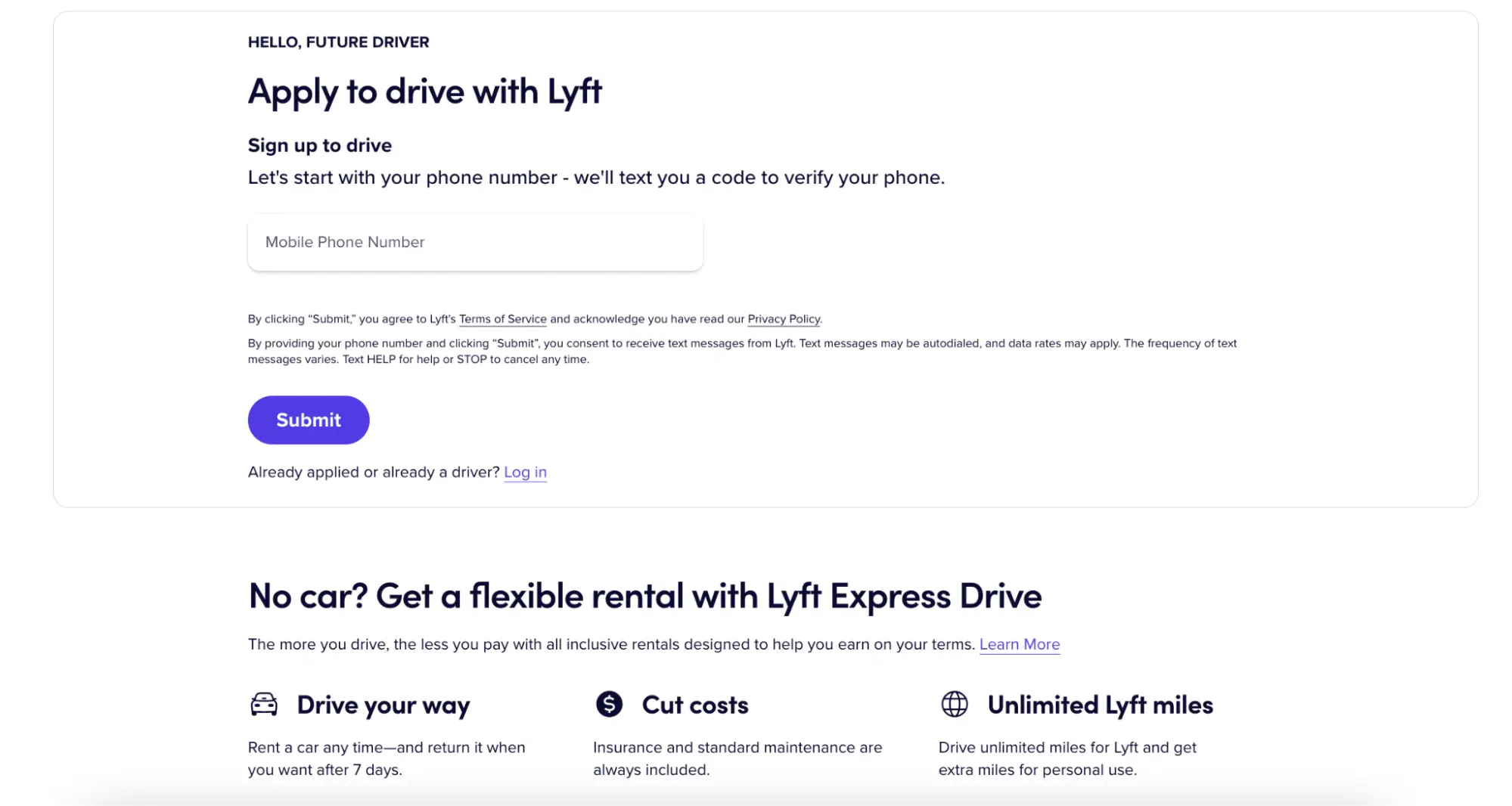
Lyft takes a slightly different approach by emphasizing "Earnings Transparency." Their landing pages often feature calculators or prominent displays of potential weekly earnings based on specific regions. This data-driven approach addresses the candidate’s primary question—"What is my time worth?"—immediately upon arrival.
DoorDash and Instacart utilize localized social proof to build credibility. By featuring testimonials from active "Dashers" or "Shoppers" within the candidate’s specific geographic area, these platforms reduce the perceived risk of joining a new platform. The use of real names and photography, rather than stock imagery, has been shown to increase trust signals significantly.
Writers Work, a platform for freelance professionals, demonstrates the effectiveness of "Skill-Based Vetting." Their landing pages often include a "qualification" step, which serves a dual purpose: it filters for quality while simultaneously increasing the candidate’s psychological investment in the process. When a candidate "qualifies" for a role through a brief interaction, they are statistically more likely to complete the full application.
The Impact of Form Friction on Acquisition Costs
One of the most critical points of failure in the recruitment funnel is the application form itself. Traditional Human Resource Information Systems (HRIS) often require candidates to create an account, verify an email, and manually re-enter data already present in their resumes. This "friction" is the leading cause of talent loss.
Modern recruitment landing pages advocate for a "3-to-5 field" rule. By limiting initial requests to a name, email, phone number, and a resume upload, companies can maximize their conversion rates. For organizations requiring more depth, the "two-step form" has proven effective. In this model, the candidate submits their basic contact info first. If they abandon the second, more detailed step, the recruitment team still possesses the lead for follow-up marketing or automated "nudge" campaigns. Data suggests that every additional field added to a recruitment form beyond the five-field threshold can reduce the conversion rate by as much as 10%.

The Role of A/B Testing and Artificial Intelligence
As recruitment budgets move toward more analytical models, A/B testing has become a standard requirement for HR departments. This process involves serving two different versions of a landing page to similar audiences to determine which performs better. Common variables for testing include:
- Headlines: Testing "Work from Home" vs. "Flexible Schedule."
- Call to Action (CTA): Comparing "Apply Now" with "Start Your Journey."
- Visuals: Measuring the impact of video testimonials versus static images.
- Incentives: Highlighting sign-on bonuses versus long-term benefits.
The integration of Artificial Intelligence (AI) has further accelerated this optimization. Platforms like Instapage now offer "AI Experiments" that automatically shift traffic toward the higher-performing variation in real-time. This reduces the "warmup period" for data collection and ensures that the majority of the ad spend is directed toward the version of the page most likely to result in a completed application. Over a 90-day period, such optimizations can reduce the "Cost Per Applicant" (CPA) by 15% to 30%, representing significant savings for high-volume hiring initiatives.
Broader Implications for the Labor Market
The shift toward specialized recruitment landing pages reflects a fundamental change in the power dynamics of the labor market. In an era of "Talent Scarcity," the burden of effort has shifted from the candidate to the employer. Companies are now forced to "sell" the role with the same vigor that they sell their products.

This evolution also has implications for diversity and inclusion. By removing unnecessary barriers and "exit links" from recruitment pages, companies can ensure a more equitable experience for all candidates, particularly those accessing the web via mobile devices or in areas with lower bandwidth. Furthermore, the data collected from these pages allows HR leaders to identify exactly where in the process certain demographics might be dropping off, allowing for more targeted interventions in the hiring pipeline.
Conclusion: The Future of Digital Onboarding
The data is conclusive: generic career sites are no longer sufficient for paid recruitment campaigns. To remain competitive in a digital-first economy, organizations must view their recruitment funnel through the lens of a conversion optimizer. By matching ad messaging to landing page headlines, optimizing for mobile speed, reducing form friction, and utilizing social proof, companies can transform their recruitment spend from a "wasted budget" into a high-performance engine for growth.
As the technology behind these pages continues to evolve—incorporating more personalized AI-driven content and seamless integrations with Applicant Tracking Systems (ATS)—the line between marketing and HR will continue to blur. The winners in the war for talent will be those who recognize that the candidate’s journey begins long before the interview; it starts with the very first click. Through the strategic use of recruitment landing pages, businesses are not just filling seats; they are building a more efficient, transparent, and accessible gateway to the modern workforce.







