

The global digital advertising landscape is currently navigating a period of profound transition, characterized by rising acquisition costs, shifting privacy regulations, and a growing disconnect between platform popularity and actual return on investment. While legacy giants like Google and Meta continue to command the lion’s share of marketing budgets, recent industry data suggests that ubiquity no longer guarantees profitability. According to a comprehensive survey of 1,440 marketing professionals conducted by Instapage, 87% of organizations utilize Google or Meta Ads, yet the reported success rates tell a more complex story. Only 44% of respondents identified Google as their top-performing channel, while a mere 25% cited Facebook as their primary driver of ROI. This discrepancy highlights a critical failure point in modern digital strategy: the "post-click" experience.

As the industry moves toward 2026, the cost of generating leads is reaching historic highs. Market analysis reveals that the average cost per lead (CPL) has climbed from $66.69 in 2024 to $70.11 in 2025, a trend expected to persist as competition intensifies. Despite these rising costs, many advertisers continue to neglect technical fundamentals; for instance, the average mobile landing page still takes approximately four seconds to load. Industry research indicates that a single second of delay in page load time can reduce conversion rates by as much as 20%, effectively resulting in millions of dollars of wasted ad spend across the global economy.
The Foundation of Modern Media Buying: Google and Meta
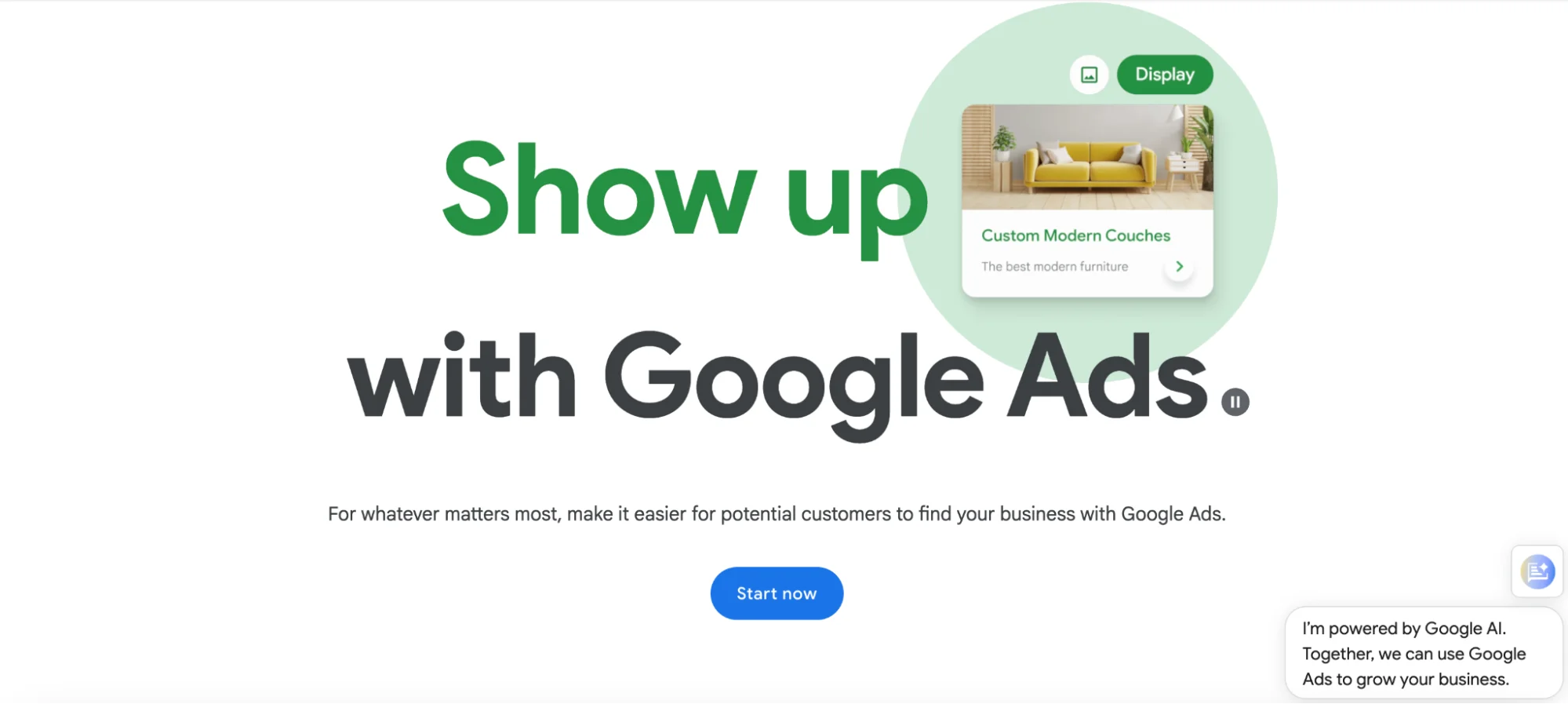
Despite the emergence of new challengers, Google Ads and Meta Ads remain the foundational pillars of most digital marketing departments. Their dominance is rooted in decades of data collection, sophisticated targeting algorithms, and massive reach. Google Ads remains the premier tool for capturing high-intent traffic, leveraging its access to over 90% of global search volume. Through search, display, and video (YouTube) campaigns, Google allows brands to intercept consumers at the exact moment of need. However, the platform’s efficacy is increasingly tied to its "Quality Score," a metric that penalizes advertisers who provide poor user experiences or irrelevant landing pages with higher costs per click (CPC) and lower ad rankings.
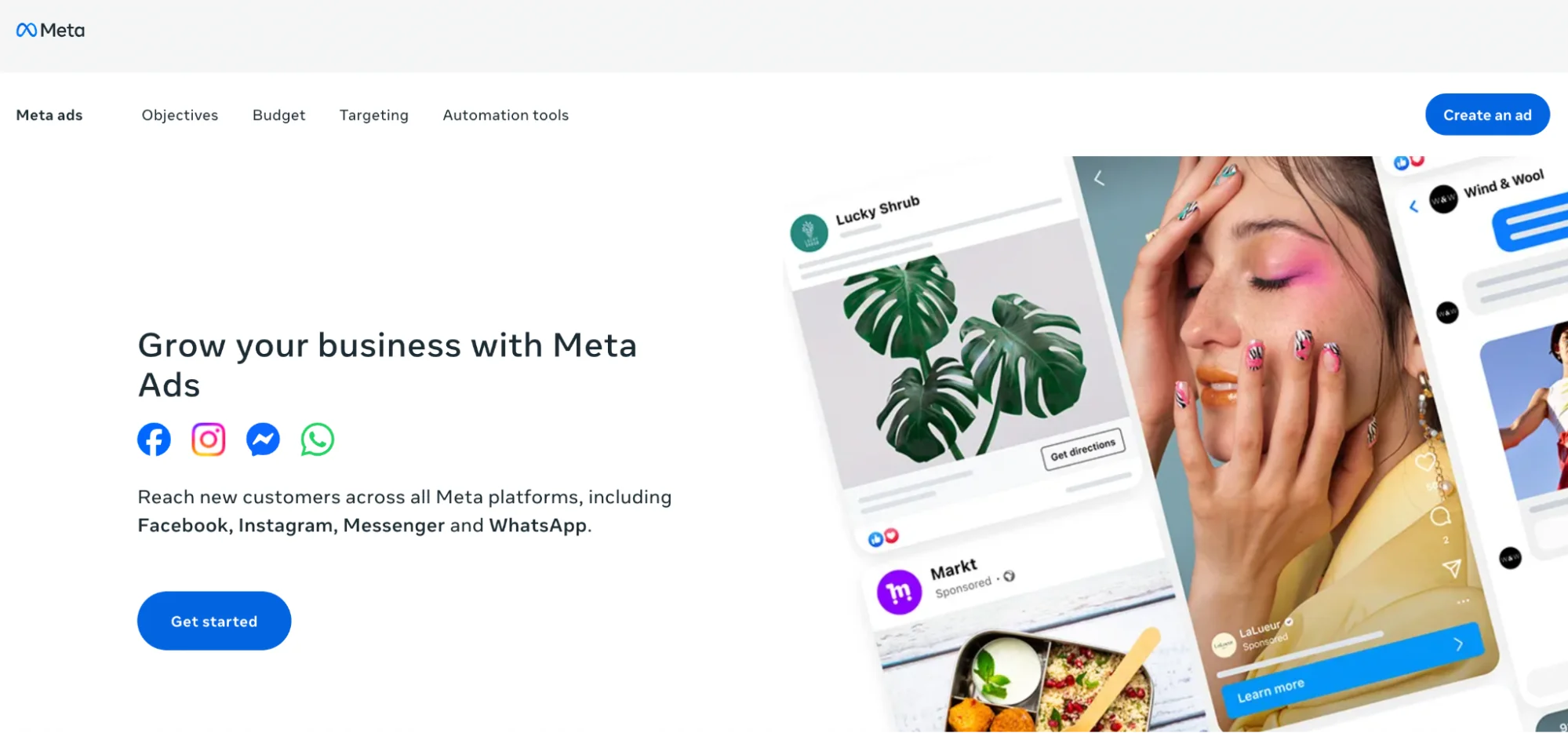
Meta, which encompasses Facebook and Instagram, operates on a different psychological plane, focusing on audience discovery rather than direct intent. While 80% of marketers currently utilize Instagram for advertising, only 9% report it as their most profitable platform. This suggests that while social platforms are excellent for brand awareness and top-of-funnel engagement, many brands struggle to convert that attention into tangible revenue. The shift toward Meta’s "Advantage+" automation and broader audience targeting—a direct response to iOS privacy changes—has forced advertisers to rely more heavily on creative excellence rather than granular manual targeting.
The Rise of TikTok and the Shift in Content Consumption
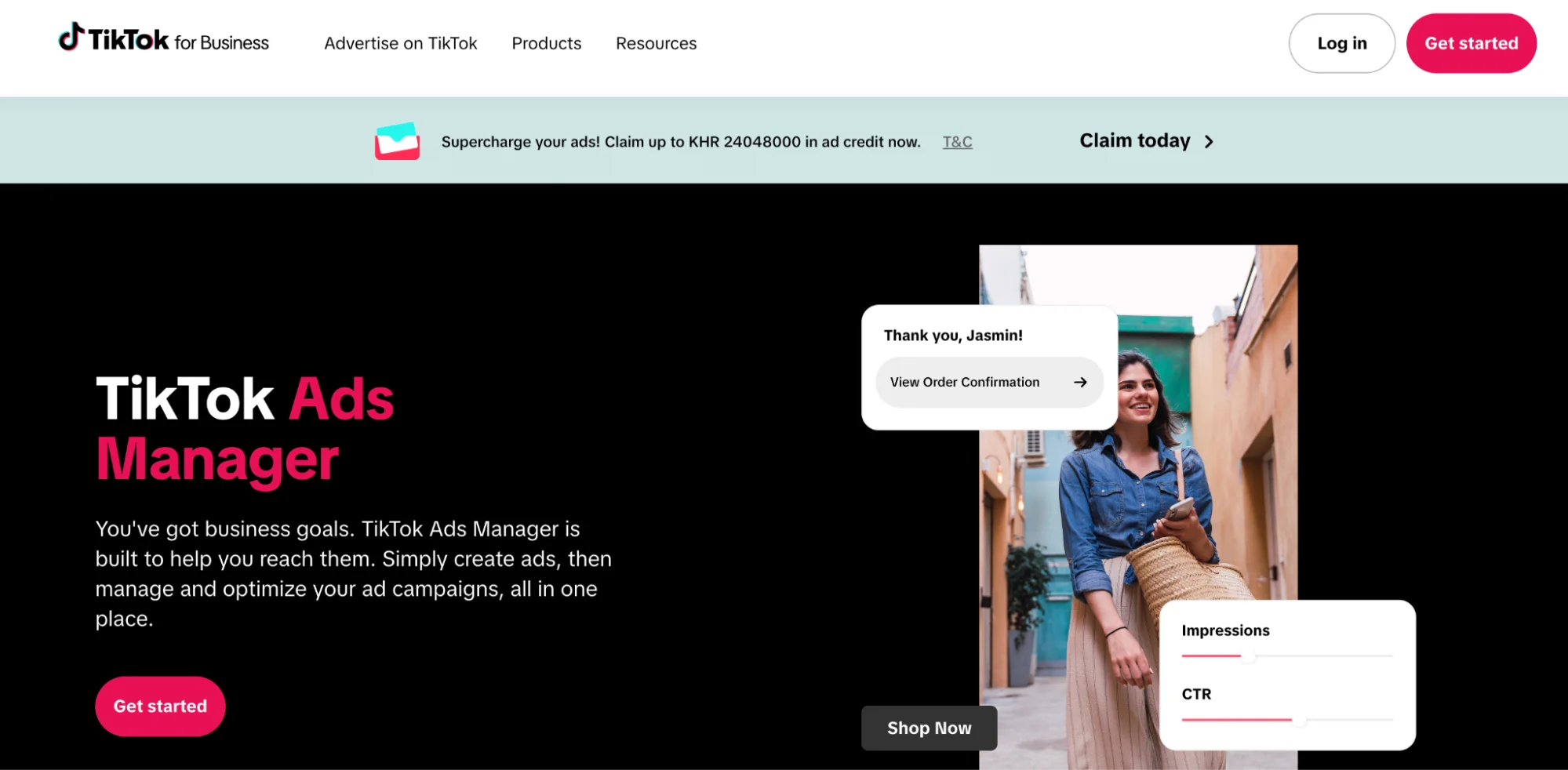
One of the most significant shifts in the 2026 outlook is the rapid adoption of TikTok. Survey data indicates that 25% of marketers plan to integrate TikTok into their advertising mix in the immediate future. Unlike the polished, high-production value ads typically seen on television or YouTube, TikTok rewards native-looking, "lo-fi" content that mirrors organic user behavior. The platform’s algorithm prioritizes engagement over follower counts, offering a unique opportunity for emerging brands to achieve viral reach. For industries targeting Gen Z and Millennial demographics, TikTok has transitioned from an experimental channel to a mandatory component of the media mix.
Diversifying the Portfolio: Specialized and Alternative Platforms
As the primary platforms become more crowded and expensive, savvy marketers are diversifying into specialized ecosystems. Microsoft Advertising (formerly Bing) has emerged as a high-value alternative, particularly for B2B and older demographics. While Bing holds less than 10% of the global search market, its CPCs are frequently 30% to 50% lower than Google’s for identical keywords. Furthermore, Microsoft’s integration with LinkedIn data allows for unique professional targeting within search results, a significant advantage for enterprise software and service providers.
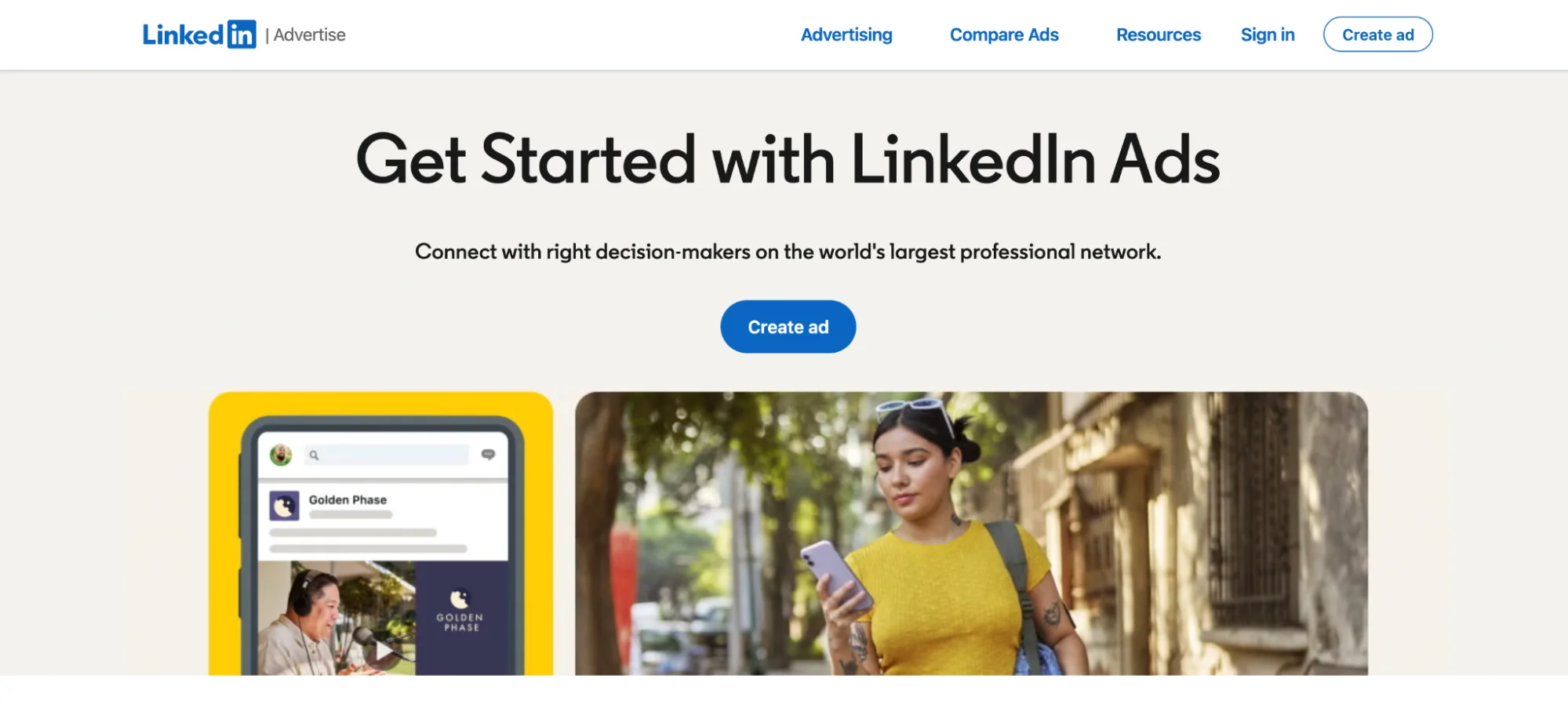
In the B2B sector, LinkedIn Ads remains the undisputed leader for reaching decision-makers. By offering targeting based on job titles, company size, and industry seniority, LinkedIn provides a level of professional precision that consumer-facing social networks cannot match. Although the platform is known for having a higher CPC, the quality of leads and the average contract value (ACV) often justify the premium.
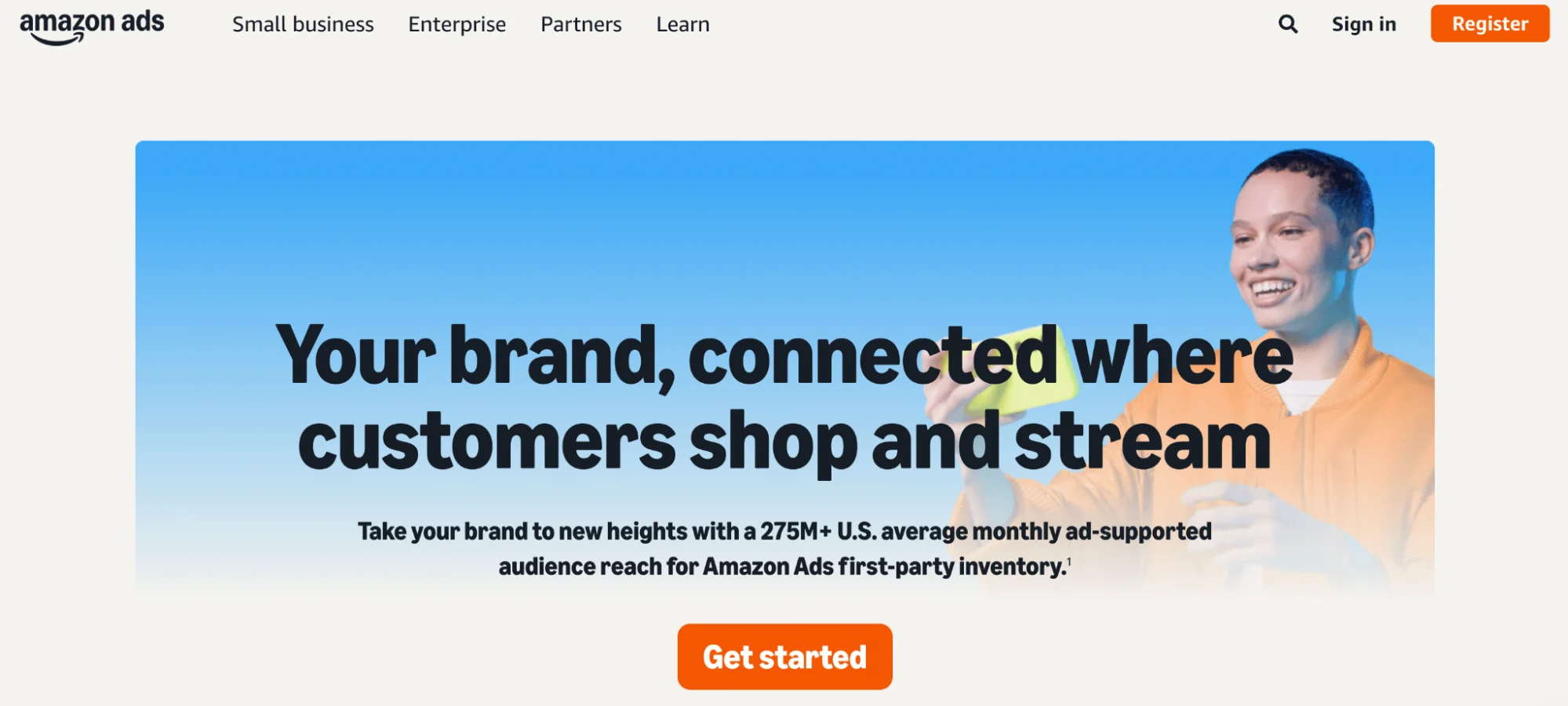
Retail media has also seen an explosion in growth, led by Amazon Ads. Amazon captures shoppers at the very bottom of the funnel, resulting in a reported 34% sales growth for brands within the first month of launching sponsored product campaigns. Similarly, Pinterest Ads has carved out a niche in the "discovery and planning" phase of the consumer journey. Because users go to Pinterest to plan weddings, home renovations, or travel, advertisers can reach them weeks or even months before a final purchase decision is made.
The 2026 Privacy Paradigm: Consent and First-Party Data
The digital advertising industry is currently navigating a "privacy-first" era. The phased deprecation of third-party cookies in browsers like Google Chrome, combined with existing restrictions in Safari and Firefox, has rendered traditional tracking methods obsolete. By 2026, the reliance on first-party data—information collected directly from customers with their consent—has become the only sustainable path forward.
Regulatory frameworks such as the GDPR in Europe, the CCPA in California, and similar laws in Canada (PIPEDA) and Brazil (LGPD) have mandated a shift in how data is handled. Advertisers are now required to implement robust Consent Management Platforms (CMPs) to document user choices. Failure to comply no longer just results in bad data; it carries the risk of multi-million dollar regulatory penalties. Consequently, brands are increasingly investing in Customer Data Platforms (CDPs) and server-side tracking (such as Meta’s Conversions API) to maintain measurement accuracy in a cookie-less world.
A Chronology of Digital Advertising Evolution
To understand the current state of the market, it is essential to view the timeline of events that led to the 2026 landscape:
- 2021-2022: Apple introduces App Tracking Transparency (ATT), significantly impacting Meta’s ability to track users across apps and causing a dip in social media ad efficacy.
- 2023: The rise of Generative AI begins to transform ad creative production, allowing for mass personalization at scale.
- 2024: Google begins the initial phase-out of third-party cookies for a small percentage of Chrome users, signaling the end of the "wild west" of digital tracking.
- 2025: Average Cost Per Lead (CPL) across industries surpasses the $70 mark, forcing a shift from "volume-based" to "efficiency-based" marketing.
- 2026: First-party data strategies and post-click optimization become the primary differentiators between profitable and unprofitable digital brands.
The Leaky Bucket: Why ROAS Fails After the Click
The most sophisticated ad targeting in the world cannot compensate for a broken post-click experience. "Message mismatch" remains one of the primary causes of budget waste. This occurs when the promise made in an advertisement (e.g., "Get 50% Off Your First Order") is not immediately reflected on the landing page the user reaches. This cognitive dissonance causes immediate bounces, driving up the effective cost of acquisition.
Furthermore, the industry’s reliance on "generic" pages—such as a company’s homepage—for paid traffic is a major strategic error. Homepages are designed to serve multiple audiences, including investors, job seekers, and existing customers. They are filled with navigation links and competing calls-to-action (CTAs) that distract high-intent visitors. In contrast, dedicated landing pages are streamlined to achieve a single goal, stripping away distractions and focusing entirely on the conversion.
Strategic Implications and Future Outlook
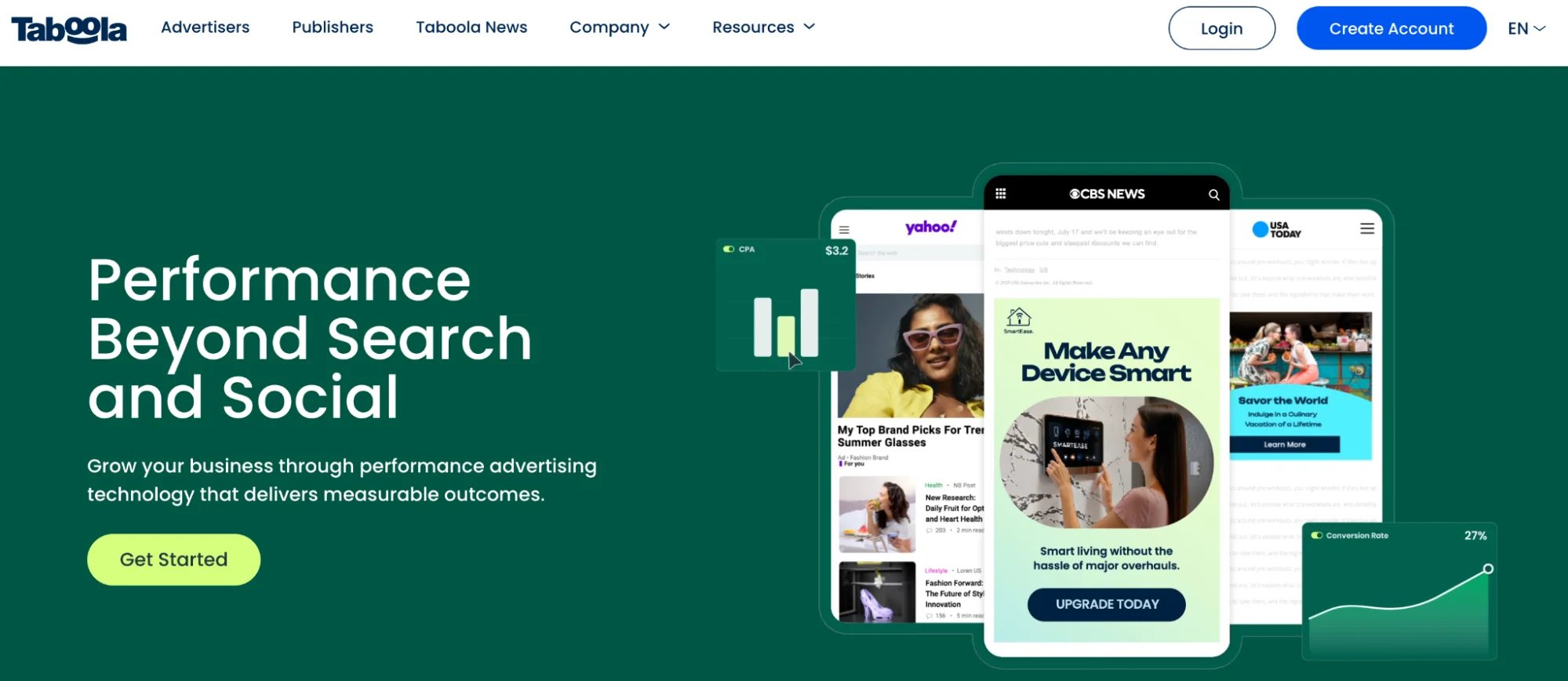
As we look toward the remainder of 2026, the successful advertiser will be defined by their ability to integrate cross-platform strategies with technical precision. The "siloed" approach to media buying—where Google, Meta, and TikTok teams operate independently—is being replaced by omnichannel programmatic strategies. Platforms like The Trade Desk are allowing enterprise advertisers to manage display, video, connected TV (CTV), and audio ads through a single unified interface.
However, for small and mid-market businesses, the path to success lies in focus rather than fragmentation. Experts suggest that mastering one or two core platforms and perfecting the conversion funnel is far more effective than spreading a limited budget across five or six channels.
The ultimate takeaway for the 2026 fiscal year is clear: while the platforms provide the audience, the advertiser provides the experience. Profitability is no longer found in the "black box" of ad platform algorithms, but in the transparency of first-party data and the optimization of the user journey from the first click to the final conversion. Brands that prioritize page speed, message relevance, and data privacy will not only survive the rising costs of digital media but will thrive in an increasingly competitive global marketplace.







