

The modern digital consumer journey has transitioned from a predictable, linear path into a complex web of interactions that rarely follows a straight line from discovery to purchase. A typical visitor might enter a website via a promotional email, browse several categories anonymously, compare similar products across multiple browser tabs, and then exit the site entirely, only to return hours later through a direct search for a completely different product category. This erratic behavior presents a significant challenge for traditional personalization tools, which historically have relied on fixed segments, historical CRM data, or known customer profiles to deliver tailored experiences. Because the majority of eCommerce visitors remain unauthenticated—neither logged in nor previously identified—brands frequently face a "personalization gap" where a significant portion of their traffic receives a generic, one-size-fits-all experience.
AdaptiveCX, a real-time AI personalization solution developed by AB Tasty, seeks to address this gap by shifting the focus from identity-based personalization to intent-based personalization. By capturing and interpreting live behavioral signals from the very first click, AdaptiveCX allows brands to adapt the user experience while the visitor is still engaged in their session. This approach bypasses the need for historical data or login credentials, instead utilizing machine learning to predict what a visitor wants in the immediate moment. As privacy regulations tighten and the reliance on third-party cookies diminishes, this move toward first-party, in-session behavioral analysis represents a critical evolution in the digital marketing landscape.
The Historical Evolution of Digital Personalization
To understand the impact of AdaptiveCX, it is necessary to examine the chronology of personalization technology. In the early 2000s, personalization was largely static and rule-based. Marketers would set simple triggers, such as "if a visitor comes from Facebook, show a specific banner." While effective for broad targeting, these rules were rigid and failed to account for changing intent. By the mid-2010s, the industry moved toward segment-based personalization, leveraging Customer Data Platforms (CDPs) and CRM integration. This allowed brands to target "High Value Customers" or "Frequent Returners." However, this era still struggled with the "anonymous majority"—the 70% to 90% of traffic that remains unidentified during a session.
The current era, defined by the rise of generative and predictive AI, focuses on real-time adaptation. The limitation of static personalization lies in its assumption that past behavior is a perfect predictor of current needs. For instance, a visitor who purchased winter coats last year may be shopping for a toddler’s birthday gift today. Traditional systems would continue to show them winter apparel, creating a disconnect. AdaptiveCX represents the latest stage in this timeline, where the system reacts to the "now"—interpreting mouse movements, scroll depth, and click patterns to pivot the experience in milliseconds.
The Mechanics of Intent-Based Prediction
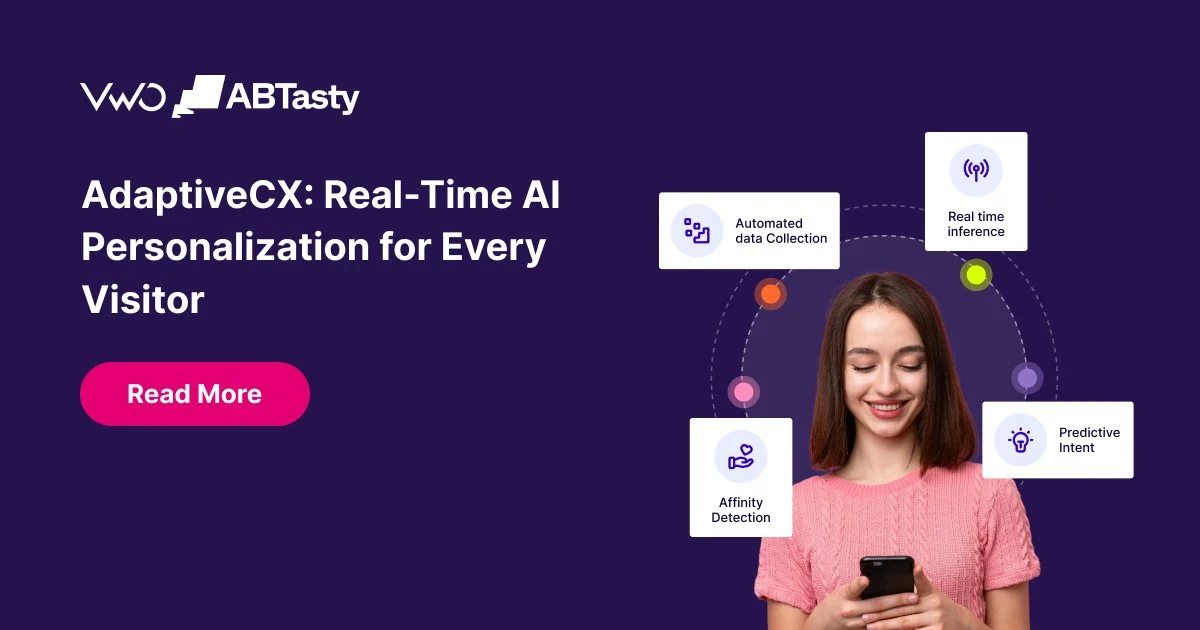
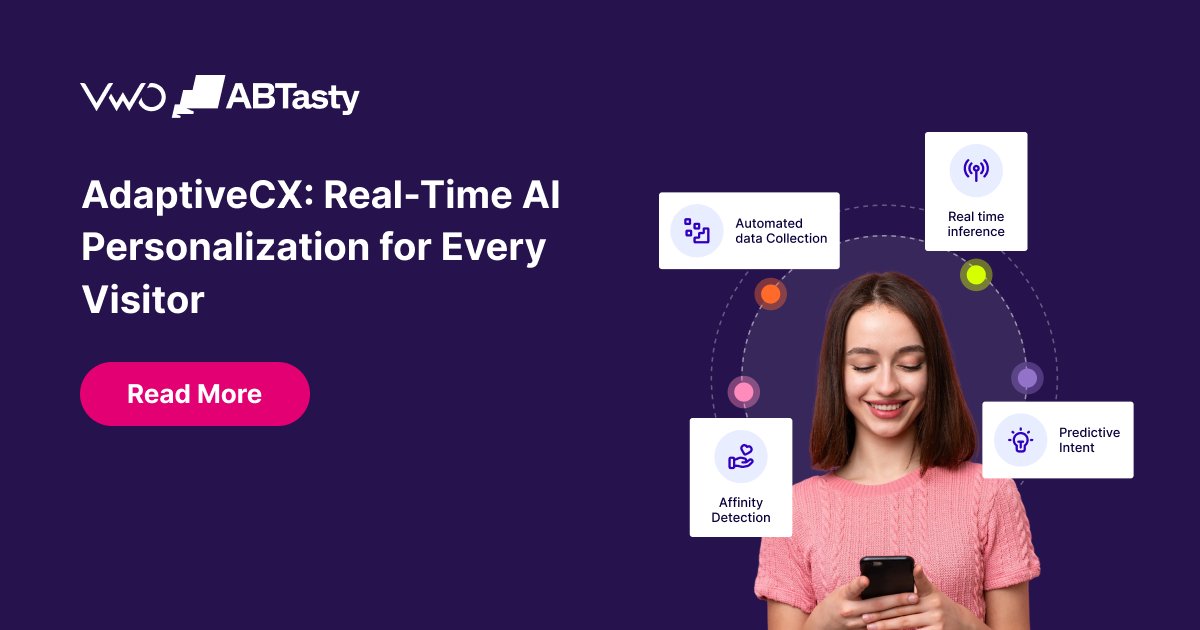
The operational framework of AdaptiveCX is built upon a continuous three-step cycle: signal capture, intent prediction, and experience activation. This process is designed to be invisible to the user but highly impactful on the underlying site architecture.
In the first stage, the system captures non-personally identifiable information (non-PII). These behavioral heuristics include how a user interacts with the interface—whether they are hovering over specific product images, how fast they are scrolling through a list, or if they are "rage-clicking" on an element that isn’t responding. These signals provide a high-fidelity map of the user’s psychological state. For example, a user who scrolls rapidly through a product detail page without pausing to read descriptions might be characterized as "price-sensitive" or "browsing for visual inspiration," whereas a user who spends significant time reading technical specifications and comparing shipping dates is likely "high-intent" and close to a purchase decision.
In the second stage, machine learning models process these signals to infer intent. Unlike traditional models that might take hours to update a profile, AdaptiveCX generates predictions in real time. It can categorize a visitor as "likely to abandon," "ready to buy," or "needing an incentive." Because these predictions are based on the current session, they remain accurate even for first-time visitors with no previous digital footprint on the site.
The final stage is activation. Once the AI identifies the visitor’s likely intent, it triggers a specific experience. This could involve reordering a homepage carousel, surfacing a specific discount code, or offering an alternative product when a desired item is out of stock. This happens within milliseconds, ensuring that the adaptation occurs while the user is still on the page and the "window of influence" is open.
Strategic Use Cases and Industry Benchmarks
The application of AdaptiveCX across various eCommerce touchpoints has yielded measurable improvements in key performance indicators (KPIs). Industry data suggests that brands implementing real-time adaptation see a 10% average lift in conversion rates and a 15% increase in revenue per visitor (RPV).
One of the most high-impact use cases is the optimization of homepage carousels. Traditionally, carousels are static, with the most important content often buried in the fourth or fifth slide where few users ever see it. By using AdaptiveCX, brands like Colony Brands have moved to adaptive carousels that reorder content based on live signals. If a visitor shows interest in a specific seasonal category, that category is automatically moved to the first position. Following this implementation, Colony Brands reported a 15% increase in click-through rates (CTR) on their primary promotional banners.
Another critical area is out-of-stock recovery. Encountering an out-of-stock message is a primary driver of session abandonment. AdaptiveCX addresses this by detecting the "dead end" and immediately serving recommendations for similar products that are currently in stock. Analysis shows that users exposed to these adaptive recovery experiences are 1.5 to 2 times more likely to complete a follow-up order compared to those who receive a standard out-of-stock notification.
Furthermore, the technology has transformed how brands handle incentives. Many eCommerce sites offer a blanket 10% discount to all new visitors, which often results in "margin bleed"—giving discounts to customers who would have purchased at full price anyway. AdaptiveCX allows brands to reserve incentives for visitors predicted to be "hesitant" or "price-sensitive," while withholding them from high-intent shoppers. This strategy was utilized by Abercrombie & Fitch to identify high-quality visitors, resulting in a 30% reduction in bounce rates and a more efficient allocation of marketing spend.
Privacy, Transparency, and Technical Implementation
As the digital industry moves toward a "cookieless" future, the technical architecture of personalization tools has come under intense scrutiny. AdaptiveCX is positioned as a privacy-conscious solution because it does not require third-party tracking or the collection of PII to function. By focusing on first-party behavioral data within a single session, it complies with the stringent requirements of GDPR and CCPA while still delivering a highly relevant experience.
A significant differentiator for AdaptiveCX is its "Transparent AI" model. Many AI tools operate as "black boxes," where marketers cannot see why a certain decision was made. AdaptiveCX provides a dashboard that explains which signals influenced a specific prediction. This transparency allows optimization teams to maintain control over their brand strategy, using the AI as an intelligence layer rather than a total replacement for human decision-making.
From a deployment perspective, the system is designed for "time-to-value." It is delivered as a SaaS solution that typically requires only a single tag implementation. This no-code approach allows marketing teams to launch adaptive experiences in a matter of days, bypassing the traditional bottlenecks of the IT development cycle.
Broader Impact and Future Implications
The shift toward real-time adaptive experiences marks a fundamental change in the relationship between brands and consumers. In an era of "information overload," consumers are increasingly frustrated by irrelevant content. A study on digital consumer behavior indicates that nearly 70% of shoppers feel frustrated when website content is not personalized to their current needs. AdaptiveCX addresses this frustration by making the website feel responsive and helpful, rather than static and intrusive.
For the enterprise, the implications are equally profound. By improving the relevance of the journey for anonymous visitors, brands can significantly lower their Customer Acquisition Cost (CAC). When a brand pays for traffic through search or social media ads, every "bounced" anonymous visitor represents wasted spend. By capturing the intent of that visitor the moment they land, AdaptiveCX ensures that more of that paid traffic is converted into revenue.
Looking forward, the integration of real-time behavioral AI with other emerging technologies—such as visual search and voice commerce—will likely further refine the accuracy of intent prediction. As machine learning models become more sophisticated, the ability to distinguish between "browsing for fun" and "browsing with intent" will become the primary competitive advantage in the eCommerce sector.
In conclusion, AdaptiveCX represents more than just a new feature for the AB Tasty platform; it is a response to the structural changes in the digital economy. By prioritizing live intent over historical identity, it provides a scalable, privacy-compliant way for brands to treat every visitor as an individual. The result is a more efficient marketplace where consumers find what they need faster, and brands maximize the value of every digital interaction. As the eCommerce landscape continues to grow more competitive, the ability to adapt in real time will likely transition from a "nice-to-have" innovation to an essential requirement for digital survival.







