

The global tourism industry stands at a crossroads between traditional intuition-based management and the rigorous, data-driven methodologies employed by Silicon Valley giants. While industry leaders such as Booking.com, Expedia, and Airbnb have integrated experimentation into their core operational DNA—with Booking.com alone maintaining over 1,000 concurrent live experiments—the broader landscape of the tourism sector remains remarkably resistant to these practices. The industry is primarily composed of small-to-medium enterprises (SMEs) and localized operators who rarely employ A/B testing or systematic experimentation, often relying instead on legacy relationships with trade partners and travel agencies.
This discrepancy highlights a significant missed opportunity for revenue growth and customer satisfaction. As consumer behavior shifts rapidly in 2026, understanding the mechanics of experimentation has become a prerequisite for survival in a tightening economic environment. This handbook explores the current state of tourism research, the psychological gaps in consumer reporting, and the practical frameworks required to implement a culture of testing in hospitality and travel.
The Scientific Necessity: Addressing the Intention-Behavior Gap
For decades, tourism research has relied almost exclusively on surveys and correlational data. However, recent academic reviews, including the seminal 2020 paper A Review of Experiments in Tourism and Hospitality, suggest that this reliance is fundamentally flawed. The primary issue is the "intention-behavior gap"—a psychological phenomenon where a traveler’s stated preferences do not align with their actual purchasing decisions.
A notable 2016 study by Karlsson and Dolnicar illustrated this gap vividly: in an experiment regarding eco-certification for tour boats, 60% of participants claimed they prioritized environmental factors when selecting a service. However, only 14% of those same participants could correctly identify if the boat they actually booked held an eco-certification. This discrepancy proves that self-reported data is often influenced by social desirability bias, whereas field experiments capture the reality of consumer choice.
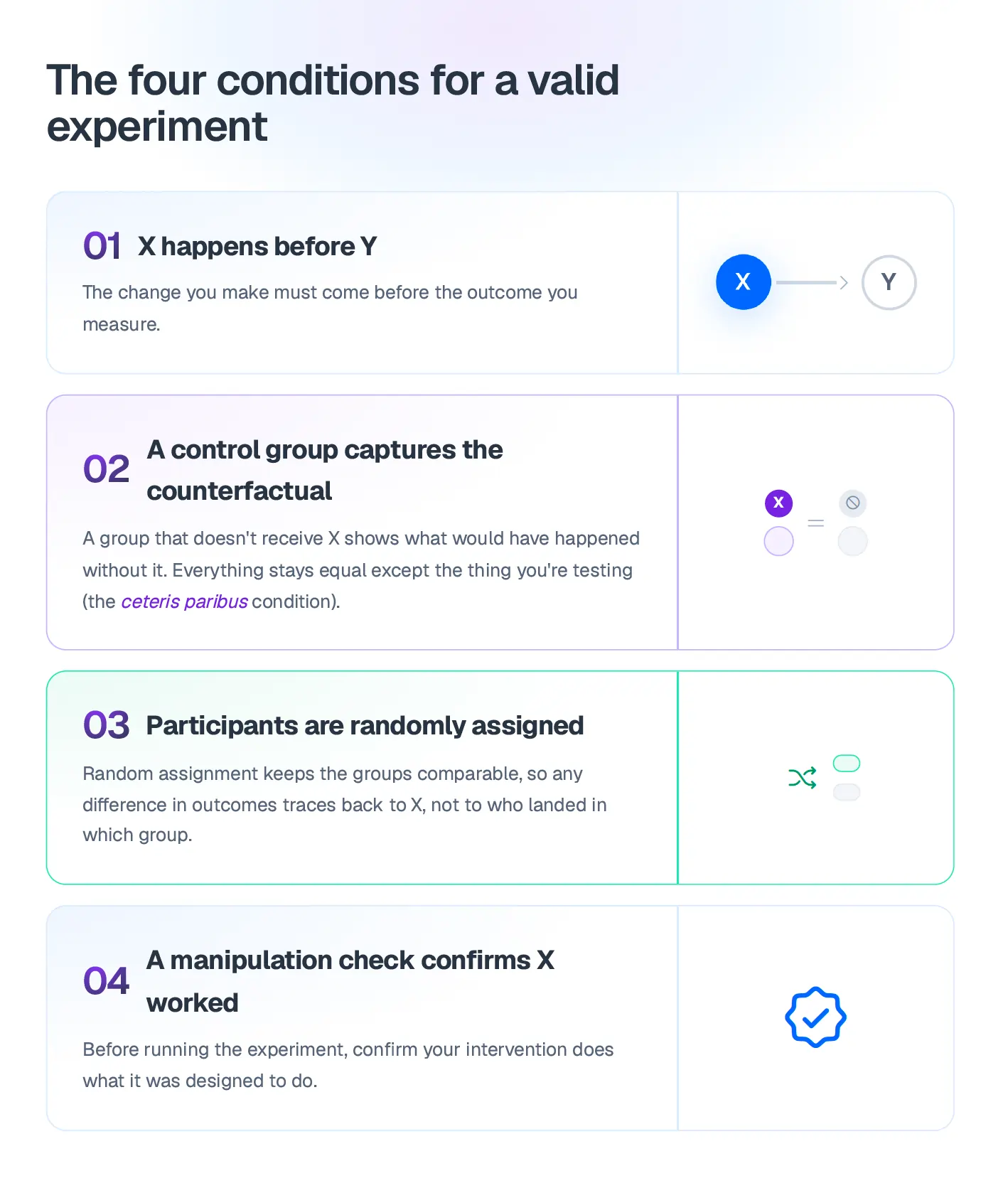
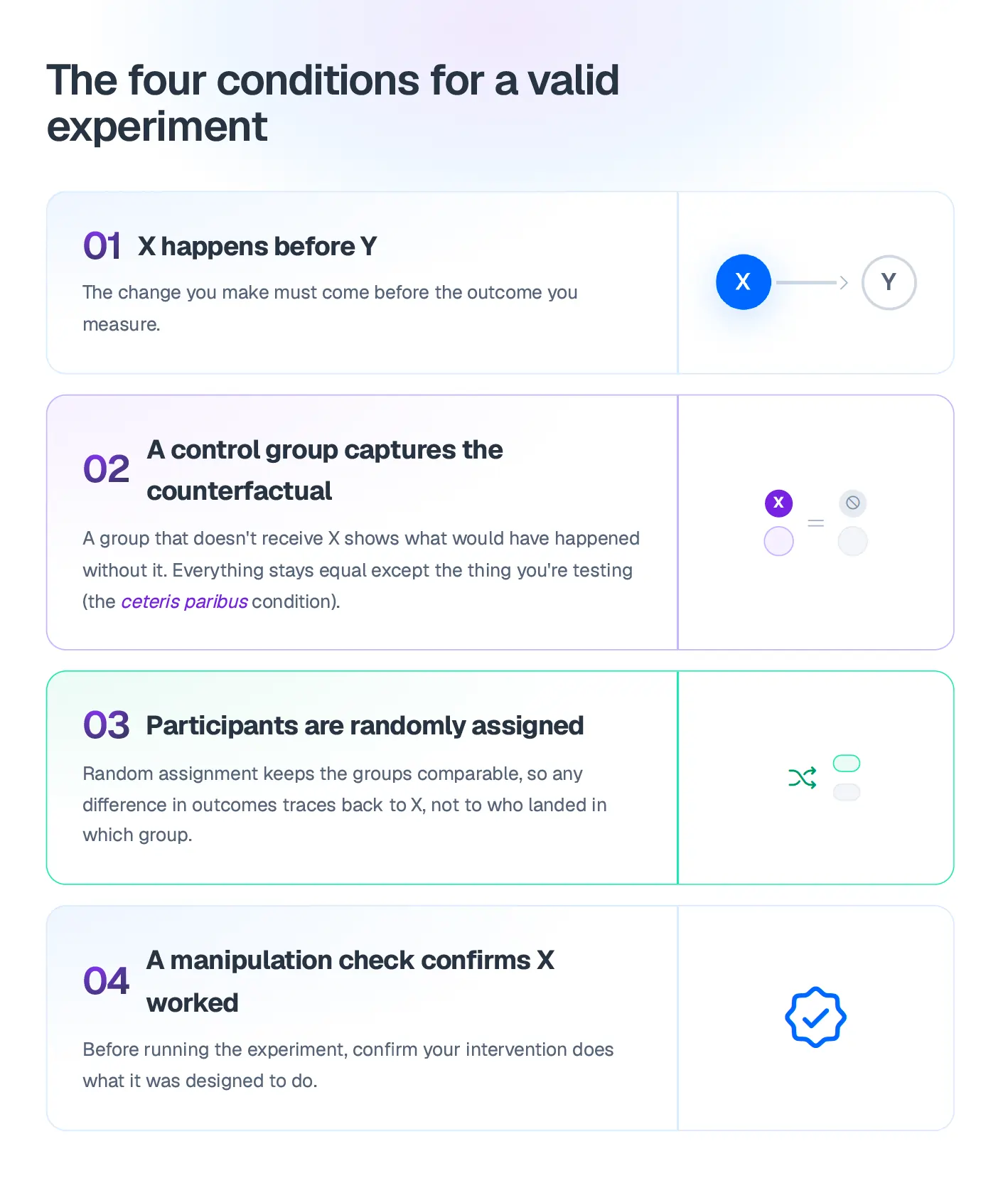
To establish a true causal relationship between a business intervention (X) and a consumer outcome (Y), researchers argue that four conditions must be met:
- Correlation: The intervention and outcome must move in a related pattern.
- Temporal Antecedence: The intervention must occur before the outcome.
- No Third-Factor Explanations: Confounding variables (weather, local events, guest mix) must be controlled or accounted for.
- Theoretical Basis: There must be a logical rationale explaining why X causes Y.
A Chronology of Tourism Research Evolution
The path toward modern experimentation has evolved through several distinct phases:
- 1980s–1990s: The Survey Era. Tourism operators relied on post-stay comment cards and physical surveys to gauge satisfaction.
- 2000s: The Digital Transition. The rise of Online Travel Agencies (OTAs) introduced basic web analytics, but data was used reactively rather than experimentally.
- 2010s: The Rise of the Algorithmic Giants. Companies like Airbnb and Booking.com began using automated experimentation platforms, setting a high bar for user experience (UX) that smaller operators struggled to meet.
- 2020–2025: The Crisis and Recovery Phase. The global pandemic forced a shift toward touchless technology and flexible booking, creating a temporary surge in digital adoption.
- 2026: The Integrated Experimentation Era. Leading operators now treat the physical experience and the digital booking flow as a single, testable ecosystem.
2026 Consumer Behavior: Data and Trends
Understanding what to test requires a deep dive into the current mindset of the 2026 traveler. Data from the EY-Parthenon Consumer Sentiment Survey indicates a complex economic landscape. Nearly two-thirds of U.S. consumers anticipate a recession, leading to a more cautious approach to discretionary spending.
Despite these economic headwinds, travel remains a high priority. The 2026 American Express Global Travel Trends Report found that 74% of Millennials and Gen Z view travel as a "non-negotiable" expense. However, their spending patterns have shifted:
- Experiences over Material Goods: 79% of younger travelers prefer hands-on cultural activities, such as local workshops, over traditional sightseeing.
- Multi-Destination Itineraries: According to Klook’s 2026 Travel Pulse study, two-thirds of travelers now plan to visit multiple destinations per trip, moving away from the "one-city" vacation model.
- The Wellness Shift: Alcohol consumption is declining among travelers, with 54% of Gen Z opting for "dry tripping" or sober-focused itineraries. This has created a new market for high-end mocktails, recovery spaces, and fitness-integrated lodging.
The Institutional Divide: Barriers to Experimentation
Expert analysis from industry consultants reveals why smaller tourism entities lag behind tech giants. Jono Matla, owner of Impact Conversion, notes that many local operators in regions like New Zealand have historically relied on trade partners and inbound tour operators. When 70% of inventory is sold via third parties at a discount, the motivation to optimize direct booking channels diminishes, despite the higher margins those channels offer.
Olivia Bedford, a hospitality specialist focused on the African market, points to a generational and technological divide. Many tour operators are led by veterans of the industry who prioritize "boots-on-the-ground" expertise over website optimization. For these stakeholders, Conversion Rate Optimization (CRO) is often a foreign concept, and the website is viewed as a static brochure rather than a dynamic sales engine.
In contrast, billion-dollar entities like Disneyland Paris and Club Med maintain dedicated departments for qualitative research and UX analytics. Laura Duhommet, a CRO expert who has worked with both brands, explains that while their approaches differ—Disneyland Paris leans heavily into qualitative "Voice of Customer" (VoC) data, while Club Med focuses on UX analytics—both treat experimentation as a core business function.

Methodological Frameworks: VoC vs. A/B Testing
The most effective tourism businesses use a "Compass and GPS" approach to growth. Voice of Customer (VoC) research acts as the compass, providing the direction by identifying customer motivations and pain points. A/B testing acts as the GPS, providing the precise route to optimization through quantitative validation.
The Role of Voice of Customer (VoC)
VoC research is qualitative and lower-stakes, making it an excellent entry point for securing leadership buy-in. By analyzing social media sentiment, guest reviews, and open-ended surveys, operators can identify patterns. For example, if reviews frequently mention "confusing breakfast pricing," this provides a specific hypothesis for a future A/B test.
The Role of A/B Testing
A/B testing bridges the intention-behavior gap. It allows operators to test specific interventions—such as the placement of a "Free Cancellation" badge—and measure the actual impact on conversion rates. Experts suggest framing A/B testing to leadership not as a design preference, but as a "revenue-recovery mechanism." By lifting conversion rates by even 0.3%, a high-traffic attraction site can generate hundreds of thousands of dollars in additional annual revenue without increasing its marketing spend.
Advanced Strategies: Friction, Aspiration, and Localization
Experimentation in tourism differs from standard e-commerce due to the emotional and cross-border nature of the product.

The Strategic Use of Friction
In traditional CRO, friction is the enemy. In tourism, however, "productive friction" can be beneficial. Ryan Thomas, co-founder of Koalative, found that for a home-exchange platform, showing properties immediately actually lowered conversions. Potential users needed a guided sign-up process that explained the mechanics of the "credit system" before seeing the homes. Education created the desire, proving that a smoother path is not always the most effective one.
Aspiration and the "Dreaming" Phase
Tourism sells an intangible experience. Therefore, tests must often focus on the "dreaming" phase of the customer journey. Laura Duhommet notes that testing high-quality video versus static images is crucial because the visual content must turn a "browser" into a "believer" before they reach the checkout.
The Localization Mandate
Booking behavior is deeply regional. A winning test in the United States may fail in Japan or Spain. For instance, Olivia Bedford’s research shows that UK travelers are highly responsive to "health and safety" framing (e.g., malaria-free zones, fenced lodges), whereas US travelers respond better to "aspirational and luxury" framing. Furthermore, pricing models—such as "price-per-person" versus "price-per-night"—show varying success rates across French, German, and English markets.
Broader Impact and Industry Implications
As we move further into 2026, the democratization of experimentation tools means that smaller operators no longer have an excuse to rely on guesswork. Platforms that offer built-in heatmaps, easy-to-deploy A/B tests, and simplified reporting are closing the gap between the local boutique hotel and the global booking engine.

The broader implication for the industry is a shift toward "Total Experience Optimization." This involves applying experimental logic not just to the website, but to the physical stay itself. From testing airport pickup timings to experimenting with check-in procedures, the future of tourism lies in a seamless loop of feedback and refinement. Operators who fail to adopt this scientific approach risk being sidelined by more agile competitors who understand that in 2026, data is just as important as hospitality.







