The digital advertising landscape is perpetually in flux, with search giant Google consistently experimenting with new formats and functionalities to enhance user experience and advertiser performance. In its latest observed innovation, Google is reportedly testing the integration of keyword-rich anchor text hyperlinks directly within the ad descriptions of sponsored results displayed on Google Search. This development, initially brought to light by astute observers in the search engine marketing (SEM) community, signals a potentially significant evolution in how paid search advertisements engage with users, offering a more granular and interactive experience even before a user reaches the landing page.
The core mechanism of this new feature is straightforward yet impactful: clicking on these embedded hyperlinks within the ad description directs the user to the identical ad landing page URL that would be accessed by clicking the main title link of the advertisement. This suggests that while the navigational destination remains consistent, the method of engagement is diversified, potentially allowing for more targeted calls to action or information points directly within the ad copy itself.
Discovery and Initial Observations
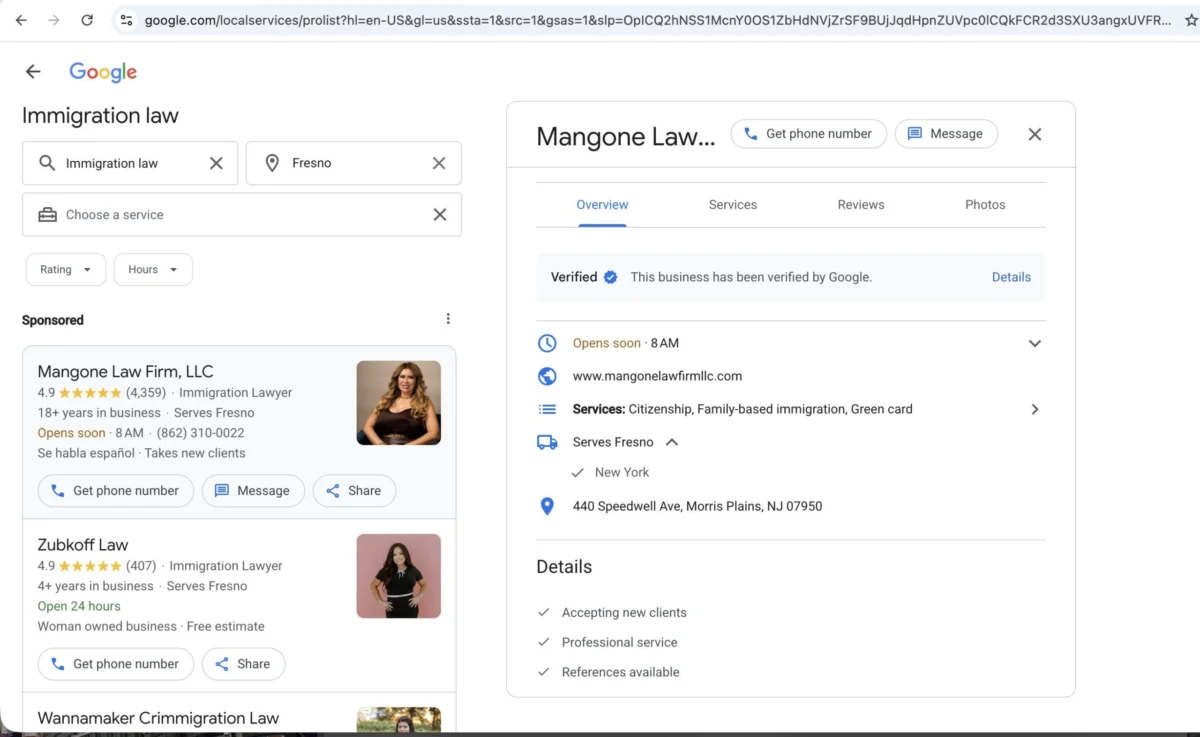
The initial detection of this experimental feature was made by Nayan Prakash, who subsequently shared screenshots of numerous sponsored listings featuring these novel hyperlinks on LinkedIn. Prakash’s observations quickly circulated within the SEM community, sparking discussion and analysis regarding the implications of such a change. The screenshots clearly depicted various ad descriptions where specific phrases, seemingly relevant to the search query, were rendered as clickable blue text, mirroring the appearance of organic hyperlinks.
Despite the clear evidence presented by Prakash, the experiment appears to be in a limited rollout phase, characteristic of Google’s testing methodology. Many industry professionals, including the original reporting source, have indicated an inability to replicate the experiment, suggesting it may be confined to specific user segments, geographic regions, or device types. This phased approach allows Google to collect crucial data on user interaction and performance metrics before considering a broader deployment.
Nayan Prakash, commenting on his discovery, noted, "Google appears to be experimenting with showing hyperlinked text within search ad descriptions. Clicking the hyperlink takes users to the same landing page as the ad URL. It looks like Google is deciding which text to hyperlink based on the user’s search intent. Definitely something to keep an eye on, as it could have an impact on CTR." His insight into Google’s potential use of user search intent to dynamically select and hyperlink text underscores the sophisticated algorithmic intelligence at play, aiming to maximize relevance and engagement.
A History of Ad Format Evolution
Google’s continuous experimentation with ad formats is not new; it is a fundamental aspect of its advertising business model. Over the years, Google Ads (formerly Google AdWords) has undergone numerous transformations, evolving from simple text-based ads to highly dynamic and visually rich formats. This evolution has consistently been driven by two primary objectives: to provide a more valuable and relevant experience for users, and to offer advertisers more effective tools to reach their target audiences and achieve their business goals.
Early iterations of Google Ads focused on concise text ads, often limited by strict character counts. Over time, features like Expanded Text Ads (ETA) and Responsive Search Ads (RSA) were introduced, granting advertisers more space and flexibility to craft compelling messages. Concurrently, Google rolled out a suite of ad extensions – including sitelinks, callouts, structured snippets, call extensions, and more – designed to augment the primary ad copy with additional information, calls to action, and navigation options. These extensions have become integral to maximizing ad visibility and improving Click-Through Rates (CTR).
Previous tests by Google have included "learn more links" and "read more links" within Google Ads, which offered supplementary navigation or information. However, the current experiment with keyword-rich anchor text hyperlinks within the description itself represents a distinct advancement. Instead of adding a separate, generic link, this new format integrates clickable elements directly into the narrative of the ad copy, potentially making the ad feel more organic and responsive to the user’s immediate intent. This shift moves beyond merely appending information to actively embedding interactive elements within the core message, signaling a deeper integration of clickable content within the ad unit.
The Crucial Role of Click-Through Rate (CTR)
The potential impact of this new feature on Click-Through Rate (CTR) cannot be overstated. For advertisers, CTR is a vital metric that indicates the effectiveness of their ad copy and targeting. A higher CTR generally translates to more traffic to their landing pages, which can lead to increased conversions and return on investment (ROI). Moreover, CTR is a significant factor in Google’s Quality Score, an internal metric that influences ad rank and cost-per-click (CPC). Ads with higher Quality Scores typically achieve better ad positions at lower costs, creating a virtuous cycle for advertisers.
For Google, higher CTRs across its ad platform translate directly into increased revenue. As a performance-based advertising model, Google earns revenue primarily when users click on ads. Therefore, any innovation that can meaningfully boost CTR, even by a small percentage point across billions of daily searches, has substantial financial implications for the company. Google’s search advertising revenue consistently forms the largest portion of its parent company Alphabet’s earnings, underscoring the strategic importance of continuous ad product development. In the third quarter of 2023, Google Search & other ad revenue alone reached $48.05 billion, demonstrating the massive scale where even marginal improvements in engagement can yield billions.
The average CTR for search ads varies widely by industry, keyword, and ad position, but generally hovers around 2-6%. Any feature that could push these averages higher would be a significant win for both advertisers and Google. The ability to hyperlink specific, relevant terms within the ad description provides users with a more immediate and focused path to information, potentially reducing friction in the decision-making process and increasing the likelihood of a click.
Inferred Statements and Expert Analysis

While Google has not issued an official statement regarding this specific experiment, its general philosophy on ad development can be inferred. Google’s consistent messaging revolves around enhancing user experience through relevance and providing advertisers with tools to connect effectively with their audience. This experiment aligns perfectly with that strategy, aiming to make ads more informative and directly actionable for users, thereby improving ad performance for advertisers. It is a testament to Google’s data-driven approach, where new features are rigorously tested in limited environments before broader deployment.
From an advertiser’s perspective, the initial reaction is likely a mix of cautious optimism and strategic contemplation. The potential for higher CTRs and more qualified clicks is an attractive prospect. If users are clicking on specific, keyword-rich links within the description, it suggests a higher level of intent and engagement with that particular aspect of the ad. This could lead to a more efficient allocation of ad spend, as clicks might be better aligned with specific user needs.
However, advertisers would also need to adapt their ad copy strategies. The art of crafting compelling ad descriptions would gain an additional layer of complexity, requiring careful consideration of which phrases to make hyperlinked and how these links guide the user’s initial interaction. There might be concerns about potential cannibalization of other ad extensions, particularly sitelinks, which serve a similar purpose of offering additional navigational options. The success of this feature would depend on how seamlessly it integrates with existing ad formats and whether it genuinely enhances, rather than merely duplicates, existing functionalities.
Search Engine Marketing (SEM) specialists would likely view this as a new frontier for optimization. The ability to dynamically hyperlink text based on user intent suggests an advanced application of machine learning. This would necessitate a deeper understanding of target audience search patterns and the nuanced language they use. Experts would begin to analyze how different hyperlinked phrases perform, experimenting with various ad copy permutations to identify best practices. This could lead to new avenues for A/B testing and a renewed focus on the semantic relevance of ad descriptions.
Broader Implications for Advertisers
The introduction of anchor text hyperlinks within ad descriptions carries several significant implications for advertisers:
- Enhanced Ad Copy Optimization: Advertisers will need to think more strategically about their ad descriptions. Beyond simply conveying information, the copy will also serve as a potential navigation hub. The selection of hyperlinked phrases will become crucial, requiring a balance between descriptive power and directness. This could lead to a more modular approach to ad copy, where key phrases are identified for their potential to become clickable entry points.
- Improved User Journey and Conversion Funnel: By offering more specific clickable elements within the ad, advertisers can potentially guide users more precisely down the conversion funnel. For instance, an ad for "running shoes" might hyperlink "men’s trail running shoes" or "women’s road running shoes" within the description, directly addressing a more specific user intent and potentially reducing bounce rates on the landing page.
- Competitive Advantage: Early adopters who master the art of leveraging these new hyperlinks effectively could gain a significant competitive edge. Their ads might stand out more, achieve higher CTRs, and consequently, better Quality Scores and lower CPCs, allowing them to capture more market share.
- Impact on Ad Extensions: This feature might influence the strategic use of other ad extensions. While sitelinks provide distinct navigational paths, embedded hyperlinks offer a more integrated, contextual option. Advertisers might need to re-evaluate how they utilize sitelinks in conjunction with these new in-description links to avoid redundancy and maximize impact.
- Data and Analytics: Tracking the performance of these specific in-description clicks will be vital. Advertisers will need robust analytics to understand which hyperlinked phrases are driving the most engagement and conversions, allowing for continuous optimization.
Implications for Users
For the end-user, this development is largely positive. It offers:
- Increased Relevance: By dynamically hyperlinking text based on search intent, Google aims to provide users with more immediate access to the most relevant information within an ad. This reduces the cognitive load of having to scan the entire ad or landing page for specific details.
- Enhanced Information Accessibility: Users can quickly identify and click on the specific aspect of an ad that interests them most, leading to a more efficient search experience. This greater control over their interaction with an ad contributes to a more personalized and satisfying search journey.
- Improved Decision-Making: With more granular options presented directly within the ad, users can make more informed decisions about whether to click and where they want to navigate, streamlining their path to desired products or services.
Implications for Google and the Digital Advertising Landscape
For Google, this experiment represents a strategic move to solidify its dominance in the digital advertising market. Should the feature prove successful:
- Revenue Growth: Higher CTRs translate directly to increased ad revenue, further strengthening Alphabet’s financial position.
- Platform Reinforcement: By continuously innovating and offering more effective advertising tools, Google reinforces its position as the premier platform for advertisers seeking to reach online consumers.
- Setting Industry Standards: Google’s innovations often set trends that other advertising platforms eventually adopt. This could prompt competitors to explore similar integrated, dynamic ad formats, pushing the entire industry forward.
- Advancement of AI in Advertising: The dynamic nature of these hyperlinks, seemingly driven by user intent and keyword relevance, highlights Google’s ongoing investment in artificial intelligence and machine learning to optimize ad serving and personalization. This points towards an increasingly intelligent and responsive advertising ecosystem.
The Road Ahead
As with all of Google’s experimental features, the ultimate fate of anchor text hyperlinks in ad descriptions remains to be seen. The current limited rollout allows Google to gather extensive data on user behavior, advertiser performance, and the overall impact on the search ecosystem. Factors such as click-through rates, conversion rates, user satisfaction, and potential unintended consequences (e.g., ad fatigue or confusion) will all be carefully analyzed.
Should the experiment yield positive results, a broader rollout can be anticipated, likely accompanied by official announcements and best practice guidelines for advertisers. Conversely, if the data suggests that the feature does not significantly enhance the user or advertiser experience, or if it introduces unforeseen challenges, Google may choose to iterate on the concept or even discontinue it.
For advertisers, SEM professionals, and digital marketers, the message is clear: vigilance and adaptability are paramount. Staying informed about Google’s ongoing tests and being prepared to integrate new features into advertising strategies will be crucial for maintaining a competitive edge in the ever-evolving world of paid search. This latest experiment with in-description hyperlinks underscores Google’s relentless pursuit of more effective, engaging, and intelligent advertising solutions, forever reshaping how businesses connect with consumers online.