

In an increasingly saturated digital marketplace where customer acquisition costs (CAC) continue to climb, global retailers are shifting their focus from aggressive ad spending to the refinement of existing traffic through Conversion Rate Optimization (CRO). Industry data indicates that even marginal improvements in the conversion funnel—such as moving a store-wide rate from 2.2% to 2.3%—can yield a revenue lift of over 4%, assuming average order values remain stable. This strategic pivot marks a transition from "growth at all costs" to a model of "profitable efficiency," where the user experience (UX) is treated as a primary driver of the bottom line.
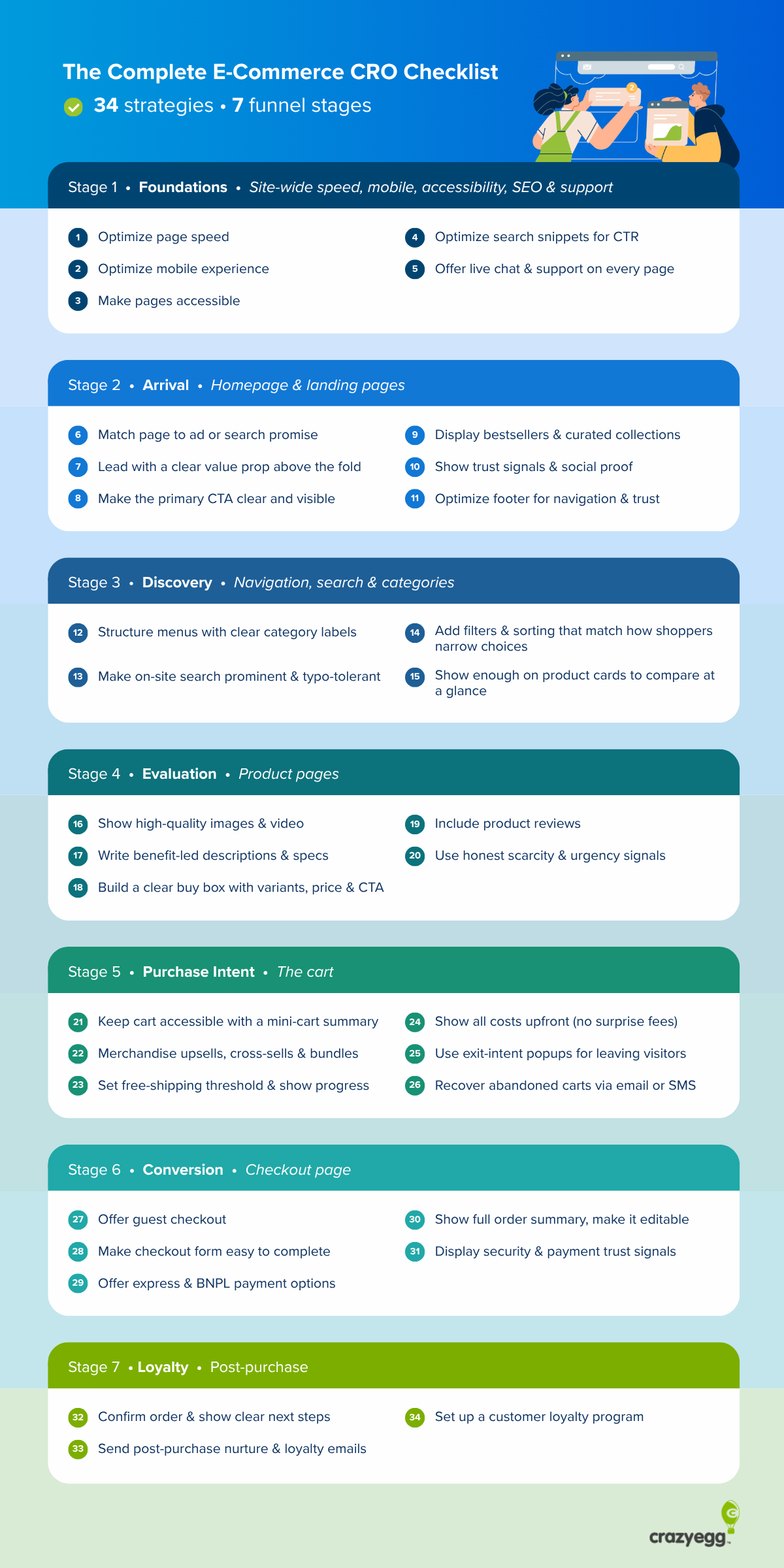
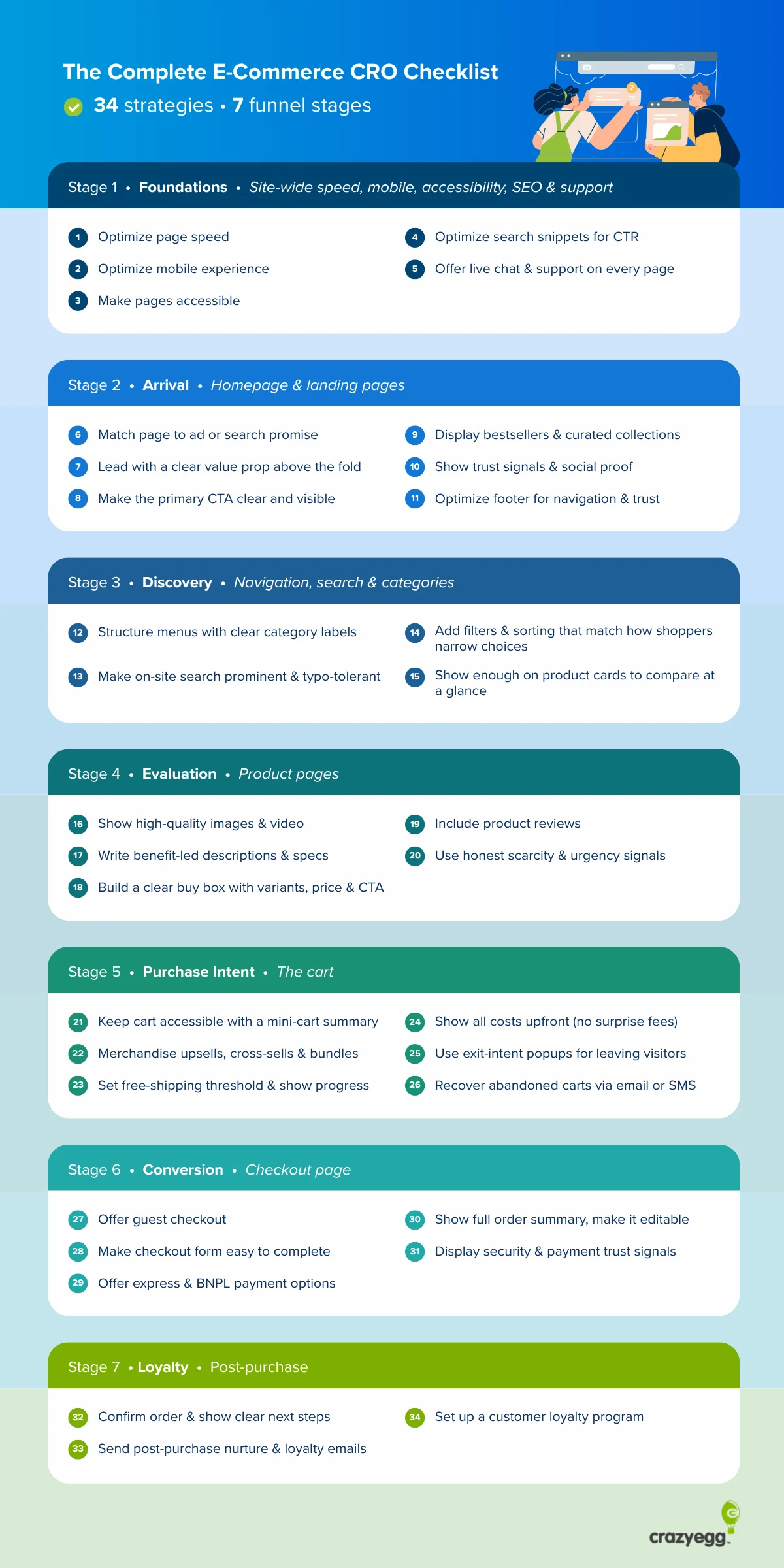
The following framework outlines a comprehensive, evidence-backed approach to e-commerce CRO, encompassing over 30 strategies designed to mitigate friction across the seven critical stages of the customer journey. By addressing technical foundations, navigational discovery, and post-purchase loyalty, brands can effectively plug the "leaky holes" in their sales funnels and maximize the return on every visitor.
The Technical Foundations: Speed, Accessibility, and Mobile-First Design
The modern consumer’s patience for digital latency has reached an all-time low. Research into user behavior suggests that the technical performance of a site serves as the "basement" of the conversion funnel; if the foundation is weak, all subsequent marketing efforts are undermined.
1. Page Load Optimization
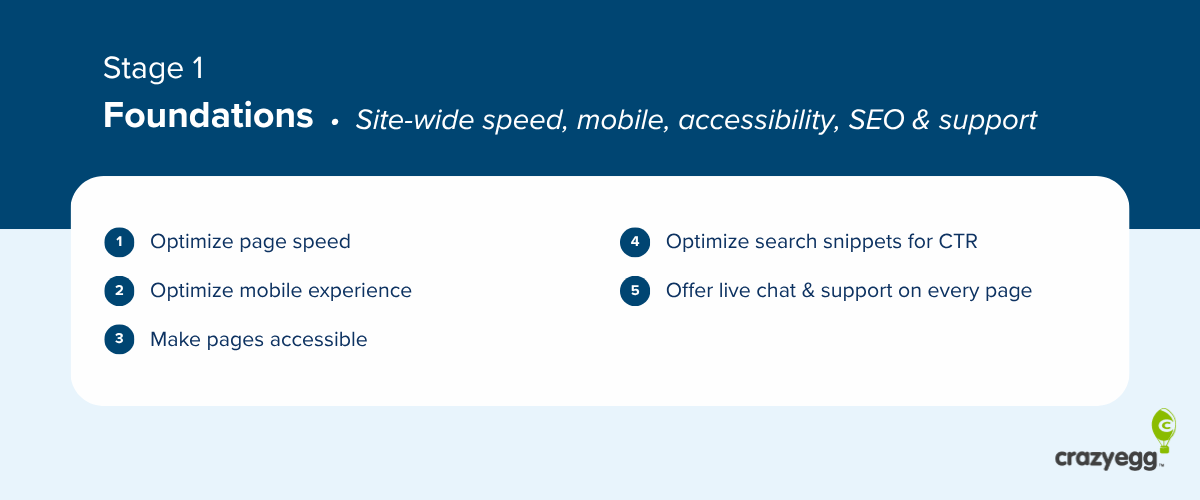
Site-wide speed is a primary ranking factor for search engines and a critical friction point for users. Retailers are encouraged to maintain load times under 2.5 to 3 seconds. This is achieved through aggressive image compression, the implementation of Next-Gen formats like WebP, and the utilization of Content Delivery Networks (CDNs) to reduce server response times. Furthermore, minimizing "heavy" third-party scripts—often used for tracking and heatmaps—can significantly improve the Time to Interactive (TTI).
2. The Mobile Experience
Mobile devices now account for the majority of e-commerce traffic, yet they often lag in conversion rates compared to desktop. A mobile-first CRO strategy involves optimizing for "thumb-friendly" navigation, ensuring buttons are appropriately sized, and utilizing "sticky" headers that allow users to access the search bar or cart at any point during their scroll.
3. Digital Accessibility and SEO
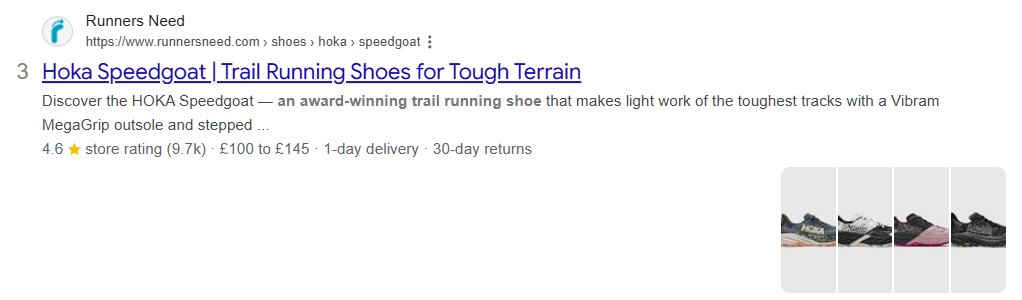
Beyond moral and legal obligations (such as ADA compliance), accessibility improves the experience for all users. Clear font hierarchies, high color contrast, and descriptive alt-text for images ensure that screen readers can navigate the site effectively. From an SEO perspective, triggering "rich snippets" through Schema.org structured data allows products to display prices, availability, and star ratings directly on the Search Engine Results Pages (SERP), increasing the click-through rate (CTR) before the user even reaches the site.
Arrival and First Impressions: The Landing Page Strategy
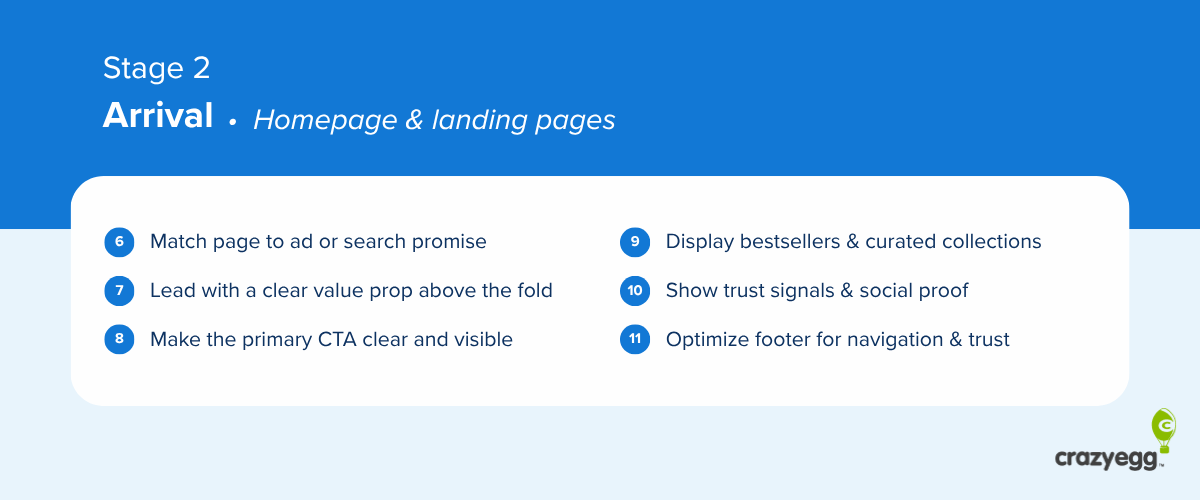
Once a visitor arrives via a search result or a paid advertisement, the retailer has approximately three to five seconds to establish credibility and relevance.
Matching Promise to Reality
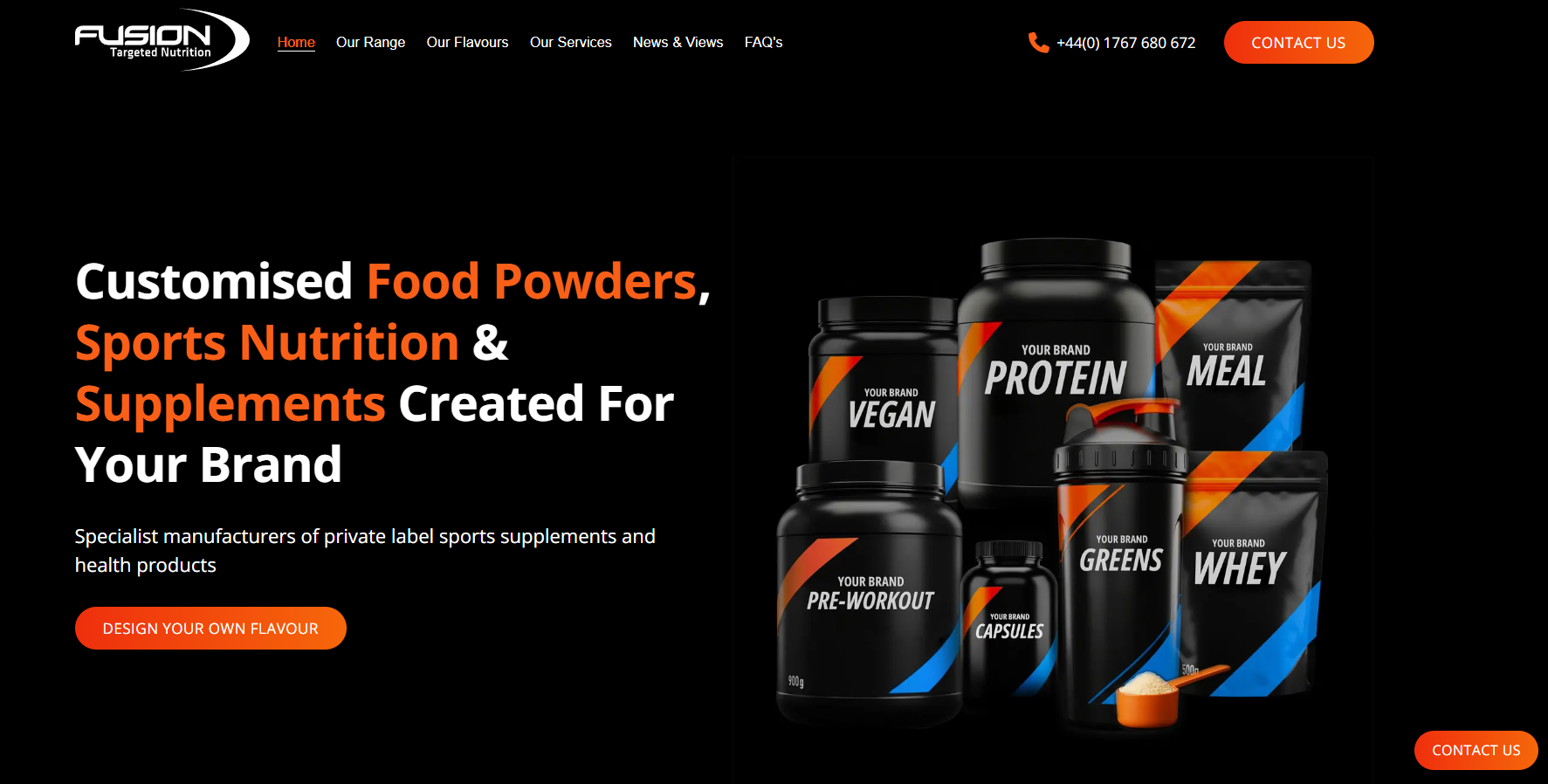
One of the highest causes of bounce rates is "message mismatch." If an advertisement promises a specific discount or a particular product, the landing page must reflect that promise immediately above the fold. Forcing a user to search for the item they were just shown in an ad creates unnecessary cognitive load and leads to immediate abandonment.
The Value Proposition and Primary Call to Action (CTA)
A successful homepage must answer three questions instantly: What is being sold? Who is it for? Why should the customer care? Generic language is the enemy of conversion. Instead, retailers should lead with a clear differentiator. This should be paired with a singular, dominant CTA. While secondary actions (like "Learn More") are common, they should never visually compete with the primary goal (e.g., "Shop the Collection").
Discovery: Optimizing Search and Category Navigation
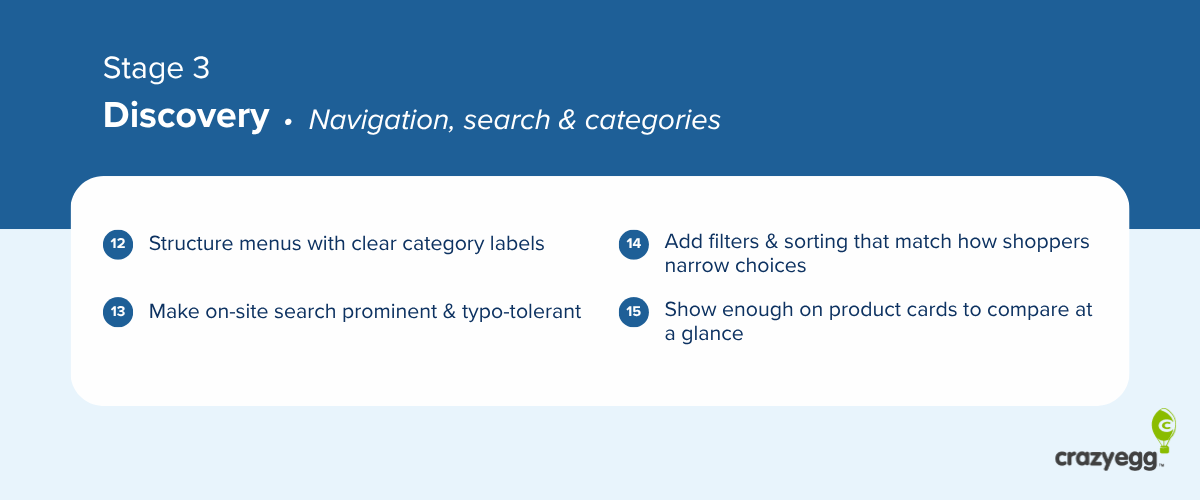
Navigation is the bridge between interest and intent. If a user cannot find a product within three clicks, the likelihood of a sale drops precipitously.
Advanced Site Search
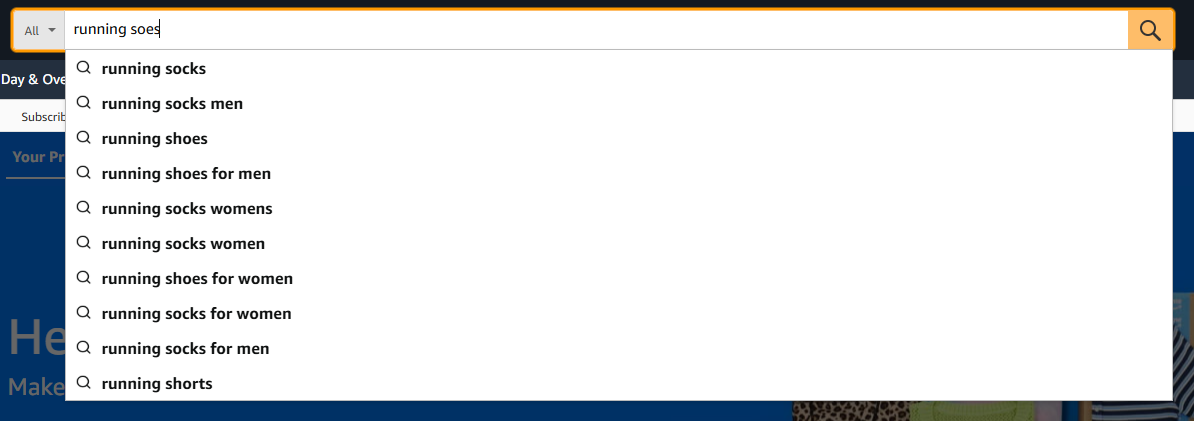
A 2024 study by Constructor found that while searchers may only make up 24% of total site visitors, they often drive up to 44% of total revenue. These users exhibit high purchase intent. To serve them, site search must be typo-tolerant and offer autocomplete suggestions. Advanced implementations now use AI to understand "natural language" queries, moving beyond simple keyword matching.
Filtering and Comparison
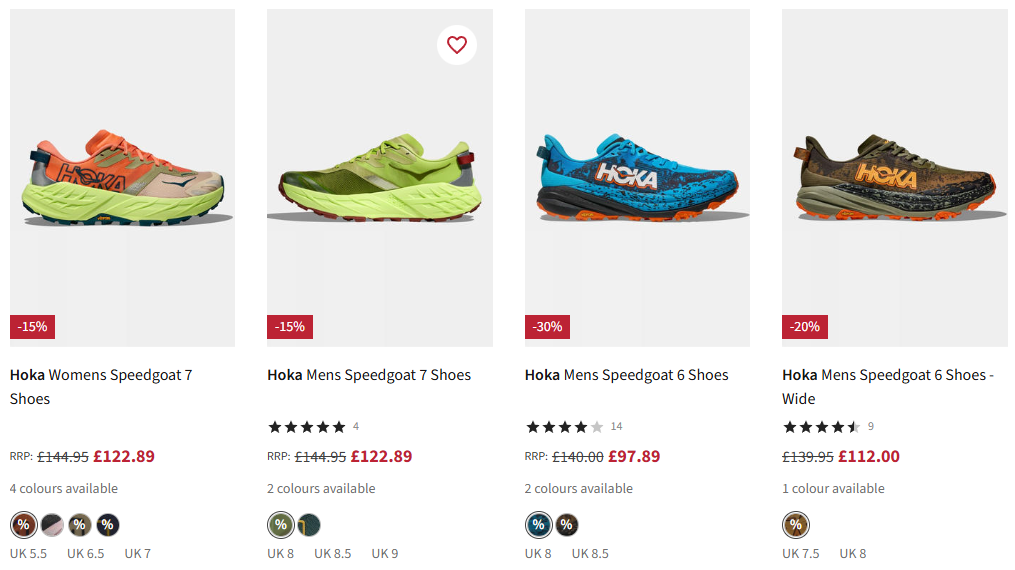
Category pages must act as a concierge. Essential filters—price, size, color, and brand—are the baseline. However, category-specific filters (such as "skin type" for beauty products or "skill level" for sports equipment) allow for a more personalized experience. Product cards within these grids should provide enough information—such as color swatches and aggregate ratings—to allow for "at-a-glance" comparisons without requiring a page jump.
Evaluation: The Anatomy of a High-Converting Product Page
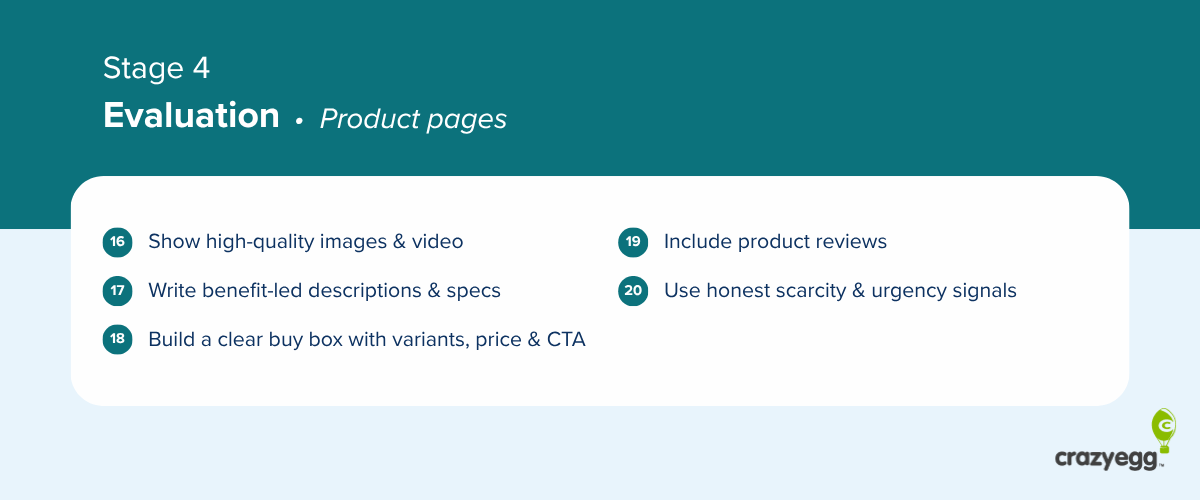
The product detail page (PDP) is where the final decision to buy is usually made. It must serve as a digital surrogate for a physical retail experience.

Visual Fidelity and Benefit-Led Copy
High-resolution imagery, 360-degree views, and video demonstrations are essential for reducing "perceived risk." Descriptions should move beyond technical specifications to explain the benefit of those specs. For instance, a waterproof rating is a feature; "keeping you dry in heavy rain" is the benefit.
Social Proof and Honest Scarcity
Product reviews are perhaps the most influential element of the PDP. Modern consumers look for more than just a star rating; they want to see "people like them" using the product. Filtering reviews by "verified buyer" status or customer attributes (e.g., "height/weight" for apparel) builds significant trust. Furthermore, urgency signals like "only 3 left in stock" or "order within 2 hours for next-day delivery" can nudge hesitant buyers, provided these signals are authentic and not artificially generated.
Purchase Intent: The Cart and Abandonment Recovery
The transition from the cart to the checkout is the most volatile stage of the funnel. Baymard Institute’s 2025 research indicates that surprise fees and forced account creation remain the leading causes of cart abandonment.
Transparency in Costs
Retailers must show the total cost, including taxes and shipping, as early as possible. A "mini-cart" or slide-out summary allows users to see their progress toward a free-shipping threshold without leaving their current page. Setting this threshold slightly above the average order value (AOV) is a proven method for increasing revenue per user.
Recovery Tactics
For those who do leave, exit-intent popups—triggered when the cursor moves toward the browser’s "close" button—can offer a final incentive, such as a 10% discount or a free gift. This is supplemented by automated abandonment flows via email or SMS. Sending a reminder within the first hour of abandonment is critical, followed by a series of emails that address common objections regarding returns or quality.
Conversion: Streamlining the Checkout Flow
The checkout page should be a "distraction-free" zone. Many top-tier retailers remove the main navigation and footer from this stage to keep the user focused on the transaction.
The Guest Checkout Mandate
Forcing users to create an account is a significant barrier. Modern best practices suggest making guest checkout the default option and offering account creation after the purchase is complete. Data from 2025 shows that roughly 18% of US shoppers have abandoned a purchase specifically because they were forced to register an account.
Payment Diversity and Form Optimization
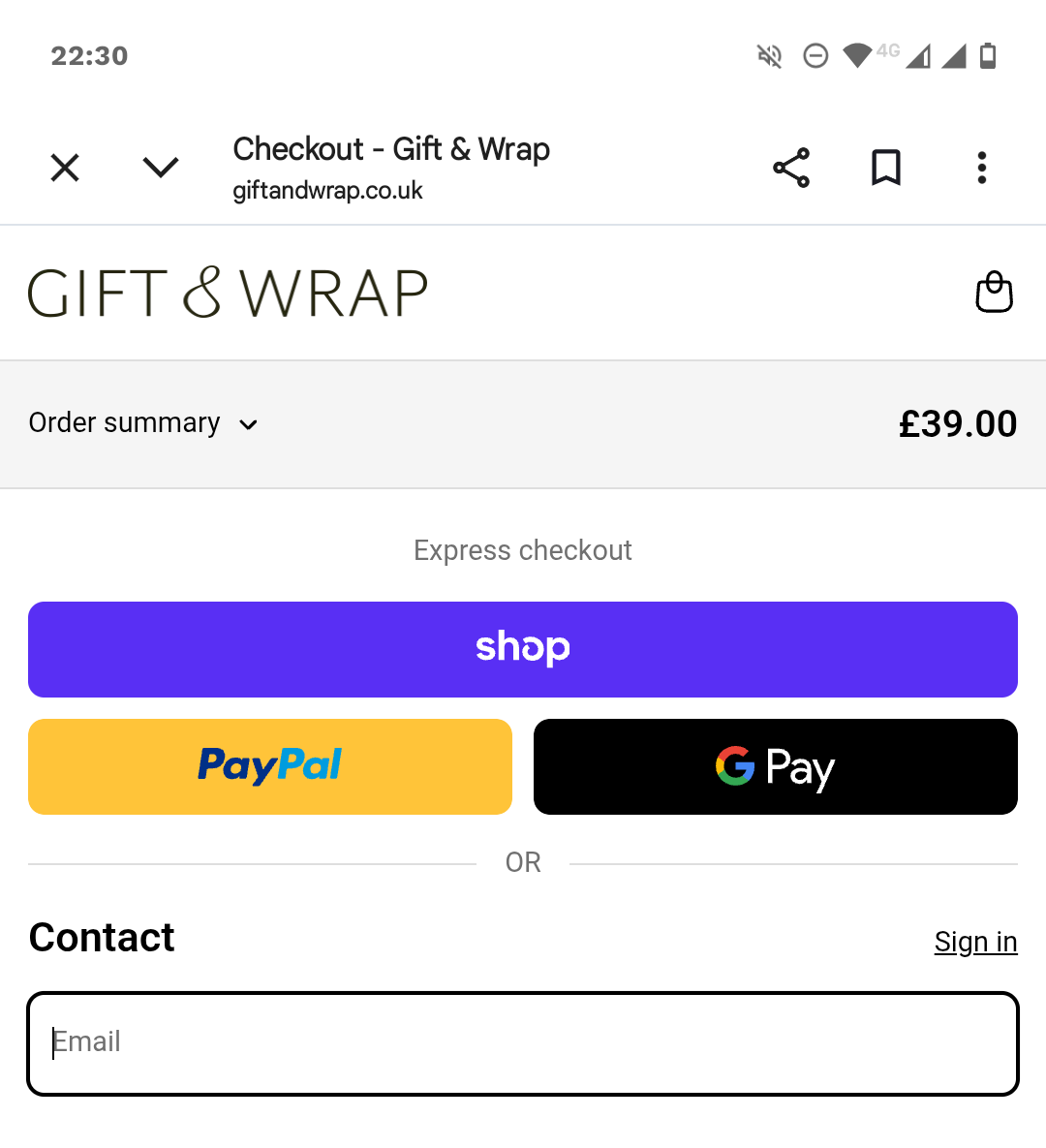
The integration of express wallets (Apple Pay, Google Pay, PayPal) can reduce checkout time from minutes to seconds. Furthermore, the "Buy Now, Pay Later" (BNPL) model has been shown to increase revenue by up to 14% for certain demographics. Form fields should be kept to a minimum (ideally 7–8 fields), utilizing address autocomplete to reduce manual typing and errors.
Loyalty: The Post-Purchase Engagement
CRO does not end at the "Thank You" page. Acquisition is expensive, but retention is where the true profit lies.
Order Confirmation and Nurturing
The confirmation page should provide immediate peace of mind with a clear order summary and tracking information. Post-purchase emails should then transition from transactional to educational, offering guides on how to use the product or curated recommendations for complementary items.
Loyalty and Referral Programs
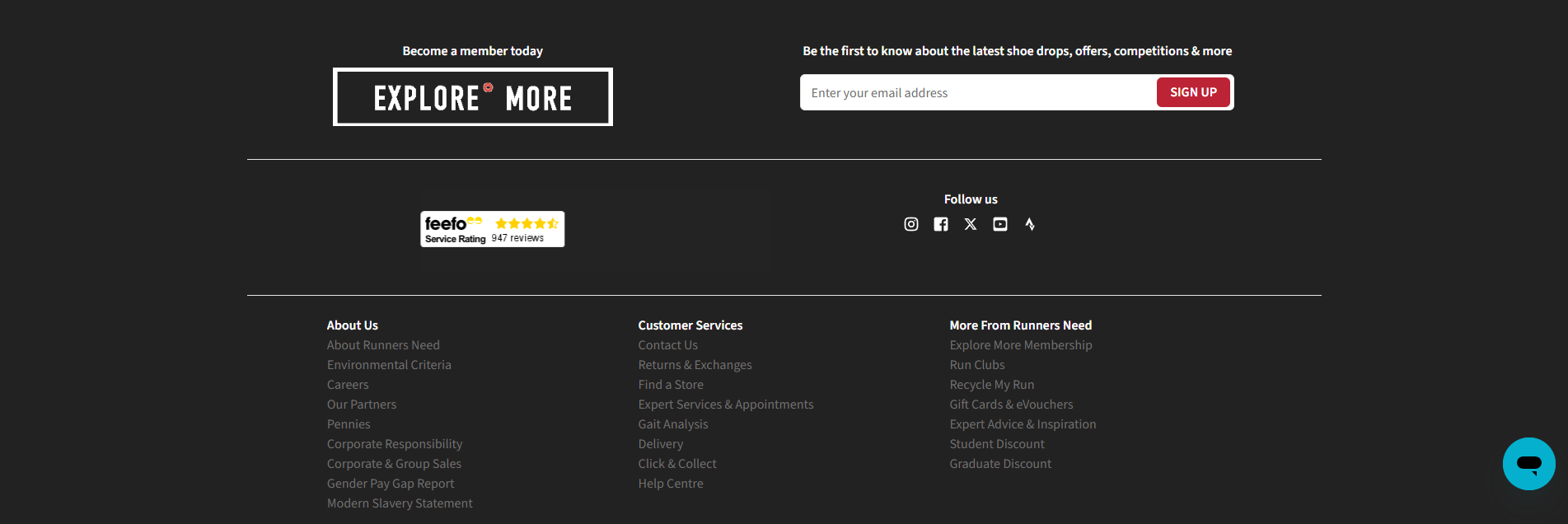
Encouraging a second purchase is the most effective way to increase a customer’s Lifetime Value (LTV). Points-based systems, early access to new releases, and "refer-a-friend" discounts create a self-sustaining growth loop. By displaying a customer’s rewards balance prominently in their account dashboard, retailers keep the "sunk cost" of their points top-of-mind, encouraging them to return.
Broader Impact and Industry Implications
The shift toward a CRO-centric business model reflects a maturing e-commerce industry. As the cost of digital advertising on platforms like Meta and Google continues to rise due to increased competition and privacy regulations, retailers can no longer rely solely on top-of-funnel volume.
Industry benchmarks from May 2026 highlight the disparity in conversion rates across sectors. While luxury goods and jewelry often see conversion rates as low as 0.7% due to the high-consideration nature of the products, sectors like veterinary and pet care can reach as high as 7.15%. Regardless of the industry, the implementation of a structured CRO program—moving from general best practices to store-specific A/B testing—is now a prerequisite for long-term survival in the digital economy. Those who master the art of removing friction will not only see higher immediate returns but will build the brand equity necessary to command customer loyalty in an era of infinite choice.







