

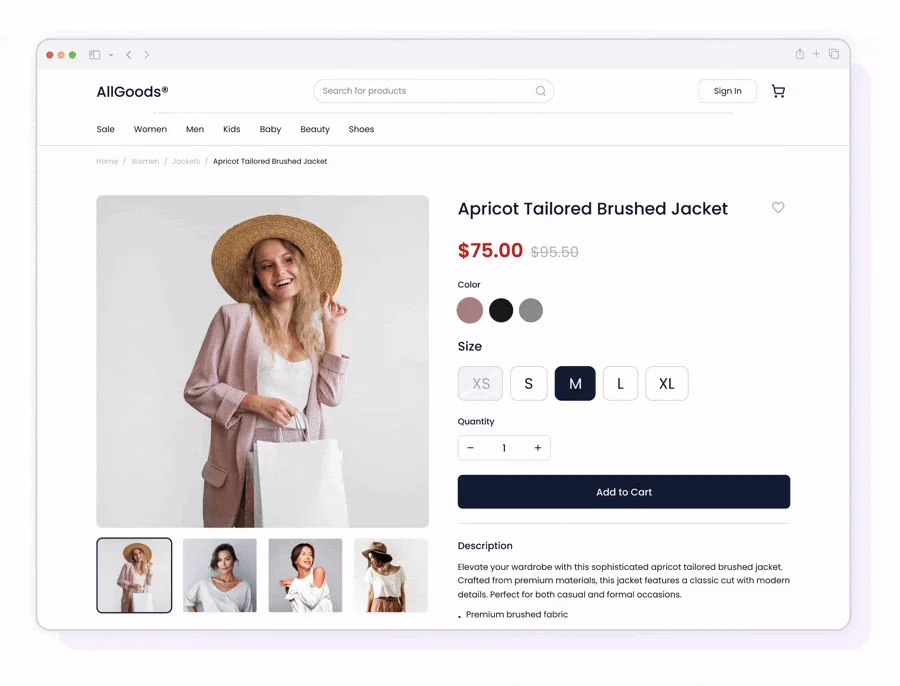
The landscape of global eCommerce is undergoing a fundamental shift as online shoppers move beyond the desire for simple recognition and toward a demand for immediate relevance. In an era defined by rapid digital interactions, consumers no longer find value in being categorized into broad demographic segments or being served recommendations based on purchases made months prior. Instead, the modern shopper expects a digital environment that reflects their immediate needs, motivations, and situational context. This shift from static, identity-based targeting to dynamic, intent-based prediction is redefining how brands approach customer experience (CX) and is becoming a critical driver of conversion and long-term brand loyalty.
For years, the gold standard of digital marketing was the ability to recognize a returning customer by name and offer a discount based on their history. However, as privacy regulations tighten and consumer behavior becomes more erratic, traditional personalization strategies—which rely heavily on historical data and predefined manual rules—are reaching their functional limits. The emergence of predictive AI and real-time behavioral analysis, exemplified by platforms like AdaptiveCX from VWO AB Tasty, is providing a solution to these challenges, allowing brands to adapt digital experiences for every visitor, including the vast majority who remain anonymous.
The Economic Imperative of Personalization in Modern Commerce
The drive toward hyper-personalization is not merely a trend in user interface design; it is an economic necessity. According to research from McKinsey & Company, 71% of modern consumers expect personalized shopping experiences, and a staggering 76% express active frustration when those expectations are not met. This frustration often translates directly into cart abandonment and brand switching, particularly in highly competitive sectors like fashion, travel, and consumer electronics.

The financial impact of getting personalization right is substantial. Industry data suggests that effective personalization strategies can increase marketing return on investment (ROI) by 10% to 30%. Furthermore, companies that excel at delivering tailored experiences generate approximately 40% more revenue from those activities compared to their slower-moving competitors. In terms of direct sales performance, highly personalized campaigns have demonstrated the potential to drive conversion-rate lifts of up to 60% over generic, "one-size-fits-all" marketing efforts.
Beyond the immediate transaction, personalization serves as a cornerstone for customer retention. Statistical evidence shows that 44% of shoppers are likely to become repeat buyers following a personalized experience, and 68% of consumers report that tailored interactions significantly improve their overall satisfaction with a brand. As the cost of customer acquisition continues to rise, the ability to turn a first-time visitor into a loyal advocate through relevant CX is becoming the primary differentiator for successful eCommerce enterprises.
A Chronology of Personalization: From Cookies to Predictive AI
To understand the current transformation, it is necessary to look at the evolution of personalization technology over the last two decades.
- The Era of Basic Segmentation (Early 2000s): Personalization was limited to broad categories. Users were grouped by geography or basic referral sources. A visitor from London might see different shipping information than a visitor from New York, but the product recommendations remained largely the same.
- The Cookie-Based Identity Era (2010–2020): Brands leaned heavily on third-party cookies and login data to track users across the web. This allowed for "retargeting"—showing a user an ad for a product they had viewed previously. While effective at the time, this method relied on historical data that often became stale by the time the user returned to the site.
- The Privacy and Anonymous Era (2020–Present): With the introduction of GDPR, CCPA, and the phasing out of third-party cookies by major browsers, the "identity-first" model began to crumble. Simultaneously, data revealed that for many eCommerce brands, upwards of 90% of visitors are anonymous—either first-time guests, users who decline cookies, or those browsing in private modes.
- The Predictive Intent Era (The Future): This current stage moves away from "who the visitor is" and focuses on "what the visitor is doing right now." By utilizing machine learning to analyze in-session behavioral signals, brands can now personalize the experience for a user they have never seen before, based entirely on their live actions.
The Limitations of Traditional, Rules-Based Systems
Traditional personalization engines operate on a "if-this-then-that" logic. A marketing team might create a rule stating: "If a visitor has visited the ‘Running Shoes’ category three times, show them a 10% discount banner for Nike." While this is better than no personalization, it is inherently reactive and static.
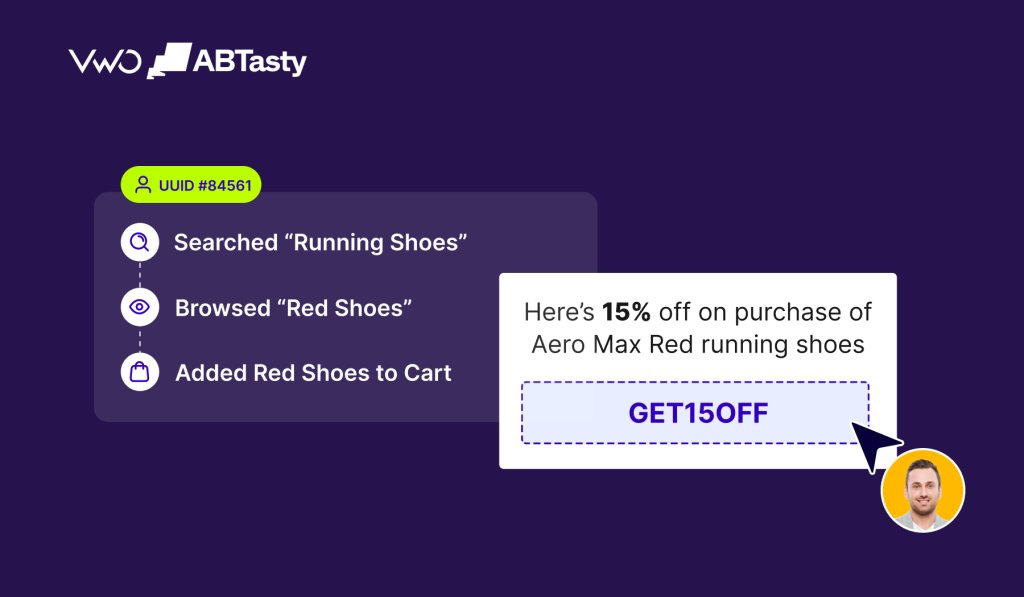
The primary flaw in this approach is that human intent is fluid. A shopper may spend the morning casually browsing luxury watches and the afternoon urgently searching for a durable children’s backpack. A rules-based system often fails to catch this pivot, continuing to serve luxury watch content long after the shopper’s intent has shifted.
Furthermore, traditional systems struggle with the "cold start" problem. If a visitor is anonymous and has no historical data attached to their profile, the system defaults to a generic experience. This means the brand misses the opportunity to engage the 90% of its audience that is hardest to convert. Real-time intent-led personalization closes this gap by treating every click, scroll, and mouse movement as a data point that informs the immediate UI.
AdaptiveCX: The Mechanics of Real-Time Intent Analysis
The transition to adaptive personalization is being led by technologies like AdaptiveCX. Rather than waiting for a visitor to self-identify through a login or a purchase, these platforms analyze a stream of behavioral signals in real time.
Key signals monitored include:
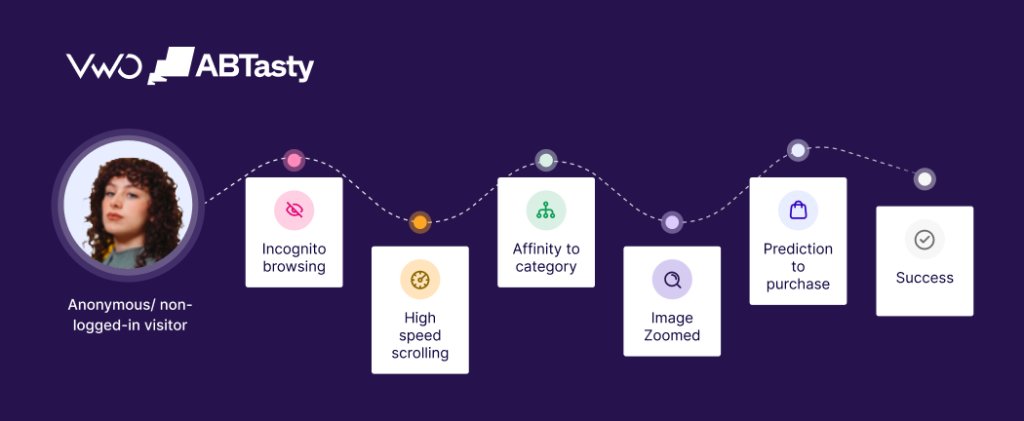
- Navigation Patterns: Which pages are visited and in what order?
- Engagement Depth: How far down a page does the user scroll? Which elements are they hovering over?
- Search Behavior: What terms are they using, and how do they interact with the results?
- Velocity: Is the user moving quickly through the site (high intent to buy) or lingering on product descriptions (researching/hesitating)?
By processing these signals through machine learning models, the platform can predict outcomes such as the likelihood to purchase, the risk of churn, or the specific product affinity of the visitor. This allows the website to reorganize itself on the fly—changing homepage carousels, adjusting search suggestions, or offering specific incentives—to match the visitor’s perceived state of mind.
Case Study Analysis: Impact on Global Brands
The practical application of intent-based personalization is best illustrated through the success of major retailers who have moved away from static models.
Kurt Geiger: Optimizing Product Discovery
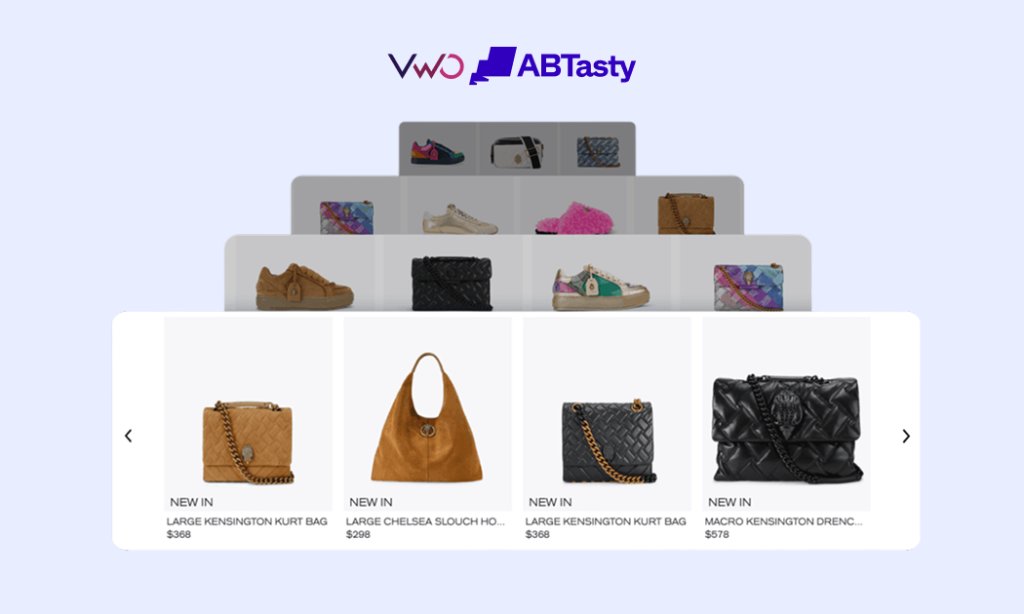
Kurt Geiger, a prominent global fashion and accessories brand, faced the challenge of connecting shoppers with the most relevant items within its extensive catalog. The brand recognized that a static homepage was failing to capitalize on the diverse interests of its visitors. By implementing AdaptiveCX, Kurt Geiger was able to deploy a dynamic homepage carousel that adjusted its featured products based on the real-time affinities shown by the visitor during their session.
If a visitor showed a preference for handbags through their clicks and hovers, the homepage would automatically prioritize handbag recommendations. The results were immediate and measurable:

- An 11% increase in Revenue Per Visitor (RPV).
- A 10% increase in overall Conversion Rate.
- A significant improvement in marketing spend efficiency.
Gareth Rees-John, Chief Digital Officer at Kurt Geiger, noted that the technology allowed the brand to "predict user intent and connect people with the right products instantly," effectively bridging the gap between a vast inventory and a specific customer need.
AttractionTickets.com: Enhancing Search Relevance
For AttractionTickets.com, a major ticket specialist founded in 2002, the challenge lay in the search experience for first-time, anonymous visitors. Without historical data, the site’s search suggestions were often generic, leading to lower engagement.
By adopting an adaptive search model, the company began surfacing search suggestions based on live, in-session behavior. These suggestions were enriched with imagery to provide a more visual and engaging discovery process. This shift to intent-based search led to:
- A 2.2% increase in Conversion Rate.
- A 1.7% increase in Revenue Per Visitor.
Broader Implications and the Future of Digital Experience
The move toward adaptive personalization carries significant implications for the broader tech industry and the future of consumer privacy. As brands move away from tracking identity and toward tracking intent, they are finding a way to respect privacy while still delivering high-value experiences. Intent-based data is ephemeral; it exists for the duration of the session to help the user find what they need, reducing the need for long-term, invasive data storage.
Furthermore, this technology is a precursor to the integration of Generative AI in eCommerce. In the near future, we can expect "Adaptive CX" to evolve into "Conversational CX," where the website doesn’t just rearrange its layout, but generates custom content and product descriptions tailored to the specific concerns or questions a visitor demonstrates through their behavior.
In conclusion, the future of eCommerce is no longer about who the customer was yesterday, but what they want right now. Static personalization is a relic of an era of predictable, linear shopping journeys. Today’s nonlinear, fast-paced digital world requires a more responsive, intelligent, and adaptive approach. By leveraging real-time intent, brands are finally able to recreate the intuition of a skilled in-store sales associate in a digital format, turning every visit—no matter how anonymous—into a meaningful opportunity for connection and commerce. For brands looking to survive in an increasingly crowded digital marketplace, the transition from recognition to relevance is no longer optional; it is the new standard of excellence.







