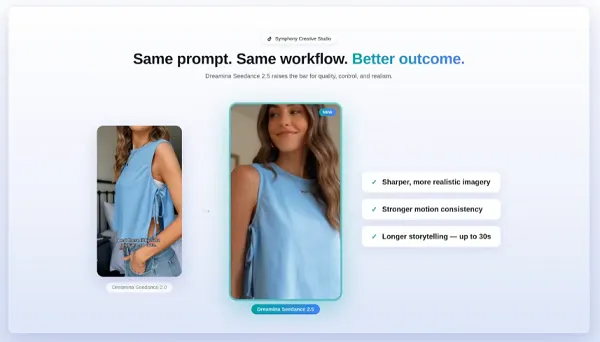
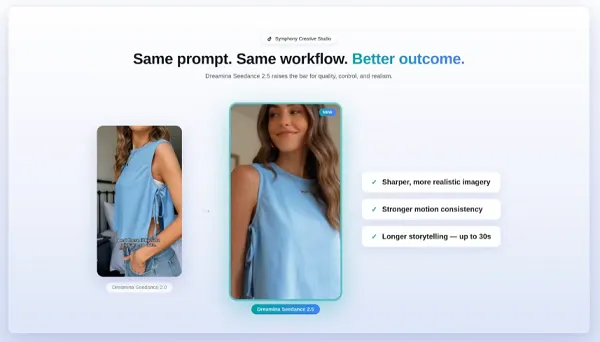
TikTok has significantly enhanced its advertising capabilities by integrating ByteDance’s latest artificial intelligence video generation model, Dreamina Seedance 2.5, empowering advertisers with advanced tools for creating more sophisticated and engaging video ads. This strategic rollout aims to facilitate the generation of higher-quality, longer, and more dynamic video clips specifically tailored for the highly visual and fast-paced TikTok audience. The announcement, made on Monday, underscores TikTok’s commitment to leveraging cutting-edge AI to streamline content creation for brands, positioning it as a frontrunner in AI-powered advertising solutions. However, this move also arrives amidst a burgeoning wave of user backlash against pervasive AI-generated content, commonly dubbed "AI slop," presenting a complex balancing act for the social media giant.
The Evolution of AI in Digital Advertising
The adoption of artificial intelligence in digital advertising has been a transformative force over the past decade, initially focusing on data analytics, audience targeting, and campaign optimization. With the advent of generative AI, the industry has witnessed a paradigm shift, moving beyond mere analysis to the actual creation of content. Text generation tools have revolutionized copywriting, while AI image generators have provided scalable visual assets. The frontier is now firmly in video generation, a domain particularly critical for platforms like TikTok, where video is the primary medium of communication and engagement.
Advertisers on platforms such as TikTok face immense pressure to produce a constant stream of fresh, high-quality, and highly engaging video content to capture fleeting user attention. Traditional video production can be time-consuming, expensive, and resource-intensive, often creating a bottleneck for brands seeking to execute agile and personalized marketing campaigns. Generative AI offers a compelling solution to these challenges, promising to drastically reduce production cycles, lower costs, and enable unprecedented levels of creative experimentation and personalization at scale. This drive for efficiency and innovation is a key motivator behind TikTok’s integration of advanced AI models like Dreamina Seedance 2.5.
Unpacking Dreamina Seedance 2.5: A Deep Dive into New Features
The Dreamina Seedance 2.5 model represents a significant leap forward from its predecessors, particularly Dreamina 2.0, which TikTok integrated in April. The enhancements are designed to address key limitations in earlier AI video generation tools, focusing on narrative depth, creative control, and visual fidelity.
One of the most notable upgrades is the extended storytelling canvas, allowing advertisers to generate video clips up to 30 seconds in length, doubling the previous 15-second limit. This expansion is critical for advertisers who wish to craft more comprehensive narratives, showcase product features in greater detail, or deliver more nuanced brand messages. A 30-second format opens up possibilities for mini-stories, before-and-after transformations, or detailed demonstrations that were previously constrained by shorter durations, ultimately enabling richer and more persuasive ad content.
Furthermore, Dreamina Seedance 2.5 introduces enhanced creative control through a vastly expanded capacity for multi-modal references. Advertisers can now upload up to 50 references, encompassing images, video clips, and audio tracks, a substantial increase from the previous limit of just nine. This feature is pivotal for refining the AI’s output, allowing brands to guide the generation process with much greater precision. By providing a wider array of visual and auditory cues, advertisers can ensure that the AI-generated content aligns more closely with their brand guidelines, desired aesthetic, and specific campaign objectives. This significantly reduces the likelihood of the AI "hallucinating" or producing off-brand elements, leading to more targeted and brand-consistent outcomes.
The model also boasts improvements in visual fidelity and consistency. TikTok asserts that Dreamina Seedance 2.5 can generate "sharper, more realistic imagery" with a stronger preservation of lighting, motion, and character consistency throughout a video. Maintaining consistent lighting, smooth motion, and recognizable characters or product representations across different scenes in an AI-generated video has been a persistent challenge for earlier models. This advancement is crucial for creating professional-looking advertisements that feel cohesive and credible, preventing visual discrepancies that could detract from the ad’s message or brand perception. For instance, an AI-generated character advertising a product will now maintain consistent facial features and attire across multiple shots, lending greater believability to the narrative.
Finally, the new model demonstrates an advanced understanding of product context, proportions, and scene composition. This intelligent comprehension allows the AI to execute more ambitious creative ideas with a "stronger finish," as TikTok describes. For advertisers, this means the AI can intelligently place products within a scene, maintain realistic proportions, and compose shots in an aesthetically pleasing and contextually appropriate manner. This level of sophistication enables brands to envision and realize complex ad scenarios that might otherwise require extensive manual production, from showcasing a product in diverse environments to demonstrating its utility in various real-world settings.
ByteDance’s Strategic AI Play
The integration of Dreamina Seedance 2.5 into TikTok’s advertising infrastructure is not an isolated event but rather a testament to ByteDance’s broader and aggressive investment in artificial intelligence research and development. ByteDance, TikTok’s parent company, is a global tech giant with significant AI capabilities spanning recommendation algorithms, natural language processing, and computer vision, underpinning many of its successful products beyond TikTok, such as Douyin (the Chinese version of TikTok) and Toutiao (a news and information platform).
Dreamina Seedance is part of TikTok Symphony, a comprehensive suite of AI-powered creative and optimization tools designed to empower advertisers with efficient content creation and campaign management. By embedding advanced generative AI directly into its advertising platform, TikTok aims to streamline the entire ad creation process, from concept to delivery. This strategic move positions TikTok as a formidable competitor in the digital advertising landscape, challenging the dominance of established players like Google and Meta by offering unique, AI-driven solutions tailored for the short-form video economy. The ability to quickly generate high-quality, engaging video ads could attract a wider range of advertisers, particularly small and medium-sized businesses that lack the resources for extensive traditional video production.
The Looming Shadow of "AI Slop" and User Sentiment
While TikTok champions the potential of AI for advertisers, this progressive stance exists in tension with a growing wave of user dissatisfaction across social media platforms regarding AI-generated content. The term "AI slop" has emerged to describe low-quality, unoriginal, and often pervasive content created by artificial intelligence that clogs user feeds. This content often lacks the authenticity, nuance, and genuine human creativity that users crave, leading to feelings of fatigue and annoyance.
The reasons for user rejection are multi-faceted. Many perceive AI-generated content as lacking a soul or genuine human touch, leading to a sense of detachment. The repetitive nature and often uncanny valley aesthetic of early AI outputs can also be off-putting. Furthermore, there are significant concerns about the potential for AI-generated content to spread misinformation, facilitate deepfakes, or dilute the overall quality and authenticity of platform ecosystems. Users increasingly express a desire for real, human-created content, viewing an inundation of synthetic material as a degradation of their online experience.
Industry-Wide Measures Against AI Content Overwhelm
The widespread user backlash against "AI slop" has not gone unnoticed by other major social media platforms, many of whom have initiated measures to mitigate the spread of such content and protect user experience. These actions highlight a growing recognition across the industry that while AI offers powerful tools, its unchecked proliferation can have detrimental effects on platform integrity and user trust.
- Snapchat’s Stance: Just last week, Snapchat announced a significant policy shift, stating it would no longer promote wholly AI-generated content within its Spotlight short video feed. This decision reflects a clear intent to prioritize genuine human creativity and maintain a high-quality content environment for its users. By not featuring purely AI-created material, Snapchat aims to ensure that its discovery feed remains a space for authentic user-generated content, preserving its appeal.
- Pinterest’s Approach: Pinterest has introduced user-facing toggles that allow individuals to reduce the amount of AI-generated content appearing in their feeds and topic recommendations. This empowers users with greater control over their content consumption, enabling them to tailor their experience to their preferences and actively filter out content they deem undesirable.
- Reddit’s Battle Against Spam: Reddit, a platform built on community and user-generated discussions, has consistently battled spam, with reports indicating millions of daily spam views. A significant portion of this spam now includes AI-generated posts and comments, which can disrupt community discussions and degrade the quality of information. Reddit’s efforts focus on enhanced moderation tools and community vigilance to identify and remove such content.
- X (formerly Twitter): Under Elon Musk’s ownership, X has taken a firm stance against misinformation and harmful content, including AI deepfakes. The platform has outlined policies that could lead to demonetization for creators found to be spreading misinformation, particularly in sensitive contexts like war or through the use of AI-generated deceptive media. This reflects a commitment to platform safety and content integrity, recognizing the potential for AI to be misused.
These concerted efforts across the social media landscape underscore a critical turning point: while platforms are eager to embrace AI for innovation, they are also grappling with the imperative to manage its negative externalities, particularly concerning user experience and content authenticity.
TikTok’s Balancing Act: Innovation vs. User Trust
In this evolving landscape, TikTok finds itself in a delicate balancing act. On one hand, it is aggressively pushing the boundaries of AI-powered ad creation to offer unparalleled efficiency and creative possibilities for advertisers. On the other hand, it acknowledges and attempts to address the user backlash against AI-generated content.

TikTok has implemented several pro-user initiatives aimed at fostering transparency and giving users more control. These include comprehensive AI literacy measures designed to educate users about AI-generated content, helping them identify and understand its nature. Furthermore, the app provides users with the explicit option to indicate that they want to see less AI-generated content in their personalized "For You" feeds. These measures are designed to mitigate the feeling of being overwhelmed by synthetic content and to maintain user trust by offering agency.
However, the paradox remains: can TikTok effectively differentiate between high-quality, professionally produced AI-generated ads and the "AI slop" that users are actively trying to avoid? While Dreamina Seedance 2.5 promises "sharper, more realistic imagery," the fundamental issue for many users is the source of the content, not just its aesthetic quality. There is a tangible risk that even highly polished AI-generated advertisements could be perceived as inauthentic or part of the broader "AI slop" phenomenon, potentially leading to a backlash for advertisers who adopt this approach. If users actively choose to see less AI content, even AI-generated ads, regardless of quality, might face reduced visibility or engagement. This presents a complex challenge for TikTok: how to satisfy advertisers’ demand for efficient creative tools while simultaneously preserving the authenticity and human-centric experience that its users cherish.
Implications for Advertisers and the Creator Economy
For advertisers, the integration of Dreamina Seedance 2.5 presents both significant opportunities and critical challenges.
Opportunities:
- Efficiency and Scale: The most immediate benefit is the ability to rapidly generate a high volume of diverse video ads. This allows for extensive A/B testing of different creative concepts, messages, and visual styles, leading to more optimized campaign performance. Brands can personalize campaigns for niche audiences at an unprecedented scale, tailoring messages without the prohibitive costs of traditional production.
- Cost Reduction: By automating significant portions of the video creation process, advertisers can drastically cut down on production costs associated with filming, editing, and talent. This democratizes high-quality video advertising, making it accessible to a wider range of businesses.
- Creative Experimentation: AI tools enable brands to experiment with ambitious and imaginative ideas that might be too costly or complex to produce conventionally. This fosters innovation in ad creative, allowing brands to explore new storytelling formats and visual aesthetics.
Challenges and Considerations:
- Authenticity Dilemma: Advertisers must carefully navigate the authenticity tightrope. While AI offers efficiency, brands risk alienating consumers if their ads are perceived as soulless or inauthentic. Striking a balance between AI efficiency and maintaining a genuine human touch or brand voice will be paramount.
- Ethical Use and Disclosure: The ethical implications of AI-generated content are growing. Advertisers may face pressure, or even regulatory requirements, to clearly disclose when content has been AI-generated. Transparency will be key to building and maintaining consumer trust.
- Brand Safety: Despite advancements, AI models can still produce unexpected or undesirable outputs. Advertisers must implement robust review processes to ensure that AI-generated content aligns perfectly with brand values and avoids any inadvertent creation of controversial, misleading, or inappropriate material.
The impact on the human creator economy is also a critical consideration. While some fear displacement, others foresee new roles emerging in AI prompting, refinement, and oversight. Human creatives may transition from direct content creation to becoming "AI whisperers," guiding models to produce bespoke and highly nuanced outputs, thus shifting the skill set required in the creative industry.
Market Rollout and Future Outlook
TikTok has confirmed that the Dreamina Seedance model is currently being rolled out to select paid advertisers in specific markets. This phased approach allows TikTok to gather feedback, refine the model’s performance, and understand user and advertiser reception before a broader launch.
Looking ahead, TikTok’s AI strategy is likely to continue evolving rapidly. Further iterations of Dreamina Seedance could introduce even greater realism, more advanced interactive elements, or deeper integration with other parts of the TikTok ecosystem. The platform will also need to continually adapt its user-facing policies and tools to manage the influx of AI content, potentially refining its algorithms to better distinguish between valuable AI-assisted content and unwanted "slop."
The broader regulatory landscape for AI content is also in its nascent stages but is rapidly developing. Governments worldwide are exploring frameworks for AI ethics, transparency, and accountability. These regulations could eventually influence how platforms like TikTok and their advertisers utilize AI, particularly concerning disclosure requirements and potential liabilities for AI-generated misinformation. The long-term impact of these powerful AI tools on digital advertising, user expectations, and the very nature of platform content will continue to be a defining narrative in the years to come.