

The landscape of digital communication is undergoing a significant transformation, with businesses of all sizes re-evaluating their core operational tools to meet escalating demands for scalability, performance, enhanced collaboration, and stringent compliance. In this evolving environment, a growing number of companies are strategically choosing to migrate their email marketing and transactional email operations from established platforms like Mailchimp to more specialized solutions such as Sinch Mailjet. This shift is not merely about feature comparison but represents a broader strategic move towards platforms better equipped to support complex team structures, high-volume sending requirements, and advanced deliverability protocols. This guide explores the compelling reasons driving this migration trend and provides a detailed, step-by-step methodology for a seamless transition of contacts, email templates, and essential data from Mailchimp to Sinch Mailjet.
The Evolving Ecosystem of Email Service Providers

Email remains a cornerstone of digital strategy, powering everything from marketing campaigns to critical transactional communications. However, the demands placed on Email Service Providers (ESPs) have grown exponentially. What began as a tool for simple newsletters has matured into a sophisticated ecosystem requiring robust infrastructure, intelligent automation, deep analytics, and global compliance adherence. Platforms that once served as adequate starting points for small to medium-sized businesses (SMBs) may encounter limitations as enterprises scale their operations, expand their global reach, or require more granular control over their email infrastructure.
Mailchimp, long a dominant player, particularly in the SMB space, built its reputation on user-friendliness and accessible features. However, as businesses grow, their needs often extend beyond foundational marketing automation. They begin to require solutions that offer more competitive pricing at higher volumes, greater flexibility for API integrations, dedicated IP options, advanced multi-user management, and a stronger focus on the deliverability of both marketing and mission-critical transactional emails. This is where platforms like Sinch Mailjet, part of the global communications giant Sinch, present a compelling alternative, positioning themselves for businesses that prioritize enterprise-grade reliability and performance.
Key Drivers Behind the Migration Trend
The decision to migrate from one email platform to another is often driven by a confluence of factors, reflecting a strategic alignment with long-term business objectives. For companies transitioning to Sinch Mailjet, several recurring themes emerge:
- Scalability and High-Volume Sending: As businesses expand, their email volumes can surge dramatically. Mailjet is engineered to handle massive sending volumes efficiently, offering high throughput and robust infrastructure crucial for consistent performance without degradation. This ensures that even during peak periods, marketing campaigns and transactional emails reach their intended recipients promptly.
- Enhanced Deliverability and Reputation Management: Maintaining a strong sender reputation and achieving high inbox placement rates are paramount. Sinch Mailjet provides advanced tools for deliverability monitoring, dedicated IP options, and expert guidance to optimize sender reputation. Its infrastructure is designed to navigate complex spam filters and comply with evolving ISP requirements, which is critical for businesses sending large volumes or sensitive communications.
- Cost-Effectiveness at Scale: While initial pricing models may appear similar, the cost of email services can escalate significantly with growing contact lists and sending volumes. Businesses often find Mailjet’s pricing more transparent and competitive for high-volume senders, allowing for predictable budgeting as their email program expands without incurring disproportionately high costs.
- Advanced Collaboration Features for Teams: Larger organizations typically involve multiple teams and individuals in email creation and management. Mailjet offers robust collaboration tools, including granular user roles, sub-accounts, and template locking, enabling efficient teamwork and ensuring brand consistency across all communications. This streamlines workflows and reduces the risk of errors in multi-user environments.
- Focus on Both Marketing and Transactional Email: Many businesses require a unified platform that expertly handles both marketing campaigns and critical transactional emails (e.g., order confirmations, password resets, account notifications). Mailjet’s dual focus and robust API make it a powerful choice for integrating these diverse email types, providing consistent performance and reporting across the board.
- Compliance and Security: With increasing global data privacy regulations (e.g., GDPR, CCPA), compliance is non-negotiable. Mailjet’s infrastructure and practices are built with these regulations in mind, offering features and assurances that help businesses meet their legal obligations, protecting both the company and its subscribers.
- API Flexibility and Integration Capabilities: For businesses with custom needs or complex tech stacks, Mailjet’s comprehensive API offers superior flexibility for deep integrations with CRM systems, e-commerce platforms, and other business applications, allowing for highly customized and automated email workflows.
These drivers underscore a strategic pivot by businesses seeking a more powerful, flexible, and cost-efficient email platform as they navigate growth and increasing complexity.
The Migration Blueprint: A Phased Approach to Transition
Migrating an email platform requires careful planning and execution to ensure data integrity, maintain business continuity, and preserve sender reputation. The process, while involving distinct technical steps, is best approached as a phased strategic initiative.
Phase 1: Pre-Migration Strategy and Data Assessment (Chronology: Before Technical Steps)
Before initiating any technical migration, businesses are advised to conduct a thorough audit of their current email strategy and data. This includes:

- Audience Segmentation Review: Understand existing Mailchimp audience structures and how they will map to Mailjet contact lists.
- Template Inventory: Identify all active email templates and assess their complexity and portability.
- Historical Data Needs: Determine which reporting metrics are critical to archive for future analysis.
- Stakeholder Communication: Inform relevant teams about the migration timeline and its implications.
- Data Cleaning: This is an opportune moment to clean contact lists, removing inactive subscribers or duplicates to improve list hygiene and reduce future sending costs.
Phase 2: Migrating Contact Lists for Seamless Continuity (Chronology: First Technical Step)
The most critical component of any email platform migration is the transfer of subscriber data. Maintaining the integrity of contact lists, including opt-in status and personalized attributes, is paramount for compliance and effective communication.
-
Exporting Contacts from Mailchimp:
- Access your Mailchimp account.
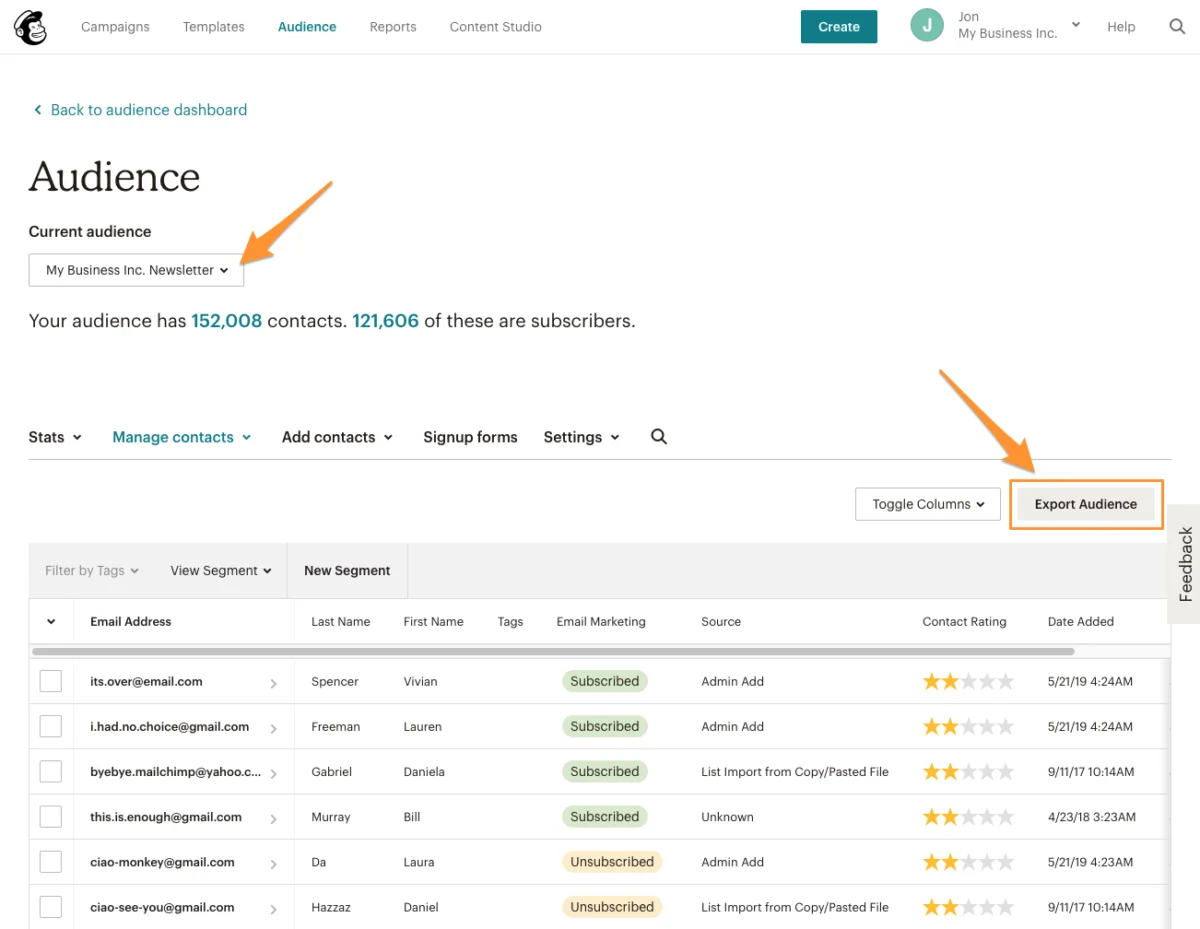
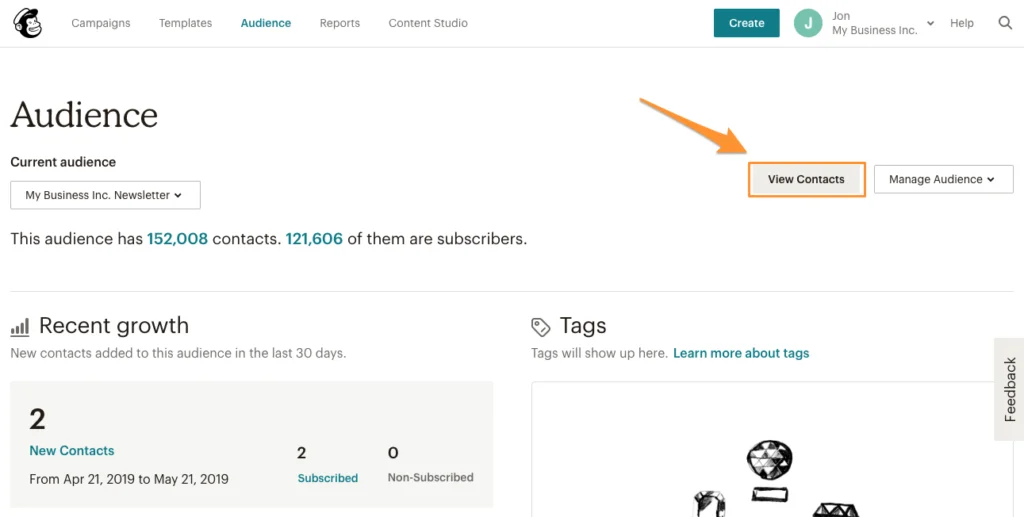
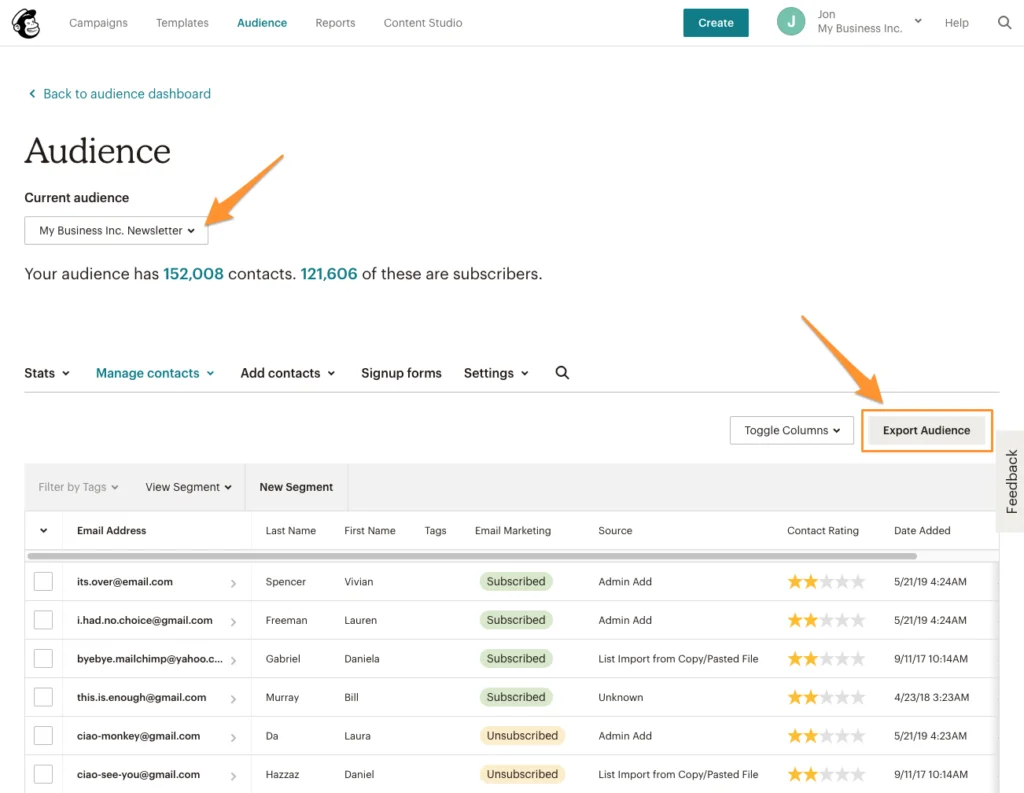
- Navigate to the "Audience" section, then select "View Contacts." This interface provides an overview of your subscriber base.
- Locate and click the "Export Audience" button. It is crucial to repeat this process for every distinct audience (contact list) you maintain in Mailchimp, as each will generate a separate export file. This ensures no segment of your subscriber base is overlooked.
- Download the generated CSV file(s). These files are typically compressed, so you will need to unzip them to access the individual
subscribed_members.csvandunsubscribed_members.csvfiles. These contain the core data of your active and opted-out subscribers, respectively.
-
Importing Contacts to Sinch Mailjet:
- Log in to your Sinch Mailjet account.
- From the main menu, navigate to "Contacts" and then "Contact Lists."
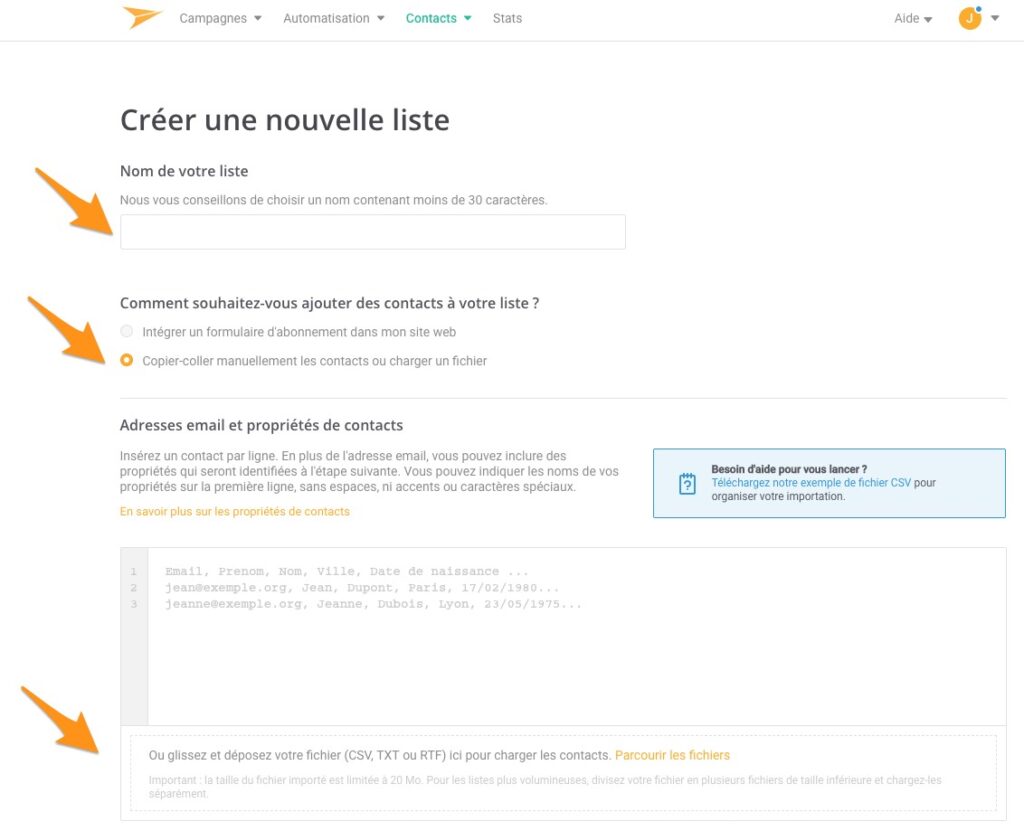
- Select "Create a new list." Provide a descriptive name for your new list, ideally mirroring the original Mailchimp audience name for clarity.
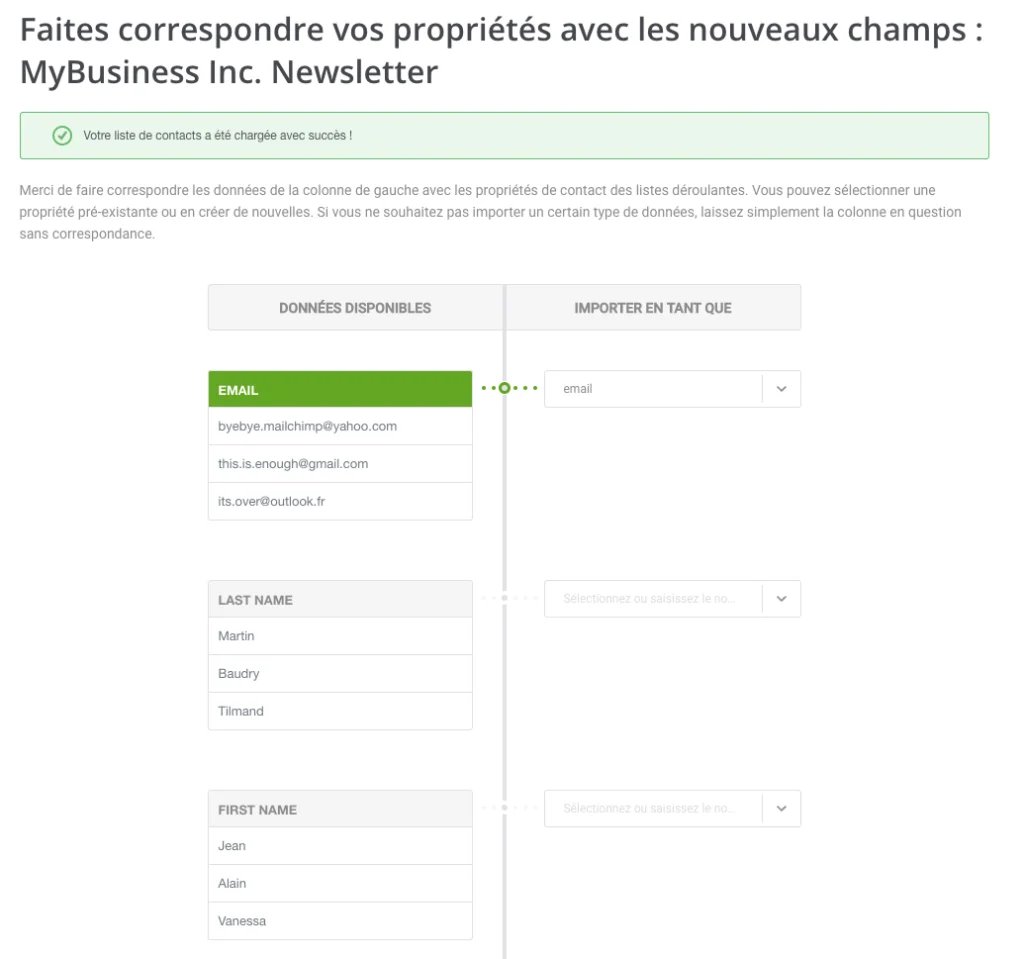
- Choose the option to "Paste contacts manually or upload a file," and then upload the
subscribed_members.csvfile obtained from Mailchimp. - Field Mapping: Mailjet will prompt you to map the fields from your CSV file (e.g., "Email Address," "First Name," "Last Name," "Company," "Birthday") to corresponding contact properties within Mailjet. This step is vital for ensuring all your contact attributes are correctly transferred, allowing for advanced segmentation and personalization in future campaigns. Once mapping is complete, click "Save and continue."
-
Importing Unsubscribed Contacts for Compliance:
- This step is critically important for maintaining compliance with anti-spam regulations and respecting subscriber preferences. Failing to import unsubscribed contacts can lead to sending emails to individuals who have opted out, potentially damaging your sender reputation and incurring legal penalties.
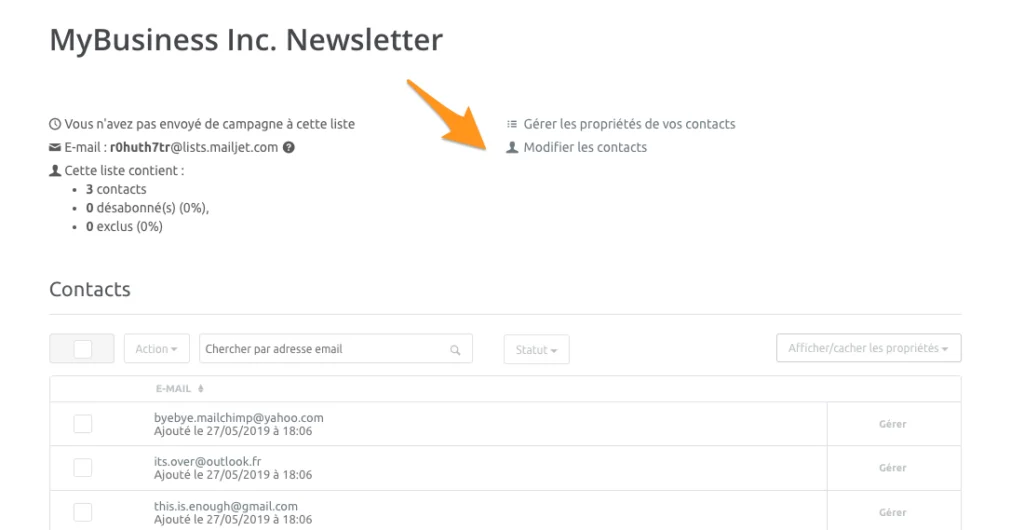
- After importing your active subscribers, within the newly created Mailjet contact list, click "Manage contacts" or an equivalent option to modify the list.
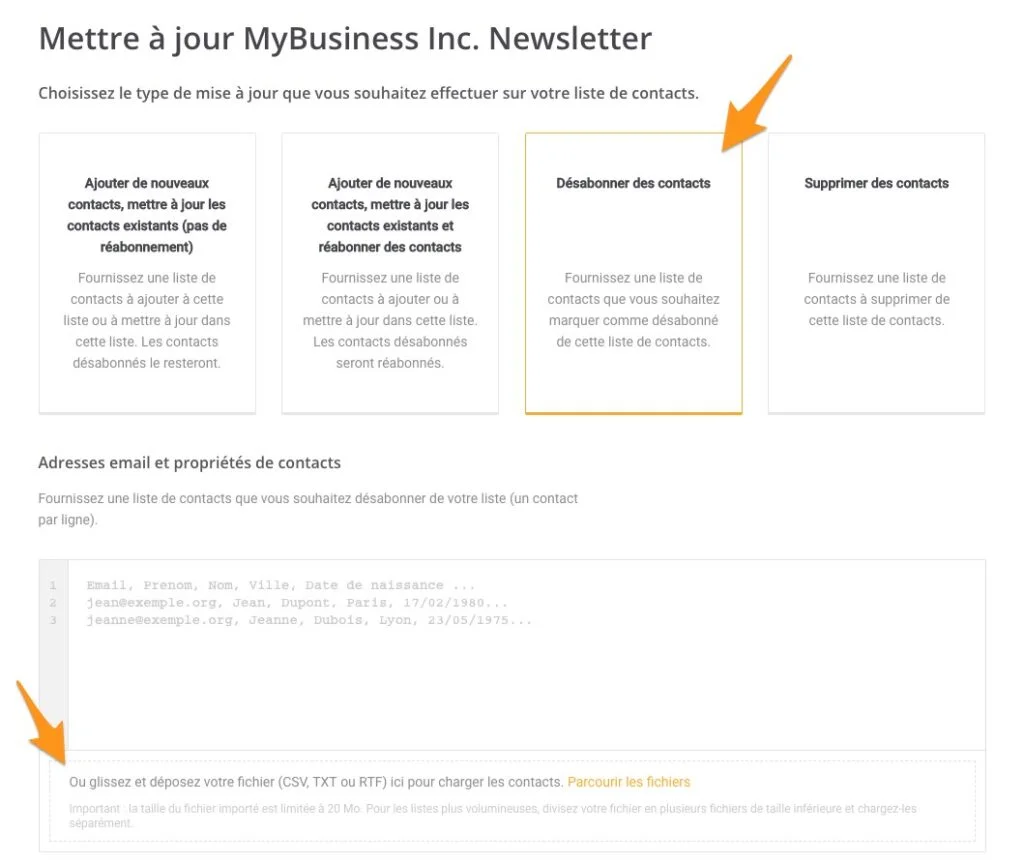
- Select "Unsubscribe contacts" as the update type.
- Drag and drop the
unsubscribed_members.csvfile into the designated upload area. Again, if necessary, map any relevant fields before proceeding. Mailjet will then process this file, ensuring that these contacts are marked as unsubscribed within your new list, preventing accidental re-engagement.
Phase 3: Transitioning Email Templates and Brand Identity (Chronology: Second Technical Step)
While a direct, editable export of Mailchimp templates into Mailjet’s drag-and-drop editor isn’t feasible due to underlying platform differences, businesses have effective workarounds to preserve their brand identity.
-
Exporting Templates from Mailchimp:
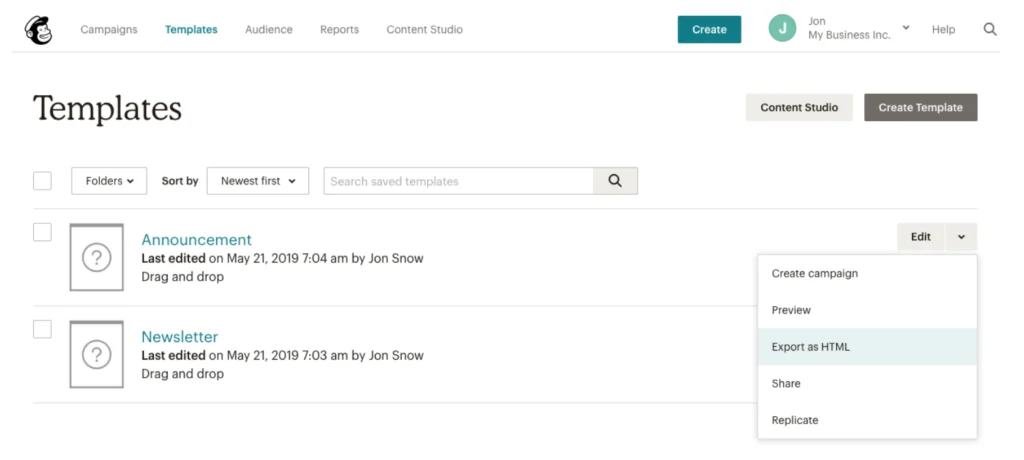
- In your Mailchimp account, go to the "Templates" section.
- For each template you wish to transfer, locate the "Export as HTML" option within its dropdown menu. This will download the raw HTML code of your email design.
-
Importing Templates to Sinch Mailjet:
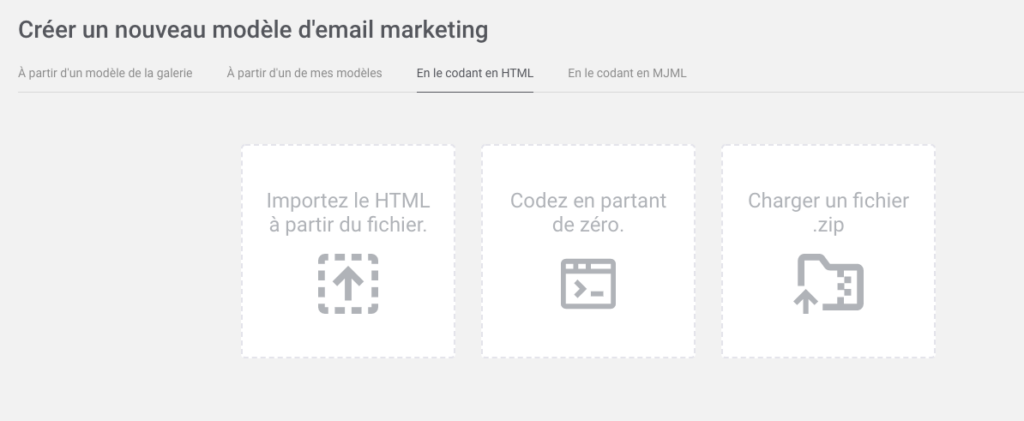
- In your Sinch Mailjet account, navigate to "Campaigns" and select "Create a new template."
- Choose the option "Code it in HTML." This will allow you to either paste raw HTML or upload an HTML file.
- Upload the HTML file you exported from Mailchimp.
- Refinement and Testing: While the HTML import will replicate the design, it is highly recommended to review and test these templates thoroughly within Mailjet’s environment. Ensure all links, images, and responsive elements function correctly. This is also an opportunity to optimize the HTML for Mailjet’s specific rendering engine or to integrate Mailjet’s personalization variables. Alternatively, some businesses opt to rebuild their most critical templates using Mailjet’s intuitive Email Editor, leveraging its modern design capabilities and ensuring full compatibility with the platform’s features.
Phase 4: Preserving Historical Performance Data (Chronology: Third Technical Step)
Direct transfer of historical reporting data from Mailchimp to Sinch Mailjet is not possible due to differences in data structures and analytical frameworks. However, archiving this data is crucial for historical context and future strategic planning.
- Exporting Reports from Mailchimp:
- In your Mailchimp account, go to the "Reports" section.
- Look for an option like "Download All Reports." This will typically export a comprehensive set of performance metrics for your past campaigns, including open rates, click-through rates, bounces, and unsubscribes.
- Store these downloaded reports securely. This historical data serves as a valuable benchmark for evaluating the performance of future campaigns launched from Sinch Mailjet and for demonstrating the long-term return on investment (ROI) of your email marketing efforts.
Phase 5: Post-Migration Configuration and Optimization (Chronology: Finalization and Go-Live)
With contacts and templates migrated, the final steps involve configuring your sending infrastructure within Mailjet to ensure optimal deliverability and full utilization of the new platform.
- Domain Validation: Validate your sending domains within Mailjet. This confirms to Mailjet that you are authorized to send emails from your domain, a critical step for security and reputation.
- Authentication Records (SPF, DKIM, DMARC): Configure Sender Policy Framework (SPF), DomainKeys Identified Mail (DKIM), and Domain-based Message Authentication, Reporting, and Conformance (DMARC) records for your domains. These DNS records are essential for email authentication, proving to recipient mail servers that your emails are legitimate and reducing the likelihood of them being marked as spam or phishing attempts. Proper configuration significantly enhances deliverability and protects your brand reputation.
- IP Warm-up (if applicable): If you are using new dedicated IP addresses with Mailjet, a gradual "IP warm-up" process is necessary. This involves slowly increasing your sending volume over time to build a positive sending reputation with Internet Service Providers (ISPs). Mailjet provides guidance and tools to facilitate this process.
- API Key Generation: Generate new API keys within Mailjet for any integrations you plan to establish with your CRM, e-commerce platform, or other systems.
Implications for Businesses and the Broader ESP Market
The trend of businesses migrating from platforms like Mailchimp to Sinch Mailjet carries significant implications for both the migrating companies and the competitive landscape of the Email Service Provider market.
For businesses, this migration represents a strategic commitment to optimizing their communication infrastructure. It signifies a move towards greater control over deliverability, enhanced automation capabilities, and potentially more favorable cost structures as they scale. The ability to leverage advanced features for collaboration, detailed analytics, and robust API integrations allows these companies to execute more sophisticated and effective email marketing and transactional strategies, ultimately driving better engagement and higher ROI. This strategic choice is often indicative of a business maturing beyond basic email marketing, requiring tools that can support complex growth trajectories and diverse communication needs.
For Mailchimp, this trend highlights the intense competition within the ESP market. While Mailchimp remains a formidable player, particularly for small businesses and startups, the migrations underscore that its value proposition may not perfectly align with the evolving demands of larger, more complex enterprises. It serves as a reminder that even dominant platforms must continually innovate and adapt to retain customers as their needs grow and diversify.
For Sinch Mailjet, these migrations reinforce its position as a compelling alternative for scaling businesses. As part of Sinch, a global leader in cloud communications for customer engagement, Mailjet benefits from a broader portfolio of communication solutions and robust infrastructure. This trend validates Sinch’s strategy to provide enterprise-grade email solutions that cater to the performance, scalability, and compliance requirements of modern businesses, cementing its role as a key player in the competitive communications platform as a service (CPaaS) market.
In conclusion, the decision to migrate to Sinch Mailjet is a strategic one, driven by the imperative for businesses to align their email infrastructure with their growth ambitions. By following a structured migration plan, companies can seamlessly transition their vital email operations, unlocking enhanced capabilities for deliverability, collaboration, and scalability, ultimately empowering them to achieve greater success in their digital communication endeavors.
Ready to harness the full potential of an enterprise-grade email platform?
✉️ Create your free Sinch Mailjet account and explore how its robust features can support your business growth.
✉️ Discover a detailed comparison of Sinch Mailjet versus Mailchimp to understand the specific advantages for your evolving needs.








