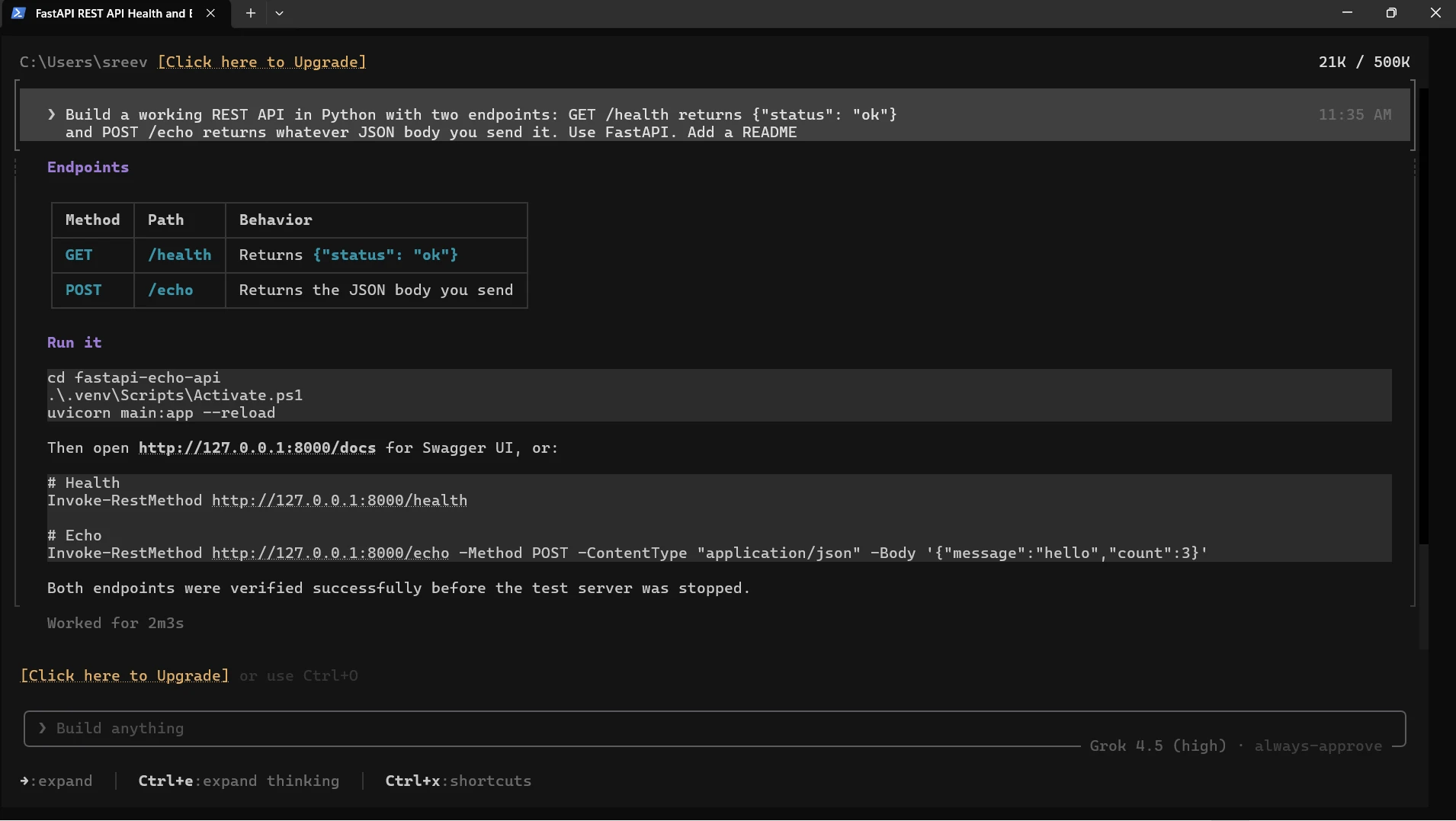
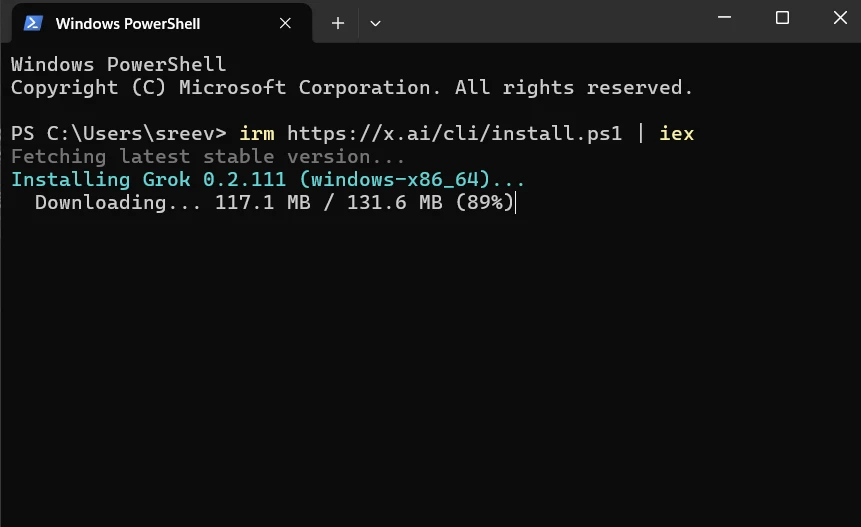
The landscape of software development underwent a fundamental shift in mid-2026 as terminal-native artificial intelligence agents moved from experimental curiosities to essential components of the professional workflow. For over a year, Anthropic’s Claude Code remained the dominant force in this sector, praised for its deep reasoning and massive context handling. However, the arrival of xAI’s Grok Build CLI in beta on May 14, 2026, has introduced a significant rival, forcing a re-evaluation of how AI should interact with a developer’s codebase. While both tools aim to automate complex coding tasks through natural language interfaces, they represent two distinct architectural philosophies: the centralized, deep reasoning of Claude versus the decentralized, parallelized "Arena" approach of Grok.
The Evolution of Terminal-Native Agents
The transition from web-based AI chat interfaces to terminal-native agents represents the "third wave" of AI-assisted programming. The first wave was simple code completion (GitHub Copilot); the second was chat-based code generation (ChatGPT, Claude.ai). The current era, defined by agents like Claude Code and Grok Build, involves tools that possess "agency"—the ability to read local file systems, execute shell commands, run tests, and iterate on errors without constant human intervention.
Claude Code, which matured throughout 2025, established the gold standard for this category by integrating directly with the Model Context Protocol (MCP). This allowed the agent to not only write code but also interact with external documentation and databases. xAI’s entry into this market with Grok Build signals a move toward high-velocity development, utilizing the massive compute resources available to the X ecosystem to provide a multi-agent experience that prioritizes speed and variety of solutions over a single linear path.
Architectural Divergence: Depth vs. Parallelism
The primary differentiator between these two platforms lies in their underlying architecture. Claude Code operates on a "single-agent, deep reasoning" model. Built primarily on the Claude 3.5 and 4.0 Sonnet and Opus variants, it utilizes a context window of up to 1 million tokens. This allows Claude to "ingest" an entire large-scale repository, maintaining a holistic understanding of how a change in a utility function might affect a distant API endpoint. Before executing any change, Claude Code generates a comprehensive plan, requiring a single approval gate from the developer.
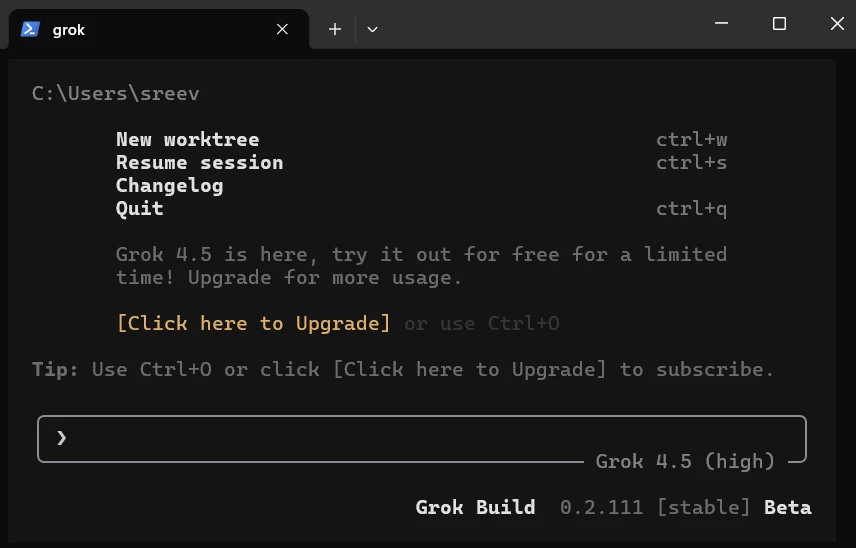
In contrast, Grok Build CLI is built on the philosophy of parallelism. Rather than relying on one agent to find the perfect solution, Grok Build can spin up to eight subagents simultaneously. This is most evident in its "Arena Mode," where multiple agents compete to solve the same task independently. This approach mirrors the "mixture of experts" or "multi-agent orchestration" patterns that have become popular in high-end AI research. By providing the developer with multiple competing implementations, Grok allows for a selection process based on specific project constraints, such as performance versus readability.
Chronology of Key Developments in 2026
The rivalry between Anthropic and xAI intensified rapidly in the second quarter of 2026:
- May 14, 2026: xAI officially releases Grok Build in beta, targeting X Premium Plus and SuperGrok subscribers. The initial release uses the
grok-code-fast-1model. - May 15, 2026: Only 24 hours after launch, xAI deprecates the
grok-code-fast-1model in favor of an optimized architecture. - May 20, 2026: xAI rolls out
grok-build-0.1, a model purpose-built for the CLI environment, featuring improved image processing for UI/UX coding tasks. - June 2026: Anthropic responds with enhanced MCP integrations for Claude Code, allowing it to interface more effectively with enterprise CI/CD pipelines.
Benchmarking and Performance Metrics
When evaluating these tools, the industry-standard benchmark is SWE-bench Verified, which measures an agent’s ability to resolve real-world GitHub issues. As of mid-2026, the performance gap remains notable.
Claude Code, utilizing the Opus 4.7 model, currently holds an 87.6% success rate on SWE-bench Verified. This high score is attributed to its 1-million-token context window, which prevents the "forgetting" or "hallucination" issues often seen when agents handle large codebases.
Grok Build CLI’s most recent published benchmark stands at 70.8%. However, it is critical to note that this figure was generated using the now-deprecated grok-code-fast-1 model. While xAI has not yet released verified figures for grok-build-0.1, early internal reports suggest the gap is closing, particularly in tasks involving greenfield feature development where Grok’s parallel architecture can explore more "solution space" than a single-pass model.
Features and Workflow Integration
Grok Build has introduced a unique feature known as "Skills." These are versioned instruction bundles that can be invoked via slash commands. For example, a team could create a /standardize-tests skill that contains the entire behavioral specification for the project’s testing suite. These skills are stored within the repository, ensuring that every developer using the CLI follows the same AI-assisted workflows.
Claude Code counters this with its mature integration into the Model Context Protocol (MCP). This allows developers to connect Claude to their internal company wikis, Jira tickets, and Slack logs. When a developer asks Claude to "fix the bug reported in ticket #402," Claude can actually read the ticket, find the relevant code, and suggest a fix based on the historical context provided by the MCP connection.
Economic and Access Models
The two tools cater to different economic tiers within the developer community. Claude Code follows a more traditional SaaS model, offering a usage-limited free tier and a Pro plan for individuals, while enterprise costs are calculated based on API token consumption. This "pay-as-you-go" approach is generally preferred by independent contractors and small startups.
Grok Build requires a more significant upfront investment. Access is tied to the "SuperGrok" subscription, priced at $299 per month, or an X Premium Plus subscription combined with API costs. The API pricing is competitive—$1.00 per million input tokens and $2.00 per million output tokens—but the high subscription barrier suggests xAI is targeting high-end professional developers and enterprise teams who value the time saved by parallel execution over a lower monthly overhead.
Comparative Analysis of Use Cases
Testing both agents on identical tasks reveals specific strengths and weaknesses:
1. Large-Scale Refactoring:
In tasks requiring the refactoring of legacy code (e.g., converting a large Express app to use async/await), Claude Code’s deep reasoning is superior. Its ability to maintain a 1M token window ensures that it does not miss edge cases in complex logic flows. Grok Build, with a 256K context window, occasionally struggles with very large files, leading to truncated outputs or missed references in deep directory structures.
2. New Feature Implementation:
When building new features from scratch, such as adding a password reset flow with email integration, Grok Build’s parallel agents shine. By assigning one subagent to the database logic, one to the API endpoints, and one to the email service, Grok can often deliver a working prototype faster than Claude’s sequential planning process.
3. Debugging Intermittent Errors:
For "Heisenbugs"—errors that are difficult to reproduce—Claude Code remains the preferred tool. Its thorough root-cause analysis and tendency to produce detailed explanations help developers understand why a bug exists, rather than just providing a patch. Grok’s Arena Mode can sometimes produce "noise" in these scenarios, offering multiple fixes that may address the symptoms without resolving the underlying architectural flaw.
Implications for the Software Engineering Industry
The competition between Anthropic and xAI is accelerating the "agentization" of the developer’s toolkit. Industry analysts suggest that by 2027, the role of a "Senior Developer" will shift from writing code to "orchestrating agents."
The broader impact of these tools is twofold. First, they significantly lower the barrier to entry for complex full-stack development, as the agents handle the boilerplate and architectural "heavy lifting." Second, they raise the bar for code quality and security. With agents capable of running thousands of tests in seconds, the expectation for "bug-free" deployments is becoming the new standard.
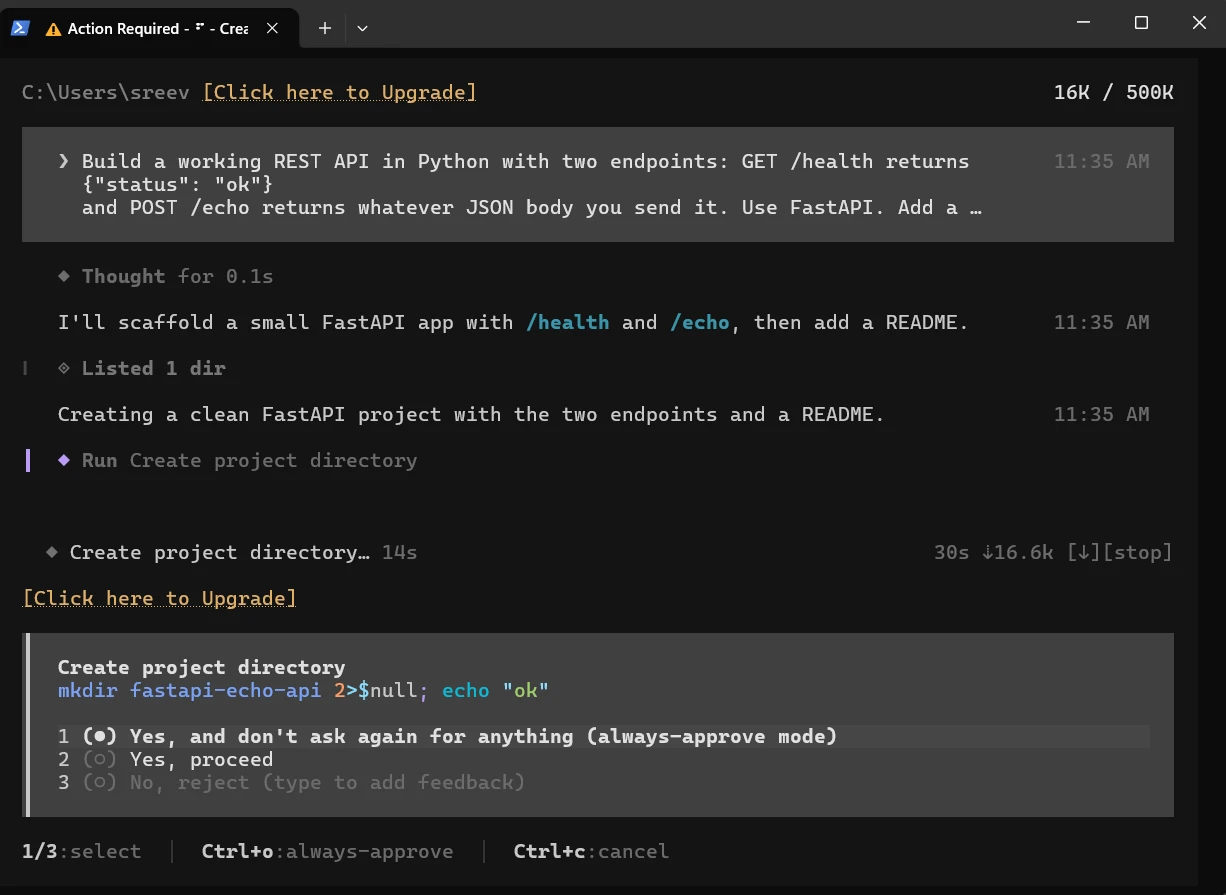
However, the "black box" nature of these agents remains a concern for some security-conscious organizations. While both Claude and Grok offer local execution, the actual "thinking" happens on remote servers, necessitating robust data privacy agreements and local-first alternatives which are currently being developed by the open-source community (e.g., OpenDevin and Aider).
Conclusion and Outlook
As of the second half of 2026, the choice between Claude Code and Grok Build CLI depends largely on the developer’s specific needs. Claude Code is the refined, reliable veteran—ideal for maintaining large, complex production systems where precision is paramount. Grok Build CLI is the high-energy challenger—perfect for rapid prototyping, greenfield projects, and teams that want to explore multiple creative solutions simultaneously through its Arena Mode.
The rapid iteration cycle of xAI, which saw two model updates within the first week of Grok Build’s launch, suggests that the performance gap with Claude may continue to shrink. For the professional developer, the most effective strategy currently involves a hybrid approach: utilizing Claude’s deep reasoning for architectural integrity and Grok’s parallel subagents for high-speed feature expansion. As these tools continue to evolve, the terminal will remain the central battleground for the future of AI-assisted engineering.