


The digital marketplace has reached a level of saturation where simply driving traffic to a website is no longer a guarantee of financial viability. As customer acquisition costs (CAC) continue to rise—increasing by an estimated 60% over the last five years—the focus for e-commerce enterprises has shifted toward maximizing the value of existing traffic. A common misconception within the industry is that a conversion rate optimization (CRO) audit is a reactive measure, reserved only for periods of declining sales or high cart abandonment. However, modern digital strategy dictates that a CRO audit is more akin to a proactive health check-up, essential for maintaining the competitive edge and operational efficiency of an online storefront.
A CRO audit is a comprehensive diagnostic process that examines the various components of a website to identify barriers to conversion. By analyzing product pages, checkout flows, site navigation, and technical performance, businesses can uncover hidden revenue opportunities and refine the user experience. Industry experts suggest that regular audits prevent "money being left on the table" by ensuring that the conversion strategy evolves alongside changing consumer behaviors and technological standards.
The Quantitative Foundation: Measuring User Behavior
The initial phase of a professional CRO audit relies on quantitative data—the empirical "what" of user behavior. Before implementing design changes, analysts must understand where users are dropping off and the financial magnitude of those exits. This data-driven approach removes guesswork from the optimization process.
Analytics Configuration and GA4 Integration
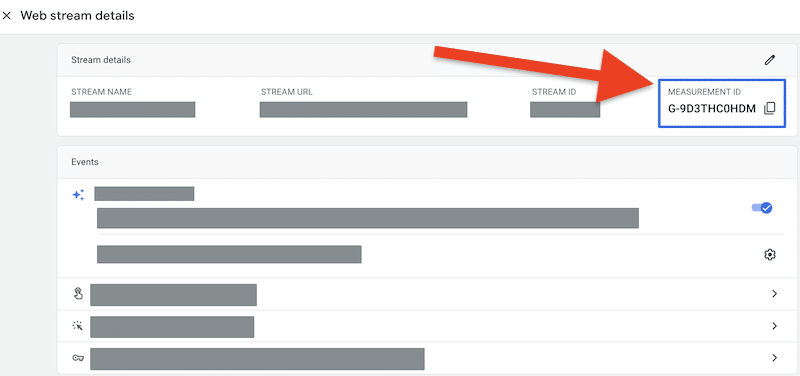
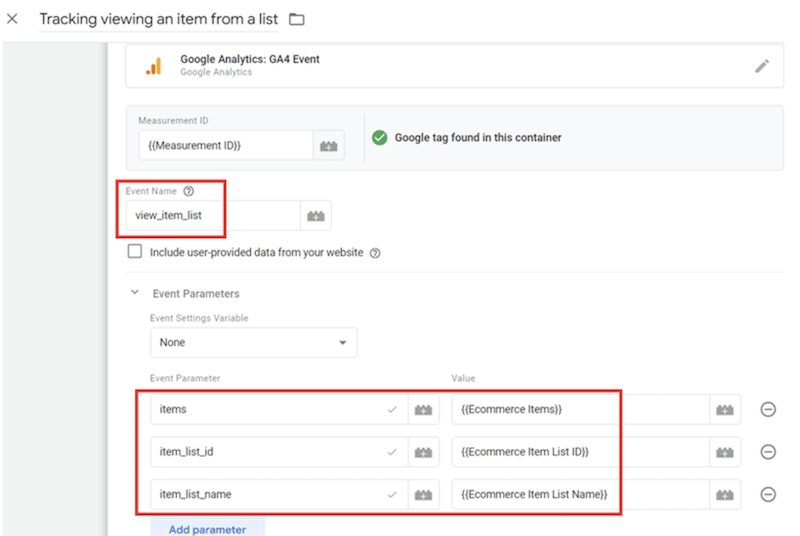
The transition to Google Analytics 4 (GA4) has redefined how e-commerce entities track the shopping journey. Unlike previous iterations, GA4 is event-based, requiring specific configurations to capture the nuances of the "path to purchase." A standard audit ensures that four critical events are being tracked with precision:
- view_item: Tracking when a user views a specific product.
- add_to_cart: Monitoring the intent to purchase.
- begin_checkout: Identifying the transition from browsing to the transaction phase.
- purchase: Confirming the successful completion of a sale.
By analyzing the ratios between these events, businesses can pinpoint specific points of friction. For instance, a high volume of view_item events coupled with low add_to_cart numbers suggests an issue with product presentation or pricing. Conversely, a drop-off between begin_checkout and purchase typically indicates technical hurdles or unexpected costs in the final steps.
Technical Performance and Core Web Vitals
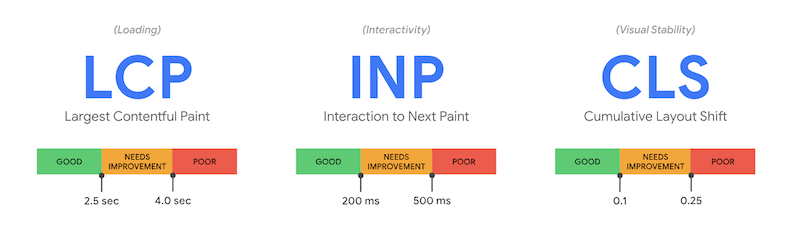
The technical integrity of a website is a primary driver of conversion. Google’s Core Web Vitals have established a benchmark for what constitutes a high-performing site. Analysts focus on three specific metrics:
- Largest Contentful Paint (LCP): Measures loading performance. A target of 2.5 seconds or less is required for a good user experience.
- Interaction to Next Paint (INP): Assesses responsiveness. This metric tracks how quickly a page reacts to user inputs like clicks or key presses.
- Cumulative Layout Shift (CLS): Evaluates visual stability. A low CLS score ensures that page elements do not move unexpectedly, which can lead to accidental clicks and user frustration.
Data indicates that even a one-second delay in mobile load times can impact conversion rates by up to 20%. Therefore, the quantitative portion of the audit must include a rigorous assessment of these vitals across various devices and browsers.
Qualitative Insights: Understanding the Human Element
While quantitative data reveals where users leave, qualitative insights explain why they leave. This phase of the audit focuses on the human experience, utilizing tools that capture the thoughts, frustrations, and motivations of the visitor.
Visualizing Behavior through Heatmaps and Replays
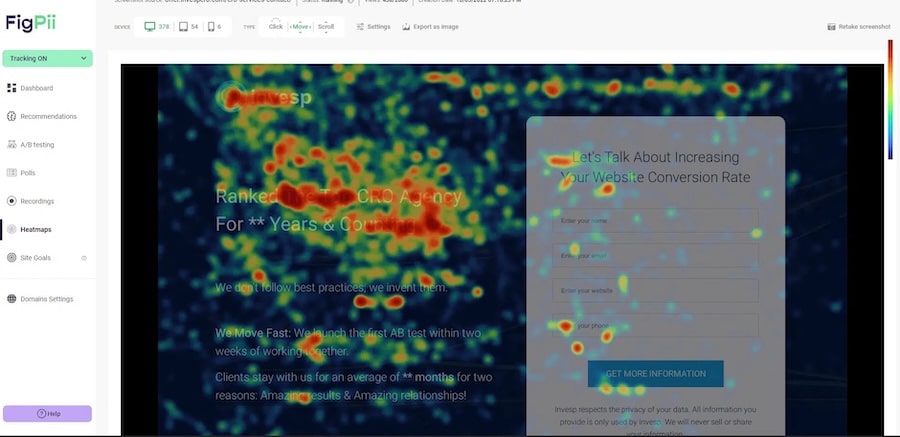
Heatmaps provide a visual representation of user engagement, using color-coded "hot" and "cold" zones to show where users click, scroll, and move their cursors.
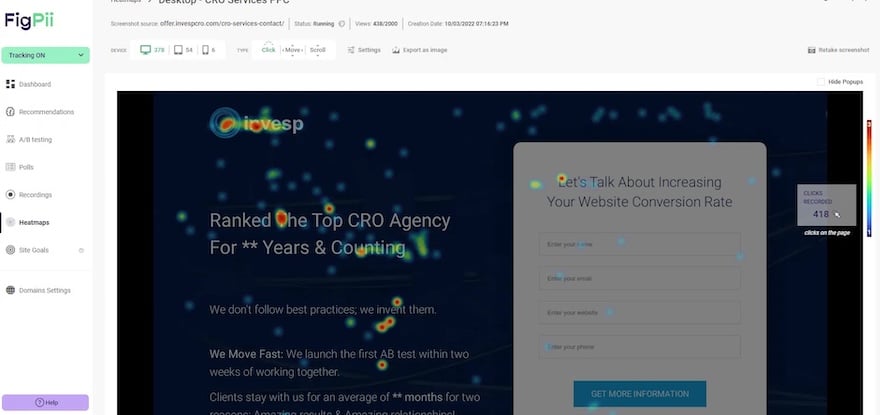
- Click Maps: Reveal if users are attempting to interact with non-clickable elements or ignoring primary calls-to-action (CTAs).
- Scroll Maps: Show the percentage of users who reach specific depths of a page. If critical information like social proof or shipping details is buried in a "cold" zone, it is effectively invisible to the majority of the audience.
- Session Replays: Offer a real-time "movie" of a user’s journey. This allows auditors to witness "rage-clicking"—repeatedly clicking a broken button—or confusion caused by complex navigation menus.
Direct Feedback via Surveys and User Testing
To gain a deeper understanding of the consumer psyche, auditors employ exit-intent polls and customer surveys. By asking targeted questions—such as "What stopped you from completing your purchase today?"—businesses can identify specific objections like lack of trust, confusing shipping policies, or missing product information.
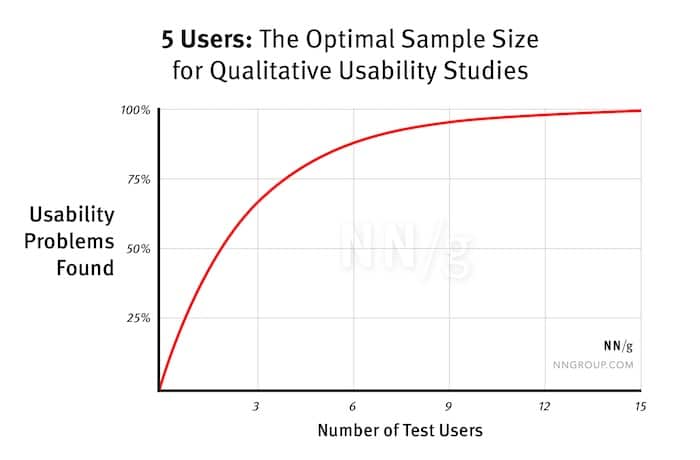
User testing further enriches this data. Research by the Nielsen Norman Group suggests that testing with as few as five users can uncover up to 85% of usability issues. These moderated or unmoderated sessions provide a narrative to the data, highlighting the gap between how a site is intended to work and how it is actually perceived by the public.

Prioritizing High-Impact Pages: Product and Cart Optimization
A comprehensive audit does not treat all pages equally. Instead, it prioritizes the "high-intent" areas of the site: the product pages and the cart.
The Anatomy of a High-Converting Product Page
The product page is the decisive stage of the funnel. Success here depends on four pillars:
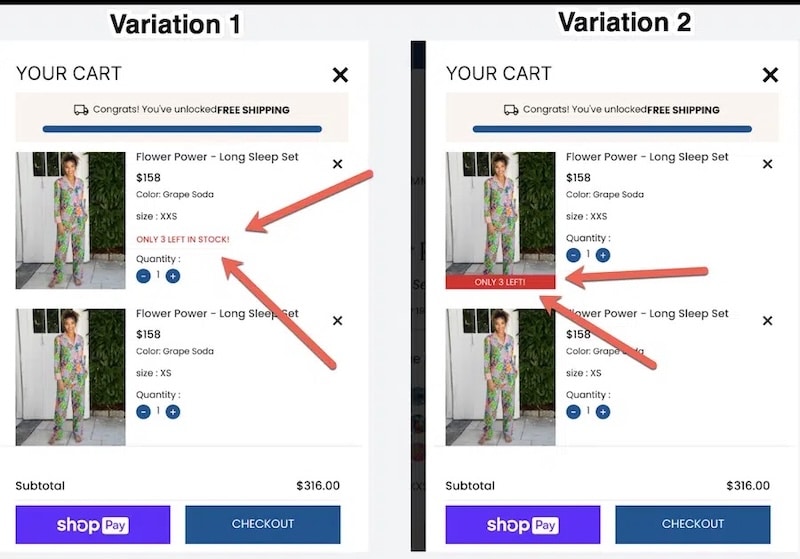
- Visual Representation: High-quality images from multiple angles and featured videos alleviate the "physical gap" of online shopping. Linking photos to specific product variants (colors, sizes) is essential for clarity.
- Compelling Copy: Effective descriptions move beyond a list of features to highlight benefits. Utilizing storytelling and addressing potential fears—such as fit or durability—can significantly influence the decision to buy.
- Strategic CTAs: The "Add to Cart" button must be prominent, high-contrast, and placed above the fold. Ambiguity in CTA text or placement is a frequent cause of conversion leakage.
- Social Proof: Including ratings, reviews, and user-generated content (UGC) provides the necessary reassurance. Studies have shown that consumers are six times more likely to purchase when a page features social media imagery from real customers.
Streamlining the Cart Experience
The cart page must be characterized by clarity, simplicity, and speed. It serves not only as a gateway to payment but often as a comparison tool or wishlist. A professional audit looks for:
- Transparency: Clear display of taxes, shipping costs, and return policies to avoid "sticker shock" at the final step.
- Minimalism: Removing distracting navigation or promotional banners that might lead a user away from the checkout path.
- Performance: Ensuring the cart loads instantly. Industry statistics reveal that 40% of users will abandon a site if it takes longer than three seconds to load.
Chronology of a Standard CRO Audit Process
The execution of a CRO audit follows a logical progression to ensure that findings are actionable and grounded in evidence:
- Preparation Phase (Week 1): Audit of existing analytics setups. Verification of GA4 events and GTM (Google Tag Manager) triggers.
- Data Collection Phase (Weeks 2-3): Gathering of quantitative metrics (Core Web Vitals, bounce rates) and qualitative data (running heatmaps, recording sessions, and deploying surveys).
- Analysis Phase (Week 4): Cross-referencing data sets. For example, matching a high bounce rate on a mobile product page with a poor LCP score or a heatmap showing an invisible CTA.
- Hypothesis Generation (Week 5): Developing specific, testable theories for improvement (e.g., "Moving the size guide above the fold will reduce add-to-cart abandonment by 10%").
- Prioritization and Implementation (Week 6+): Ranking changes based on the PIE framework (Potential, Importance, Ease) and beginning A/B testing.
Broader Implications and Strategic Analysis
The implications of a regular CRO audit extend beyond immediate revenue growth. In an era of data privacy regulations (like GDPR and CCPA) and the phasing out of third-party cookies, the ability to optimize first-party data and on-site experiences is becoming the primary lever for growth.
Furthermore, a well-executed audit fosters brand trust. When a website is fast, intuitive, and transparent, it reduces the cognitive load on the consumer, leading to higher customer satisfaction and increased lifetime value (LTV). Conversely, a neglected site that suffers from "conversion leaks" not only loses the immediate sale but also damages the brand’s reputation in a competitive market.
Experts in the field, such as those from Invesp and other leading optimization firms, emphasize that CRO is not a one-time project but a continuous cycle of improvement. As e-commerce continues to evolve with AI-driven personalization and voice search, the fundamental principles of the CRO audit—quantitative rigor and qualitative empathy—will remain the bedrock of digital retail success. Businesses that adopt a culture of constant auditing and testing are positioned to weather market fluctuations and capitalize on emerging revenue opportunities more effectively than those that rely on intuition alone.







