In the highly competitive landscape of digital commerce and Software as a Service (SaaS), the discrepancy between user behavior and user intent remains a primary challenge for brands seeking to optimize their sales funnels. While quantitative analytics tools provide a detailed map of "what" is happening—such as where a user clicks or at which stage they exit—they often fail to explain "why" these actions occur. To bridge this gap, industry leaders are increasingly turning to strategic customer feedback surveys. These instruments are designed not merely for data collection, but as diagnostic tools to identify specific points of friction, hesitation, and motivation that influence the final conversion.
The modern consumer journey is rarely linear, often involving multiple touchpoints and psychological barriers. A shopper may spend significant time on a product page, engaging with images and shipping details, only to leave without taking action. Another may reach the final checkout stage, only to abandon a full cart upon seeing the total cost. In the SaaS sector, trial users frequently sign up but fail to reach the "activation" stage, leaving the platform after only a few minutes of exploration. Understanding these nuances requires a shift from broad, open-ended questioning to targeted, moment-specific inquiries.
The Five Pillars of Conversion-Oriented Feedback
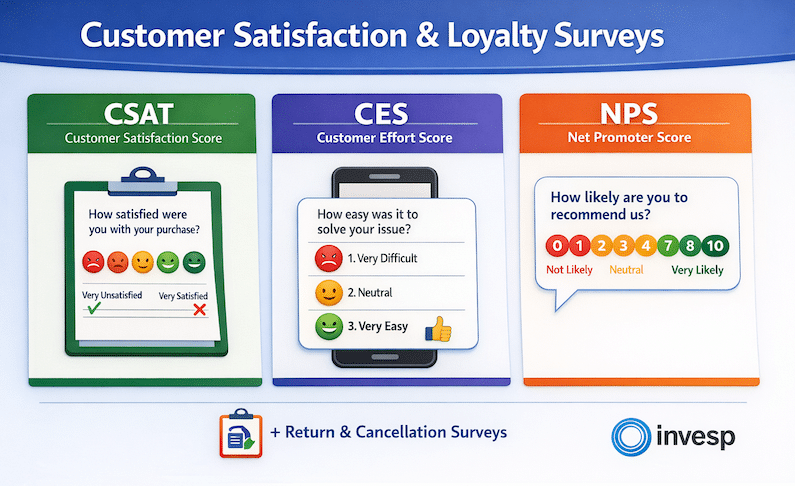
To effectively improve conversion rates, organizations must deploy surveys that address specific stages of the customer lifecycle. Experts categorize these into five distinct types, each serving a unique diagnostic purpose.
1. Addressing Product Page Hesitation
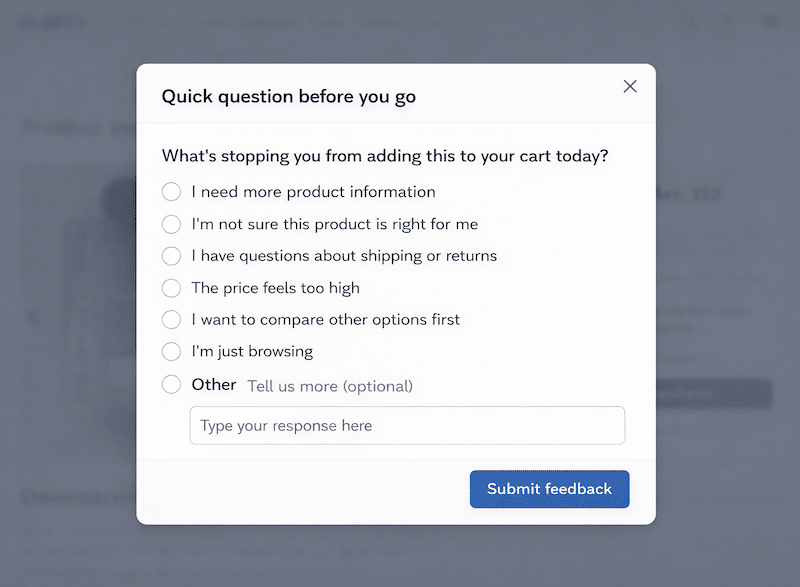
Product pages are often the first significant hurdle in the conversion funnel. According to the latest research from the Baymard Institute, approximately 52% of desktop sites and 62% of mobile sites possess "mediocre" or poor product page user experiences (UX). When a visitor reaches a product page but fails to add an item to their cart, the issue is frequently a lack of critical information rather than a lack of interest.
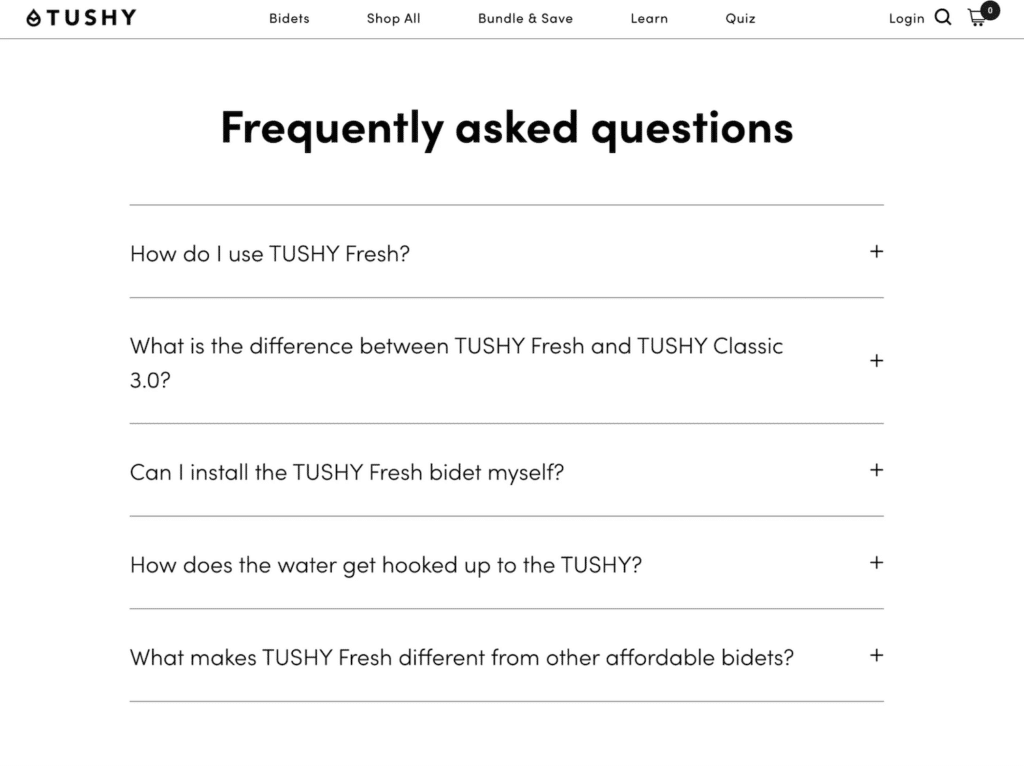
Common barriers at this stage include concerns over product compatibility, shipping costs, return policies, or specific technical features. For example, the bidet brand TUSHY has successfully mitigated these concerns by integrating Frequently Asked Questions (FAQ) directly into their product pages, addressing installation and compatibility issues before the user feels the need to leave the site to search for answers.
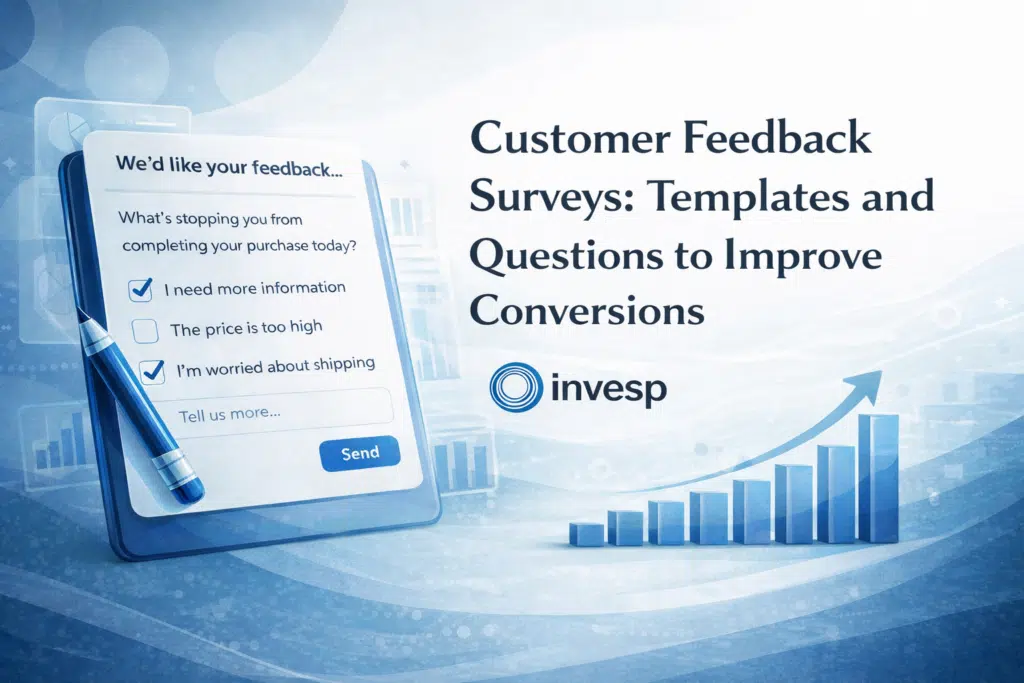
The most effective question at this stage is: "What’s stopping you from adding this to your cart today?" By providing structured multiple-choice options—such as "I’m just browsing," "Shipping is too expensive," or "I have a question about the product"—brands can categorize friction points and prioritize UX improvements or content updates.
2. Mitigating Checkout Abandonment
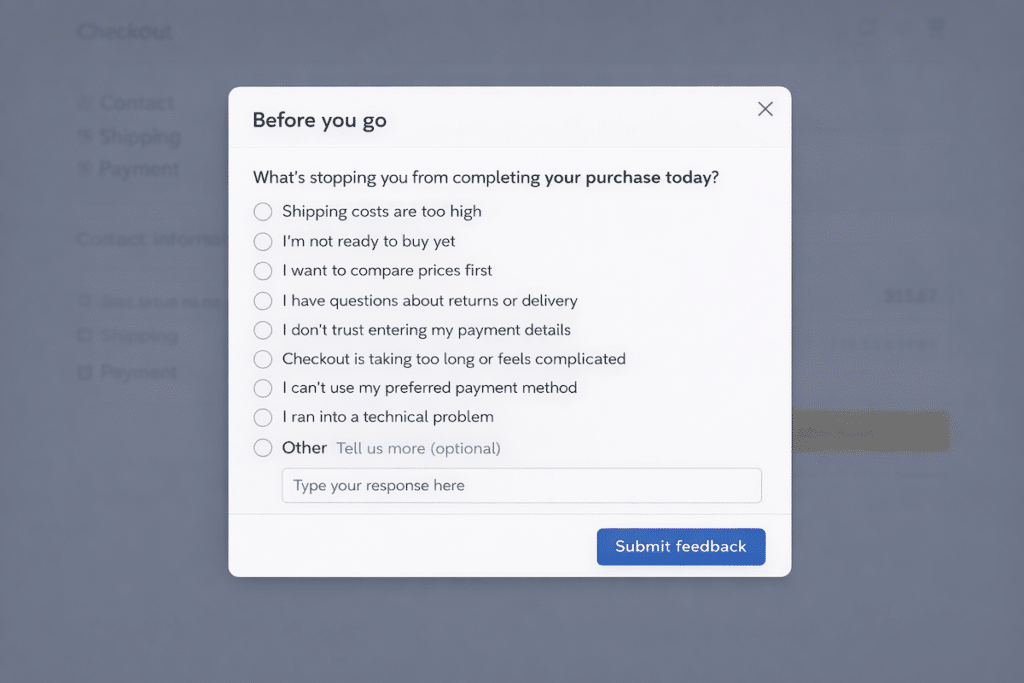
Checkout abandonment represents one of the most significant sources of lost revenue in e-commerce. Current industry benchmarks place the average cart abandonment rate at 70.19%. At this stage, the user has already demonstrated high intent; therefore, the abandonment is typically triggered by friction, unexpected costs, or technical anxieties.
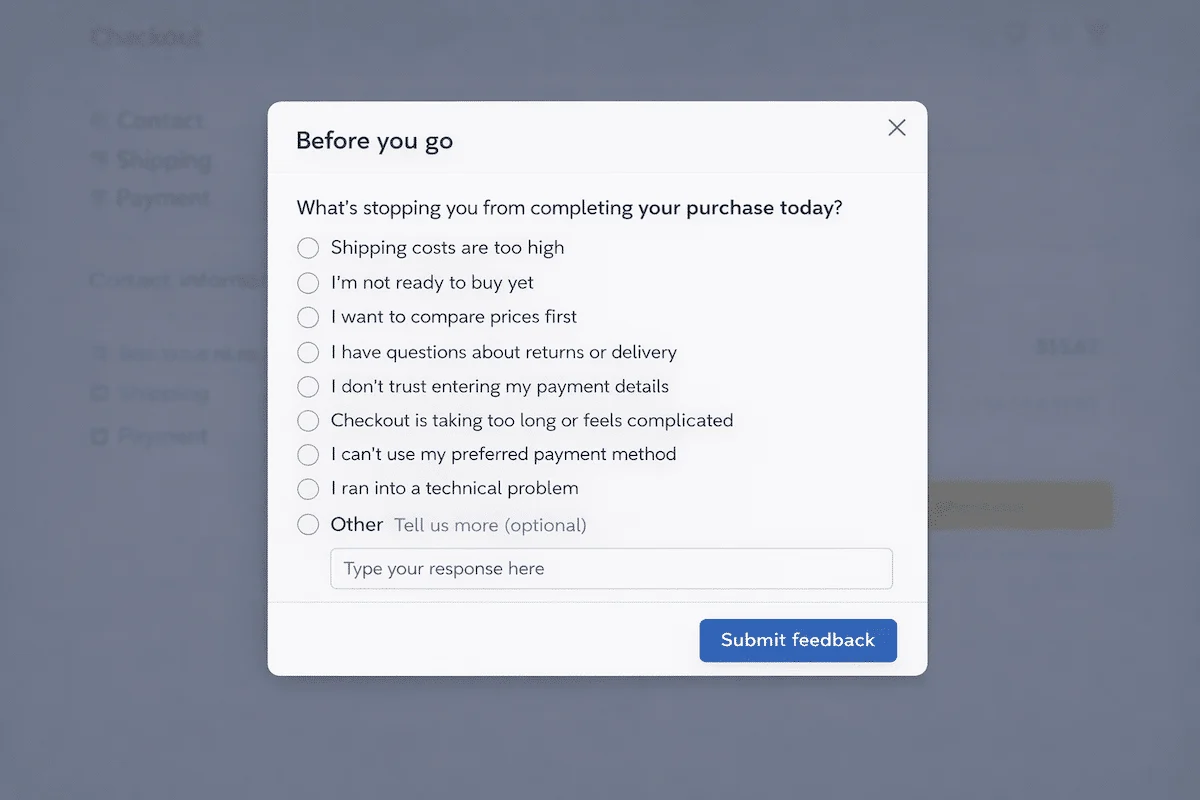
Research indicates that the primary drivers of checkout abandonment include the requirement to create an account, overly complex checkout processes, and the lack of transparent pricing. When a user exits at this juncture, a brief, direct survey can identify the specific barrier. Asking "What’s stopping you from completing your purchase today?" allows brands to distinguish between "window shoppers" and those who were deterred by a specific policy, such as a lack of preferred payment methods or a delivery date that is too far in the future.
3. Leveraging Post-Purchase Attribution
The period immediately following a successful transaction is a critical window for gathering data on consumer motivation. Post-purchase surveys are essential for understanding attribution, particularly for channels that are difficult to track via traditional digital analytics, such as word-of-mouth, podcasts, and offline mentions.
A prominent example is the brand Weezie, which utilized post-purchase surveys to discover that 35% of its business originated from word-of-mouth recommendations. This insight allowed the company to validate its brand equity and make more informed budget allocations. The standard "How did you first hear about us?" (HDYHAU) question serves as a vital signal for identifying "dark social" influences and understanding which marketing efforts are truly driving high-intent traffic.
4. Enhancing SaaS Activation and Trial Retention
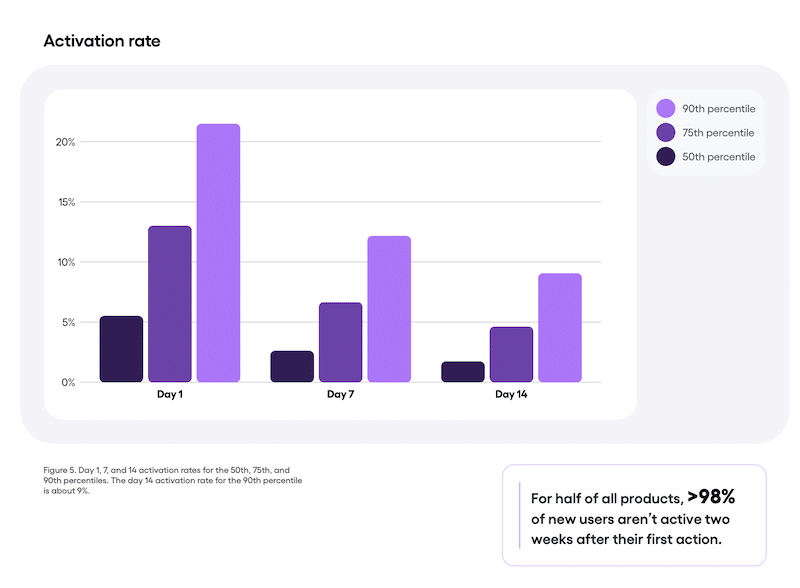
In the SaaS industry, the "activation" of a trial user is the primary indicator of long-term retention. Data from Amplitude’s Product Benchmark Report reveals a stark reality: by the 14th day of a trial, the median product retains only about 2% of its new users. Even top-tier products struggle to maintain more than 9% activity.
The "drop-off" usually occurs because the user fails to find value quickly—a phenomenon often called the "time to value" (TTV). When a trial user signs up but fails to engage with core features, a survey asking "What’s stopping you from getting started today?" can reveal if the onboarding process is too complex, if the user lacks the necessary data to begin, or if the product’s utility was misrepresented.
5. Analyzing Returns, Cancellations, and Churn
Retention is the cornerstone of profitability. The National Retail Federation (NRF) projected that 16.9% of total retail sales in 2024 would be returned, with online return rates expected to climb to 19.3% in 2025. These returns represent an "expectation mismatch" between the marketing promise and the physical reality of the product.
In subscription models, cancellations often stem from a perceived lack of ongoing value or a change in the customer’s financial situation. Surveys at this stage must be concise. By asking for the "main reason" for a return or cancellation, companies can identify systemic issues, such as poor product fit, damaged goods, or better pricing from competitors. This data is crucial for refining product descriptions and adjusting value propositions to align more closely with customer expectations.
Methodology for Constructing High-Yield Survey Questions
The utility of a customer feedback survey is directly proportional to the clarity and timing of its questions. Vague inquiries often yield vague data. To maximize response rates and the quality of insights, organizations should adhere to several journalistic and psychological principles in their survey design.
Specificity Over Breadth: Instead of asking "How was your experience?", brands should ask "Was there anything missing from our product description?" Specificity reduces the cognitive load on the respondent and provides actionable data for the development team.
Lowering the Barrier to Entry: Using multiple-choice options followed by an optional open-ended text field is more effective than a blank text box. This structure allows for easy quantitative analysis while still capturing the qualitative nuance of individual customer stories.
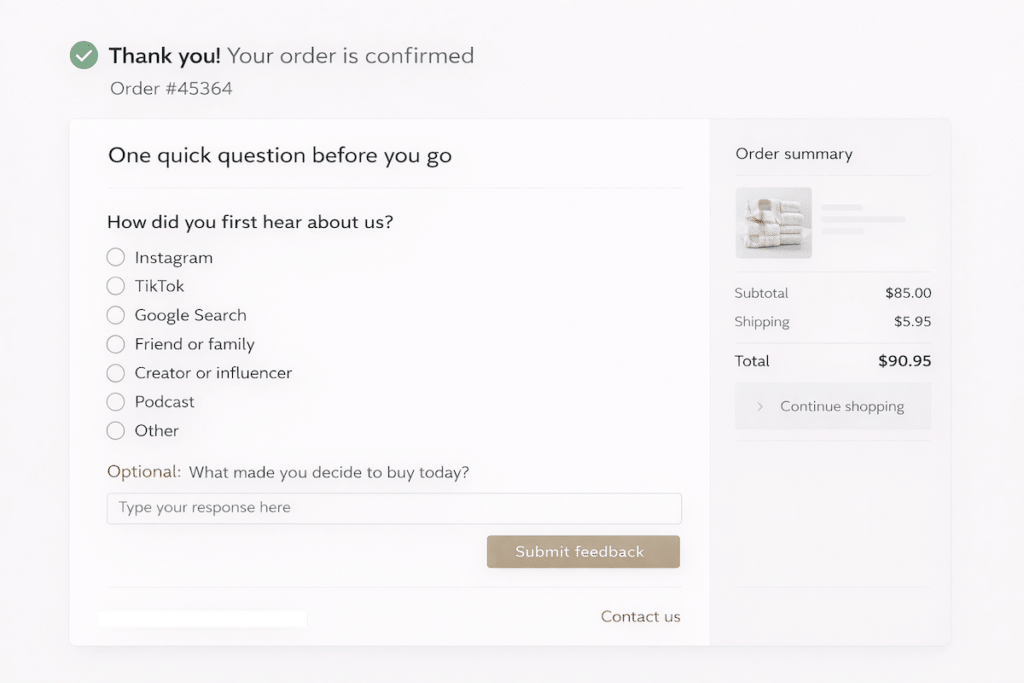
Timing and Context: A survey should appear at the moment the friction occurs or immediately after a milestone. A checkout survey is most relevant when a user’s mouse moves toward the exit button (exit-intent), while an attribution survey belongs on the "Thank You" page.
Avoiding Leading Questions: Objective data requires objective questioning. Questions should not nudge the user toward a specific answer. For instance, "How much did you enjoy our fast shipping?" assumes the user enjoyed it. A more neutral approach is "How would you rate the speed of our shipping?"
Data-Driven Analysis of Implications
The integration of qualitative feedback into the Conversion Rate Optimization (CRO) process allows for a more sophisticated approach to A/B testing. Rather than testing random elements like button colors, teams can develop hypotheses based on reported customer pain points. If 40% of survey respondents indicate that shipping costs were the reason for abandonment, the brand can then test a "Free Shipping over $X" threshold or more prominent shipping disclosures earlier in the funnel.
Furthermore, the financial implications of these surveys are significant. Research by Bain & Company suggests that increasing customer retention rates by just 5% can increase profits by 25% to 95%. By identifying why customers churn or return products, companies can implement preventative measures that have a compounding effect on their bottom line.
In conclusion, customer feedback surveys are not a secondary tool for "customer service," but a primary instrument for strategic growth. In an era where acquisition costs continue to rise, the ability to diagnose and repair leaks in the conversion funnel is a critical competitive advantage. By moving away from broad sentiment gathering and toward targeted, stage-specific inquiries, brands can transform "why" into "win," creating a more seamless and satisfying experience for the consumer.