The evolution of artificial intelligence has reached a critical pivot point where the focus is shifting from the raw power of large language models (LLMs) to the architectural frameworks that govern their behavior. As enterprises move beyond experimental chatbots toward production-grade autonomous systems, a discipline known as "graph engineering" has emerged as the definitive standard for building reliable AI agents. This transition marks the end of the "black box" era of AI, where developers relied on single, autonomous loops, and the beginning of a structured approach where AI applications are treated as explicitly designed workflows rather than unpredictable digital entities.
The development of AI agents has historically progressed through several overlapping phases, beginning with basic prompt engineering and moving through context engineering, tool integration, and multi-agent coordination. However, the inherent stochasticity of LLMs—their tendency to produce varying outputs for the same input—has created a "reliability gap" that traditional agentic loops have struggled to bridge. Graph engineering addresses this by defining exactly how agents, deterministic functions, data sources, and human evaluators coordinate. By representing an AI application as an executable graph, developers can enforce control boundaries, recovery paths, and validation gates that were previously hidden within the model’s internal reasoning.
The Evolution of Agentic Architecture
To understand the rise of graph engineering, one must examine the chronology of AI implementation strategies over the last three years. In 2022, the industry was focused on prompt engineering—the art of crafting instructions to elicit better responses. By 2023, the focus shifted to Retrieval-Augmented Generation (RAG) and context engineering, providing models with external data to reduce hallucinations. The early months of 2024 saw the rise of "agentic loops," where models were given tools and the autonomy to use them in a cycle of reasoning and acting.
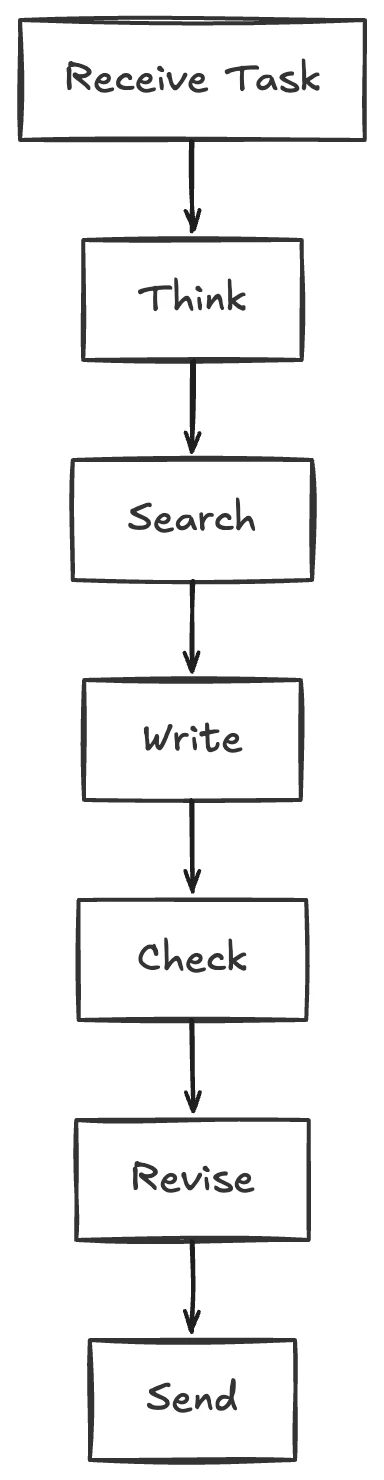
Despite these advancements, businesses reported significant challenges in deploying these agents at scale. A primary concern was the lack of predictability; an autonomous agent might successfully complete a task nine times but fail catastrophically on the tenth because it took an unmonitored logical detour. Industry analysts from Gartner have noted that through 2025, 90% of enterprise AI agent deployments will require explicit workflow management to meet safety and performance benchmarks. This realization has birthed the graph engineering era, which prioritizes the design of nodes and dependencies over the raw autonomy of the model.
Core Components of the Graph-Engineered System
At its core, graph engineering treats an AI system as a Directed Acyclic Graph (DAG) or a stateful cyclic graph. This architectural shift relies on several fundamental components that transform a "vibe-based" AI into a rigorous software system.
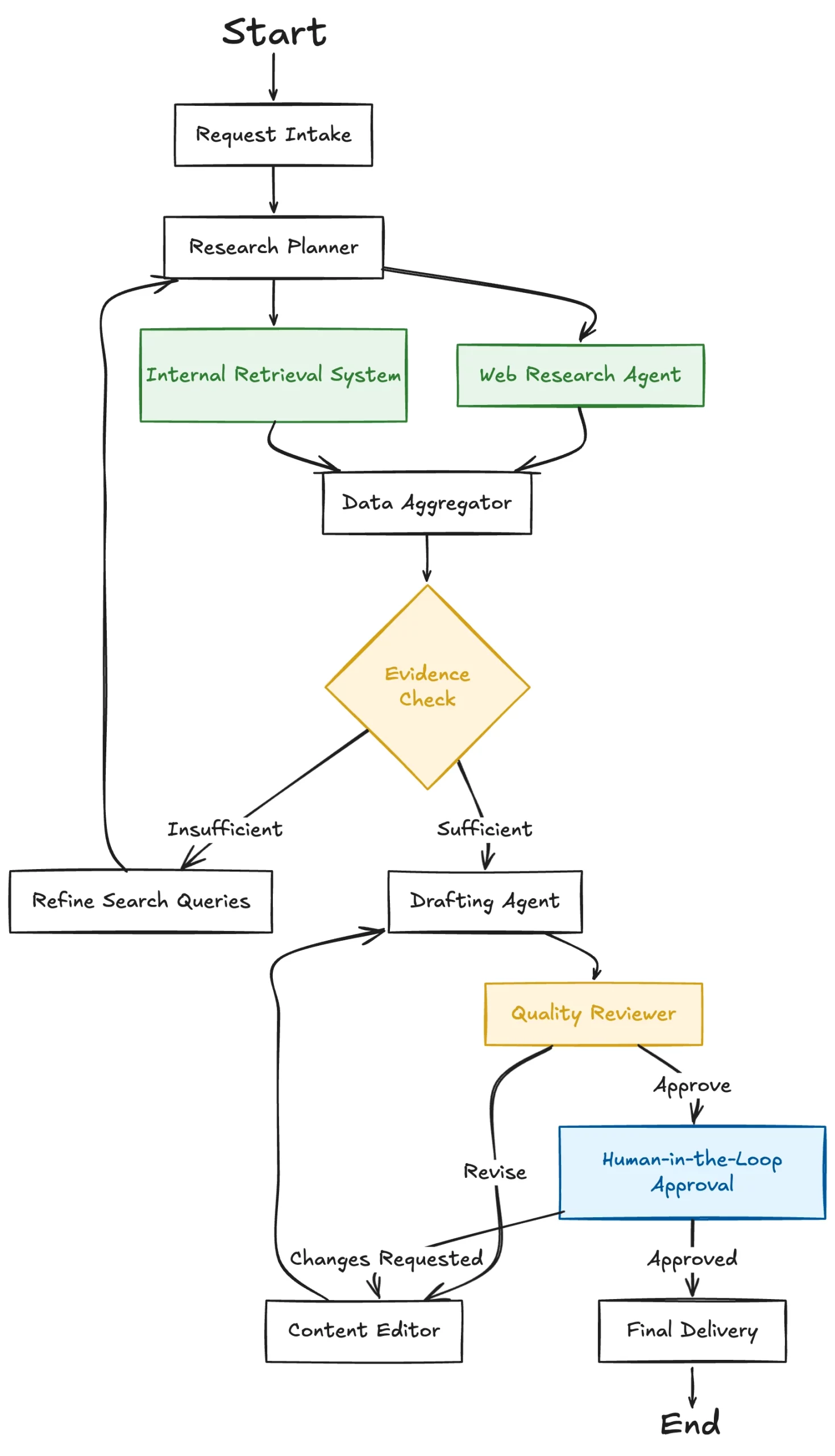
The first component is the Node, which represents a bounded unit of execution. In a graph-engineered system, not every node is powered by an LLM. Developers are increasingly using deterministic Python functions for tasks that require mathematical precision or strict adherence to business rules, such as calculating an invoice total or checking a database for inventory. The LLM is reserved for nodes involving semantic interpretation, such as summarizing a research paper or determining the intent of a customer email.
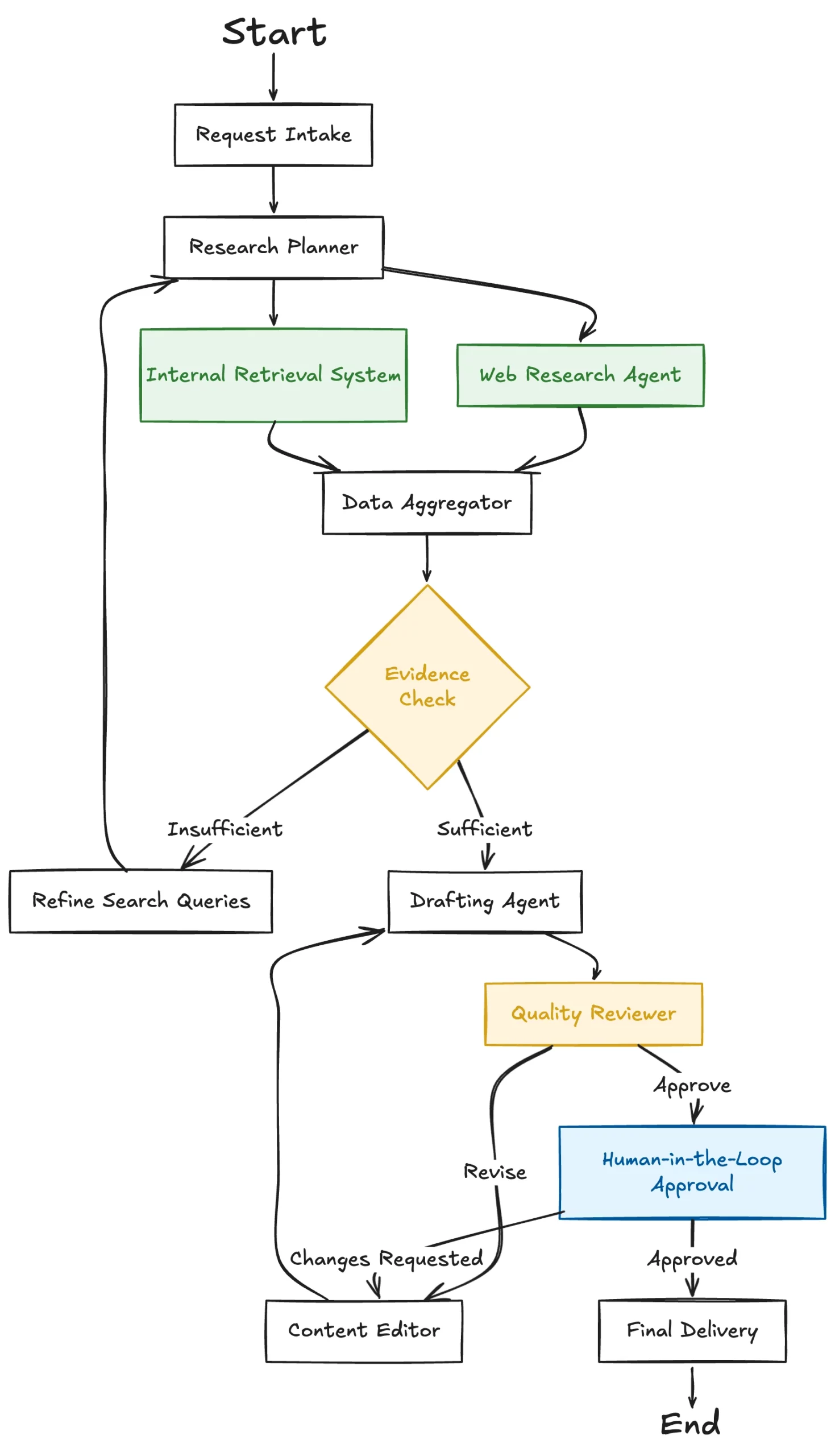
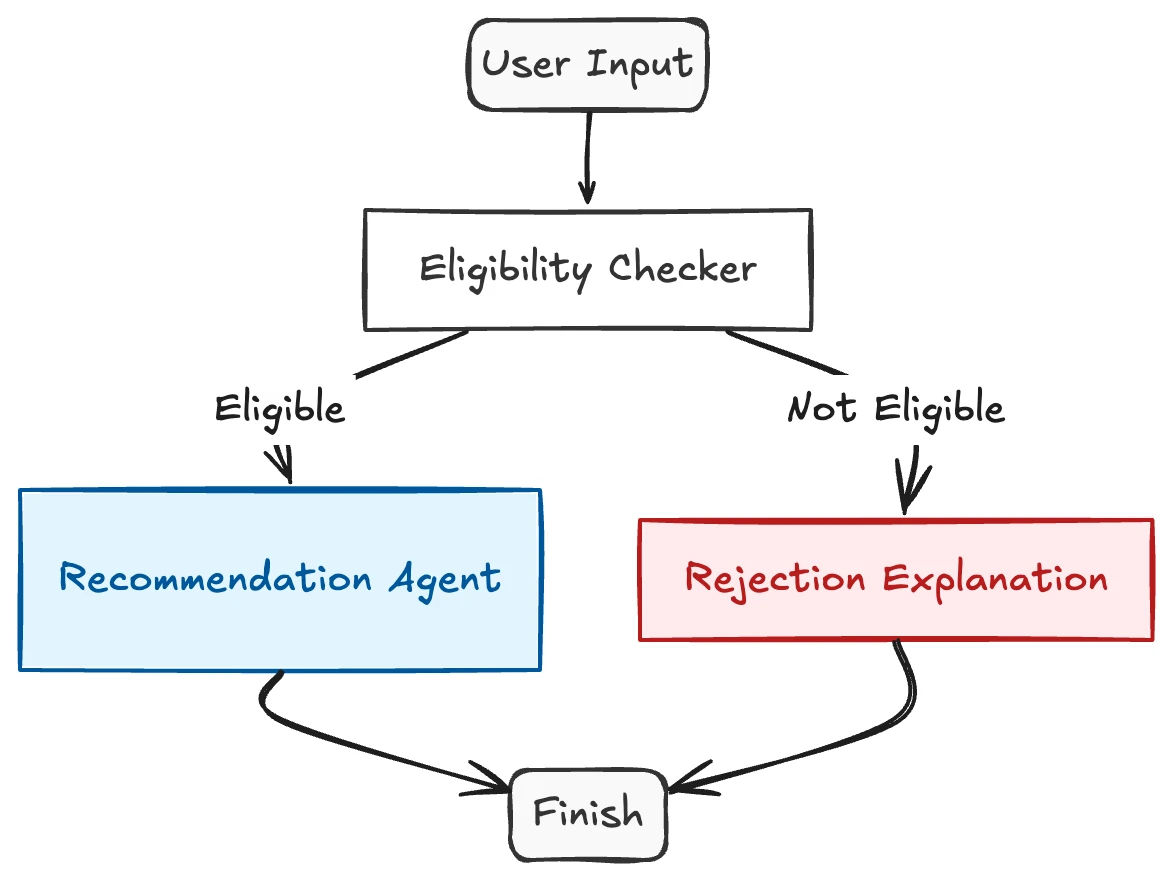
The second component is the Edge, which defines the permitted transitions between nodes. Unlike a single-agent system where the model decides its own next steps, a graph-engineered system uses edges to enforce "guard conditions." For example, a system might have an edge that prevents an AI writer from sending a draft to a client until a "Validator Node" has confirmed the technical accuracy of the content.
State Management serves as the shared memory of the graph. By using typed states, developers can control exactly what information is passed from one agent to another. This reduces "token bloat"—the practice of sending a massive conversation history to every node—and ensures that each agent only sees the data relevant to its specific task. This isolation is critical for both security and reducing the likelihood of the model becoming "distracted" by irrelevant information.
Advanced Orchestration Patterns
The industry has converged on several recurring patterns that define how these graphs operate in high-stakes environments. These patterns, documented by framework providers like LangChain and Anthropic, represent the "building blocks" of modern AI engineering.
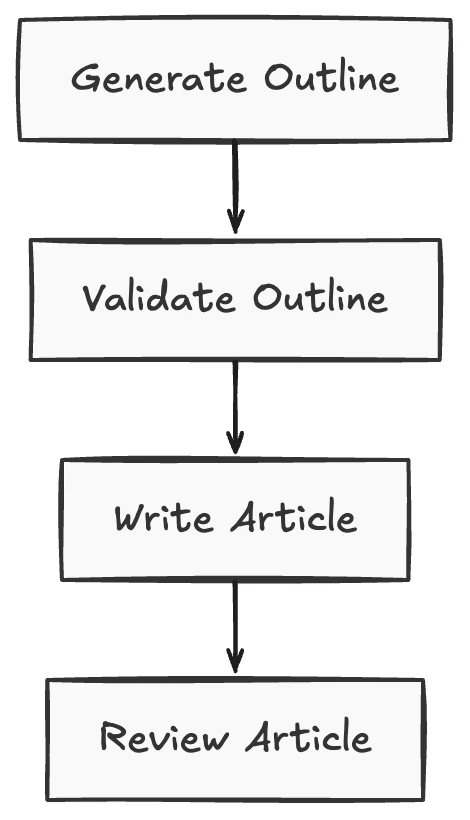
- Prompt Chaining: This is the simplest form of graph engineering, where the output of one node becomes the input for the next. This is ideal for tasks with fixed, verifiable stages, such as translating a document and then formatting it for a specific platform.
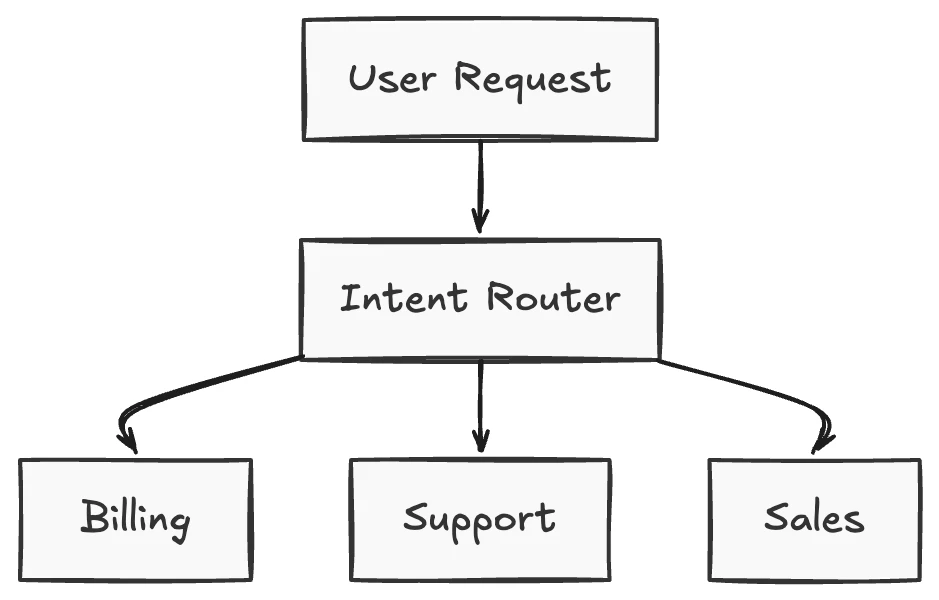
- Routing: In this pattern, a "router" node classifies an incoming request and directs it to a specialized branch. For instance, a customer service graph might route a billing inquiry to a deterministic database tool while routing a technical support question to a RAG-enabled agent.
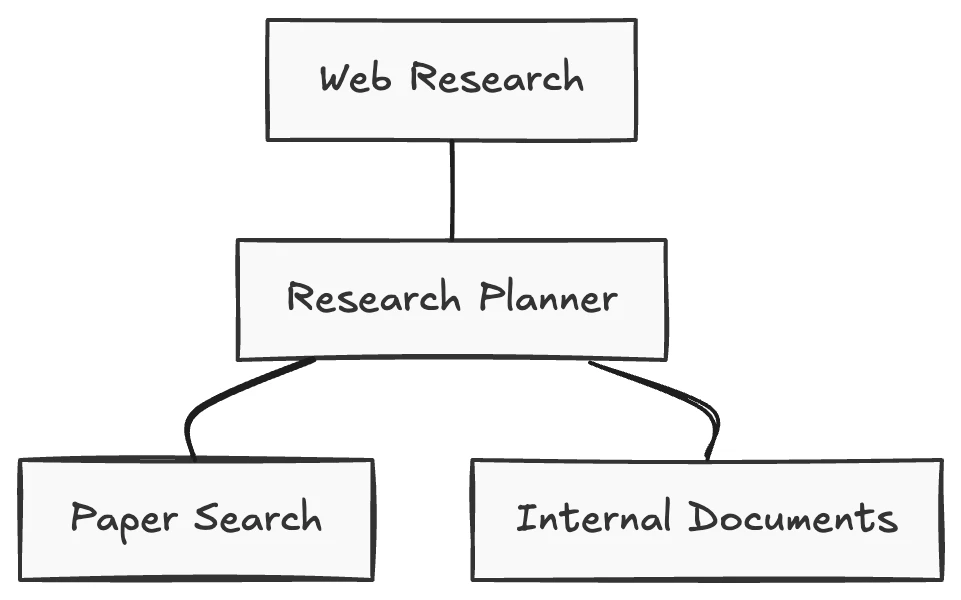
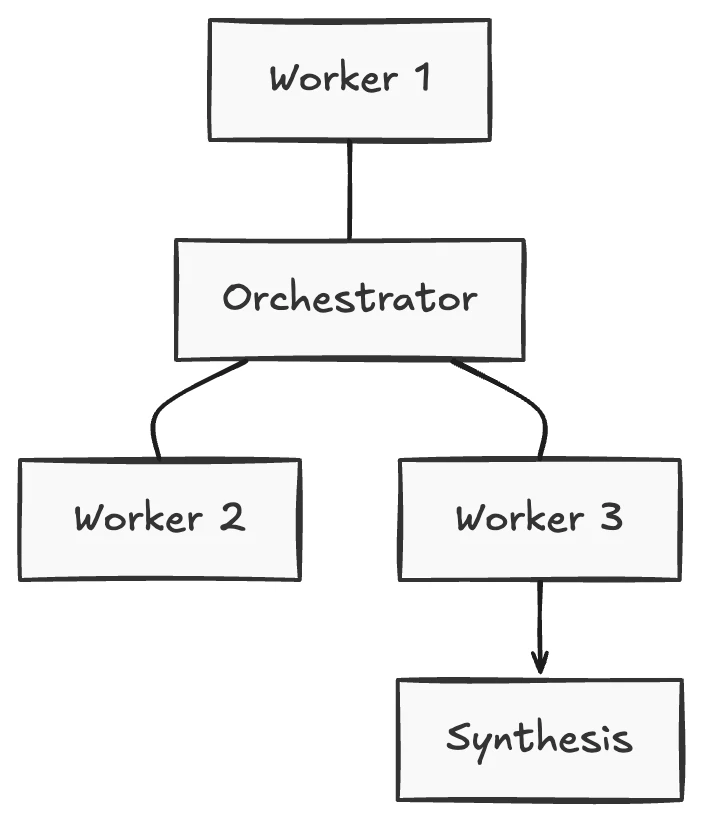
- Parallelization: This allows independent tasks to execute concurrently, significantly reducing latency. A research agent might spawn three parallel nodes to search different databases simultaneously before a "Reducer" node merges the findings.
- Evaluator-Optimizer: This is perhaps the most critical pattern for reliability. One node generates an artifact (like code or a report), and a separate "Evaluator" node checks it against specific criteria. If the artifact fails, it is sent back to the generator with feedback for revision.
Industry Implications and Production Requirements
The shift toward graph engineering has significant implications for the "Human-in-the-Loop" (HITL) philosophy. In traditional agent systems, human intervention is often an afterthought. In graph engineering, "Interrupts" are a first-class citizen. The graph can be designed to pause automatically at high-risk nodes—such as those involving financial transactions or public-facing communications—requiring a human "approve" or "reject" signal before proceeding.
However, moving from a conceptual diagram to a production-ready graph requires addressing several technical hurdles that are often overlooked in experimental settings. One such requirement is Idempotency. In a complex graph, nodes may fail due to network issues or rate limits. A production-grade system must ensure that retrying a node does not result in unintended side effects, such as charging a customer twice or sending duplicate emails.
Furthermore, Observability has become a non-negotiable requirement. Developers now use tracing tools to monitor the path a request takes through the graph, identifying which nodes are causing delays or where the "logic" of the graph is breaking down. This level of transparency is what allows enterprises to move AI out of the lab and into the real world.
The Framework Landscape
As graph engineering gains traction, several frameworks have emerged to support the discipline. LangGraph, developed by the LangChain team, has become a leader in the space by providing low-level control over state and persistence. It allows for "time travel," where developers can rewind a graph to a previous state to debug a failure.
Microsoft’s Agent Framework and Google’s ADK provide similar capabilities tailored for their respective ecosystems, emphasizing typed workflows and integration with enterprise-grade security. Meanwhile, some engineering teams are opting for "Plain Python" or existing workflow engines like Temporal or Airflow to coordinate LLM steps, arguing that specialized AI frameworks may add unnecessary complexity to deterministic workflows.
The Broader Impact on AI Development
The rise of graph engineering suggests that the future of AI development looks more like traditional software engineering than many anticipated. The "magic" of the LLM is being harnessed within the "rigor" of structured code. By treating AI as a series of manageable, testable, and observable steps, developers are finally overcoming the reliability issues that have plagued the first generation of AI agents.
Expert consensus indicates that this approach will lead to a significant reduction in AI "hallucinations" and a dramatic increase in the complexity of tasks AI can handle. As organizations realize that a single autonomous agent is often "too smart for its own good" and "too unpredictable for the bottom line," the structured, engineered graph will become the standard architecture for the next decade of intelligent systems.
The conclusion for developers and business leaders alike is clear: reliability in AI does not come from the model alone, but from the graph that contains it. The most successful AI applications of the future will not be the ones with the most "autonomous" agents, but the ones with the most expertly engineered workflows. Graph engineering is not merely a technical trend; it is the necessary maturation of an industry moving from novelty to utility.