The global tourism industry is currently witnessing a stark divergence in operational methodology, where a handful of multi-billion-dollar platforms utilize high-frequency experimentation while the vast majority of the sector remains anchored in traditional, non-empirical decision-making. While industry leaders such as Booking.com, Expedia, and Airbnb have integrated experimentation into their core DNA—with Booking.com alone maintaining over 1,000 concurrent experiments at any given moment—the broader landscape of smaller operators continues to rely on correlational data and anecdotal evidence. This lack of empirical rigor has created what researchers call the "intention-behavior gap," where the stated preferences of travelers fail to align with their actual purchasing actions, leading to suboptimal conversion rates and missed revenue opportunities across the global hospitality supply chain.
The Experimentation Gap: Giants vs. Grassroots
In the current digital economy, experimentation is often portrayed as a standard operating procedure for tourism entities. However, data suggests that the "norm" is heavily skewed toward a few tech-heavy conglomerates. The reality of the tourism industry is that it is comprised primarily of small-to-medium enterprises (SMEs) scattered across diverse geographical regions. For these operators, A/B testing and multivariate experimentation remain exotic concepts rather than daily tools.
This disparity is not merely a matter of technical capability but a fundamental difference in business philosophy. Large-scale aggregators view every pixel as a variable that can impact the bottom line, whereas local operators often prioritize the curation of the physical experience over the optimization of the digital gateway. Experts suggest that this reliance on external trade partners—such as travel agents and inbound tour operators—has historically insulated smaller hotels and tour providers from the need to optimize their direct booking channels. When a hotel sells 70% of its inventory through third-party partners at a discount, the motivation to refine the direct user experience (UX) diminishes, despite the potential for higher margins.
The Intention-Behavior Disconnect: Why Surveys Fall Short
A landmark 2020 academic review titled A review of experiments in tourism and hospitality challenged the industry’s long-standing reliance on surveys and self-reported data. The study argued that tourism research is too heavily weighted toward correlational findings, which often fail to establish cause-and-effect relationships.
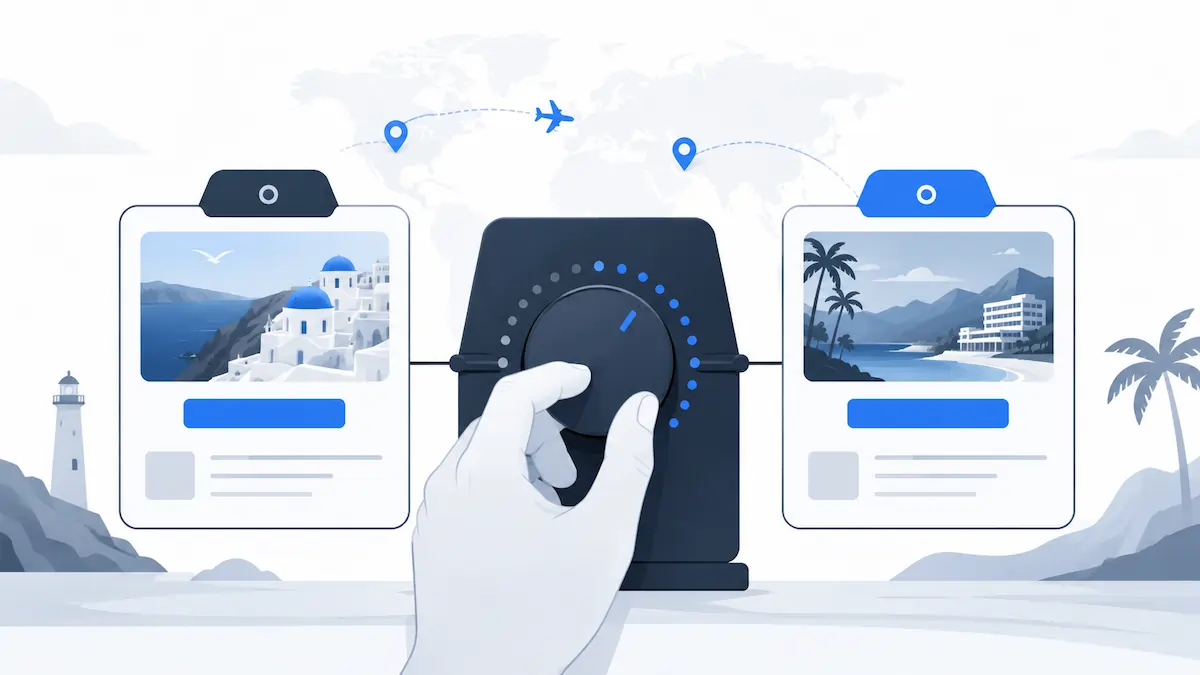
The "intention-behavior gap" represents a significant hurdle for marketers. In a notable 2016 experiment conducted by Karlsson and Dolnicar, researchers investigated whether eco-certification influenced tour boat ticket sales. While 60% of surveyed passengers claimed the environment was a primary factor in their decision-making, only 14% could actually identify if the boat they had chosen was eco-certified. This discrepancy highlights the danger of making business decisions based solely on what consumers say they value.
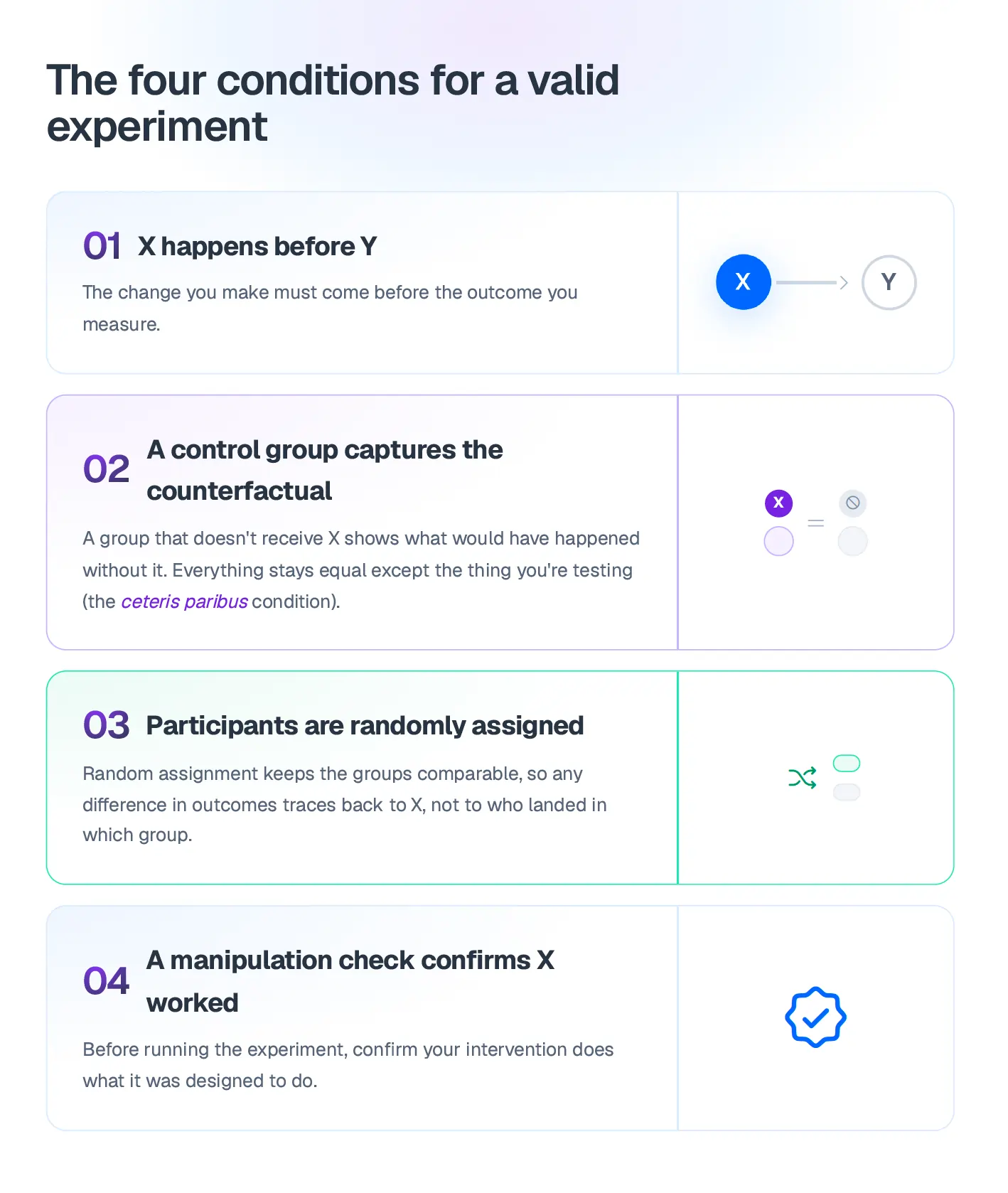
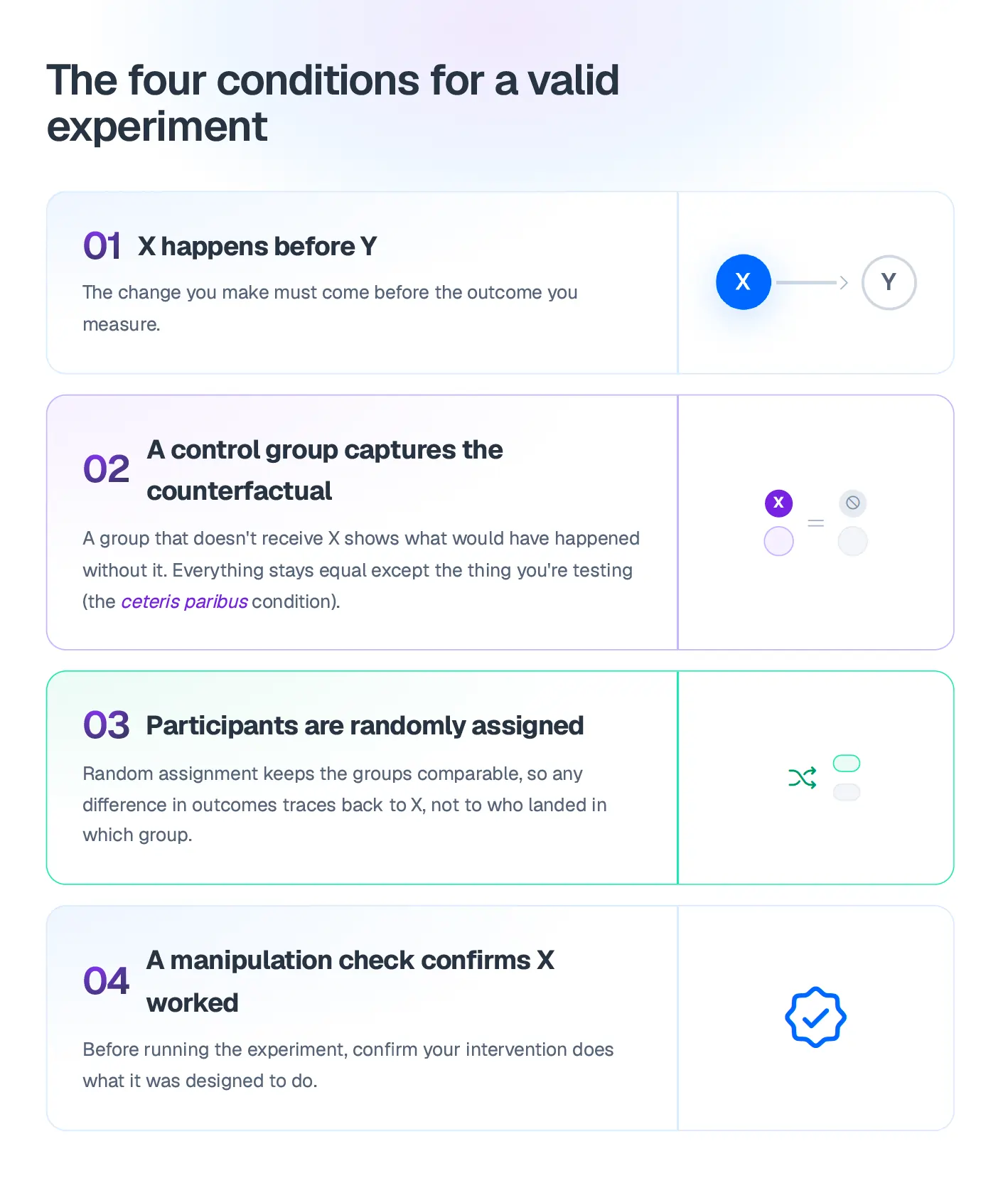
To establish true causality, researchers advocate for natural field experiments that meet four specific conditions:
- The intervention (X) must occur before the outcome (Y).
- A measurable relationship must exist between X and Y.
- The relationship must not be caused by a third, confounding variable.
- A logical theory must explain why X leads to Y.
A Statistical Overview of the 2026 Global Traveler
Understanding the necessity of experimentation requires an analysis of the contemporary traveler’s psyche. As of mid-2026, consumer behavior is being shaped by a complex interplay of economic anxiety and a post-pandemic re-prioritization of life experiences.
Economic Sentiment and Discretionary Spending
According to a June 2026 EY-Parthenon survey of 1,500 US consumers, nearly two-thirds of the population anticipates a recession. This has introduced a paradox in spending: while consumers are pulling back on general discretionary items, travel remains a resilient category. The 2026 KPMG Summer of Experiences report indicates that 60% of US consumers still planned summer travel, though they have adapted by shortening trip durations and seeking budget-friendly accommodations.
The Generational Shift
Data from the 2026 American Express Global Travel Trends Report suggests a profound shift in how younger demographics view travel. Approximately 74% of Millennials and Gen Z respondents categorize travel as a "non-negotiable" expense. Furthermore, 64% indicated they would accept a job with fewer benefits in exchange for greater travel flexibility. This cohort prioritizes "hands-on" cultural experiences—such as traditional craft workshops—over material souvenirs, with 79% seeking deep local immersion.
New Patterns of Movement
The Klook 2026 Travel Pulse study revealed that two-thirds of modern travelers now plan multi-destination itineraries. The traditional "one-stop" vacation is being replaced by "hub-and-spoke" travel, where major cities like Tokyo or Paris serve as temporary bases for excursions into lesser-known regional areas. Additionally, wellness trends have birthed the "dry tripping" movement, with 37% of Americans—and over 50% of Gen Z—cutting back on alcohol during their travels, forcing operators to pivot toward sophisticated sober-experience offerings.
Barriers to Adoption: The Technological and Generational Divide
The slow adoption of experimentation in the broader tourism sector is attributed to several structural barriers. Olivia Bedford, a hospitality expert focusing on the African market, notes that many tour operations are owned by an older generation of entrepreneurs who prioritize "expertise-led" curation over technological optimization. In these environments, the website is viewed as a static brochure rather than a dynamic revenue engine.
Jono Matla, owner of Impact Conversion, highlights that the reliance on Online Travel Agencies (OTAs) has created a "commission trap." While OTAs provide a steady stream of guests, the high fees eat into profitability. Matla argues that if operators shifted even a small fraction of their focus toward A/B testing their direct booking engines, the resulting "conversion lift" could drastically improve their bottom line without increasing their advertising spend.
Conversely, billion-dollar entities like Disneyland Paris and Club Med have already bridged this gap. Laura Duhommet, a CRO expert with experience at both firms, notes that while their approaches differ—Disneyland Paris focuses heavily on qualitative "dream-building" research, while Club Med emphasizes UX analytics—both recognize that data-driven testing is essential for maintaining market dominance.
Qualitative vs. Quantitative: Building a Robust Optimization Engine
The tourism industry leans heavily toward Voice of Customer (VoC) research because tourism is an "intangible" product. You are selling a memory, not a physical object. However, experts argue that VoC and A/B testing must work in tandem.

VoC research (surveys, interviews, social listening) serves as the "compass," identifying the direction of consumer sentiment. It helps businesses understand why a family loved their stay or why a traveler abandoned their cart. However, A/B testing serves as the "GPS," providing the precise route to optimization.
For instance, VoC might reveal that customers are concerned about cancellation policies. An A/B test would then determine the most effective way to address that concern: Does a "Free Cancellation" badge convert better when placed next to the price, or in the final checkout summary? Without A/B testing, businesses are merely guessing which solution best addresses the problems identified by VoC.
The Counter-Intuitive Role of Friction in Tourism Conversion
One of the most significant findings in tourism experimentation is that "frictionless" is not always better. In standard e-commerce, the goal is to remove every possible hurdle between the user and the "buy" button. In tourism, however, "positive friction" can actually increase conversions.
Ryan Thomas, co-founder of Koalative, cites an experiment with a home-exchange platform. Initially, the team hypothesized that showing users available homes immediately would drive sign-ups. The test failed. They discovered that users needed to understand the mechanics of the exchange before they could appreciate the properties. By adding a multi-step educational sign-up process—effectively adding friction—they increased user desire and comprehension, leading to higher long-term retention.
Similarly, Jono Matla found that travelers with high intent are often willing to tolerate clunky booking engines if the destination is desirable enough. This suggests that while UX is important, it cannot compensate for a lack of "aspirational" content. The digital experience must make the traveler "dream" before it asks them to pay.

The Criticality of Cultural Localization in Global Testing
Because tourism is inherently cross-border, localization is a make-or-break factor in experimentation. A winning test in the United Kingdom may fail spectacularly in Japan due to different cultural attitudes toward safety, pricing, and social proof.
Olivia Bedford notes that when targeting the UK market for African safaris, highlighting "health and safety" (e.g., malaria-free zones, fenced lodges) is paramount. In contrast, the US market responds better to "aspirational" and "heroic" imagery. Laura Duhommet observed similar patterns at Disneyland Paris, where Spanish visitors required more time to process dining options compared to German or French visitors, necessitating country-specific content structures rather than simple translations.
Broader Impact and Industry Implications
The transition toward an "experimentation-first" culture in tourism is no longer optional. As OTAs continue to dominate the search landscape and commission fees rise, the ability of independent operators to capture direct bookings will define their financial survival.
The integration of tools like Convert allows smaller operators to run sophisticated A/B tests without the need for massive engineering teams. By utilizing heatmaps to identify drop-off points and testing microcopy to align with local sensibilities, SMEs can begin to reclaim market share from larger aggregators.
The industry’s evolution from "what we think tourists want" to "what data shows tourists do" marks a maturation of the sector. As 2026 progresses, the winners in the tourism space will not necessarily be those with the largest marketing budgets, but those with the most refined processes for establishing causal evidence and bridging the gap between traveler intention and final booking behavior. The future of tourism lies in the move from anecdotal curation to empirical optimization, ensuring that the "dream" sold on the screen matches the reality of the experience on the ground.