The digital advertising landscape offers unprecedented power to marketers, enabling precise targeting of global audiences through a vast array of methodologies, all accessible with the convenience of a standard computer. However, this potent capability is intrinsically linked to significant responsibility. Even minor oversights in campaign setup can lead to substantial financial losses, potentially costing tens of thousands of dollars and forfeiting valuable revenue streams. This is particularly critical when managing budget caps, bid levels, landing page configurations, and creative variations. The fundamental challenge lies in establishing a quality assurance (QA) process that effectively mitigates these risks without becoming an operational bottleneck, delaying critical campaign launches and creative refreshes.
In the realm of ad operations, campaign management, and account leadership, a consensus is emerging around the most effective QA practices. These typically involve experienced professionals meticulously reviewing campaigns against a pre-defined, case-specific checklist. Such checklists are not static templates but adaptable tools that evolve with the unique demands of each advertising initiative. While the specific items may vary, the underlying principle remains consistent: thorough verification before final deployment.
The Advantages of a Structured QA Framework
Implementing a structured QA process offers numerous tangible benefits. A cornerstone of effective QA is the principle of multiple reviews, ideally involving at least two sets of eyes. This not only increases the likelihood of identifying errors but also distributes accountability, preventing the burden from resting solely on a single individual. Task management platforms like Asana can be instrumental in this regard, allowing for the creation of reusable QA templates and the seamless assignment of specific verification tasks. Alternatively, for organizations seeking a more flexible and cost-effective solution, Google Sheets has proven to be a highly effective tool for managing and tracking QA workflows.
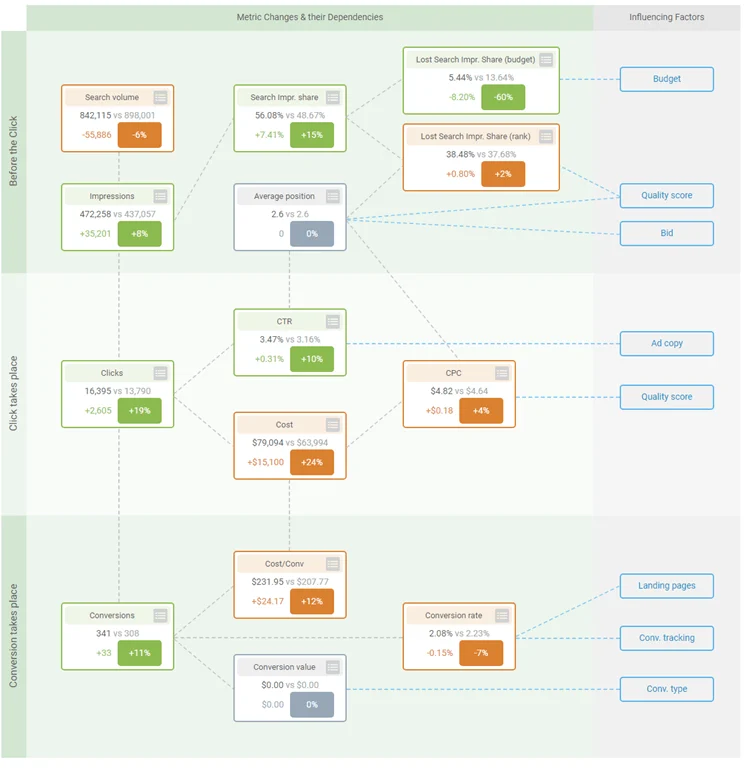
A crucial, often overlooked, step in the QA process involves post-launch monitoring. Integrating a checkpoint that requires a review of key performance indicators (KPIs) such as clicks, impressions, and website sessions (e.g., via Google Analytics) within the first 24 hours of a campaign going live can be a game-changer. This "day-after" review is vital for catching errors that may not be apparent during pre-launch testing. Anecdotal evidence from industry professionals highlights instances where campaigns appeared flawless in preview environments but failed to direct traffic correctly upon activation. One such case involved an ad campaign that, despite passing all pre-launch checks, was not actually linking to the intended landing page once live. This oversight resulted in thousands of dollars in wasted ad spend before the issue was identified and rectified. Such post-launch checkpoints act as a critical safeguard, preventing minor technical glitches from escalating into significant financial drains.
The Pitfalls of Overly Cumbersome QA Processes
Conversely, an overly complex or bureaucratized QA process can become counterproductive. While the initial thought of a third reviewer might seem like an added layer of security, in practice, it can introduce inefficiencies. A third QA individual, often less intimately familiar with the specific nuances of an account or campaign than the primary reviewers, may not possess the same depth of understanding. This can lead to two undesirable outcomes: either the third reviewer inundates the primary reviewers with questions, consuming valuable time and slowing down the process, or they feel pressured to approve the campaign due to their position as the final gatekeeper, potentially overlooking subtle but critical errors. In either scenario, the additional time invested yields diminishing returns in terms of error detection, while the risk of an undetected mistake remains largely unchanged.
Mistakes are an inherent part of any complex operational process, including digital advertising. The critical element is not the complete eradication of errors, which is an unrealistic goal, but the robust implementation of systems to learn from them. When an oversight does occur, the QA checklist should be expanded to incorporate specific checks that would have prevented that particular error from happening again. This iterative improvement fosters confidence within the team, ensuring that all campaign settings are meticulously reviewed and that operations are running smoothly and efficiently.
The Evolving Landscape of Digital Advertising and QA
The digital advertising industry is characterized by rapid innovation. New platforms, ad formats, and targeting methodologies are constantly emerging, each bringing its own set of complexities and potential pitfalls. For instance, the rise of programmatic advertising, with its intricate ad exchanges, real-time bidding, and complex data integrations, has amplified the need for sophisticated QA protocols. A single misconfiguration in audience segmentation, bidding strategy, or ad placement can lead to significant budget wastage or, worse, the delivery of inappropriate ads to unintended audiences, potentially damaging brand reputation.
Consider the timeline of campaign deployment. Historically, campaign setup might have involved manual input into a single platform. Today, a complex campaign can involve multiple platforms, APIs, data management platforms (DMPs), and ad verification services. A typical timeline might look like this:
- Week 1: Campaign strategy finalization, audience research, and creative concept development.
- Week 2: Creative asset production, landing page development, and initial platform setup.
- Week 3: Internal QA checks, including budget, targeting, bidding, and creative review.
- Week 4: Pre-launch testing in staging environments, A/B testing setup, and final QA approval.
- Launch Day: Campaign activation.
- Day 1 Post-Launch: Performance monitoring and initial KPI review.
- Ongoing: Daily, weekly, and monthly performance analysis, optimization, and further QA for any significant changes or new creative.
Each stage presents opportunities for error. For example, during creative asset production, incorrect aspect ratios or non-compliance with platform-specific ad policies can lead to rejections. In landing page development, broken links or slow loading times can severely impact user experience and conversion rates. The QA process must be integrated throughout this timeline, not just as a final step.
Supporting Data and Industry Trends
The financial stakes in digital advertising are substantial. According to eMarketer, global digital ad spending was projected to reach over $600 billion in 2023, highlighting the immense capital flowing through these channels. With such significant investment, even a small percentage of wasted spend due to errors can translate into millions of dollars. Industry surveys consistently reveal that a significant portion of marketers cite budget wastage as a primary concern. A 2022 report by the Interactive Advertising Bureau (IAB) indicated that while efficiency in digital advertising is improving, issues like ad fraud, poor targeting, and inefficient campaign setup continue to plague the industry, contributing to an estimated billions in lost ad spend annually.
The growth of AI and machine learning in advertising technology, while promising greater efficiency and personalization, also introduces new complexities for QA. Algorithms can learn and adapt rapidly, but their underlying logic can be opaque, making it challenging to identify why certain decisions are made. This necessitates QA processes that can not only verify technical configurations but also assess the logical outcomes of AI-driven optimizations.
The Role of Account Management and Client Relations
From an account management perspective, the implications of a flawed QA process extend beyond financial losses. Client trust is paramount. A campaign that underperforms due to preventable errors can erode a client’s confidence in their agency or marketing team. This can lead to strained relationships, contract terminations, and reputational damage. Therefore, a robust QA process is not merely an operational necessity but a critical component of client retention and business growth.
Statements from industry leaders often emphasize the importance of proactive error prevention. A hypothetical statement from a Chief Marketing Officer might read: "In today’s hyper-competitive digital space, every dollar counts. Our commitment to rigorous quality assurance is not just about preventing waste; it’s about maximizing the impact of every campaign and delivering tangible results for our stakeholders. We view QA as an investment, not an expense."
Broader Impact and Future Implications
The implications of effective QA processes in digital advertising are far-reaching. Beyond individual campaign success, a well-established QA culture contributes to the overall health and integrity of the digital advertising ecosystem. It fosters greater trust between advertisers, publishers, and consumers. As the industry moves towards greater transparency and accountability, robust QA will become an even more critical differentiator.
The future of QA in digital advertising will likely involve increased automation, leveraging AI to identify anomalies and potential errors in real-time. However, the human element will remain indispensable. Experienced professionals will be needed to interpret complex data, understand strategic intent, and make nuanced judgments that automated systems cannot replicate. The ongoing challenge will be to strike the right balance, creating systems that are both highly effective and operationally efficient, ensuring that the immense power of digital advertising is wielded responsibly and effectively.
For businesses navigating this complex terrain, seeking expert guidance can be invaluable. Understanding the specific QA requirements for different platforms, campaign types, and client objectives is crucial. This proactive approach to quality assurance is essential for unlocking the full potential of digital advertising while mitigating its inherent risks.