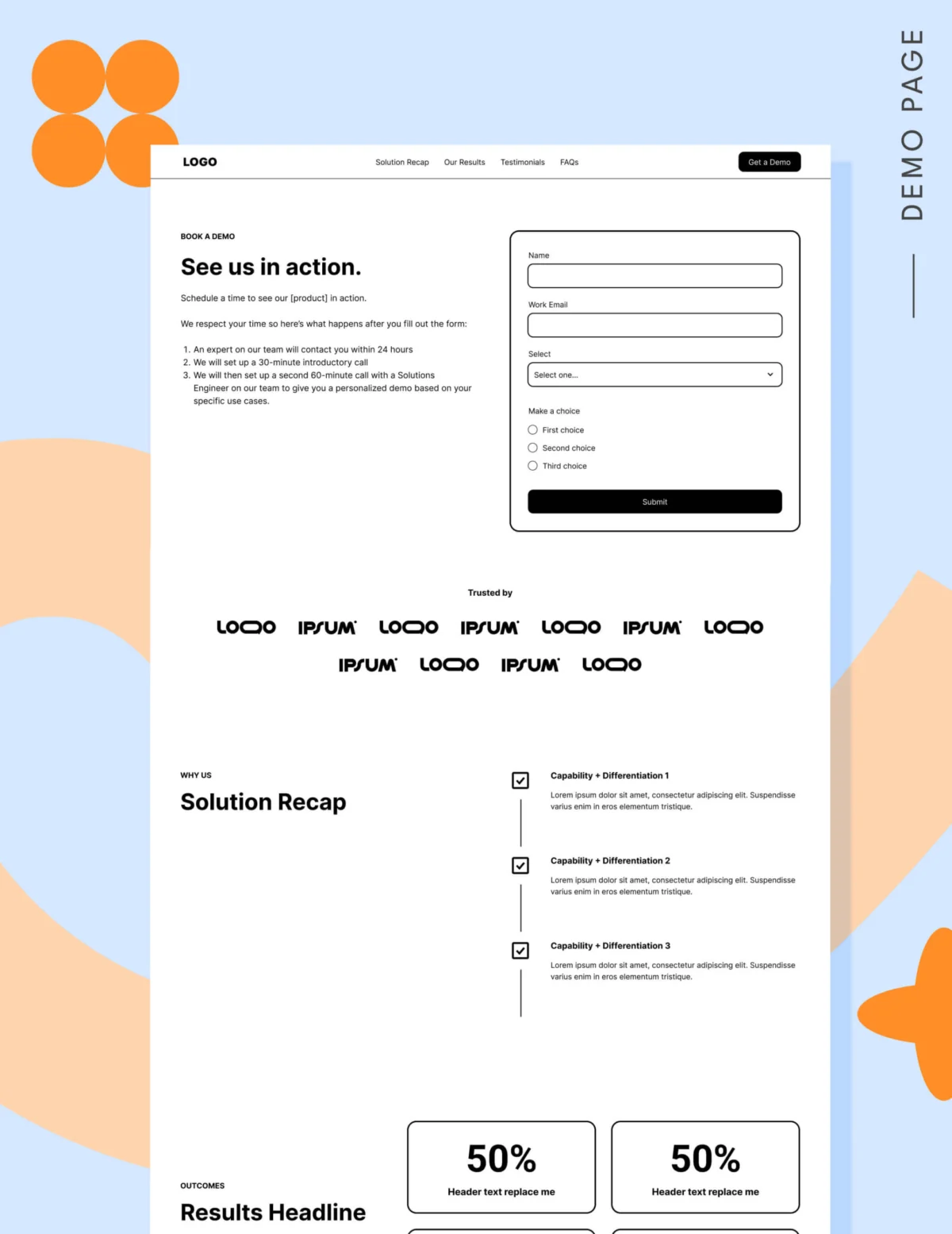
Instapage, a pioneer in landing page technology since 2012, has officially announced its transition from a specialized conversion rate optimization (CRO) suite into a fully integrated, AI-powered marketing platform. This strategic evolution marks a significant milestone for the Silicon Valley-based company, which has spent over a decade refining the post-click experience for digital marketers. By embedding generative artificial intelligence across its entire workflow—encompassing page construction, email automation, and experimentation—Instapage aims to solve the persistent industry challenge of "tool fragmentation," where marketing teams are often forced to stitch together disparate software to manage a single campaign.
The move comes at a critical juncture for the digital marketing industry. As global economic pressures demand leaner operations and higher returns on ad spend (ROAS), the integration of AI is no longer a luxury but a fundamental requirement for scaling. Instapage’s new suite of features, which includes AI Page Generation, AI Email Generation, and AI Collections, is designed to eliminate the friction between the conceptualization of a marketing campaign and its execution. By allowing users to generate conversion-ready assets through simple descriptive prompts, the platform is positioning itself as an end-to-end solution for businesses looking to accelerate their speed-to-market without increasing headcount.
The Evolution of Instapage: A Chronology of Conversion Technology
To understand the significance of this latest release, it is necessary to examine the trajectory of Instapage within the broader context of the MarTech (Marketing Technology) landscape. Founded in 2012 by Tyson Quick, Instapage entered the market when the primary challenge for advertisers was the high cost and technical difficulty of building dedicated landing pages for PPC (pay-per-click) campaigns.
Between 2012 and 2018, the company focused on building the industry’s most intuitive "pixel-perfect" drag-and-drop builder. During this era, the focus was on democratization—enabling non-technical marketers to create high-performing pages without the need for web developers. As the market matured, Instapage expanded its scope to include sophisticated CRO tools, such as heatmaps, A/B testing, and dynamic text replacement.
By 2020, the company had introduced the concept of Post-Click Automation (PCA), emphasizing that the experience after the click is just as important as the ad itself. This led to the development of personalization tools and AdMap, a feature that allowed marketers to visualize the connection between their ads and landing pages. The pivot toward AI began in earnest in the early 2020s, with the introduction of AI-assisted copywriting and basic experimentation algorithms. The current 2026 release represents the culmination of this decade-long journey, shifting the platform from a tool that assists human builders to an autonomous engine that generates, tests, and optimizes marketing funnels.
Technical Breakdown: AI Page and Email Generation
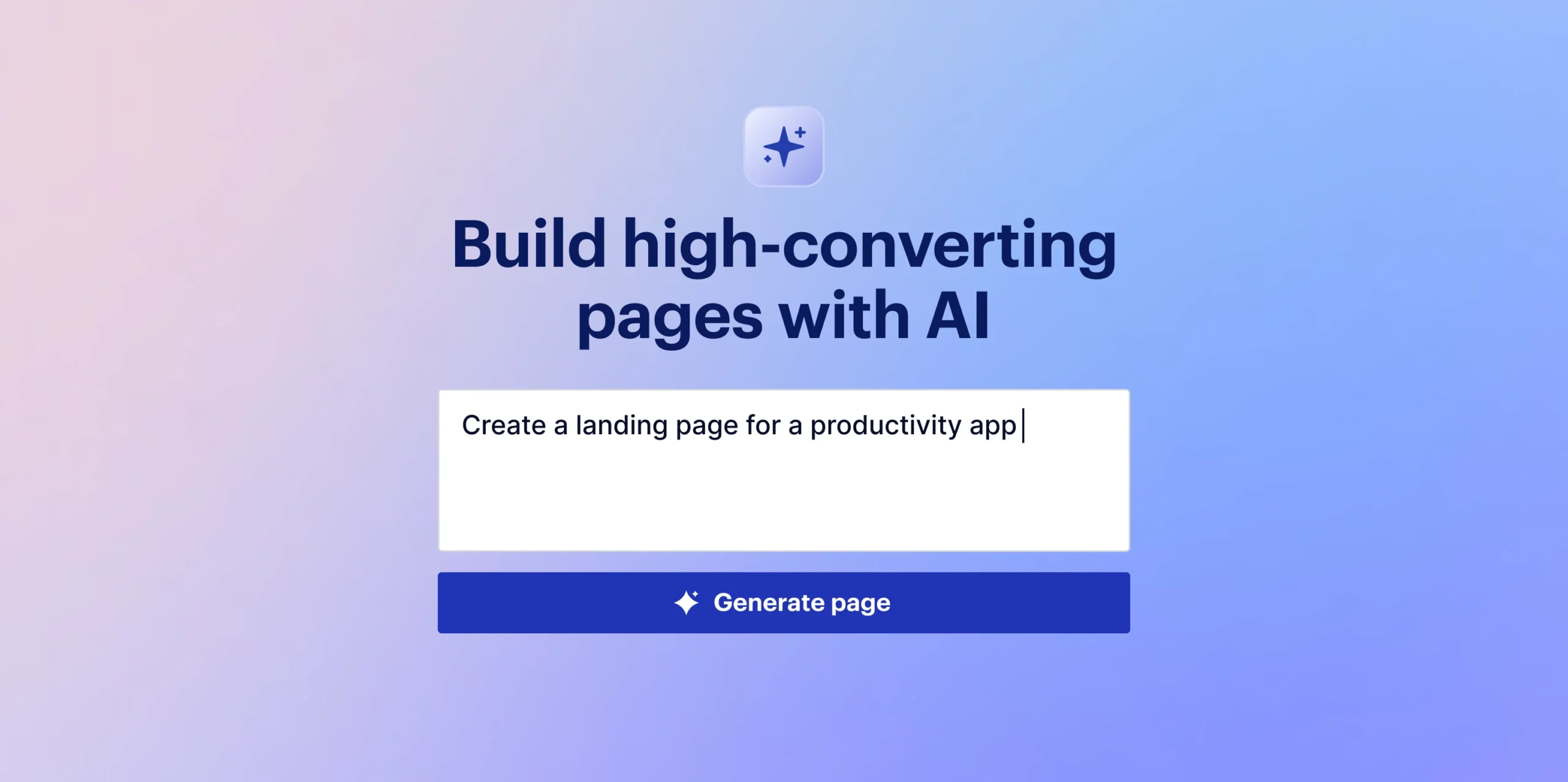
The centerpiece of the new update is the AI Page Generation tool. Unlike first-generation AI builders that often produced rigid, template-based designs, Instapage’s new engine combines generative AI with its proprietary visual builder. This "hybrid" approach addresses a major pain point in the industry: the difficulty of editing AI-generated content.
In most standalone AI generators, modifying a layout often requires a complete regeneration of the page, which consumes "tokens" and wastes time. Instapage’s implementation allows the AI to create the initial structural layout, messaging, and visual hierarchy based on a user’s description. Once the foundation is laid, the user retains full creative control through the drag-and-drop interface. This ensures that the speed of AI does not come at the expense of brand integrity or specific design requirements.
The expansion into AI Email Generation represents a significant broadening of Instapage’s functional footprint. Historically, Instapage users had to export leads to third-party platforms like Mailchimp, HubSpot, or Klaviyo to initiate follow-up sequences. This gap often resulted in "lead decay," where the time elapsed between a form submission and a follow-up response led to lower conversion rates. The new built-in email generator allows teams to create tailored follow-up messages instantly. By selecting a goal, target audience, and tone, the AI produces emails that are contextually relevant to the specific landing page the lead originated from, creating a seamless narrative for the customer.

Supporting Data: The Economic Imperative for AI Integration
The shift toward AI-powered end-to-end platforms is backed by compelling industry data. According to a 2025 report by Gartner, marketing departments that successfully integrate AI into their creative workflows have seen a 40% reduction in production time and a 15% increase in lead quality. Furthermore, Forrester Research indicates that the "cost of complexity"—the hidden expense of managing multiple disconnected SaaS tools—can account for up to 20% of a mid-sized marketing budget.
Instapage’s internal data mirrors these trends. Early testers of the AI Page Generation tool reported building conversion-ready pages up to 10 times faster than through manual methods. In an environment where the average lifespan of a digital ad is shrinking, the ability to launch pages in seconds rather than days provides a massive competitive advantage. Additionally, the integration of email follow-ups within the same ecosystem addresses the issue of data silos, which currently affect approximately 62% of marketing organizations, according to industry benchmarks.
Industry Implications and Market Analysis
The transformation of Instapage into an end-to-end platform is reflective of a wider trend toward "SaaS Consolidation." As the number of specialized marketing tools has exploded over the last decade, many enterprises are now looking to consolidate their "stack" to reduce costs and improve data security. By offering landing pages, websites, personalization, experimentation, and now email within a single AI-driven interface, Instapage is directly competing with larger marketing clouds.
Analysts suggest that the unique selling proposition of Instapage lies in its "conversion-first" DNA. While general-purpose AI tools like ChatGPT or Midjourney can generate content, they lack the specialized knowledge of what makes a page convert. Instapage’s AI models are trained on over a decade of conversion data, including trillions of data points from billions of visitors. This "specialized intelligence" is expected to yield higher ROAS compared to generic AI tools.
However, the move also presents challenges. Entering the email marketing space puts Instapage in direct competition with entrenched players. To succeed, the company must ensure that its email deliverability and automation capabilities match the sophistication of its page-building tools. The "beta" status of certain features indicates that the company is taking a measured approach to this expansion, prioritizing stability and user feedback.
Official Responses and Strategic Vision
While official press releases emphasize the technological leap, the underlying message from the company is one of empowerment for "lean" teams. In a statement regarding the release, the company noted that the 2026 marketing landscape is characterized by tighter budgets and higher expectations. The goal of the AI-powered platform is to allow small to mid-sized teams to perform at the level of large agencies by removing the technical barriers to entry.
Marketing experts have reacted positively to the "no-gap" workflow. "The biggest friction point in digital marketing isn’t the creation of the idea, but the execution of the handoff between tools," says one independent industry analyst. "By keeping the lead, the page, and the email in one closed loop, Instapage is effectively shortening the distance between a click and a customer."
Conclusion: The Future of Post-Click Automation
As Instapage rolls out its AI features to its global user base, the company is signaling a new era for digital advertising. The traditional model of manual page building and fragmented follow-ups is being replaced by an automated, intelligent ecosystem. For businesses, this means the ability to test more ideas, personalize more experiences, and scale successful campaigns with unprecedented efficiency.
The success of this transition will likely depend on the continued refinement of the AI models and the seamlessness of the user experience. As the technology moves out of beta, the industry will be watching closely to see if this "all-in-one" AI approach becomes the new standard for the MarTech industry. For now, Instapage has laid down a marker, challenging the notion that high-performance marketing requires a complex web of disconnected tools. The future of marketing is not just about being faster; it is about being more integrated, more intelligent, and more focused on the only metric that truly matters: conversion.