

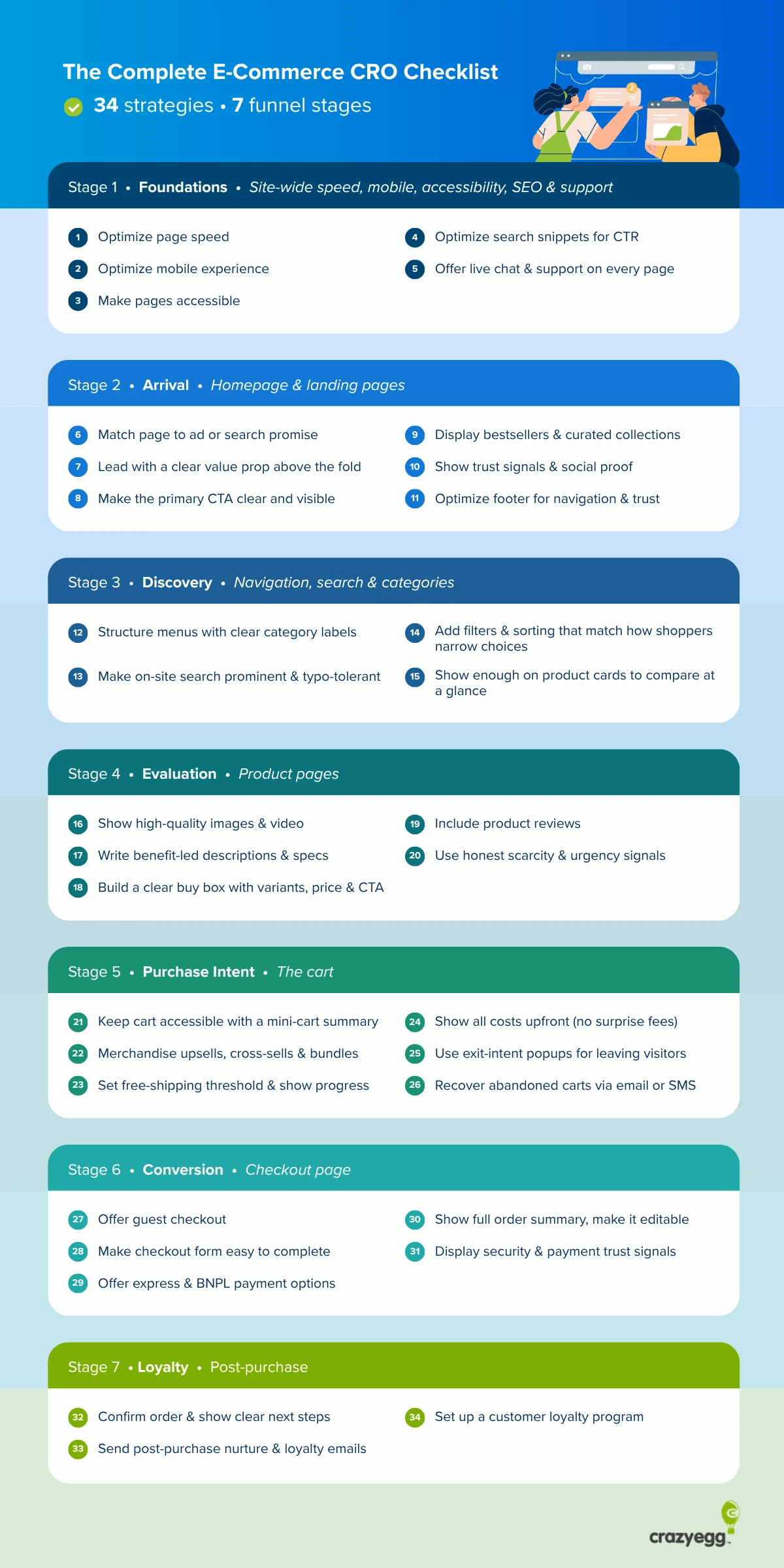
The global e-commerce landscape in 2026 has reached a critical inflection point where the cost of acquiring new customers through traditional digital advertising frequently outpaces the immediate return on investment. Consequently, Conversion Rate Optimization (CRO) has transitioned from a secondary marketing tactic to a primary business imperative for digital retailers. Industry data suggests that even marginal improvements in the conversion funnel—such as increasing a store-wide rate from 2.2% to 2.3%—can yield a revenue lift of over 4.3%, assuming the average order value remains constant. This strategic framework outlines more than 30 evidence-backed strategies designed to mitigate friction, enhance user experience, and maximize the lifetime value of every visitor.
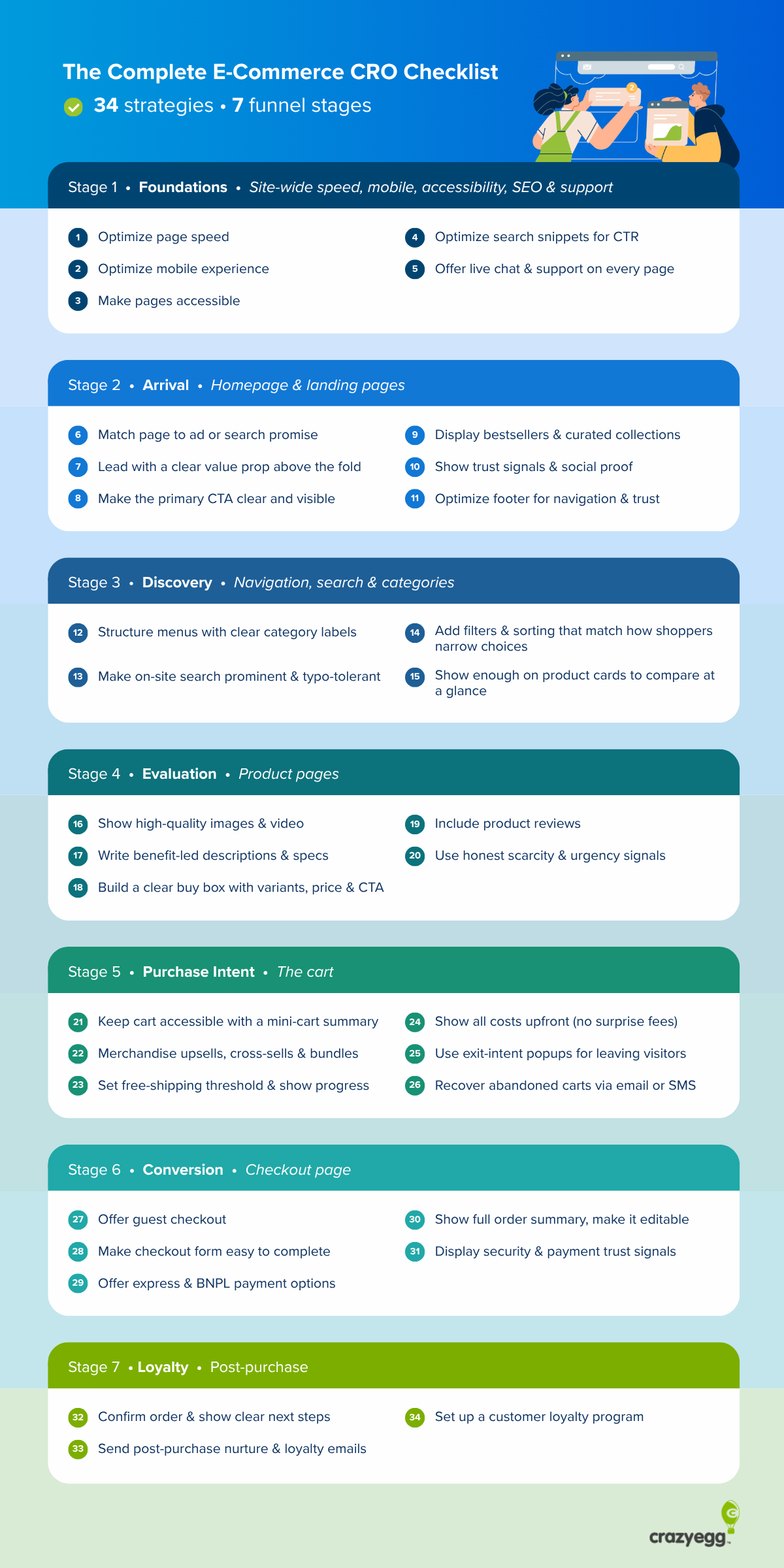
The Economic Context of Conversion Optimization
The shift toward CRO is driven by a tightening digital economy. According to recent benchmarks from Dynamic Yield, e-commerce conversion rates vary significantly by sector, with luxury goods and jewelry hovering around 0.7%, while veterinary and pet care sectors reach as high as 7.15%. In an era of rising Customer Acquisition Costs (CAC), businesses are increasingly prioritizing "plugging the holes" in their existing funnels rather than increasing ad spend.
Experts argue that a robust CRO program serves as a hedge against market volatility. By focusing on the customer journey—from initial arrival to post-purchase nurturing—retailers can build a sustainable growth model that relies on efficiency rather than sheer volume.
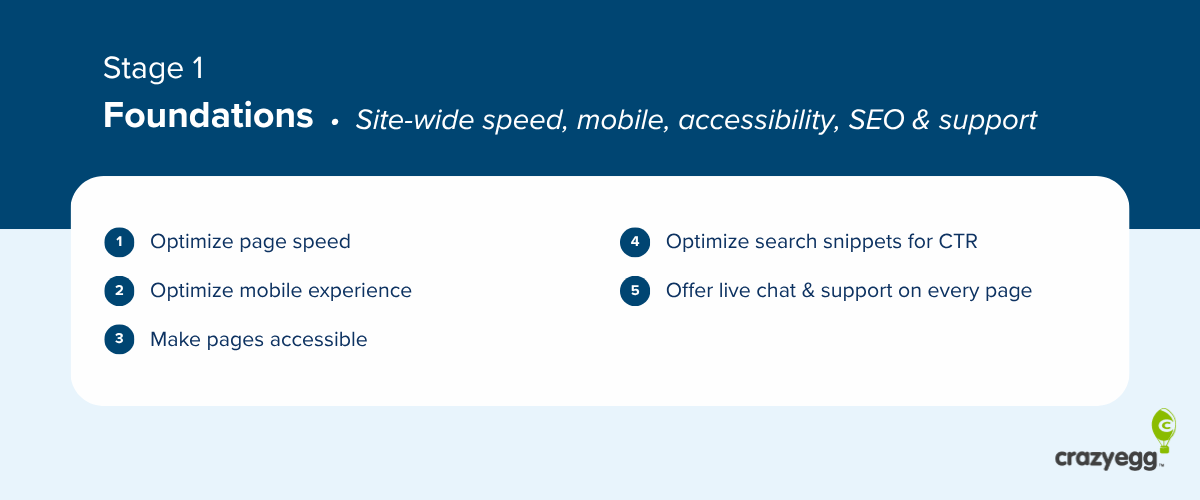
Phase I: Establishing Technical and Accessibility Foundations
The first stage of any optimization program must address site-wide infrastructure. Technical debt and poor performance are the most significant contributors to "bounce rates," where users exit the site before engaging with the content.
1. Performance and Speed Architecture
Website load time remains a non-negotiable factor in user retention. Analysis indicates that sites should aim for a load time of under 2.5 to 3 seconds. This is achieved through aggressive image compression, the implementation of Content Delivery Networks (CDNs), and the elimination of redundant JavaScript or third-party apps that bloat the site’s "head" section.
2. Mobile-First User Experience
With mobile devices accounting for the majority of e-commerce traffic in 2026, the mobile interface must be prioritized over desktop versions. Key optimizations include:
- Implementing "sticky" Add-to-Cart buttons that remain visible during scrolling.
- Designing thumb-friendly navigation menus.
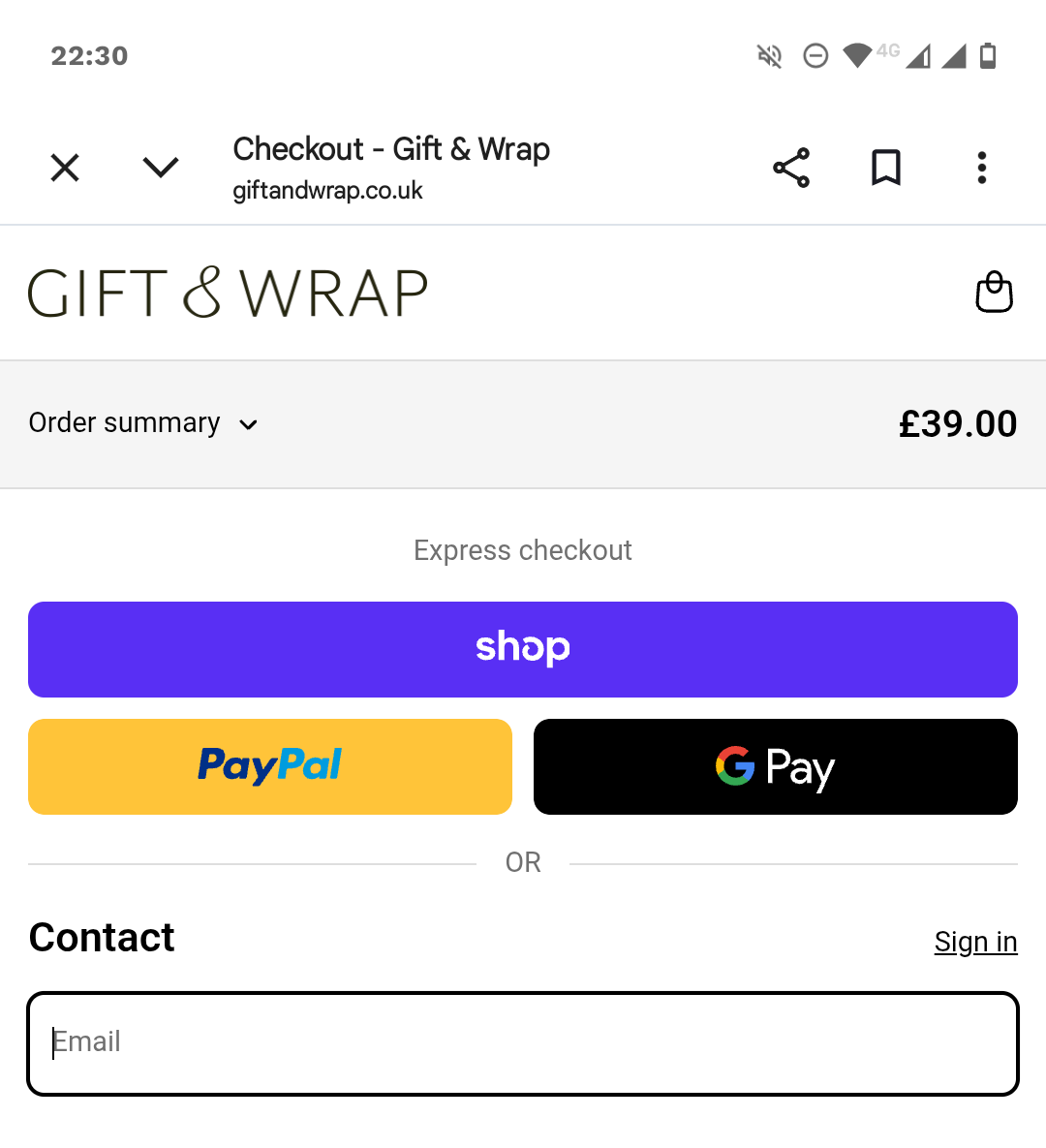
- Utilizing mobile-specific payment gateways like Apple Pay and Google Pay to bypass traditional form entry.
3. Universal Accessibility and Search Visibility
Accessibility is no longer just a compliance requirement but a conversion driver. Ensuring that e-commerce platforms support screen readers and keyboard navigation opens the market to a broader demographic. Simultaneously, optimizing search snippets with Schema.org structured data allows retailers to trigger "rich results"—displaying prices, availability, and star ratings directly on search engine results pages (SERPs)—thereby increasing click-through rates before the user even reaches the site.

Phase II: Landing Page and Homepage Navigation
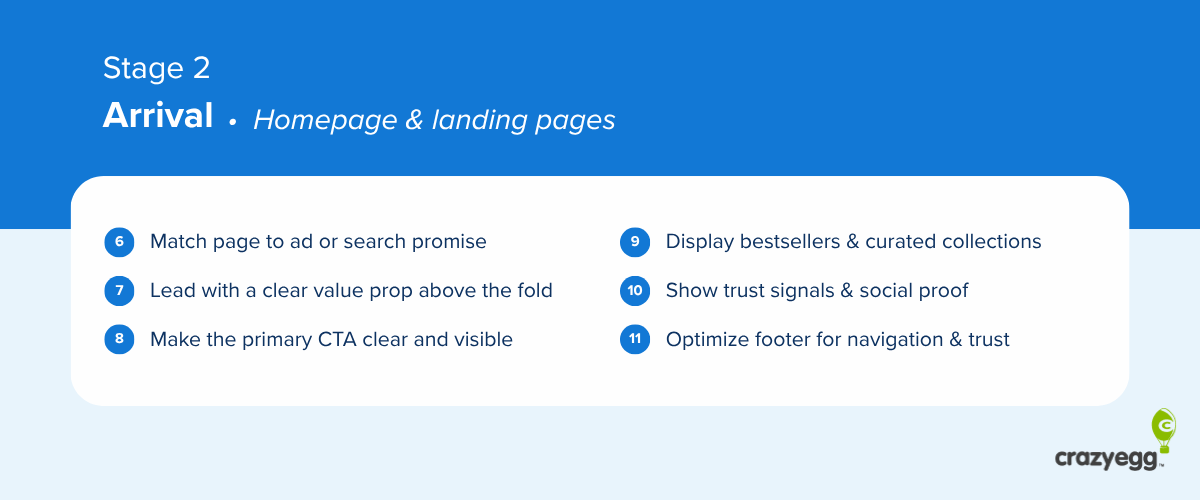
The "Arrival" phase is where first impressions are solidified. The primary goal here is to reduce the bounce rate by immediately validating the visitor’s intent.
4. Message Match and Value Propositions
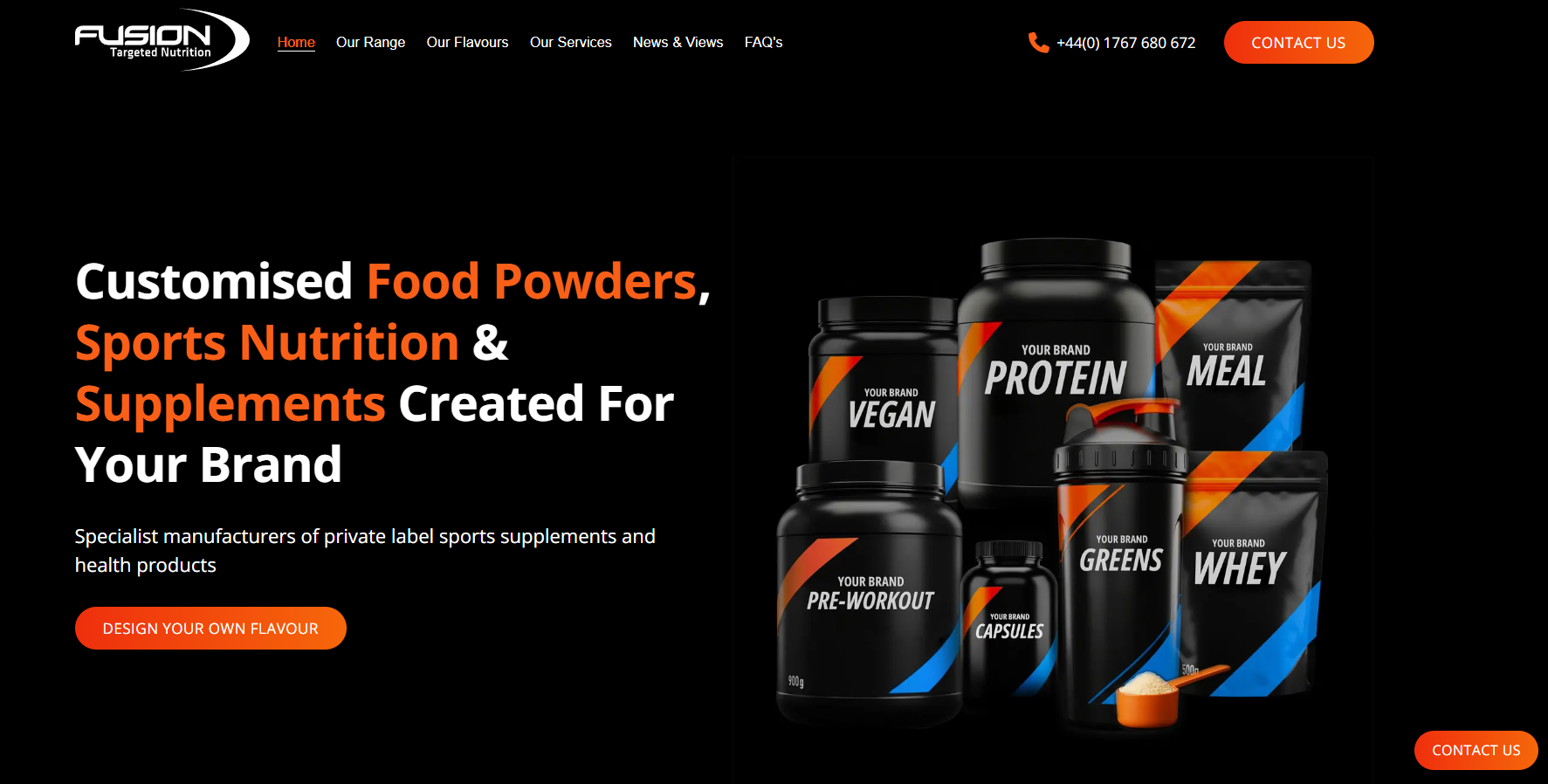
There must be a seamless transition between an advertisement and the landing page. If an ad promises a specific promotion or product, the landing page must reflect that promise "above the fold." A clear value proposition should define what is being sold, who it is for, and the unique differentiator of the brand.
5. Curation and Trust Signals
Homepages should avoid overwhelming users with too many choices. Instead, retailers should display curated collections, bestsellers, and new arrivals. To build immediate credibility, brand-level trust signals—such as "4.8 stars from 15,000 reviews" or B Corp certifications—should be prominently displayed. The footer also serves as a critical trust anchor, housing links to shipping policies, return guarantees, and secure payment certifications.
Phase III: Discovery and Intelligent Search
Once a user decides to stay, the ease with which they find a product determines the likelihood of a sale. Data from Constructor’s 2024 study reveals that while searchers may only represent 24% of site visitors, they drive approximately 44% of total revenue, converting at 2.5 times the rate of non-searchers.
6. Advanced On-Site Search
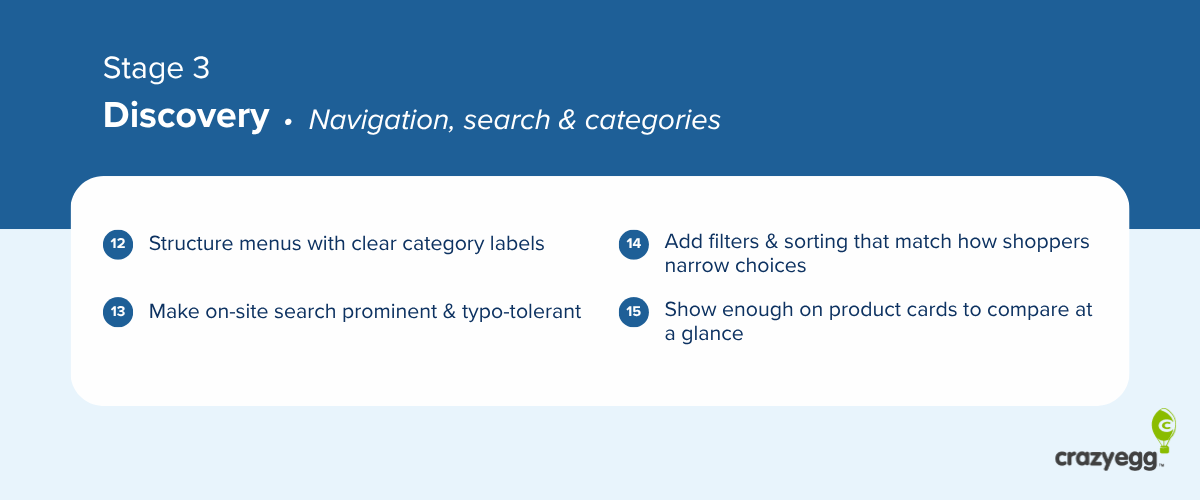
Modern e-commerce requires search bars that are prominent and typo-tolerant. Implementing AI-driven autocomplete and "did you mean" functionality prevents the "zero results" page, which is a frequent point of exit.
7. Filtering and Comparison Logic
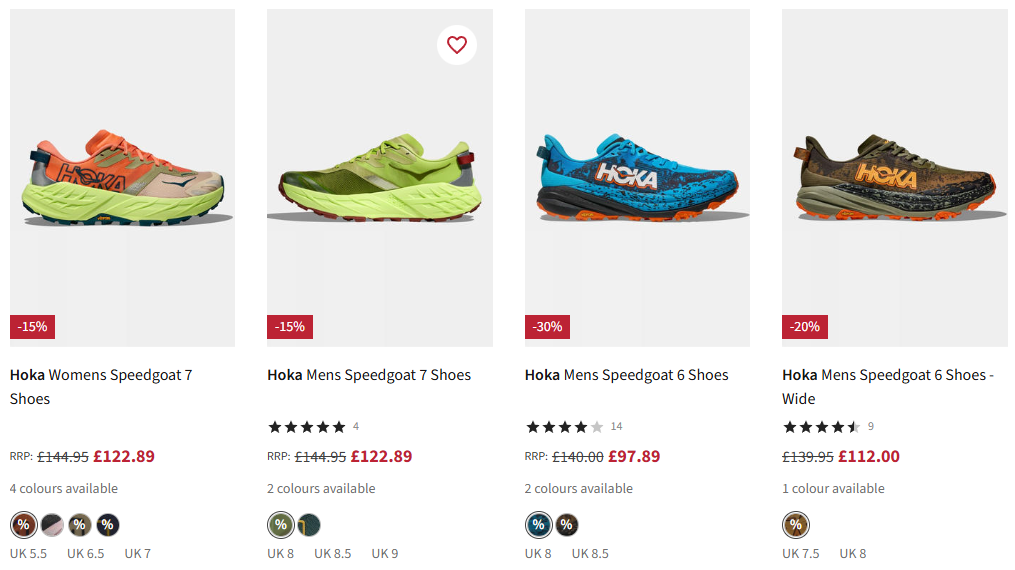
Retailers must implement filters that mirror how customers actually shop. Beyond basic filters like price and size, category-specific filters (e.g., "warmth rating" for coats or "skill level" for toys) help narrow down choices. Product cards in the grid view should also provide enough information—such as color swatches and secondary hover images—to allow for at-a-glance comparisons without requiring a page refresh.

Phase IV: The Product Detail Page (PDP) as a Conversion Engine
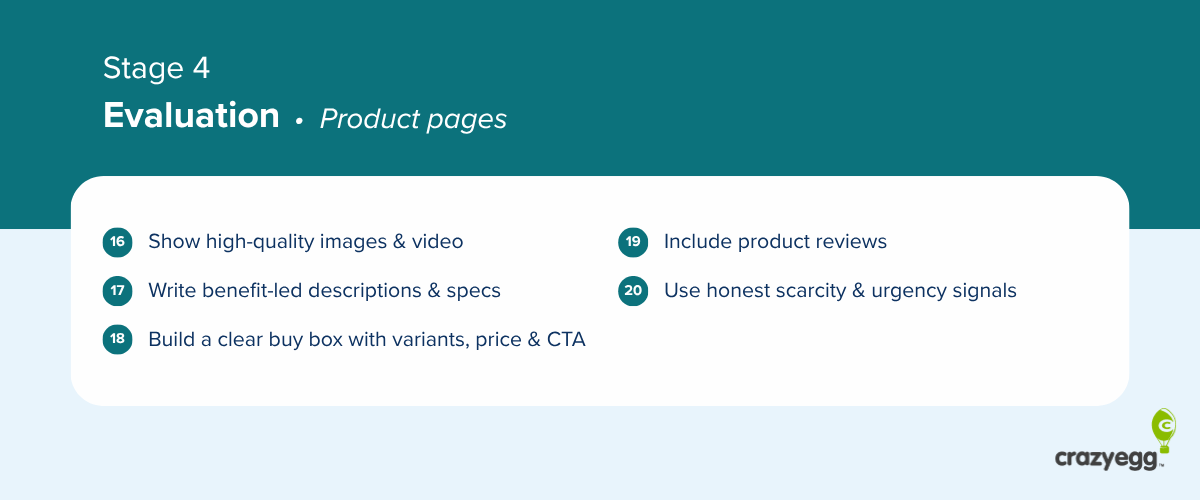
The PDP is the final stage of the evaluation process. It must serve as a digital proxy for a physical, hands-on inspection of the product.
8. Visual Fidelity and Benefit-Led Copy
High-quality imagery is essential, but 2026 standards also demand lifestyle videos and scale-referential photos (showing the product next to a recognizable object). Product descriptions should shift from technical specifications to benefit-led narratives, answering the customer’s unspoken question: "How will this improve my life?"

9. Social Proof and Urgency
Reviews are the cornerstone of trust. A sophisticated review section includes filterable ratings, verified buyer badges, and customer-uploaded photos. To nudge the customer toward a decision, honest scarcity signals—such as "only 3 left in stock" or "order within 2 hours for next-day delivery"—can be effective if used ethically and accurately.
Phase V: Optimizing the Transactional Funnel
Cart abandonment remains one of the greatest challenges in digital retail. Research by the Baymard Institute indicates that hidden costs and forced account creation are the leading causes of funnel drop-off.
10. Cart Transparency and Upselling
The "mini-cart" or slide-out cart allows users to review their items without leaving their current page. To increase Average Order Value (AOV), retailers can implement a free-shipping threshold bar, showing exactly how much more a user needs to spend to qualify for free delivery. This is often paired with "frequently bought together" recommendations.
11. Frictionless Checkout
The 2025-2026 period has seen a massive shift toward guest checkout as the default option. Data shows that 18% of shoppers will abandon a cart if forced to create an account. Form fields should be minimized to 7 or 8 essential inputs, utilizing address autocomplete and defaulting the billing address to match the shipping address.

12. Payment Diversity
The integration of diverse payment methods is a proven revenue driver. A 2025 Stripe study found that adding a single relevant local payment method increased conversions by 7.4%. Furthermore, the inclusion of Buy Now, Pay Later (BNPL) options has been shown to increase revenue by up to 14% in certain demographics.
Phase VI: Post-Purchase Engagement and Loyalty
The customer journey does not end at the "Thank You" page. Acquisition is the beginning of the relationship; retention is where profitability is secured.
13. Nurturing the Relationship
Immediate order confirmation should be followed by proactive shipping updates. Post-purchase email flows should transition from transactional data to educational content, such as "how-to" guides or care instructions.
14. Loyalty Architecture
A well-structured loyalty program encourages repeat purchases through tiered rewards, early access to new products, or points-based discounts. Displaying a customer’s rewards balance in their account and during the checkout process serves as a persistent incentive to return to the brand.
Strategic Implementation Timeline
For organizations looking to implement this framework, experts recommend a phased approach:
- Week 1-2 (The Audit): Conduct a full walkthrough of the store across all devices. Test every payment method and identify obvious technical friction points.
- Week 3-6 (Foundation & Checkout): Prioritize page speed and the checkout experience. These "bottom-of-the-funnel" fixes often provide the fastest return on investment.
- Week 7-12 (Discovery & Evaluation): Optimize site search, filtering, and PDP content.
- Ongoing (Testing & Analytics): Once the baseline checklist is completed, transition to a culture of A/B testing and user behavior analysis (using tools like heatmaps and session recordings) to identify store-specific optimizations.
Conclusion and Market Outlook
The future of e-commerce belongs to those who prioritize user experience over aggressive sales tactics. As privacy regulations continue to limit the efficacy of targeted advertising, the ability to convert organic and paid traffic through a frictionless, high-trust environment becomes the ultimate competitive advantage. By systematically applying these 30+ strategies, retailers can ensure that their digital storefronts are not merely galleries of products, but highly efficient engines of commerce and customer loyalty.







