The global ecommerce landscape is currently undergoing a transformative shift, moving away from traditional transactional marketing toward a holistic growth marketing model that emphasizes long-term customer lifetime value. As digital marketplaces become increasingly saturated, industry analysts suggest that standard marketing efforts are no longer sufficient to maintain a competitive edge. Instead, sustainable growth now requires a sophisticated blend of deep market analysis, consumer psychology, advanced technological infrastructure, and an unwavering focus on the end-to-end customer experience. A future-proof strategy is defined not by its ability to react to current trends, but by its capacity to anticipate shifts in consumer behavior and technological capabilities.
The Evolution of Ecommerce Marketing Paradigms
To understand the necessity of future-proofing, one must examine the chronology of digital commerce. The early 2000s were defined by a "build it and they will come" mentality, where basic SEO and email blasts were sufficient for growth. The 2010s saw the rise of social media advertising and the professionalization of Pay-Per-Click (PPC) campaigns. However, the current decade has introduced a level of complexity driven by data privacy regulations, the decline of third-party cookies, and a fragmented consumer journey.
Industry reports from firms such as McKinsey & Company indicate that the cost of acquiring new customers has risen by nearly 60% over the last five years. This economic reality has forced a strategic pivot toward growth marketing—a discipline that focuses on the entire funnel, from awareness to retention and referral. By building a foundation that can adapt to market volatility, ecommerce entities are positioning themselves to survive economic downturns and technological disruptions.
Strategic Market Analysis: Decoding the Modern Consumer
The bedrock of any future-proof strategy is a rigorous analysis of market dynamics and consumer insights. This involves more than basic demographic tracking; it requires a psychographic understanding of what drives purchasing decisions in a post-pandemic economy.
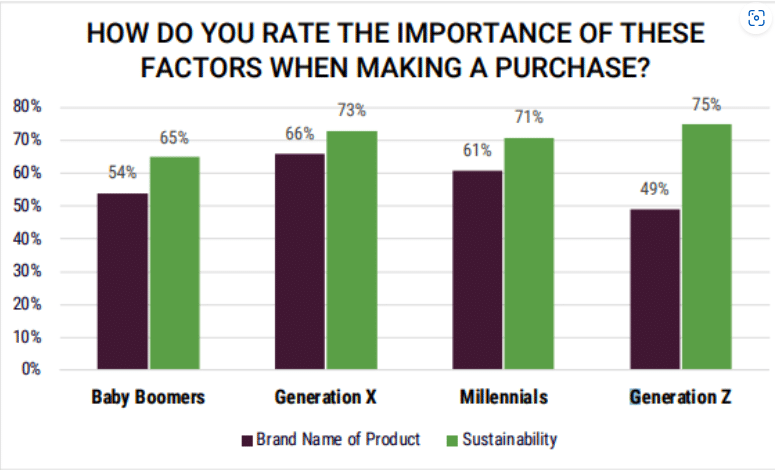
Research from the World Economic Forum highlights a significant generational shift in consumer priorities. Approximately 75% of Generation Z consumers—those born between 1995 and 2010—prioritize sustainability and ethical brand practices over brand names. This shift suggests that growth marketing strategies must incorporate corporate social responsibility (CSR) not as a peripheral marketing tactic, but as a core value proposition.
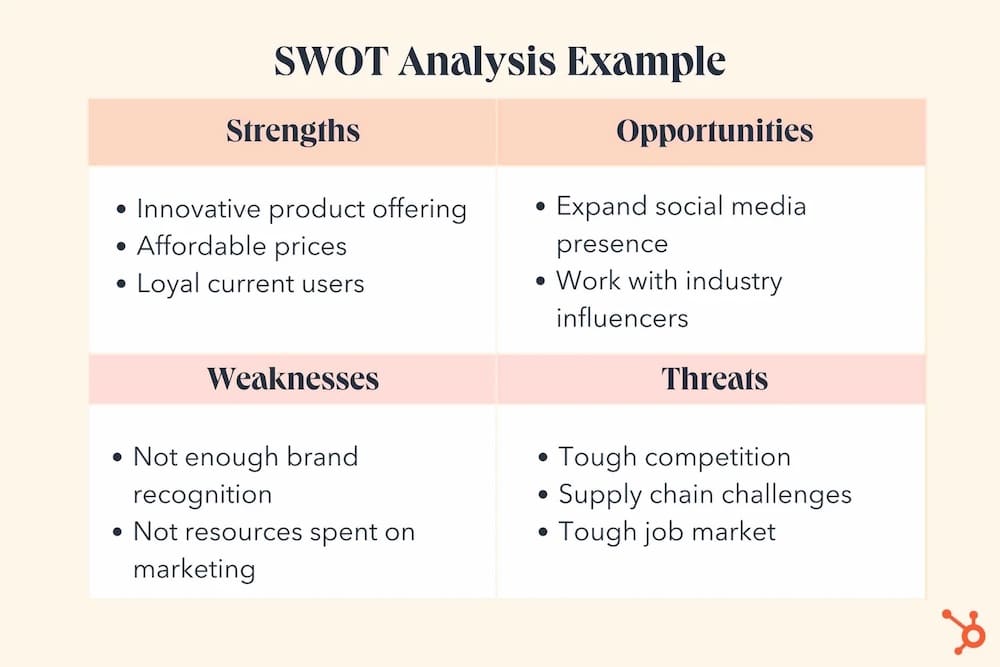
Furthermore, competitive analysis has evolved into a continuous intelligence gathering process. Utilizing SWOT (Strengths, Weaknesses, Opportunities, Threats) frameworks allows businesses to identify market gaps. Amazon’s historical rise serves as a primary case study in this regard; by identifying the consumer’s desire for hyper-fast delivery, the company developed Amazon Prime, effectively turning a logistical gap into a dominant market advantage. Analysts suggest that brands failing to conduct regular competitive benchmarking risk obsolescence within three to five years.
The Technological Imperative: Scalability and Artificial Intelligence
Investment in robust technology and infrastructure is the second pillar of a future-proof ecommerce strategy. In a market where site speed and security are non-negotiable, the choice of platform can determine a company’s ceiling for growth. Scalable platforms such as Shopify and Magento (Adobe Commerce) have become industry standards due to their ability to handle sudden surges in traffic and integrate with complex third-party APIs.
However, the current technological frontier is defined by Artificial Intelligence (AI) and Machine Learning (ML). These tools are no longer reserved for enterprise-level corporations. Personalization engines, such as those utilized by the online styling service Stitch Fix, use AI to curate clothing selections based on individual preferences and past behaviors. This level of hyper-personalization is becoming a baseline expectation for consumers. According to industry data, companies that excel at personalization generate 40% more revenue from those activities than average players.
The Rise of Mobile Commerce and Automated Efficiency
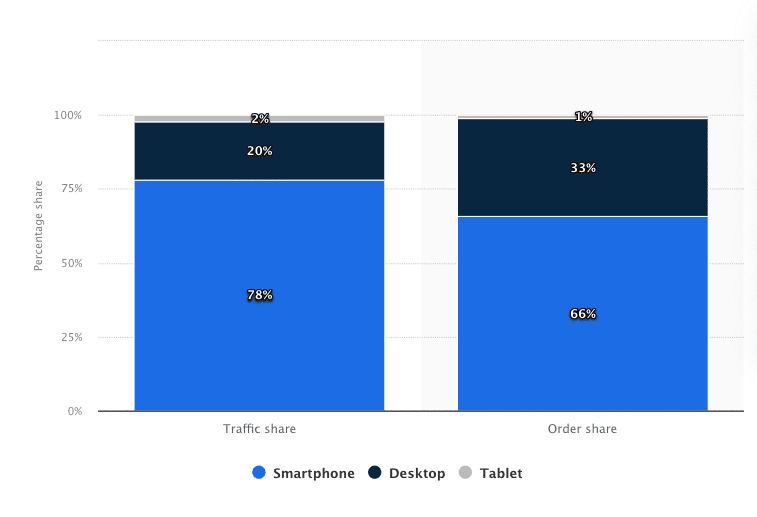
Data from Statista reveals that as of the fourth quarter of 2023, smartphones accounted for approximately 78% of global retail site traffic and two-thirds of all online shopping orders. This "mobile-first" reality necessitates a shift in design philosophy. Future-proof brands are moving beyond "responsive design" toward "mobile-native" experiences, prioritizing touch-friendly interfaces, biometric one-click payments, and lightning-fast load times.
Simultaneously, automation has become a critical component for operational efficiency. By automating repetitive tasks, growth marketers can focus on high-level strategy. Key areas for automation include:
- Customer Relationship Management (CRM): Automated email sequences triggered by specific user behaviors.
- Inventory Management: AI-driven forecasting to prevent overstocking or stockouts.
- Customer Support: Advanced AI chatbots capable of resolving complex queries without human intervention.
- Social Media Management: Programmatic ad buying and post-scheduling to maintain a constant brand presence.
Omnichannel Integration: The New Standard for Customer Engagement
The modern consumer journey is no longer linear. A customer may discover a product on an Instagram reel, research it on a desktop site, and eventually make the purchase through a mobile app or a physical pop-up shop. This fragmentation requires an omnichannel marketing approach—a strategy that provides a seamless experience regardless of the platform or device.
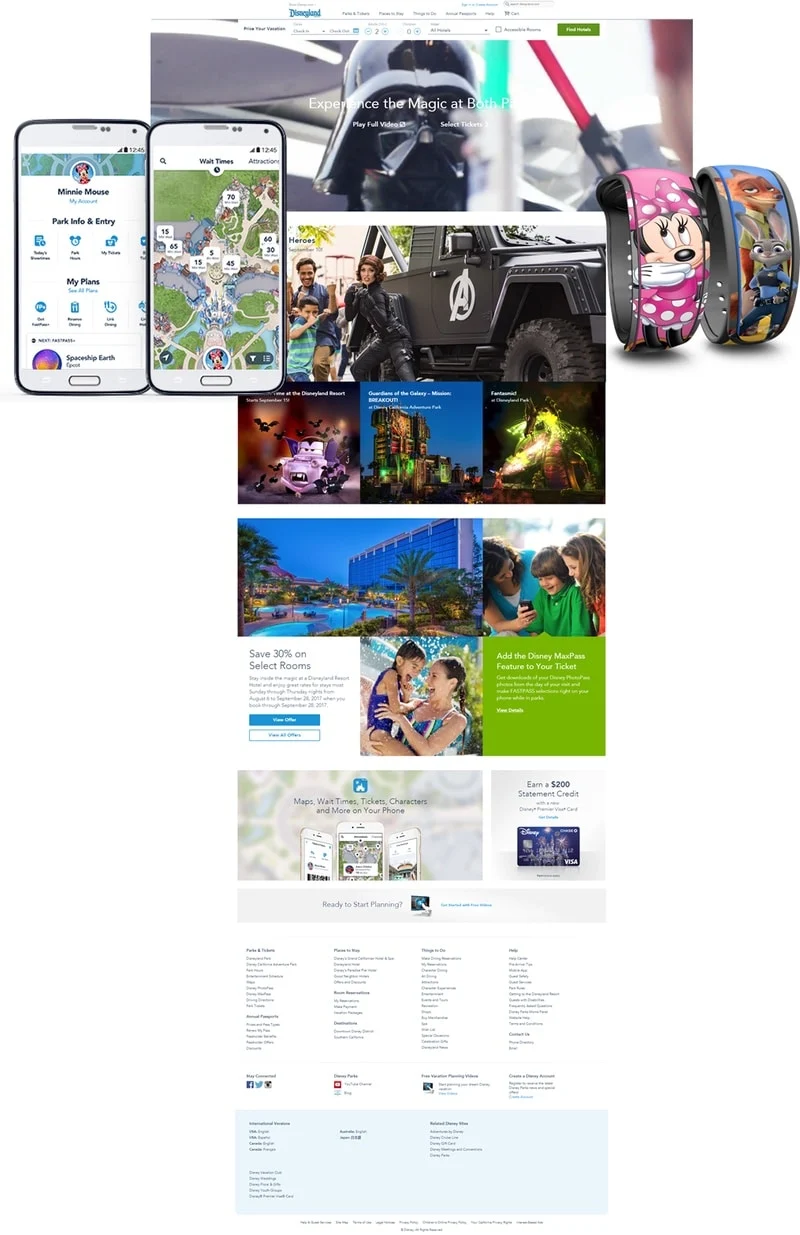
Statistics indicate that businesses with strong omnichannel engagement strategies retain an average of 89% of their customers, compared to a 33% retention rate for those with weak omnichannel integration. The Walt Disney Company is frequently cited by analysts as the gold standard for omnichannel excellence. Their "My Disney Experience" app integrates ticket purchasing, hotel bookings, and restaurant reservations with wearable RFID technology (MagicBands), creating a frictionless ecosystem that keeps the consumer within the brand’s orbit throughout their entire journey.
Content as a Long-Term Asset: The Value of Evergreen Material
In an era of fleeting social media trends, the production of high-quality, evergreen content remains a vital strategy for sustainable growth. Evergreen content—material that remains relevant and valuable over long periods—serves as a continuous lead generation engine.
Effective content strategies include:
- Comprehensive How-To Guides: Establishing the brand as an authority in its niche.
- Educational Video Content: Leveraging platforms like YouTube for long-tail search traffic.
- In-Depth Case Studies: Providing social proof and demonstrating product efficacy.
- SEO-Optimized Blog Posts: Addressing perennial pain points of the target audience.
A prime example is wikiHow, which has built a massive digital footprint by providing step-by-step solutions to common problems. For ecommerce brands, this approach involves creating content that assists the customer not just in the purchase, but in the ongoing use and maintenance of the product, thereby increasing the likelihood of repeat business.

Cultivating Brand Advocacy Through Customer Experience
As customer acquisition costs continue to climb, the focus of growth marketing has shifted toward retention and brand advocacy. Research suggests that 73% of consumers cite experience as a primary factor in their brand loyalty. Turning a first-time buyer into a loyal advocate requires a "customer-first" culture that permeates every level of the organization.
Strategies for fostering loyalty include:
- Tiered Rewards Programs: Incentivizing repeat purchases through exclusive benefits.
- Personalized Post-Purchase Communication: Sending tailored follow-ups and usage tips.
- Referral Incentives: Turning satisfied customers into a decentralized sales force.
- Exceptional Return Policies: Reducing the "friction of regret" and building trust.
When customers feel valued beyond the transaction, they are more likely to engage in word-of-mouth marketing, which remains the most trusted form of advertising among all age demographics.
Data-Driven Performance Analysis and Continuous Optimization
The final component of a future-proof strategy is a rigorous commitment to performance analysis. This involves the establishment of Key Performance Indicators (KPIs) such as Customer Acquisition Cost (CAC), Average Order Value (AOV), and Churn Rate.
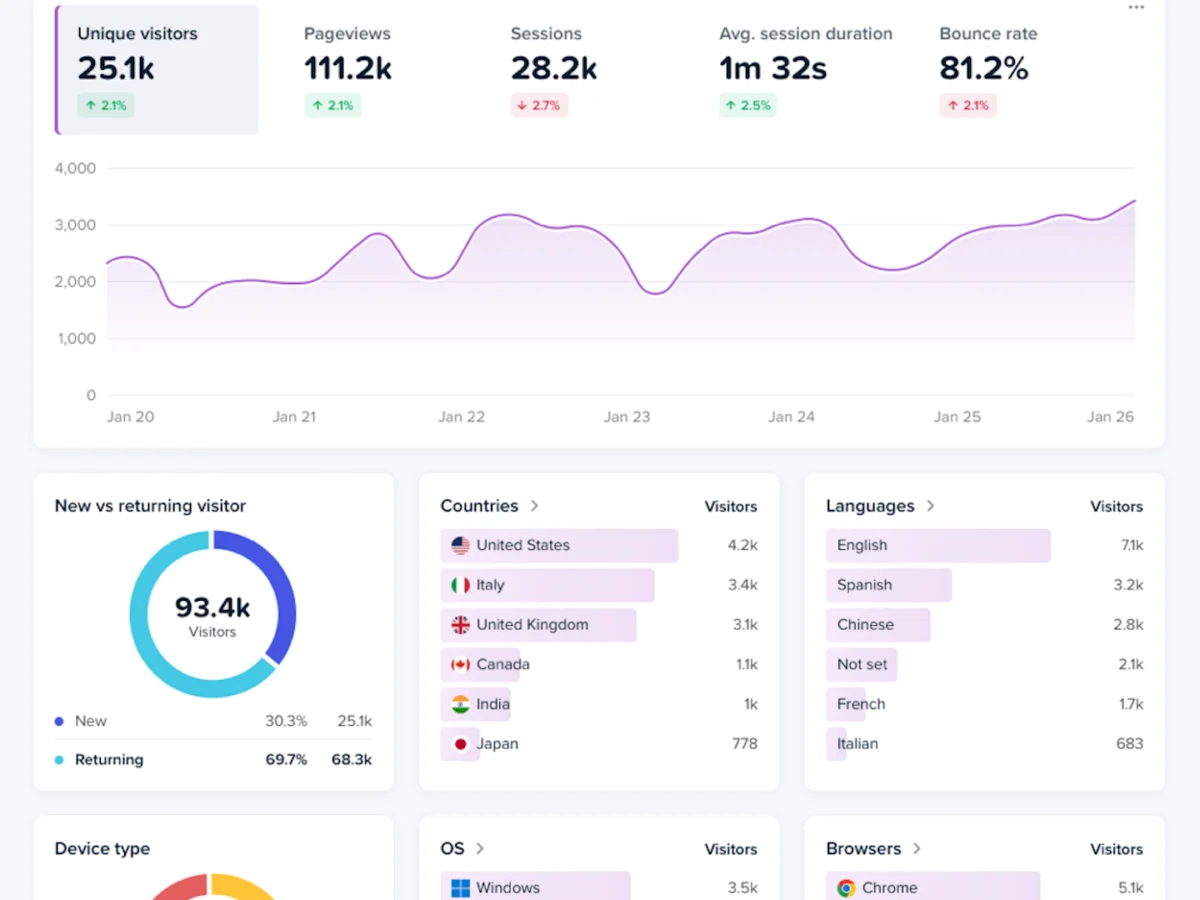
Advanced analytics tools, including Google Analytics 4 (GA4) and behavioral analysis platforms like FigPii, allow marketers to visualize the user journey with precision. Heatmaps, session recordings, and A/B testing enable a culture of continuous optimization. Rather than relying on intuition, growth marketers use empirical data to refine website layouts, ad copy, and checkout flows. This iterative process ensures that the marketing strategy remains aligned with evolving user behaviors.
Future Implications: Navigating the Next Decade of Digital Commerce
The implications of these strategies extend beyond immediate sales growth. As the ecommerce sector matures, the distinction between "online" and "offline" retail will continue to blur. The integration of Augmented Reality (AR) for virtual "try-ons" and the potential of the metaverse for immersive shopping experiences represent the next frontier.
Furthermore, the ethical use of data will become a major competitive differentiator. As consumers become more aware of their digital footprints, brands that prioritize data transparency and privacy will likely see higher levels of trust and loyalty.
In conclusion, securing an ecommerce growth marketing strategy for the future requires a move away from short-term "hacks" toward a robust, data-driven, and customer-centric foundation. By investing in scalable technology, prioritizing the mobile experience, and fostering deep customer loyalty through omnichannel engagement and high-quality content, ecommerce businesses can navigate the complexities of the modern market. The brands that thrive in the coming decade will be those that view growth not as a destination, but as a continuous process of adaptation and optimization.