

The digital advertising landscape reached a significant milestone in 2024 as paid search advertising generated $102.9 billion in revenue within the United States alone, cementing its position as the most dominant digital marketing format by a substantial margin. This figure represents approximately 39.8% of all digital advertising revenue, a testament to the enduring efficacy of a model that places brand messaging in front of consumers at the precise moment of intent. However, as the market matures, the industry is witnessing a shift from simple keyword bidding to a complex, AI-driven ecosystem where the "post-click" experience is becoming as critical as the advertisement itself. While the scale of the market provides unparalleled reach, rising costs and heightened competition are forcing advertisers to adopt more sophisticated strategies to maintain profitability.
The Mechanics of the Modern Search Auction
At the core of this multi-billion-dollar industry is a real-time, automated auction system that operates in milliseconds. Every time a user enters a query into a search engine, the platform identifies eligible advertisers based on keyword relevance, geographic targeting, and device compatibility. Contrary to traditional auctions where the highest bidder invariably wins, the search auction utilizes a multi-factor calculation known as Ad Rank.
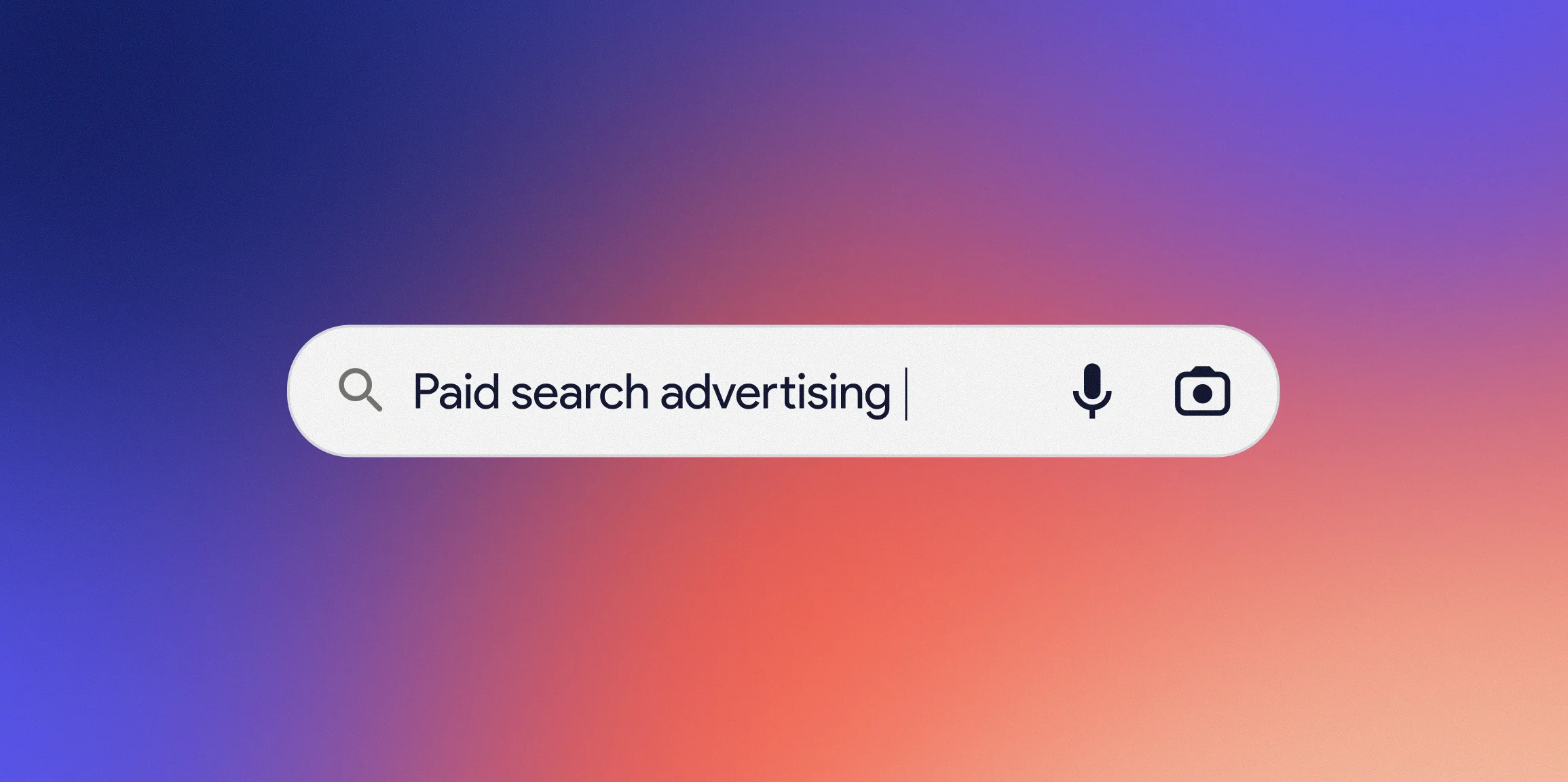
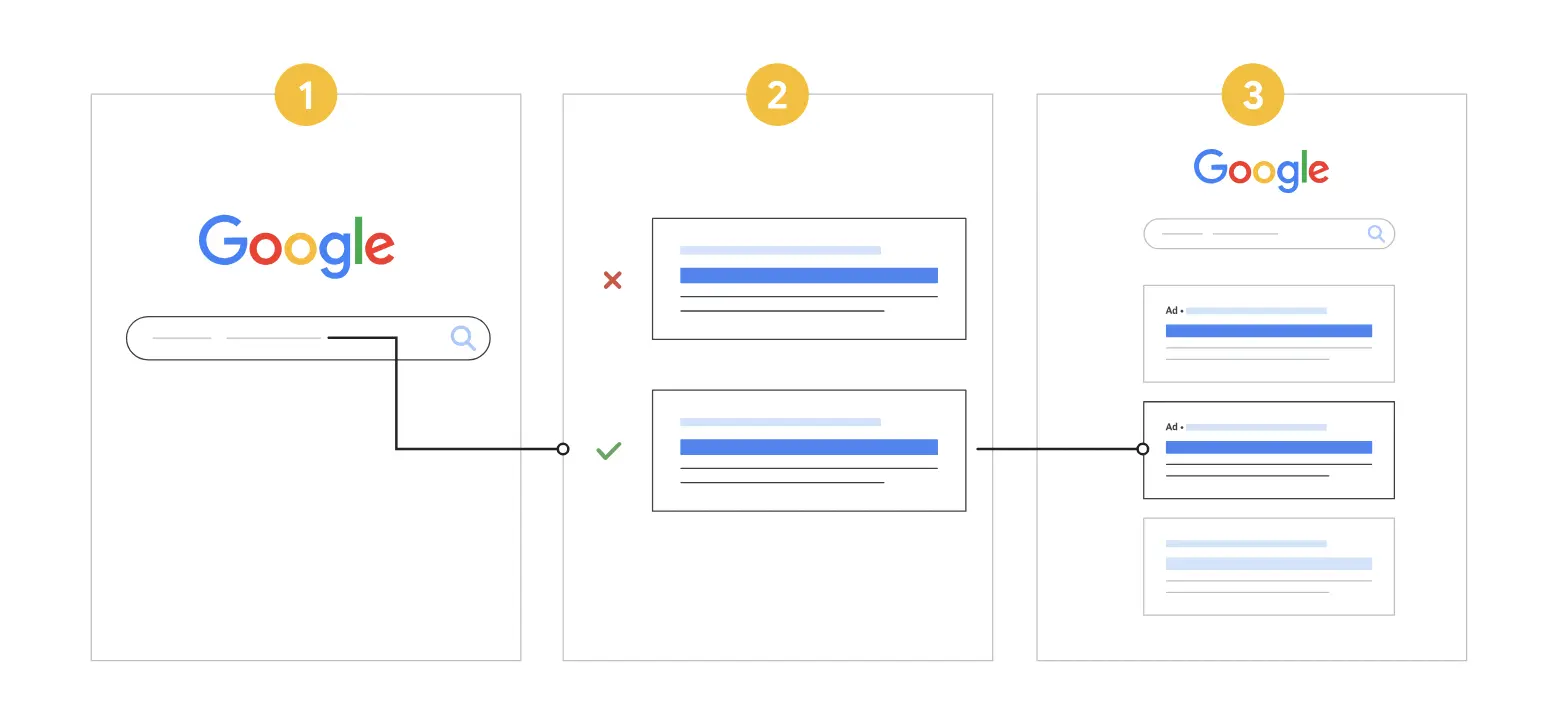
Ad Rank is determined by a combination of the advertiser’s maximum bid, the "Quality Score" of the ad, and the expected impact of ad assets such as sitelinks or callouts. The Quality Score is a diagnostic tool that measures the relevance of the ad to the user’s search intent, the expected click-through rate (CTR), and the quality of the landing page experience. This system ensures that even advertisers with smaller budgets can achieve top-tier placement if their content is highly relevant and their destination pages are well-optimized.
When an ad is clicked, the advertiser is charged the "Actual CPC" (cost-per-click), which is calculated as the minimum amount necessary to maintain a rank higher than the competitor immediately below them, plus a nominal fee of $0.01. This "second-price" auction model incentivizes advertisers to provide high-quality content rather than simply outspending the competition.
A Chronology of Search Advertising Evolution
The trajectory of paid search has moved from manual, text-heavy configurations to autonomous, multi-channel systems.

- The Keyword Era (1998–2010): The industry began with platforms like GoTo.com (later Overture) and the launch of Google AdWords in 2000. During this period, success was largely dictated by manual keyword matching and basic text ads.
- The Expansion Era (2011–2018): Search engines introduced advanced targeting features, including geographic fencing, device-specific bidding, and "Remarketing Lists for Search Ads" (RLSA). This allowed advertisers to tailor bids based on a user’s previous interaction with their website.
- The Automation and AI Era (2019–Present): The current landscape is defined by machine learning. Google’s introduction of "Performance Max" (PMax) in 2021 and the transition to Responsive Search Ads (RSAs) as the default format marked a paradigm shift. In this era, the search engine—not the human marketer—decides which combination of headlines and descriptions will perform best for a specific user.
Competitive Dynamics: The Platform Landscape
While Google Ads remains the undisputed leader, holding roughly 90% of the global search market share, the competitive landscape is diversifying. Microsoft Advertising has emerged as a formidable second player, not merely through Bing.com but through an expansive syndication network that includes Yahoo, AOL, DuckDuckGo, and Ecosia. Furthermore, Microsoft’s recent expansion into ad-supported tiers on streaming platforms like Netflix indicates a move toward "omnichannel" search, where intent-based data informs video and display placements.
Apple Search Ads has also carved out a critical niche in the mobile economy. As the primary vehicle for app discovery on the iOS App Store, it represents a high-conversion channel for the "app-first" economy. These platform-specific ecosystems require advertisers to manage fragmented budgets across different interfaces, each with unique algorithmic behaviors and audience demographics.
Supporting Data and Economic Trends
The economic reality of paid search in 2024 is characterized by "bid inflation." Data indicates that the average cost per lead (CPL) across industries rose from $66.69 in 2024 to an estimated $70.11 in 2025. This increase is driven by several factors:
- Increased Competition: More traditional businesses are shifting "above-the-line" budgets (TV, Print) into search.
- Privacy Regulations: The deprecation of third-party cookies and the implementation of privacy frameworks like Apple’s App Tracking Transparency (ATT) have made top-of-funnel targeting more difficult, leading more advertisers to flock to the "intent-based" certainty of search.
- Global Market Expansion: Total global spend on search advertising is forecasted to reach $355.10 billion by 2025, suggesting that the U.S. market’s growth is being mirrored in emerging digital economies.
Paid Search vs. Organic Search: A Strategic Duality
A common point of analysis for market observers is the tension between paid search and Search Engine Optimization (SEO). While SEO provides "free" traffic and long-term brand authority, it is a slow-burn strategy that often takes 3 to 12 months to yield significant results. In contrast, paid search offers immediate visibility.
Industry analysts argue that the most successful firms do not choose one over the other; they use paid search to capture immediate demand and test messaging, while simultaneously building organic authority. Furthermore, paid search data—specifically which keywords lead to actual conversions—provides a roadmap for content creators to develop organic pages that are pre-validated by market data.
The Critical Role of the Post-Click Experience
Perhaps the most significant shift in 2024 is the recognition that a click is a "cost," while a landing page is the "revenue generator." Many campaigns fail not because of poor ad copy, but because of "message mismatch." If an ad promises a "Free 14-Day Trial" but directs the user to a generic homepage with no mention of the offer, the resulting bounce rate destroys the campaign’s Return on Ad Spend (ROAS).
Dedicated landing pages have become a requirement for high-performance campaigns. These pages are characterized by:
- The Removal of Navigation: By eliminating the top menu bar, advertisers prevent "leakage," forcing the user to either convert or leave.
- Message Match: Ensuring the headline of the ad is identical or highly similar to the headline of the landing page.
- Mobile Optimization: With over 50% of search traffic originating from mobile devices, a one-second delay in page load time can reduce conversion rates by up to 20%.
Broader Impact and Future Implications
The integration of Generative AI into search engines—such as Google’s Search Generative Experience (SGE) and Bing’s AI Chat—is poised to redefine the "Search Engine Results Page" (SERP). In an AI-mediated world, the traditional list of blue links may be replaced by synthesized answers. This presents a challenge for advertisers: how to remain visible when the AI provides the answer directly on the results page.
Market analysts suggest that paid search will evolve toward "conversational commerce," where ads are integrated into AI-generated responses. This will likely increase the importance of "first-party data," as advertisers will need to feed search engines better information about their ideal customers to stand out in an AI-driven environment.

Furthermore, the rising costs of search are forcing a consolidation of the market. Smaller businesses with limited margins may find themselves priced out of "high-intent" keywords, leading to a surge in "long-tail" keyword bidding and a greater reliance on niche platforms.
In conclusion, while the $102.9 billion revenue figure highlights the massive scale of paid search, it also masks a rapidly shifting landscape. Success in 2025 and beyond will not be defined by the size of an advertiser’s budget, but by their ability to harmonize AI-driven automation with a seamless, high-speed, and highly relevant post-click experience. As search engines continue to evolve into "answer engines," the brands that thrive will be those that can maintain relevance across the entire user journey, from the first query to the final conversion.







