The long-held belief that achieving a top-10 ranking on Google’s search results page guarantees visibility and authority in the digital landscape is rapidly being reshaped by the advent of artificial intelligence in search. While previously a high organic ranking was a clear indicator of a page’s performance and often ensured its prominence in early AI overviews, a significant shift is underway, largely driven by a sophisticated AI mechanism known as "query fan-out." This evolution means that even a page holding the coveted top spot for a specific query may now be bypassed by Google’s generative AI features, which are increasingly prioritizing a deeper, more comprehensive understanding of user intent over singular keyword matching.
The Shifting Sands of Search: From Keywords to Generative AI
For decades, the bedrock of Search Engine Optimization (SEO) rested on a relatively straightforward premise: optimize content for specific keywords, build authority through backlinks, and structure pages for search engine crawlers. Success was measured by placement on the Search Engine Results Page (SERP), with the top 10 positions being the ultimate prize. Publishers and marketers could close their tabs satisfied, confident that their efforts translated into discoverability and traffic.
However, the rapid integration of large language models (LLMs) and generative AI into Google’s core search experience, notably through initiatives like AI Overviews (formerly part of the Search Generative Experience or SGE), has introduced a new paradigm. Google began publicly experimenting with generative AI in search in early 2023, rolling out features that aimed to provide direct, synthesized answers to complex queries rather than just a list of links. This move was a direct response to the burgeoning capabilities of AI chatbots and the increasing user expectation for immediate, comprehensive information. While Google’s AI Overviews have, at times, faced scrutiny for accuracy issues – a challenge Google acknowledges and is continuously working to mitigate – their fundamental purpose is to deliver richer, more holistic responses by leveraging the vast knowledge embedded in the web. This evolution necessitates a strategic pivot for content creators: the focus is no longer solely on ranking but crucially on being cited by the AI.
Understanding Query Fan-Out: The AI’s Deeper Dive
At the heart of this transformation lies the "query fan-out" mechanism. When a user inputs a query into Google’s AI-powered search, the system doesn’t simply run that exact phrase through its index. Instead, an underlying AI model deconstructs the initial query into a multitude of related sub-queries. These sub-queries can include equivalent phrasings, natural follow-up questions, broader contextual framings, or narrower, more specific specifications of the original intent. The AI then simultaneously executes all these sub-queries, gathering information from a wide array of sources across the web.
The AI Overview is subsequently constructed by synthesizing information from pages that consistently and reliably surface across this entire "fan-out" of related searches. This means a page might rank first for the literal headline query, but if its content does not adequately address the surrounding context or related questions that the fan-out generates, it may not be chosen for citation in the AI summary. Conversely, a page that might not hold a top-tier organic ranking for the primary query, but offers comprehensive, nuanced answers across the spectrum of related sub-queries, stands a much greater chance of being cited.
Consider the query: “How do I measure the ROI of our B2B content marketing program to prove its value to executives?”
Instead of a singular search, the LLM might expand this into a series of interconnected sub-queries, such as:
- "Key performance indicators for B2B content marketing"
- "Methods for calculating content marketing ROI"
- "How to present content marketing value to C-suite"
- "Attribution models for B2B marketing"
- "Financial metrics for marketing effectiveness"
- "Tools for measuring B2B content performance"
- "Strategies to justify marketing spend to executives"
The AI then seeks content that consistently and authoritatively addresses these varied facets, weaving together a comprehensive answer that often draws from multiple sources, some of which may not be the top-ranking page for the initial, broader query. This fundamental shift — from finding answers based on a direct keyword match to identifying the most consistently informative pages across a complex web of related inquiries — is precisely what differentiates traditional ranking from AI citation.
The Widening Gap: Ranking vs. Citation
The statistical evidence underscores the urgency of adapting to this new landscape. According to McKinsey & Company, roughly half of all Google searches already trigger an AI summary, and this figure is projected to exceed 75% by 2028. Furthermore, a McKinsey survey of 1,927 U.S. consumers revealed that AI-powered search has become the leading digital source for buying decisions for half of respondents. With AI answers becoming the "new front door to the internet," as McKinsey terms it, the pages that secure citations in these overviews will dictate the majority of organic traffic flows.
The divergence between high organic ranking and AI citation has been dramatic. In July 2025, approximately 76% of pages cited within Google’s AI Overviews also held a top-10 ranking for the corresponding query. However, a comprehensive study conducted by Ahrefs in March 2026, analyzing 863,000 keywords and approximately 4 million AI Overview URLs, revealed a precipitous decline in this overlap. The figure had plummeted to roughly 38%.
This significant drop indicates that more than 60% of AI Overview citations now originate from pages outside the traditional top 10. Ahrefs’ research further segmented this displacement: approximately 31% of citations came from pages ranking between 11 and 100, while another 31% were drawn from pages ranking beyond the 100th position or, remarkably, from pages that did not rank for the primary query at all. This data paints a clear picture: the symbiotic relationship between ranking and citation has fractured, marking a profound paradigm shift for content strategists and SEO professionals.
Why Traditional Ranking Still Matters (But Isn’t Enough)
Despite the undeniable shift, it would be premature to abandon traditional SEO efforts aimed at achieving high organic rankings. A 38% overlap, while significantly reduced, still represents a substantial minority, confirming that top-10 pages remain the single most reliable feeder into AI Overviews. A strong organic position continues to be Google’s clearest signal of a page’s authority and relevance, making it a critical prerequisite for consideration by the AI.
The situation can be conceptualized as a two-stage gate. Traditional SEO, by securing a high organic ranking, allows a page to pass through the first gate, entering the candidate pool from which the AI draws its information. However, it is the query fan-out mechanism that governs passage through the second gate, determining which candidates are ultimately quoted in the AI Overview. A page that not only ranks well but also covers its topic with exceptional depth and breadth, addressing the full spectrum of related sub-queries, is uniquely positioned to clear both gates. Conversely, a page optimized only for a singular keyword, lacking comprehensive topical coverage, might pass the first gate but stall at the second.
The Emergence of Answer Engine Optimization (AEO)
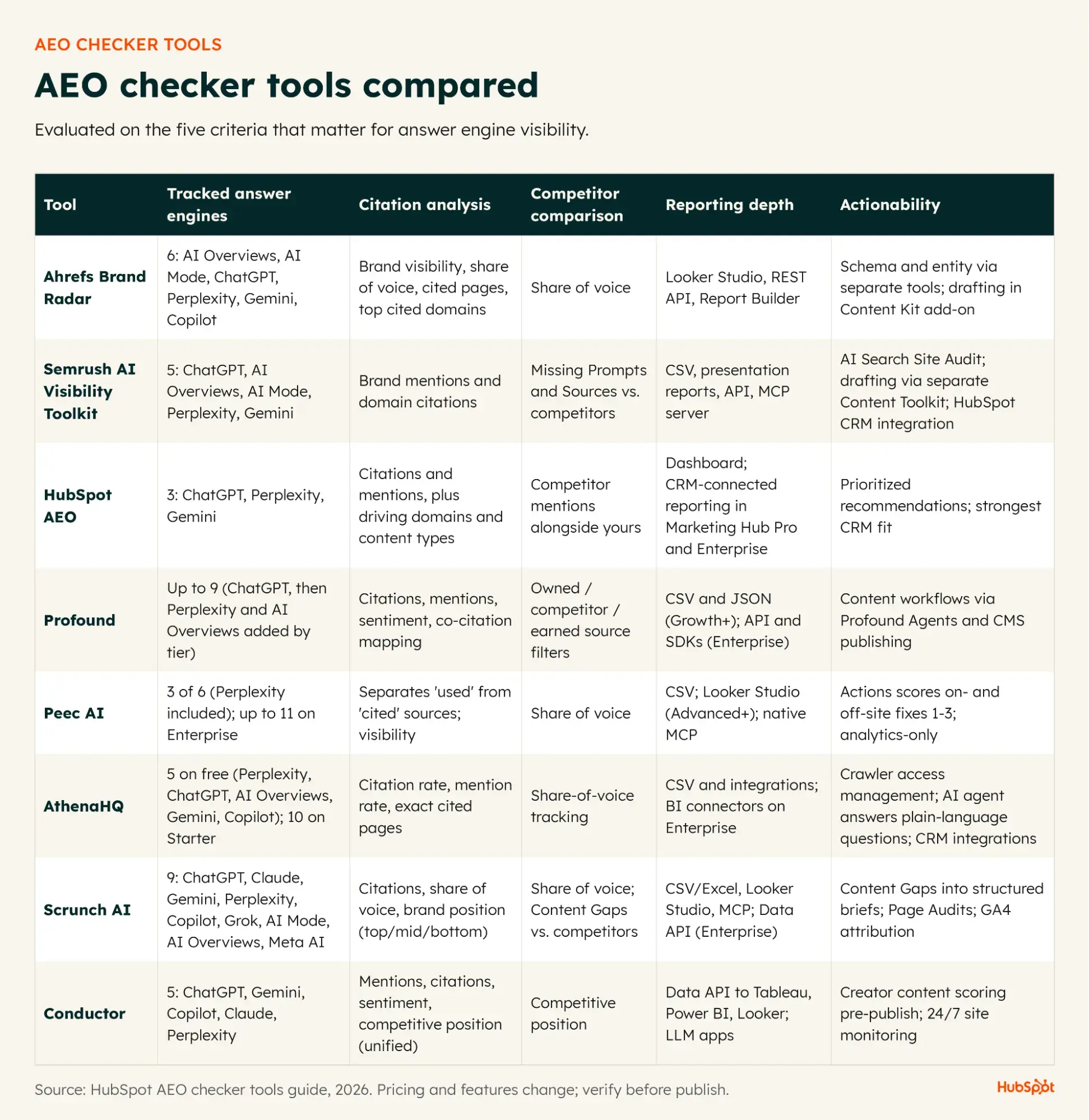
This new reality necessitates a strategic evolution from SEO to what is increasingly being termed Answer Engine Optimization (AEO). AEO focuses on optimizing content not just for search engine algorithms but specifically for the sophisticated processing capabilities of AI models. It’s about creating content that is not only discoverable but also highly extractable, understandable, and quotable by an AI.
Key principles of AEO include:
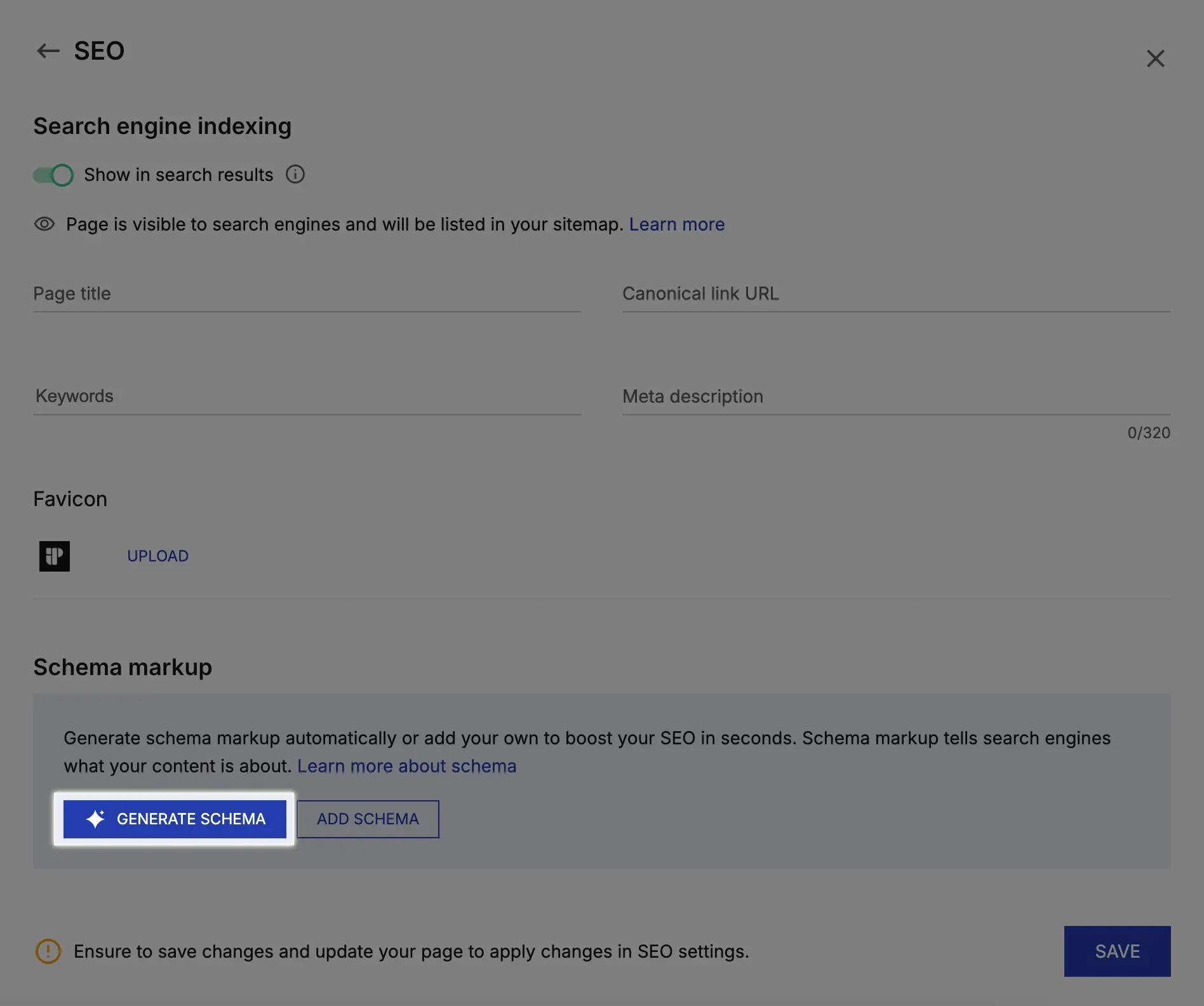
- Structured Content for AI Parsability: Content must be designed for machine readability. This involves clear, descriptive headings (H1, H2, H3), self-contained sections that can function as standalone answers, and the strategic use of schema markup (structured data) to explicitly define entities, facts, and relationships within the content. Placing a direct, concise answer near the top of a section or page, often referred to as the "inverted pyramid" style, makes it easier for an AI model to parse and extract a clean, quotable claim.
- Comprehensive Topical Coverage (Depth over Keyword Breadth): Instead of optimizing for individual keywords, AEO demands a holistic approach to topics. Content should anticipate and answer not only the main user query but also the natural follow-up questions and related sub-queries that the fan-out mechanism will generate. This means creating a single, authoritative resource that delves deeply into a subject, providing nuanced answers to various facets of a topic, rather than producing numerous shallow articles targeting distinct keywords.
- Enhanced E-E-A-T Signals: Google’s long-standing emphasis on E-E-A-T (Experience, Expertise, Authoritativeness, and Trustworthiness) becomes even more critical for AEO. The same qualities that make a passage credible and valuable to human readers are precisely what make it worthy of citation by an AI model. Content must clearly demonstrate the author’s or organization’s experience and expertise, be well-researched, factually accurate, and supported by reliable sources. This includes transparent author bios, references to studies or data, and clear explanations of methodologies. For AI, highly specific, well-sourced, and expert-validated content is the most "quotable."
- Clarity and Specificity: Content needs to be written with enough precision and clarity that an AI model can lift a clean, unambiguous claim from it. Vague language or overly broad statements are less likely to be cited. Every section should be able to stand on its own as a definitive answer to a specific question.
Strategic Allocation of Effort in the AEO Era
In this evolving landscape, where AI seeks consistent, in-depth answers across a query fan-out, editorial judgment and subject-matter expertise are paramount. The ability to anticipate the diverse questions a reader might genuinely have, to frame answers honestly and comprehensively, to discern where specificity is crucial and where brevity is appropriate, and to articulate claims clearly enough to be quoted by an AI, falls squarely within the domain of experienced editors and domain experts.
Brands that consistently achieve AI citations often share a common trait: their content reflects a clear, authoritative point of view, backed by substantial depth of knowledge across an entire topic. The sheer volume of content output has little bearing on AI citation; quality, depth, and strategic foresight are the new currencies.
Actionable strategies for businesses and content creators include:
- Conducting "Fan-out" Research: While Google’s exact fan-out queries are proprietary, content teams can simulate this process by using tools that identify related questions, "people also ask" sections, and semantic clusters around a core topic. Comprehensive keyword research should now extend to understanding the full scope of user intent around a subject.
- Developing Topic Clusters and Pillar Content: Instead of individual blog posts, focus on creating robust "pillar" pages that provide comprehensive overviews of core topics, supported by interconnected "cluster" content that delves into specific sub-aspects. This architecture naturally addresses the fan-out mechanism.
- Integrating Structured Data: Implement schema markup (e.g., FAQ schema, HowTo schema, Article schema) to explicitly label and organize information on pages, making it easier for AI models to understand and extract key data points.
- Prioritizing E-E-A-T in Authoring: Ensure content is created or reviewed by verifiable experts. Include author bios, credentials, and links to professional profiles. Cite credible sources rigorously.
- Regular Content Audits for AEO Readiness: Review existing content not just for SEO performance but for its ability to function as an AI-citable resource. Identify gaps in topical coverage, areas lacking clarity, or sections that could benefit from better structuring.
- Focus on Problem-Solving: Content that genuinely resolves a user’s problem or answers a complex question comprehensively is more likely to be deemed valuable by an AI seeking the most reliable and complete information.
The Broader Impact and Future of Search
The rise of query fan-out and AEO signals a more profound shift in the digital ecosystem. For SEO professionals, it means an evolution from tactical keyword manipulation to strategic content architecture and deep subject matter expertise. The industry will need new tools and analytical approaches to track AI citations and understand their impact on user journeys.
For content publishers, it presents both a challenge and an opportunity. Smaller, highly specialized websites with truly authoritative, in-depth content on niche topics may find themselves gaining unprecedented visibility in AI Overviews, potentially rivaling larger, more generalized publications that lack the same topical depth. This democratizing potential could reshape content consumption patterns.
For businesses, adapting to AEO is not merely an SEO tweak; it’s a fundamental requirement for maintaining brand visibility and driving conversions in an AI-dominated search landscape. As AI becomes the primary interface for buying decisions, the ability to be cited credibly by Google’s generative AI will directly impact lead generation, sales, and overall market share.
While Google’s AI Overviews continue to evolve, the underlying principle of query fan-out is a clear indicator of the direction of search: towards more intelligent, comprehensive, and contextually aware answers. The future of discoverability hinges not just on what a page ranks for, but on how deeply and reliably it answers the full spectrum of user intent. The era of Answer Engine Optimization is not just an update; it is a redefinition of online content strategy.