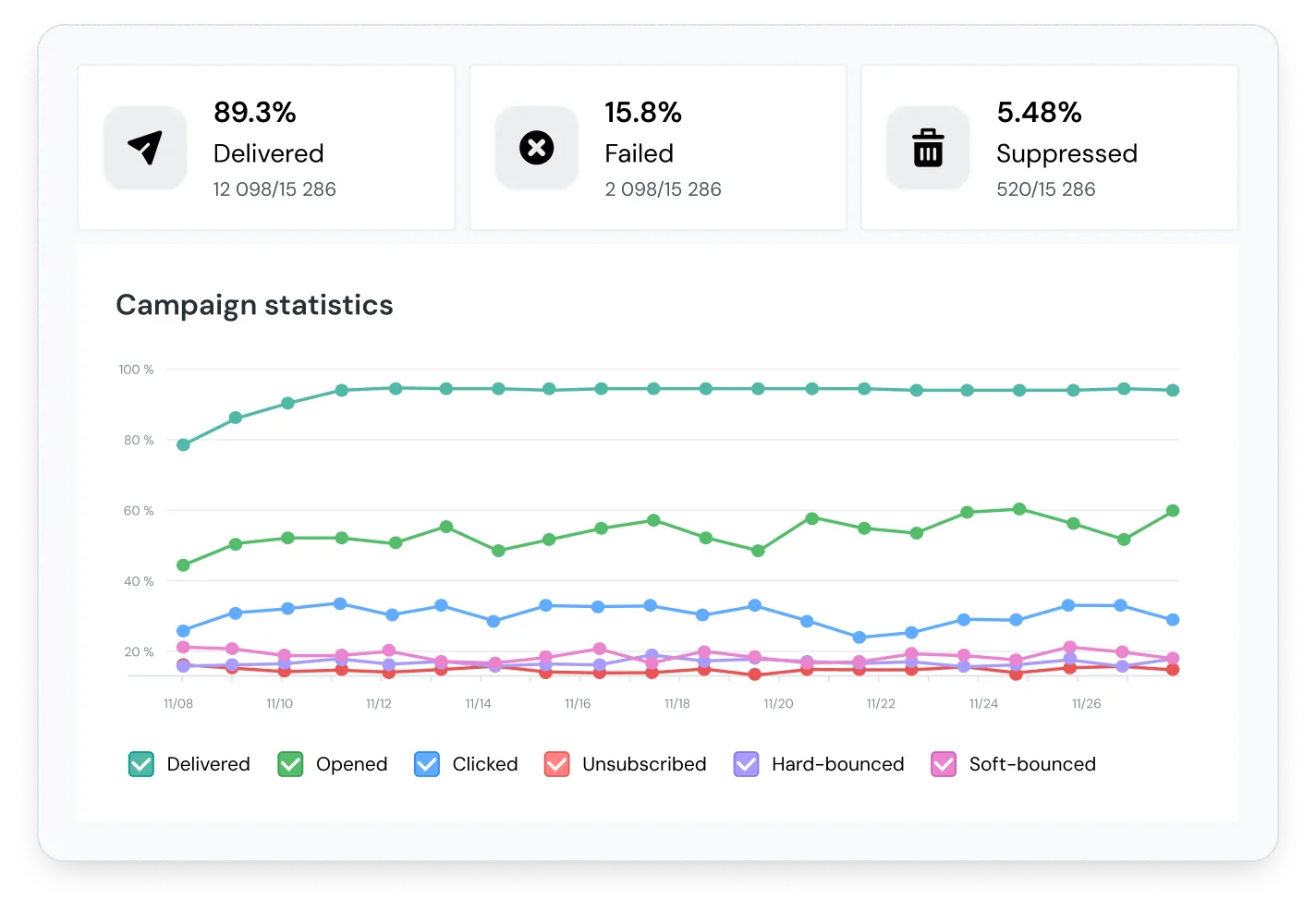
Email marketers consistently grapple with a critical question: what is the optimal moment to dispatch their newsletters and campaigns to achieve maximum impact? The precise timing of an email’s delivery can profoundly influence its open rates and click-through rates (CTR), key metrics that directly correlate with campaign success and return on investment. With digital inboxes becoming increasingly saturated, the strategic scheduling of emails has evolved from a simple best practice into a sophisticated, data-driven discipline.
The Shifting Landscape of Email Engagement
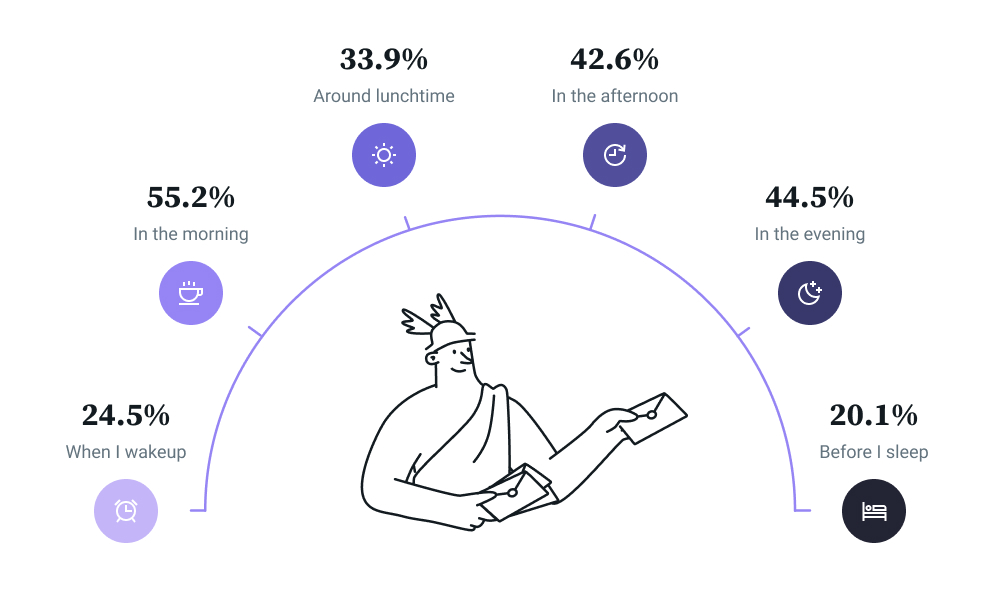
Published on December 16, 2025, this analysis underscores the complex interplay of factors determining email engagement. While a generalized recommendation often points to sending emails between 9 AM and 12 PM, this perspective oversimplifies a dynamic reality. Contemporary research, such as Mailjet’s comprehensive "Email Engagement Report," reveals that a significant majority—63.3% of users—interact with their personal mailboxes multiple times throughout the day. This constant interaction, however, does not equate to a constant capacity for action. Users may check emails during a morning commute, a brief lunch break, or late in the evening, but their willingness and ability to engage with marketing content vary dramatically with their daily routines and contexts.
The distinction between checking an email and actively engaging with its content is paramount. An email arriving when a recipient is distracted, busy, or simply not in a purchasing mindset is likely to be quickly dismissed or relegated to a later, potentially forgotten, review. Conversely, an email delivered during a moment of relaxed attention or when the recipient is actively seeking information can lead to higher engagement and conversion rates. This highlights the strategic imperative for marketers to delve deeper than surface-level time slot recommendations and understand the underlying behavioral patterns of their target audiences.

Global Peaks and Local Nuances: Decoding Optimal Send Times
Recent large-scale studies, including one conducted by Sinch Mailgun analyzing billions of emails, offer more granular insights into global engagement trends. This research indicates that 15 UTC (Coordinated Universal Time) often registers the highest click-to-open ratios, signifying a peak in both opens and subsequent clicks. However, translating this global benchmark into effective local send times requires careful conversion to specific time zones. For instance, during summer months, 15:00 UTC corresponds to 11 AM Eastern Standard Time, suggesting a mid-morning window for audiences in that region. This emphasizes that a "best time" is rarely universal and must be localized to resonate with recipient schedules.
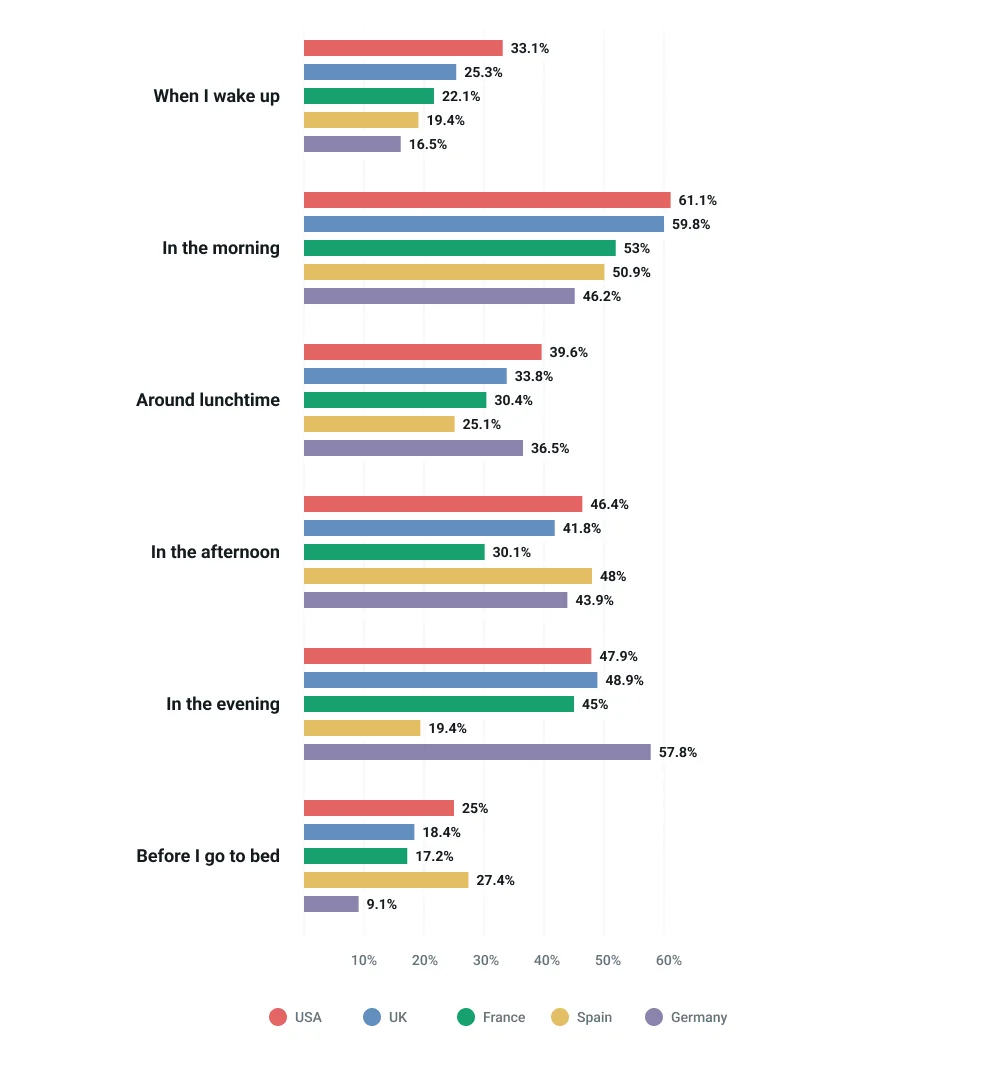
Beyond mere time zone conversion, cultural and regional differences in email consumption habits are critical. Mailjet’s "Email Engagement Report" uncovered significant variations across different countries. For example, German customers show peak engagement in the early evening, with 57.8% opening emails during this period, starkly contrasting with Spain, where only 19.4% engage at the same time. Conversely, a notable 27.4% of Spanish participants check emails late in the evening before bed, a behavior observed in only 9.1% of German users. These disparities underscore the necessity of audience segmentation by geography and culture, allowing marketers to tailor send times to local routines and preferences, thereby avoiding the pitfalls of a one-size-fits-all approach.
The Best Days of the Week: Navigating the Inbox Competition
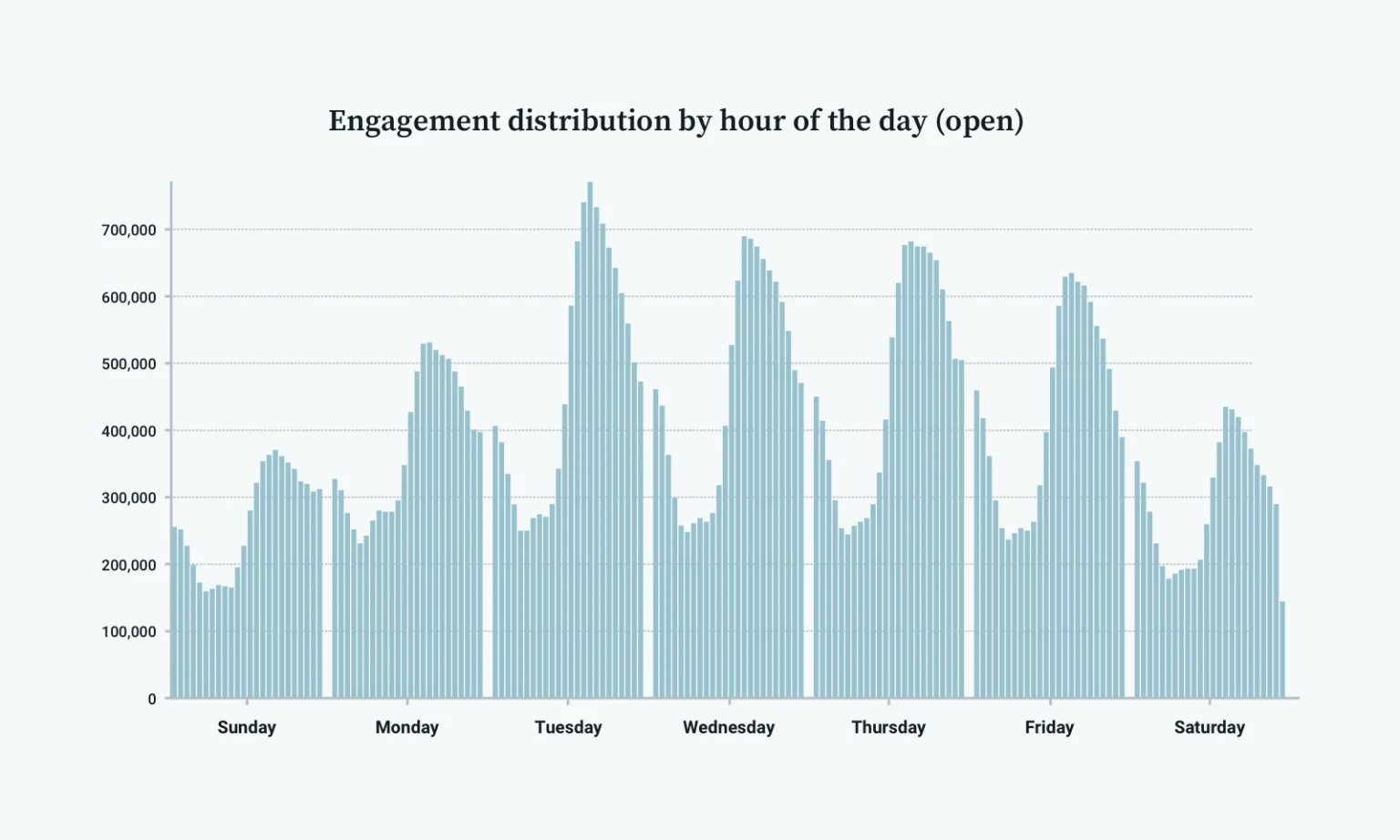
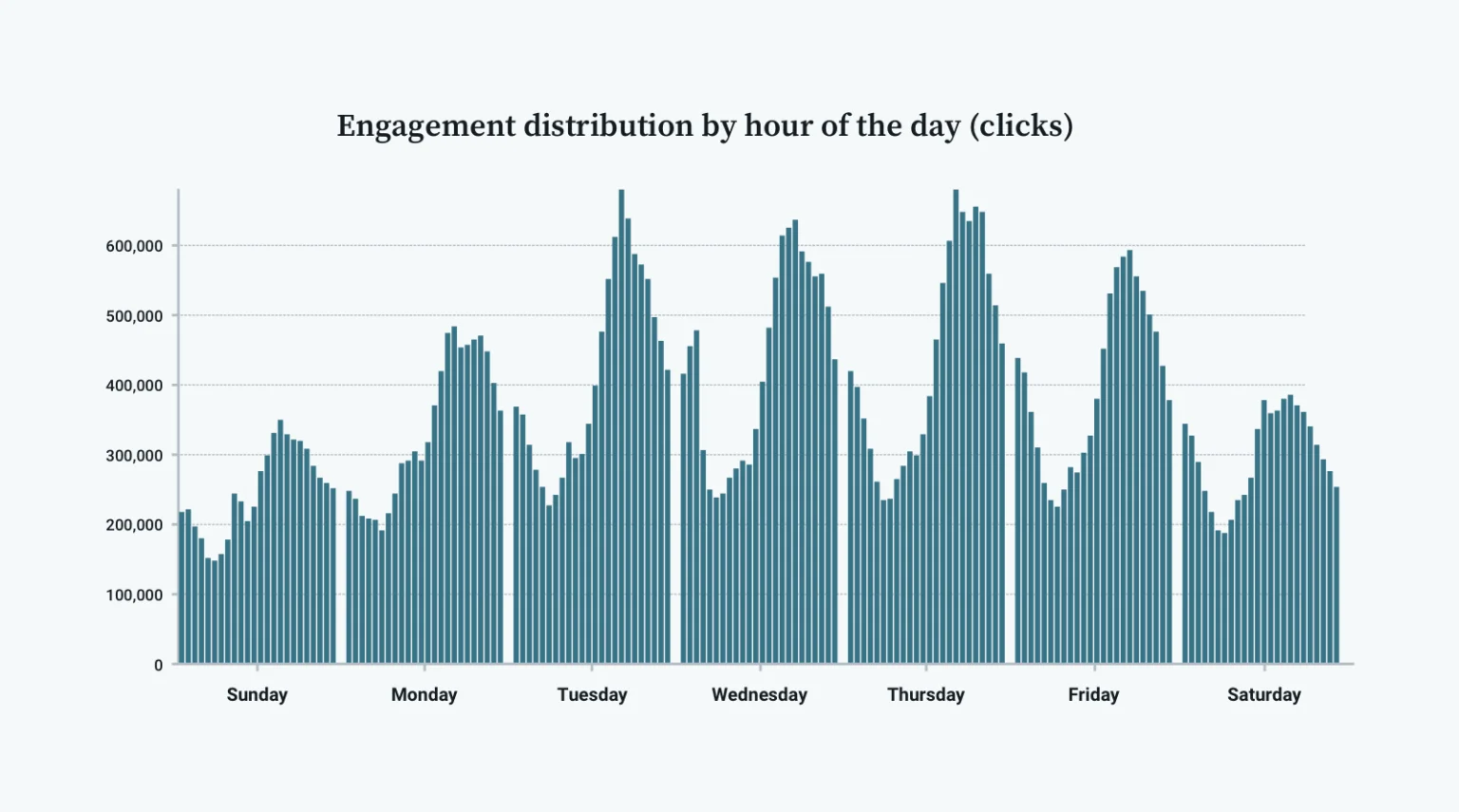
The day of the week also plays a pivotal role in email campaign performance, heavily influenced by whether the target audience is B2B (business-to-business) or B2C (business-to-consumer) and the industry context. Industry data consistently points to a "midweek sweet spot" for email engagement. The Sinch Mailgun study, for example, identifies Tuesdays through Thursdays as the days with the highest open rates and campaign click rates. While Tuesdays and Thursdays often show slightly elevated engagement, Wednesday emerges as a robust second option.
For marketers considering sending multiple campaigns within a week, strategic spacing is advised. Sending emails on Tuesday and Wednesday, or Wednesday and Thursday, consecutively might lead to recipient fatigue and diminished engagement. Instead, a combination like Tuesday and Thursday can help maintain freshness and prevent recipients from feeling overwhelmed.
Avoiding the Engagement Dips: Weekends and Mondays
Conversely, weekends are consistently identified as the least effective days for email marketing, with Saturdays and Sundays typically yielding the lowest engagement rates. This trend is attributed to individuals prioritizing leisure activities, family time, and errands over checking their inboxes for promotional content. The primary exception to this rule might be highly personalized, lighthearted content designed for weekend consumption, but even then, marketers must exercise caution.
Between Fridays and Mondays, traditionally perceived as suboptimal days, recent research offers clarity. While Mondays are characterized by recipients sifting through weekend backlogs and planning their week, often with reduced focus on marketing emails, Fridays have shown surprisingly better performance in terms of open and click-through rates. This suggests that while Fridays may not be peak days, they are significantly more effective than Mondays for capturing recipient attention. The competitive landscape also plays a role; fewer emails are generally sent on Fridays, potentially offering less inbox competition.
Tailoring Strategies: B2B vs. B2C Email Send Times
The fundamental difference in how individuals use their professional and personal email accounts necessitates distinct strategies for B2B and B2C campaigns. B2B audiences are typically engaged during standard business hours, often peaking mid-morning or mid-afternoon as professionals check emails between meetings or during dedicated work blocks. Therefore, weekdays are almost exclusively the domain for B2B communications, with Monday mornings and Friday afternoons often avoided due to the intensity of weekly planning/catch-up and pre-weekend disengagement, respectively.
B2C audiences, on the other hand, exhibit more varied behaviors. Their engagement patterns can be influenced by leisure time, mobile usage, and personal routines. For instance, retail promotions might perform well during lunch breaks or evening relaxation, while news digests could be consumed during morning commutes. Marketers must ask themselves critical questions:
- Are recipients checking emails on their commute?
- Are they likely to be at work or at home?
- Is the email content for personal interest or professional development?
- What device are they most likely to use (desktop, mobile, tablet)?
Understanding these nuances, often informed by detailed marketing personas, is crucial for crafting an effective B2C email strategy. Leading email marketing platforms consistently advocate for leveraging customer insights and A/B testing to establish benchmarks and refine sending schedules for both B2B and B2C segments.
The Imperative of Strategic Timing: Why It Matters
The significance of email sending time extends beyond mere convenience; it is a critical determinant of campaign efficacy. In a crowded digital environment where the average user receives dozens, if not hundreds, of emails daily, standing out is paramount. Emails that land at the top of an inbox during a recipient’s moment of attention inherently achieve higher visibility and engagement.
Strategic timing directly contributes to several key marketing objectives:
- Enhanced Open Rates: Ensuring the email is seen and clicked on when the recipient is most receptive.
- Improved Click-Through Rates: Maximizing the likelihood of recipients interacting with calls-to-action.
- Higher Conversion Rates: Driving more leads, sales, or desired actions.
- Reduced Unsubscribe Rates: Preventing recipients from becoming annoyed by ill-timed messages.
- Better Deliverability: Consistent, high engagement signals positive sender reputation to email service providers, improving future inbox placement.
As revealed by Mailjet’s "The Path to Email Engagement" report, a staggering 86.4% of respondents cite "having time to read an email" as a significant factor in their decision to open it. This statistic powerfully underscores that even the most compelling copy and attractive offers can fail if they arrive at an inopportune moment.
Data-Driven Optimization: The Path to Precision
Determining the absolute "best" time to send emails is not a static answer but an ongoing process of analysis and refinement, deeply rooted in specific business contexts, customer demographics, and campaign objectives. Factors such as age, lifestyle habits, and geographical time zones profoundly influence engagement metrics.
Marketers are encouraged to leverage the robust analytics capabilities offered by modern email service providers (ESPs). Platforms like Mailjet provide detailed statistics dashboards that allow users to drill down into daily and hourly engagement data, revealing precisely when their audience is most active. This internal data—a veritable treasure chest of audience insights—forms the bedrock of any effective timing strategy.
Beyond historical analysis, rigorous A/B testing is indispensable. This scientific approach involves segmenting an audience and sending identical campaigns at different times or on different days, then meticulously comparing the resulting open and click rates. For instance, a marketer might test sending a newsletter at 10 AM one week, 1 PM the next, and 9 PM the following week to identify the optimal window. Similarly, A/B testing can be applied to different days of the week, or even different hours within the same day for various audience segments. This iterative experimentation allows marketers to move beyond generalized recommendations and pinpoint the specific timings that yield the highest engagement for their unique subscriber base.
Furthermore, maintaining consistency in send schedules—for regular newsletters, for example—builds anticipation and trust with the audience, making them more likely to expect and open future communications. However, this consistency should be flexible enough to accommodate special events or holidays, where deviating from the routine for higher engagement is often preferable to rigidly adhering to a schedule that yields poor results.
Mailjet’s Role in Empowering Precision Email Marketing
Recognizing that there is no universal "one-size-fits-all" answer, platforms like Mailjet are designed to empower marketers with the tools necessary to navigate these complexities. Features such as an intuitive Email Editor, responsive templates, advanced Segmentation, A/B Testing capabilities, Campaign Comparison, and comprehensive Email Statistics are vital for creating, delivering, and meticulously tracking email campaigns. These tools enable marketers to analyze audience behavior, segment lists effectively, test hypotheses, and continuously refine their sending strategies to align with customer habits and maximize digital marketing outcomes.
The journey to finding the perfect email send time is dynamic and ongoing, requiring a blend of industry insights, internal data analysis, and persistent experimentation. By embracing data-driven methodologies and leveraging advanced marketing platforms, businesses can transcend generic advice and forge highly effective, audience-centric email strategies that truly resonate in a crowded digital world.