The proliferation of Artificial Intelligence (AI) in content creation presents a complex duality for marketers and consumers alike. While AI tools offer unprecedented efficiency in generating text at scale, they also risk homogenizing online information, leading to a decline in reader trust and engagement. This article delves into the subtle yet significant indicators that reveal AI-generated content, explores what readers truly value and trust, and provides actionable strategies for auditing and enhancing content to stand out in an increasingly AI-driven digital landscape.
The digital realm is awash with information, and for many users, a common experience has emerged: landing on a website, reading a few paragraphs, and sensing an intangible lack of depth. The sentences may be grammatically sound and the structure polished, yet the overall impression is one of flatness, genericism, and an unsettling interchangeability. This phenomenon is not accidental; it is a direct consequence of the ease with which AI tools can now produce content. While marketers leverage these advancements for scalability, the byproduct is often content that lacks distinctiveness and, consequently, credibility. Research indicates that AI-generated text can significantly erode trust, a critical currency in the digital age. Readers may not always consciously analyze the source of their skepticism, but they intuitively adjust their level of trust based on how generic or templated content feels. This implicit judgment can have profound implications for brand perception and conversion rates.
Understanding the nuances of AI-generated content is crucial for anyone involved in digital communication. This article aims to equip readers with the ability to identify the tell-tale signs of AI authorship, to understand the elements that foster reader trust, and to conduct a self-assessment of their own content to ensure it resonates authentically and avoids the pitfalls of digital homogeneity.
Fourteen Red Flags Indicating AI-Generated Content
The ubiquity of AI-generated content often results in a loss of engagement and conversions because the content fails to capture attention or convey genuine value. When everything sounds familiar, a sense of indifference prevails. AI exacerbates this by smoothing over unique brand voices and experiences, creating a polished but ultimately unconvincing facade that lacks clarity, specificity, and genuine intent.
It is important to note that these are signals, not definitive proof, of AI generation. AI models are trained on vast datasets of human-written content, meaning many of these patterns can appear in human writing. The key differentiator is frequency and the stacking of these characteristics. When these elements coalesce, the resulting text begins to feel generic, betraying its artificial origin. The presence of specific stylistic choices, such as em-dashes, does not inherently indicate AI authorship; historical literary figures, for instance, employed such punctuation extensively.
1. Uniform Sentence Rhythm
What it looks like: A consistent pattern of sentence lengths, structures, and pacing, leading to a monotonous reading experience.
Why it appears in AI writing: AI models prioritize predictability and optimization. Generating sentences with similar structures is a safe and statistically probable output.
What it signals to readers: A lack of intentionality or human touch. The content feels assembled rather than crafted, akin to pre-fabricated components.

Instead, aim for: Varied sentence structures, including short, impactful sentences, longer, more descriptive ones, and those that employ different grammatical constructions. This creates a dynamic and engaging flow.
2. Unconnected List Items
What it looks like: Lists where each point appears interchangeable, and their order could be altered without affecting the overall meaning or progression of ideas.
Why it appears in AI writing: AI often generates list items as discrete units, without establishing a logical progression or a cohesive narrative arc between them.
What it signals to readers: A lack of thoughtful structure or a clear underlying argument driving the list.
Instead, aim for: Lists that build upon each other, where each point logically follows the previous one, creating a narrative or a step-by-step process.
3. Claims Lacking Nuance
What it looks like: Broad, unqualified promises or assertions that do not acknowledge potential limitations, exceptions, or tradeoffs.
Why it appears in AI writing: AI models tend to avoid specificity unless explicitly prompted, defaulting to safe, generalized statements to cover all possibilities.
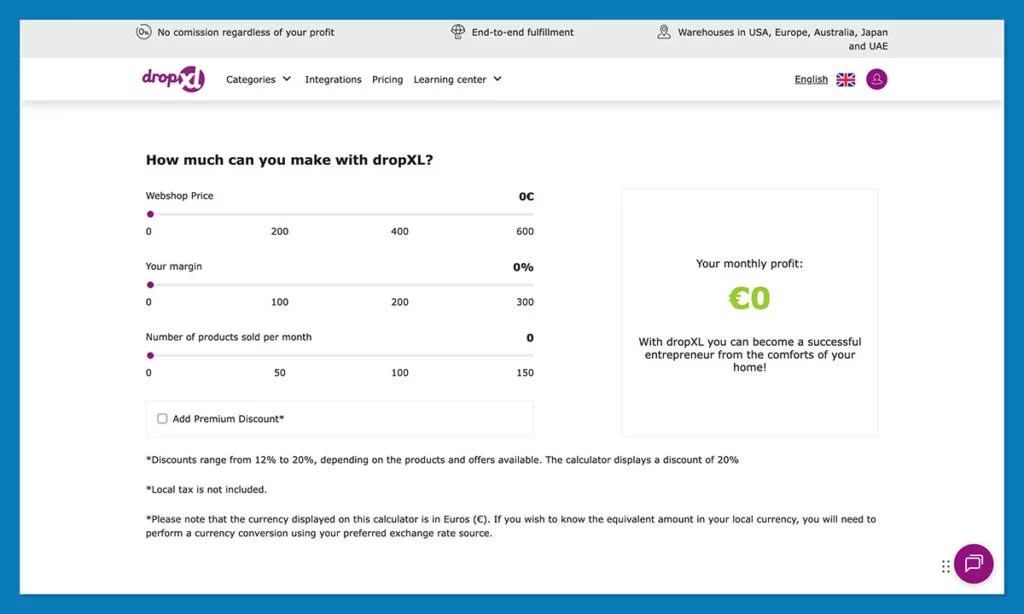
What it signals to readers: Low credibility. When everything is presented as universally achievable, the claims begin to sound unbelievable.
Instead, aim for: Balanced claims that acknowledge complexities, specify conditions, and present a realistic picture of outcomes, including any potential challenges or requirements.
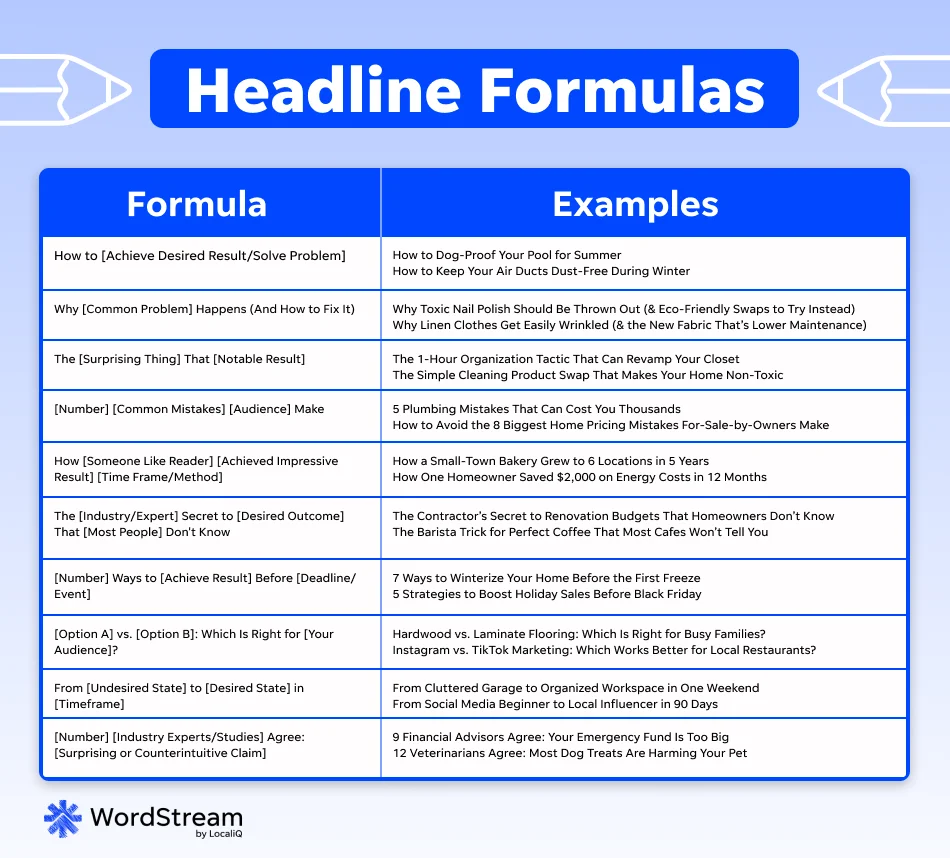
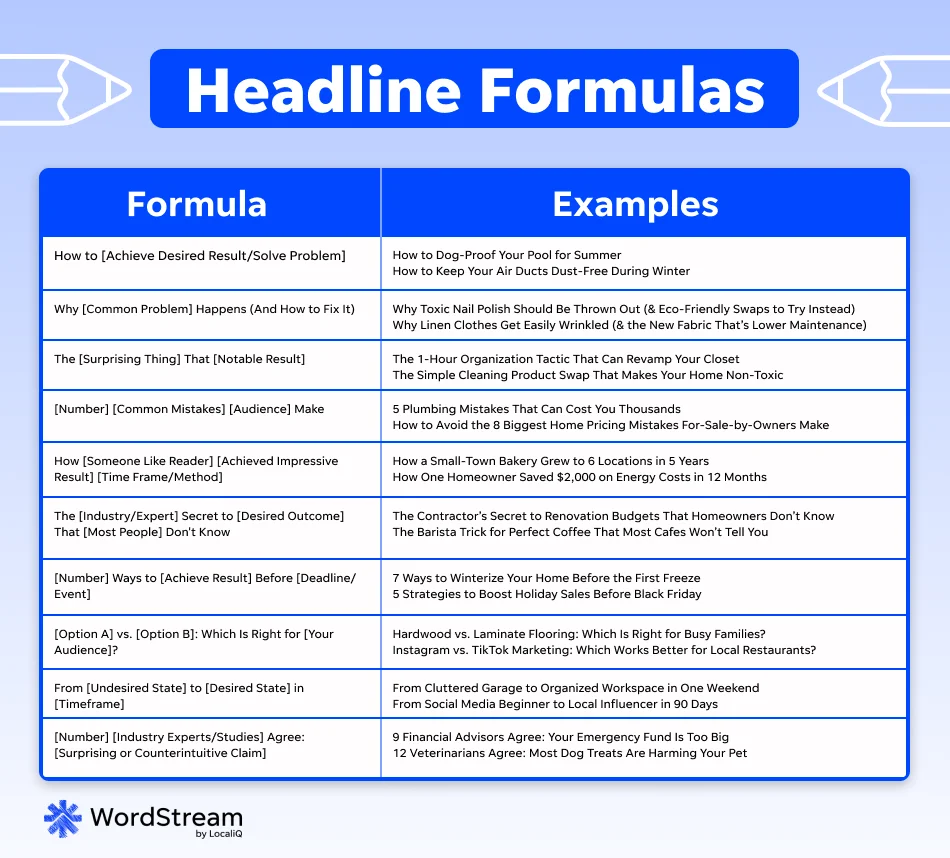
4. Generic Headlines
What it looks like: Headlines that are bland, overly broad, and could apply to virtually any competitor’s website without losing their general meaning.
Why it appears in AI writing: AI draws upon common headline patterns found across millions of web pages, leading to predictable and uninspired phrasing.
What it signals to readers: A lack of differentiation and a sense of "meh" – the content is unlikely to stand out.
Instead, aim for: Unique, benefit-driven, or curiosity-provoking headlines that clearly articulate the specific value proposition or topic and are difficult for competitors to replicate.
5. Absence of Concrete Examples
What it looks like: Content filled with abstract assertions and claims but lacking specific, tangible examples to illustrate or support them.
Why it appears in AI writing: Providing concrete examples requires contextual understanding and real-world grounding, which AI often defaults to generalization to bypass.
What it signals to readers: The content may not have been thoroughly tested or considered, or worse, it lacks practical application.

Instead, aim for: The inclusion of case studies, real-world scenarios, data-driven illustrations, or personal anecdotes that lend credibility and make the information relatable.
6. Equal Weighting of All Information
What it looks like: Every benefit, feature, or claim is presented with the same level of importance, making it difficult for readers to discern key takeaways.
Why it appears in AI writing: AI doesn’t inherently understand hierarchical importance; it tends to expand on ideas evenly without prioritizing.
What it signals to readers: A lack of clear value prioritization, leaving the reader unsure of what truly matters.
Instead, aim for: Clear emphasis on the most critical points through formatting, introductory statements, or explicit declarations of significance.
7. Repetitive Ideas in Different Phrasings
What it looks like: Multiple sentences or paragraphs that essentially convey the same idea using slightly varied wording, leading to redundancy.
Why it appears in AI writing: AI often elaborates on concepts to ensure completeness, which can result in paraphrasing and restating the same point multiple times.
What it signals to readers: Filler content that doesn’t add new information or insight.
Instead, aim for: Concise language that avoids repetition. Each sentence and paragraph should introduce new information or a unique perspective.
8. Lack of Tension or Tradeoffs
What it looks like: Content that presents an exclusively positive outlook, without acknowledging any limitations, challenges, or potential downsides.
Why it appears in AI writing: AI generally avoids negative framing unless specifically instructed, preferring to maintain an upbeat and uncontroversial tone.
What it signals to readers: The content feels unrealistic and overly simplistic, failing to reflect the complexities of real-world situations.
Instead, aim for: A balanced approach that discusses both the advantages and disadvantages, or the conditions under which a solution is most effective, fostering greater credibility.
9. Vague Calls to Action (CTAs)
What it looks like: CTAs that are ambiguous, requiring the reader to interpret what action they should take (e.g., "Read More?").
Why it appears in AI writing: Generic CTAs are frequently found in AI training data, leading to predictable and uninspired prompts.
What it signals to readers: Uncertainty and friction, potentially discouraging engagement.

Instead, aim for: Clear, action-oriented CTAs that explicitly state what the user will gain or experience by clicking (e.g., "Download Your Free Guide," "Shop Our Latest Collection").
10. Avoidance of Specific Data
What it looks like: Content that lacks concrete numbers, defined timelines, verifiable proof, or specific, measurable outcomes.
Why it appears in AI writing: Specifics often require real-world data or context, which AI tends to abstract away in favor of general statements.
What it signals to readers: Low confidence in the claims being made, as they are not substantiated with evidence.
Instead, aim for: The inclusion of statistics, data points, case study results, and quantifiable achievements to support all assertions.
11. Generic Phrasing Masking Meaning
What it looks like: The use of familiar but ultimately hollow phrases that sound plausible but do not add genuine clarity or insight.
Why it appears in AI writing: AI relies heavily on widely used language patterns that are prevalent across various industries and contexts.
What it signals to readers: The writer is using language as a substitute for genuine thought or understanding.

Instead, aim for: Precise and evocative language that conveys specific meaning and demonstrates a deep understanding of the subject matter.
12. Over-Explanation of Simple Concepts
What it looks like: Basic ideas are elongated across multiple sentences, as if to ensure they are understood without being presented too directly or concisely.
Why it appears in AI writing: AI often expands text to achieve a desired length or to appear more comprehensive, even when brevity would suffice.
What it signals to readers: The content is attempting to sound intelligent rather than being genuinely useful or informative.
Instead, aim for: Clarity and conciseness. Explain concepts directly and efficiently, respecting the reader’s time and intelligence.
13. Lack of Visible Decision-Making Process
What it looks like: Content that presents conclusions or recommendations without outlining the reasoning or the steps taken to arrive at them.
Why it appears in AI writing: AI typically provides outcomes rather than the detailed reasoning process, unless specifically prompted to do so.
What it signals to readers: A superficial understanding or lack of depth in the analysis presented.

Instead, aim for: Transparency in how conclusions were reached. Show the reader the thought process, data analysis, or considerations that led to the final output.
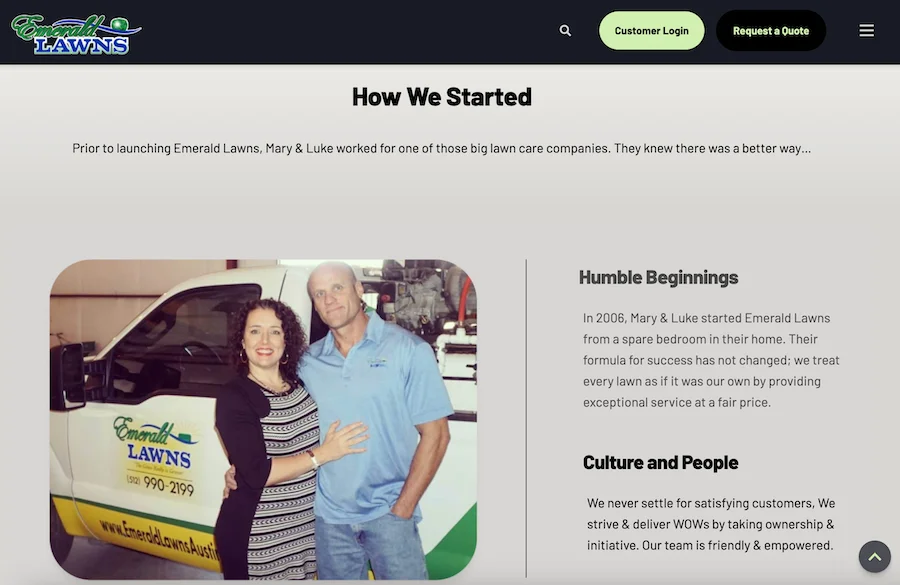
14. Anonymity of Voice
What it looks like: The absence of a distinct point of view, personal experience, original thought, unique voice, or identifiable constraints within the writing.
Why it appears in AI writing: AI synthesizes information from numerous sources, leading to a generalized perspective that lacks a singular, committed viewpoint.
What it signals to readers: A lack of ownership, accountability, or genuine personality behind the content.
Instead, aim for: Infusing the content with your brand’s unique voice, perspective, and any relevant experiences or insights that differentiate it.
What Readers Trust Instead: Building Confidence Through Authenticity
If the aforementioned patterns breed doubt, then their opposites build confidence by signaling considered thought and genuine effort. Readers are more likely to trust content that demonstrates:
- Specific Claims: Clear scope, defined outcomes, and measurable results indicate that something tangible underpins the words. Instead of vague promises of improvement, readers want to see precisely what changes and by how much.
- Demonstrated Thinking: Content that allows readers to follow the logic and understand why something works, not just that it works, builds trust. This doesn’t necessitate lengthy explanations but rather a clear intention behind the arguments.
- Visible Effort: There’s a discernible difference between content that feels generated and content that feels written. AI can produce grammatically correct sentences, but it struggles to convey nuanced judgment or the painstaking effort of thoughtful composition. Content that feels like someone invested time in its creation resonates more deeply.
- Reflected Quality: Clear and precise language is a hallmark of clear thinking. This is distinct from mere complexity or superficial polish. Precision in expression signals a thorough understanding and a commitment to conveying information effectively.
A Swift Audit: Identifying AI-Like Content in Your Own Work
Employing a quick audit can help identify potential AI-like characteristics in your content. Focus on one page at a time to make the process manageable.
| If Your Content… | People Assume… | Fix It By… |
|---|---|---|
| Repeats the same sentence rhythm | It was generated or templated | Rewrite one section without referencing the others, focusing on varied structures. |
| Avoids specifics | You’re unsure or overselling | Add one measurable outcome or concrete example to support a key claim. |
| Sounds perfectly polished everywhere | It lacks a real voice | Introduce variation in tone and structure, perhaps in an introduction or conclusion. |
| Makes broad claims without limits | It’s marketing filler | Add constraints, conditions, or tradeoffs to specific assertions. |
| Uses interchangeable headlines | You’re not differentiated | Rewrite one headline to be uniquely tied to your specific offering or insight. |
| Lacks clear logical progression in lists | There’s no clear thinking behind it | Reorder and rephrase list items to create a natural flow and build an argument. |
| Presents only positive outcomes | It’s unrealistic | Acknowledge potential challenges or limitations associated with the topic. |
| Features vague calls to action | It creates friction and uncertainty | Make CTAs explicit and benefit-driven, clarifying the next step. |
| Relies on generic phrasing | It lacks genuine meaning | Replace clichés with specific, descriptive language that adds value. |
| Over-explains simple concepts | It sounds like it’s trying too hard | Condense explanations to their core message, prioritizing clarity and conciseness. |
| Presents conclusions without reasoning | It lacks depth | Briefly outline the thought process or evidence behind key conclusions. |
| Feels like it could be written by anyone | It has no unique perspective | Inject your brand’s unique voice, experience, or viewpoint. |
Elevating Content Above the AI-Generated Noise
AI did not invent generic marketing copy; it merely amplified its production and obscured its detection. The true shift lies in the increasing volume of interchangeable content. As readers encounter more of this homogenized material, they become more attuned to subtle signals that distinguish authentic, trustworthy information.

The strategic imperative for content creators is not to compete with the sheer volume that AI can produce. Instead, the focus must be on creating content that feels genuinely human—content that reflects the time, thought, and expertise of an individual or a team. This is the path to winning audience attention and building lasting trust in an era where artificial intelligence is rapidly reshaping the digital communication landscape. By consciously avoiding the pitfalls of genericism and embracing the hallmarks of authentic human expression, creators can ensure their message not only reaches but also resonates with their intended audience.
A Recap of the 14 Signs Your Content Might Sound Like It Was Written by AI (and How to Avoid Them):
- Uniform Sentence Rhythm: Vary sentence length and structure.
- Unconnected List Items: Ensure lists have a logical flow and build upon each other.
- Claims Lacking Nuance: Add qualifiers and acknowledge tradeoffs.
- Generic Headlines: Craft unique, specific, and benefit-driven headlines.
- Absence of Concrete Examples: Support claims with real-world illustrations and data.
- Equal Weighting of All Information: Prioritize and emphasize key points.
- Repetitive Ideas in Different Phrasings: Be concise and avoid redundancy.
- Lack of Tension or Tradeoffs: Present a balanced view, including potential challenges.
- Vague Calls to Action (CTAs): Use clear, action-oriented language.
- Avoidance of Specific Data: Incorporate quantifiable metrics and evidence.
- Generic Phrasing Masking Meaning: Use precise language that conveys distinct insights.
- Over-Explanation of Simple Concepts: Prioritize clarity and conciseness.
- Lack of Visible Decision-Making Process: Show the reasoning behind conclusions.
- Anonymity of Voice: Infuse content with your unique perspective and brand personality.