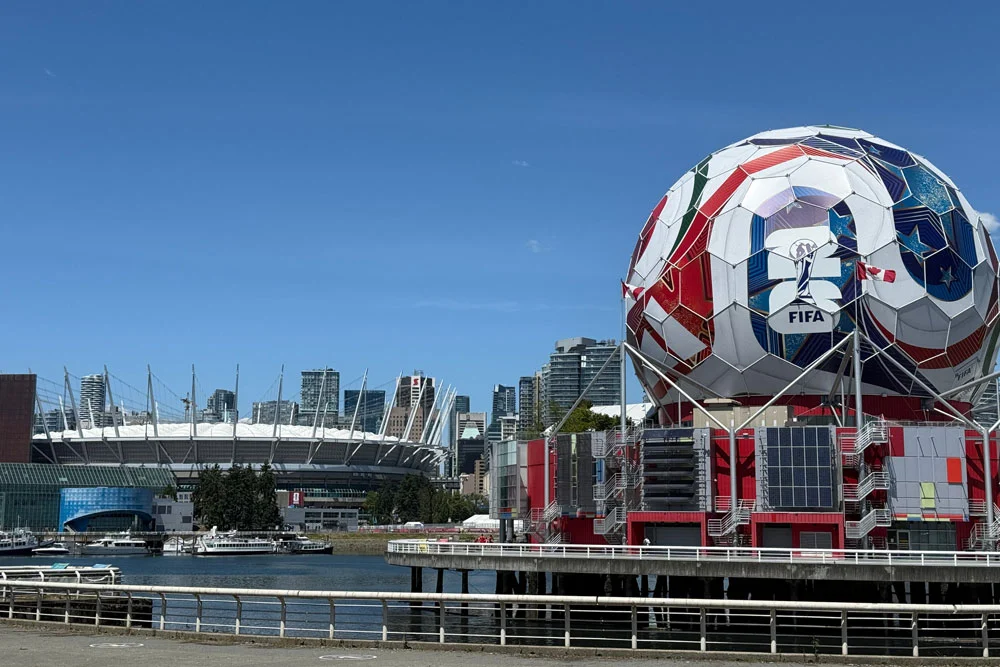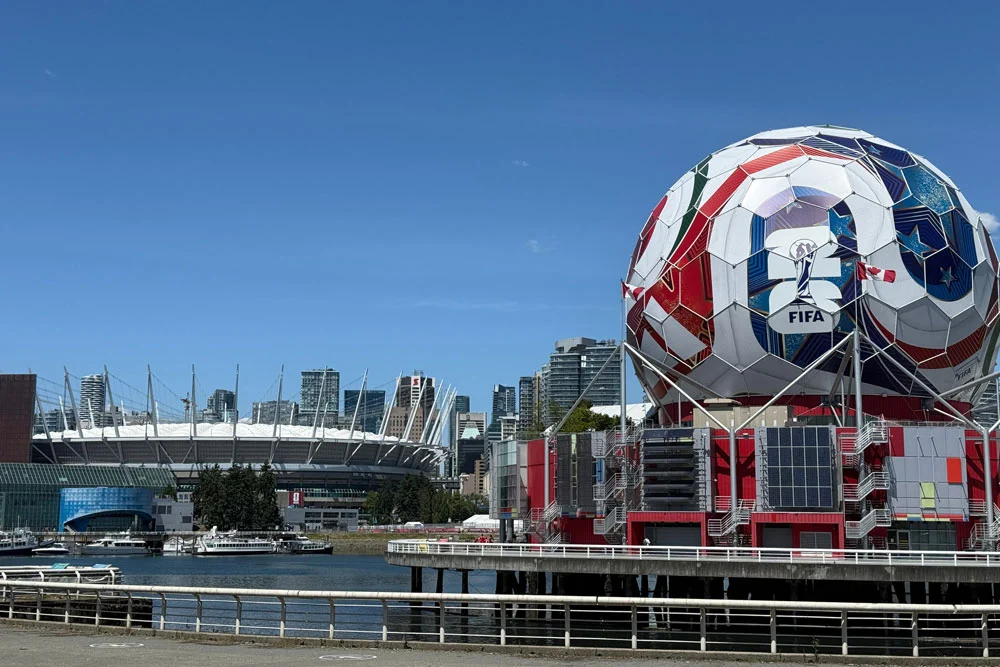
The FIFA World Cup 2026, a monumental event spanning three nations—Canada, Mexico, and the United States—has captured the global imagination not only for its athletic prowess but also for the strategic lessons it offers to the world of high-stakes business. As the tournament unfolds, featuring an expanded roster of 48 teams and a grueling schedule of 104 matches, the parallels between elite international soccer and the complex ecosystem of affiliate marketing have become increasingly evident. From the atmospheric flights across the Atlantic, where fans like Scotland’s "Tartan Army" bring their unwavering loyalty to North American shores, to the tactical battles on the pitch, the tournament serves as a masterclass in performance, resilience, and strategic evolution.
For professionals in the affiliate marketing sector—an industry projected to reach a global valuation of over $17 billion by the end of the decade—the 2026 World Cup offers more than mere entertainment. It provides a blueprint for managing growth, navigating competition, and sustaining long-term success in a digital landscape that is as volatile as a knockout-stage penalty shootout.
The Evolution of the 2026 World Cup: A Contextual Overview
The 2026 iteration of the FIFA World Cup is the largest in the history of the sport. By expanding from 32 to 48 teams, FIFA has fundamentally altered the competitive landscape, allowing smaller nations and "underdogs" a seat at the table while increasing the logistical and strategic burden on established powerhouses. This expansion mirrors the current state of the affiliate marketing industry, which has moved beyond simple banner ads into a sophisticated web of content commerce, influencer partnerships, and data-driven performance metrics.
Just as FIFA must manage a diverse array of stakeholders, host cities, and national teams, an affiliate manager must oversee a vast network of partners, each with unique strengths and audience demographics. The tournament’s chronology—from the opening matches in iconic venues like Mexico City’s Estadio Azteca to the final rounds in the United States—highlights the importance of pacing and resource management, two critical components of any successful marketing campaign.
The Paradigm of Teamwork: Beyond the Individual Superstar
One of the most striking observations from the 2026 tournament is the diminishing returns of individual brilliance when unsupported by a cohesive team structure. In soccer, the presence of legendary figures like Croatia’s Luka Modrić or Portugal’s Cristiano Ronaldo no longer guarantees progression to the final stages. This was evidenced by Croatia’s inability to overcome Portugal in the early rounds and Portugal’s subsequent exit at the hands of a disciplined Spanish side. These outcomes underscore a fundamental truth: even the most talented individual cannot carry an entire organization against a well-coordinated collective.
In the realm of affiliate marketing, this lesson translates to the "super-affiliate" myth. For years, many brands relied on a handful of high-traffic partners to drive the majority of their revenue. However, modern performance marketing demands a more diversified approach. Relying on a single "star" affiliate—much like relying on a single star player—creates a significant point of failure. If that affiliate changes their business model, suffers a drop in search engine rankings, or shifts their focus to a competitor, the brand’s revenue can evaporate overnight.
Successful affiliate programs in 2026 are built on a "team" of diverse marketing channels. This includes:
- Content Creators and Bloggers: Providing top-of-funnel awareness and educational value.
- Review and Comparison Sites: Offering mid-funnel validation for consumers.
- Loyalty and Cashback Portals: Driving bottom-of-funnel conversions and customer retention.
- Social Media Influencers: Leveraging niche trust and engagement.
By diversifying the affiliate base, brands protect themselves against the volatility of individual partner performance, ensuring that the "team" as a whole continues to score even if one player has an off day.
The Rise of the Underdog: Market Disruption and the Nectar Sleep Case Study
The 2026 World Cup has been defined by the "underdog" narrative. The Group Stage saw debutant Curaçao hold a seasoned Ecuador team to a 0-0 draw, while Egypt stunned the world by leading defending champions Argentina for the majority of their Round of 16 match. These moments serve as a stark reminder that historical prestige does not equate to future immunity from competition.
This phenomenon is equally prevalent in the business world, particularly within the affiliate marketing sector. The case of Nectar Sleep, an online mattress-in-a-box retailer, serves as a definitive example of how an underdog can dismantle established market hierarchies. When Nectar Sleep launched its affiliate program in early 2017, the market was already saturated with well-funded incumbents like Casper, Saatva, and Purple.
Despite the "late-mover" disadvantage, Nectar Sleep’s strategic focus on aggressive affiliate recruitment and high-value commissions allowed it to achieve a meteoric rise. Within just one year and five days of its launch, Nectar’s program became the number one ranked affiliate program on a major network, surpassing over 5,000 other brands, including global giants like Wayfair and Reebok.
The lesson for marketing executives is twofold: never underestimate a smaller competitor who possesses agility and a superior incentive structure, and never assume that being a market leader provides a permanent shield. In both sports and commerce, being an underdog is often a temporary state that can be overcome with the right strategy and execution.
The Danger of Complacency: Why Giants Fall
Perhaps the most sobering aspect of the 2026 World Cup is the list of teams that either failed to qualify or were eliminated prematurely. Italy, a four-time world champion, was absent from the tournament entirely, failing to navigate the qualification rounds. Traditional powerhouses like the Netherlands and Brazil saw their journeys end at the hands of Morocco and Norway, respectively.
Norway’s ascent to the Quarterfinals is particularly telling. Having not appeared in a World Cup for nearly three decades, the Norwegian team utilized a data-centric approach and a new generation of talent to disrupt the established order. Their victory over Brazil in the Round of 16 was not a fluke but the result of a long-term commitment to improvement and an refusal to be intimidated by the "laurels" of their opponents.
In affiliate marketing, complacency is the precursor to irrelevance. The digital landscape is in a state of constant flux, influenced by:
- Algorithmic Shifts: Changes in how search engines and social platforms prioritize content.
- Regulatory Changes: The tightening of data privacy laws such as GDPR and CCPA, which impact tracking and attribution.
- Technological Innovation: The integration of AI and machine learning in optimizing affiliate campaigns.
Brands that "rest on their laurels," relying on strategies that worked five or ten years ago, find themselves quickly overtaken by more adaptive competitors. The "dynamic nature" of the industry means that education and continuous optimization are not optional; they are the baseline for survival.
Industry Implications and the Path Forward
The convergence of global sports trends and digital marketing strategies highlights a broader shift toward performance-based outcomes. As the 2026 World Cup concludes, the data generated from the tournament—fan engagement metrics, broadcast viewership, and social media sentiment—will be analyzed for years to come. Similarly, the data generated from affiliate programs provides a transparent view of ROI that traditional advertising often lacks.
Industry analysts suggest that the future of affiliate marketing will be defined by "hyper-personalization" and "cross-channel attribution." Just as a coach uses real-time analytics to make substitutions during a match, affiliate managers must use real-time data to adjust commission rates, creative assets, and partner incentives.
The upcoming industry conferences, such as the Affiliate Summit in New York, are expected to focus heavily on these themes. The consensus among experts is that the "World Cup mindset"—characterized by teamwork, respect for the underdog, and a rejection of complacency—is essential for any brand looking to navigate the complexities of the modern economy.
Conclusion: A Continuous Journey
The lessons of the FIFA World Cup 2026 extend far beyond the final whistle. They remind us that success is a moving target, requiring a blend of individual talent and collective discipline. Whether on the grass pitches of North America or the digital marketplaces of the internet, the principles of victory remain the same.
For affiliate marketers, the message is clear: diversify your team, keep a watchful eye on emerging competitors, and never stop learning. The "championship" in business is not won in a single season but through a persistent, evolving commitment to excellence. As the industry moves forward, those who treat their marketing strategy with the same rigor and passion as a World Cup contender will be the ones who ultimately claim the trophy.