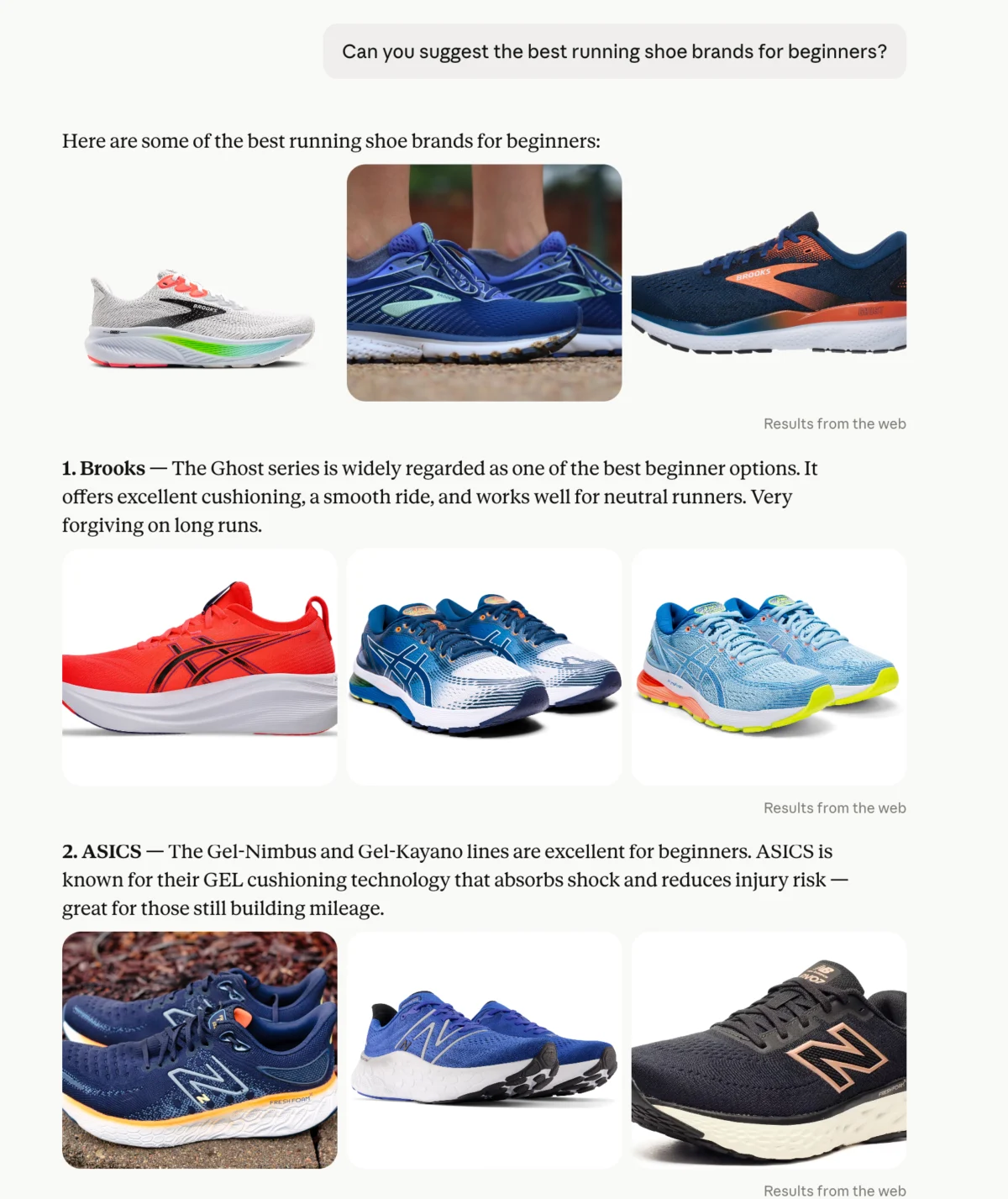
The emergence of artificial intelligence (AI) and large language models (LLMs) has fundamentally reshaped the landscape of digital discovery, introducing new metrics for brand visibility that extend beyond traditional search engine optimization (SEO). As AI-powered search interfaces become increasingly prevalent, understanding the distinction between an "AI brand mention" and an "AI citation" is critical for businesses aiming to optimize their presence in this evolving digital ecosystem. While both signify a brand’s appearance in AI-generated content, their mechanisms, implications, and strategic value differ significantly.
The Rise of AI in Search and Content Generation
The integration of generative AI into mainstream search began to accelerate in the early 2020s, with platforms like OpenAI’s ChatGPT gaining widespread public attention in late 2022. This was quickly followed by major search engines, notably Microsoft’s Bing (now Copilot) and Google (with its Search Generative Experience, SGE), incorporating LLM capabilities directly into their search results. This shift marks a significant departure from the traditional "ten blue links" model, moving towards conversational, summarized, and synthesized answers. For brands, this means visibility is no longer solely about ranking high in organic search results, but also about being recognized and referenced within these AI-generated summaries and recommendations. Recent reports indicate that AI assistant usage is skyrocketing, with platforms like ChatGPT exceeding 100 million weekly active users, underscoring the imperative for brands to adapt their digital strategies.
Defining AI Brand Mentions
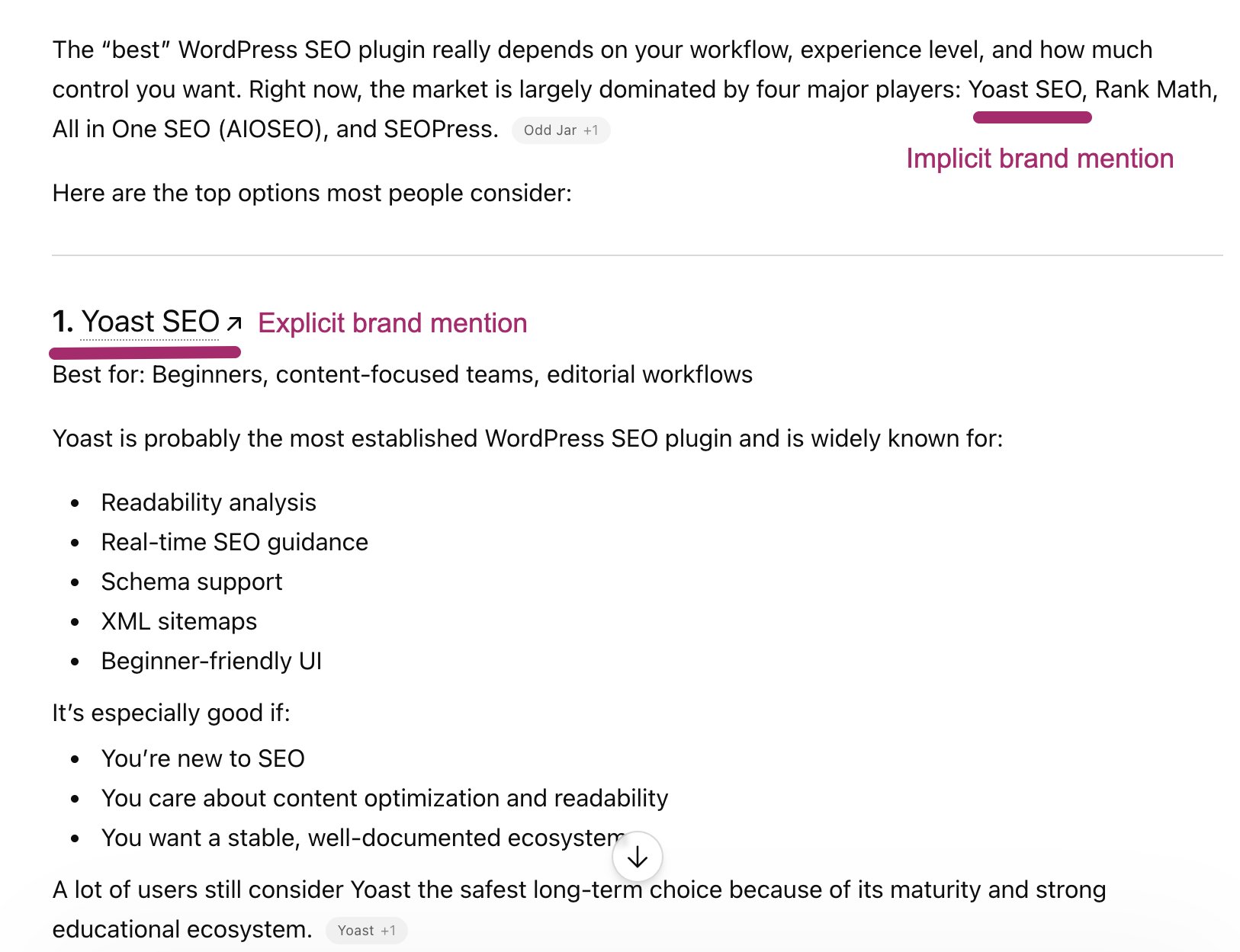
An AI brand mention occurs when an AI tool, such as an LLM or a generative AI search interface, references a brand name within its generated response, recommendation, comparison, or summary. These mentions can be either explicit, meaning they include a direct link back to the brand’s website or a specific piece of content, or implicit, where the brand name is mentioned without a clickable link. The primary value of an AI brand mention lies in its ability to build brand awareness and establish category relevance within the AI’s understanding.
Common contexts for AI brand mentions include:
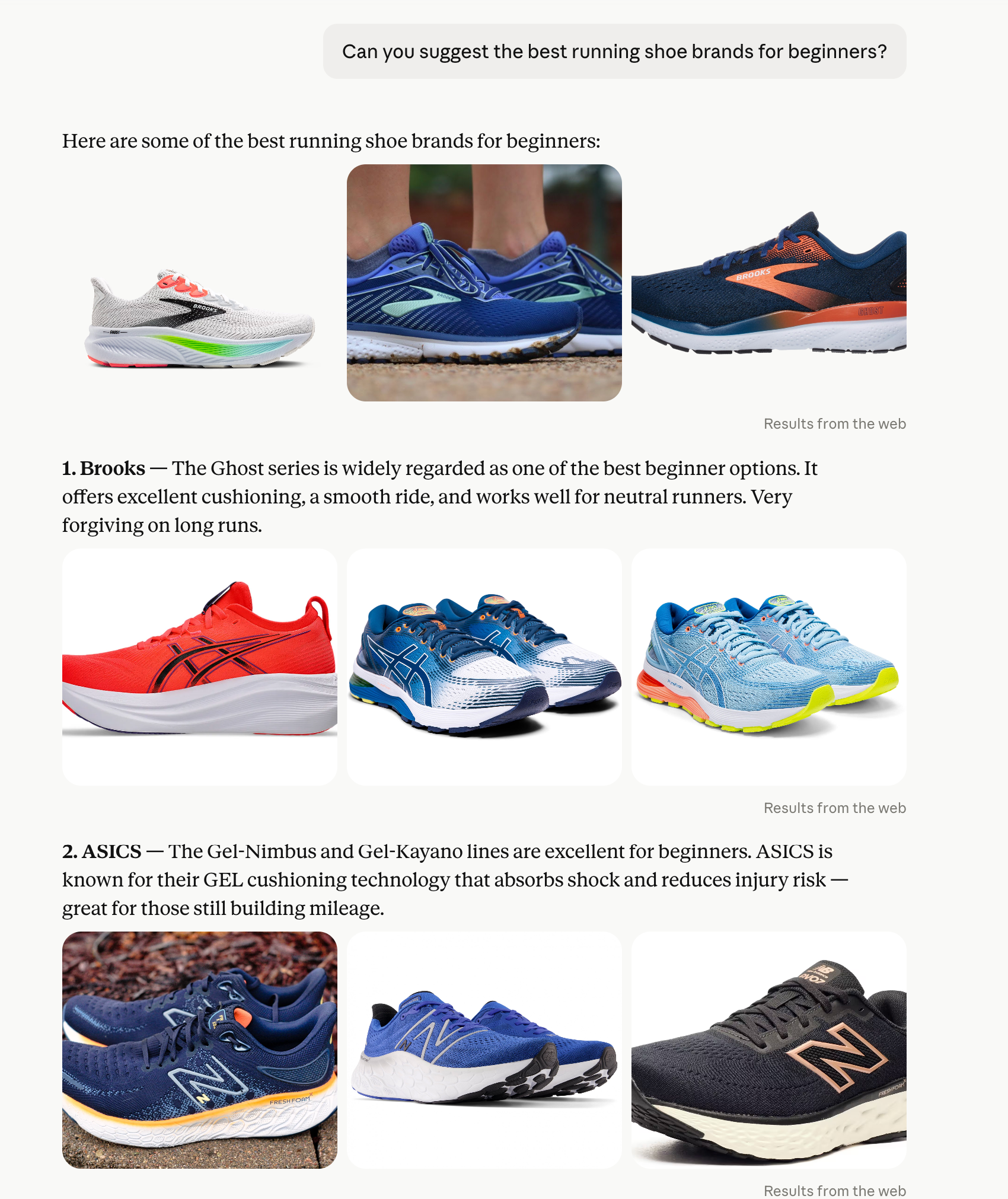
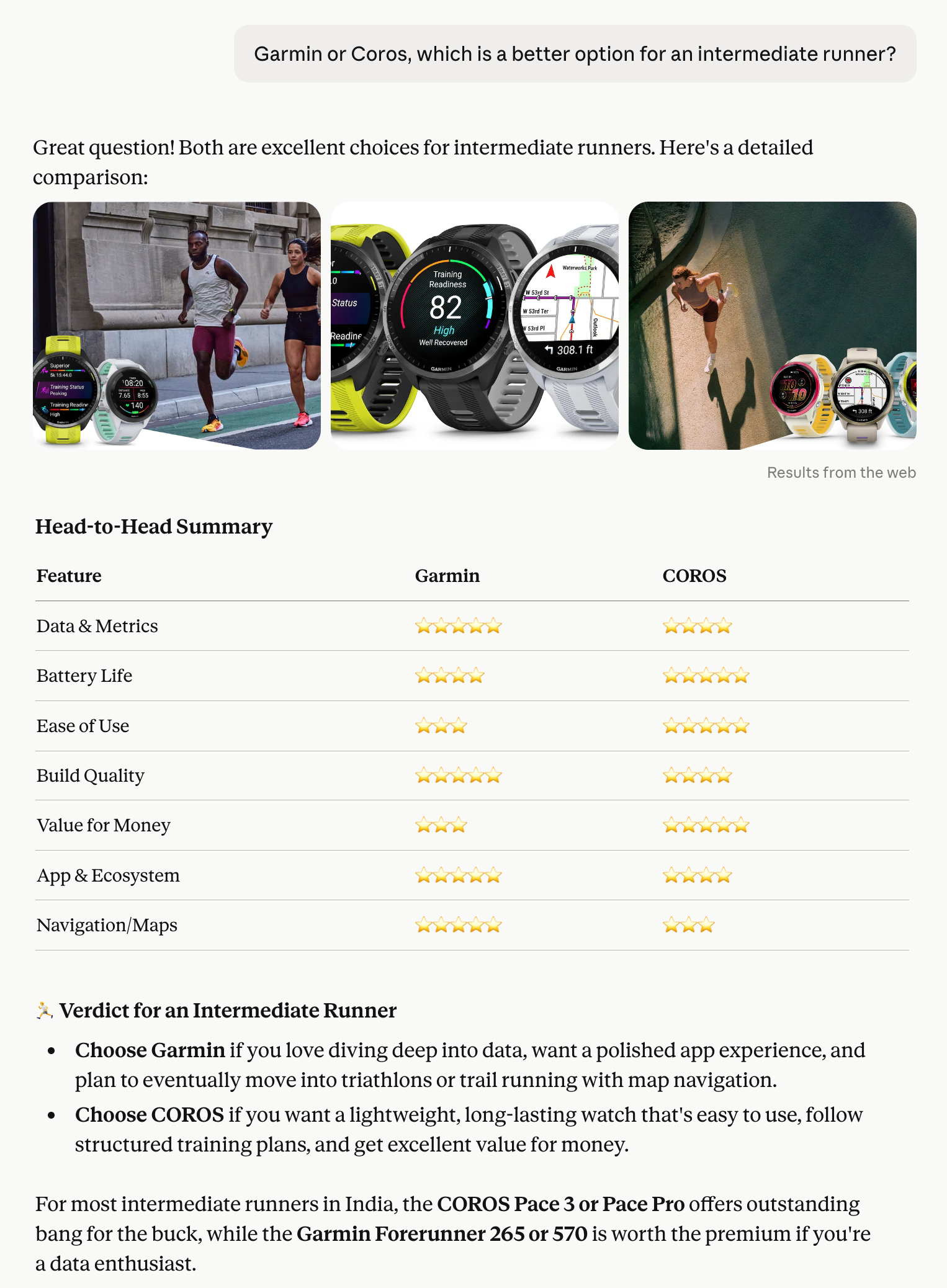
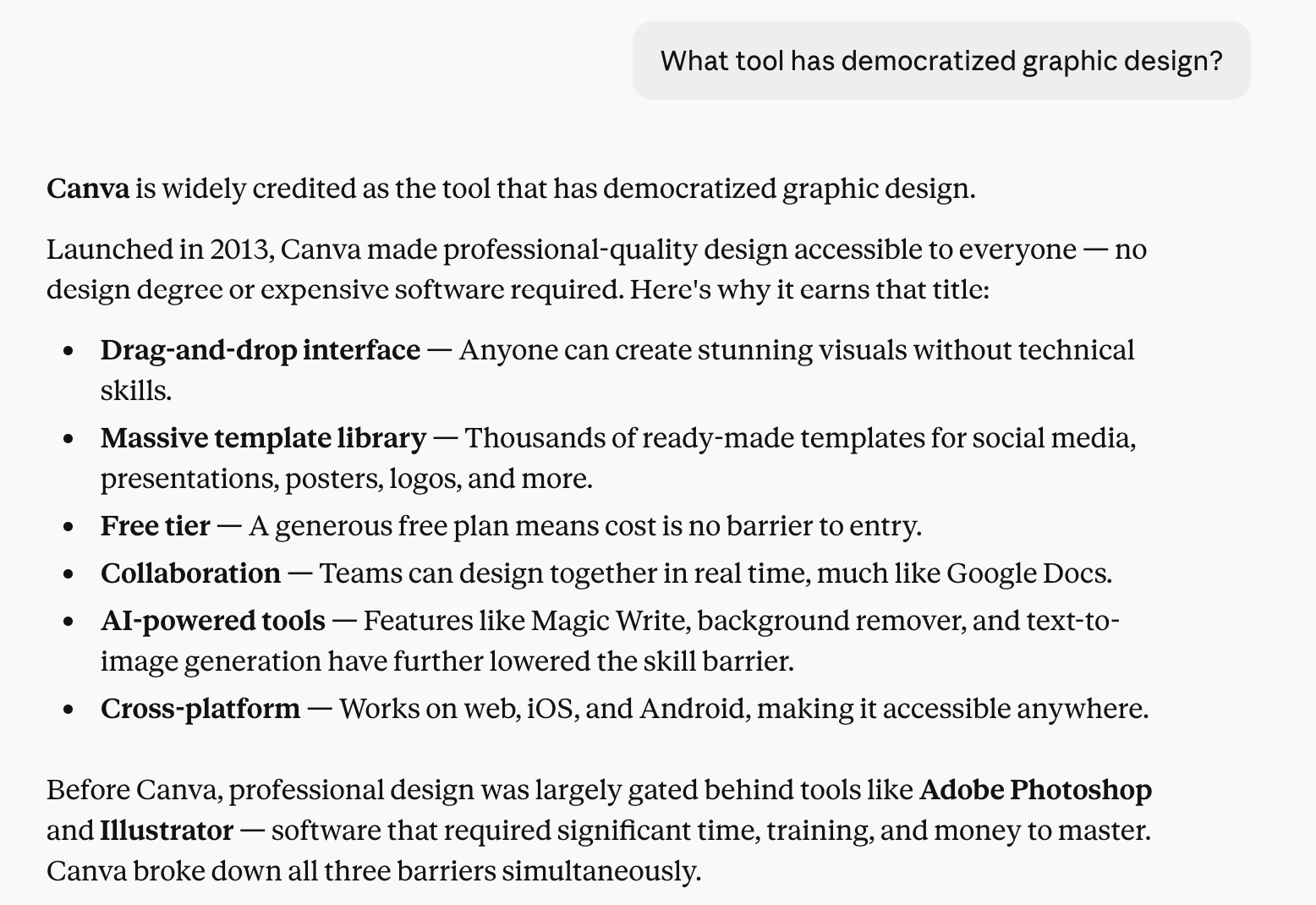
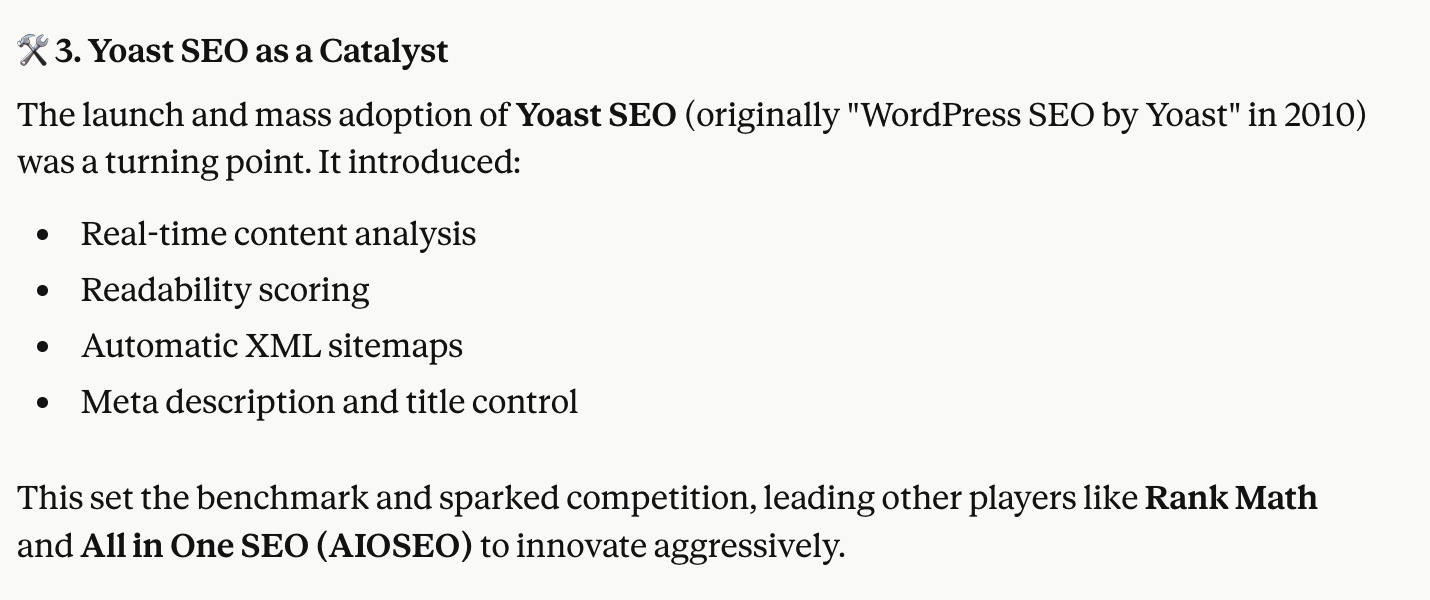
- Direct Recommendations: When a user asks for "best CRM software" or "top WordPress SEO plugins," the AI might directly suggest "Salesforce" or "Yoast SEO" as solutions.
- Product/Service Comparisons: In response to queries comparing features, pricing, or use cases, AI may include specific brands as part of a comparative analysis (e.g., "HubSpot offers extensive marketing automation, while Zoho CRM focuses on affordability for small businesses").
- Examples within Explanations: AI might use brands to illustrate concepts or industry practices (e.g., "For project management, tools like Asana and Trello demonstrate agile workflow capabilities").
- Contextual References: Brands can naturally appear in broader discussions about an industry or topic, establishing their topical relevance (e.g., "The automotive industry has seen innovations from companies like Tesla and Mercedes-Benz").
These mentions contribute to a brand’s "mindshare" within the AI’s knowledge base, making it more likely to be considered and surfaced in future relevant queries. While indirect in terms of immediate traffic, consistent mentions can significantly boost brand recall and influence user perception.
Understanding AI Citations
In contrast, an AI citation involves the AI system attributing specific information, data, or content to a particular source, often with a direct link or reference to the original webpage, report, or article. AI citations serve to support the answers generated by the AI, lending credibility and trustworthiness to the information presented. They function much like academic citations, verifying the factual basis of the AI’s output.
Key characteristics of AI citations:
- Attribution: They clearly credit the source of the information, typically through a URL, footnote, or an inline reference.
- Proof of Expertise: Citations act as direct proof of a brand’s expertise, authoritativeness, and trustworthiness (E-E-A-T), signaling to both users and other AI systems that the brand is a reliable authority on a given topic.
- Direct Traffic Potential: Unlike implicit mentions, citations often provide a clickable link, offering a direct pathway for users to visit the original source and engage with the brand’s content.
- Reinforcing Credibility: For search engines integrating AI, citations reinforce the quality and reliability signals associated with traditional SEO backlinks, albeit with a focus on informational validity rather than link equity transfer.
An example might be an AI response stating, "According to the latest report from the World Health Organization, global life expectancy has increased by X years," with a direct link to the WHO’s official publication. If a brand publishes original research or definitive guides, these are prime candidates for AI citations.
How Large Language Models Determine Mentions and Citations
LLMs do not "choose" brands subjectively; their decisions are rooted in complex algorithms that analyze vast datasets and real-time information. Several factors converge to determine whether a brand is mentioned or cited:
- Training Data Patterns: LLMs learn from petabytes of text and code (e.g., Common Crawl, Wikipedia, books). The frequency and context in which a brand appears within this foundational data significantly influence its likelihood of being mentioned. Brands consistently discussed in relation to specific topics build strong associations, increasing their chances of being surfaced. For instance, if "Adobe" is frequently mentioned alongside "graphic design software" across millions of documents, the AI will naturally link the two.
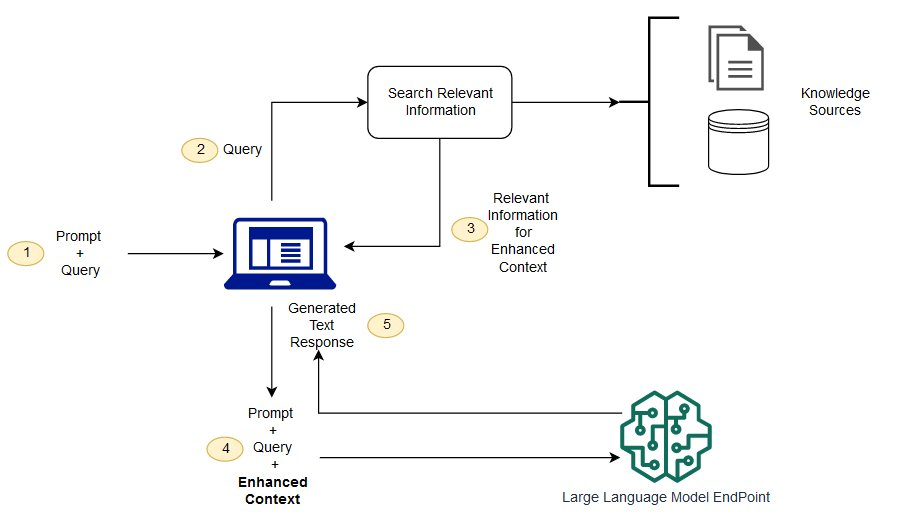
- Retrieval-Augmented Generation (RAG): Modern AI systems increasingly employ RAG, which extends beyond their static training data. When a user submits a query, RAG systems retrieve relevant, up-to-date information from external, indexed sources (web pages, databases, APIs) in real-time. This retrieved information is then integrated with the LLM’s existing knowledge to generate a more current and accurate response. For brands, this means their live, indexed web content plays a direct role in AI visibility, especially for dynamic topics.
- Context and Semantic Understanding: LLMs utilize advanced Natural Language Processing (NLP) to interpret user intent and semantic meaning, rather than relying solely on keyword matching. They map queries to broader concepts and surface brands that align with those meanings. For example, a query about "sustainable fashion brands" will connect to entities associated with eco-friendly practices, ethical production, and material innovation. Brands that clearly and consistently define their identity and value proposition across diverse sources are more easily understood and referenced by AI.
- Authority and Cross-Source Validation: AI systems assess the trustworthiness of information by comparing patterns across multiple sources. Brands consistently referenced by credible, independent platforms (e.g., reputable news outlets, industry journals, academic papers, official government reports) gain higher authority in the eyes of AI. This "cross-source validation" is crucial; a brand mentioned in numerous high-quality, external contexts will be deemed more authoritative than one primarily promoting itself on its own website. This principle mirrors traditional SEO’s emphasis on backlinks from authoritative domains but extends it to an AI’s comprehensive understanding of topical authority.
- Relevance to the Query: Fundamentally, an AI will only include a brand if it is highly relevant to the user’s specific intent. This involves analyzing the use case, target audience, problem being solved, and desired outcome. AI models convert text queries into vector embeddings, allowing them to find semantic similarity and return answers that are truly pertinent, rather than just keyword-rich.
- Sentiment and Human Feedback (RLHF): LLMs are continuously refined through Reinforcement Learning from Human Feedback (RLHF). Human evaluators review AI responses, guiding the model to generate answers that are helpful, truthful, harmless, and unbiased. This process filters out negative or misleading associations. Brands consistently associated with positive sentiment and high user satisfaction across reviews, social media, and forums are more likely to be favored, while negative sentiment can lead to deprioritization or avoidance by the AI.
Strategic Implications for Brands and SEO Professionals
The shift towards AI-driven discovery necessitates a re-evaluation of digital strategies. SEO is evolving into "LLM SEO" or "AI discoverability," demanding a focus on content designed for AI consumption.
1. Content Optimization for AI Comprehension:
Brands must create content that is not only human-readable but also highly structured, factual, and unambiguous for AI systems. This includes:
- Clear Definitions and Direct Answers: Providing concise, authoritative answers to common questions.
- Structured Data (Schema Markup): Implementing schema markup helps AI systems understand the entities, relationships, and context within content, making it easier to extract and reuse information.
- Comprehensive Content Pillars: Developing in-depth content clusters around core topics, positioning the brand as a definitive resource.
2. Strengthening Authority and Credibility:
The importance of E-E-A-T (Experience, Expertise, Authoritativeness, and Trustworthiness) is amplified in an AI-driven world.
- Original Research and Data: Publishing unique studies, reports, and data positions a brand as a primary source, making it highly "citation-worthy."
- Earned Media and Public Relations (PR): Securing mentions and features in reputable industry publications, news outlets, and expert interviews builds significant cross-source validation.
- Expert Contributions: Having recognized experts within the organization contribute to content and external discussions enhances perceived authority.
3. Cultivating Contextual Brand Presence:
Focus on appearing naturally and consistently in diverse online conversations.
- Community Engagement: Active participation in relevant forums, social media groups, and industry discussions can lead to organic, contextual mentions.
- Partnerships and Collaborations: Collaborating with other reputable brands or influencers can broaden contextual associations.
4. Addressing Evaluative Queries:
Develop content that directly addresses comparisons, "best of" lists, and "vs." scenarios, positioning the brand within decision-making contexts. This gives AI systems clear criteria for recommending the brand when users are seeking solutions.
5. Reputation Management and Sentiment Analysis:
Actively monitor brand sentiment across the web. Addressing negative feedback and fostering positive customer experiences are crucial, as AI systems learn and incorporate sentiment into their decision-making processes.
6. Keeping Content Fresh and Relevant:
Regularly update cornerstone content, product pages, and guides to ensure information remains current. Freshness signals reliability, especially for fast-evolving topics, which is crucial for RAG systems.
The Interplay: Mentions vs. Citations
While distinct, AI brand mentions and citations are not mutually exclusive; they often work in tandem. A brand can be mentioned in an AI response without being explicitly cited if the AI recognizes its general relevance through repeated contextual appearances. Conversely, a citation explicitly links to a source, reinforcing the brand’s authority on a specific piece of information.
The table below summarizes their key differences and symbiotic relationship:
| Aspect | AI Brand Mention | AI Citation |
|---|---|---|
| Definition | Brand name appears within AI-generated response. | AI attributes specific information to your content, often with a link. |
| Format | Natural language text; can be linked (explicit) or unlinked (implicit). | URL, footnote, or inline source reference. |
| Primary Signal | Brand awareness, category relevance, mindshare. | Authority, credibility, trustworthiness (E-E-A-T). |
| Impact | Builds pervasive brand presence, keeps brand in consideration set. | Establishes expertise, validates information, drives direct traffic. |
| Traffic Potential | Indirect, through increased brand recall and search intent. | Direct, via clickable attributed sources. |
| Frequency | More common across diverse AI responses and contexts. | Less common, more competitive, requires high-quality, unique content. |
| Appearance | Across most LLMs, even those without live web access (from training data). | More common in systems with RAG or live web access. |
| Optimization Focus | PR, earned media, community presence, consistent contextual discussion. | Original research, structured data, definitive guides, thought leadership. |
| Example | "Grammarly is a popular tool for checking grammar." | "According to HubSpot’s 2024 State of Marketing Report…" (with link) |
Do Citations Still Matter in an AI-First World?
Absolutely. While AI brand mentions contribute significantly to broad visibility and category association, citations remain crucial for establishing deep trust and demonstrating verifiable expertise. In an era where "hallucinations" and misinformation are concerns for AI, credible citations provide a vital mechanism for validating information and upholding accuracy. For businesses, securing citations means their content is not just visible but is also actively trusted and recommended as a reliable source of truth by sophisticated AI systems.
Moreover, the ethical considerations around AI attribution are growing. As AI models become more integrated into critical decision-making processes, the demand for transparent sourcing will only increase, making citations an indispensable component of responsible AI usage and brand strategy.
Conclusion: A Dual Approach to AI Visibility
The digital future is increasingly AI-driven. Brands cannot afford to ignore the evolving dynamics of AI brand mentions and citations. A holistic strategy demands optimizing for both: cultivating widespread, contextual brand mentions to build pervasive awareness and category relevance, while simultaneously producing high-quality, unique, and authoritative content that merits explicit citations.
By focusing on clear, structured, and credible content, actively engaging in relevant online conversations, and continuously building genuine authority, businesses can position themselves to thrive in this new era of AI-powered discovery, ensuring their brand is not just seen, but also trusted and recommended by the intelligent systems shaping our information landscape. The ability to monitor and analyze these AI visibility metrics, as offered by specialized tools, will become paramount for refining strategies and maintaining a competitive edge.