The Google Display Network (GDN) presents a vast and powerful landscape for businesses aiming to expand their reach and connect with potential customers. While its potential for brand awareness and engagement is undeniable, navigating its intricacies without a clear strategy can lead to inefficient ad spend. Understanding how the GDN operates, the diverse campaign options available, and realistic performance expectations is paramount for any organization seeking to leverage this advertising platform effectively and align its efforts with specific campaign objectives. This article delves into the multifaceted world of the GDN, providing a comprehensive overview to equip businesses with the knowledge needed to establish successful campaigns.
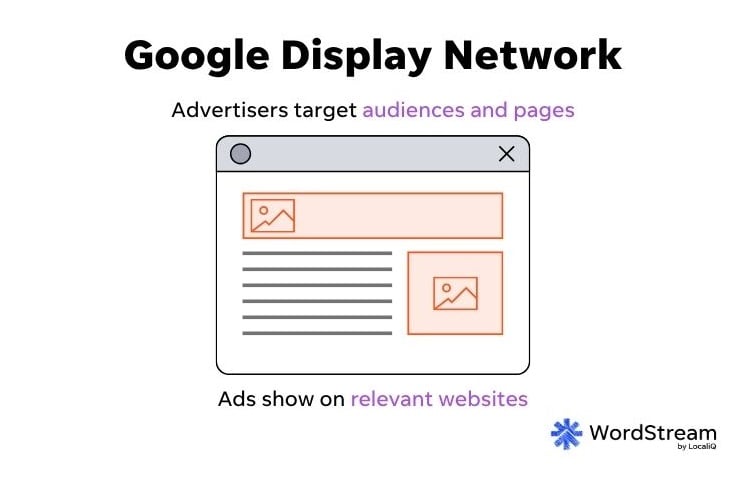
Contrary to its name, the Google Display Network is not a singular entity owned and operated solely by Google. Instead, it represents an expansive ecosystem comprising millions of websites, mobile applications, and video platforms, including YouTube, that allocate space for advertisements. These websites and apps are independently owned and managed by individuals and businesses who collaborate with Google to display ads. In exchange for providing ad inventory, these publishers receive a portion of the advertising revenue generated. Essentially, the process involves website owners creating ad placements, advertisers developing their campaigns, and Google acting as the intermediary that strategically places these ads across the network based on defined targeting parameters. Advertisers pay Google for ad impressions or clicks, and Google, in turn, compensates the publishers for hosting the advertisements.
The Strategic Advantages of the Google Display Network
The GDN’s primary allure lies in its immense reach, connecting advertisers with a significant portion of the global internet-using population. This extensive network offers several key benefits for businesses:
Cultivating Brand Awareness
At the initial stages of customer acquisition, establishing brand recognition is crucial. While word-of-mouth referrals and search engine optimization play vital roles, the GDN offers a proactive approach to introducing a brand to its potential market. By displaying ads to users who are actively browsing content relevant to a business’s offerings or based on their past online behaviors, the GDN can effectively plant the seed of brand awareness during moments of opportune engagement.
Nurturing Existing Relationships
The customer journey is rarely a single-step conversion. The GDN serves as a powerful tool for re-engaging users who have previously interacted with a brand. By providing them with further information and reinforcing brand messaging, advertisers can deepen interest and move prospects closer to conversion. This retargeting capability is essential for nurturing leads and building lasting customer relationships.

Driving Conversions and Sales
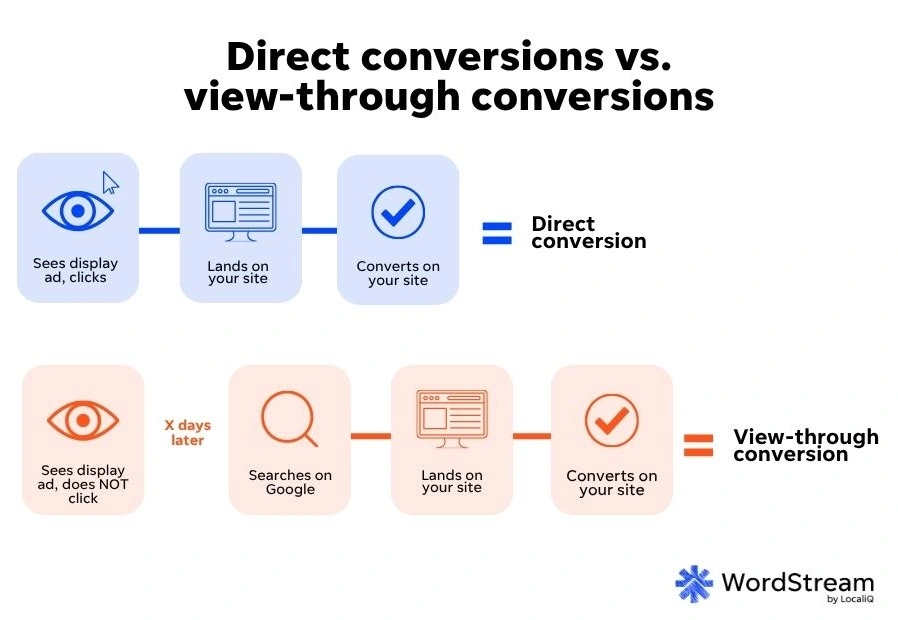
While not exclusively a direct-response channel, the GDN can significantly contribute to conversion goals. When coupled with robust conversion tracking and automated bidding strategies, it can drive incremental sales, particularly for businesses with a typical buyer cycle and a compelling offer. A key metric in this regard is "view-through conversions," which can attribute conversions on search ads to prior impressions on display ads, offering valuable insights into the display network’s influence.
Navigating Campaign Types on Google Display
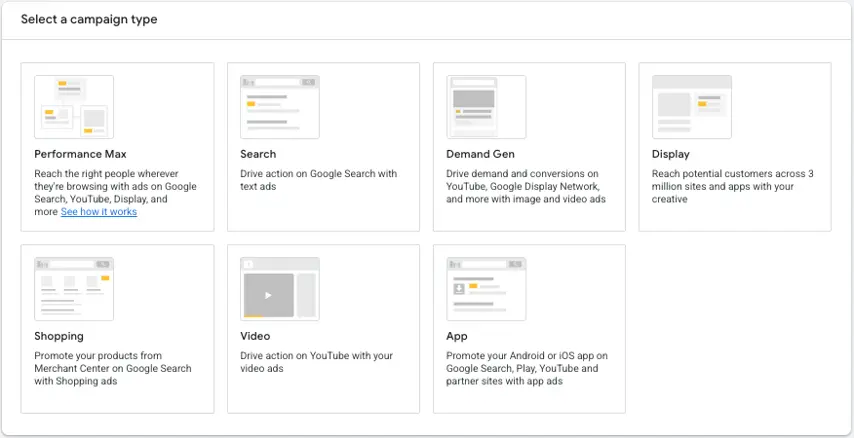
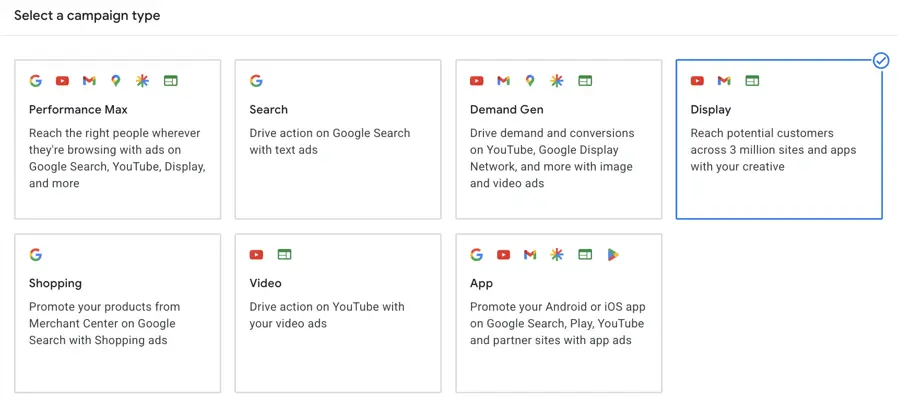
Google provides a variety of campaign types that can be utilized to leverage the GDN, offering flexibility based on specific marketing objectives. While the interface may sometimes present options that appear distinct, many campaign types can incorporate GDN placements depending on their configuration.
1. Standard Display Campaigns
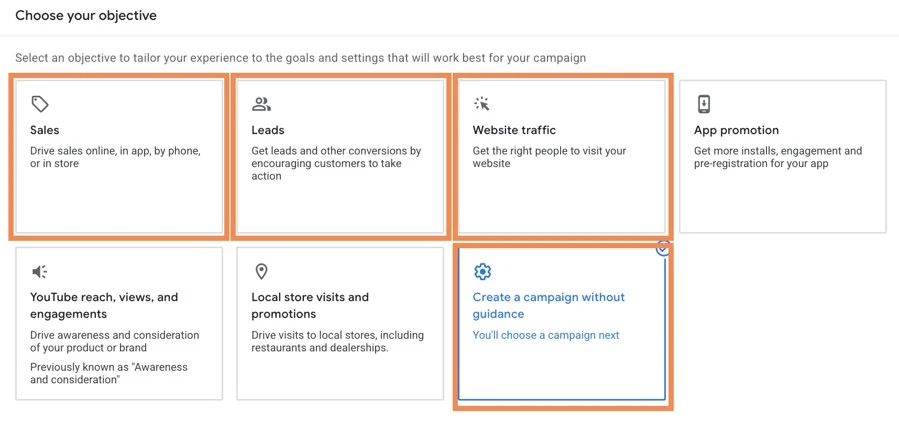
Standard Display campaigns are designed to specifically target the vast network of websites, apps, and videos participating in the GDN. It’s important to note that Google has announced the phasing out of these traditional Display campaigns, with their functionality being integrated into other campaign types. However, for the interim, they offer a straightforward approach to GDN advertising, focusing solely on this network and excluding placements like Gmail or Discover. When creating a new campaign, selecting objectives such as "Sales," "Leads," or "Website traffic" can lead to the establishment of a Display-only campaign. For advertisers seeking maximum control over GDN placements, opting for a campaign without a predefined goal and subsequently selecting "Display" often provides the most granular oversight. These campaigns support various ad formats and allow for highly specific targeting, making them a flexible option for GDN-exclusive strategies.
2. Performance Max Campaigns
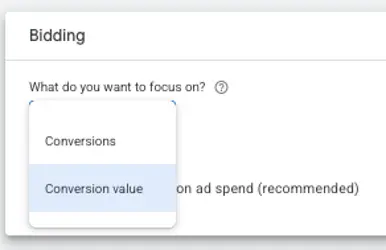
Performance Max (PMax) campaigns represent Google’s most automated campaign type, designed to operate across all of Google’s owned properties, including Search, YouTube, Gmail, Discover, Shopping, Maps, and the Google Display Network. PMax campaigns leverage machine learning to dynamically create and optimize ads for each placement. They heavily rely on Google’s Smart Bidding strategies, offering options to optimize for "Conversions" or "Conversion Value," with the ability to further refine with Target CPA or Target ROAS. While PMax can generate a high volume of impressions and clicks, its comprehensive nature means it can potentially draw performance away from other campaigns, such as Search. Transparency can also be a challenge with PMax, making it more difficult to gain granular insights. For lead generation, PMax can be effective, but lead quality can be inconsistent. Careful use of targeting and messaging controls is essential to maximize the quality of leads generated.
3. Demand Gen Campaigns
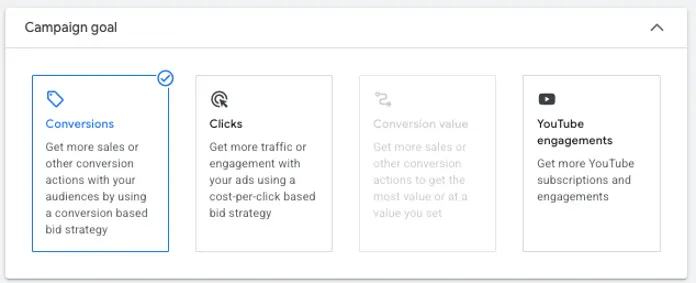
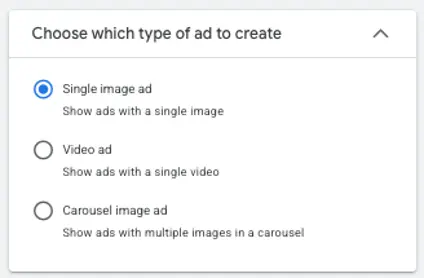
Demand Gen campaigns are Google’s newest campaign type with the capability to target the GDN, designed to engage users earlier in their buying journey. These campaigns are slated to become the default for advertisers when standard Google Display campaigns are fully phased out in 2027. Similar to PMax, Demand Gen campaigns span multiple Google networks, including YouTube, Discover, Gmail, and the GDN, but exclude Search due to its typically lower-funnel nature. The core objective of Demand Gen is to foster demand and interest before a user actively begins searching for a product or service. These campaigns offer greater flexibility in goal optimization compared to PMax, allowing for optimization towards conversions, clicks, conversion value (with sufficient volume), or YouTube engagements. Demand Gen campaigns support various ad formats, including Single Image Ads, Video Ads, and Carousel Image Ads, which function similarly to Responsive Display Ads but with a more structured creation process. Given their anticipated role as the successor to GDN-only campaigns, Demand Gen campaigns are a critical consideration for advertisers planning for the future of display advertising.
Diverse Ad Formats for the Google Display Network
The GDN accommodates three primary ad formats, each offering distinct advantages depending on an advertiser’s goals and resources:
1. Responsive Display Ads (RDAs)
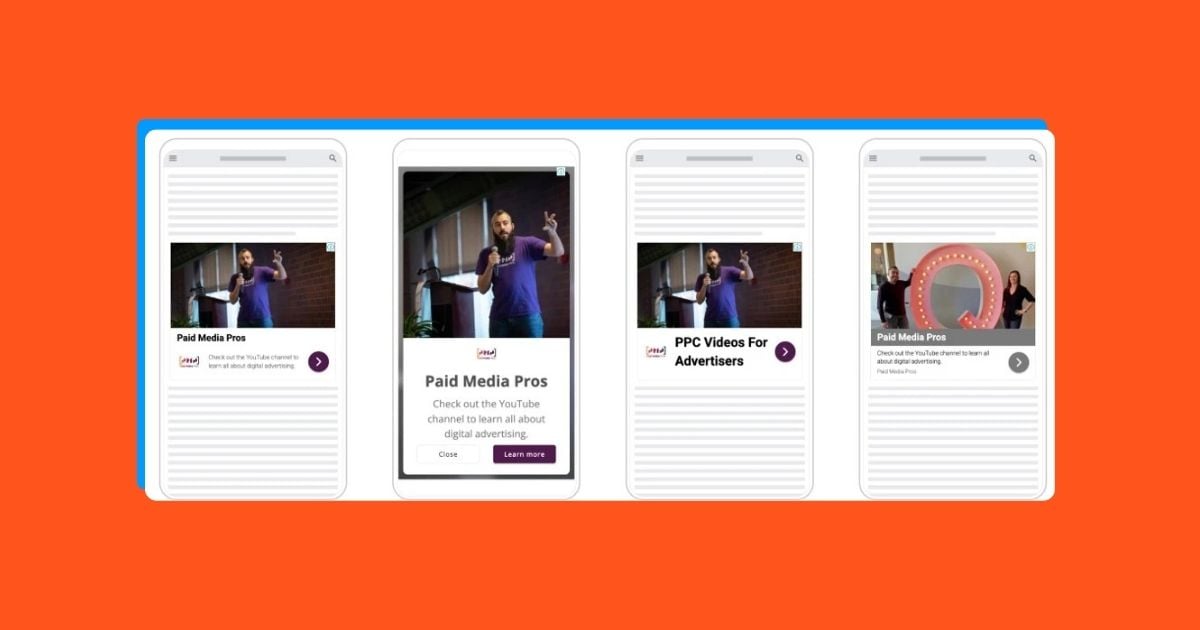
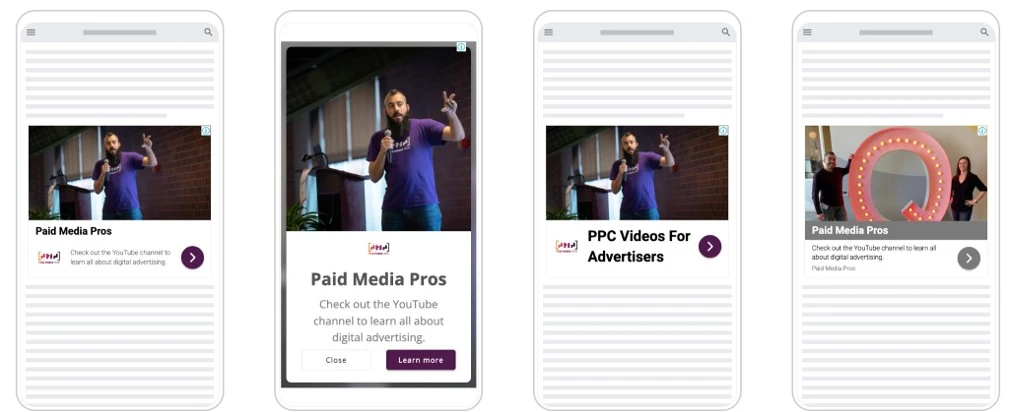
RDAs are Google’s recommended and most automated ad format for the GDN. Instead of manually designing ads for every available banner size, advertisers upload a collection of assets—headlines, descriptions, images, logos, and videos. Google then dynamically assembles these components into ad units that adapt to fit various placements. The key benefit of RDAs is their accessibility; they eliminate the need for extensive design skills and resources to achieve broad reach. However, this automation comes with a trade-off in control over brand aesthetics. While Google’s algorithms aim to optimize for marketing goals, the resulting ad units may not always align perfectly with a brand’s precise look and feel. Advertisers can use the ad preview option to ensure generated ads meet brand standards, or opt for static banner ads if brand consistency is paramount.
2. Static Banner Ads
Static banner ads represent the more traditional form of display advertising. These are fully designed creative assets that adhere to specific dimensions, such as 300×250 or 728×90 pixels. This format is ideal for brands that require absolute control over their ad’s appearance, ensuring it aligns perfectly with their visual identity. However, the development of effective static banner ads can be challenging, and the need to design for approximately 20 different ad sizes can be resource-intensive. For teams with the capacity for extensive creative development, static banners offer unparalleled brand control.
3. HTML5 Ads
HTML5 ads are dynamic and interactive, incorporating animation, motion, and advanced user engagement features. When executed effectively, these ads can be highly impactful, offering richer experiences than static banners. They allow for interactive elements, product showcases, and other compelling formats while still maintaining full advertiser control over brand aesthetics. The primary barrier to entry for HTML5 ads is their complexity, requiring a higher level of expertise and technical know-how. Consequently, they are often employed by larger brands focused on e-commerce sales or prioritizing user attention and interaction as key campaign objectives.
Strategic Targeting on the Google Display Network
Effective targeting is fundamental to the success of any GDN campaign. Google offers two primary avenues for reaching users: audience targeting and contextual targeting.
1. Audience Targeting
Audience targeting allows advertisers to define specific groups of users to reach based on their interests, demographics, behaviors, and previous interactions with the brand. This includes:
- Affinity audiences: Broad categories of users with demonstrated interests.
- In-market audiences: Users actively researching or considering purchasing products or services similar to those offered.
- Custom audiences: Tailored lists based on specific keywords, URLs, or app usage.
- Remarketing lists: Users who have previously visited a website or interacted with a brand’s app.
- Demographics: Targeting based on age, gender, parental status, and household income.
- Life events: Targeting users experiencing significant life changes like moving, getting married, or graduating.
2. Contextual Targeting
Contextual targeting enables advertisers to control where their ads appear by aligning them with the content of websites and apps. This ensures ads are displayed alongside relevant material, increasing the likelihood of engagement. Key contextual targeting options include:
- Keywords: Ads are shown on websites and apps whose content relates to specific keywords chosen by the advertiser.
- Topics: Ads are displayed on pages that cover particular themes or subjects.
- Placements: Advertisers can manually select specific websites, apps, or YouTube channels where they want their ads to appear.
Enhancing Brand Safety and Control
A common concern among advertisers utilizing the GDN is ensuring brand safety and maintaining control over ad appearance and placement. Google offers several features to address these concerns:
Content Controls
Google provides a range of content control settings designed to limit ad placements in environments that might be unsuitable for advertisers.
- Inventory Type: This account-level setting allows advertisers to define the broad categories of content their ads can appear alongside. Options typically range from "Limited" to "Standard" to "Expanded," enabling advertisers to set their preferred level of content exposure.
- Advanced Settings: At both the account and campaign levels, advertisers can implement exclusions for sensitive content, specific content types, themes, keywords, and even individual placements. This granular control helps prevent ads from appearing next to inappropriate or irrelevant content.
Brand Guidelines
Google has expanded its brand guidelines features to empower advertisers with greater control over their ad’s visual representation. This includes the ability to input custom colors, fonts, logos, and qualitative text guidelines, ensuring that all ads generated by Google adhere strictly to brand specifications.
Best Practices for Maximizing GDN Performance
To ensure optimal results from GDN campaigns, advertisers should consider the following best practices:
- Regular Placement Monitoring: The GDN is a dynamic environment with continuously updating placements. Regularly review where ads are appearing and implement exclusions for underperforming or inappropriate sites. Establishing a consistent review cadence, whether weekly, monthly, or quarterly, is crucial for maintaining campaign health.
- Strategic Bidding Strategy Selection: The choice of bidding strategy should directly align with campaign goals. Google’s automated bidding strategies are designed to optimize for specific actions, and selecting the most appropriate one is vital for achieving desired outcomes.
- Investment in High-Quality Creative: The GDN is a visually driven platform. Compelling and well-designed creative assets are essential for capturing user attention and driving clicks. Investing adequate time and resources into creative development can significantly impact campaign performance.
- Diversification Beyond the GDN: While the GDN is a powerful tool, exploring other ad networks, such as the Microsoft Audience Network or other publisher networks, can further extend a business’s reach and expose its brand to new audiences.
The Google Display Network offers a potent avenue for businesses to connect with both new and existing customers, fostering engagement and driving a variety of campaign objectives. By thoroughly understanding the network’s mechanisms, strategically selecting campaign types and ad formats, implementing precise targeting, and leveraging brand safety controls, advertisers can effectively harness the GDN’s potential to achieve their key performance indicators. As the digital advertising landscape evolves, staying abreast of new campaign types like Demand Gen and continuously optimizing strategies will be key to sustained success on this expansive platform.