The digital marketing landscape has reached a point of saturation where simply driving traffic to a website is no longer a guaranteed precursor to commercial success. As customer acquisition costs (CAC) continue to climb across platforms like Google Ads and Meta, the focus of sophisticated marketing departments has shifted from mere reach to the rigorous science of Conversion Rate Optimization (CRO). At the heart of this discipline lies the landing page—a standalone web page created specifically for a marketing or advertising campaign. While the concept of a landing page is straightforward, the execution is fraught with psychological and technical complexities. Marketers must establish immediate ad-to-page relevance, present an irresistible offer, and align every visual and textual element to ensure that conversion becomes the natural, frictionless next step for the visitor.
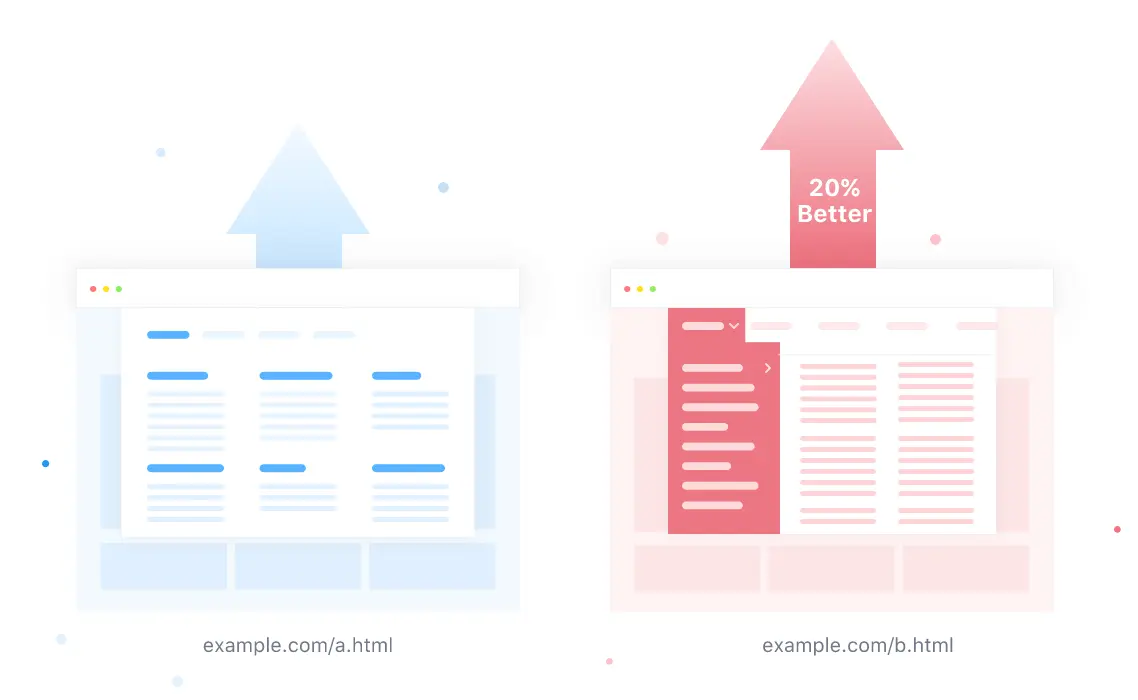
Despite meticulous planning, many campaigns fall short of their performance benchmarks. When conversion rates stagnate, the traditional impulse may be to scrap the project and start from scratch. However, modern data science suggests a more surgical approach: A/B testing. Also known as split testing, A/B testing is the process of comparing two versions of a web page or app against each other to determine which one performs better. By isolating specific variables—such as headlines, call-to-action (CTA) buttons, or imagery—marketers can move away from "gut feeling" decisions and toward a culture of empirical evidence.

The Methodology and Chronology of A/B Testing
The evolution of A/B testing in the digital space follows a clear chronology, moving from rudimentary manual checks to high-speed, AI-driven automation. In the early 2000s, testing was a labor-intensive process requiring significant developer intervention. Marketers had to manually create different versions of pages and use basic server logs to estimate which one performed better.
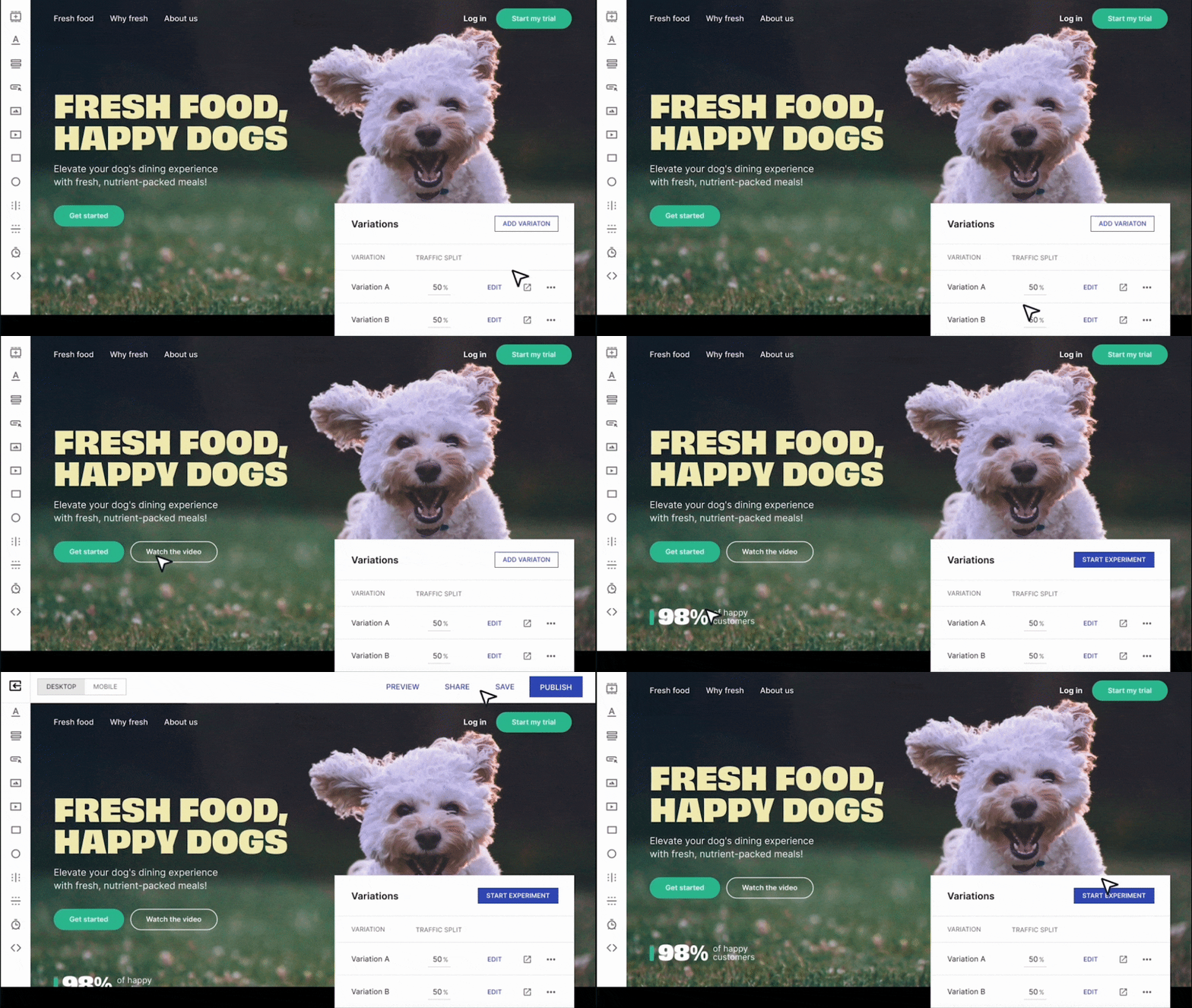
By the mid-2010s, the "no-code" revolution introduced visual editors, allowing non-technical marketers to drag and drop elements to create variations. This era saw the rise of platforms like Optimizely and VWO, which democratized access to experimentation. Today, the industry has entered its third major phase: the era of predictive and automated experimentation. In this current stage, artificial intelligence does not just facilitate the test; it actively predicts outcomes and redirects traffic in real-time to the most successful variation, a process known as dynamic traffic allocation.
A/B testing results provide critical insights into user behavior, helping brands understand which messaging resonates with specific demographics, which layouts reduce cognitive load, and which offers provide the highest perceived value. This iterative process is essential because even minor adjustments can lead to exponential gains in revenue.
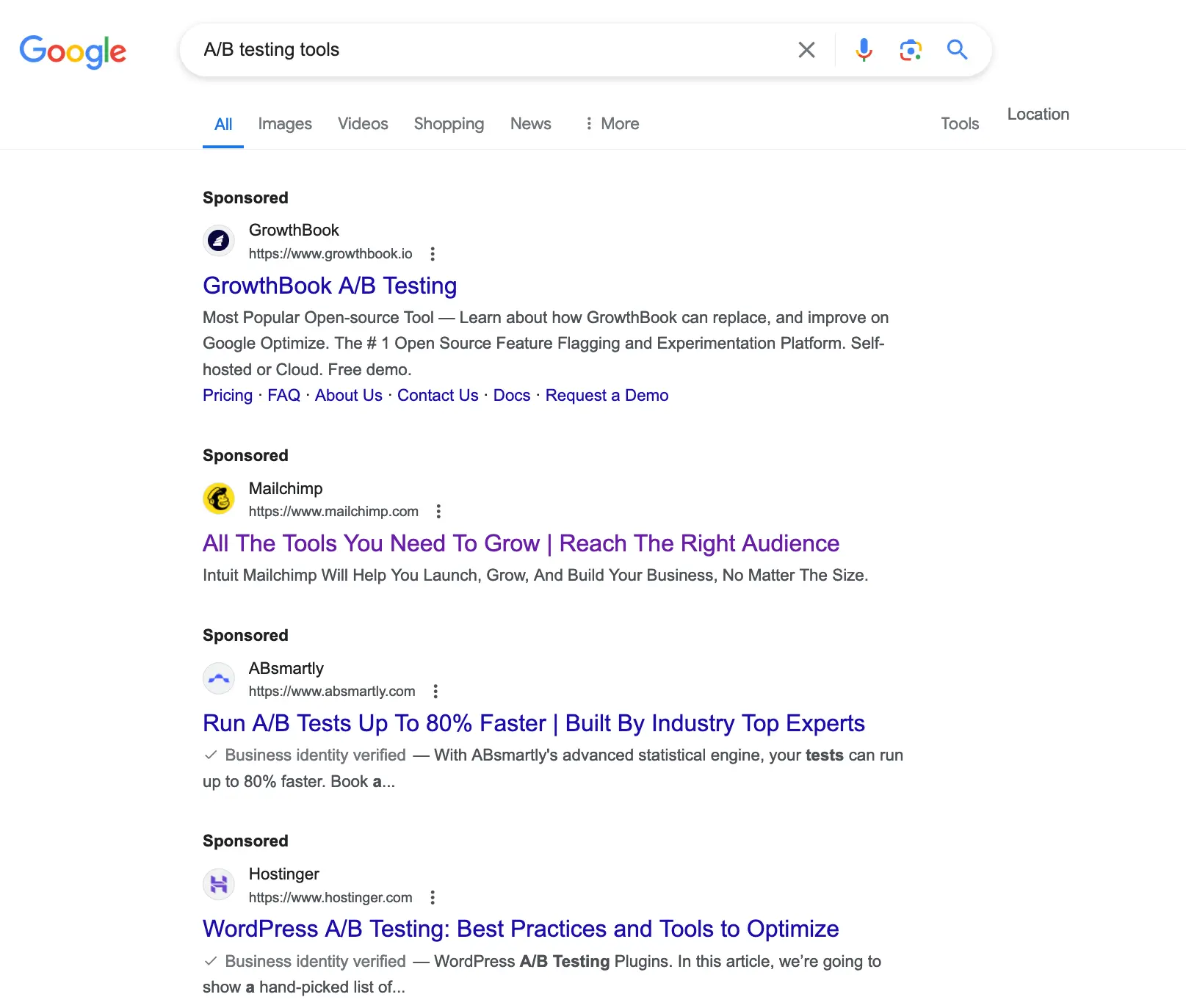
Evaluating the Modern A/B Testing Toolkit
As the market for CRO tools has expanded, selecting the right platform has become a strategic decision that impacts a company’s entire marketing stack. Evaluation criteria have become more stringent, focusing on several key pillars:
- Server-Side vs. Client-Side Testing: Modern tools are increasingly moving toward server-side experimentation to eliminate the "flicker effect" (where a user sees the original page for a split second before the variation loads) and to improve site speed and SEO.
- Integration Capabilities: A tool must seamlessly export data to CRMs, analytics suites like Google Analytics 4 (GA4), and heatmapping software.
- AI Integration: The ability to generate copy variations and headlines using Large Language Models (LLMs) has become a baseline requirement for efficiency.
- Statistical Accuracy: Robust platforms must provide clear data on "statistical significance" to ensure that a "winner" in a test isn’t just the result of random chance.
Industry Leaders and Their Strategic Advantages
The current market features a handful of platforms that have optimized their services specifically for landing page performance.
1. Instapage: The Integration of Creation and Experimentation
Instapage has positioned itself as a comprehensive solution by combining a high-end landing page builder with server-side experimentation. The platform’s primary advantage is its "no-code" environment, which allows for the creation of multiple variations without technical debt. A standout feature is its "AI Experiments" functionality. Unlike traditional A/B tests where traffic is split 50/50 until a winner is declared, AI Experiments use dynamic traffic allocation. This method continuously monitors the conversion rate of each variation and automatically funnels more traffic toward the higher-performing version, thereby minimizing the "regret" or lost conversions associated with the underperforming variation during the testing period.
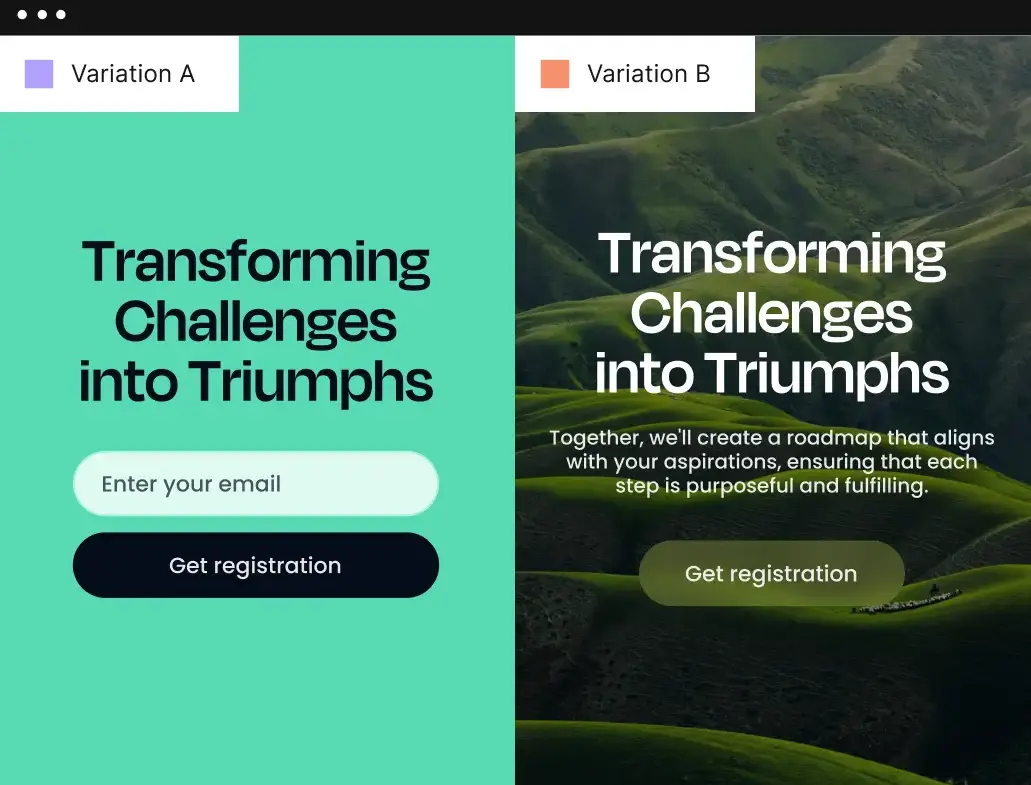
The efficacy of this approach is evidenced by corporate case studies. For instance, when the Verizon team utilized Instapage’s A/B testing features, they were able to validate specific page elements through direct observation of visitor behavior. This data-driven pivot reportedly allowed them to reduce their cost-per-conversion by more than 50%.
2. VWO (Visual Website Optimizer): Funnel-Wide Testing
VWO distinguishes itself through its ability to handle "split URL" testing. This is particularly useful for major structural changes where two entirely different designs are hosted on different URLs. VWO’s strength lies in its holistic view of the conversion funnel. Rather than looking at a single page in a vacuum, it allows marketers to track how a change on a landing page affects long-term goals deeper in the sales cycle, such as checkout completion or subscription retention.
3. Optimizely: Enterprise-Grade Precision
Optimizely remains a favorite for large-scale enterprises that require "low-code" solutions and extension templates. Their focus is on the "network edge," running experiments as close to the user as possible to ensure lightning-fast load times. Optimizely’s visual editor and embedded AI capabilities are designed to bridge the gap between technical developers and general marketing users, allowing for rapid experimentation at scale.
4. GrowthBook: The Open-Source Alternative
For organizations that prioritize data sovereignty and wish to avoid vendor lock-in, GrowthBook offers a unique value proposition. As an open-source platform, it integrates directly with a company’s existing SQL data sources. This allows data scientists to add metrics to past experiments and maintain total control over their experimentation logic. It is a preferred choice for companies with robust internal data teams who want to customize their testing parameters beyond the constraints of a standard SaaS platform.
Supporting Data and Market Impact
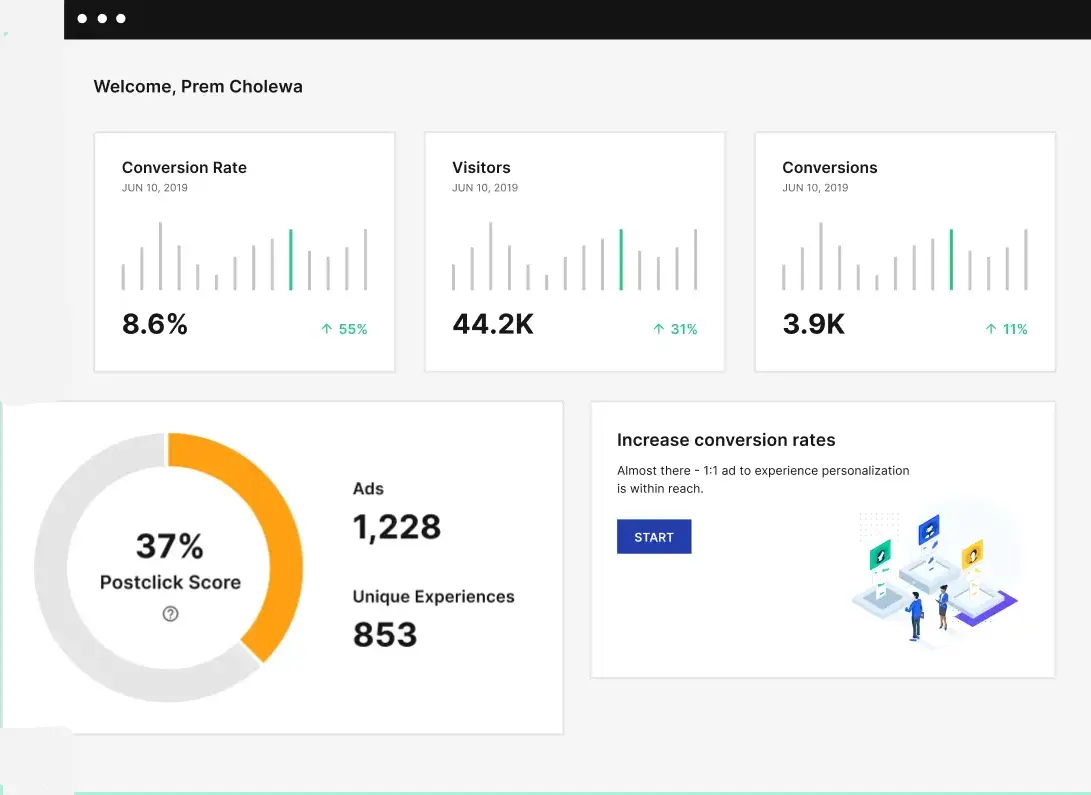
The shift toward rigorous A/B testing is backed by compelling industry data. According to various digital marketing benchmarks, the average conversion rate for a landing page across all industries is approximately 2.35%. However, the top 25% of sites are converting at 5.31% or higher, and the top 10% are seeing conversion rates of 11.45% or more.
The difference between an average performer and a top-tier performer is rarely a single "genius" idea; rather, it is the result of hundreds of small A/B tests. Data from Econsultancy indicates that for every $92 spent acquiring customers, only $1 is spent on converting them. This imbalance represents a massive opportunity for businesses to increase their ROI by shifting budget toward optimization tools and testing personnel.
Official Responses and Professional Analysis
Industry analysts suggest that the rise of A/B testing is also a response to changing privacy regulations. As third-party cookies are phased out, marketers have less data about who the user is before they arrive on the site. Consequently, they must become better at responding to what the user does once they arrive.
"Experimentation is no longer a luxury for the biggest brands; it is a survival mechanism," says one digital strategy consultant. "In an era of high ad costs, you cannot afford to send expensive traffic to a page that hasn’t been optimized. The tools we see today—Instapage, VWO, Optimizely—are essentially de-risking the marketing spend."
The implications of this shift are profound. We are moving toward a "personalized web" where a single URL might have dozens of different versions, each optimized for a specific ad group, geographic location, or user intent. This level of personalization is only achievable through the continuous feedback loop provided by A/B testing.
Broader Implications and Future Trends
Looking ahead, the role of the "Conversion Rate Optimizer" is likely to evolve into a more strategic, AI-oversight role. As AI begins to handle the generation of headlines and the allocation of traffic, the human element will focus on "high-level hypothesis generation"—deciding what to test and why, rather than getting bogged down in the mechanics of the test itself.
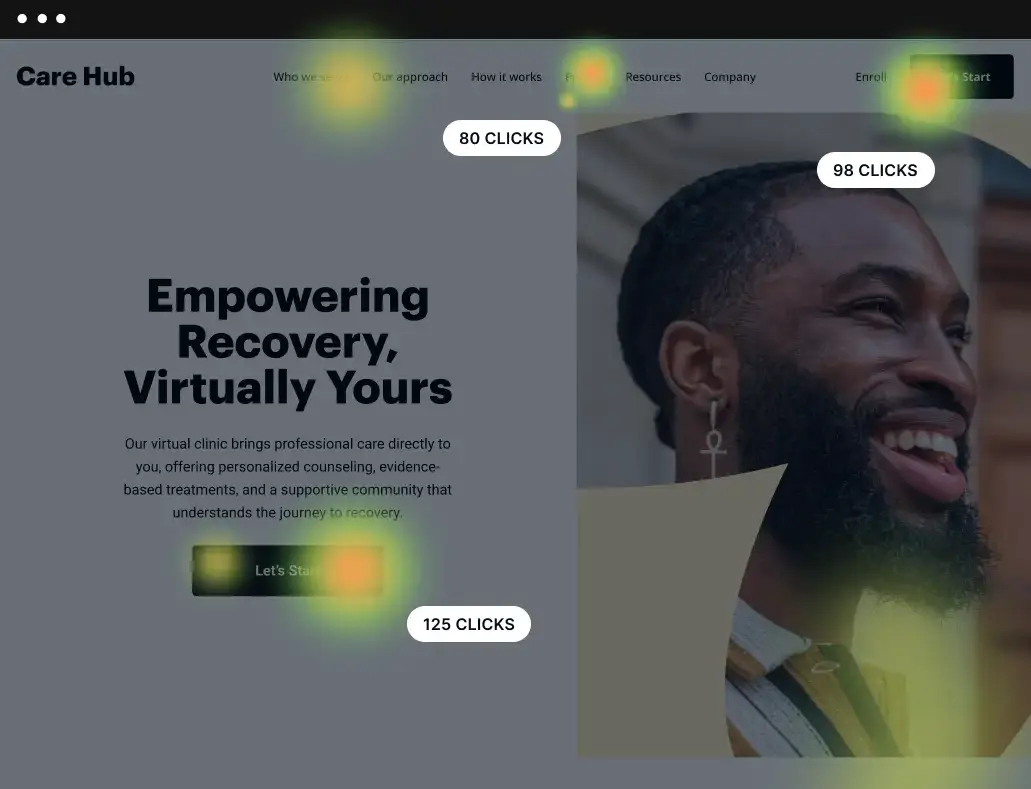
Furthermore, the integration of heatmapping—which tracks mouse movements, clicks, and scroll depth—with A/B testing tools is providing a more empathetic view of the user. Marketers can now see not just that a variation failed, but where the user got frustrated or confused.
In conclusion, A/B testing has transitioned from a niche technical task to a foundational pillar of digital business strategy. Platforms that offer integrated building, testing, and AI-driven optimization are setting the standard for the next generation of digital marketing. For businesses looking to meet or exceed their conversion benchmarks, the message from the industry is clear: stop guessing and start testing. The cost of a 14-day trial or a new software subscription is negligible compared to the long-term cost of a low conversion rate in an increasingly competitive digital economy.