

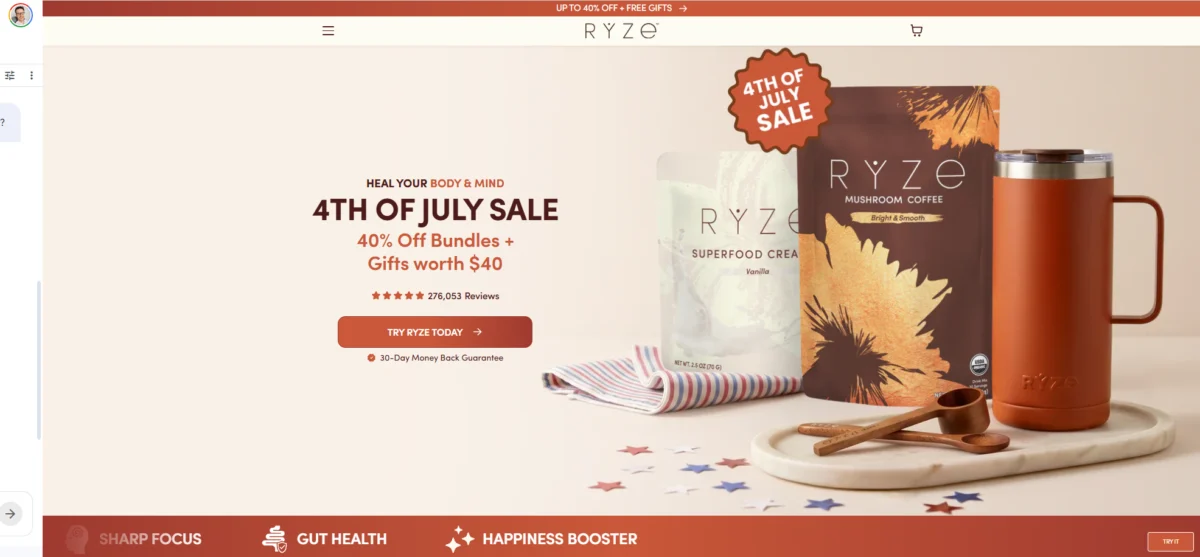
The modern digital marketplace has evolved beyond simple storefronts into a complex ecosystem where the difference between a bounce and a sale often rests on the structural integrity of a single webpage. An e-commerce landing page is defined as a standalone digital destination engineered for a singular marketing objective, typically serving as the terminus for traffic originating from search engine results, paid social advertisements, or targeted email campaigns. Unlike homepages or product detail pages (PDPs), which are designed for broad exploration and information gathering, the landing page is a high-precision tool focused exclusively on driving user conversions.
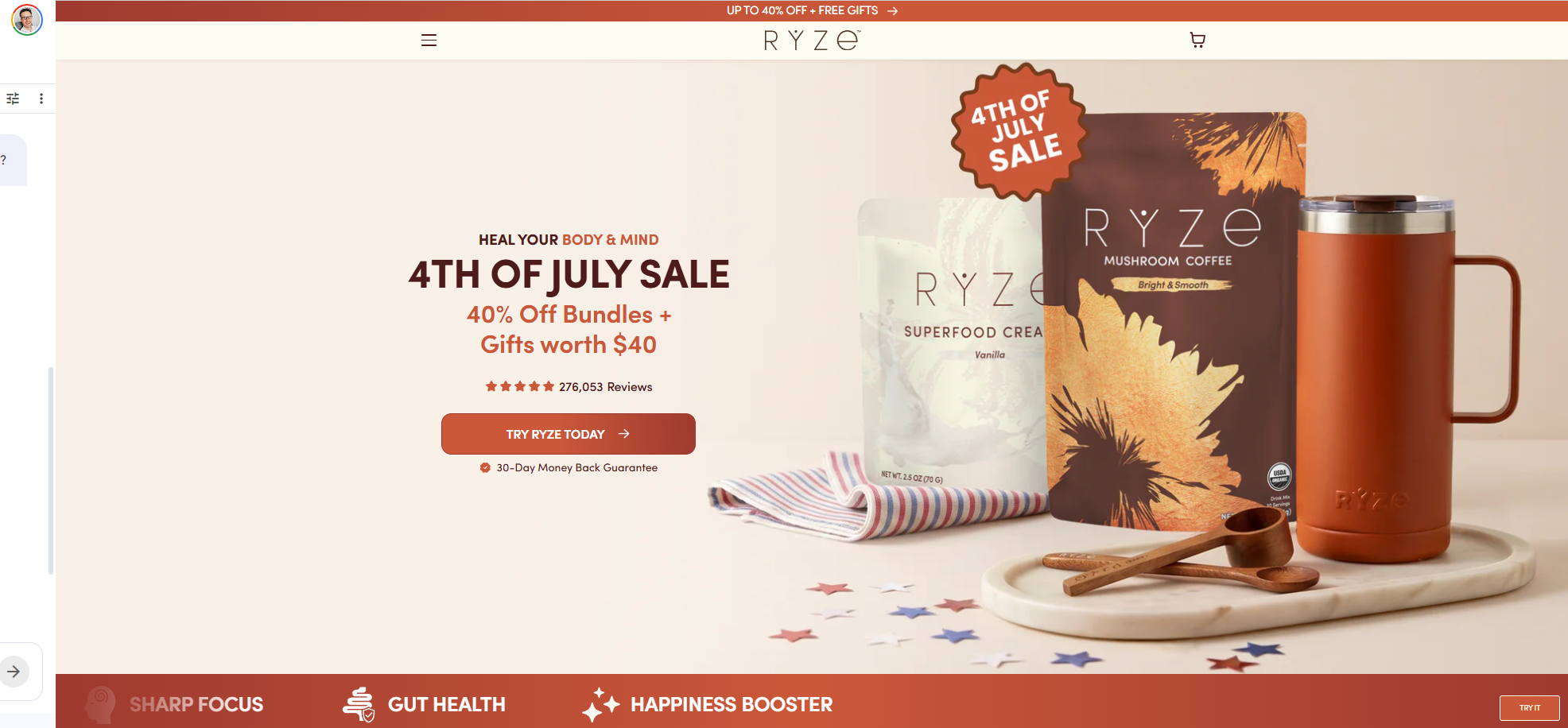
The Strategic Role of Landing Pages in the E-commerce Funnel
To understand the efficacy of a landing page, one must view it through the lens of the consumer journey. Industry data suggests that generic traffic routing—sending a user from a specific ad to a general homepage—results in significantly lower conversion rates compared to dedicated landing pages. Market analysts categorize these pages into four distinct stages of the sales funnel, each requiring a specific tactical approach.

Top-of-funnel (ToFu) pages are designed for brand discovery, introducing cold traffic to the core value proposition of an online store. Mid-funnel (MoFu) pages focus on consideration, often utilizing educational content or comparisons to nudge a prospect toward a purchase. Bottom-of-funnel (BoFu) pages are the final closing mechanisms, optimized for immediate sales, cross-sells, and upsells. Finally, post-purchase pages serve a retention function, nurturing long-term customer relationships through loyalty programs or replenishment offers.
The Anatomy of High-Performance Landing Pages
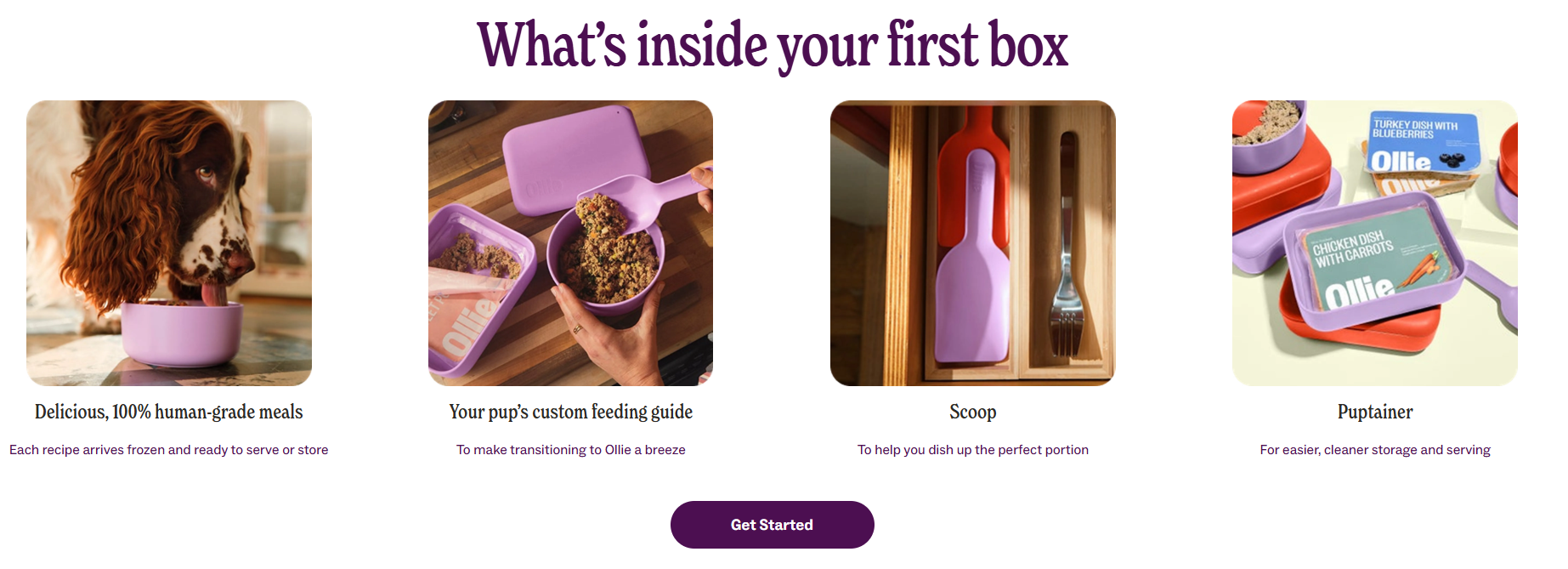
While design aesthetics vary by brand, high-converting e-commerce landing pages share a foundational architecture. Successful iterations consistently feature a singular offer paired with a clear Call to Action (CTA), persuasive copy that mirrors the messaging of the referring advertisement, robust social proof to mitigate consumer skepticism, and high-fidelity visuals that demonstrate the product in a real-world context.

A critical component of this architecture is the Unique Value Proposition (UVP). Data from conversion rate optimization (CRO) studies indicate that a user decides whether to stay on a page within the first few seconds. Therefore, the UVP must be prominently displayed "above the fold"—the portion of the page visible without scrolling. This ensures that the primary benefit of the product is communicated instantly to the visitor.

Case Studies in Conversion: Analyzing Eight Industry Leaders
A detailed analysis of eight distinct e-commerce brands reveals the specific design choices that drive consumer behavior across different niches.
1. Myoovi: Risk Reversal and Social Validation
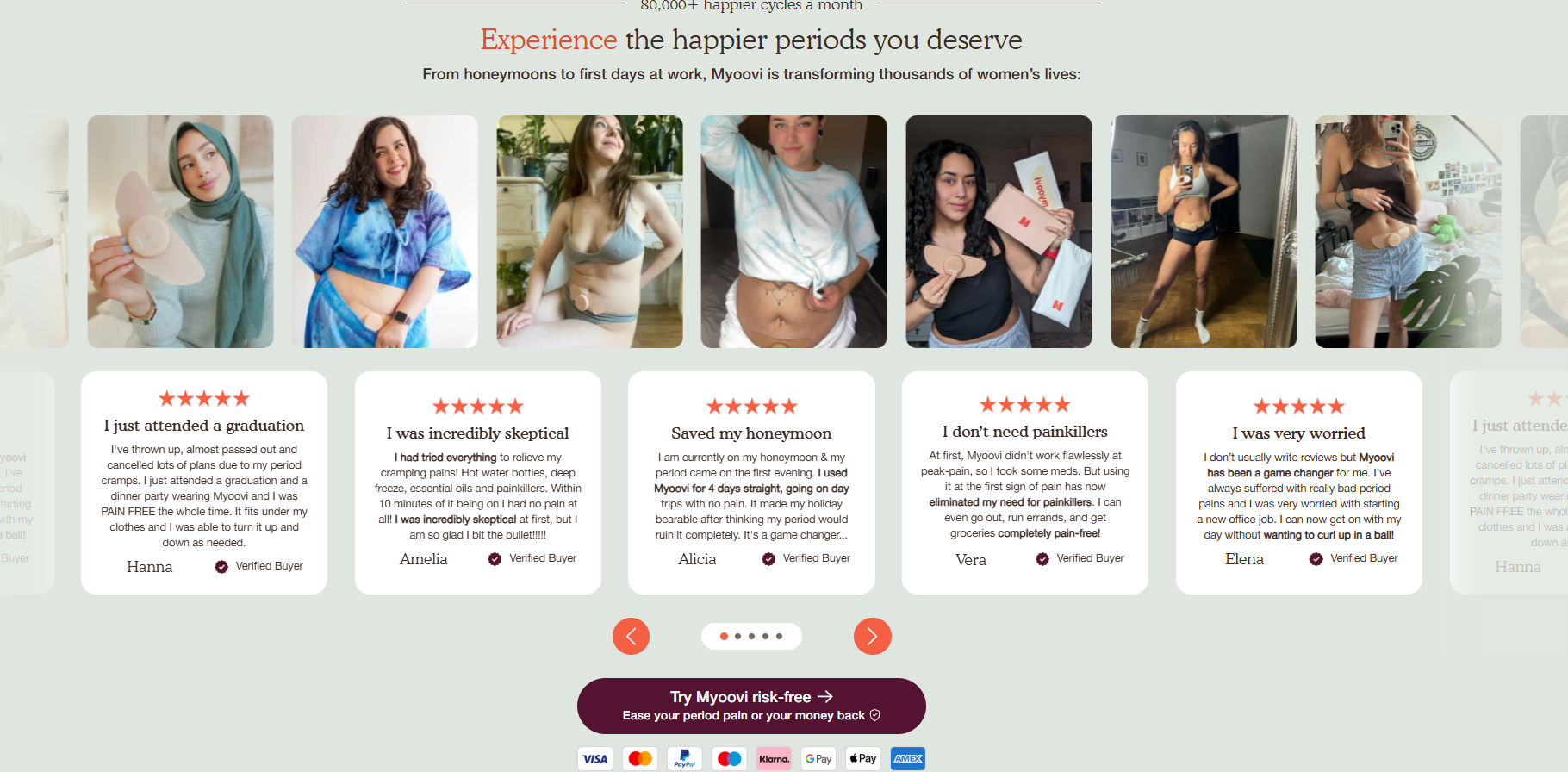
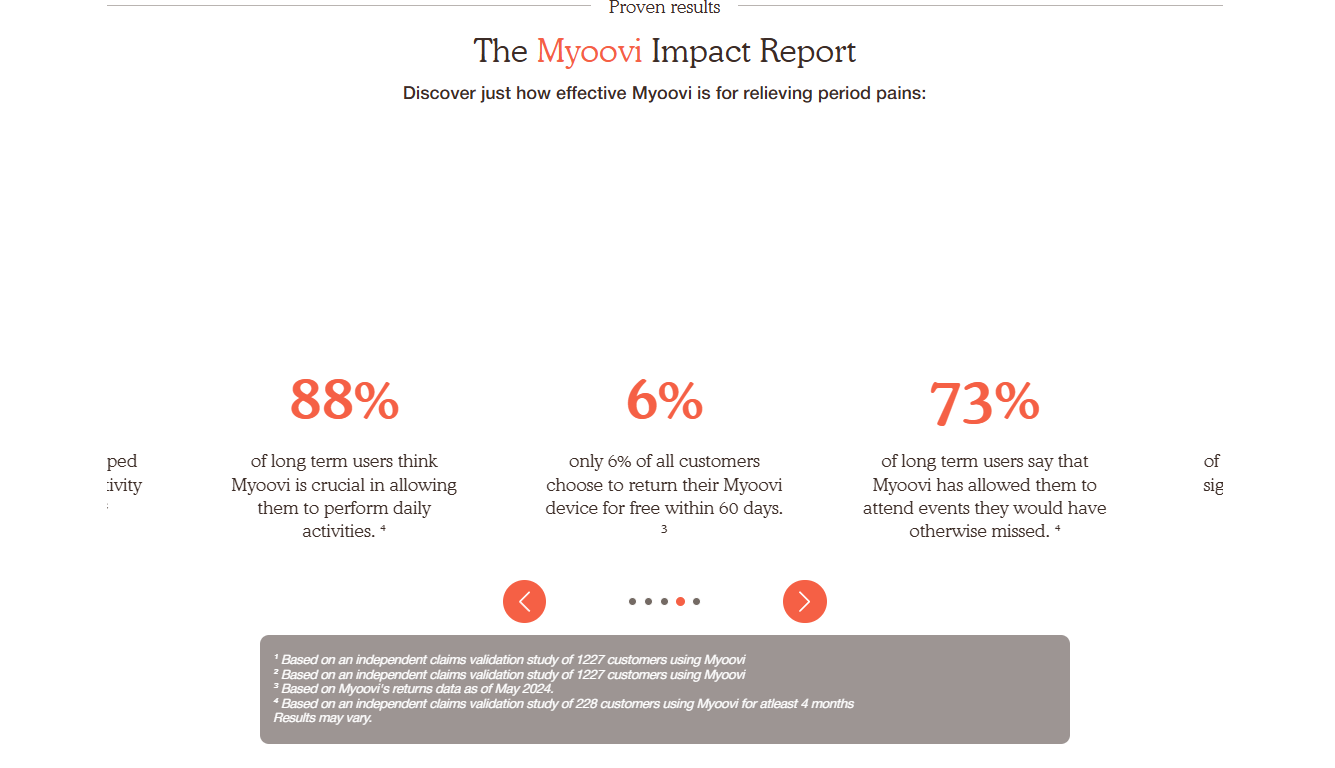
Myoovi, a health-tech brand specializing in period-pain relief, utilizes a strategy centered on risk reversal. By offering a 60-day money-back guarantee and free returns, the brand addresses the primary barrier to entry for new medical devices: skepticism regarding efficacy. The landing page reinforces this trust through an "impact report" that displays statistical data on pain relief and a grid of verified customer testimonials.

2. Magic Spoon: Data-Driven Educational Content
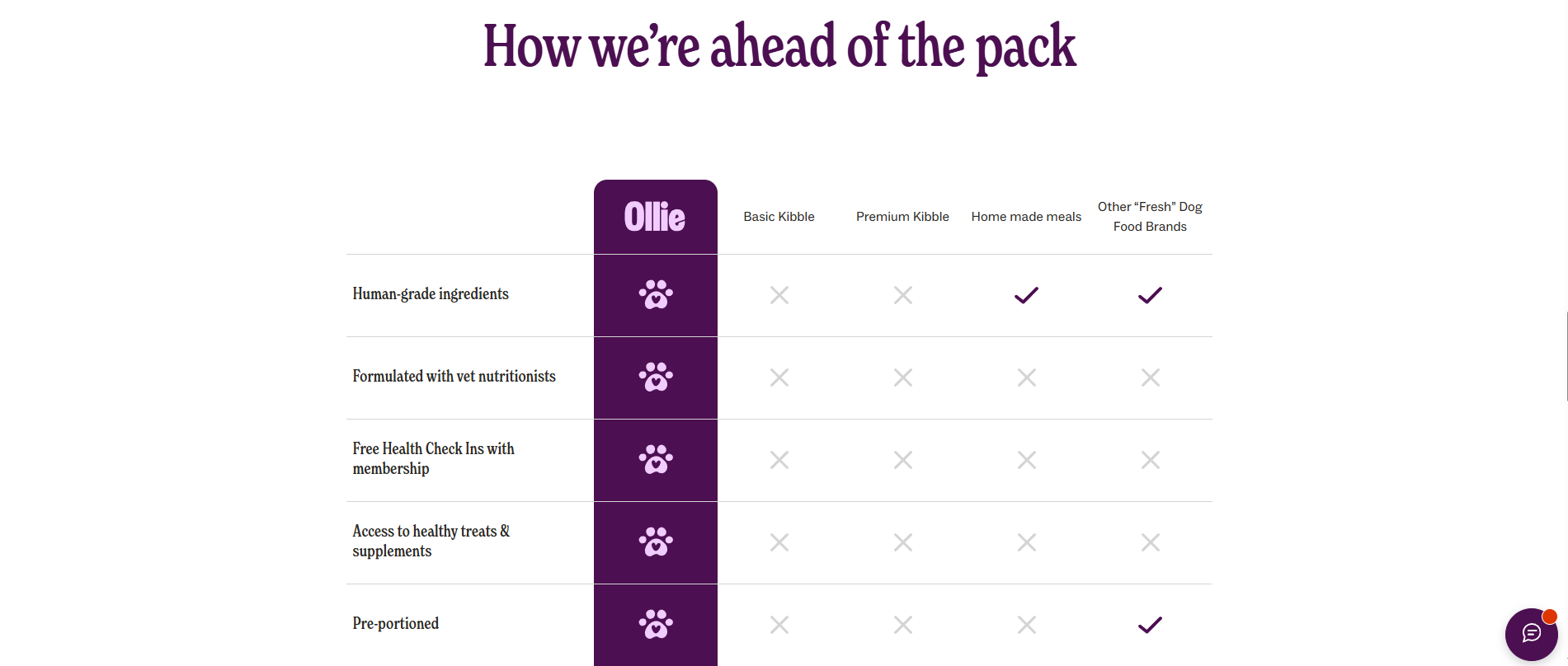
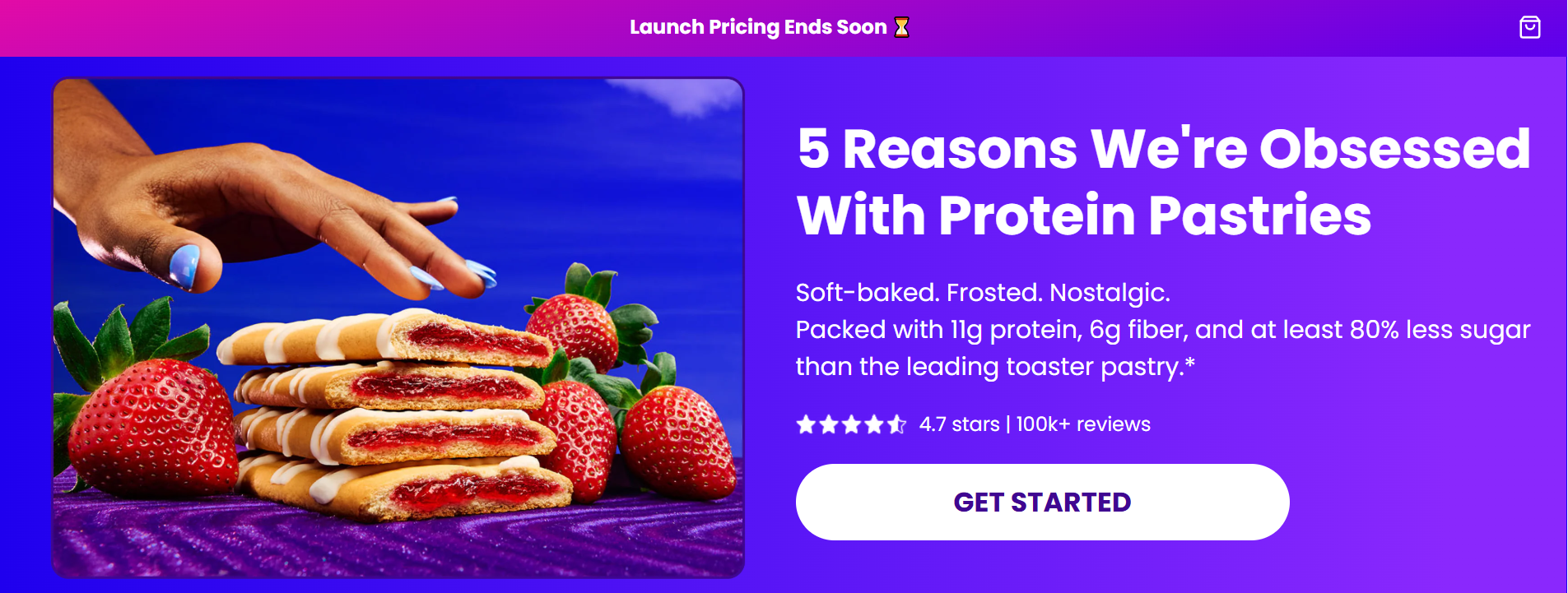
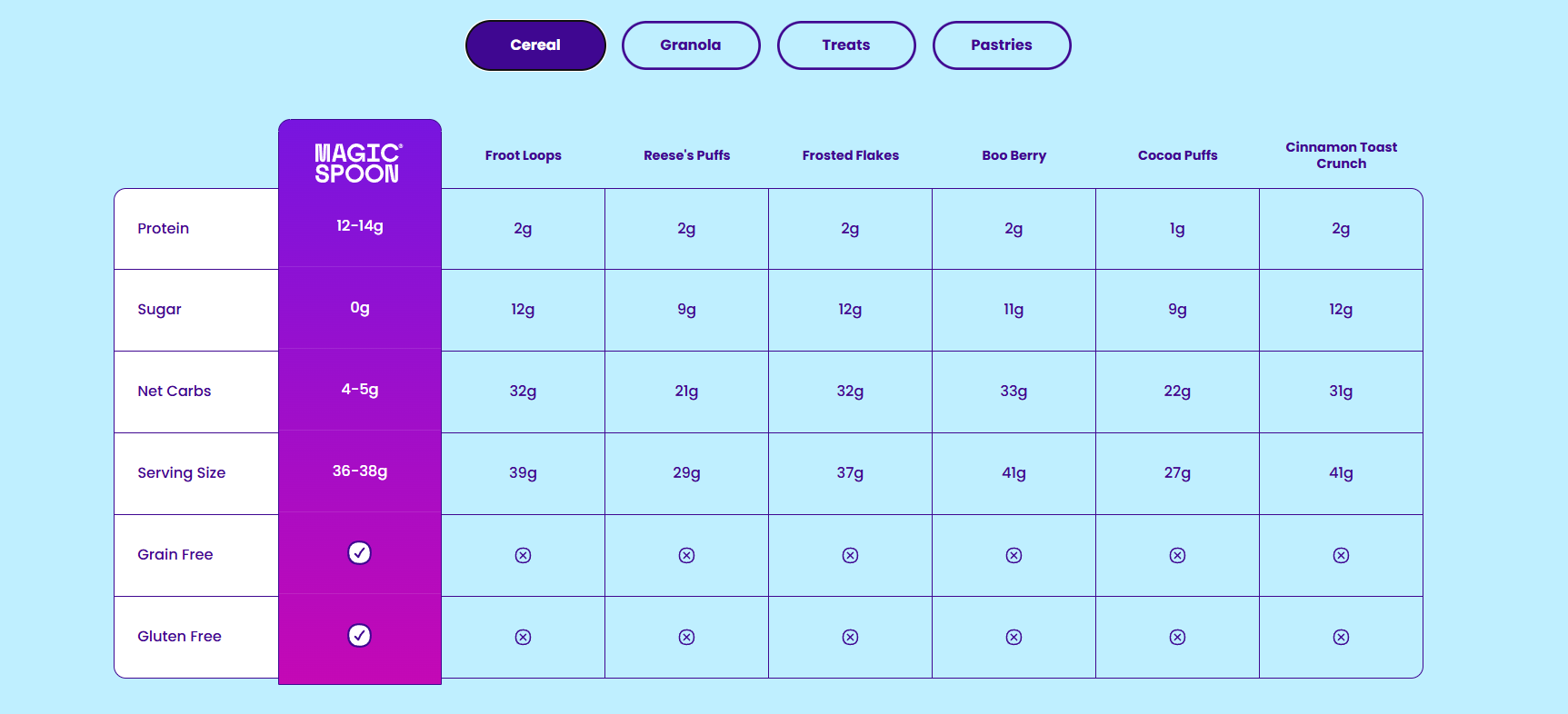
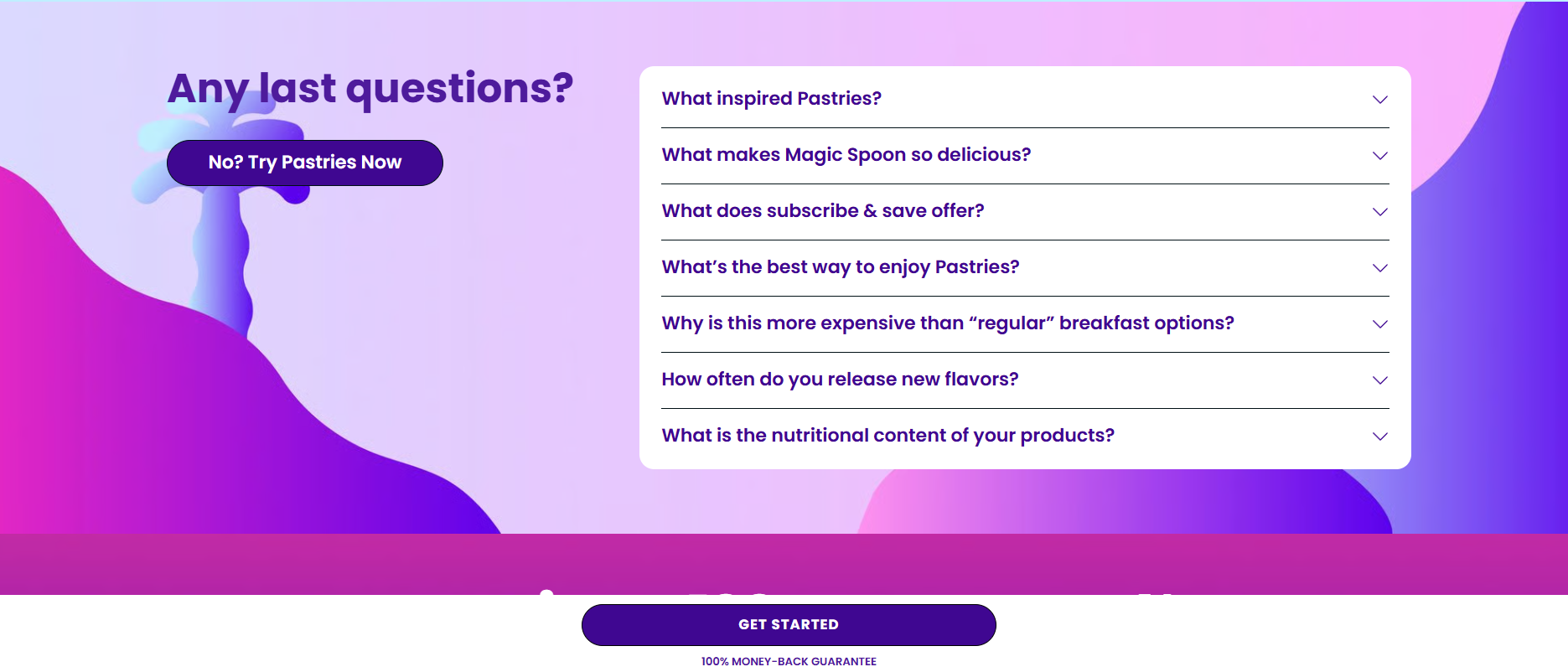
The cereal brand Magic Spoon leverages a "listicle" format to educate consumers. By framing the page as "5 Reasons We’re Obsessed With Protein Pastries," the brand utilizes informational bias to lead the consumer toward a purchase. A side-by-side comparison table is employed to benchmark Magic Spoon against legacy competitors, using specific metrics like sugar content and protein grams to establish a logical superiority.
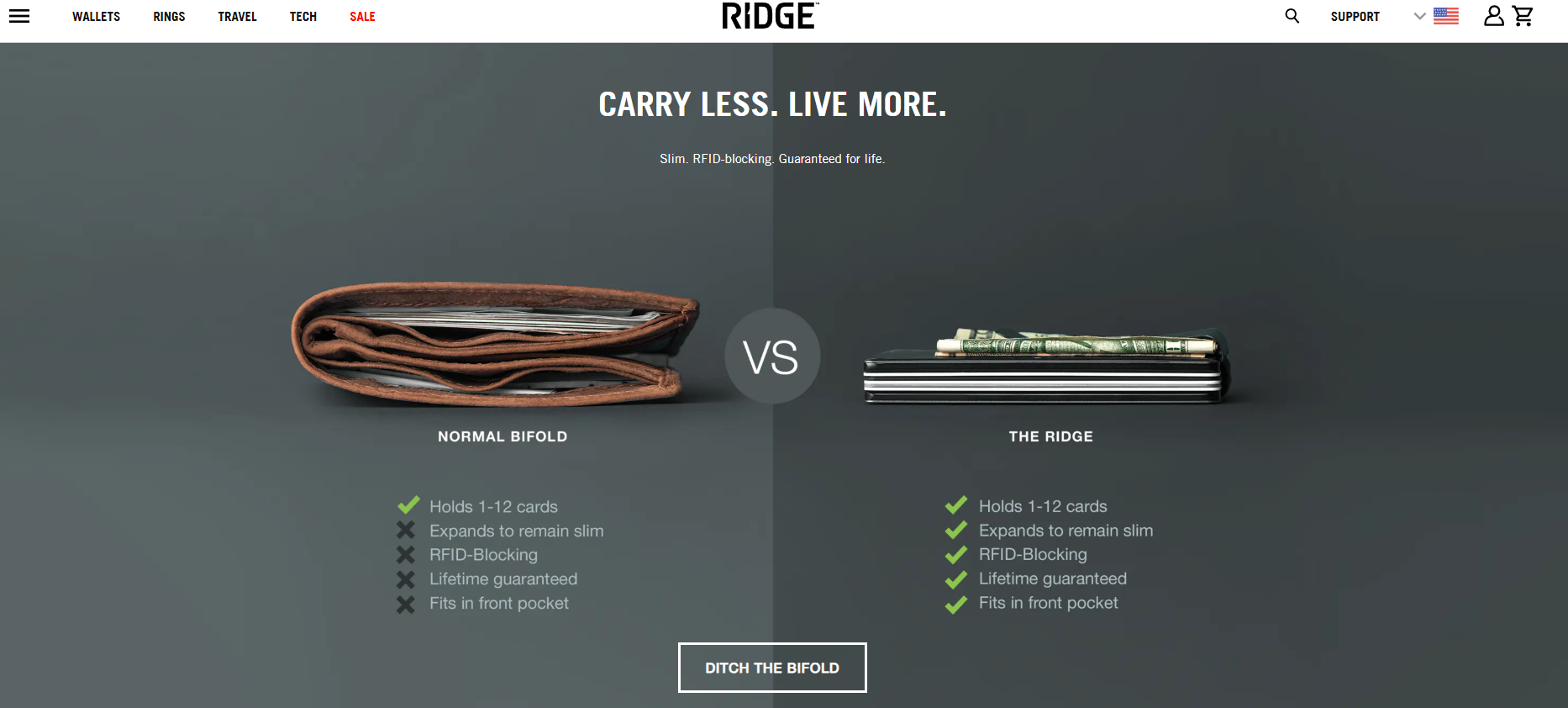
3. Nature’s Menu: Authority and Expertise
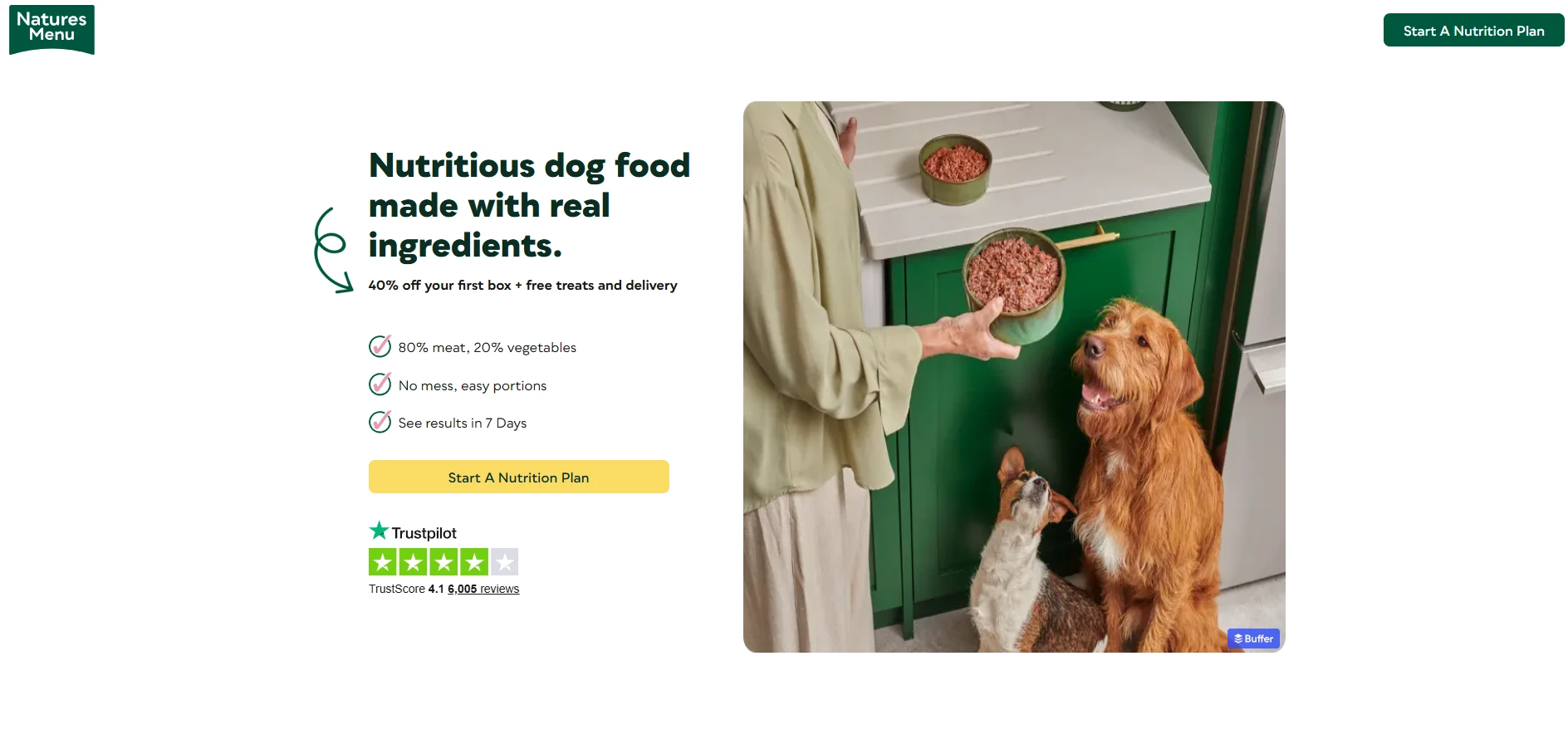
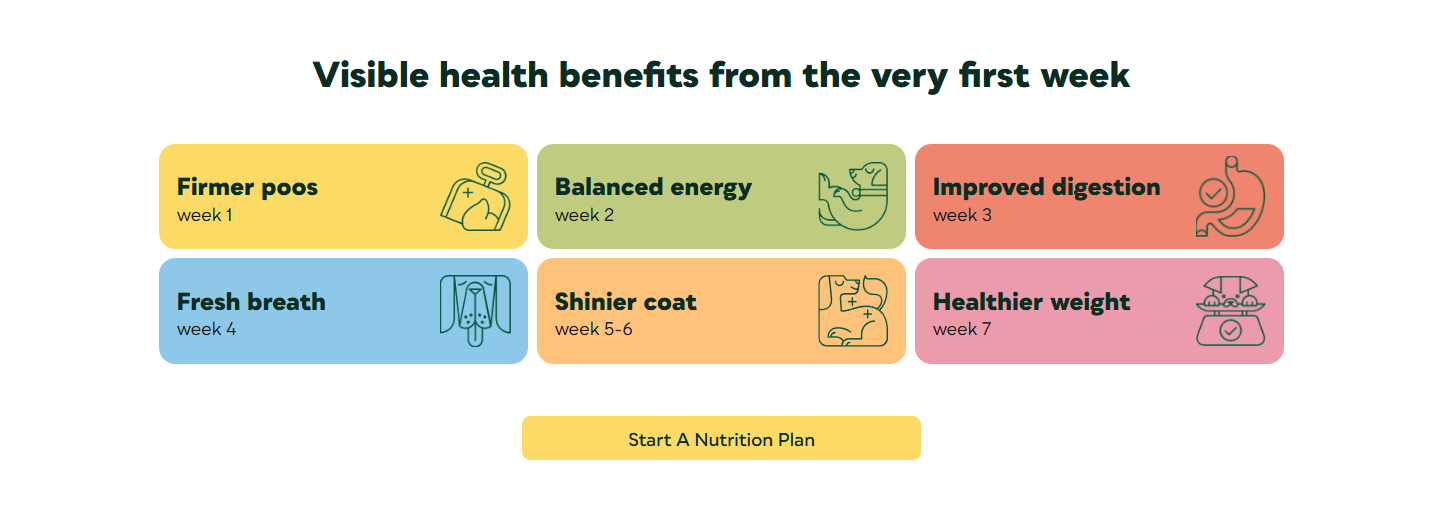
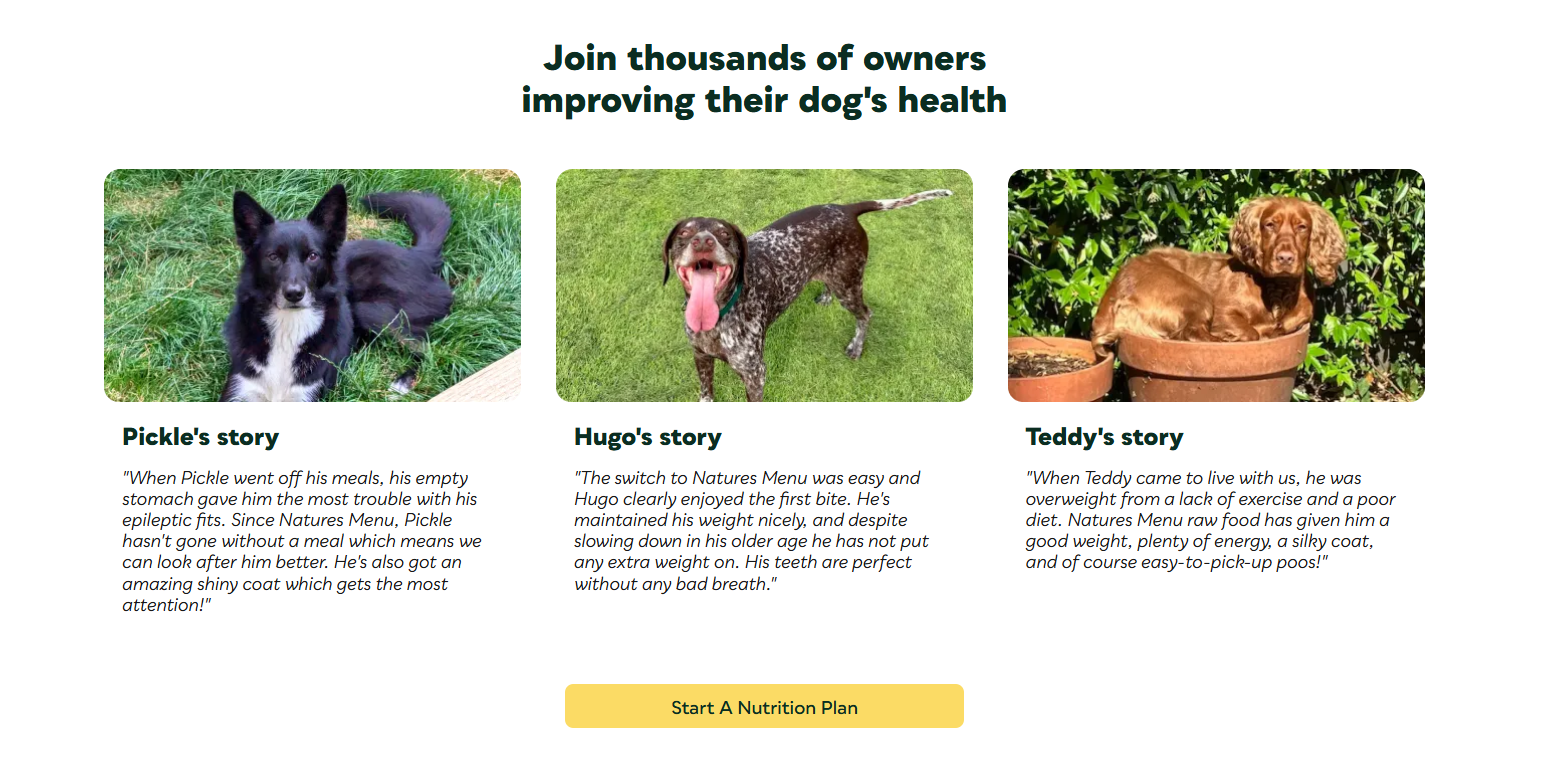
For Nature’s Menu, a raw pet food provider, the landing page emphasizes professional authority. In addition to standard customer reviews, the page features endorsements from registered veterinary nurses. This "expert social proof" is vital for products involving health and nutrition, as consumers are more likely to trust professional certifications over peer anecdotes alone.
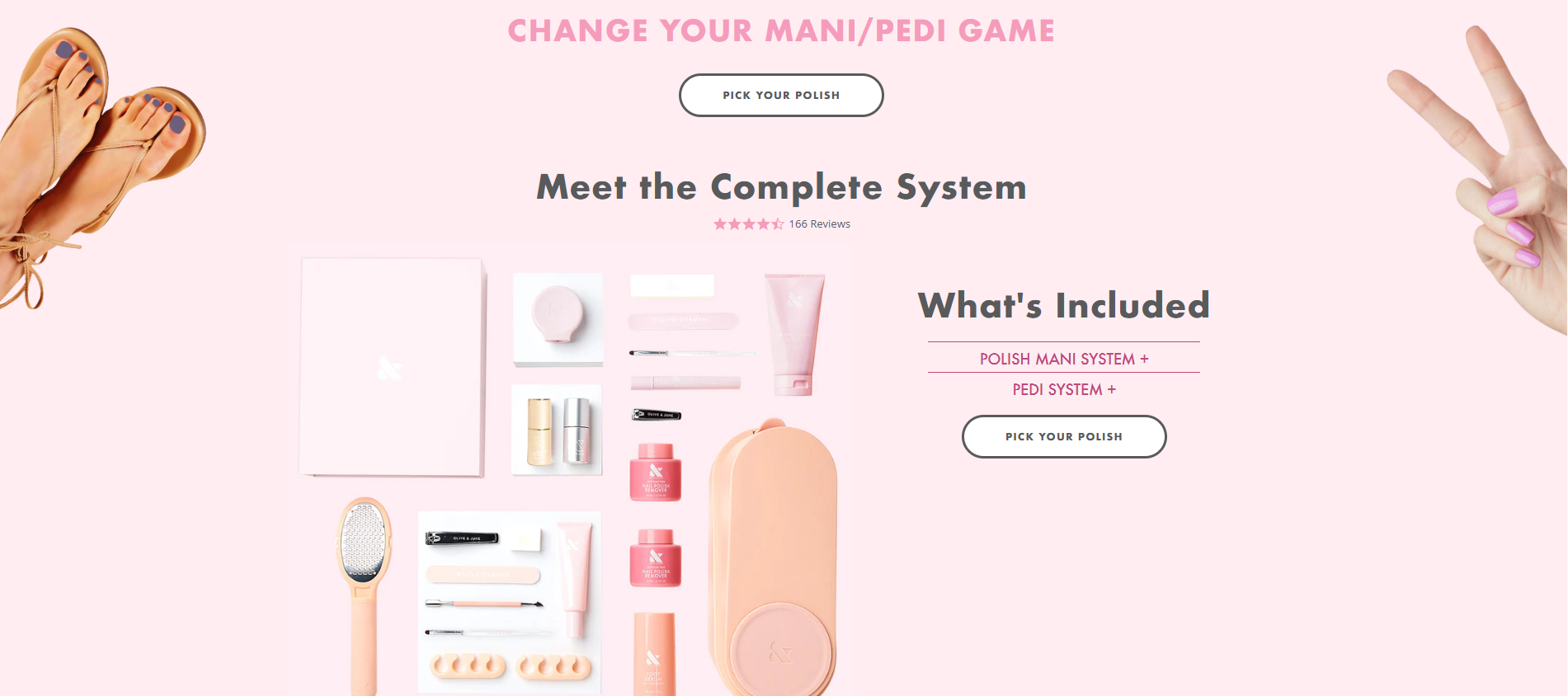
4. Ergonomist: Search Intent Alignment
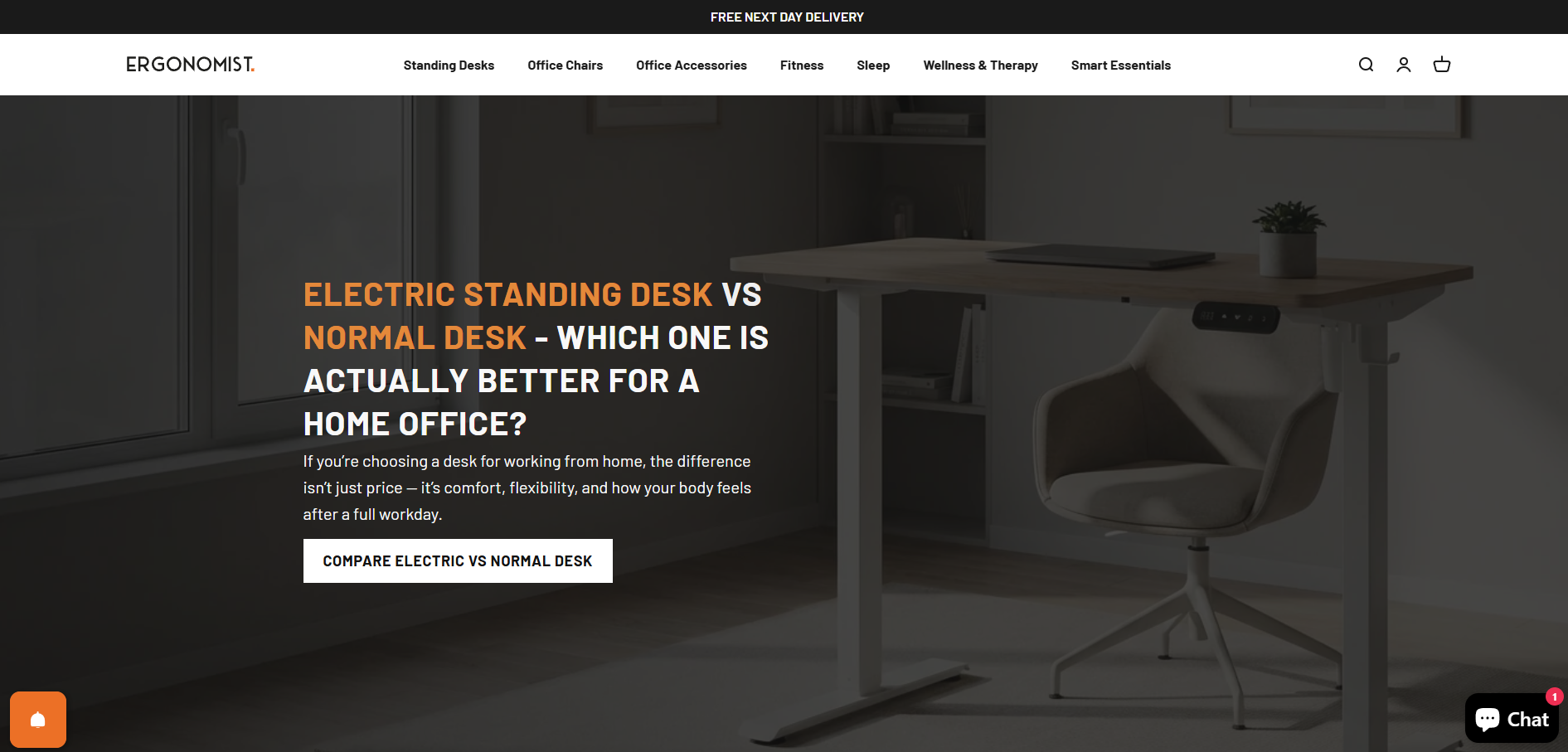
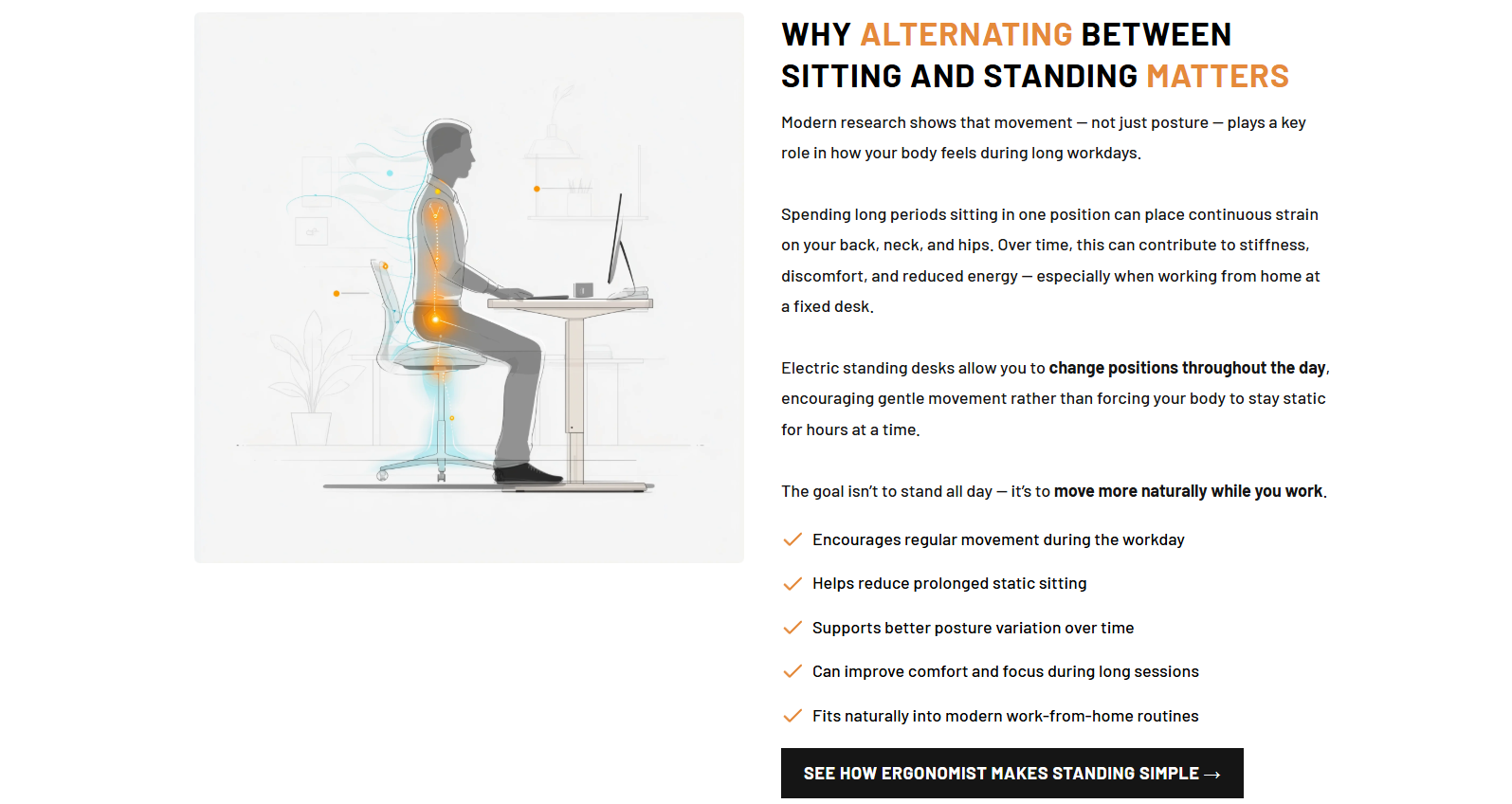
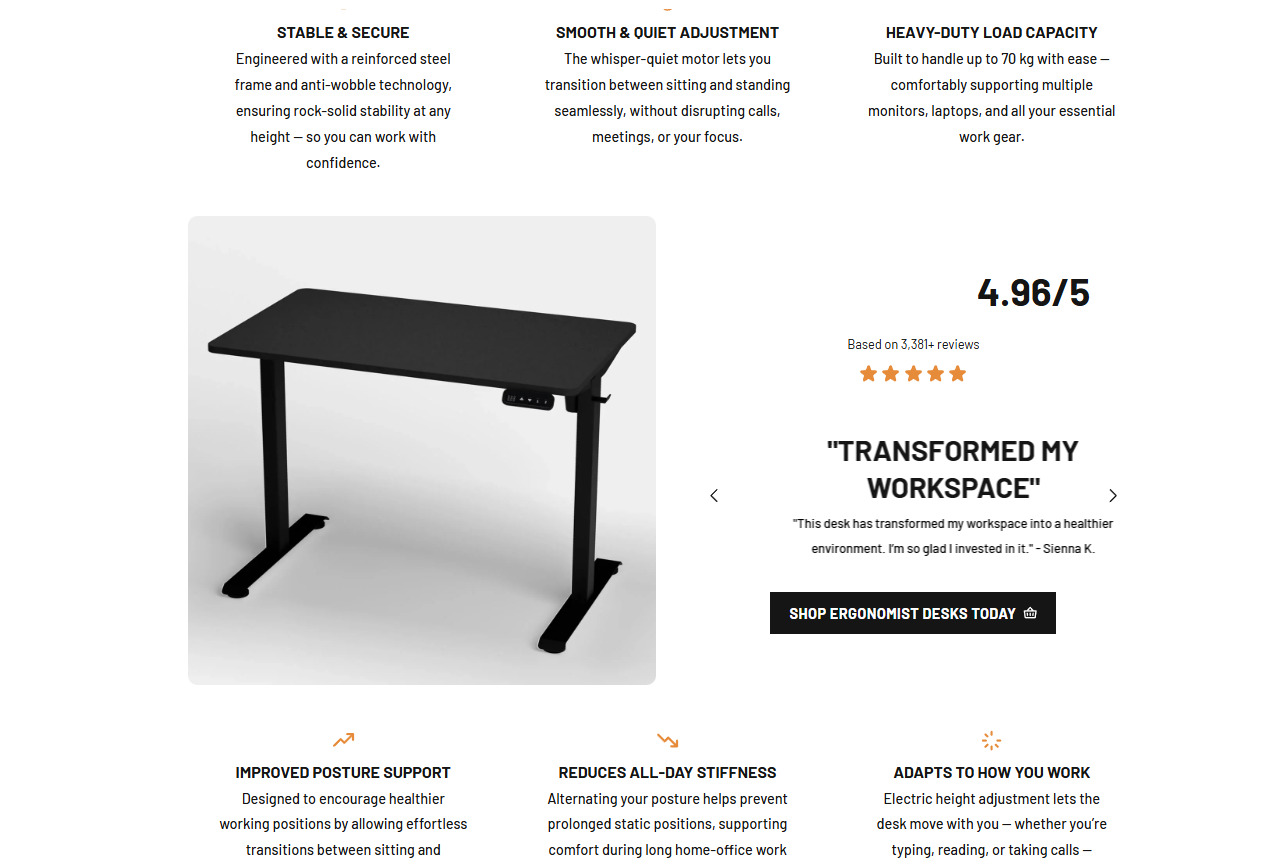
The Ergonomist landing page is a prime example of aligning design with search intent. The page opens with a headline that mirrors common long-tail search queries: "Electric Standing Desk vs Normal Desk, which one is actually better?" By providing a genuine answer to a research-based question, the brand captures mid-funnel traffic and guides them toward a purchase module integrated directly into the educational content.
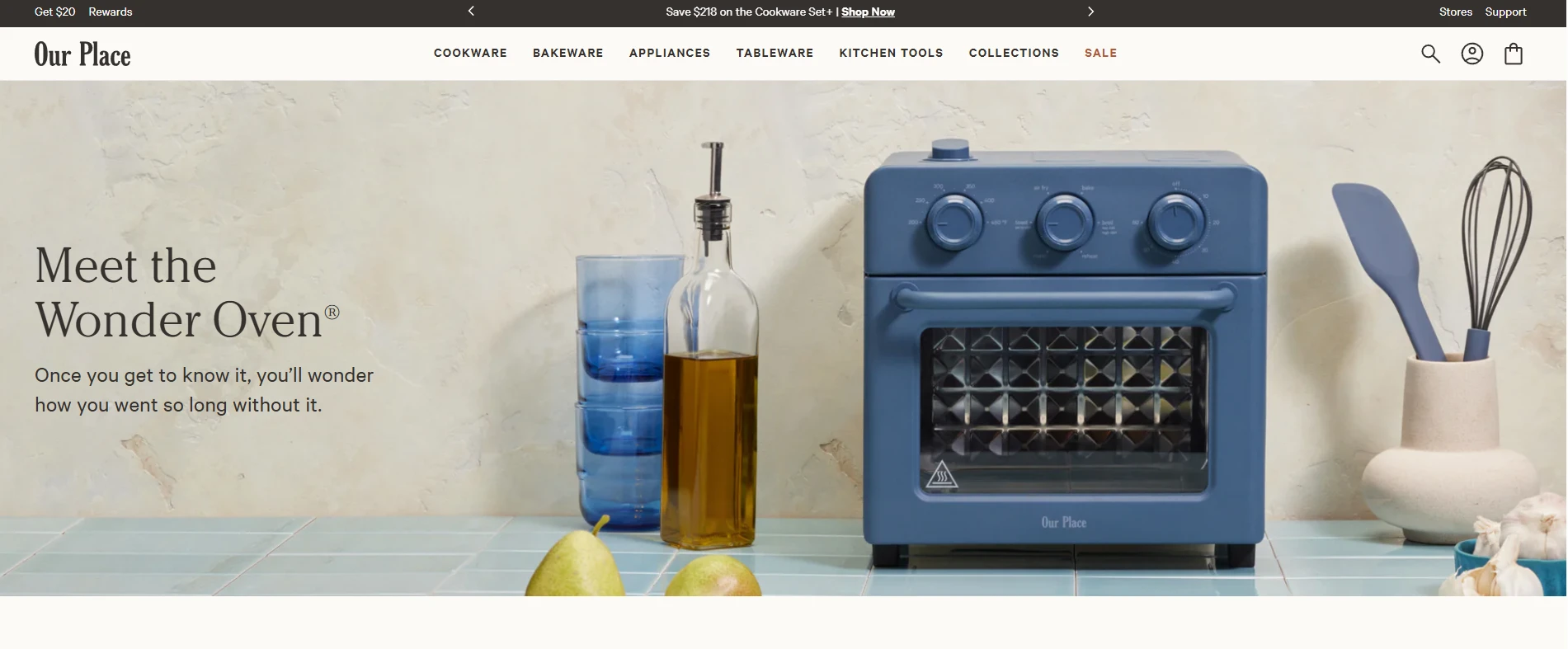
5. Eight Sleep: Interactivity and Status
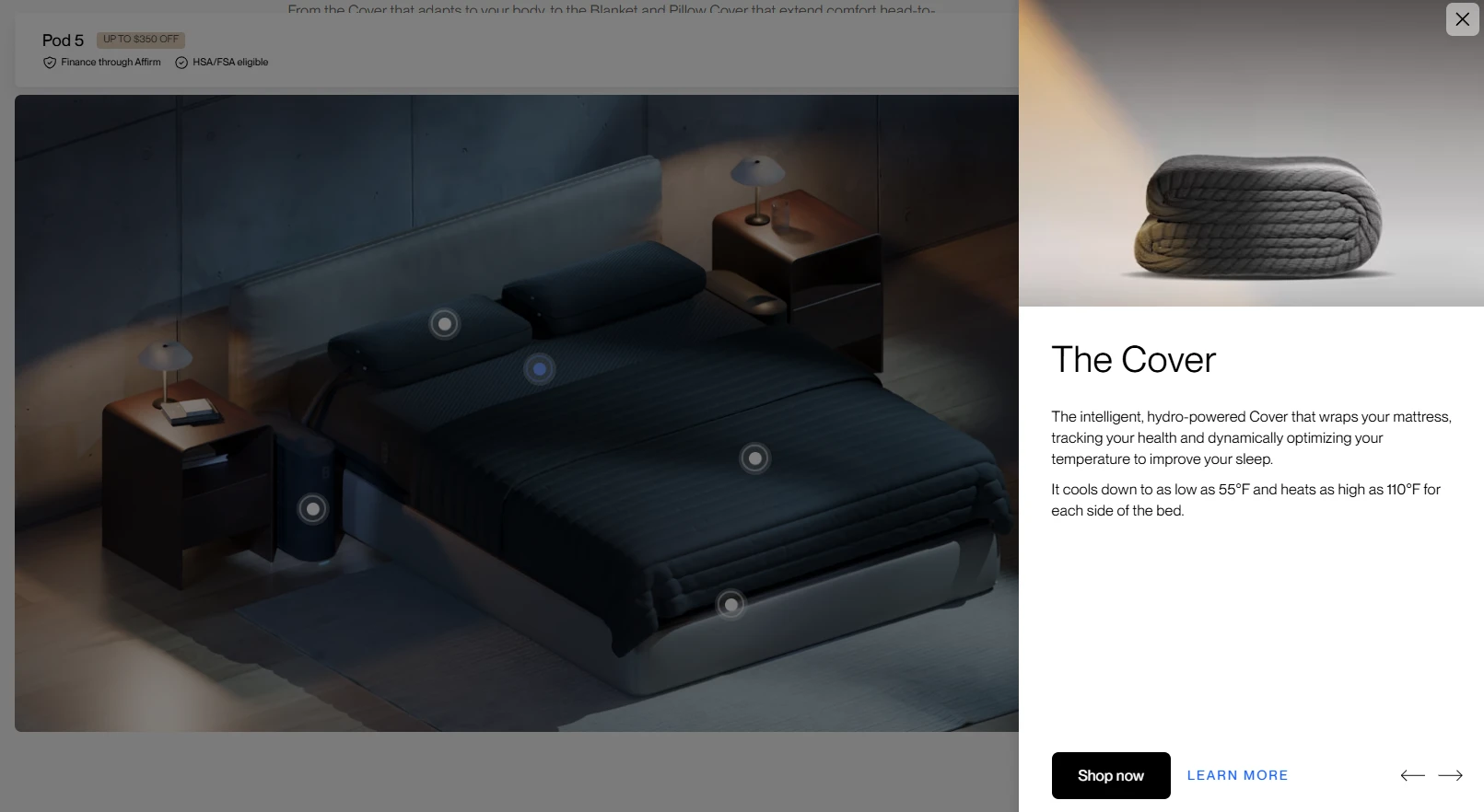
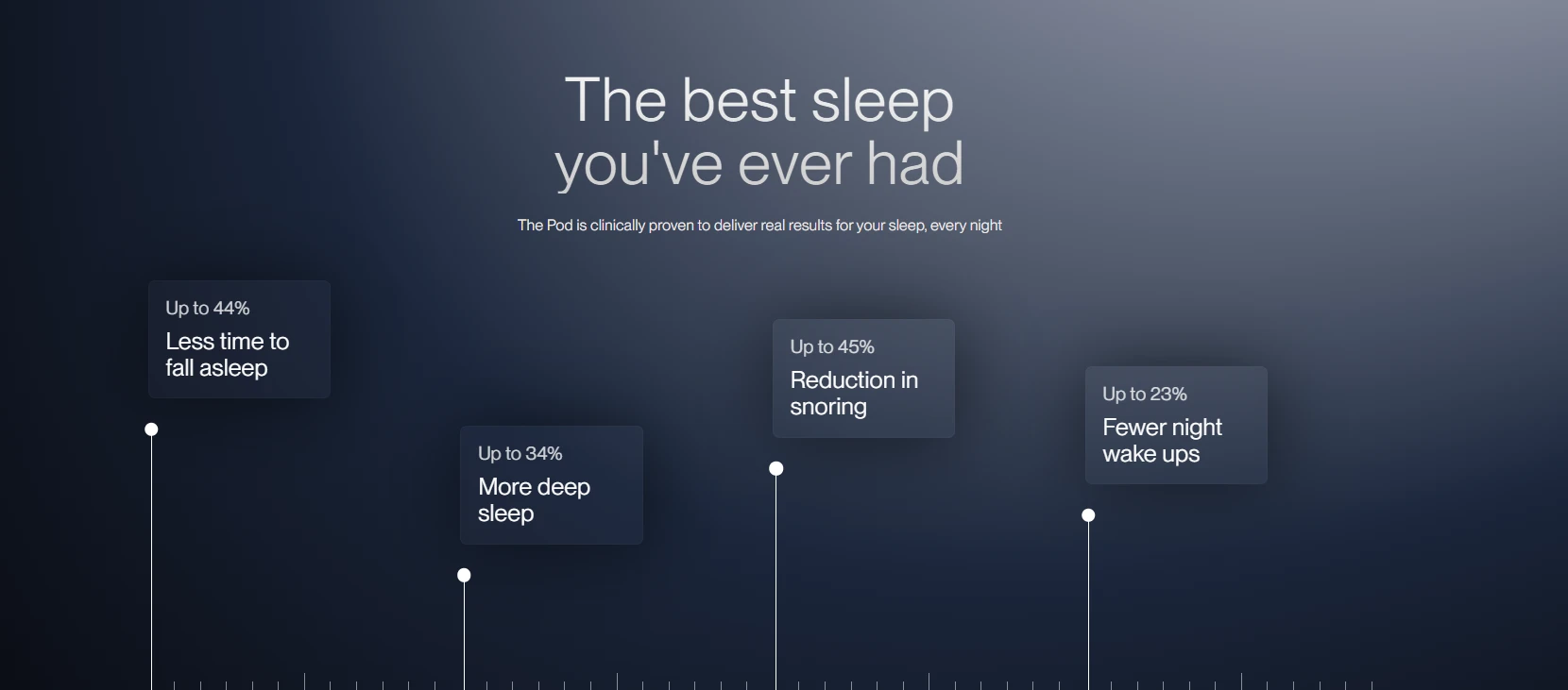
Eight Sleep utilizes high-end interactive elements, such as a "hotspot explorer," allowing users to click on various components of their sleep system to reveal technical specifications. Furthermore, the brand employs an "Influencer Wall" featuring high-profile figures from tech and sports, such as Elon Musk and Lewis Hamilton. This associates the product with high-performance lifestyles and social status.
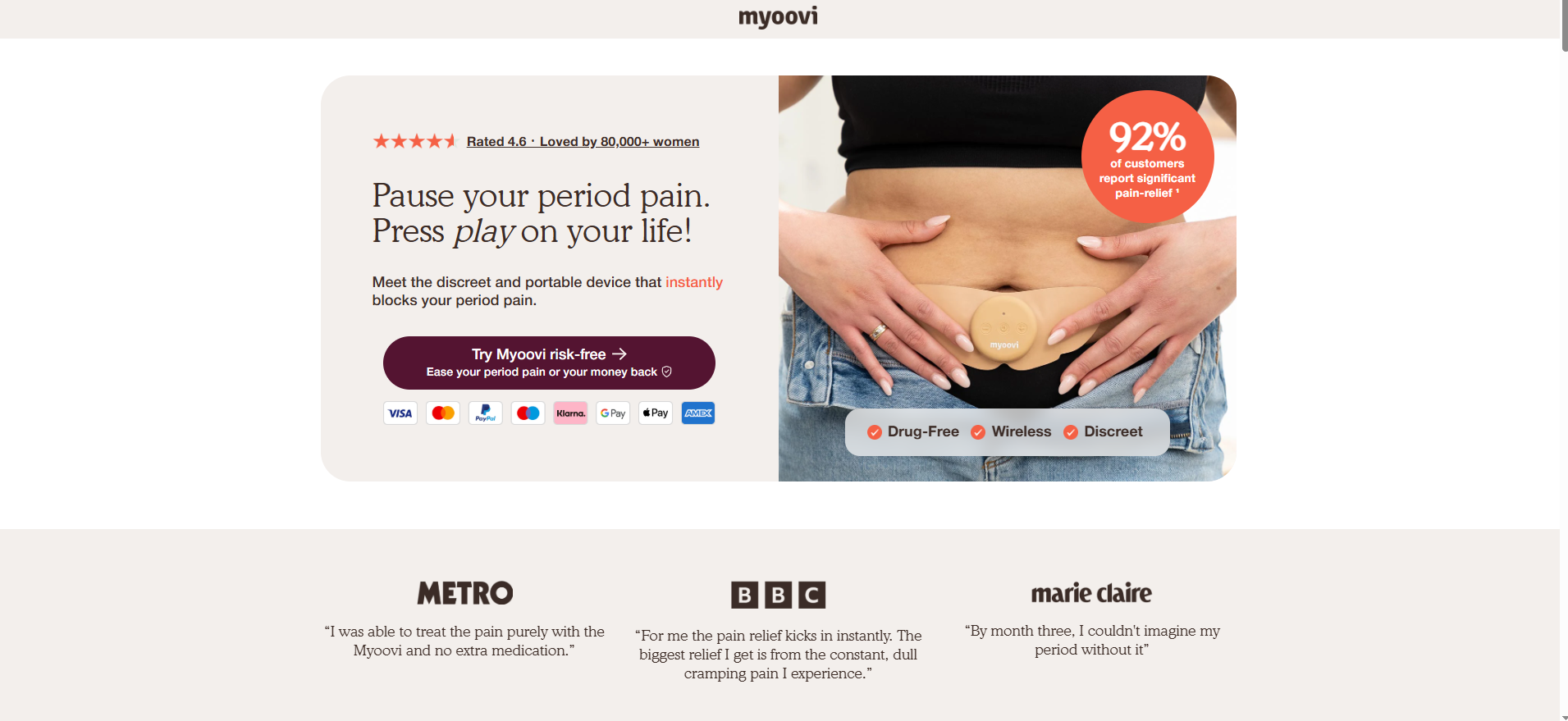
6. FLEX: Visual Demonstration and Utility
The FLEX modular tool storage system landing page prioritizes utility and demonstration. Full-width video backgrounds show the product in use on active construction sites, while annotated product images use callout lines to highlight specific mechanical features. This "show, don’t tell" approach is particularly effective for hardware and industrial products where durability and functionality are the primary selling points.
7. Bachan’s: Community Retention and Cross-Selling
Bachan’s Japanese Barbecue Sauce uses a landing page specifically targeted at existing customers—specifically those who purchased the product at wholesale clubs like Costco. The page focuses on brand storytelling and recipe inspiration, which deepens the emotional connection with the brand. Commercial CTAs are framed as "flavorites," a playful use of language that encourages users to explore other products in the catalog.
8. Maëlys: Gamification and Lead Capture
Maëlys utilizes a five-step "Product Finder" quiz to engage shoppers. This gamified approach reduces the cognitive load of browsing a large inventory. However, the strategic "friction" occurs at the end of the quiz, where users must provide an email address to see their results. This transforms the landing page into a powerful lead-capture tool, allowing for follow-up marketing even if the initial sale is not completed.
Technical Standards and Best Practices for Implementation
To replicate the success of these industry leaders, digital marketers must adhere to a strict set of technical and creative standards.
Ad-to-Page Consistency: There must be a seamless transition between the creative asset (the ad) and the landing page. Discrepancies in pricing, imagery, or tone can trigger "cognitive dissonance," leading to high bounce rates.
Mobile-First Architecture: With over 70% of e-commerce traffic now originating from mobile devices, landing pages must be optimized for small screens. This includes using a single-column layout, large tap targets (at least 48×48 pixels), and font sizes that ensure readability without zooming.
The "No-Exit" Strategy: High-performance landing pages often strip away standard website navigation menus. By removing links to the "About Us" page or the general blog, the designer closes "exit ramps," keeping the user focused entirely on the conversion path.
Urgency and Scarcity: Real-world deadlines, such as a countdown timer for a holiday sale or a "low stock" alert, utilize the psychological principle of Loss Aversion. However, analysts warn that "fake" urgency can permanently damage brand trust.
The Role of Analytics in Iterative Design
The creation of a landing page is not a one-time event but an iterative process driven by data. Modern analytics tools, such as Crazy Egg, provide deep insights into user behavior that go beyond simple click-through rates.

Heatmapping: This technology visualizes where users are clicking and how far they are scrolling. If a critical CTA is located in a "cold" zone where users rarely scroll, it indicates a need for structural repositioning.
Session Recordings: By watching anonymous playbacks of user sessions, marketers can identify points of friction—such as a form that is difficult to fill out on mobile or a video that fails to load.
A/B Testing: This involves running two versions of a landing page simultaneously to see which performs better. Elements often tested include the color of the CTA button, the wording of the headline, or the placement of social proof.
Broader Industry Impact and Future Implications
As privacy regulations like GDPR and changes to mobile tracking (such as Apple’s ATT) make traditional retargeting more difficult, the importance of the landing page as a "first-party data" collector has surged. Brands are increasingly moving away from generic marketplace selling and toward owned "D2C" (Direct-to-Consumer) experiences where they can control the narrative and the data.
Furthermore, the rise of Artificial Intelligence is beginning to allow for "Dynamic Landing Pages" that change content in real-time based on the visitor’s geographic location, past browsing history, or the specific keyword they searched. This level of personalization is expected to become the industry standard by the mid-2020s.
In conclusion, the e-commerce landing page is a sophisticated blend of psychology, design, and data science. By understanding the specific needs of the consumer at different stages of the funnel and employing a rigorous, data-backed design philosophy, brands can significantly increase their return on ad spend and build lasting competitive advantages in an increasingly crowded digital landscape. The transition from a simple "product page" to a "conversion engine" represents the maturation of digital retail and remains the most effective way to turn clicks into customers.







