rifanmuazin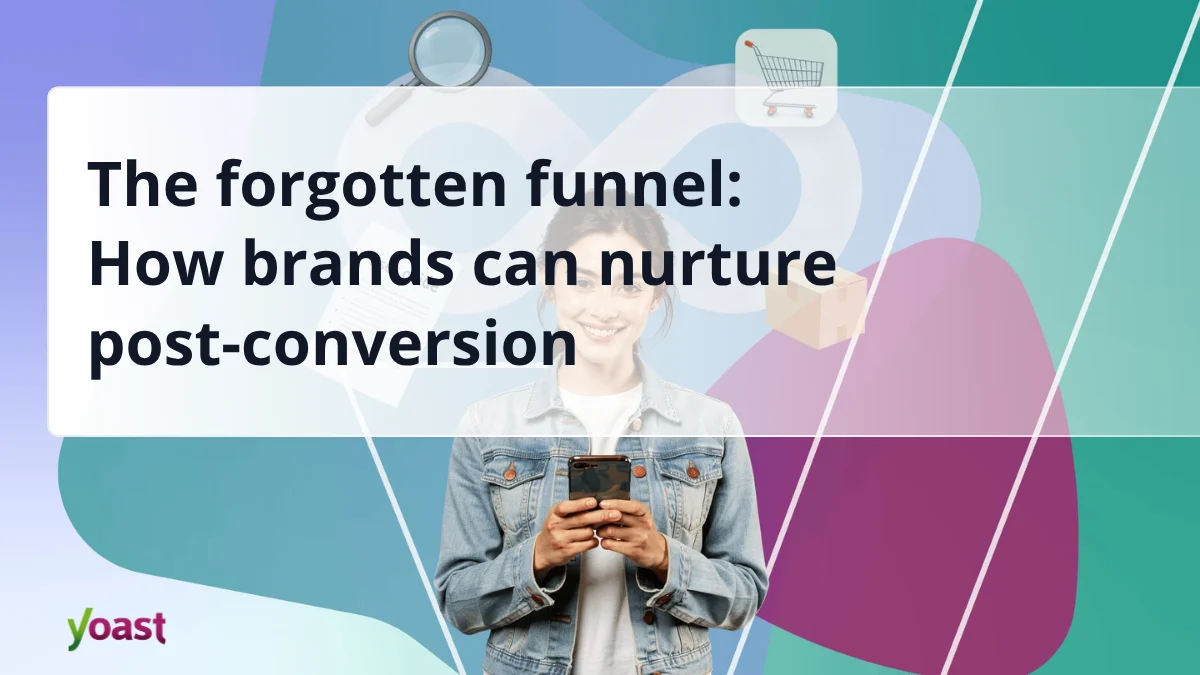
Most SEO strategies are built with the singular goal of driving initial traffic and securing conversions, often focusing intensely on high-volume keywords and new user acquisition. However, a growing understanding within the digital marketing landscape points to a significant oversight: the post-conversion phase. The journey of a customer does not conclude with a sign-up or purchase; it merely begins a new, critical chapter where SEO can, and should, play a pivotal role in fostering retention, enhancing the post-purchase experience, and deepening user understanding of a product or service. Ignoring this segment leaves substantial opportunities for long-term organic growth, customer loyalty, and operational efficiency untapped.
The Evolving Landscape of Search and Customer Engagement
Historically, SEO has been predominantly acquisition-focused, with strategies meticulously crafted to capture users at the top and middle of the sales funnel. Marketers have traditionally poured resources into ranking for commercial keywords, optimizing product pages, and building brand visibility to attract new customers. This approach, while essential for initial growth, often neglects the subsequent stages of the customer lifecycle. The prevailing mindset often treats conversion as the finish line, rather than a critical milestone in an ongoing relationship.
However, the digital ecosystem has matured considerably. Consumers today are more informed, demanding, and connected than ever before. Their search behavior extends far beyond the pre-purchase research phase. After making a commitment, whether it’s subscribing to a software service or buying a physical product, users inevitably encounter questions related to setup, usage, troubleshooting, maintenance, or maximizing value. These "post-conversion" queries represent a rich vein of intent that, when properly addressed through optimized content, can transform a one-time transaction into a sustained, valuable customer relationship.
This shift necessitates a re-evaluation of SEO’s scope, moving it from a purely transactional function to a strategic pillar supporting the entire customer journey. The objective is no longer just to get people to your site, but to ensure they stay, find value, and ultimately become advocates for your brand. This holistic view acknowledges that engaged, satisfied customers are not only more likely to make repeat purchases but also generate positive brand signals, reviews, and organic buzz that inherently bolster SEO performance.
Unlocking Value: The Opportunity in Post-Conversion Content
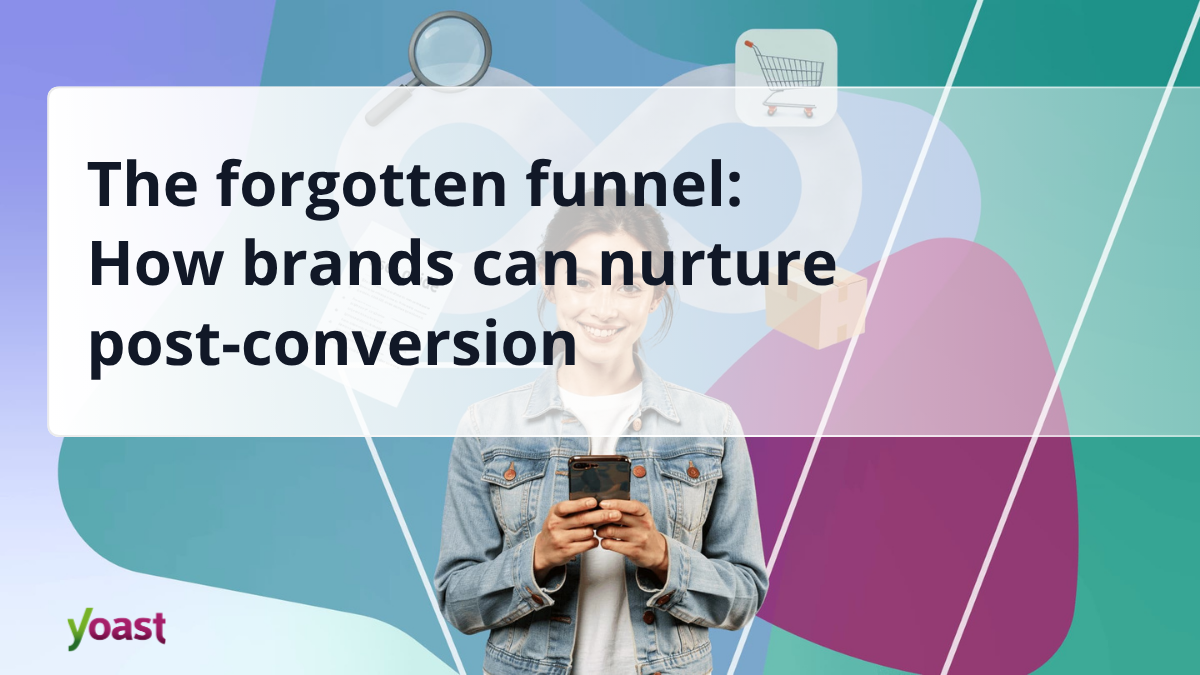
Once a user has converted, their information needs evolve from "what to buy" to "how to use," "how to fix," or "how to get the most out of" their purchase. This is where a robust suite of post-conversion content becomes indispensable. Such content typically includes:
- Help Centers and Knowledge Bases: Comprehensive repositories of articles addressing common questions, technical issues, and step-by-step guides.
- Product Explainers and Tutorials: Detailed resources, often incorporating video, that walk users through product features, optimal usage, and advanced functionalities.
- Frequently Asked Questions (FAQs): Direct answers to common queries, often derived from customer support interactions.
- How-To Guides: Practical instructions for specific tasks, ranging from assembly to maintenance.
- Community Forums and User-Generated Content (UGC): Platforms where users can ask questions, share tips, and troubleshoot issues amongst themselves, often moderated by the brand.
- Product Care and Maintenance Guides: Especially relevant for physical goods, these guides ensure product longevity and customer satisfaction.
When structured effectively, optimized for real user queries, and regularly updated, these content assets transform into powerful long-tail SEO machines. They capture highly specific, intent-driven searches that may have lower individual search volumes but collectively drive significant, qualified traffic. Furthermore, UGC in community forums and customer review sections provides an organic, self-maintaining stream of relevant keywords and content, demonstrating authenticity and authority to search engines.
Tangible SEO Benefits of Retention and Reduced Churn
The connection between customer retention and SEO might not be immediately obvious, but it is profound. Engaged users, who are actively utilizing a product or service and finding solutions to their problems, exhibit several behaviors that positively impact organic search performance:
- Increased Branded Searches: Satisfied customers are more likely to search directly for your brand, product, or specific features. This increase in branded search volume signals brand strength and relevance to search engines.
- Higher Internal Click-Through Rates: Users who are actively engaged will navigate deeper into your site, consuming more content, which improves site-wide engagement metrics and reduces bounce rates—key indicators for search algorithms.
- Positive Reviews and Testimonials: Happy customers are more inclined to leave positive reviews on third-party sites (e.g., Google My Business, Trustpilot, industry-specific review platforms), which are crucial for local SEO and overall brand reputation. These reviews often contain valuable long-tail keywords.
- Social Sharing and Backlinks: Delighted users are more likely to share their positive experiences on social media and, in some cases, link to your content from their own platforms, generating valuable social signals and backlinks.
- Repeat Purchases and Longer Customer Lifetime Value (CLTV): Retained customers contribute directly to revenue, but their sustained engagement within your ecosystem also means continuous opportunities for your content to be discovered and linked, building domain authority over time.
According to a study by Harvard Business Review, increasing customer retention rates by 5% can increase profits by 25% to 95%. While this figure primarily speaks to financial gains, the underlying principle of customer loyalty directly correlates with improved engagement signals that search engines value. When customers stay within your ecosystem longer, your website content has more opportunities to surface, get linked, and build authority, creating a virtuous cycle of engagement and organic growth.
Identifying High-Value Post-Conversion Content: A Data-Driven Approach
Identifying the most impactful post-conversion content is not a matter of guesswork but a systematic process of tapping into existing customer data and feedback channels. The answers to what your users need are often readily available within your organization.
-
Mining Support Tickets and Customer Service Data:
Customer support interactions are a treasure trove of insights. Common questions, recurring issues, and persistent points of confusion highlighted in support tickets are direct indicators of gaps in existing documentation or areas where current content is difficult to find.- How to Use It: Categorize and analyze the most frequent support queries. Turn these top issues into detailed, searchable help documents, step-by-step tutorials, or short video explainers embedded within your knowledge base or relevant product pages. For instance, if "how to reset password" or "connecting device X to app Y" are common themes, create clear, concise content that directly addresses these pain points. This not only empowers users but also significantly reduces the load on your support team, allowing them to focus on more complex issues.
-
Leveraging Customer Interactions and Feedback:
Your customer-facing teams—sales, customer success, onboarding specialists—possess invaluable qualitative data. They hear directly from users about specific product features that cause confusion, steps in the buying journey that are unclear, or underutilized functionalities.- How to Use It: Establish regular feedback loops with these teams. Conduct interviews or create shared documentation where they can log common themes and direct language used by customers. Use this input to create content that supports onboarding, expands on underused features, or clarifies key steps in realizing value from a purchase. Crucially, adopt the language customers use to describe their problems; this ensures your content aligns with their search queries. As a leading SEO strategist recently noted, "Understanding the precise vocabulary of your customer base post-conversion is like having a direct line to their search intent. It’s about speaking their language, not just yours."
-
Analyzing Internal Search Queries:
The search bar on your own website, help center, or knowledge base is one of the most potent indicators of user intent post-conversion. What users type into your internal search after logging in or navigating to your support section tells you exactly what they are struggling with or seeking.- How to Use It: Regularly audit your internal site search analytics. Identify top queries that yield poor results, no results, or lead to high bounce rates. These are prime candidates for new content creation or significant content improvement. Optimize existing article titles, headers, and metadata to ensure the most relevant content appears first. For WordPress users, tools like Yoast SEO provide insights into internal search optimization, emphasizing the importance of a well-indexed internal knowledge base.
-
Interpreting Feature Usage and Product Engagement Data:
Low adoption rates for certain product features or sections of a service don’t always indicate low interest; they can signal unclear setup instructions, poor discoverability, or hidden value that users aren’t aware of.- How to Use It: Collaborate with product teams to analyze usage data. Identify features or products with low adoption but high potential impact. Conduct user interviews with those who do successfully use these features to understand their journey and what made it click for them. Then, build content—be it tutorials, use-case examples, or advanced tips—that guides other users to the same positive outcome, demonstrating value and encouraging deeper engagement.
Illustrative Examples of Effective Post-Conversion Content
Leading brands have already recognized and capitalized on the power of post-conversion SEO:
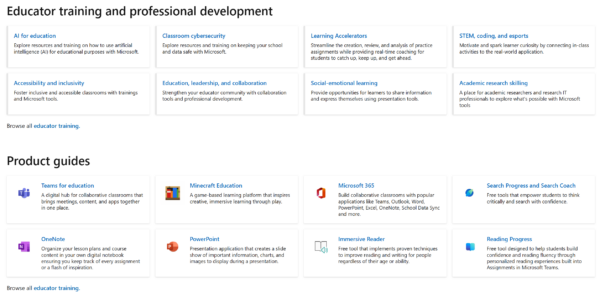
- Microsoft’s Educator Center: Microsoft effectively combines training hubs, such as its Educator Center, with extensive help content and community resources. This ecosystem supports users—from students to IT professionals—throughout their entire journey with Microsoft products. By offering structured learning paths, troubleshooting guides, and a vibrant community, Microsoft ensures continuous engagement, reduces support queries, and reinforces product value. This approach not only aids retention but also positions Microsoft as a thought leader and reliable resource.
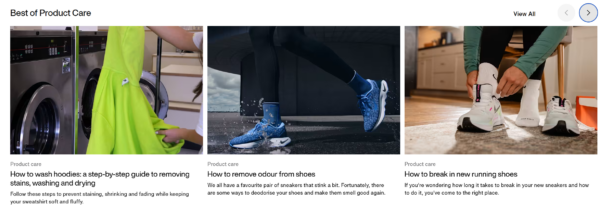
- Nike’s Product Care Section: For a brand like Nike, the post-purchase experience is crucial for product longevity and customer satisfaction. Their website features a dedicated section on product care and styling tips. This content, ranging from how to clean specific shoe materials to advice on extending the life of athletic wear, directly addresses user concerns after purchase. It helps customers maintain their products, thereby enhancing their overall experience and fostering brand loyalty. Such content also naturally ranks for long-tail queries like "how to clean [Nike shoe model]" or "caring for [Nike apparel fabric]."
Internal Linking: The Engine of Post-Conversion Engagement
Creating excellent post-conversion content is only half the battle; ensuring users can easily find and navigate it is equally vital. Strategic internal linking transforms isolated articles into a cohesive web that improves engagement and boosts SEO.
Effective internal linking strategies include:
- Contextual Links within Product Pages: Embed links to relevant help documentation or usage guides directly within product descriptions or feature sections. For instance, a software feature description could link to a detailed "how-to" article for that specific function.
- Automated Email Onboarding Sequences: Leverage email marketing to deliver targeted help articles, video tutorials, or FAQs at key stages of the user journey. After a user signs up for a trial, send an email with links to "Getting Started" guides.
- In-App/In-Product Suggestions: For digital products, integrate contextual help prompts or tooltips that link directly to relevant support content based on user actions or challenges within the application.
- "Related Articles" and "Recommended Reading" Sections: Implement these sections at the end of every help article or blog post, guiding users to further relevant content and encouraging deeper exploration.
- Community Forum Cross-Referencing: Actively link from knowledge base articles to relevant discussions in community forums, and vice-versa, fostering a holistic self-service environment.
- FAQ Schema Markup: Implement structured data (FAQ Schema) on your help pages to help search engines understand the question-and-answer format, potentially leading to rich results in SERPs.
Done correctly, this approach not only improves user experience by making information readily accessible but also strengthens your site’s internal link profile, distributing link equity and signaling content hierarchy to search engines. It creates a "sticky" environment where users are continuously supported and engaged.
Why Supporting Existing Users is Smart SEO and Smart Business
If an SEO strategy focuses solely on acquisition, it overlooks a vast reservoir of potential traffic, loyalty, and revenue. Post-conversion content is not merely a support function; it is a strategic investment that helps users extract maximum value from products, mitigates friction points, and cultivates enduring loyalty. In doing so, it generates indexable, intent-driven pages that search engines can surface precisely when users need them most.
A recent report by the Content Marketing Institute highlighted that companies prioritizing customer experience generate 5.7 times more revenue than competitors who don’t. While not solely an SEO metric, a significant component of customer experience in the digital age is the ability to find answers quickly and efficiently through search. By proactively addressing post-conversion queries, businesses are not just being helpful; they are building long-term, defensible organic growth.
The imperative for businesses is clear: audit your existing post-conversion content. Map out the critical moments after signup or purchase, ensuring users receive comprehensive support at each stage. Surface help documentation, feature guides, and tutorials precisely where they are needed most, connecting them with clear, intentional internal links. This isn’t just about discovery; it’s about usability, building confidence, and ensuring users stay—not just show up. For any brand aspiring to build long-term, resilient growth in a competitive digital landscape, a full-funnel SEO strategy that champions the post-conversion experience is no longer optional; it is fundamental.