

In an era defined by the tightening of marketing budgets and the rising costs of customer acquisition, the precision of digital experimentation has moved from a peripheral technical task to a core business strategy. As enterprises seek to maximize the return on every visitor, the choice between A/B testing and multivariate testing (MVT) has become a pivotal decision for growth teams. While A/B testing remains the foundational pillar for simple split-testing, multivariate testing has emerged as the sophisticated alternative for organizations possessing high traffic volumes and the need to understand complex interactions between multiple on-page elements. The distinction between these two methodologies—and the strategic application of each—often dictates the difference between marginal gains and transformative growth in conversion rate optimization (CRO).

The Fundamental Mechanics of Digital Experimentation
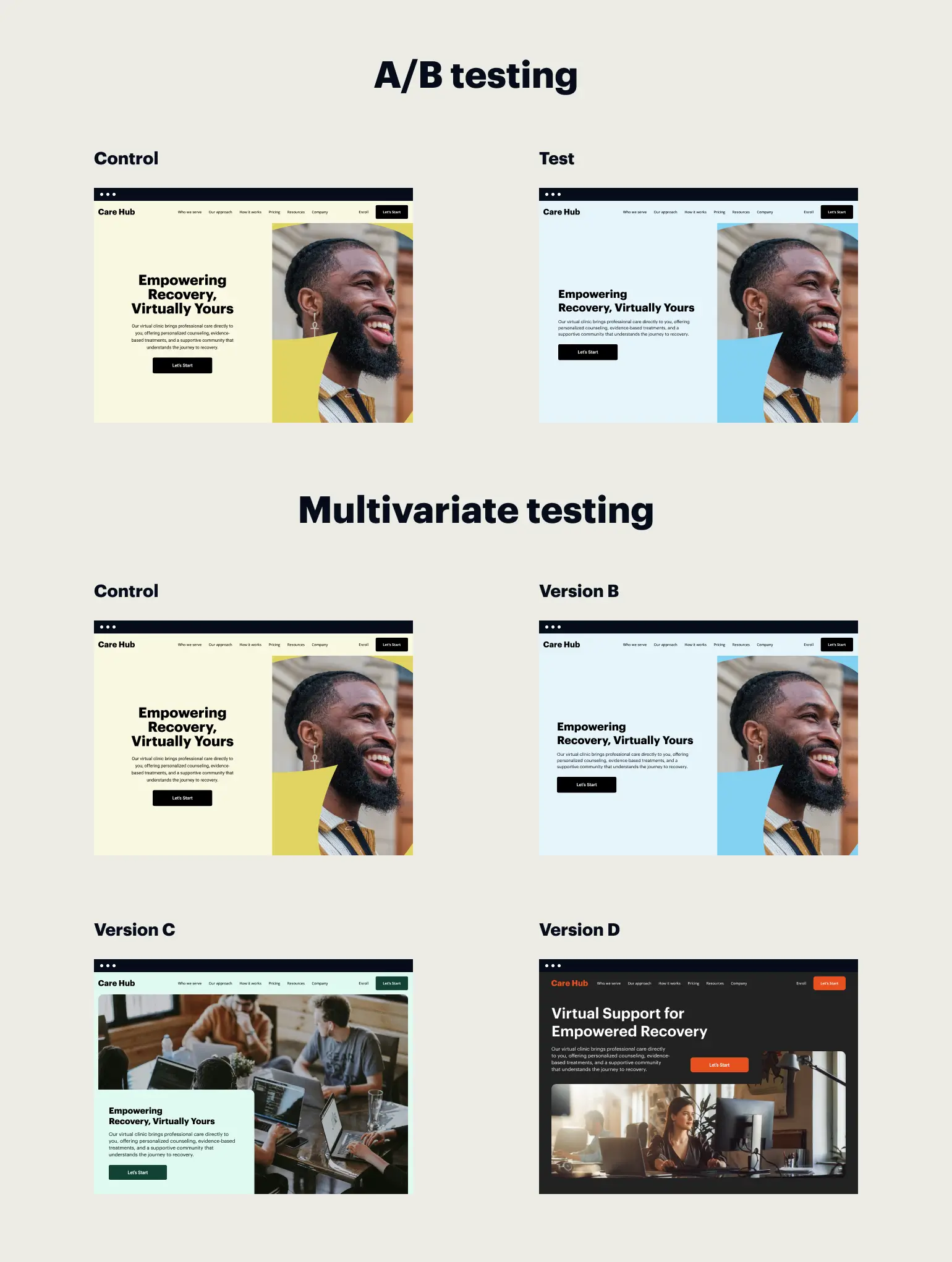
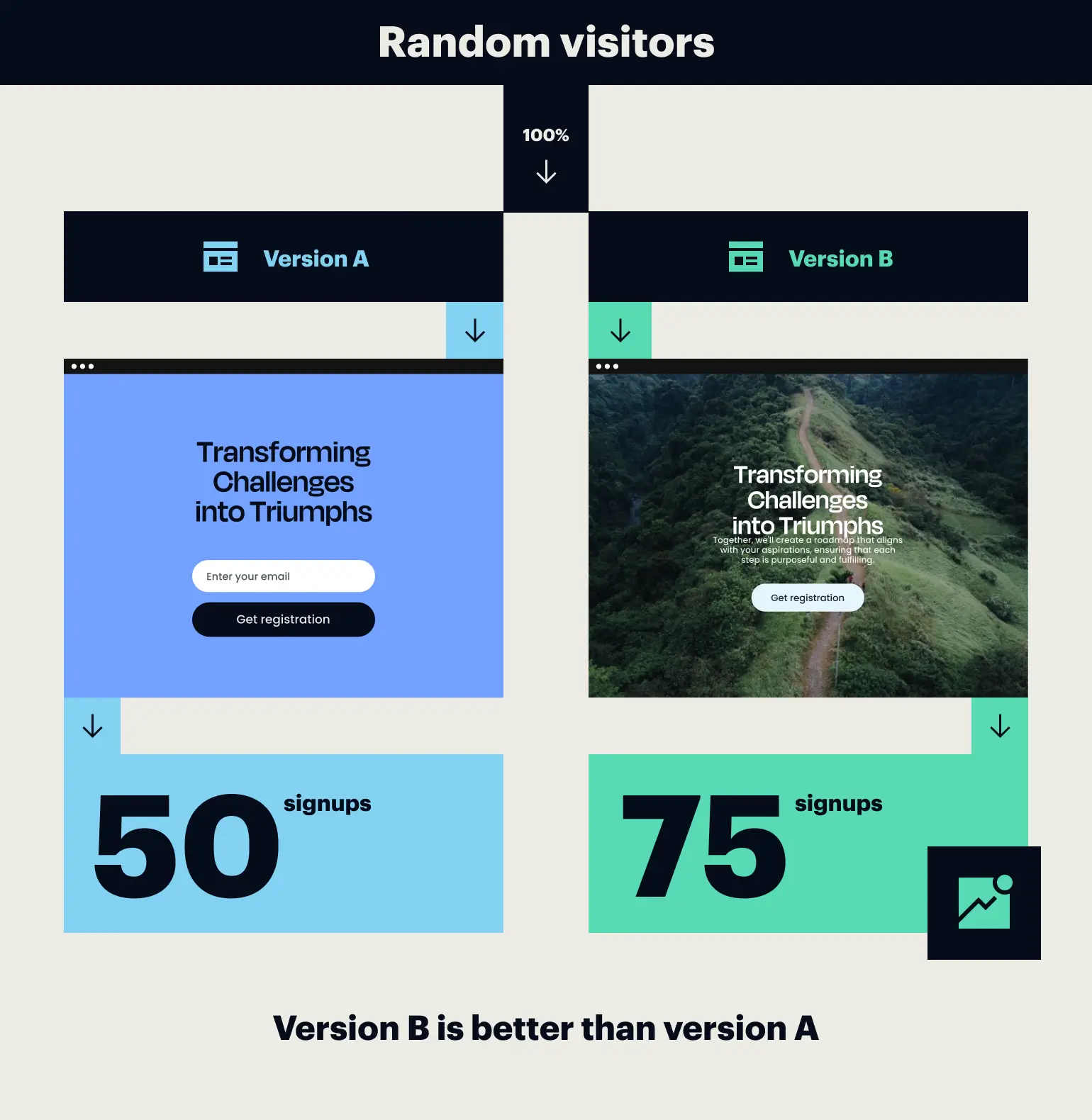
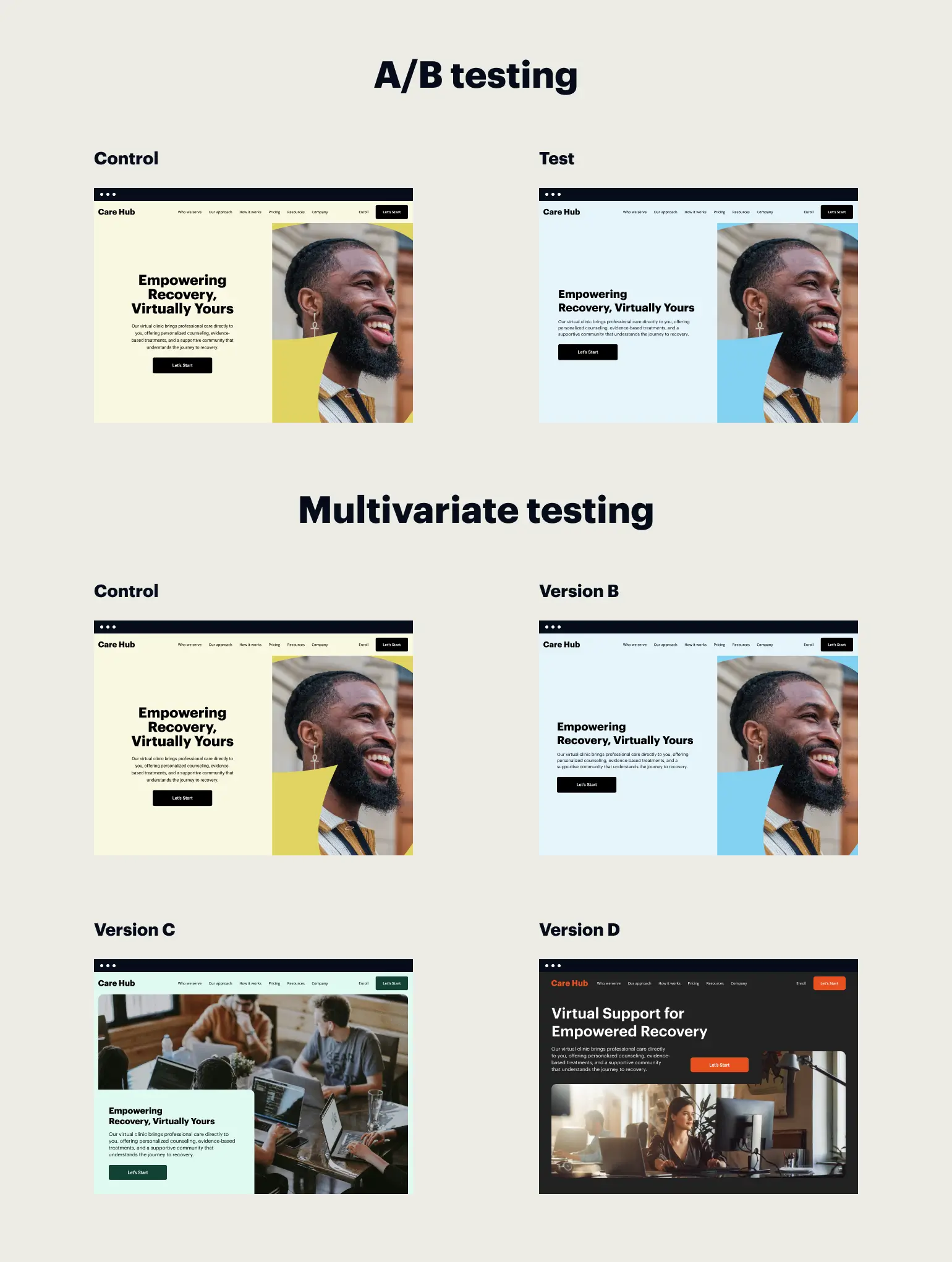
At its core, digital experimentation is the process of using empirical data to validate hypotheses about user behavior. For years, the industry standard was the A/B test, a controlled experiment where two versions of a single variable are compared. In this scenario, Version A (the control) and Version B (the treatment) are shown to similar audiences to determine which produces a higher conversion rate. This method is praised for its simplicity and its ability to provide clear, actionable insights when testing a single change, such as a headline or a call-to-action (CTA) button color.
However, modern web design often involves a symphony of interacting elements. A headline does not exist in a vacuum; its effectiveness is influenced by the hero image next to it, the color of the button below it, and the layout of the form. This is where multivariate testing enters the strategic landscape. MVT allows marketers to test multiple variables simultaneously, identifying not just which single element performs best, but how different combinations of elements interact to influence the final user decision. By systematically modifying various components, MVT provides a granular view of the user experience that A/B testing cannot replicate.
The Mathematical Framework: Understanding the MVT Formula
The complexity of multivariate testing is best illustrated through its mathematical requirements. Unlike an A/B test, which typically requires a simple 50/50 split of traffic between two variations, an MVT experiment scales exponentially based on the number of elements and variations being tested. The standard formula for determining the number of combinations in a full factorial MVT is the product of the number of variations for each element.
For example, if a marketing team decides to test three different headlines and two different hero images, the total number of combinations is six ($3 times 2 = 6$). If they further decide to add two different CTA button colors and two different button text options, the combinations jump to twenty-four ($3 times 2 times 2 times 2 = 24$). This exponential growth presents a significant operational challenge: traffic requirements. To achieve statistical significance—the point at which a marketer can be confident that the results are not due to random chance—each of those 24 variations requires enough traffic to produce a reliable sample size. This inherent limitation means that while MVT offers deeper insights, it is a tool reserved for high-traffic environments where sample sizes can be met within a reasonable timeframe.
Comparative Analysis: A/B Testing vs. Multivariate Testing
The decision to deploy A/B or MVT methodologies depends on several critical factors, ranging from the maturity of the website to the specific goals of the campaign.
Complexity and Implementation
A/B testing is characterized by its low barrier to entry. It is relatively easy to design, implement, and analyze. Marketers can quickly swap out a single element and see results. MVT, conversely, requires high experiment complexity. It necessitates a more rigorous design phase to ensure that the variables being tested are independent enough to provide meaningful data while still being part of a cohesive user experience.

Speed and Precision
In terms of testing speed, A/B testing is significantly faster. Because it requires fewer variations, it reaches statistical significance much earlier than an MVT. However, the precision of results in an MVT is often viewed through a different lens. While A/B testing is highly precise in identifying the impact of one change, MVT is comprehensive in identifying "interaction effects." An interaction effect occurs when the combination of two elements performs better than the sum of their individual parts. For instance, a specific "urgent" headline might perform poorly with a "calm" blue button but exceptionally well with a "high-energy" orange button. A/B testing would likely miss this synergy.
Resource Allocation and Risk
MVT is resource-intensive. It requires more creative assets, more technical setup, and more time for analysis. There is also a higher risk of interference, where too many changes might confuse the user or lead to "noise" in the data. A/B testing remains the "safer" bet for incremental improvements, whereas MVT is the preferred choice for radical page redesigns or complex optimization of high-value landing pages.

Real-World Applications: Case Studies in Optimization
To understand the practical implications of these methodologies, one must look at how leading companies have applied them to drive revenue and engagement.
Case Study 1: AliveCor and the Power of Visual Cues
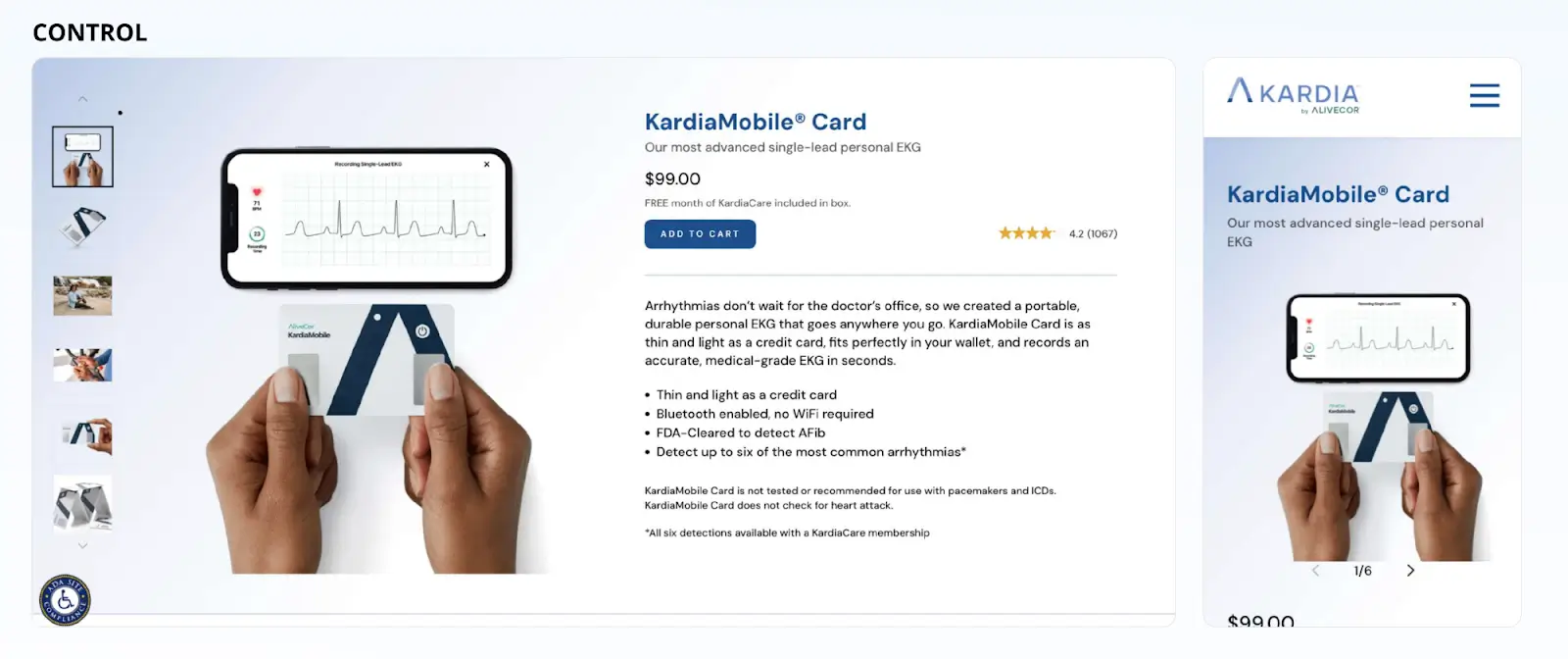
AliveCor, a leader in personal EKG technology, faced a challenge when launching its KardiaMobile Card. The company needed to introduce the new product on its website without cannibalizing the sales of existing products. They utilized a testing hypothesis centered on visual hierarchy: that users interact more frequently with highlighted elements.

The team ran experiments testing the addition of a "New" badge on the product detail page and the product title on the listing page. By testing these variations against a control version, they discovered that the version featuring the "New" badge led to a 25.17% increase in conversion rates and a 29.58% increase in revenue per user across both desktop and mobile platforms. While this specific instance functioned as a multi-variant A/B test, it demonstrated how a small, targeted change—validated through data—could yield significant financial returns.
Case Study 2: Groove’s "Copy-First" Redesign
Groove, a customer support platform, took a more radical approach to optimization. They recognized that their landing page was not communicating the value of their product effectively. Instead of testing a single button, they opted for a complete page overhaul, shifting toward a "copy-first" narrative.

By testing different versions of headlines and narratives that focused on benefits rather than features, Groove was able to increase its conversion rate from 2.3% to 4.3%. This type of experiment, which involves changing the entire layout and messaging structure, often utilizes MVT principles to understand which combination of benefits and storytelling hooks resonates most with the target audience.
The Operational Timeline of a Successful Test
A professional optimization program follows a strict chronology to ensure data integrity:
- Observation and Data Collection: Analyzing heatmaps, bounce rates, and user session recordings to identify friction points.
- Hypothesis Formation: Creating a "If [change], then [result], because [rational]" statement.
- Variable Selection: Deciding whether the hypothesis requires an A/B or MVT approach based on traffic and complexity.
- Technical Integration: Using tools like Instapage or Google Optimize to set up the variations and tracking pixels.
- The "Dark" Period: Running the test without interference until statistical significance (usually 95% or higher) is reached.
- Analysis and Implementation: Reviewing the winning variation and deploying it to 100% of the traffic.
Industry Responses and Future Implications
Industry experts suggest that the future of CRO lies in the democratization of these testing tools. In previous decades, MVT was a luxury available only to enterprise-level companies with dedicated data science teams. Today, platforms like Instapage have integrated these features into user-friendly interfaces, allowing mid-market companies to run sophisticated experiments.
However, with increased accessibility comes the risk of "testing for testing’s sake." Analysts warn that without a strong hypothesis, MVT can lead to "false positives" or data dredging. The broader impact of this shift is a move toward "Personalization at Scale." As MVT helps companies understand how different segments react to various combinations of elements, the next logical step is using AI to automatically serve the "winning" combination to specific user personas in real-time.

Strategic Conclusions for Digital Marketers
The choice between A/B and multivariate testing is not a matter of which is "better," but which is more appropriate for the current objective. A/B testing is the scalpel—precise, fast, and ideal for refining specific elements. Multivariate testing is the wide-angle lens—complex and data-hungry, but essential for understanding the holistic user experience.
For brands with limited traffic, A/B testing remains the most reliable path to optimization. For high-traffic enterprises looking to squeeze every possible percentage point out of a complex funnel, MVT provides the deep insights necessary to stay competitive in a crowded digital marketplace. By mastering both, marketing teams can move beyond guesswork, ensuring that every pixel on a landing page is working toward the ultimate goal of conversion. As digital landscapes continue to evolve, the ability to conduct rigorous, data-driven experiments will remain the primary differentiator between market leaders and their competitors.







