The landscape of digital experimentation is undergoing a significant shift as specialized automation workflows begin to streamline the traditionally manual process of client-side A/B test development. Recent findings from experimentation consultant Iqbal Ali have demonstrated the viability of using Small Language Models (SLMs) to not only generate JavaScript code for conversion rate optimization (CRO) but also to implement a self-healing mechanism that identifies and corrects errors autonomously. This development marks a pivotal moment in the intersection of generative AI and software engineering, promising to reduce the cost of experiment deployment to as little as $0.06 per test while maintaining high standards of reliability through deterministic quality assurance.
The Technological Shift in A/B Test Development
For over a decade, client-side A/B testing has relied on front-end developers to manually write JavaScript snippets that modify the Document Object Model (DOM) of a webpage. These changes, which might include reordering elements, changing calls to action, or modifying layouts, require precise execution to ensure they do not break existing site functionality. As organizations scale their testing programs, the bottleneck often becomes the availability of technical resources.
The emergence of Large Language Models (LLMs) like GPT-4 and Claude 3.5 initially offered a solution, but their high operational costs and "token-heavy" nature often made them inefficient for high-volume, simple coding tasks. The move toward SLMs—models with fewer parameters that can be run locally or via low-cost APIs—represents a more sustainable path for enterprise-level automation. By utilizing platforms such as n8n for orchestration and Browserless for cloud-based rendering, developers can now build "serialised workflows" that mimic the logical steps of a senior engineer.

Chronology of an Automated AI Development Cycle
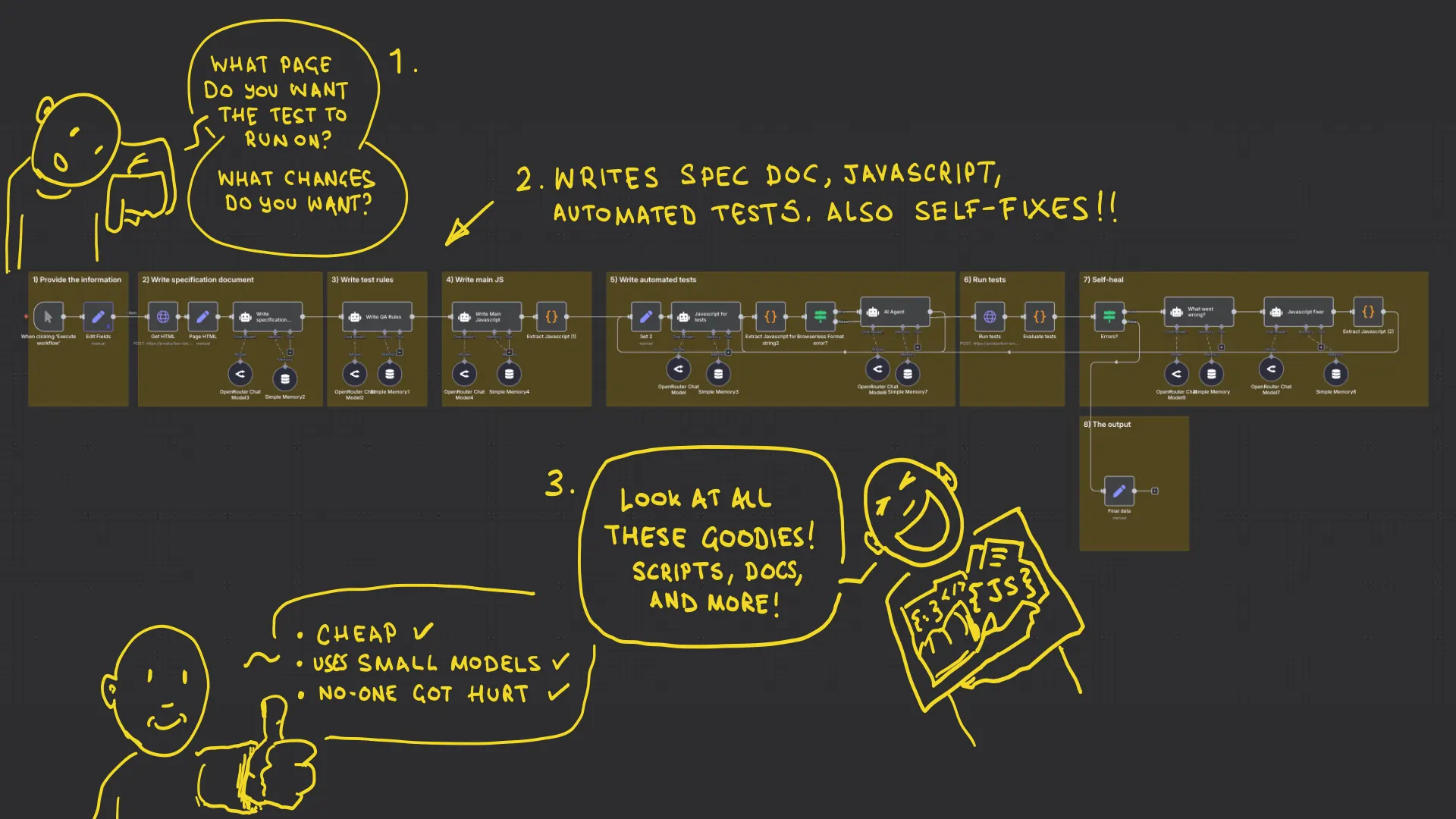
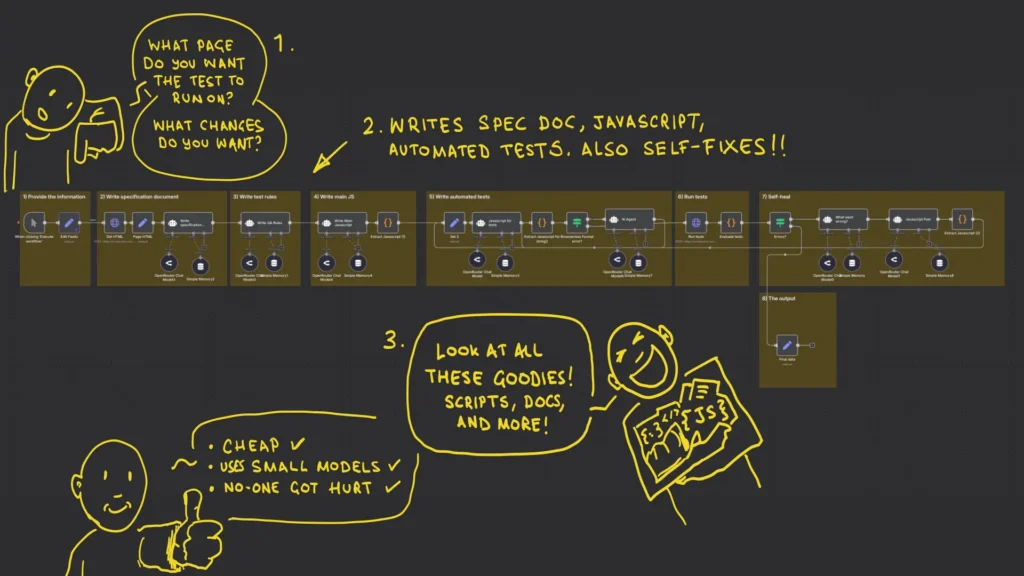
The workflow designed for this automated development follows a rigorous eight-step progression designed to maximize code quality and minimize the "hallucinations" often associated with generative AI.
Phase 1: Input and Requirement Definition
The process begins with the ingestion of two primary data points: the URL of the target webpage and a natural language description of the desired change. Unlike traditional AI prompts, which often ask for code immediately, this workflow treats the initial request as a business requirement rather than a technical command.
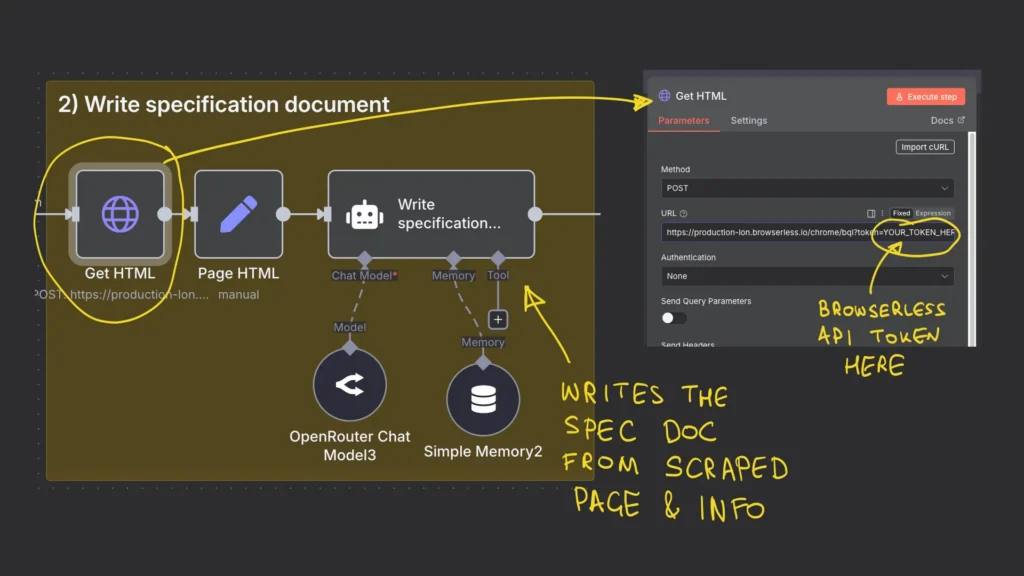
Phase 2: Technical Specification and HTML Retrieval
The system connects to a headless browser service, such as Browserless, to fetch the live HTML of the page. An SLM then analyzes the structure of the site and writes a detailed technical specification document. This document acts as a bridge, translating the user’s simple request into a technical roadmap that identifies specific CSS selectors and DOM manipulation strategies.
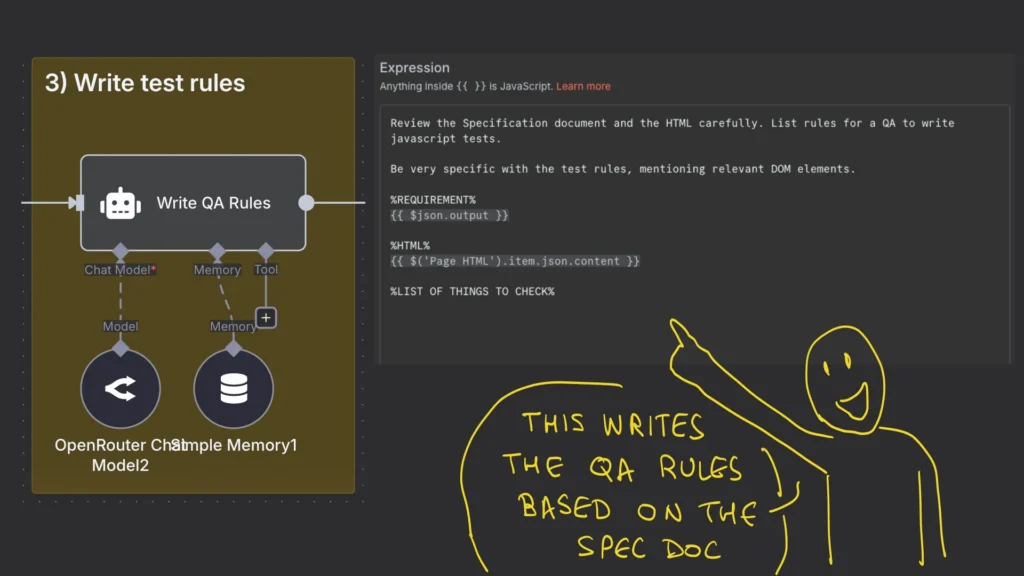
Phase 3: Automated QA Rule Generation
Once the specification is established, the workflow generates a set of Quality Assurance (QA) rules. These rules define what constitutes a successful implementation. For example, if the goal is to move a "Buy Now" button above a product description, the QA rule specifies that the button’s new parent element must be verified and its visibility confirmed.
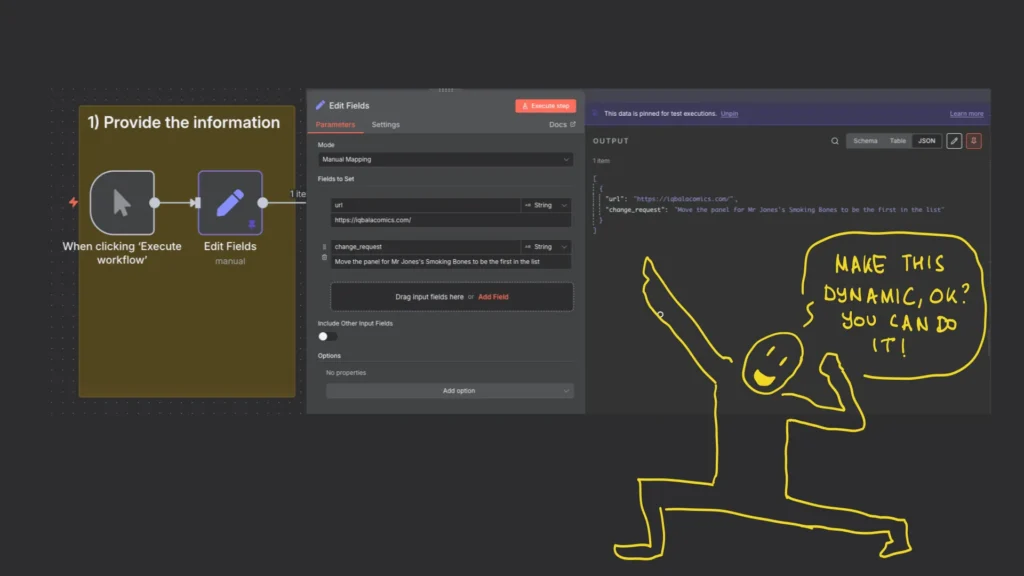
Phase 4: Code Synthesis and Deterministic Testing
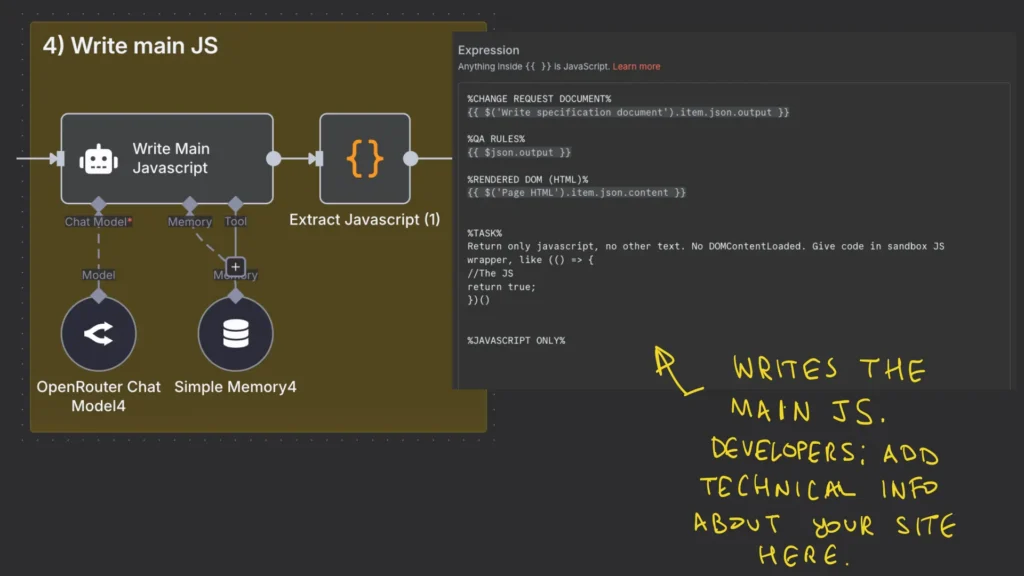
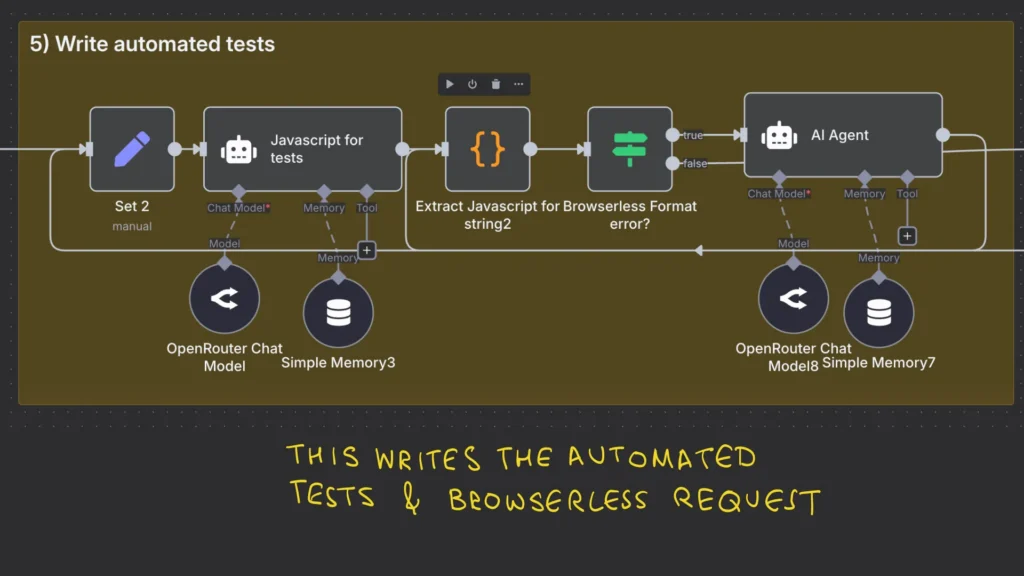
With the specifications and QA rules in hand, the SLM writes the final JavaScript. Simultaneously, the workflow generates a secondary set of JavaScript-based test scripts. This is a critical distinction in the methodology: while the code generation is stochastic (probabilistic), the testing is deterministic. By using hard-coded JavaScript tests to validate the AI’s output, the system ensures that the final result is functional.
Phase 5: The Self-Healing Loop
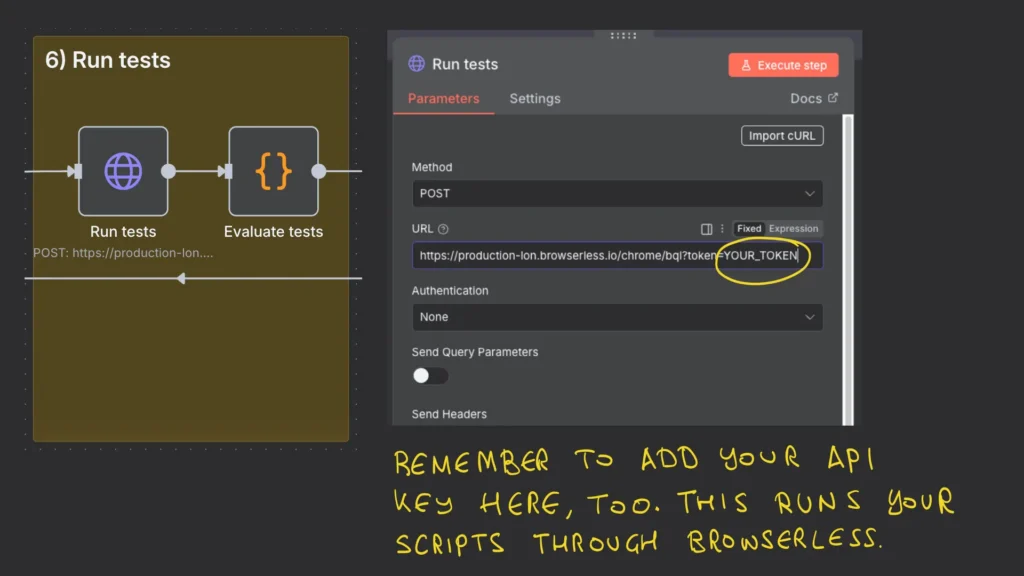
If the initial code fails the automated tests during the rendering phase in Browserless, the system enters a self-healing loop. The error logs are fed back into the SLM, which attempts to fix the code. This loop is typically capped at three attempts to maintain efficiency and prevent "token-maxing"—the practice of exhausting API limits through endless iterations.
Data Analysis: The Economics of SLM Automation
The financial implications of this workflow are substantial when compared to traditional development cycles. Data provided by industry experts suggests that a manual A/B test build can take a developer anywhere from two to eight hours, depending on complexity. At average agency or internal rates, this represents a cost of $200 to $800 per experiment variation.
In contrast, the SLM-driven workflow operating via OpenRouter or local instances of Ollama drastically reduces these overheads:
- API Costs: Using small models like Llama 3 or Mistral via OpenRouter averages approximately $0.06 per experiment.
- Local Hosting: Organizations running models locally on their own hardware can reduce the marginal cost per experiment to essentially zero, excluding electricity and hardware maintenance.
- Time Efficiency: The entire automated cycle, from URL input to validated JavaScript output, typically concludes in under three minutes.
Supporting Infrastructure and Tools
The success of this automated system relies on a specific "tech stack" that balances flexibility with control.
- n8n: A low-code workflow automation tool that allows for the creation of complex logic branches and "human-in-the-loop" checkpoints.
- Ollama: A tool for running LLMs locally, providing privacy and cost-savings for organizations that do not want to send their website data to third-party cloud providers.
- Browserless: A headless Chrome service that allows the workflow to execute the generated JavaScript in a real browser environment to verify that the changes render correctly without console errors.
- OpenRouter: A unified API that allows the workflow to switch between different AI models (e.g., Claude, GPT, or Llama) depending on the complexity of the task.
Professional Reactions and Industry Perspectives
The reaction from the experimentation community has been one of cautious optimism. Many practitioners view this not as a replacement for human developers, but as a "friction reduction" tool. Iqbal Ali emphasizes that the goal is to augment teams, allowing human engineers to focus on complex integrations while the AI handles "standard" UI modifications.
Technical leads have noted that the "serialised" nature of the workflow—where each step is a discrete node in n8n—is superior to "Agentic AI" approaches. Agents, which are given a goal and left to find their own path, are often criticized for being unpredictable and expensive. By contrast, a rigid, node-based workflow ensures that the AI follows the same logical path every time, leading to more consistent code.
Broader Impact and Future Implications
The move toward self-healing A/B test code is part of a larger trend in "DevOps for CRO." As digital products become more complex, the ability to rapidly iterate without introducing technical debt is a competitive advantage.
Implications for Human Talent
While the automation of code generation may reduce the demand for junior-level "scripting" roles, it increases the value of "Experimentation Architects"—professionals who can design, maintain, and audit these AI workflows. The "human-in-the-loop" step remains vital, as a human must still validate that the AI’s changes align with the brand’s aesthetic and strategic goals.
The Rise of Determinism in AI
The most significant takeaway from this development is the prioritization of deterministic outcomes. By forcing the AI to write its own tests in a standard programming language (JavaScript) and then running those tests in a real-world environment (Browserless), the workflow creates a "safety net" that mitigates the inherent unreliability of generative models.
Scalability of Experimentation
For global enterprises managing hundreds of localized websites, the ability to automate the technical deployment of tests could lead to a 10x increase in testing velocity. When the cost and time of deployment are no longer barriers, organizations can adopt a "test everything" philosophy, leading to more data-driven product decisions.
In conclusion, the integration of SLMs into the experimentation development lifecycle represents a shift toward more efficient, cost-effective, and reliable digital optimization. By leveraging the strengths of small models and rigorous automated QA, the industry is moving closer to a future where the technical barriers to experimentation are virtually non-existent.