The conventional wisdom in Search Engine Optimization (SEO) has long centered on the initial stages of the customer journey: driving traffic, securing high search rankings, and attracting new users. This acquisition-centric approach, while vital, often overlooks a critical phase that begins immediately after a customer converts—whether through a purchase, a sign-up, or a subscription. Far from being the finish line, conversion marks the beginning of a new engagement opportunity where SEO can play a pivotal, often underestimated, role in fostering retention, enhancing the post-purchase or onboarding experience, and ensuring product clarity. Ignoring this post-conversion landscape means leaving substantial value, both in terms of organic growth and customer lifetime value, on the table.
The Evolution of SEO Beyond Acquisition
For years, SEO strategies have been predominantly funnel-top focused, pouring resources into keyword research for broad terms, link building for domain authority, and content creation designed to capture new leads. This narrow focus, however, is increasingly becoming a relic in a digital marketing ecosystem that prioritizes holistic customer experience and long-term relationships. Modern SEO must evolve to support the entire customer lifecycle, recognizing that a user’s need for information does not cease once they become a customer. In fact, post-conversion, users are often seeking highly specific answers to practical questions related to setup, usage, troubleshooting, maintenance, or further exploration of a product’s features.
This shift reflects a broader trend in digital marketing towards customer-centricity, where the value of retaining an existing customer is recognized as significantly higher than acquiring a new one. Studies consistently show that acquiring a new customer can cost anywhere from five to twenty-five times more than retaining an existing one, while a mere 5% increase in customer retention can boost profits by 25% to 95%. Against this backdrop, SEO’s role expands from merely "getting people through the door" to actively supporting their journey within the brand’s ecosystem, enhancing their experience, and ultimately cultivating loyalty.
The Untapped Potential of Post-Conversion Content
Once a customer has converted, their information needs become more acute and specific. They are no longer searching for "best [product category]" but for "how to set up [product X]," "troubleshoot [feature Y]," or "care instructions for [item Z]." This represents a goldmine for long-tail keywords and intent-driven content. Brands that proactively address these queries through optimized post-conversion content can significantly improve user satisfaction and reduce friction.
Key assets in this post-conversion SEO strategy include:
- Help Centers and Knowledge Bases: Comprehensive, searchable repositories of articles addressing common questions, technical issues, and how-to guides.
- Product Explainers and Tutorials: Detailed guides, often with multimedia elements like videos, demonstrating product features, setup processes, and optimal usage.
- Frequently Asked Questions (FAQs): Direct answers to common pre- and post-purchase questions, often structured with schema markup for enhanced search visibility.
- How-To Guides: Step-by-step instructions for specific tasks or problem-solving.
- Community Forums and User-Generated Content (UGC): Platforms where users can ask questions, share experiences, and provide solutions, generating valuable, organic, and highly relevant content.
- Customer Reviews and Q&A Sections: Direct feedback and questions on product pages that can be leveraged for content insights and long-tail optimization.
When meticulously structured, optimized for real user queries, and regularly updated, these content types transform into powerful "long-tail SEO machines." They cater to precise informational needs, capture users at critical moments of interaction, and build a rich internal content landscape that signals expertise and authority to search engines.
The Business Case for Retention-Focused SEO
The benefits of integrating SEO into post-conversion strategies extend far beyond immediate search rankings. They directly impact core business metrics and contribute to sustainable organic growth:
- Reduced Churn Rates: By providing easy-to-find solutions and clear guidance, brands can pre-empt frustration and confusion, leading to higher product satisfaction and lower customer attrition. A smooth onboarding process, supported by accessible content, can dramatically increase product adoption and long-term engagement.
- Enhanced Customer Lifetime Value (CLV): Engaged and satisfied customers are more likely to make repeat purchases, upgrade subscriptions, and explore additional products or services. Each successful interaction, facilitated by helpful content, strengthens the customer’s bond with the brand.
- Increased Branded Searches: Users who have a positive experience with a product and its supporting content are more likely to conduct branded searches (e.g., "Nike shoe care," "Yoast SEO tutorial"), indicating strong brand recognition and intent. This drives high-converting traffic directly to the brand’s properties.
- Positive Engagement Signals: Search engines increasingly factor in user engagement metrics such as time on site, bounce rate, and click-through rates. When users find relevant answers quickly within a brand’s help content, it signals to search engines that the site is a valuable resource, potentially boosting overall domain authority and rankings for a wider array of keywords.
- Reduced Support Load: A well-optimized knowledge base can deflect a significant volume of support tickets, freeing up customer service teams to handle more complex issues. This translates to cost savings and improved operational efficiency.
- User-Generated Content (UGC) Amplification: Community forums and review sections, when indexed and optimized, generate a continuous stream of fresh, relevant content that naturally targets long-tail keywords and builds social proof. Research by Statista indicates that 79% of consumers say user-generated content highly impacts their purchasing decisions.
A Strategic Roadmap: Identifying High-Value Post-Conversion Content
Implementing a robust post-conversion SEO strategy is not about guesswork but about leveraging existing data and insights. The key lies in understanding the actual questions and friction points users encounter after they convert.
Phase 1: Data-Driven Discovery and Audit
-
Analyze Support Tickets and Customer Service Logs:
- Methodology: Regularly review support ticket databases, live chat transcripts, and email inquiries. Categorize common issues, recurring questions, and areas of confusion. Look for patterns indicating systemic problems or gaps in existing documentation.
- Actionable Insights: If multiple users report difficulty with a specific feature setup, product assembly, or return process, it signals an urgent need for clear, searchable content. Questions that highlight a lack of understanding of product benefits or advanced functionalities also point to content opportunities.
- Example: A surge in tickets asking "how to connect device X to app Y" indicates a need for a step-by-step setup guide, potentially with video tutorials.
-
Engage with Customer-Facing Teams:
- Methodology: Conduct regular interviews and feedback sessions with sales, support, and success teams. These individuals are on the front lines, hearing direct customer feedback and observing real-time struggles that may not always translate into formal support tickets.
- Actionable Insights: Customer-facing teams can identify nuances in customer language, common misconceptions, and features that are underutilized due to lack of awareness or clarity. They can also highlight moments in the customer journey where friction consistently occurs.
- Example: A sales team might report that customers frequently ask about the long-term maintenance of a product before purchase, suggesting proactive care guides would be beneficial.
-
Mine Internal Search Queries:
- Methodology: Analyze data from your website’s internal search function, especially within logged-in areas or dedicated help centers. Tools like Google Analytics (for sites where internal search tracking is enabled) or specific knowledge base analytics can provide this data.
- Actionable Insights: Internal search queries offer unfiltered, high-intent signals. They reveal exactly what existing users are looking for when they can’t immediately find it. Prioritize queries that yield poor or no results, or those that lead to high bounce rates.
- Example: If users frequently search for "invoice history" but the results are convoluted, it points to a need for a clear guide on accessing account details.
-
Evaluate Feature Usage and Product Engagement Data:
- Methodology: For software-as-a-service (SaaS) products or platforms, utilize product analytics tools to identify features with low adoption rates but high potential impact. For physical products, analyze post-purchase surveys or warranty registrations for insights into user behavior.
- Actionable Insights: Low usage doesn’t always mean low interest; it often indicates unclear setup, poor discoverability, or hidden value. Interview users who do utilize these features successfully to understand their journey and reverse-engineer successful onboarding paths.
- Example: A software company might discover a powerful but underused reporting feature. Creating a dedicated tutorial, case study, or "pro-tips" article can boost its adoption.
Phase 2: Content Strategy and Creation
Once high-value topics are identified, the next step is to create compelling, informative, and optimized content.
- Instructional Content: Step-by-step guides, video tutorials, interactive walkthroughs for setup, troubleshooting, and feature utilization.
- Reference Materials: Comprehensive knowledge base articles, FAQs, glossaries of terms, and product specification sheets.
- Community-Driven Content: Facilitating forums, Q&A sections on product pages, and encouraging user reviews.
- Inspiration/Usage Ideas: For certain products, content showcasing creative uses, advanced tips, or styling advice can foster deeper engagement (e.g., Nike’s product care and styling tips).
Best Practices for Content Creation:
- Clarity and Simplicity: Use plain language, avoid jargon, and break down complex information into digestible chunks.
- Multimedia Integration: Combine text with images, screenshots, videos, and GIFs to cater to different learning styles.
- Accessibility: Ensure content is accessible to all users, including those with disabilities.
- Regular Updates: Keep content fresh and accurate, reflecting product changes, new features, or evolving user needs.
Phase 3: Optimization and Distribution
Creating content is only half the battle; ensuring it’s discoverable is equally crucial.
-
Technical SEO for Help Centers:

- Structured Data (Schema Markup): Implement FAQ schema, HowTo schema, and Breadcrumb schema to enhance visibility in search results with rich snippets, making articles more prominent and clickable.
- Crawlability and Indexability: Ensure that all help content pages are easily crawlable and indexable by search engines. Use a clear URL structure, optimize robots.txt, and submit sitemaps.
- Mobile-Friendliness: Optimize help centers for mobile devices, as many users will access this content on smartphones while actively using a product.
-
Strategic Internal Linking:
- Contextual Links: Integrate links to relevant help articles directly within product pages, onboarding flows, and transactional emails. For instance, a product page could link to a "setup guide" or "maintenance tips."
- Navigation and Related Articles: Implement "related articles" sections, intuitive category navigation, and robust internal search functionality within the help center itself.
- Cross-Promotion: Link from blog posts or marketing content to relevant help documentation, demonstrating comprehensive support and expertise.
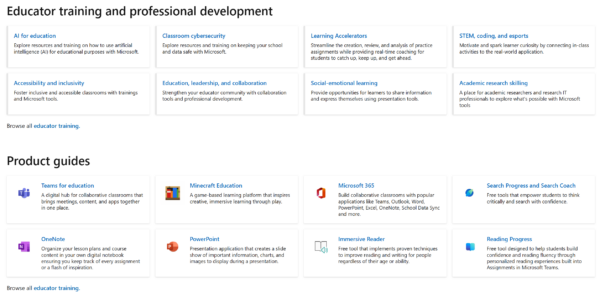
- Example: Microsoft’s Educator Center effectively combines training hubs with help content and community resources, creating a comprehensive support ecosystem interconnected through internal links.
-
On-Page Optimization:
- Intent-Based Keywords: Optimize titles, headings, meta descriptions, and body copy for the specific long-tail, intent-driven queries identified in Phase 1.
- Clear Headings (H1, H2, H3): Use a logical heading structure to improve readability and help search engines understand content hierarchy.
- Table of Contents: For longer articles, a clickable table of contents improves user experience and can sometimes appear as jump links in search results.
Phase 4: Measurement and Iteration
The success of post-conversion SEO extends beyond traditional traffic metrics. Key Performance Indicators (KPIs) should reflect user engagement and business impact:
- Support Ticket Deflection Rate: Measure the reduction in support inquiries related to topics covered by new or optimized content.
- Time on Page / Engagement Metrics: Track how long users spend on help articles and whether they interact with multimedia or internal links.
- Internal Search Success Rate: Monitor if users find what they are looking for through internal search, and if subsequent engagement improves.
- Feature Adoption Rates: For SaaS products, track if the usage of specific features increases after relevant guides are published.
- Customer Satisfaction Scores (CSAT) / Net Promoter Score (NPS): Observe if overall customer satisfaction or likelihood to recommend improves.
- Churn Rate Reduction: Directly correlate content efforts with a decrease in customer churn.
Regularly review these metrics to identify content gaps, improve existing resources, and refine the overall strategy. This iterative process ensures that the post-conversion content remains relevant, effective, and continuously optimized.
Broader Impact and Future Implications
Supporting existing users through SEO is not just a tactical advantage; it’s a fundamental pillar of modern business strategy.
- Brand Reputation and Authority: A brand that consistently provides helpful, accessible, and high-quality post-conversion content establishes itself as an authoritative, trustworthy resource, fostering stronger customer relationships and positive brand perception.
- Competitive Differentiation: In crowded markets, superior customer experience, driven in part by proactive content support, can be a significant differentiator, leading to sustained competitive advantage.
- Adaptation to Evolving Search Algorithms: Search engines like Google are increasingly focused on "helpful content" and user experience. Websites that provide comprehensive, valuable information throughout the customer journey are better positioned to rank well and withstand algorithmic updates.
- Integration with AI and Conversational Interfaces: As AI-powered chatbots and voice assistants become more prevalent, well-structured and clear help content will be crucial for populating these interfaces with accurate and relevant answers, further enhancing user support.
In conclusion, limiting SEO efforts to the initial customer acquisition phase is an outdated approach that leaves significant opportunities for growth and loyalty unaddressed. By embracing a holistic SEO strategy that extends into the post-conversion realm, businesses can empower their users, reduce friction, build enduring relationships, and unlock sustained organic growth. This requires a shift in mindset—from viewing conversion as the end goal to recognizing it as a pivotal moment for deeper engagement. Auditing existing post-conversion content, identifying user pain points, creating targeted solutions, and optimizing their discoverability through robust internal linking and technical SEO are not merely best practices; they are essential investments in long-term business success. SEO is not just about discovery; it’s about usability, confidence, and ensuring customers not only show up but choose to stay.