An innovative social-first campaign by Heinz is transforming the high-stakes drama of World Cup red cards into an opportunity for condiment indulgence, addressing a long-standing consumer frustration with insufficient product in single-serve sauce packets. Launched just as the tournament’s latter stages intensify, the "Heinz Penalty Packets" initiative cleverly leverages a universally recognized symbol of soccer’s disciplinary system to deliver more of the brand’s signature ketchup and mustard. This campaign, which includes social video, user-generated content, and creator collaborations, aims to maintain Heinz’s brand relevance during the global sporting event while reinforcing its commitment to the "Away From Home" food service sector.
The timing of this campaign coincides with a record-breaking World Cup for disciplinary actions. As of July 5, 2026, a remarkable 13 red cards had been issued, surpassing the combined total of the previous two tournaments (four in 2018 and four in 2022). These expulsions stem from a variety of offenses, ranging from unsportsmanlike conduct to serious foul play, with two yellow cards, serving as warnings for less severe infractions, cumulatively resulting in a red card. This heightened disciplinary intensity provides a fertile ground for Heinz’s campaign, which cleverly reappropriates the meaning of red and yellow cards from punishment to flavorful solutions.
Campaign Genesis: Addressing Consumer Pain Points and Soccer Culture
The core of the "Heinz Penalty Packets" campaign is a relatable consumer grievance: the inadequacy of traditional condiment packets. For years, fans and consumers have lamented the scant amount of sauce dispensed from these small sachets, often leaving burgers, hot dogs, and other stadium fare disappointingly dry. Heinz has ingeniously linked this issue to the high-octane environment of the World Cup, where a single referee’s decision can dramatically alter the course of a match.
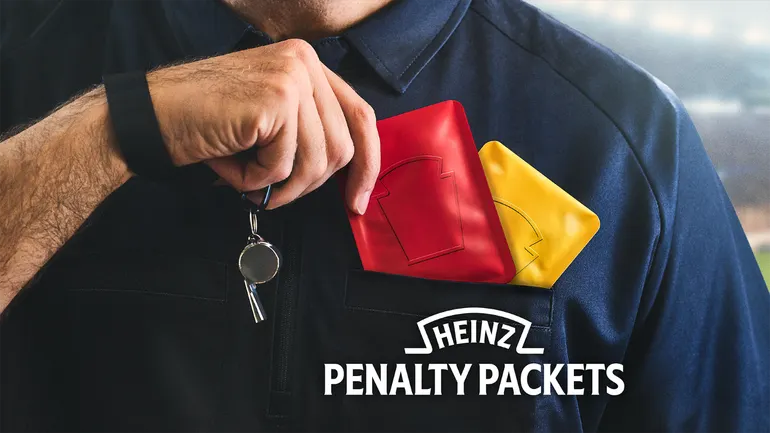
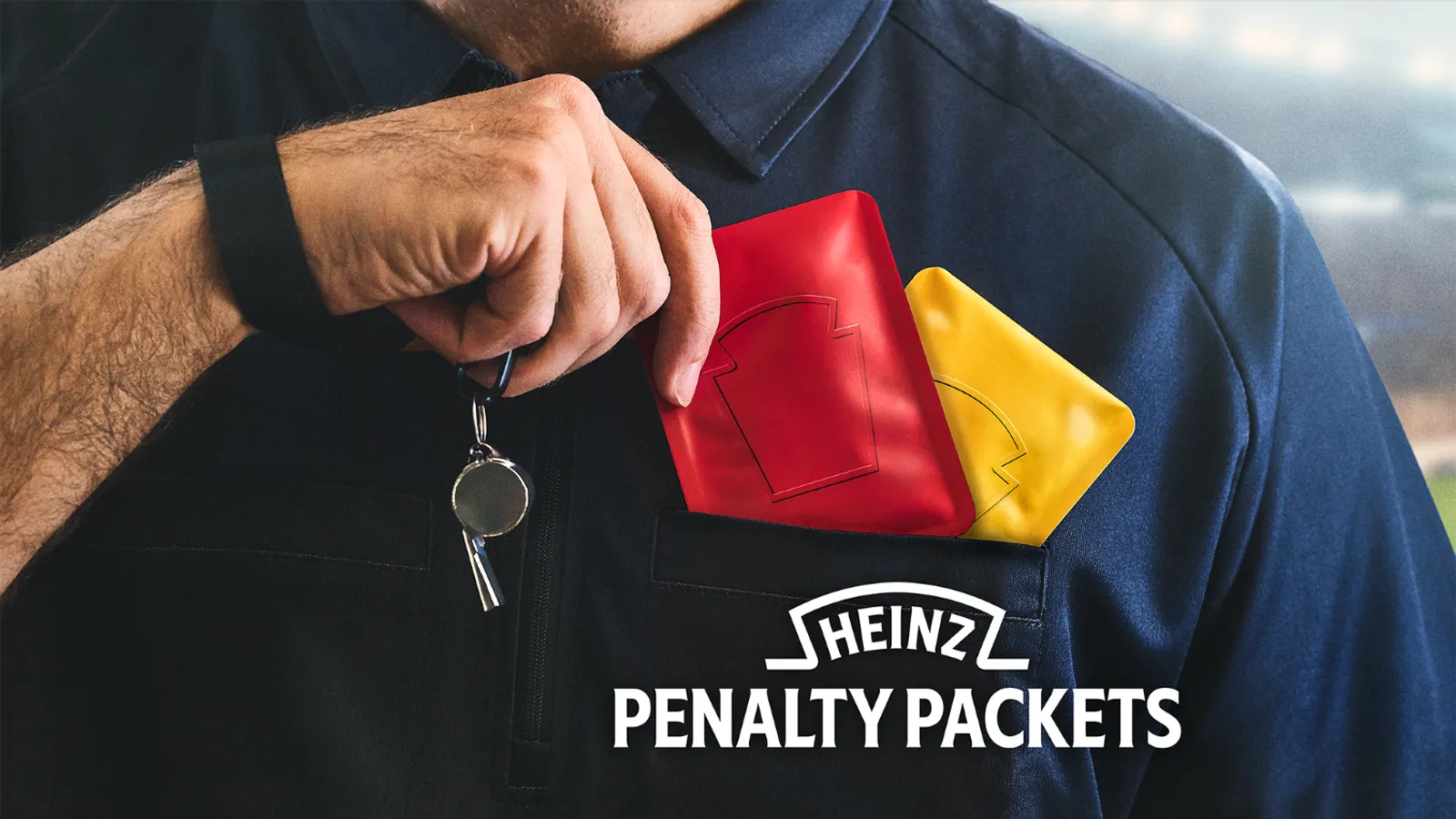
The campaign’s kickoff involved a compelling social video showcasing a series of unsauced foods. Viewers are then shown individuals mimicking referees, holding up red or yellow Heinz packets to their food before generously dispensing ketchup or mustard. This visual metaphor directly connects the "foul" of blandness with the "penalty" of insufficient sauce, offering Heinz packets as the immediate and satisfying resolution. The campaign actively encourages consumers to participate by sharing their own "penalty packet" moments using the hashtag #PenaltyPackets on social media platforms.
Simon Au, Executive Creative Director at The Kitchen, articulated the campaign’s intent: "In the world’s biggest game, red and yellow are synonymous with wrongdoing. We wanted to flip that meaning and Heinz Penalty Packets do just that. They’re the first-ever sauce packets that let fans call a foul on no flavor, and resolve it in real-time with more Heinz." This statement underscores the brand’s strategic pivot to not only acknowledge but also to creatively address a long-standing consumer frustration, framing it within the exciting context of the World Cup.
Strategic Sports Investments and the "Away From Home" Focus
Heinz’s foray into the World Cup campaign is not an isolated event but part of a broader strategic push into sports marketing. In March 2026, Kraft Heinz Company solidified its presence in the sports landscape by entering into a significant five-year partnership with the National Football League (NFL). This landmark deal established Heinz as the league’s first official condiment partner, signaling a deliberate effort to bolster its "Away From Home" food service business. This segment, which includes sales to restaurants, stadiums, and other foodservice providers, is crucial for the company’s growth strategy. By associating with major sporting events like the NFL and the World Cup, Heinz aims to embed its products within the fabric of fan experiences, increasing visibility and driving consumption in out-of-home settings.
The "Away From Home" sector has faced unique challenges and opportunities in recent years, with evolving consumer habits and the rise of delivery services. Strategic partnerships and innovative marketing campaigns like the "Penalty Packets" are designed to capture attention and reinforce brand loyalty in these high-volume consumption environments. The World Cup, with its immense global viewership, offers an unparalleled platform for such initiatives.

The "Heinz Penalty Packet" Product and its Unique Offering
The "Heinz Penalty Packets" are not merely a marketing gimmick; they are a limited-edition product designed to offer a tangible solution. Available for a restricted period through a dedicated microsite, each box is priced at $1.57. This seemingly arbitrary figure is a direct nod to the iconic "57" embossed on every Heinz bottle, a subtle yet effective branding element.
Each box contains one red packet and one yellow packet, mirroring the referee’s cards. Crucially, these packets are designed to dispense a more generous portion of sauce than standard single-serve sachets. Furthermore, the boxes include additional "normal-sized packets" which are ingeniously termed "substitutions." This nomenclature draws upon another common soccer term, referring to the player changes made during a match, adding another layer of thematic integration to the product. This thoughtful product design ensures that consumers not only engage with the campaign’s narrative but also receive a practical benefit – more sauce.
Navigating FIFA’s "Clean Stadium" Policy
Heinz’s presence at the World Cup, despite not being an official sponsor, has also been characterized by a playful defiance of FIFA’s strict "clean stadium" policy. This policy mandates that venues must cover or rename brands not officially affiliated with the tournament to avoid diluting the value of official sponsors. This has led to numerous instances of Heinz branding being taped over in stadiums, creating viral moments.
Heinz Canada, in particular, capitalized on this policy by sharing an image of its ketchup bottle branding deliberately obscured, humorously referring to itself as the "unofficial stadium ketchup." This tactic not only garnered significant social media attention but also demonstrated the brand’s agility in turning a potential negative into a positive marketing opportunity. By embracing the "underground" or "unofficial" status, Heinz managed to generate buzz and position itself as a relatable underdog, resonating with fans who might also feel the pinch of expensive official merchandise and concessions. This approach highlights a broader trend in modern marketing where brands can effectively engage audiences by subverting or playfully interacting with established rules and conventions.

Broader Context: The Balogun Controversy and Brand Presence
The "Heinz Penalty Packets" campaign gains additional relevance when viewed against specific on-field controversies. The recent controversy surrounding U.S. striker Folarin Balogun’s red card and subsequent potential suspension for the match against Belgium exemplifies the high stakes and emotional intensity of the tournament. Balogun was initially slated to miss the crucial match, but an intervention by the White House, which advocated for a review of the penalty, ultimately led to his suspension being lifted. Such events underscore how red cards can become major talking points, and Heinz’s campaign taps directly into this heightened awareness. By associating its product with the concept of a "penalty," Heinz positions itself at the forefront of these discussions, offering a lighthearted and satisfying counterpoint to the on-field drama.
Analysis and Implications
The "Heinz Penalty Packets" campaign is a masterclass in integrated marketing, blending product innovation, social media engagement, and strategic brand positioning. By cleverly linking a common consumer complaint to a highly visible global event, Heinz has created a memorable and shareable campaign. The success of this initiative can be attributed to several key factors:
- Relatability: The frustration with small condiment packets is a universal experience, making the campaign instantly relatable to a broad audience.
- Timeliness: Launching during the peak of the World Cup ensures maximum visibility and relevance.
- Creativity: The reinterpretation of red and yellow cards as a solution rather than a punishment is an ingenious creative twist.
- Interactivity: Encouraging user-generated content through the #PenaltyPackets hashtag fosters community and amplifies the campaign’s reach.
- Strategic Alignment: The campaign effectively supports Heinz’s broader objective of strengthening its "Away From Home" business and increasing its presence in sports-related consumption occasions.
Furthermore, the campaign demonstrates Heinz’s ability to navigate the complex landscape of sports sponsorship. While not an official FIFA partner, the brand has effectively carved out a significant presence through creative engagement and by playing on the established rules and narratives of the tournament. This approach not only generates buzz but also reinforces Heinz’s brand identity as fun, innovative, and responsive to consumer needs.
The long-term implications of this campaign could be significant. It sets a precedent for how brands can leverage cultural moments and consumer insights to create engaging and effective marketing initiatives. The "Heinz Penalty Packets" serve as a powerful example of how to turn a potential marketing challenge into a celebrated brand opportunity, ensuring that Heinz remains a top-of-mind condiment, even in the heat of global sporting competition. The campaign’s success will likely encourage other brands to explore similar innovative strategies that blend product utility with cultural relevance, further blurring the lines between traditional advertising and authentic consumer engagement. The ultimate victory for Heinz, however, lies in transforming a moment of sporting controversy into a moment of condiment satisfaction for millions of fans worldwide.