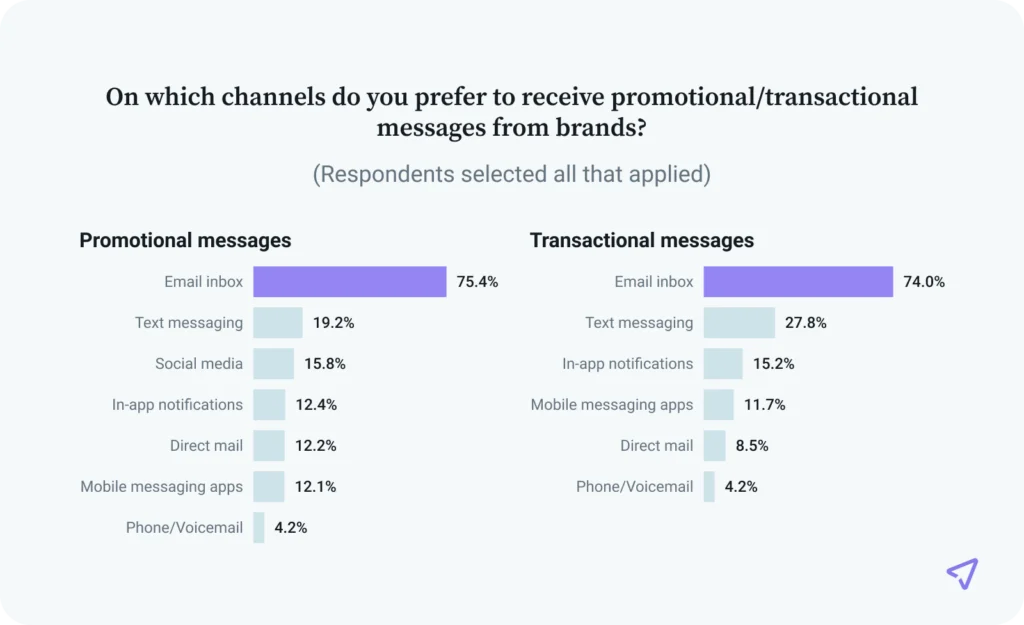
The Global Digital Marketing Alliance (GDMA), a leading international body comprising industry giants, marketing professionals, and technology innovators, today announced the official launch of its groundbreaking “Email Excellence Initiative 2027” (EEI-27). Unveiled at a highly anticipated press conference during the annual Global Digital Summit in Geneva, the new framework aims to establish stringent global benchmarks for data privacy, content authenticity, and user experience in email marketing. The comprehensive guidelines are expected to fundamentally reshape how businesses engage with their audiences via email, with full compliance targeted for the first quarter of 2027.
The EEI-27, a culmination of two years of intensive research, stakeholder consultations, and pilot programs, is designed to address the escalating challenges of consumer trust erosion, the proliferation of AI-generated content, and evolving global privacy regulations. Its core pillars include enhanced consent mechanisms, mandates for transparency regarding AI-driven content, and a renewed focus on measurable, value-driven user engagement. Industry analysts anticipate immediate reverberations across the digital marketing landscape, prompting a strategic pivot for marketers worldwide.
Background Context: Navigating a Shifting Digital Landscape
Email marketing, often hailed as the cornerstone of digital communication, has undergone significant transformations since its inception. From its early days as a direct advertising tool, it evolved into a sophisticated channel for building customer relationships, driving sales, and fostering brand loyalty. However, this growth has not been without its challenges. The pervasive issue of spam, coupled with growing concerns over data privacy, has incrementally eroded consumer trust. Landmark regulations such as Europe’s General Data Protection Regulation (GDPR) in 2018 and California’s Consumer Privacy Act (CCPA) in 2020 set precedents for data protection, forcing marketers to re-evaluate their practices. Yet, a patchwork of regional laws and varying industry standards left a gap for a cohesive, global approach.
The rapid advancement of artificial intelligence (AI) in content creation and personalization has introduced a new layer of complexity. While AI offers unprecedented opportunities for hyper-targeted campaigns and efficiency, it also presents risks related to content authenticity, potential biases, and the ease with which deceptive information can be generated. The past two years, in particular, have witnessed a noticeable uptick in sophisticated phishing attacks and AI-generated marketing content that blurs the lines between genuine communication and promotional material. This confluence of factors underscored the urgent need for a unified, proactive industry response, leading to the GDMA’s ambitious EEI-27. The initiative represents a significant move towards industry self-regulation, aiming to pre-empt more draconian governmental interventions that could stifle innovation.
Chronology of the Email Excellence Initiative 2027
The journey to the EEI-27 has been a meticulously planned, multi-stage process:
- Early 2024: Initial internal discussions within the GDMA’s executive board and ethics committee highlighted the growing fragmentation in email marketing standards and the emerging threats posed by AI. A consensus was reached that a comprehensive, global framework was imperative to safeguard the integrity of the channel.
- Late 2024: The GDMA officially announced the formation of a multi-stakeholder task force. This diverse group comprised representatives from leading email service providers (ESPs), major brands, consumer advocacy organizations, data privacy experts, and AI ethics researchers. Their mandate was to identify key challenges and propose preliminary solutions.
- Mid-2025: A detailed white paper, titled “Rebuilding Trust: A Vision for Future Email Engagement,” was released for public consultation. This document outlined the task force’s preliminary findings and proposed core principles for ethical email marketing. The GDMA received thousands of submissions from businesses, academics, and individuals worldwide, providing critical feedback.
- Late 2025 – Early 2026: Based on the extensive feedback, the task force refined the guidelines, addressing concerns about practical implementation, potential economic impacts, and technological feasibility. Pilot programs were initiated with a select group of companies across various sectors, allowing for real-world testing and iterative adjustments to the proposed standards. These pilots provided invaluable insights into the operational challenges and benefits of the new framework.
- July 5, 2026: The official launch of the EEI-27 at the Global Digital Summit. This formal unveiling signals the beginning of the industry-wide adoption phase, with detailed implementation guides and resources made available to all GDMA members and the broader marketing community.
- Q4 2026 – Q1 2027: Phased rollout and transition period for businesses to align their email marketing strategies and infrastructure with the new standards. The GDMA has indicated that full compliance will be expected by the end of Q1 2027, with ongoing monitoring and support mechanisms in place.
Key Pillars of EEI-27 and Supporting Data
The EEI-27 is built upon four foundational pillars designed to foster trust, transparency, and effectiveness in email communications:
Enhanced Consent and Data Privacy
This pillar moves beyond simple opt-in mechanisms, mandating more granular consent processes. Subscribers must now be given clear, easy-to-understand options regarding the types of content they wish to receive, the frequency of communications, and explicit information on how their data will be used and stored. Data minimization principles are emphasized, requiring marketers to collect only the data strictly necessary for the stated purpose.
Supporting Data: A 2025 GDMA consumer sentiment survey involving 25,000 global participants revealed that 78% felt existing consent mechanisms were inadequate, often leading to irrelevant or excessive communications. Furthermore, 65% of respondents admitted to abandoning a newsletter subscription or marking emails as spam due to unclear or seemingly exploitative data practices. The same survey indicated that consumers are 4x more likely to engage with emails where their preferences are clearly respected.
Content Authenticity and Transparency
Recognizing the rise of AI-generated content, this pillar introduces guidelines for disclosing when artificial intelligence has played a significant role in drafting or personalizing email content. It also establishes strict protocols to combat “deepfake” marketing and other forms of deceptive AI-generated material. The goal is to ensure that recipients can distinguish between human-crafted messages and AI-assisted communications, fostering genuine trust.
Supporting Data: Reports from cybersecurity firms collaborating with the GDMA indicated a 25% increase in highly sophisticated, AI-generated deceptive emails (including phishing attempts and misleading promotional content) in the first half of 2026 compared to the previous year. This rapid escalation underscored the critical need for content transparency. The initiative also aims to encourage the use of AI as a tool for enrichment rather than deception, aligning with best practices for creating compelling content, as highlighted in previous industry analyses of “The Anatomy of a Good Email.”
User Experience and Engagement Metrics
This pillar shifts the focus from purely quantitative metrics (like send volume) to qualitative indicators of user engagement and satisfaction. Marketers are encouraged to prioritize value-driven content, offer easy options for adjusting communication frequency, and adhere to universal design principles for accessibility. The initiative advocates for a move away from aggressive, high-volume sending strategies towards more thoughtful, segmented approaches that truly resonate with the recipient. This includes optimizing calls-to-action (CTAs) for clarity and relevance, a topic extensively covered in guides to “A Strategic Guide to Calls-to-Action (CTAs) in Email Marketing: Best Practices for Success.”
Supporting Data: Industry data collected by the GDMA showed that average email open rates have stagnated at 20-25% globally over the last three years, with click-through rates (CTRs) experiencing a slight but steady decline from an average of 3% to 2.5%. Conversely, highly personalized and segmented campaigns that focused on providing genuine value demonstrated up to a 20% higher engagement rate and a 15% increase in conversion rates. The EEI-27 specifically encourages the strategic use of engaging elements like “How to Create & Add an Animated GIF to an Email” and “How to Create an ‘Add to Calendar’ Link for Your Emails” when they genuinely enhance the user experience and provide value, rather than being used merely as gimmicks.
Enhanced Security Protocols
The EEI-27 mandates the adoption of advanced security measures for all email marketing platforms and practices. This includes robust email authentication standards (e.g., DMARC, DKIM, SPF), end-to-end encryption for sensitive data, and regular security audits. The aim is to protect both sender and recipient from cyber threats, ensuring the integrity and confidentiality of email communications.
Supporting Data: A 2025 GDMA cybersecurity report revealed that over 40% of email-related data breaches in the past year could have been prevented with stronger authentication and encryption protocols. The cost of such breaches to businesses and consumer trust underscored the economic imperative for heightened security.
Statements and Reactions
The announcement of the EEI-27 has elicited a range of responses from across the digital ecosystem.
Dr. Evelyn Reed, Head of Digital Ethics at the GDMA, spoke passionately about the initiative’s vision: “This is not about stifling innovation or imposing unnecessary burdens; it is about fostering a sustainable, trustworthy email ecosystem for the next decade and beyond. We believe that by setting clear, ethical guidelines, we empower businesses to build deeper, more meaningful relationships with their customers. This proactive stance ensures that email remains a powerful and respected channel in an increasingly complex digital world, ultimately boosting ‘The ROI of Email Marketing’ for all.”
Sarah Chen, CEO of ConnectFlow Solutions, a leading global Email Service Provider (ESP), expressed strong support: “The EEI-27 provides a much-needed roadmap for responsible growth in email marketing. At ConnectFlow, we have already begun integrating these principles into our platform development, offering new tools for granular consent management and AI content verification. This framework will undoubtedly raise the bar for the entire industry, pushing us all towards more transparent and effective ‘Commercial Email’ practices.”
Mr. Alan Davies, spokesperson for Digital Rights Now, a prominent consumer advocacy group, offered cautious optimism: “While we welcome the GDMA’s initiative, the true test will be in its enforcement and universal adoption. The onus is now squarely on the industry to demonstrate its commitment to these principles. We will be closely monitoring compliance and continue to advocate for robust consumer protections, ensuring that ‘Email Excellence’ translates into real benefits for individuals, not just marketers.”
Maria Rodriguez, founder of Artisan Crafts Co., a small e-commerce business, voiced some practical concerns: “As a small business owner, the thought of new compliance requirements can be daunting, especially concerning the costs of adapting our current email systems. However, I understand the long-term benefits of improved customer trust. If these standards lead to more engaged subscribers and fewer complaints, the investment will be worth it.”
Broader Impact and Implications
The EEI-27 is poised to usher in a new era for digital marketing, with far-reaching implications:
- For Marketers: A significant shift from volume-based strategies to value-driven, permission-based marketing is anticipated. This will necessitate greater investment in audience segmentation, content personalization, and ethical AI tools. Companies will need to prioritize training for their marketing teams on the new guidelines, potentially redefining what constitutes “The Anatomy of a Good Email.” While there might be an initial dip in marketing spend as companies adapt, the long-term potential for increased ROI through enhanced customer trust and engagement is substantial.
- For Consumers: The initiative promises a vastly improved inbox experience. Recipients can expect fewer unsolicited emails, greater control over their data, and more relevant, transparent communications. This could lead to a significant reduction in digital fatigue and a renewed sense of trust in brand communications.
- For Technology Providers: The demand for new and enhanced email marketing platforms will surge. ESPs will need to develop sophisticated tools for granular consent management, AI content disclosure, advanced analytics that measure qualitative engagement, and robust security features. This could spark a wave of innovation in marketing technology.
- For the Regulatory Landscape: The GDMA’s proactive self-regulation could set a powerful precedent for other digital marketing channels. By demonstrating a strong commitment to ethical practices, the industry might successfully stave off more aggressive governmental regulations that could otherwise be fragmented and challenging to navigate globally.
- Economic Impact: While an initial period of adjustment and investment in compliance tools may lead to some short-term costs, the long-term economic impact is expected to be positive. By rebuilding trust and improving engagement, businesses can cultivate more loyal customer bases, leading to sustained growth and a healthier digital economy, directly impacting the overall “ROI of Email Marketing.”
The Road Ahead
The launch of the EEI-27 marks a critical juncture for the digital marketing industry. The GDMA has committed to ongoing monitoring of compliance, regular reviews of the standards to adapt to technological advancements, and continued dialogue with all stakeholders. The challenge now lies in ensuring widespread adoption and consistent application across diverse markets and regulatory environments. The success of the Email Excellence Initiative 2027 will ultimately depend on the collective commitment of the industry to prioritize ethical engagement, consumer trust, and genuine value in the digital age.