SMS marketing has emerged as a critical, high-return-on-investment (ROI) channel for e-commerce brands seeking direct and immediate customer engagement. The efficacy of this channel, however, hinges on the meticulous application of proven methodologies known as SMS marketing best practices. These encompass five foundational pillars: stringent consent collection and compliance, strategic subscriber list growth, crafting effective and compelling copy, establishing robust automation flows, and diligent performance tracking and optimization.
The Evolving Landscape of Mobile Commerce and SMS Integration
The proliferation of smartphones and the pervasive nature of mobile communication have fundamentally reshaped consumer behavior. Today’s customers expect instant access to information, personalized experiences, and direct communication from their preferred brands. In this environment, SMS marketing offers an unparalleled direct line to consumers, bypassing crowded email inboxes and social media algorithms. Its immediacy and near-universal open rates (often cited at 98%) make it an indispensable tool for e-commerce.
Initially, SMS marketing was largely a supplementary channel, often used for transactional alerts. However, as mobile commerce matured, brands recognized its potential for promotional activities, customer service, and building loyalty. This shift necessitated a more structured approach, leading to the development of industry best practices that balance aggressive marketing with consumer privacy and regulatory adherence. The integration of SMS with platforms like Shopify and WooCommerce has further democratized access to this powerful tool, allowing businesses of all sizes to leverage its capabilities.
Navigating the Regulatory Maze: Compliance and Consent as Foundation
At the core of any successful SMS marketing strategy is an unwavering commitment to legal compliance and explicit customer consent. The regulatory landscape governing mobile messaging is complex and varies by region, carrying significant penalties for non-adherence. Establishing trust with subscribers begins by respecting their privacy and ensuring all communications are solicited.
-
TCPA and FCC Oversight (United States):
The Telephone Consumer Protection Act (TCPA) in the United States is a cornerstone of SMS marketing regulation, enforced by the Federal Communications Commission (FCC). It mandates explicit opt-in consent from consumers before sending any marketing text messages. A TCPA violation can result in severe fines, ranging from $500 to $1,500 per unsolicited message. The gravity of these violations is underscored by multi-million-dollar class-action settlements, such as the $1,994,123 settlement in Geaslin v. Colony Ridge Development LLC in 2025.
Opt-in consent can be collected via single opt-in (where a user is added upon submitting their number) or double opt-in (requiring a confirmation reply like “YES”). While some platforms like Omnisend may not automate double opt-in for SMS, brands can manually integrate this step into welcome flows. Crucially, compliant opt-in confirmation messages must clearly state the brand name, confirm subscription, inform about message frequency and data rates, and provide clear opt-out instructions (e.g., “Reply STOP to unsubscribe”). Furthermore, TCPA rules specify “quiet hours,” limiting promotional SMS to between 8 AM and 9 PM in the recipient’s local time zone, a critical consideration for national campaigns. -
10DLC Registration for A2P Messaging (United States):
A significant development in US SMS regulation came in 2023 with the mandatory registration of 10-digit long codes (10DLC) for Application-to-Person (A2P) messaging. Major US carriers, including AT&T, Verizon, and T-Mobile, now require businesses to register their 10DLC numbers through The Campaign Registry (TCR). This involves submitting detailed business and campaign information. Failure to register can lead to severe consequences, including messages being filtered to spam folders or blocked entirely, directly impacting delivery rates and, consequently, revenue. The registration process, managed through a Campaign Service Provider (CSP) dashboard, ensures legitimate businesses can reliably reach their audience. -
International Compliance: GDPR (EU/UK) and CASL (Canada):
For e-commerce brands operating internationally, additional regulations apply. The General Data Protection Regulation (GDPR) in the EU and UK demands a legal basis for processing customer data for SMS marketing, predominantly requiring explicit consent. Brands must maintain proof of consent and facilitate customers’ right to data deletion. GDPR violations are steep, potentially reaching €10 million or 2% of global annual revenue.
In Canada, the Anti-Spam Legislation (CASL) also requires consent before sending SMS. This can be express consent (e.g., direct opt-in) or implied consent, based on an existing relationship (e.g., a recent purchase or loyalty program membership). Implied consent typically has a time limit, such as two years post-purchase. Adhering to these regulations is not merely a legal obligation but a cornerstone of building international brand trust and market access. -
Implications: The implications of non-compliance are multifaceted, encompassing substantial legal penalties, reputational damage, and diminished SMS delivery. By prioritizing compliance, e-commerce brands establish a foundation of trust, enhancing customer relationships and ensuring the long-term viability of their SMS programs.
Cultivating a High-Value Subscriber Base: Strategic List Growth
Once the compliance framework is established, the next imperative is to strategically build a subscriber list comprised of highly engaged customers. Moving beyond rudimentary signup forms, modern e-commerce strategies integrate opt-in opportunities at various high-intent touchpoints within the customer journey.
-
Leveraging Checkout and Post-Purchase Opt-ins:
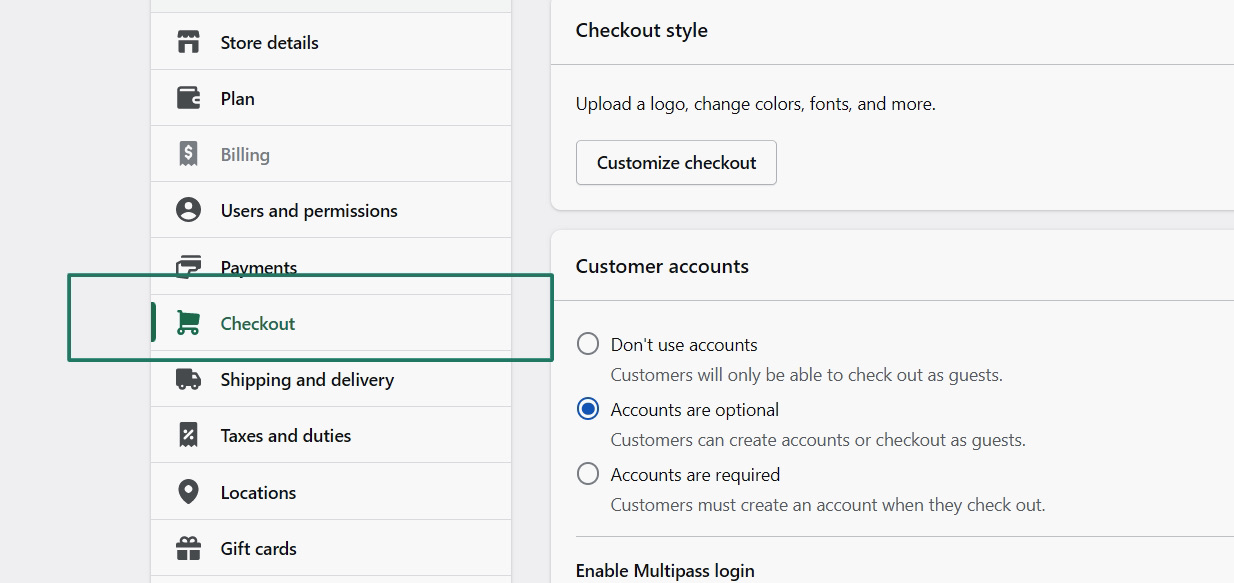
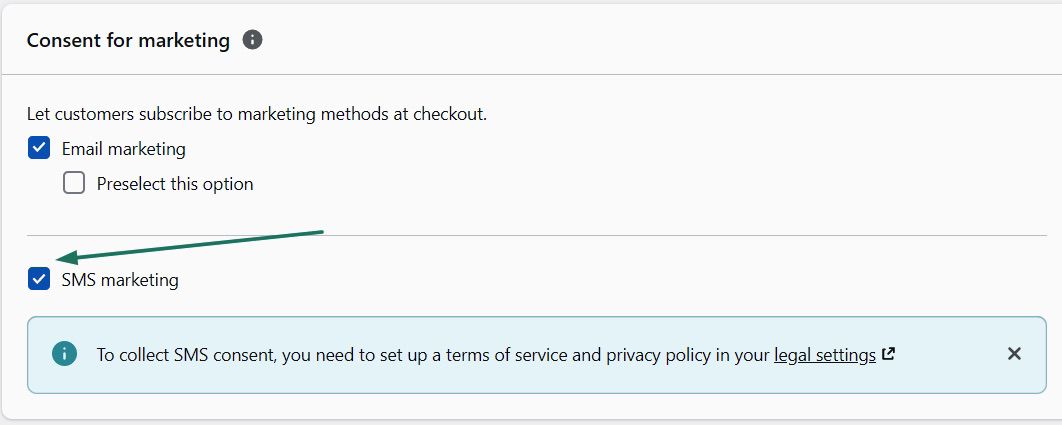
Some of the most effective moments for capturing SMS subscribers occur during and immediately after the checkout process. At these stages, customers have already demonstrated strong interest in the brand. Shopify’s native SMS opt-in feature, accessible viaSettings > Checkout > Consent for marketing, allows merchants to enable an SMS marketing checkbox. Similarly, WooCommerce store owners can utilize plugins like Omnisend to integrate opt-in checkboxes directly into their checkout pages. Data from Dataships highlights the value of these subscribers, showing that SMS subscribers can have a $54 higher Customer Lifetime Value (CLV) than non-subscribers, underscoring the long-term benefit of acquiring subscribers at these high-intent moments. Post-purchase opt-in messages, sent immediately after a transaction, can further capitalize on customer satisfaction to encourage future engagement. -
Integrating SMS into Pop-ups and Loyalty Programs:
Dual opt-in strategies, combining email and SMS subscription within a single website popup, efficiently expand marketing reach across multiple channels. Tools like Omnisend’s form builder allow for easy drag-and-drop integration of phone number fields into existing pop-ups. To incentivize sign-ups, integrating loyalty program rewards directly into pop-ups proves highly effective. According to Loyalty Lion, 59% of consumers are more likely to join a loyalty program, making it a potent channel for SMS list growth. An example might be “Join SMS & earn 100 points,” clearly linking subscription to tangible benefits. -
Offline-to-Online Bridge: QR Codes and Keyword Opt-ins:
SMS list growth isn’t confined to digital channels. QR codes, strategically placed on product packaging, shipping inserts, or in-store signage, provide a seamless bridge from physical touchpoints to online engagement. The success of Capri Sun, which garnered over 28,000 entries by using QR codes on packaging for a prize draw, illustrates this potential. Similarly, keyword opt-ins (e.g., “Text JOIN to 12345”) offer a simple, memorable way for customers to subscribe. When promoting these, brands must consistently include TCPA disclosure text, detailing message types, frequency, and opt-out instructions. -
Implications: A multi-pronged approach to list growth ensures a steady influx of engaged, high-intent subscribers. This strategic acquisition directly translates into higher open rates, click-through rates, and ultimately, increased conversions, forming the bedrock of a profitable SMS program.
Crafting Compelling Messages: Copywriting for Conversion
The content of an SMS message is paramount to its success. Effective copywriting ensures messages are not only opened but also drive desired actions, all while adhering to technical limitations and avoiding spam filters.
-
Adhering to Character Limits for Optimal Delivery:
Standard SMS messages are limited to 160 characters. Exceeding this limit results in messages being split into multiple segments, increasing costs and potentially fragmenting the user experience. Long URLs, in particular, can consume significant character space. Data from DM Text indicates that messages between 120-160 characters achieve a 24.3% CTR, outperforming longer messages (19.6% for 160-320 characters). An effective e-commerce SMS often follows a concise formula: Brand ID + Offer + CTA + Link + Opt-out, aiming for around 155 characters. For example, transforming “Hey Jane! Our mid-season sale is officially here. We love our customers, so we are giving you 20% off all new arrivals for the next 48 hours. You don’t want to miss this! Click here to shop now: brand.com/sale Reply STOP to opt out.” (231 characters) to “Hey Jane! Lush Label’s mid-season sale is live. Get 20% off all new arrivals for the next 48 hours only. Shop now: brand.com/sale Reply STOP to opt out.” (152 characters) demonstrates this efficiency. -
Prioritizing Value and Personalization:
Leading with the value proposition is crucial. Instead of starting with a generic brand name, opening with an offer, discount, or direct benefit immediately captures attention. Personalization, such as including the recipient’s name or referencing previously viewed products, significantly enhances relevance. Deloitte research indicates that three out of four customers are more likely to purchase from brands employing personalization, and they tend to spend 37% more. This transforms a generic message like “Brand Name: Flash sale now on!” into a compelling “Hey [Name]! Get 20% off all new arrivals for 48 hours only. Shop now: [Link].” -
Single, Specific Calls to Action (CTAs):
Each SMS should contain one clear, unambiguous Call to Action (CTA). Multiple CTAs can overwhelm recipients, leading to inaction. Specific CTAs, such as “Shop the sale” or “Claim your 20% off,” are more effective than generic phrases like “Click here,” as they clearly communicate the immediate benefit and next step. The CTA should always align with the message’s purpose, whether it’s “Get 15% off” for a welcome message or “Complete your order” for an abandoned cart reminder. -
Avoiding Spam Triggers and Maintaining Sender Reputation:
Mobile carriers actively filter text messages for suspicious content and sending behavior. Elements like excessive use of ALL CAPS, repetitive punctuation, suspicious links, or sudden spikes in sending volume can trigger these filters, leading to messages being blocked or diverted to spam. Consistent adherence to best practices in content and sending frequency is vital for maintaining a positive sender reputation, which is built over time through user engagement and low complaint/unsubscribe rates. -
Strategic Use of MMS for Visual Impact:
While SMS is text-only, MMS (Multimedia Messaging Service) allows for the inclusion of images, GIFs, and videos, supporting up to 1,600 characters. Although MMS messages typically cost three times more than SMS, their visual appeal can significantly boost conversions when used judiciously. MMS is ideal for product launches, seasonal campaigns (e.g., Black Friday sales), and back-in-stock alerts, where a visual directly enhances the message’s impact. For transactional alerts or simple reminders where visuals aren’t critical, SMS remains the more cost-effective choice. -
Implications: Masterful copywriting is an art and a science. By adhering to character limits, prioritizing value, using clear CTAs, avoiding spam triggers, and strategically deploying MMS, e-commerce brands can significantly elevate engagement and conversion rates, ensuring every message sent yields maximum return.
Automating the Customer Journey: High-ROI SMS Flows
Automated SMS flows are the engine of a high-performing SMS marketing strategy, enabling timely, personalized, and scalable communication throughout the customer lifecycle. These sequences, often triggered by specific customer behaviors, consistently outperform one-off promotional campaigns in terms of conversion and revenue.
-
Welcome Series: Immediate Engagement and Brand Introduction:
The welcome series is a critical first impression, ideally delivered immediately or within 15 minutes of a new subscriber opting in. Omnisend data indicates SMS automations, including welcome series, boast a 98% open rate and a 0.77% conversion rate, generating an average of $0.74 per send. A typical sequence might include an initial discount offer, followed by a brand story teaser (24 hours later) to build trust, and a preference capture message (72 hours later) to facilitate future personalization. -
Abandoned Cart Recovery: Capturing Lost Revenue:
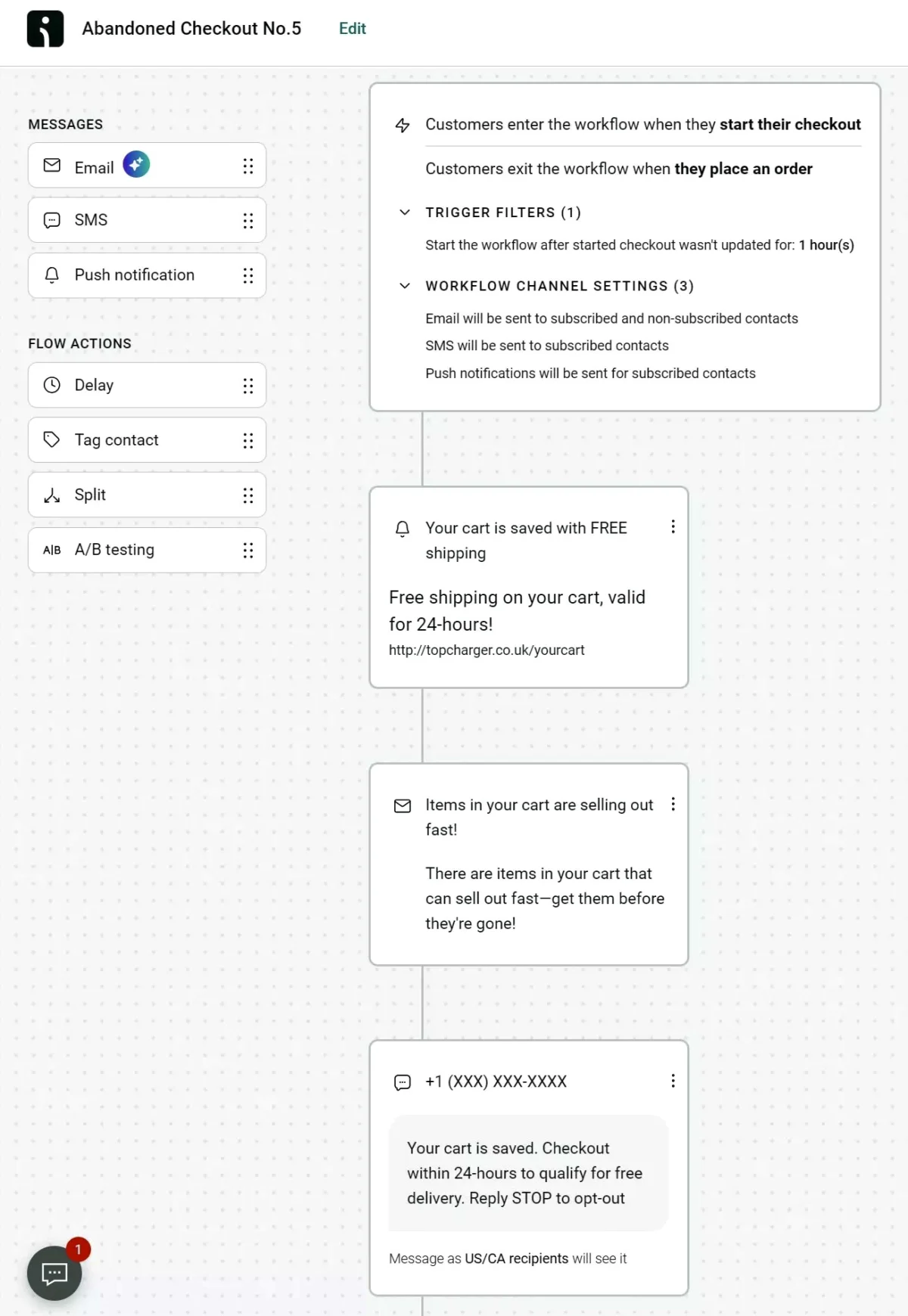
Recognized as one of the highest-ROI automations in e-commerce, abandoned cart recovery targets shoppers who have shown strong intent by adding items to their cart but not completing the purchase. Sending an initial reminder within an hour, followed by a second message 24 hours later (perhaps highlighting customer reviews or free shipping), and a final urgency message (e.g., low stock, incentive) after 48 hours, proves highly effective. Vite Mobile reports an average conversion rate of 10.7% for cart abandonment SMS, potentially rising to 15-18% when sent within one hour, with an average revenue of $3.45 per message. Divatress, using Omnisend’s workflow, achieved a 29% conversion rate. -
Post-Purchase Flows: Building Loyalty and Encouraging Repurchase:
Automated post-purchase SMS sequences are vital for nurturing customer relationships and fostering repeat business. These messages can include requests for product reviews (7-14 days post-delivery), replenishment reminders for consumable products (timed to typical usage cycles), and invitations to loyalty programs (immediately after purchase). Vite Mobile data shows post-purchase SMS, such as loyalty rewards, have a 7.9% conversion rate and generate $2.84 per message. Smoothiee’s replenishment reminder with a limited-time offer exemplifies effective post-purchase engagement. -
Browse Abandonment and Back-in-Stock Alerts: Re-engaging Intent:
Browse abandonment messages target shoppers who viewed products but didn’t add them to their cart, typically sent 30-60 minutes after viewing. These messages often include a product image, name, link, or a small discount. Postscript data indicates CTRs of 7.38-13.65% and average revenue of $0.93-$2.85 per message for these automations. Back-in-stock alerts capitalize on existing demand by notifying customers when previously unavailable items return, often incorporating urgency cues like “limited stock,” as seen in Fenty’s example for a perfume restock. -
Winback Flows: Re-activating Lapsed Customers:
Winback messages target “lapsed” customers—those who haven’t purchased or engaged in 90-180 days. Before removing these subscribers for list hygiene, a winback sequence can attempt to re-engage them, typically with a more substantial incentive (e.g., 25%+ off) than standard promotional offers. While Omnisend reports a lower conversion rate for winback messages (0.4-1.6%) due to targeting inactive subscribers, recovering even a small segment of these customers can yield significant lost revenue. If re-engagement fails, removing inactive subscribers is crucial to protect sender reputation and delivery rates. -
Implications: Automated SMS flows are not merely about sending messages; they are about orchestrating a personalized, timely, and relevant customer journey at scale. By leveraging these strategic automations, e-commerce businesses can significantly enhance customer loyalty, drive repeat purchases, and consistently generate revenue.
Analytical Prowess: Measuring and Optimizing SMS Performance
Effective SMS marketing is an iterative process, demanding continuous measurement, analysis, and optimization. Tracking key metrics and conducting A/B tests are fundamental to refining strategies and maximizing ROI.
-
Key Metrics for E-commerce SMS Programs:
Every e-commerce store must track four core metrics:- Delivery Rate: Measures the percentage of messages successfully delivered. A healthy benchmark is 98% or higher (Omnisend). Rates below this may indicate poor list hygiene, necessitating regular removal of inactive subscribers.
- Click-Through Rate (CTR): Indicates the percentage of recipients who click a link within the message. Promotional SMS typically sees 3.8-6% CTR, while automated flows often achieve 10-14% (Omnisend data), reflecting higher relevance.
- Conversion Rate: Measures how many recipients complete a purchase after clicking an SMS link. Omnisend reports 0.77% for SMS automations and 0.12% for campaigns. Accurate attribution is crucial, linking sales directly to specific SMS engagement within a defined timeframe.
- Unsubscribe Rate: Shows the percentage of subscribers who opt out. While rates under 3.5% are generally acceptable, Omnisend considers below 0.3% healthy. A rate exceeding 2% often signals a “segmentation crisis,” where messages are not relevant to the audience.
-
Benchmarking Against Industry Standards:
Understanding industry benchmarks provides a vital context for evaluating campaign performance. Comparing internal metrics against averages for open rates, CTRs, and conversion rates across different flow types (welcome, abandoned cart, post-purchase, etc.) allows brands to identify areas for improvement and set realistic goals.
| Flow Type | Average Open Rate | Average CTR | Average Conversion Rate | Omnisend Platform Average (Overall) |
|---|---|---|---|---|
| Welcome Series | 98% | 10.85% | 5.4% | SMS automation conversion rate is 0.77% |
| Abandoned Cart | 95% – 98% | 17.28% | 10.7% | |
| Post-purchase | 98% | 14.26% | 1.51% | |
| Browse Abandonment | 98% | 13.65% | 2.38% | |
| Back-in-stock | 98% | 58.70% | 13.80% | |
| Winback | 98% | 6.36% | 2.1% | |
| Promotional Blast | 98% | 8.01% | 3.81% | Campaign conversion rate is 0.12% |
Source: Omnisend 2026 e-commerce marketing report, Postscript SMS benchmarks, ViteMobile SMS benchmarks.
-
A/B Testing for Continuous Improvement:
A/B testing involves sending two variations of a message to different, evenly split segments of an audience to determine which performs better. The cardinal rule of A/B testing is to change only one variable at a time (e.g., send time, copy, or CTA) to isolate the impact. For instance, testing two CTA variations—”Shop now: [link]” versus “Claim your discount: [link]”—in a flash sale campaign can reveal which phrasing drives more clicks and conversions, allowing the winning variation to be sent to the wider audience. -
Implications: A data-driven approach to SMS marketing ensures strategies are continuously refined. By closely monitoring metrics, benchmarking against industry standards, and systematically A/B testing, e-commerce brands can optimize their campaigns, reduce unsubscribe rates, and maximize their return on investment over time.
Conclusion
SMS marketing best practices represent a comprehensive framework for e-commerce brands to unlock the full potential of mobile engagement. By meticulously adhering to legal compliance, strategically growing an engaged subscriber list, crafting compelling and concise messages, leveraging intelligent automation flows, and committing to continuous performance measurement and optimization, businesses can transform their SMS programs into powerful revenue drivers.
The essence of effective SMS marketing lies not in the volume of messages sent, but in the precision of delivery—sending the right message to the right subscriber at the most opportune moment within their customer journey. In 2026, SMS marketing continues to offer one of the highest ROIs for Shopify and WooCommerce store owners. E-commerce brands that integrate email and SMS, using platforms like Omnisend, reportedly see an average return of $79 for every dollar spent, solidifying SMS as an indispensable component of a modern, multi-channel marketing strategy.
FAQ
-
What are SMS marketing best practices?
SMS marketing best practices are proven methods for e-commerce brands to enhance SMS performance, encompassing consent collection, list building, clear copywriting, automation flows, and performance tracking. -
How often should I send marketing texts to my customers?
Typically, two to four promotional SMS messages per month are recommended. Automated messages can be sent more frequently as they are triggered by specific customer actions like sign-ups, purchases, or cart activity. -
What is the best time to send SMS marketing messages?
Under TCPA rules, marketing messages should be sent between 8 AM and 9 PM local time. The FTSA (Florida) has a stricter window, allowing messages only from 8 AM to 8 PM. These regulations aim to prevent disruptive early morning or late-night communications. -
How do I stay compliant with SMS marketing laws?
To ensure compliance, collect explicit opt-in consent, adhere to TCPA rules (US), register 10DLC numbers (US), and comply with GDPR (EU/UK) or CASL (Canada) laws for international customers. Always include clear opt-out instructions in every message. -
What metrics should I track for SMS marketing?
Essential metrics include delivery rate (messages reaching phones), click-through rate (clicks on links), conversion rate (purchases after clicks), and unsubscribe rate (opt-outs). Tracking these provides a comprehensive view of campaign effectiveness. -
How do I reduce my SMS unsubscribe rate?
Reduce unsubscribe rates by controlling sending frequency (e.g., 2-4 promotional messages/month), respecting quiet hours (8 AM-9 PM), and segmenting your audience based on behavior or preferences to increase message relevance. -
How do I build an SMS subscriber list for my e-commerce store?
Build your list using checkout opt-ins, website pop-ups, loyalty programs, QR codes on product packaging, and post-purchase sign-ups. These methods attract engaged subscribers who are more likely to convert.