In an increasingly cluttered digital landscape, where consumers are bombarded with information and wary of unsolicited messages, the emergence of Branded SMS represents a pivotal shift in how businesses connect with their audience. This innovative messaging method replaces generic, often suspicious-looking phone numbers with a recognizable brand name in the sender field, fundamentally transforming the recipient’s perception of the message. By fostering instant recognition and trust, Branded SMS is not merely a cosmetic change but a strategic imperative for companies aiming to boost open rates, improve conversion metrics, and cultivate stronger customer relationships in a globalized market.
The Evolution of SMS Marketing and the Imperative for Trust
The journey of SMS from a simple peer-to-peer communication tool to a powerful marketing channel has been fraught with challenges. Early commercial SMS efforts, which gained traction in the early to mid-2000s, often relied on standard long codes (regular 10-digit phone numbers) or shared short codes (5- or 6-digit numbers shared by multiple businesses). While these methods were functional for mass communication, they lacked a distinct sender identity. This anonymity quickly became a double-edged sword: it allowed for broad reach but also opened the floodgates to spam, phishing attempts, and unsolicited advertisements.
Consumers grew increasingly skeptical of messages from unknown numbers, often deleting them unread or, worse, reporting them as spam. This erosion of trust posed a significant hurdle for legitimate businesses attempting to engage with their customer base, diminishing the effectiveness of an otherwise highly direct and immediate communication channel. The need for a solution that could differentiate legitimate business communications from fraudulent or unwanted messages became paramount. This pressing need for sender authentication and consumer confidence ultimately paved the way for the widespread adoption of alphanumeric sender IDs, laying the groundwork for Branded SMS as we know it today.
Deconstructing Branded SMS: Mechanics and Advantages
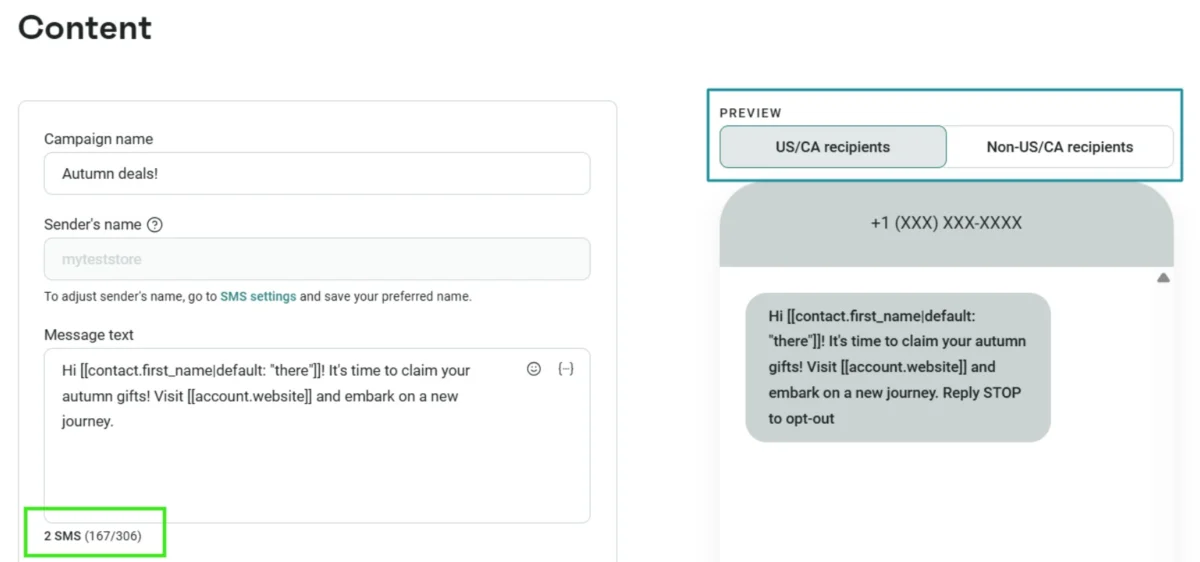
At its core, Branded SMS leverages an alphanumeric sender ID, a custom text string that replaces the traditional numerical sender identification. When a business dispatches a message via a specialized branded SMS gateway, the network carrier intercepts the originating phone number. Instead of passing on a sequence of digits like “+15551234567,” it substitutes this with the pre-registered brand name, such as “OMNISEND” or “YourBrandName.” This seemingly minor technical adjustment yields profound benefits that are critical for modern digital marketing:
- Instant Recognition: Recipients immediately see who the message is from, reducing uncertainty and significantly increasing the likelihood of opening.
- Enhanced Trust and Credibility: A familiar brand name instills confidence, immediately differentiating the message from potential spam or phishing attempts. This psychological impact is crucial in an era where consumers are increasingly wary of unsolicited digital communications.
- Improved Open and Click-Through Rates: With trust established, messages are demonstrably more likely to be opened and read. Industry benchmarks, such as those indicating a staggering 98% open rate for SMS, are further bolstered by the clarity and authenticity provided by a branded sender. Furthermore, a 2025 analysis of over 246 million SMS campaign sends and 20 million SMS automation sends across more than 27,000 brands revealed a robust SMS deliverability rate of 96.6% and an impressive 12.39% click-through rate (CTR). These figures underscore the channel’s potency, which is significantly amplified when coupled with a clear, branded sender identity.
- Brand Reinforcement: Every message serves as a micro-impression, reinforcing brand presence, professionalism, and commitment to transparent communication.
This method is particularly suited for one-way communications where a direct reply from the customer isn’t expected or required. Such use cases include transactional updates, promotional alerts, shipping notifications, delivery confirmations, and password resets. The efficiency of a one-way communication channel for these specific purposes makes Branded SMS an invaluable tool for operational clarity and customer satisfaction.
Branded SMS vs. Standard SMS: A Strategic Comparison
While both Branded SMS and Standard SMS utilize the same underlying mobile network infrastructure, their operational characteristics and strategic applications diverge significantly. Understanding these differences is crucial for businesses to tailor their SMS marketing strategies effectively:
| Feature | Branded SMS (Alphanumeric ID) | Standard SMS (Phone Number) |
|---|---|---|
| Sender Display | Custom brand name (e.g., OMNISEND, YourShop) | Long code (10-digit), short code (5-6 digit), or toll-free number |
| Reply Capability | One-way only (no direct replies) | Two-way capable (recipients can text back) |
| Trust & Recognition | Instantaneous, high credibility | Variable; can appear as spam if unrecognized, lower initial trust |
| Geographic Support | Widely supported in EU, UK, APAC; blocked in US/Canada | Universally supported globally |
| Primary Use Case | One-way alerts, flash sales, shipping updates, reminders | Customer support, conversational marketing, interactive polls, opt-in/out |
| Registration | Often required, varies by country | Mandatory registration (e.g., 10DLC in US, short code leasing) |
The choice between branded and standard SMS is not mutually exclusive but rather complementary. For transactional alerts, promotions, and time-sensitive notifications, Branded SMS excels in its clarity and efficiency. However, for customer service interactions, surveys, or any scenario requiring a two-way dialogue, standard numbers remain indispensable. A comprehensive SMS strategy often involves leveraging both, deploying each type for its optimal use case.
The Global Regulatory Tapestry: Navigating Branded SMS Compliance
The geographic availability and regulatory frameworks governing Branded SMS are perhaps the most complex aspects for international businesses to navigate. The landscape is a patchwork of national and regional regulations, carrier policies, and anti-fraud measures, all influenced by local privacy laws and telecommunications infrastructure. The overarching goal across most regulated markets is to prevent brand spoofing, protect consumers from fraud, and ensure the integrity and trustworthiness of the SMS channel.
Key Regulatory Developments and Requirements:
Over the past decade, as SMS marketing grew exponentially, so did the sophistication and prevalence of SMS fraud. This prompted a global push for stricter sender ID registration and verification processes.
- Early 2010s: Many regions, particularly in Europe, began to support alphanumeric sender IDs with relatively lax registration requirements, focusing more on content compliance and general anti-spam laws.
- Mid-2010s: Increased instances of phishing and unsolicited commercial communications led countries like India to introduce more robust frameworks. India’s Distributed Ledger Technology (DLT) registry system, implemented by the Telecom Regulatory Authority of India (TRAI), became mandatory for all commercial senders. This extensive process requires businesses to register their entities, sender IDs, and message templates on a blockchain-based platform, significantly increasing transparency and accountability to combat fraud.
- Late 2010s – Early 2020s: Other regions followed suit. Australia introduced a mandatory anti-spoofing registry system managed by the Australian Communications and Media Authority (ACMA), requiring businesses to register their alphanumeric sender IDs to prevent unauthorized use. Singapore implemented the SMS Sender ID Registry (SSIR), making full registration compulsory to combat a surge in scam messages. The United Kingdom also moved towards requiring registration with major networks for specific use cases to prevent brand impersonation and ensure legitimate traffic. France, known for its strict consumer protection laws, requires explicit white-listing by local carriers and enforces marketing curfews, restricting promotional messages to specific hours (e.g., generally prohibited on Sundays and public holidays, and outside of 8 AM to 8 PM on weekdays).
Conversely, some European countries like Germany and the Netherlands, and nations like New Zealand and South Africa, have generally maintained more open routing policies for alphanumeric sender IDs. While pre-registration might not be universally mandated, adherence to local privacy laws (like GDPR in Europe) and industry codes of conduct (like WASPA in South Africa) remains critical. These nations typically rely on robust post-sending monitoring for phishing activities and content compliance rather than imposing upfront registration for all alphanumeric IDs.
The North American Exception: US and Canada
A significant divergence occurs in North America. The United States and Canada stand out as major commerce markets where alphanumeric sender IDs are strictly prohibited for commercial traffic by major mobile carriers. This policy stems from a different regulatory philosophy, prioritizing:
- Two-Way Communication: US and Canadian carriers generally aim to preserve the ability for recipients to reply to messages, facilitating customer service, consent management, and opt-out requests directly through the messaging interface. Alphanumeric sender IDs, being one-way, would hinder this capability.
- Anti-Spoofing via Alternative Mechanisms: Instead of alphanumeric registration, these countries employ other robust mechanisms to identify and authenticate senders, primarily through mandated registration for numerical sender IDs.
For any international business eyeing the lucrative North American e-commerce market, this means adapting their SMS strategy. Attempting to use an alphanumeric sender ID in the US or Canada will result in immediate message blocking at the carrier gateway, severely impacting deliverability and potentially leading to compliance penalties.
Approved Alternatives for North America:
To effectively reach consumers in the US and Canada, businesses must utilize carrier-approved numerical sender IDs:
- 10-Digit Long Codes (10DLC): These are standard 10-digit phone numbers (e.g., 1-555-123-4567) specifically registered for A2P (Application-to-Person) messaging. They offer high throughput suitable for most businesses and are generally cost-effective. Strict registration with The Campaign Registry