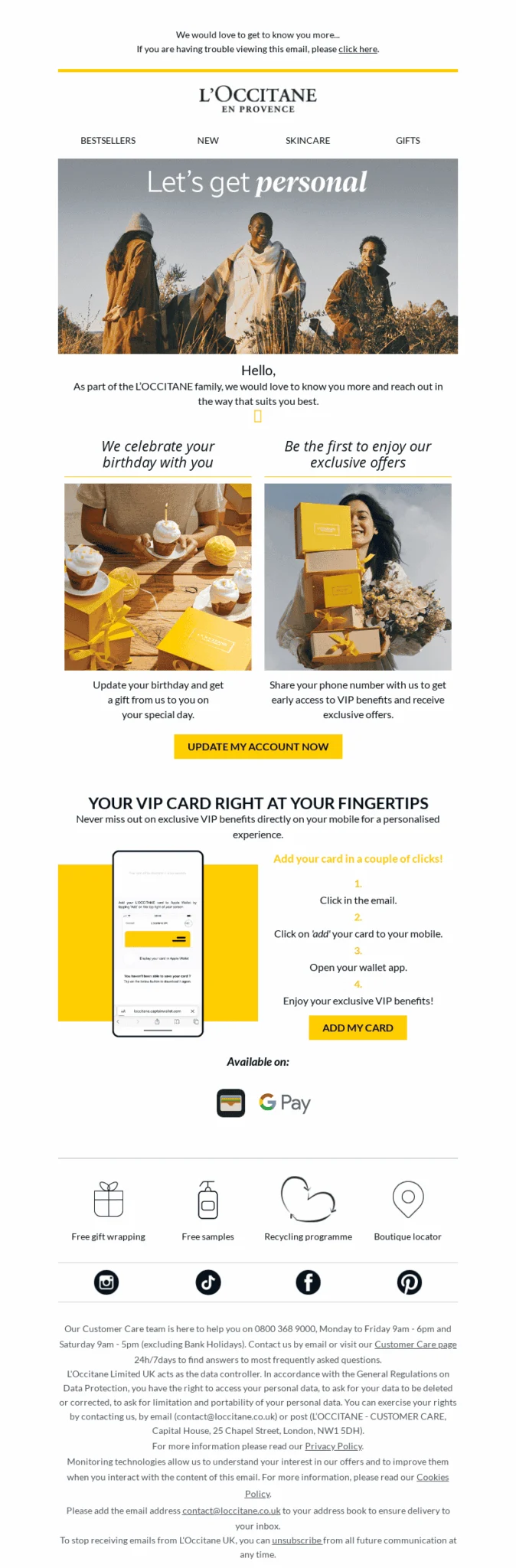
In the rapidly evolving digital ecosystem of May 2026, email marketing retains its unparalleled position as a cornerstone for business-to-customer engagement. Far from being a relic of the past, email continues to offer businesses a direct, owned channel to their audience, whether for critical product announcements, nurturing welcome sequences, informative newsletters, or targeted promotional campaigns. This direct line of communication is increasingly valued, especially in an era dominated by algorithmic social media feeds and pay-to-play advertising models where reach is often rented, not owned.
Recent data underscores this enduring preference. A comprehensive email engagement report published by Mailjet reveals that a significant 75.4% of consumers across major Western markets, including the U.S., UK, France, Germany, and Spain, express a preference for email when receiving promotional messages. Furthermore, 74% favor email for crucial transactional communications, such as order confirmations or password resets, over all other available channels. These statistics solidify email’s status not merely as a marketing tool but as a foundational element of customer relationship management.
However, the strength of email marketing also presents a considerable challenge: the sheer volume and diversity of email marketing platforms available today. The market is saturated with options, ranging from tools designed for lean startups to robust enterprise solutions, from those prioritizing deep automation to those emphasizing simplicity. This vast landscape can quickly become overwhelming for businesses attempting to identify the optimal platform that aligns with their specific operational needs and strategic objectives.
Recognizing this complexity, a thorough investigation into the leading email platforms has been undertaken, leveraging years of experience in testing and analyzing marketing technologies. This guide aims to demystify the selection process, offering a clear pathway for solo founders and expanding teams alike to find an email solution that seamlessly integrates with their existing workflows and future growth ambitions.
The Enduring Relevance of Email in the Digital Age: A Historical Context

Email’s journey from a nascent communication tool in the early internet to a sophisticated marketing powerhouse is a testament to its adaptability and effectiveness. Originating in the 1970s, it gained widespread commercial adoption in the 1990s, evolving from basic text-based messages to rich HTML content. The early 2000s saw the rise of specialized Email Service Providers (ESPs), which transformed email from a manual, one-to-one interaction into a scalable, automated, and personalized marketing channel.
In an age where digital privacy concerns are paramount and regulatory frameworks like GDPR and CCPA have reshaped data handling, the “owned” nature of an email list offers businesses a stable and compliant communication channel. Unlike social media platforms, where algorithm changes can drastically reduce organic reach overnight, an email list provides direct access, fostering stronger relationships and more reliable engagement. Industry analysts consistently highlight email’s superior return on investment (ROI) compared to many other digital marketing efforts, often citing figures upwards of $36 for every $1 spent, depending on the sector and strategy. This enduring value makes the selection of the right platform a critical strategic decision for any business aiming for sustainable growth.
Defining Excellence: Core Criteria for Evaluating Email Marketing Platforms
To navigate the crowded market effectively, a rigorous evaluation methodology was employed, encompassing dozens of email tools. This involved hands-on testing, including setting up campaigns, configuring automation workflows, experimenting with templates, and exploring integration capabilities. It is crucial to note that no platform paid for inclusion; each earned its place through merit and performance against stringent criteria.
Modern email marketing extends far beyond simple message dissemination. Today’s leading platforms offer sophisticated capabilities for segmentation, triggered campaigns, and hyper-personalization. However, many tools either over-engineer solutions for enterprise-level demands or fall short for businesses serious about scalable growth. The evaluation focused on five non-negotiable attributes:
- Intuitive User Experience (UX) and Ease of Use: A platform should not demand extensive technical expertise or a significant time investment to master. The recommended tools facilitate straightforward list building, campaign creation, and automation setup via clean, logical dashboards. Any platform presenting a steep learning curve or clunky interface was excluded.
- Robust and Reliable Automation Capabilities: From initial welcome sequences to complex post-purchase follow-ups, automation is key to efficiency and personalization. Platforms were assessed for their ability to offer simple yet powerful automation workflows that are easy to configure and consistently perform as intended, without requiring coding knowledge.
- Seamless Integration with Existing Tech Stacks: An email marketing platform rarely operates in isolation. Compatibility with critical business tools such as e-commerce platforms (Shopify, WooCommerce), CRM systems (Salesforce, HubSpot), booking software, and analytical tools is vital. Priority was given to platforms offering robust native integrations or at least reliable connectivity via middleware solutions like Zapier, ensuring smooth data flow and workflow continuity.
- Flexible and Transparent Pricing for Growing Businesses: Cost-effectiveness is a primary concern, particularly for small businesses and startups. The selection prioritized platforms offering accessible entry-level plans, free tiers with meaningful features, or pay-as-you-go models, avoiding restrictive long-term commitments or high minimum volume requirements. The goal was to identify solutions that allow businesses to start small and scale without encountering prohibitive price jumps.
- Scalability to Support Future Growth: As a business expands, its email marketing needs evolve. The chosen platforms demonstrate the capacity to accommodate increasing subscriber lists, more complex campaigns, and sophisticated automation strategies without forcing a costly migration or significant operational overhaul. They are designed to grow with the business, providing continuity and value over the long term.
Understanding Email Marketing Platform Pricing Models
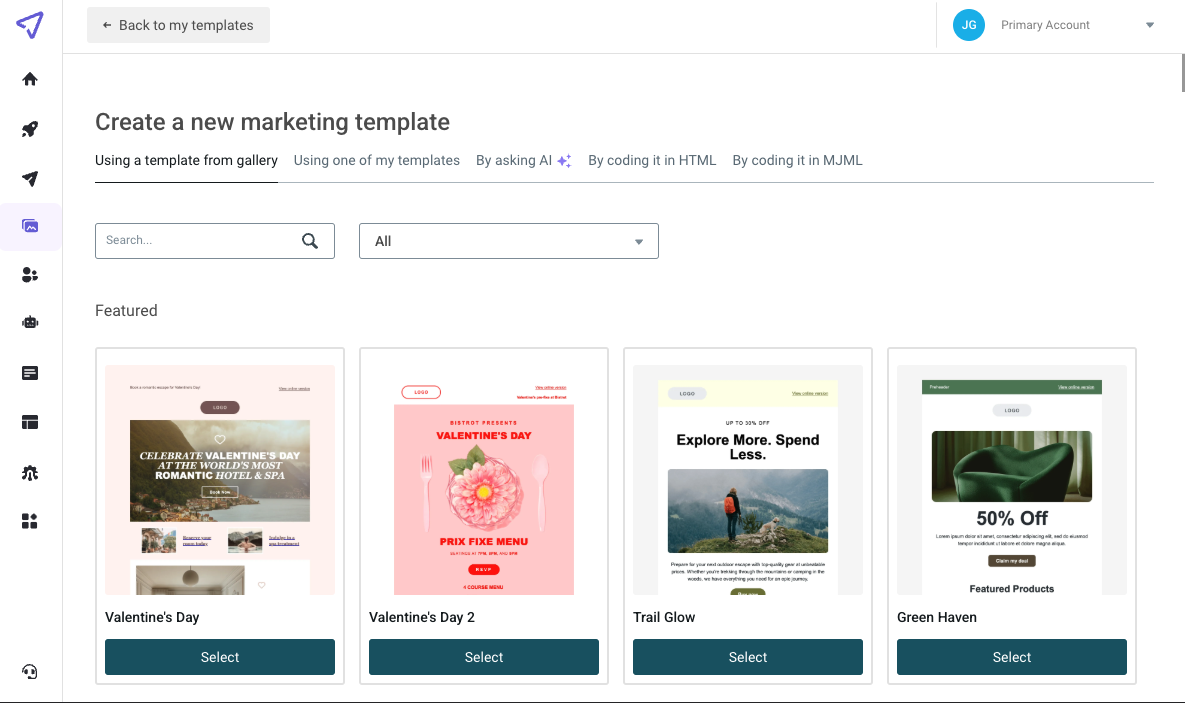
For businesses operating with defined budgets, a comprehensive understanding of pricing structures is as critical as feature evaluation. While many platforms offer free tiers, these often come with limitations on subscriber count, email sends, or advanced features, which can impede growth. When comparing costs, businesses should consider the following common pricing structures:
- Subscriber-Based Pricing: The most prevalent model, where costs increase proportionally with the number of contacts in your list. This can be predictable but also penalizes list growth.
- Email Send-Based Pricing: Some platforms charge based on the total volume of emails sent per month, irrespective of subscriber count. This can be advantageous for smaller, highly engaged lists but may become expensive with frequent bulk sends.
- Feature-Based Tiers: Platforms often offer multiple plans (Basic, Standard, Premium, Enterprise) that unlock progressively more advanced features, support levels, and send volumes.
- Hybrid Models: A combination of the above, where a base price might cover a certain number of subscribers and sends, with additional costs for exceeding limits or accessing premium features.
- Freemium Models: Offering a “forever free” plan with limited features or subscriber/send caps, ideal for beginners or very small lists, but requiring an upgrade for serious growth.
When assessing pricing, it is paramount to project future growth. A seemingly attractive low-cost plan might quickly become expensive or restrictive as subscriber numbers increase or as the need for advanced features arises. Prioritizing platforms that offer clear scaling paths and transparent pricing avoids the significant operational and financial burden of migrating platforms later.
Spotlight on Leading Email Marketing Platforms
This curated list highlights platforms that excel in specific niches, demonstrating their unique value propositions in the current market.
Best for Budget-Conscious Teams: Mailjet
Mailjet stands out as an exceptionally cost-effective solution without compromising on essential features. Its intuitive platform allows users to manage both marketing and transactional emails, build lead generation forms, and design landing pages with minimal friction. A key differentiator is its pricing model: Mailjet charges solely based on email send volume, not subscriber count. This offers predictable costs even as subscriber lists expand, making it an attractive option for startups and growing teams seeking robust email capabilities without a steep financial commitment.

- Key Features: Drag-and-drop email builder, comprehensive API for developers, SMS marketing integration (on higher tiers), multi-user collaboration, real-time analytics, A/B testing, transactional email capabilities, list segmentation, automation workflows, and a wide array of customizable templates.
- Drawbacks: Advanced marketing automation features may require higher-tier plans. Some users might find template customization slightly less flexible compared to more design-centric platforms.
- Pricing: Offers a generous free plan (up to 6,000 emails/month, 200 emails/day), essential paid plans starting around $15/month for 15,000 emails, with custom enterprise solutions for high-volume senders.
Best for Getting Started: Mailchimp
Often the first name new marketers encounter, Mailchimp offers an incredibly beginner-friendly experience backed by a solid free plan supporting up to 500 contacts. Its user-friendly interface simplifies campaign creation, making it an ideal starting point for those new to email marketing. However, as strategies mature and demand for complex automation or deep customization grows, users might encounter limitations that necessitate an upgrade or a switch to a more specialized platform.
- Key Features: Intuitive drag-and-drop editor, pre-designed templates, audience segmentation, basic automation (welcome series, abandoned cart), website builder, landing page creator, and marketing CRM.
- Drawbacks: Pricing can become expensive as subscriber lists grow beyond the free tier. Advanced automation and customization options are limited on lower-tier plans. Deliverability has occasionally been a concern for some users.
- Pricing: Free plan for up to 500 contacts and 2,500 emails/month. Paid plans start from approximately $13/month for 500 contacts, with costs escalating based on audience size.
Best for Digital Creators: Kit (formerly ConvertKit)
Kit, previously known as ConvertKit, is purpose-built for the unique needs of digital creators, including bloggers, YouTubers, podcasters, and solo entrepreneurs. It excels at list growth and automated follow-up sequences, even offering a free plan that supports up to 10,000 subscribers. Its focus is on helping creators build an audience and monetize their content, though more sophisticated features like multi-sequence automation and sales funnels require a paid subscription.
- Key Features: Audience tagging and segmentation, visual automation builder, landing pages and forms, product selling capabilities, customizable email templates (minimalist design-focused), and integrations with common creator tools.
- Drawbacks: Email templates are intentionally minimalist, which might not suit brands seeking highly visual designs. Analytics can be less granular compared to broader marketing platforms.
- Pricing: Free plan up to 10,000 subscribers (limited features). Creator plan starts around $29/month for 1,000 subscribers, with higher tiers for advanced features.
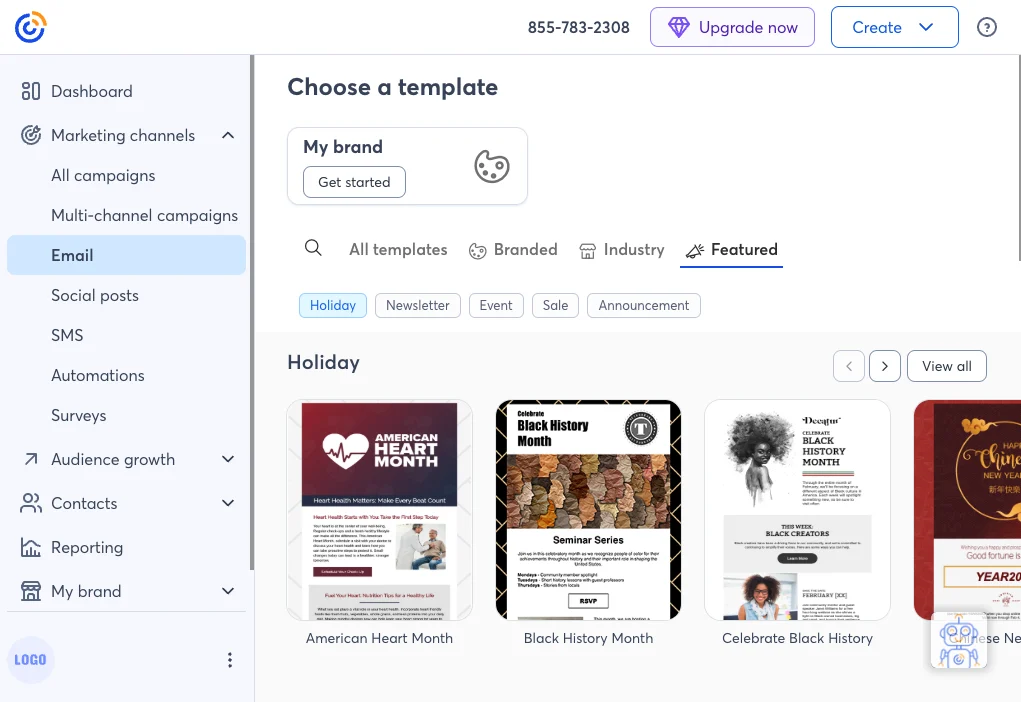
Best for Social-Savvy Brands: Constant Contact
For businesses that integrate their email campaigns tightly with social media strategies, Constant Contact provides an excellent solution. Its user-friendly drag-and-drop editor and consistently strong email deliverability rates make it a reliable choice. While it’s particularly well-suited for brands with a strong presence on platforms like Facebook and Instagram, its more advanced plans can become relatively pricey for smaller organizations.
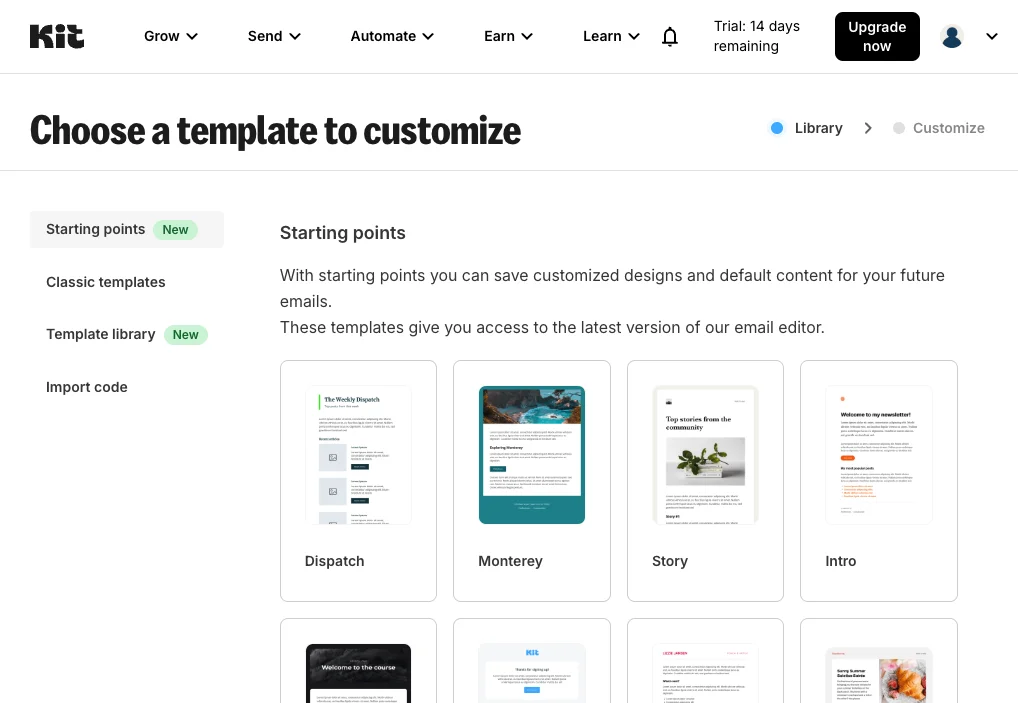
- Key Features: Easy-to-use email editor, social media marketing tools (scheduling, ad management), event management features, website builder, e-commerce integrations, and robust reporting.
- Drawbacks: Pricing structure can be less competitive as contact lists grow. Automation capabilities are somewhat basic compared to dedicated automation platforms.
- Pricing: Starts from approximately $12/month for 500 contacts, with pricing scaling based on contact list size and feature tier.
Best for Long-Standing Reliability: AWeber
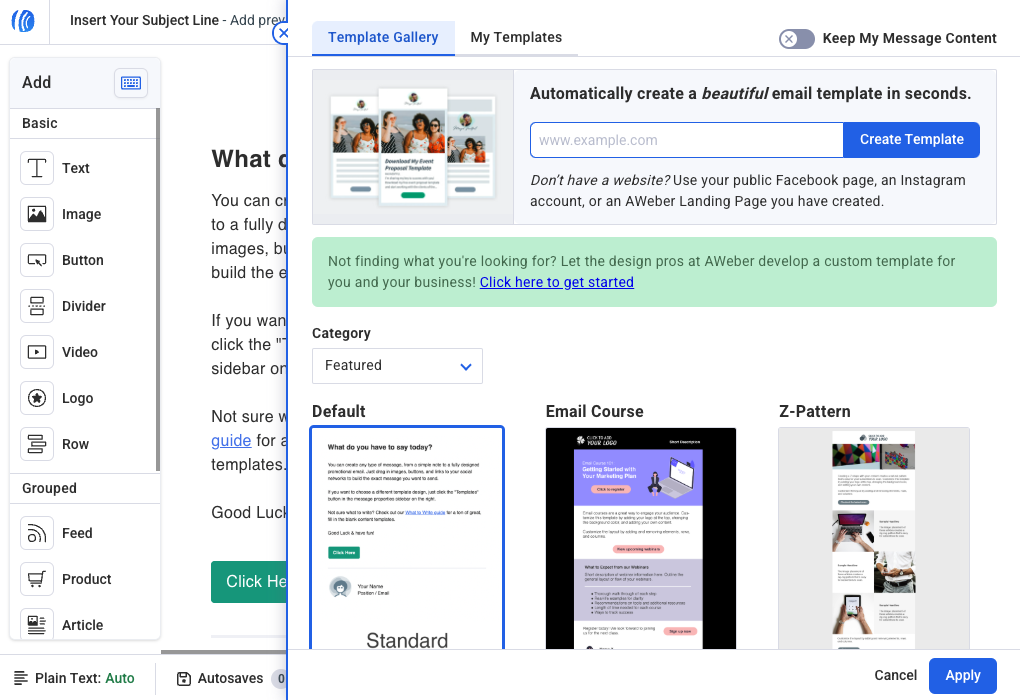
With over two decades in the industry, AWeber has established itself as a trusted platform for solo entrepreneurs and small business owners. It prioritizes ease of use, offering a wealth of pre-built templates, robust automation, and integrations with popular platforms like Etsy and YouTube. While it may not boast the cutting-edge features of newer entrants, AWeber consistently delivers on core email marketing functionalities, complemented by solid analytics and testing tools.
- Key Features: AI-powered email template designer, vast template library, unlimited landing pages, email automation, list segmentation, A/B testing, and comprehensive analytics.
- Drawbacks: Interface can feel somewhat dated compared to modern platforms. Advanced segmentation and complex automation workflows are less intuitive.
- Pricing: Free plan for up to 500 subscribers and 3,000 emails/month. Pro plan starts around $14.99/month for 500 subscribers, increasing with list size.
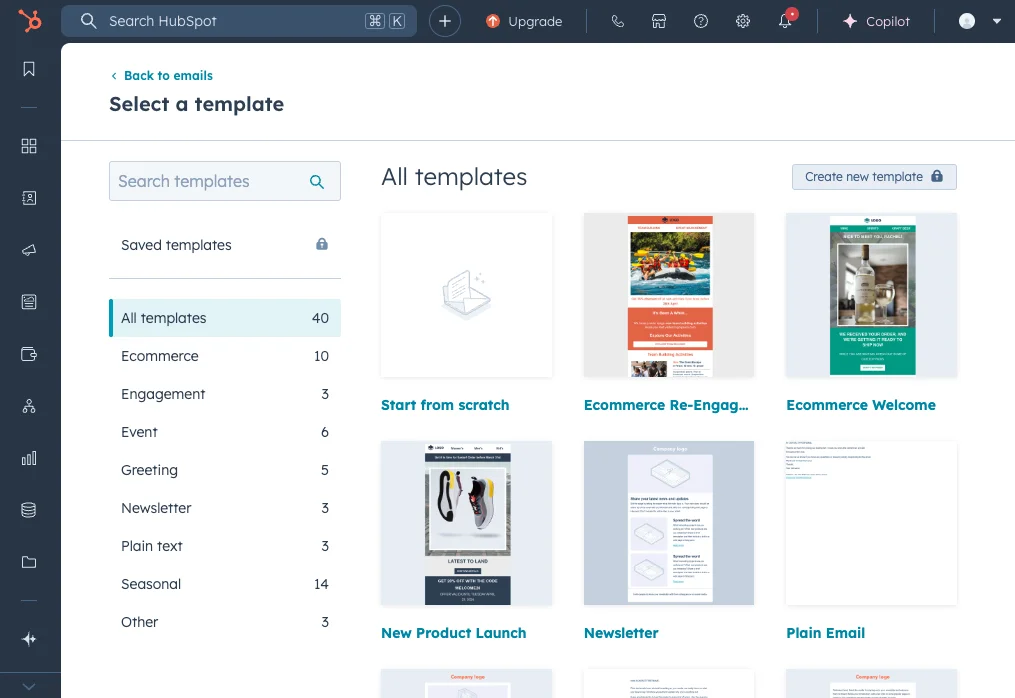
Best for All-in-One Marketing: HubSpot
HubSpot transcends traditional email marketing by offering a comprehensive CRM and marketing suite. It enables businesses to manage contacts, build intricate automated email flows, and track performance across various marketing channels from a single, unified dashboard. While its free tier is surprisingly generous, unlocking HubSpot’s more advanced automation and sales features typically requires a significant investment in its higher-tier plans.
- Key Features: Integrated CRM, marketing automation, email builder, landing page and website builder, ad management, live chat, sales tools, and advanced analytics.
- Drawbacks: Can be very expensive for small businesses needing advanced features. The learning curve for the full suite can be steep.
- Pricing: Free tools available (CRM, basic email marketing). Starter plan begins around $20/month, but full marketing hub features can reach hundreds or thousands of dollars per month depending on contact volume and feature set.
Best for Online Stores: Omnisend
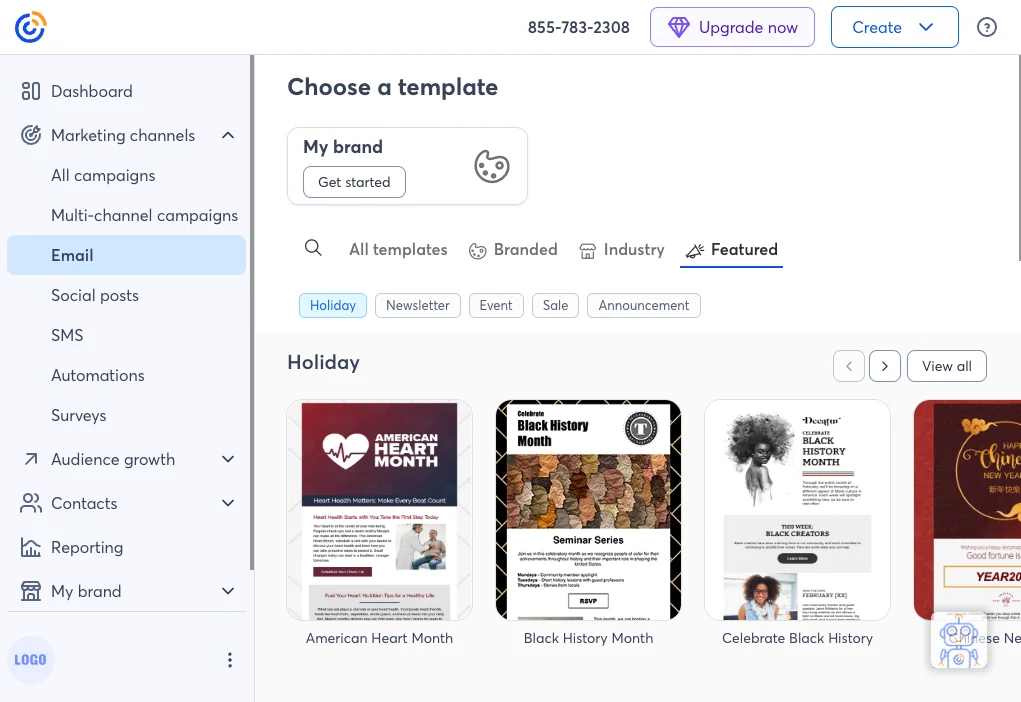
Omnisend is meticulously crafted for e-commerce brands, offering a powerful suite of omnichannel marketing tools including email, SMS, and push notifications, even on its free plan. It provides deep integrations with popular e-commerce platforms, enabling highly targeted campaigns based on customer behavior. While feature-rich, some users have noted that its email deliverability could be improved, and its template designs may lack the visual diversity of some competitors.
- Key Features: E-commerce focused automation (abandoned cart, product recommendations), SMS and push notifications, audience segmentation, drag-and-drop email builder, pop-ups and forms, and detailed sales reporting.
- Drawbacks: Email deliverability can sometimes be inconsistent. Template customization options are functional but not always visually inspiring.
- Pricing: Free plan for up to 250 contacts and 500 emails/month, plus limited SMS/push notifications. Standard plan starts around $16/month for 500 contacts, with pricing scaling by list size and send volume.
Best for Multi-Channel Campaigns: Brevo (formerly Sendinblue)
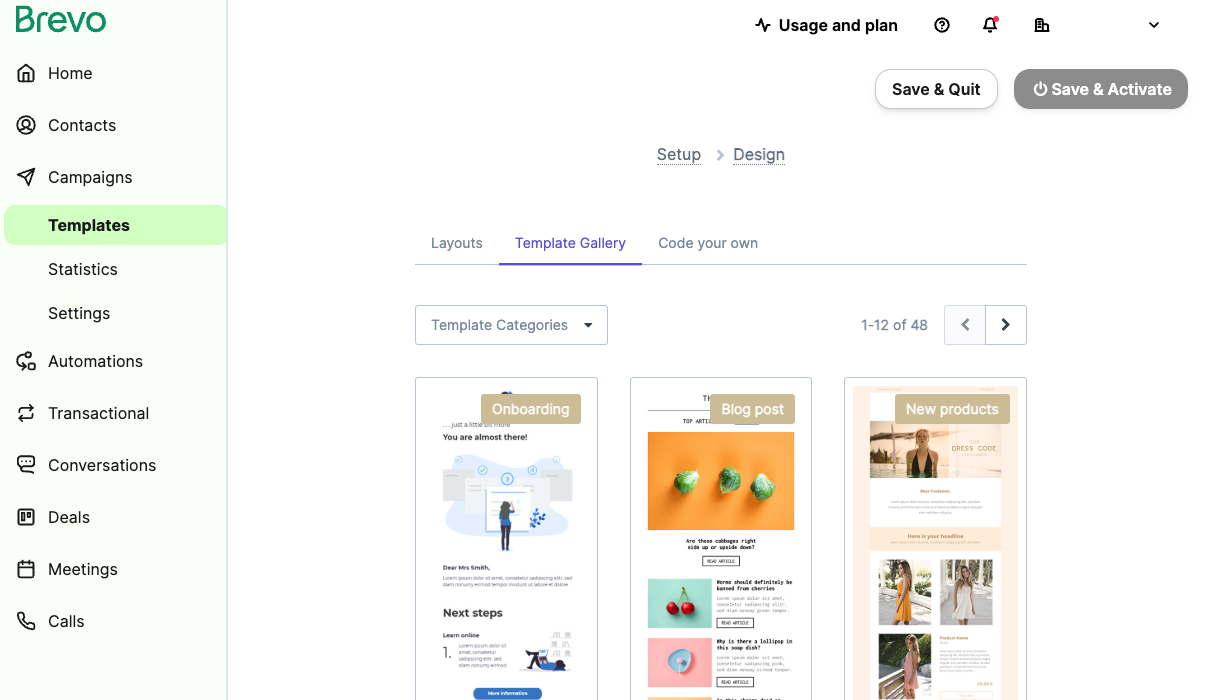
Brevo, previously known as Sendinblue, offers a unified platform to manage email, SMS, and live chat, making it ideal for businesses seeking to consolidate their communication channels. Its clean and user-friendly interface simplifies navigation across these diverse tools. However, access to its most sophisticated analytics and reporting features is typically reserved for higher-tier plans, which can be a consideration for data-driven teams.
- Key Features: Email marketing, SMS marketing, live chat, shared inbox, CRM, sales automation, landing page builder, and transactional email API.
- Drawbacks: Advanced analytics and reporting are limited on lower-tier plans. Some users report slower customer support response times.
- Pricing: Free plan for up to 300 emails/day. Starter plan begins around $25/month for 20,000 emails/month, with prices increasing based on email volume.
Best for Serious Automation: ActiveCampaign
ActiveCampaign is a formidable choice for businesses that require sophisticated automation capabilities beyond standard email blasts. It integrates advanced marketing automation with a robust built-in CRM, providing comprehensive control over the entire customer journey. From intricate workflow builders to dynamic content and intelligent segmentation, ActiveCampaign is designed for depth, though this comes with a steeper learning curve and a higher price point.
- Key Features: Advanced marketing automation, integrated CRM, sales automation, dynamic content, predictive sending, lead scoring, deep data segmentation, SMS marketing, and site tracking.
- Drawbacks: Higher cost compared to many competitors. The extensive feature set can lead to a significant learning curve. Customer support can be inconsistent depending on the plan.
- Pricing: Lite plan starts around $29/month for 500 contacts (billed annually), with prices escalating significantly for higher contact volumes and advanced features.
Strategic Alignment: Which Platform Best Suits Your Business Model?
The optimal email marketing tool is highly dependent on a business’s specific goals, resources, and operational model. The needs of a small local business differ significantly from those of a global e-commerce giant or a non-profit organization.
-
Small Businesses: Prioritize simplicity, affordability, and time-saving features. Look for platforms with intuitive dashboards, responsive customer support, and automation that simplifies routine tasks without requiring advanced technical knowledge. Scalable pricing that grows with the business without becoming prohibitive is a key consideration. Mailjet and Mailchimp are often strong contenders here.
-
E-commerce Brands: Revenue generation is paramount. Essential features include abandoned cart recovery, personalized product recommendations, robust segmentation based on purchase history, and seamless integration with e-commerce platforms like Shopify or Magento. Behavioral triggers and advanced personalization are crucial for driving conversions. Omnisend and ActiveCampaign are particularly well-suited.
-
Nonprofits: Maximizing impact with limited resources is key. Platforms offering discounted or free plans for non-profits are highly desirable. Features for donor segmentation, customizable templates for fundraising campaigns, and integrations with donation platforms are vital for engaging supporters and managing communications efficiently. Many general ESPs offer specific nonprofit programs; Brevo or AWeber could be good starting points.
-
B2B Companies: The focus is on lead nurturing, sales enablement, and pipeline acceleration. Integration with CRM systems, lead scoring capabilities, and tools for account-based marketing are critical. The email platform must seamlessly connect with the broader sales and marketing technology stack to ensure a cohesive customer journey. HubSpot and ActiveCampaign excel in this domain.
Making the Informed Decision: A Comprehensive Checklist
Choosing the right email marketing service is a strategic investment that requires careful evaluation. It’s about finding a platform that balances functionality, ease of use, and affordability, while offering the flexibility to adapt as your business evolves.
To guide your decision, consider the following checklist:
- Define Your Core Needs: What are your primary objectives? (e.g., lead generation, sales, customer retention, content distribution).
- Assess Your Technical Expertise: Do you need a drag-and-drop builder, or do you have developers for custom solutions?
- Evaluate Your Budget: What is your monthly or annual allocation for email marketing software? Consider both current and future scaling costs.
- Current Contact List Size and Growth Projections: How many subscribers do you have now, and how many do you anticipate in the next 1-3 years?
- Required Integrations: List all essential third-party tools (CRM, e-commerce, analytics, social media) that must integrate with your email platform.
- Automation Complexity: Do you need basic welcome sequences or multi-stage, behavior-triggered customer journeys?
- Deliverability Reputation: Research the platform’s reputation for email deliverability to ensure your messages reach the inbox.
- Customer Support: What level of support do you need (email, chat, phone, dedicated account manager)?
- Reporting and Analytics: What key performance indicators (KPIs) do you need to track, and how detailed should your reports be?
- Compliance and Security: Ensure the platform adheres to relevant data privacy regulations (GDPR, CCPA) and offers robust security features.
The right email platform is not merely a tool for sending messages; it’s an enabler for building genuine connections, driving meaningful growth, and solidifying your brand’s presence in the digital landscape. By taking a methodical approach, testing several options, and aligning your choice with your unique business identity, you can select a platform that truly empowers your email marketing strategy.
Frequently Asked Questions About Choosing an Email Service
For those new to email marketing or seeking to optimize their current setup, here are answers to common questions regarding email marketing services, features, pricing, integrations, and more.
What exactly is an email marketing service, and how does it function?
An email marketing service (EMS) or Email Service Provider (ESP) is a software platform designed to help businesses manage and execute their email campaigns. These tools typically provide features such as drag-and-drop email builders, automation workflows, subscriber list management and segmentation, signup form creation, A/B testing, and performance analytics. They streamline the process of sending both marketing and transactional emails efficiently, often without requiring extensive design or development skills.
How many emails can I send per month with these platforms?
The number of emails you can send varies significantly by provider and plan. Some higher-tier or business plans offer unlimited sends, while others impose monthly or even daily limits. It’s crucial to scrutinize the email send limits of each plan, especially if you anticipate having a large subscriber base or sending frequent bulk communications.
What are transactional emails, and are they necessary for my business?
Transactional emails are automated, system-triggered messages sent in response to a user’s action, such as order confirmations, shipping notifications, password reset links, or cart abandonment reminders. If you operate an e-commerce store, these are absolutely essential for customer service and trust. Many email marketing platforms integrate transactional email capabilities into their automation workflows, or allow connections via dedicated APIs.
Are there affordable email marketing services suitable for small businesses?
Yes, many affordable options exist. Several providers offer generous “forever-free” plans or basic paid plans that include fundamental features like email sequences, automation, and access to pre-designed templates. Mailjet, Brevo, and Mailchimp are frequently favored by budget-conscious users for their accessible entry points.
Beyond the basics, what advanced features should I prioritize?
For businesses ready to move past fundamental campaigns, prioritize platforms offering:
- Advanced Segmentation: Granular audience targeting based on behavior, demographics, or purchase history.
- Sophisticated Automation: Multi-step workflows, conditional logic, and integration with other business processes.
- A/B Testing & Optimization: Tools for testing subject lines, content, send times, and calls to action.
- Personalization & Dynamic Content: Ability to tailor email content to individual subscribers.
- CRM Integration: Seamless syncing with your customer relationship management system.
- Deliverability Tools: Features like dedicated IP addresses, sender authentication, and reputation monitoring.
These advanced capabilities are particularly beneficial for e-commerce businesses, content creators, and sellers of digital products.
Do email marketing tools integrate with my existing tech stack?
Most reputable email marketing platforms offer extensive third-party integrations with popular tools like Shopify, Salesforce, Google Analytics, Zapier, and various CRMs. For critical business functions, look for deep, native integrations that allow for seamless data exchange and workflow automation, such as CRM syncing, advertising platform integration, or conversion funnel tracking.
Which platforms are recommended for e-commerce email marketing specifically?
For online stores, platforms explicitly designed with e-commerce in mind are ideal. Omnisend, Drip, and Klaviyo are strong contenders. They typically offer features like commerce revenue attribution, sophisticated abandoned cart sequences, product-based segmentation, and sales automation workflows tailored to the unique needs of online retailers.
How crucial is email deliverability to campaign success?
Email deliverability is extremely important. A low deliverability rate means your emails might end up in spam folders or not reach their intended recipients at all, rendering your marketing efforts ineffective. Always choose platforms with a strong reputation for deliverability, and consider options like dedicated IP addresses if you send high volumes of email regularly.
Can content creators or bloggers effectively use email marketing software?
Absolutely. Many tools cater specifically to bloggers, advanced creators, and digital marketers. Features like email funnels, visually appealing campaign builders, customizable templates, and robust audience growth tools make them excellent choices for creators focused on selling digital products, building community, or cultivating a loyal subscriber base.
How can I effectively track the performance of my email campaigns?
The best email marketing platforms provide detailed, real-time performance reports. You’ll typically be able to monitor key metrics such as open rates, click-through rates, conversion rates, bounce rates, and unsubscribe rates. Some platforms also offer ROI tracking, subscriber scoring, and customizable dashboards to help you measure success against your specific marketing objectives.
Is it advisable to hire an email marketing agency?
For businesses with small internal teams, complex campaign requirements, or a need for specialized expertise, an email marketing agency can be highly beneficial. They can assist with strategy development, content creation, advanced automation setup, and ongoing optimization. However, for many businesses, a well-chosen email platform paired with robust onboarding resources and responsive customer support is sufficient to manage their email marketing in-house.
What are the primary types of email marketing campaigns?
Email marketing encompasses various campaign types, each serving distinct objectives:
- Promotional Emails: Announcing new products, sales, discounts, or special offers.
- Newsletters: Regular updates, curated content, industry news, or thought leadership.
- Transactional Emails: Automated messages triggered by user actions (e.g., order confirmations, shipping updates, password resets).
- Welcome Series: Automated sequences sent to new subscribers to introduce your brand and build initial engagement.
- Re-engagement Campaigns: Designed to re-activate inactive subscribers.
- Lead Nurturing Campaigns: A series of emails to educate prospects and move them through the sales funnel.
- Customer Retention/Loyalty Programs: Emails aimed at rewarding loyal customers and encouraging repeat business.
The selection of appropriate email marketing types depends on your overall business goals, target audience, and comprehensive digital marketing strategy.