The global digital advertising ecosystem is currently navigating a period of profound transformation as the traditional dominance of major platforms faces new challenges from rising costs, privacy regulations, and shifting consumer behaviors. According to a comprehensive survey of 1,440 marketing professionals conducted by Instapage, a significant disconnect has emerged between platform popularity and actual profitability. While approximately 87% of marketers continue to utilize Google or Meta Ads, the reported performance metrics suggest that high adoption does not always equate to high returns. Only 44% of respondents cited Google as their top-performing platform, and a mere 25% identified Facebook as their primary driver of Return on Ad Spend (ROAS). This discrepancy highlights a critical realization for the 2026 fiscal year: the success of a digital campaign is determined less by the platform where the ad is placed and more by the user experience that follows the initial click.

The Financial Reality of Modern Digital Advertising
The economic landscape of online advertising has become increasingly competitive, with the average cost per lead (CPL) climbing steadily. Data indicates that CPL rose from $66.69 in 2024 to a projected $70.11 by 2025 and 2026. This upward trajectory in acquisition costs means that advertisers are paying a premium for traffic, making every bounce or failed conversion significantly more expensive than in previous years.
Compounding the issue of rising costs is the technical performance of landing pages. Industry research reveals that the average landing page takes roughly four seconds to load on mobile devices. In an era of instant gratification, even a one-second delay in load time can result in a 20% reduction in conversion rates. Consequently, brands are frequently caught in a cycle of paying higher prices for clicks that ultimately fail to convert due to technical friction or poor post-click optimization.
Analysis of Core Platforms: Google and Meta Still Lead the Foundation
Despite the emergence of new players, Google Ads and Meta Ads remain the bedrock of most digital marketing strategies. Their dominance is rooted in decades of data accumulation, sophisticated targeting algorithms, and sheer reach.
Google Ads and the Power of Intent
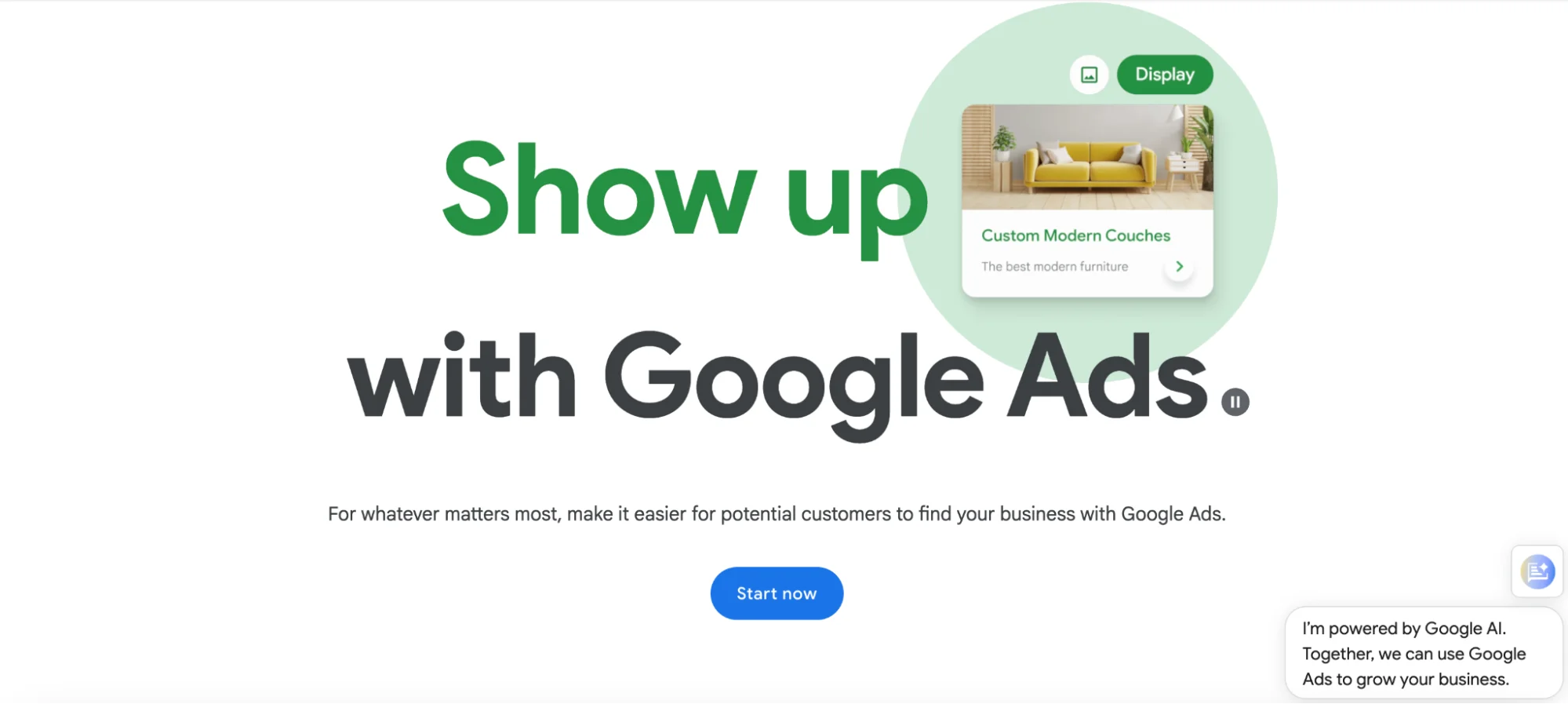
Google Ads continues to hold a commanding position by capturing high-intent search traffic. With access to over 90% of global search queries, Google allows brands to intercept consumers at the exact moment they are looking for a solution. The platform’s ecosystem—comprising Search, Display, YouTube, and Performance Max—offers a multi-layered approach to the customer journey. However, the effectiveness of Google Ads is increasingly tied to “Quality Score,” a metric that rewards ad relevance and landing page experience. Advertisers who fail to align their ad copy with their destination pages often find themselves penalized with higher Costs Per Click (CPCs) and lower ad rankings.
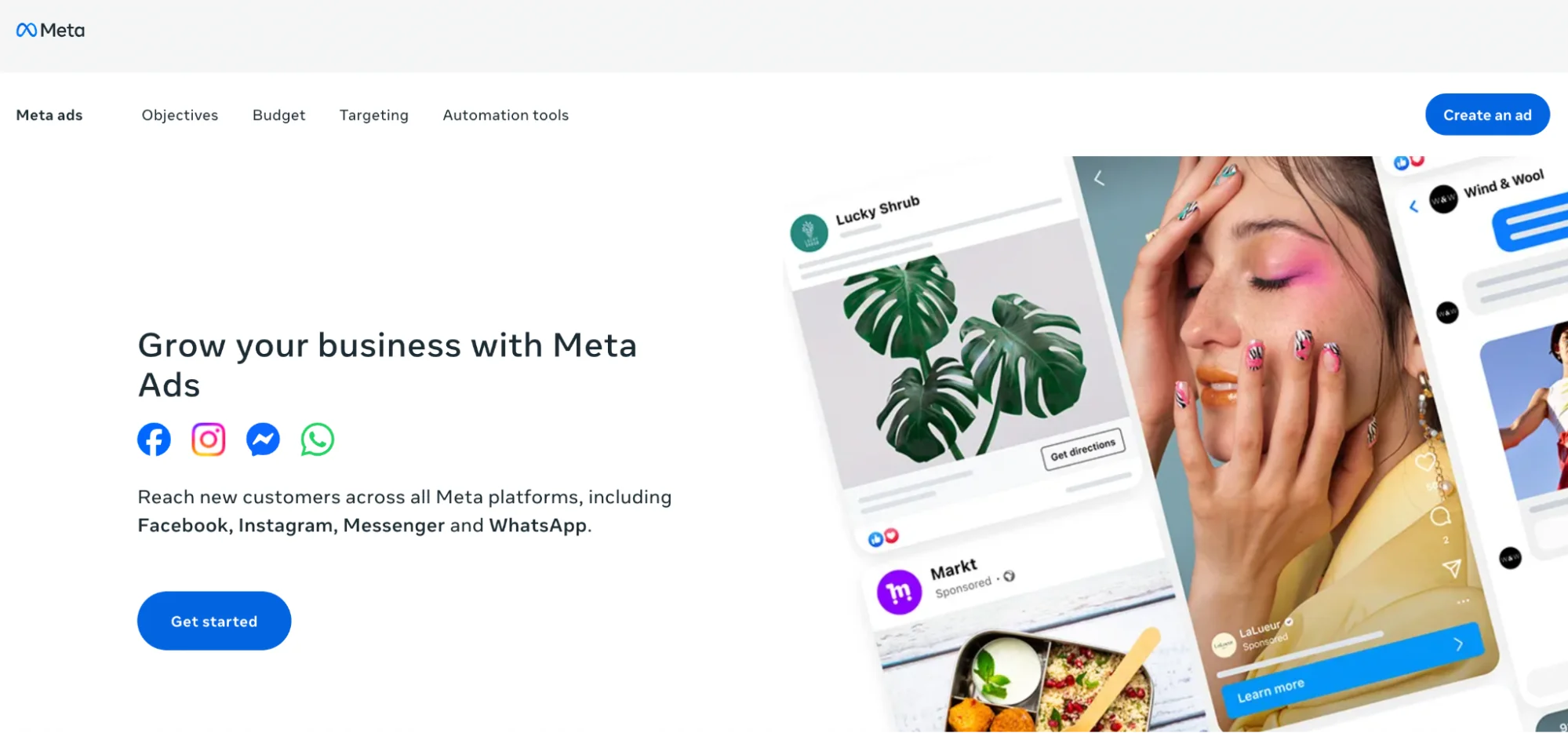
Meta Ads and Audience Sophistication
Meta, encompassing Facebook and Instagram, remains the leader in audience-based targeting. While only 25% of marketers cite Facebook as their top performer, the platform’s ability to leverage demographics, interests, and lookalike modeling remains unparalleled for brand awareness and top-of-funnel engagement. Since the implementation of Apple’s App Tracking Transparency (ATT) and subsequent privacy changes, Meta has pivoted toward broader audience targeting and Advantage+ automation. This shift requires marketers to rely more heavily on creative excellence rather than hyper-niche data segments.
The Rise of TikTok and the Shift in Content Strategy
One of the most notable trends in the 2026 outlook is the rapid ascent of TikTok Ads. The Instapage survey found that 25% of marketers plan to adopt TikTok in the near future, positioning it as the primary challenger to the Google-Meta duopoly. Unlike traditional social platforms, TikTok’s algorithm prioritizes engagement over follower counts, offering brands a unique opportunity for viral reach.
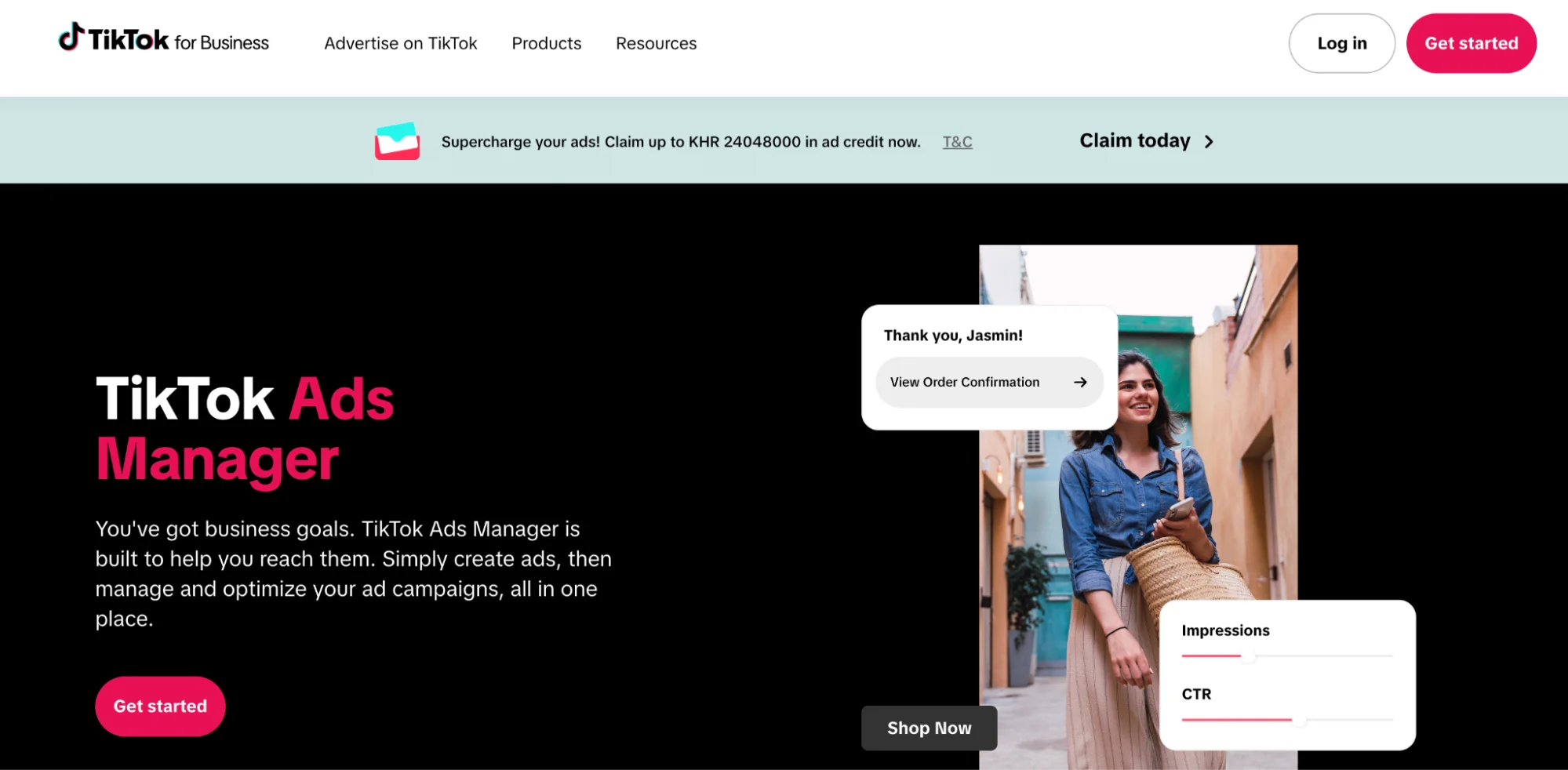
The challenge for advertisers on TikTok is the requirement for “native” content. Highly produced, traditional commercials typically underperform on the platform. Success on TikTok requires a “content-first” approach, where ads blend seamlessly with organic user-generated content. This evolution reflects a broader trend where consumers are becoming increasingly resistant to overt advertising, favoring authenticity and entertainment instead.
Diversifying the Portfolio: Microsoft, LinkedIn, and Pinterest
As costs on primary platforms rise, many brands are looking toward secondary platforms to find untapped value and lower competition.
Microsoft Advertising (Bing)
Microsoft Advertising has emerged as a strategic alternative to Google, particularly for reaching B2B audiences and older demographics. While Bing holds less than 10% of the global search market, the competition is significantly lower, often resulting in CPCs that are 30% to 50% lower than Google Ads. The ability to import campaigns directly from Google Ads has made it a low-friction option for brands looking to expand their reach without significant overhead.
LinkedIn Ads: The B2B Gold Standard
For business-to-business marketing, LinkedIn remains the undisputed leader. By allowing targeting based on job titles, company size, and industry seniority, LinkedIn reaches decision-makers in a professional context. Although the platform is known for having a higher cost-per-click than its social counterparts, the lead quality is generally superior, leading to higher lifetime value (LTV) for B2B enterprises.
Pinterest: Capturing Aspirational Intent
Pinterest Ads occupy a unique space between social media and search. Users typically visit Pinterest during the “planning” phase of a purchase—whether for home decor, weddings, or fashion. This puts Pinterest in a prime position to influence brand preference early in the buyer’s journey. Furthermore, “Pins” have a longer shelf life than posts on other social networks, providing sustained traffic long after the initial ad spend.
The Post-Click Revolution: Why ROAS is Won After the Click
The consensus among industry analysts for 2026 is that the “pre-click” side of advertising—targeting, bidding, and creative—has become largely automated and commoditized. The real competitive advantage now lies in the “post-click” experience.
Message Match and Cognitive Dissonance
A primary reason for low conversion rates is “message mismatch.” This occurs when the promise made in an ad (e.g., “50% off Winter Coats”) is not immediately reflected in the headline of the landing page. Any friction or confusion during this transition leads to immediate bounces. To combat this, advanced marketers are utilizing tools like AdMap to visually align every ad creative with a specific, dedicated landing page, ensuring a seamless narrative from click to conversion.
The Role of Personalization and Experimentation
In a crowded market, generic landing pages are no longer effective. Personalization at scale—where different audience segments see different headlines, images, and social proof based on their intent—has become a necessity. Furthermore, a culture of continuous experimentation through A/B testing is required to navigate changing consumer preferences. Testing elements such as Call to Action (CTA) placement, form length, and visual hierarchy allows brands to incrementally improve their ROAS without increasing their ad budget.
Privacy, Compliance, and the First-Party Data Mandate
As we move into 2026, the regulatory environment for digital advertising has become more stringent. The phasing out of third-party cookies in major browsers and the expansion of global privacy laws like GDPR (Europe), CCPA (California), and LGPD (Brazil) have fundamentally changed how data is collected and used.
The Shift to First-Party Data
With third-party tracking becoming less reliable, the most successful brands are those that prioritize the collection of first-party data. This is achieved through value-exchange mechanisms on landing pages, such as gated content, newsletters, and exclusive offers. By owning their data, brands can build more accurate customer profiles and reduce their reliance on platform-specific tracking pixels.
Consent Management
Compliance is no longer optional. Implementing robust Consent Management Platforms (CMPs) is essential for documenting user choices and avoiding significant regulatory penalties. Advertisers must now balance the need for data-driven optimization with the ethical and legal requirements of user privacy.
Decision Framework for Platform Selection in 2026
To navigate this complex environment, marketing teams are encouraged to adopt a goal-oriented framework for platform selection:
- High-Intent Acquisition: Focus on Google Ads, Microsoft Advertising, and Amazon Ads to capture users ready to purchase.
- Brand Awareness and Discovery: Utilize Meta Ads, TikTok, and YouTube to reach broad audiences and build top-of-mind awareness.
- Professional and B2B Growth: Prioritize LinkedIn Ads for reaching specific corporate personas and decision-makers.
- Visual and Lifestyle Marketing: Leverage Pinterest and Instagram for products that benefit from high-quality visual storytelling.
Conclusion: Focus Beats Fragmentation
The overarching lesson from the current state of digital advertising is that spreading a budget across too many platforms often leads to diluted results and poor attribution. Success in 2026 requires a disciplined approach: selecting 2-3 core platforms, mastering the targeting within those ecosystems, and—most importantly—investing heavily in the post-click experience.
By focusing on landing page speed, message match, and first-party data collection, brands can insulate themselves against rising ad costs and platform volatility. The future of digital advertising is not just about who sees the ad, but how effectively the brand honors the promise of the click. As the industry moves forward, the gap between “most used” platforms and “most profitable” strategies will continue to be bridged by those who prioritize the end-to-end user journey over simple ad impressions.