Email marketers today face an increasingly complex landscape, often burdened with a multitude of responsibilities that extend far beyond simple message dispatch. A recent study, the State of Email Workflows Report, revealed that nearly a quarter of all email marketers routinely manage eleven essential functions within their teams, highlighting a systemic challenge where professionals are trapped in a demanding cycle of request, production, and send, leaving little room for overarching strategic thought. This operational reality underscores a critical disconnect: simply sending emails, regardless of frequency or immediate need, does not constitute an email marketing strategy.
The Evolving Landscape of Digital Communication

Historically, email marketing might have been a straightforward affair, often involving mass blasts to an undifferentiated audience. However, the digital communication sphere has matured dramatically. Modern email marketing demands a sophisticated approach, integrating elements of data analysis, psychological understanding of consumer behavior, and technological prowess. The current environment is characterized by an explosion in email volume; as Cynthia Price, SVP of Marketing at Validity, observes, “Volume across the board is at an all-time high, and it’s expected to keep growing.” This surge presents both a challenge and an opportunity: to cut through the noise of crowded inboxes and deliver truly impactful messages.
The “doom loop” of reactive email production, where marketers respond to ad-hoc requests rather than executing a cohesive plan, directly impedes the realization of email marketing’s impressive potential ROI, which often stands at an estimated 36:1. Without a robust strategy, teams risk burnout, create bottlenecks in their workflows, and ultimately yield subpar results. A true email marketing strategy is a comprehensive blueprint designed to achieve specific business objectives through email. It transcends mere message delivery, focusing instead on identifying precise target audiences, leveraging sophisticated segmentation for personalized communication, crafting compelling content, optimizing strategic scheduling, and implementing rigorous performance measurement. Such a framework provides a clear roadmap for consistent, impactful, and results-driven email marketing efforts.
Defining a Comprehensive Email Marketing Strategy

At its core, an email marketing strategy outlines the target audience, defines clear goals, and details the precise methods for achieving those goals. This strategic clarity enables teams to align their efforts toward common objectives and prioritize tasks effectively, particularly when resources are stretched. As Price emphasizes, “In marketing, we define the word ‘campaign’ in 1,000 different ways. But I’d love email marketers to stop thinking about a campaign as a single email and more about how it fits into the broader marketing efforts. What is the larger initiative you’re taking on that’s going to reach your audience?” This perspective shifts the focus from individual sends to integrated, long-term initiatives.
Core Pillars of an Effective Strategy
Developing an effective email marketing strategy involves several interconnected components, each critical for maximizing engagement and return.
1. Goal Setting and Measurable Objectives: The foundation of any strategy is clearly defined goals. These should be specific, measurable, achievable, relevant, and time-bound (SMART). Whether the aim is to drive website sales, increase product awareness, improve email deliverability, or enhance customer loyalty, establishing these primary goals provides direction. Price highlights, “To me, strategy is based on what you’re trying to help your audience do within a specific timeframe.” While revenue-based goals are valuable, the emphasis should also be on improving subscriber engagement and fostering a positive relationship with the audience.
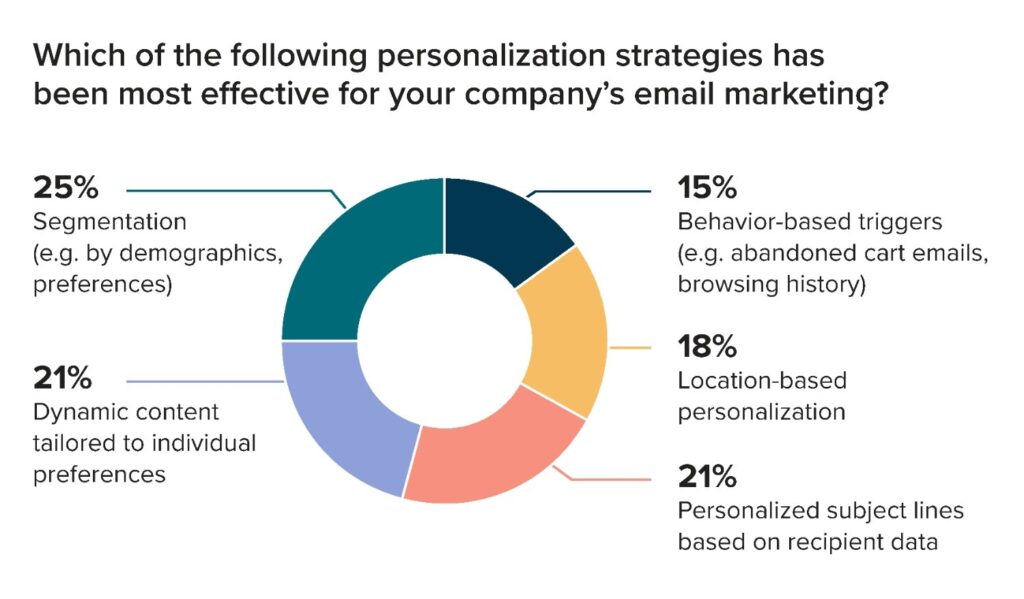
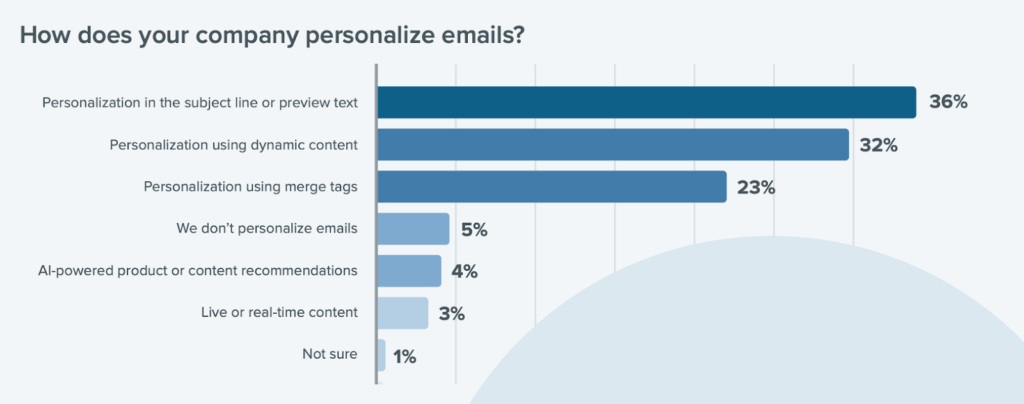
2. Audience Segmentation and Behavioral Insights: Understanding the audience is paramount. Customer segmentation involves dividing the email list into distinct groups based on shared characteristics or behaviors. This practice unlocks the power of personalized email content, which numerous industry reports identify as the most effective form of personalization. Criteria for segmentation can range from demographics and geographic location to purchase history, browsing behavior, engagement levels, and lifecycle stage. For instance, sending a “leave us a review” email to a new subscriber who hasn’t made a purchase would be counterproductive; similarly, promoting a dog accessory collection to a cat owner misses the mark. Effective segmentation ensures that transactional, promotional, newsletter, welcome, and onboarding emails are tailored to the recipient’s specific needs and journey stage, preventing confusion and maximizing relevance. The segments identified should, in fact, dictate the rest of the strategy.
3. Content Planning Across the Subscriber Lifecycle: A robust content strategy begins with list acquisition and hygiene. Documenting lead magnets, signup forms, opt-in procedures (single or double), and routine list cleaning processes are essential for building a quality email list that will drive all subsequent content. The next step involves mapping the entire buyer’s journey, from initial interest to conversion and retention. This journey often requires multiple marketing touchpoints and strategic email nudges. Content must evolve as the subscriber moves through the funnel, delivering relevant information at each stage—from introductory welcome sequences to educational content, product updates, and loyalty programs. The objective is to cultivate a relationship where subscribers eagerly anticipate future communications.
4. Rigorous Testing, Experimentation, and Optimization: Given the significant investment in email marketing, every message must perform flawlessly and reach the intended inbox. A crucial component of strategy is a comprehensive plan for testing emails, optimizing deliverability, and leveraging insights to improve future campaigns. This includes A/B testing elements like subject lines to boost open rates, and pre-send testing to ensure emails render correctly across various email clients and devices. Data from these tests is invaluable; for example, while optimizing for major clients like Apple Mail and Gmail is standard, specific audience data might reveal a dominant user base on Outlook, necessitating different design and coding considerations. Continuous testing is not merely a best practice; it is a learning imperative.
Key Performance Indicators (KPIs) and Measurement
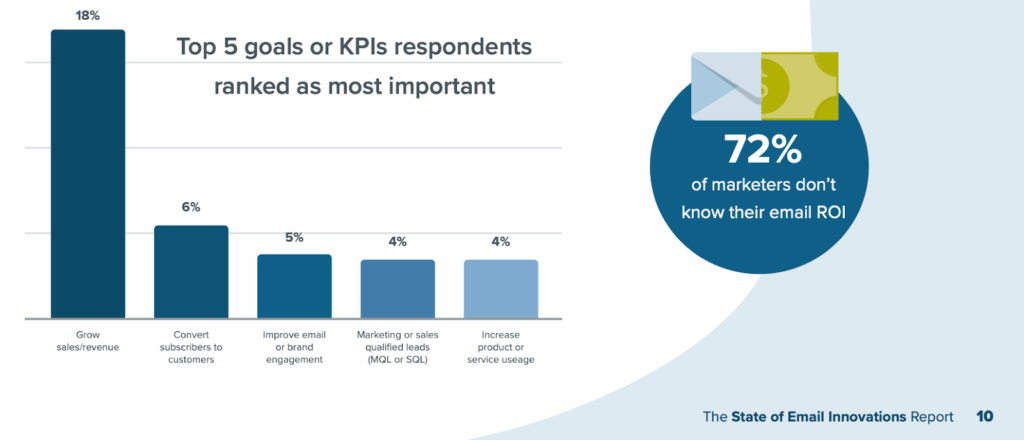
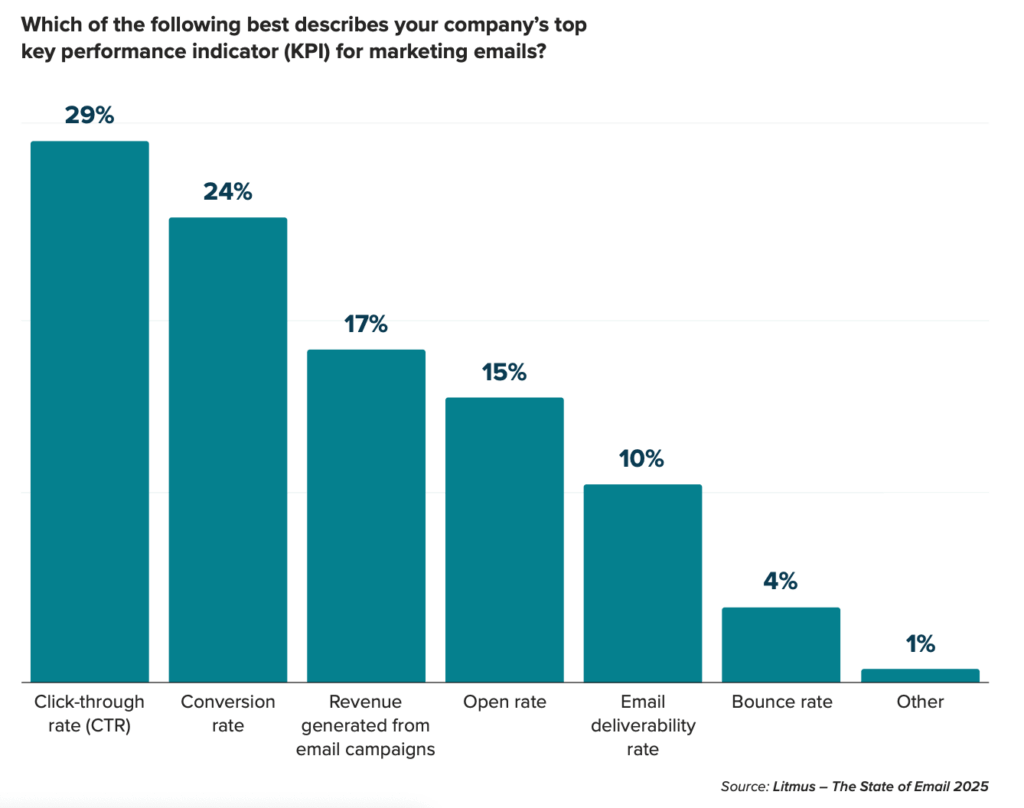
Strategy without measurement is incomplete. Connecting email marketing goals to specific Key Performance Indicators (KPIs) is fundamental for assessing success. The top goals for most email marketers—growing sales and revenue, converting subscribers to customers, improving brand engagement, and generating marketing-qualified leads (MQLs)—should align with the chosen metrics. At the campaign level, different KPIs apply: click-through rate (CTR) for newsletter engagement, email marketing ROI for promotional messages, open rates, conversion rates, bounce rates, and unsubscribe rates. Prioritizing these metrics based on the overarching strategic objectives is crucial. For example, if the primary goal is to fix deliverability issues, then initial KPIs should focus on sender reputation and inbox placement rather than immediate revenue. As Price wisely advises, “If you’re not delivering some level of value to the person on the recipient end of that email, then you’re not going to meet your goals… You have to connect with the customer, whether it’s with a discount, smart content, or emails that help them do what they want to do faster, better, and easier.”
The Cross-Functional Mandate: Email Marketing as a Collaborative Hub
Modern email marketing cannot operate in isolation. Its success is intrinsically linked to collaboration across various departments, transforming email teams into strategic hubs within an organization.
-
Email Marketing + Product: New product features or launches necessitate a predefined playbook. Collaboration with product teams is crucial to understand the “why” behind new developments and translate product benefits into customer value. This ensures messaging resonates and avoids generic announcements. Segmentation based on product interest or usage can further refine communication, ensuring relevant updates reach specific user groups. This proactive collaboration can also empower email marketers to push back on unrealistic expectations, prioritizing campaigns that truly deliver value to the audience.
-
Email Marketing + Support: Partnering with customer support teams can significantly enhance customer relationships and reduce inquiry volume. Informing support about major email campaigns (e.g., new products, pricing changes, promotions) allows them to prepare for potential customer questions. Moreover, support teams are invaluable sources of insight into customer pain points and information gaps, which can inform the development of onboarding sequences, retention nurture flows, and self-service content within emails, deepening product engagement.
-
Email Marketing + Sales: Aligning email marketing with sales efforts is critical to prevent prospect fatigue and ensure a consistent brand message. Working with sales leadership to integrate cold email strategies with broader marketing campaigns prevents prospects from receiving too many emails simultaneously. The goal is to educate sales representatives on building value-driven email sequences that nurture prospects over time, rather than pushing for an immediate hard sell. This collaborative approach fosters trust and guides prospects effectively through the sales funnel, ultimately leading to higher conversion rates and stronger customer relationships.
Navigating the Future: Emerging Trends and Strategic Shifts
The fundamental principle of email marketing—delivering valuable emails that audiences want to read—remains constant. However, how marketers achieve this is continually evolving, driven by technological advancements and shifting consumer expectations.
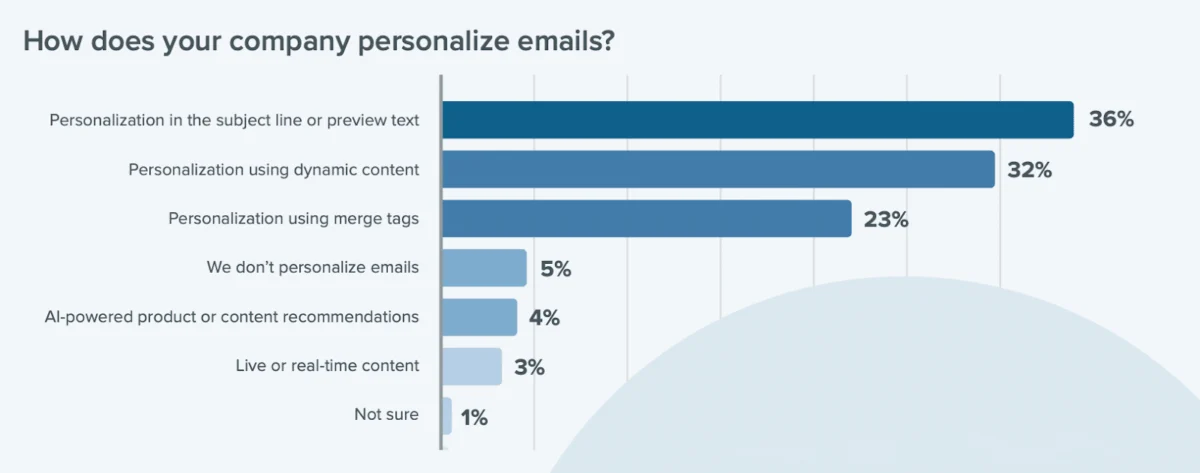
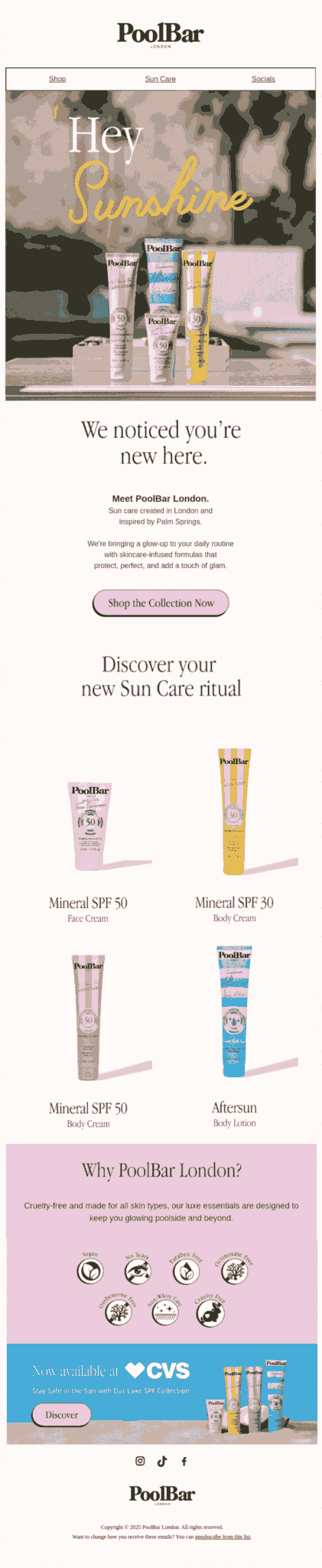
1. Advanced Personalization Beyond Basic Merge Tags: While 25% of marketers identify personalization as their most effective tactic, many still rely on basic <first name> merge tags. This represents a significant missed opportunity. True advanced personalization involves dynamic content, interactive elements like polls and countdown timers, and sophisticated product recommendation engines fueled by real-time behavioral data. Such tailored experiences cut through inbox clutter, offering genuine value and fostering deeper connections with subscribers. Generic AI usage that fails to consider the individual subscriber will fall short; personalization must be specific, targeted, and truly valuable.
2. The Rise of Triggered Nurture Flows and Automation: Scaling personalization effectively often relies on automating behavioral-based emails. Triggered nurture flows deliver the right message at the opportune moment, such as welcome sequences, abandoned cart reminders, re-engagement campaigns, or post-purchase follow-ups. These automated journeys guide subscribers through the funnel, providing relevant information and nudges based on their actions and interactions. The first email a subscriber receives is often the most opened; subsequent automated messages build on this initial engagement, moving them towards conversion and loyalty. Leveraging backend technology to respond to customer actions, like setting up a new product integration, ensures timely and highly relevant communication.
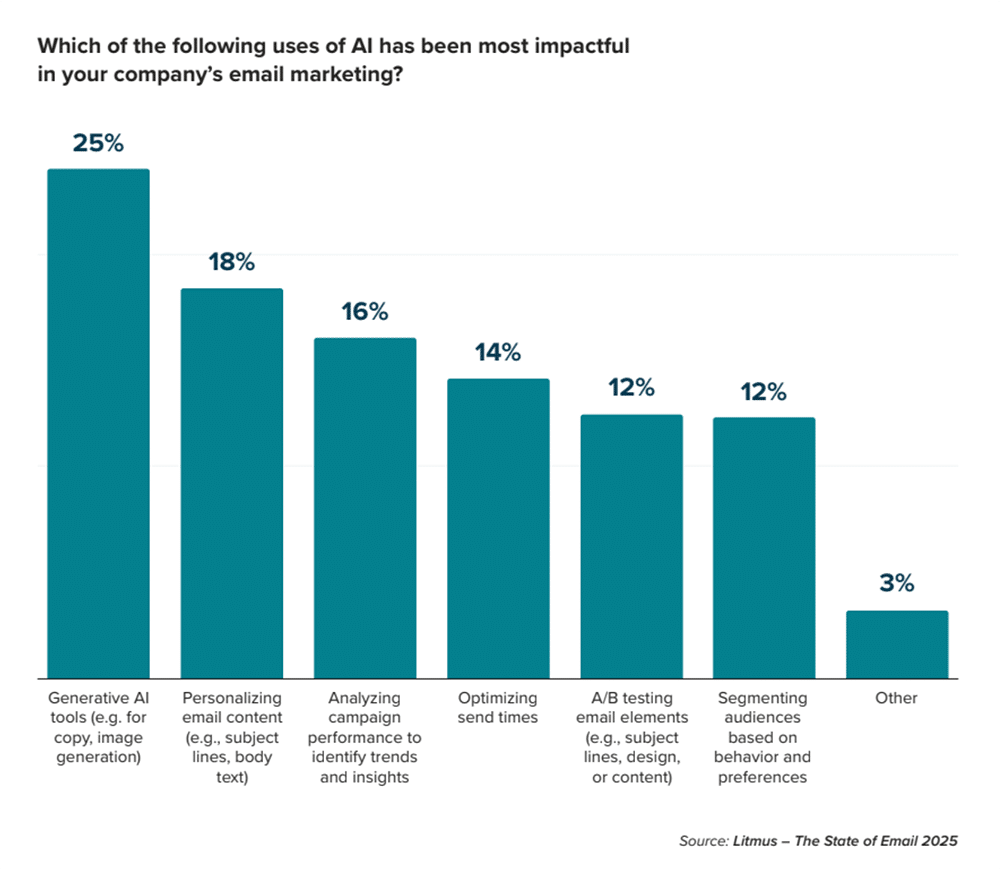
3. AI-Powered Augmentation, Not Replacement: Artificial intelligence is rapidly transforming email marketing operations. Projections indicate that by the end of 2026, 70% of email marketing operations could be AI-driven, with an additional 18% expecting 50-75% AI integration. AI is viewed as an augmentation tool, enhancing human productivity and data-driven decision-making. It can assist with content generation, subject line optimization, audience segmentation, and campaign ideas. However, AI is not a substitute for a well-defined human strategy. A great email campaign, regardless of AI involvement, still requires clear goals, a target audience, compelling content, strong calls-to-action, and robust measurement. Marketers must use AI critically, evaluating recommendations against their unique market positioning and audience preferences to ensure authenticity and relevance.
4. A More Efficient Modular Email Production Process: To execute strategy effectively and accelerate campaign deployment, teams are increasingly adopting modular email designs. Reports show that 80% of teams utilizing modular email designs can create a single email in two weeks or less, compared to longer timelines for bespoke designs. This approach relies on a library of reusable code snippets and a centralized design template system, which, despite its benefits, is currently used by only 28% of companies. For those who do, it dramatically improves brand consistency and efficiency. An email style guide, detailing branding elements, typography, imagery, call-to-action styles, and coding standards, becomes indispensable in this context. Optimizing the entire email production workflow, from design to deployment, allows teams to move faster and focus more on strategic initiatives rather than repetitive manual tasks.
Bringing Strategy to Life with Advanced Tools

Executing a sophisticated email marketing strategy requires a suite of advanced tools that support each stage of the process. For segmentation, robust Email Service Providers (ESPs) like Salesforce, MailChimp, Klaviyo, and Campaign Monitor are essential. Personalization is elevated through platforms such as Litmus Personalize and behavioral analytics tools like Customer.io, enabling dynamic and interactive content. Automation and AI are powered by ESPs and specialized AI assistants, streamlining triggered campaigns and content generation. Critical for quality assurance, tools like Litmus Test and Litmus Guardian provide comprehensive pre-send testing across devices and clients, optimizing deliverability and preventing errors. Finally, Litmus Analytics offers in-depth KPI analysis, providing the insights needed to measure performance against goals and continuously refine the strategy.
A meticulously crafted email marketing strategy is the bedrock upon which successful campaigns are built. It empowers email marketers to move beyond the reactive “doom loop” and leverage their expertise to drive substantial business growth. By focusing on clear goals, deep audience understanding, intelligent content, rigorous testing, cross-functional collaboration, and embracing emerging technologies responsibly, organizations can unlock email marketing’s full potential, ensuring consistent, impactful, and high-ROI communication that resonates with subscribers and achieves strategic objectives.