Brand voice is the consistent, distinct way a brand portrays itself through words, functioning as the verbal embodiment of its personality, expressed through tone, language, and style across all communication channels. This foundational element is not merely a stylistic choice but a strategic imperative that underpins brand identity, fosters audience trust, and significantly impacts market recognition and financial performance. A clearly defined brand voice ensures messaging coherence, mitigates the risk of off-brand communication, and establishes a memorable presence in a crowded marketplace.

The Genesis of Brand Personality: A Historical Perspective
The concept of a distinct brand voice has evolved significantly with the transformation of marketing and communication landscapes. In the era of traditional mass media, brands primarily communicated through one-way channels like television and print advertisements. Messaging was often formal, broadcast-oriented, and focused on product features, with limited direct interaction with consumers. The emphasis was on creating a memorable jingle or a striking visual, rather than a conversational identity.

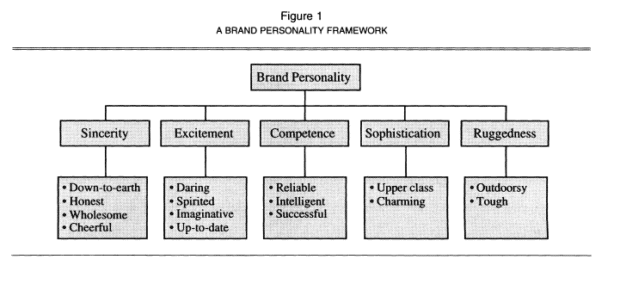
The advent of the internet in the late 20th century, followed by the explosion of social media platforms in the 21st century, fundamentally shifted this paradigm. Brands could now engage in two-way conversations with their audiences, necessitating a more human, relatable, and consistent persona. Consumers began seeking authenticity and connection, pushing brands to develop voices that resonated on a personal level. Early adopters of social media quickly realized that a static, corporate voice fell flat in dynamic, interactive environments. This shift spurred the development of frameworks like Jennifer L. Aaker’s Brand Personality Framework in 1997, which categorized brand personalities into five core dimensions: sincerity, excitement, competence, sophistication, and ruggedness. This academic insight provided a structured approach for marketers to define and cultivate their brand’s unique character, moving beyond simple product attributes to encompass emotional and relational qualities. The digital revolution, therefore, transformed brand voice from a nascent concept into a critical component of overall brand strategy.
The Tangible ROI of a Distinct Identity
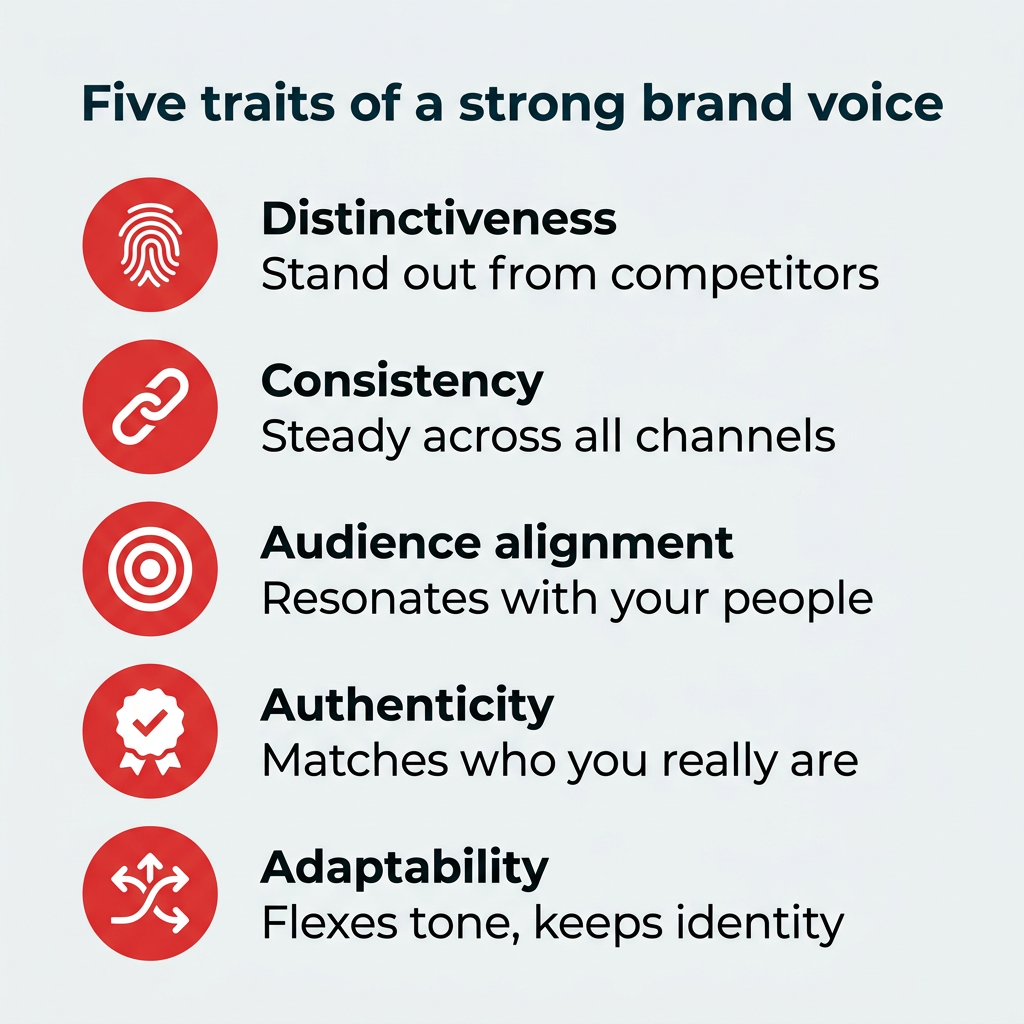
The strategic importance of a consistent brand voice extends beyond mere aesthetics, translating into significant financial and reputational gains. Research consistently demonstrates the direct impact of coherent brand presentation on business outcomes. For instance, studies have shown that consistent brand presentation can boost revenue by as much as 33%. This increase stems from enhanced brand recognition, stronger customer loyalty, and improved market differentiation.
A distinctive brand voice makes content instantly recognizable, akin to a strong visual identity. In the constant scroll of digital feeds, a unique verbal style allows audiences to identify a brand even before seeing its logo, thereby building crucial brand awareness and recall. This recognition also serves as a protective measure against impersonation, as genuine content stands out against fraudulent accounts. Furthermore, a well-defined brand voice acts as an invaluable communications blueprint for all internal teams—from marketing and public relations to human resources, sales, and customer support. It provides clear guidelines for language, tone, and style, ensuring that every public-facing message, whether a product launch announcement or a customer service reply, reflects the core brand personality. This alignment minimizes inconsistencies, reduces the need for endless revisions, and empowers employees and external partners (freelancers, agencies) to confidently communicate on the brand’s behalf.
Crucially, a consistent brand voice helps prevent social media missteps, which can be particularly damaging in today’s interconnected world. It provides a benchmark for evaluating content, especially pertinent with the increasing use of AI-generated drafts. A Klaviyo and Datalily survey indicated that consumers are four times more likely to distrust a brand if they detect AI-generated content that feels off-brand. Clear voice guidelines ensure that AI-assisted content remains true to the brand’s identity before publication, mitigating potential reputational risks. Finally, a humanized brand voice fosters deeper connections with customers and prospects. Edelman’s 2025 Trust Barometer highlights that 73% of individuals trust brands more when they authentically reflect contemporary culture. A relatable, engaging voice transforms a corporate entity into a personality that can amuse, entertain, inform, and align with audience values, leading to higher engagement and purchasing intent.
Navigating the Nuances: Voice vs. Tone Clarified
A common point of confusion in brand strategy is the distinction between brand voice and brand tone. While often used interchangeably, understanding their fundamental difference is crucial for effective communication. Brand voice represents a brand’s consistent personality, its inherent character that remains stable across all interactions and channels. It is the ‘who’ of your brand’s verbal identity—is it friendly, formal, witty, serious, authoritative, or playful? This core personality is rooted in the brand’s values, mission, and overall identity.
In contrast, brand tone refers to the modulation of that voice based on specific situations, audiences, or communication objectives. It is the ‘how’ the brand speaks in a given context. While the underlying voice remains constant, the tone can flex. For instance, a brand with a naturally friendly and witty voice might adopt an upbeat and celebratory tone for a product launch announcement, a calm and reassuring tone when addressing a customer complaint, or a respectful and empathetic tone during a public crisis. The consistent element is the inherent friendliness and wit (the voice), while the expression of that friendliness and wit adapts to the circumstances (the tone). This dynamic relationship ensures that a brand can maintain its authentic identity while being appropriately responsive and relevant in diverse communication scenarios.

Crafting Your Brand’s Narrative: A Comprehensive Framework
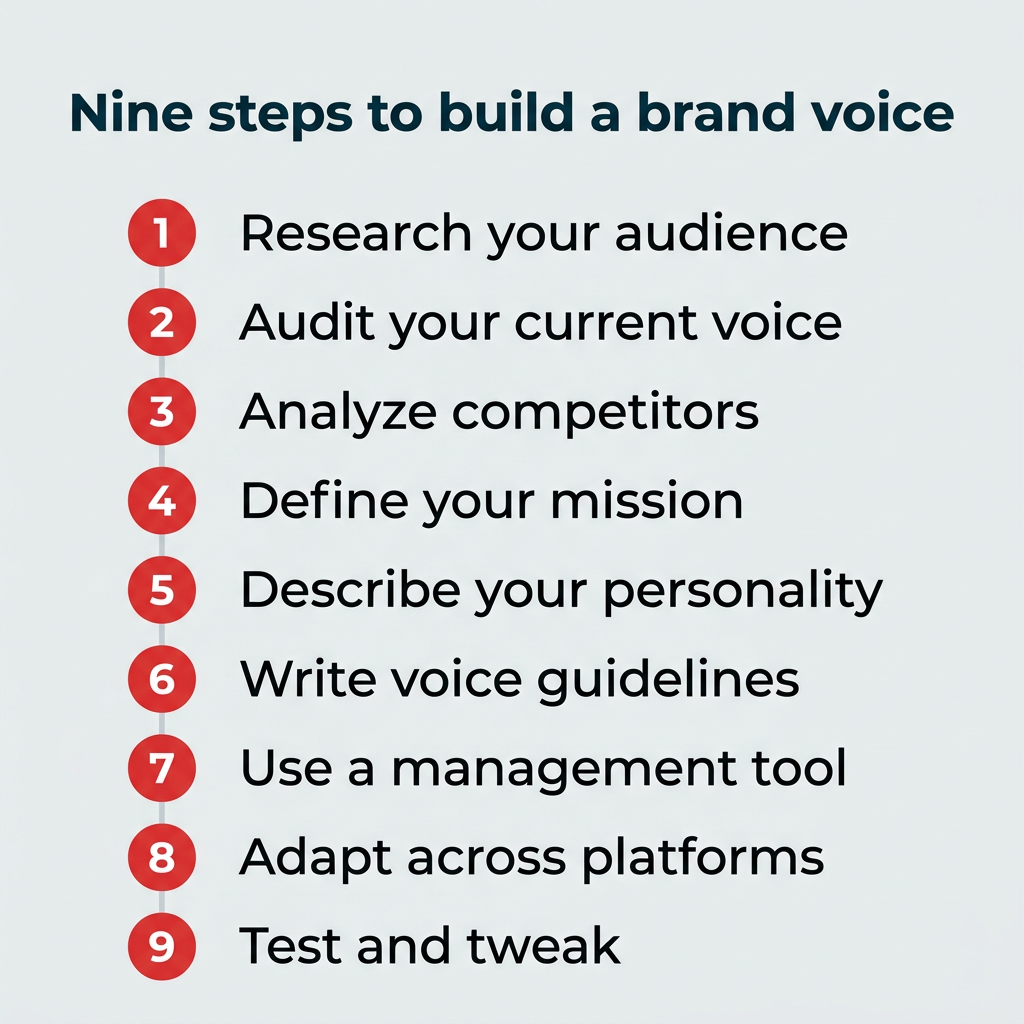
Building a robust brand voice requires a structured, multi-step approach that integrates audience understanding, competitive analysis, and internal alignment.
-
Research Your Audience: Before defining how your brand should speak, it is paramount to understand to whom it is speaking. This involves comprehensive audience research to identify demographics, psychographics, pain points, aspirations, and communication preferences. Tactics include social listening to observe their natural language, conducting surveys and interviews, organizing focus groups, and analyzing existing customer data. Understanding where and how they communicate will inform channel-specific adaptations of your voice.
-
Audit Your Current Brand Voice: For brands with an existing presence, a thorough audit of past communications across all channels is essential. This involves reviewing social media posts, website copy, email campaigns, and customer service interactions for consistency in tone, language, and style. Identify top-performing content and analyze commonalities in their captions and messaging. Simultaneously, flag any content that feels off-brand or inconsistent, providing clear examples of what to avoid moving forward.

-
Analyze Competitors’ Brand Voices: Understanding the competitive landscape is crucial for differentiation. Examine competitors’ communication strategies, paying close attention to their tone, vocabulary, and engagement styles on social media. This analysis reveals industry norms and identifies opportunities for your brand to carve out a unique verbal identity. The goal is not imitation but inspiration to find a distinct voice that addresses an unmet need or gap in the market.
-
Define Your Mission: Articulating your brand’s core mission and purpose is foundational. This involves clarifying what your brand aims to achieve for its audience and its overarching reason for existence. For social media specifically, define the purpose of your presence on each platform. This clarity will inherently guide your messaging and communication style, ensuring that your voice always serves a strategic objective.

-
Describe Your Brand Personality: This step brings your brand to life. Imagine your brand as a person: what are their key personality traits? Are they adventurous, nurturing, innovative, or humorous? Utilize frameworks like Aaker’s Brand Personality Framework (sincerity, excitement, competence, sophistication, ruggedness) to systematically define these characteristics. This exercise helps create a brand persona that audiences can relate to, respect, and trust, guiding all subsequent communication decisions.
-
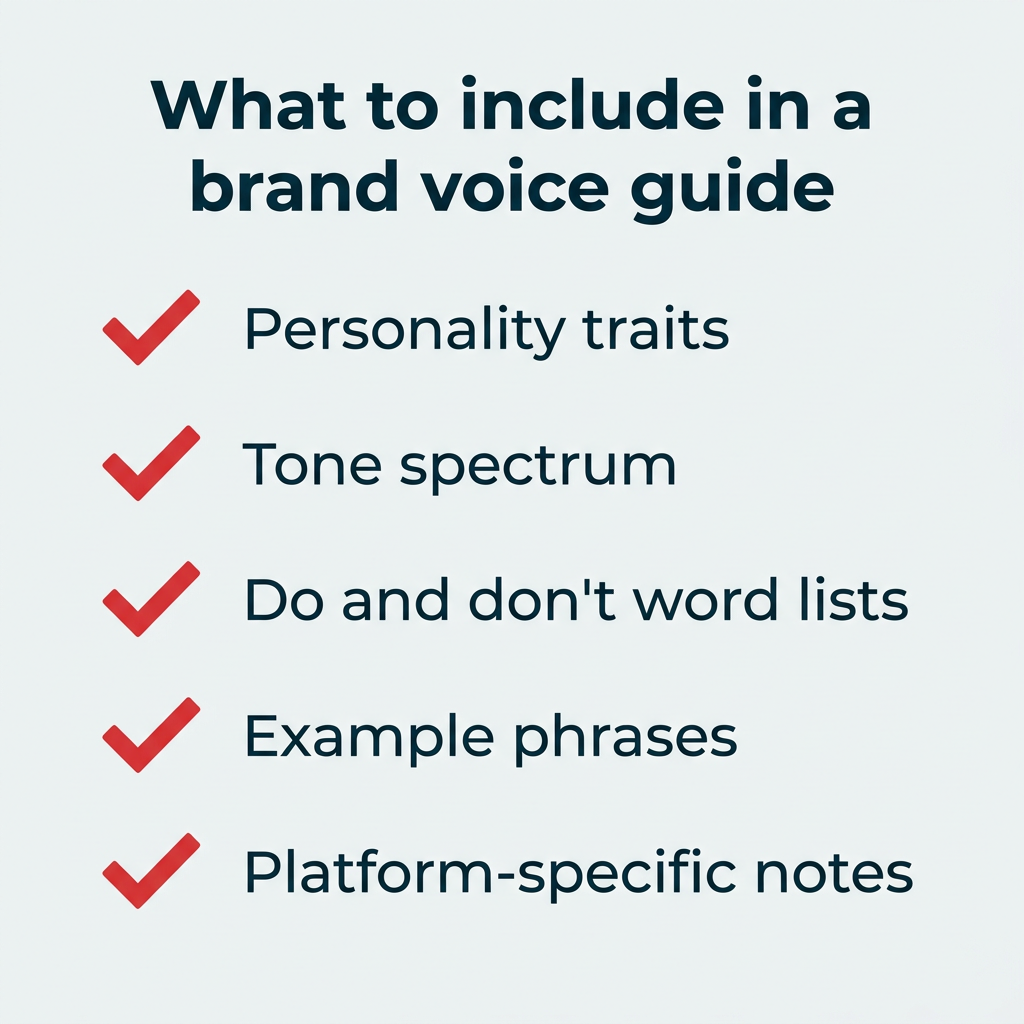
Develop Comprehensive Brand Voice Guidelines: These guidelines are the cornerstone of consistent communication. They should be a living document, part of a broader brand style guide, detailing specific elements. At a minimum, this includes:

- Personality Traits: A concise list of 3-5 core adjectives describing your brand’s personality.
- Tone Spectrum: A sliding scale illustrating how tone might shift from formal to informal, serious to playful, or direct to empathetic, based on context.
- Do’s and Don’ts: Specific words, phrases, and grammatical conventions to use or avoid. This can include industry jargon, slang, or specific terms related to your products/services.
- Example Phrases: Concrete examples of how the brand voice applies in common scenarios (e.g., promotional posts, customer replies, crisis communications).
- Platform-Specific Notes: Guidance on adapting the voice for different social media channels while maintaining core identity.
- Branded Hashtags: A list of official hashtags and guidelines for creating new ones. A simple brand voice chart (Voice Trait, Description, Do, Don’t) is an effective way to document this.
-
Leverage Social Media Management Tools: In multi-team, multi-channel environments, social media management tools like Hootsuite are indispensable for maintaining consistency. Features such as approval workflows, collaborative drafting, content scheduling, and analytics ensure that all published content adheres to brand voice guidelines. Advanced tools, including AI-powered caption generators like OwlyWriter AI, can assist in creating on-brand content quickly, with human oversight via approval processes to catch any off-brand elements.
-
Allow for Platform Adaptability: While the core brand voice remains consistent, its expression must adapt to the unique characteristics of each social media platform. The informal, visual-heavy nature of TikTok demands a different delivery than the professional, text-focused environment of LinkedIn. The key is to ensure that even with variations in wording, length, or format, the underlying personality remains unmistakable. Understanding platform demographics and trends is crucial for this adaptive execution.
-
Test and Continually Refine: Brand voice is not static; it evolves. Regular monitoring of social analytics is vital to understand which messages resonate, which formats perform best, and where the voice might be falling flat. Pay attention to audience feedback, both explicit and implicit. The rise of new platforms (e.g., Threads) or shifts in audience preferences necessitate periodic review and adjustment. This iterative process of testing, learning, and tweaking ensures the brand voice remains relevant and impactful.
Illustrative Case Studies: Voices That Resonate
Examining successful brands reveals how a committed approach to brand voice can create profound differentiation:
- Liquid Death: This water brand embodies a bold, irreverent, “heavy metal” persona. Their marketing, described as writing for a distinct character, makes them stand out dramatically from competitors like Smartwater or Evian. Their voice is anti-establishment, aggressive, yet humorous, turning a mundane product into a lifestyle statement.
- La Croix: In stark contrast, La Croix cultivates a cheerful, bubbly, and community-focused voice. Frequent use of terms like “BFF” and “Bestie,” abundant emojis, exclamation points, and puns create a vibrant, friendly, and approachable identity that resonates with a youthful, optimistic audience.
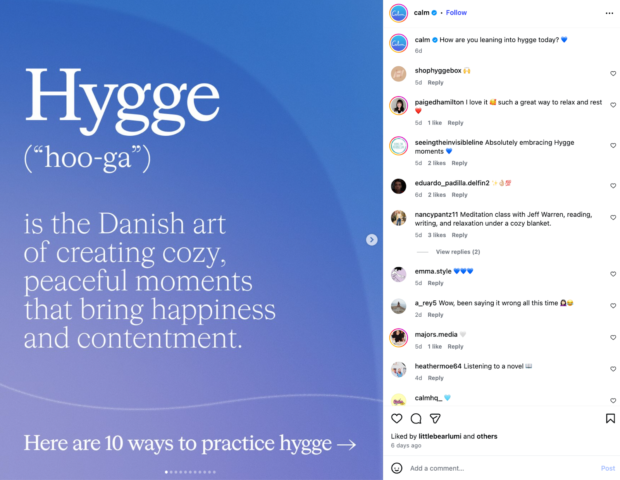
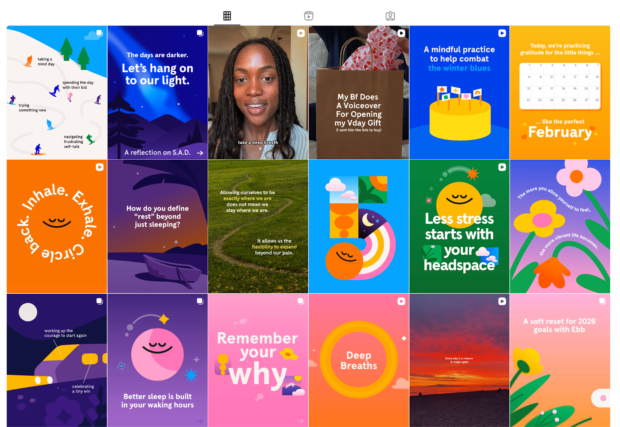
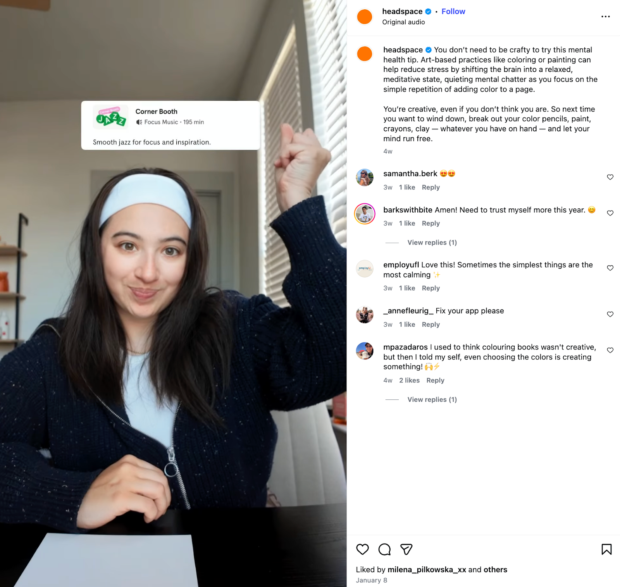
- Calm vs. Headspace: These two meditation apps operate in the same wellness space but differentiate significantly through their voices. Calm adopts a grounded, supportive, and gentle tone, complemented by soothing blue visuals and nature imagery. Headspace, while also encouraging, uses a more casual, lighthearted, and playful voice with bold colors and whimsical illustrations. Their distinct voices allow them to appeal to different segments within the same market.
- Slack: Demonstrating that brand voice is not exclusive to B2C, Slack employs a friendly, clear, and subtly witty voice for its enterprise communication platform. They simplify complex features into conversational language, making a professional tool feel approachable and human, rather than corporate.
- Whole Foods vs. Trader Joe’s: These grocery retailers showcase varied approaches to a “friendly” voice. Whole Foods uses concise captions, often just a few words and emojis, conveying a polished, light, and friendly tone. Trader Joe’s, conversely, uses much longer, narrative-driven captions that feel like a friendly crew member sharing a product story, creating a warm, engaging, and highly personalized experience around their offerings.
These examples underscore that consistency in character, even with varied tonal applications, builds distinct market identities and fosters strong customer relationships.
The Future of Brand Voice in an AI-Driven Landscape
The emergence of advanced generative AI tools presents both opportunities and challenges for brand voice. AI can significantly accelerate content creation, helping marketing teams produce vast quantities of text for social media, blogs, emails, and more. However, this efficiency comes with the critical need for robust brand voice guidelines and human oversight. As noted, consumers are wary of overtly AI-generated content, particularly if it deviates from a brand’s established personality.

The future will likely see AI becoming an indispensable assistant in content creation, capable of drafting copy that aligns with predefined voice parameters. However, the initial definition, strategic refinement, and final human touch will remain paramount. Marketers will need to train AI models on their specific brand voice guidelines, continually providing feedback to ensure output is not just grammatically correct but also emotionally resonant and authentically “on-brand.” The human element will shift from generating every word to curating, refining, and strategically deploying AI-assisted content, ensuring that the brand’s unique character and values are consistently conveyed, even as the tools for content production evolve.
Conclusion: The Enduring Power of Authenticity

In an increasingly digitized and competitive global market, a well-defined and consistently applied brand voice is no longer a luxury but a strategic necessity. It serves as a powerful differentiator, a trust-builder, and a revenue driver. By meticulously researching audiences, defining personality, establishing clear guidelines, leveraging appropriate tools, and adapting dynamically, brands can cultivate a verbal identity that resonates deeply. The enduring power of authenticity, expressed through a distinct and unwavering voice, remains the cornerstone for fostering long-term customer relationships and achieving sustainable growth in an ever-evolving communication landscape.